Stella McCartney returns to H&M in May with a sustainable capsule aimed at the high street, but the trade story is less about the “Rock Royalty” T-shirt (£37.99) and more about what happens when a luxury designer’s material standards hit a 3-billion-unit supply chain.
The collection includes oversized pinstripe tailoring — blazer (£259.99) and trousers (£139.99) — made from wool certified to Responsible Wool Standard (RWS). A comparable McCartney mainline set retails above £1,000. The price drop comes from H&M’s scale, not a standards drop, McCartney says: “This is not the cheapest of the cheap because there is a price that comes with doing anything good. But it’s an access area for more people.”
McCartney frames the capsule as “one for those that don’t know what sustainable means.” For the industry, it’s a test: Can a fast-fashion retailer integrate higher-spec inputs without reverting to lowest-cost substitution under margin pressure?
Ann-Sofie Johansson, H&M’s creative adviser, credits McCartney’s first 2005 collab for shifting H&M toward organic and recyclable cotton. “I also wanted to introduce them to my suppliers that champion sustainability,” McCartney said. “When H&M put in an order, it is meaningful, it can be life-changing for an innovator.”
“I hate how elitist the fashion industry is,” McCartney said. “I want a younger and wider audience to have access to my stuff.” For _Fabric and Garment_ readers, translate that: she’s using H&M’s order book to pull certified and next-gen materials into price brackets most consumers actually pay.
The collection drops in May. Twenty-one years after her first H&M sell-out, the metric to watch isn’t units moved. It’s whether the RWS, rPA, and bio-plastic specified here show up in H&M’s core lines 12 months later.
Eco friendly glasses are changing the way we think about eyewear. More than just frames, they represent a conscious choice to support sustainability, reduce environmental impact, and embrace ethical production—all while maintaining the style, comfort, and durability you expect.
As consumers become more aware of the environmental and social consequences of their purchases, choosing eco-friendly eyeglasses has become a meaningful way to align your lifestyle with your values.
What Are Eco Friendly Glasses?
Eco friendly glasses are frames designed to reduce environmental impact at every step, from production to disposal. Made from recycled, renewable, or biodegradable materials and crafted with ethical practices, they deliver style, comfort, and durability without compromise.
Why Eco-Friendly Glasses Matter
Eco friendly glasses play an important role in reducing waste, supporting healthier lifestyles, and encouraging more responsible consumer choices. The benefits include:
– Environmental Benefits: Reduced waste, lower demand for virgin plastics, and preserved natural ecosystems.
– Health Benefits: Naturally hypoallergenic materials like wood and bio-acetate offer a safer alternative for sensitive skin.
– Fashion & Lifestyle Benefits: Stylish options that align with an eco-conscious lifestyle.
Materials Used in Eco-Friendly Glasses
– Sustainable Wood Frames: Responsibly sourced hardwoods like walnut, ebony, or bamboo.
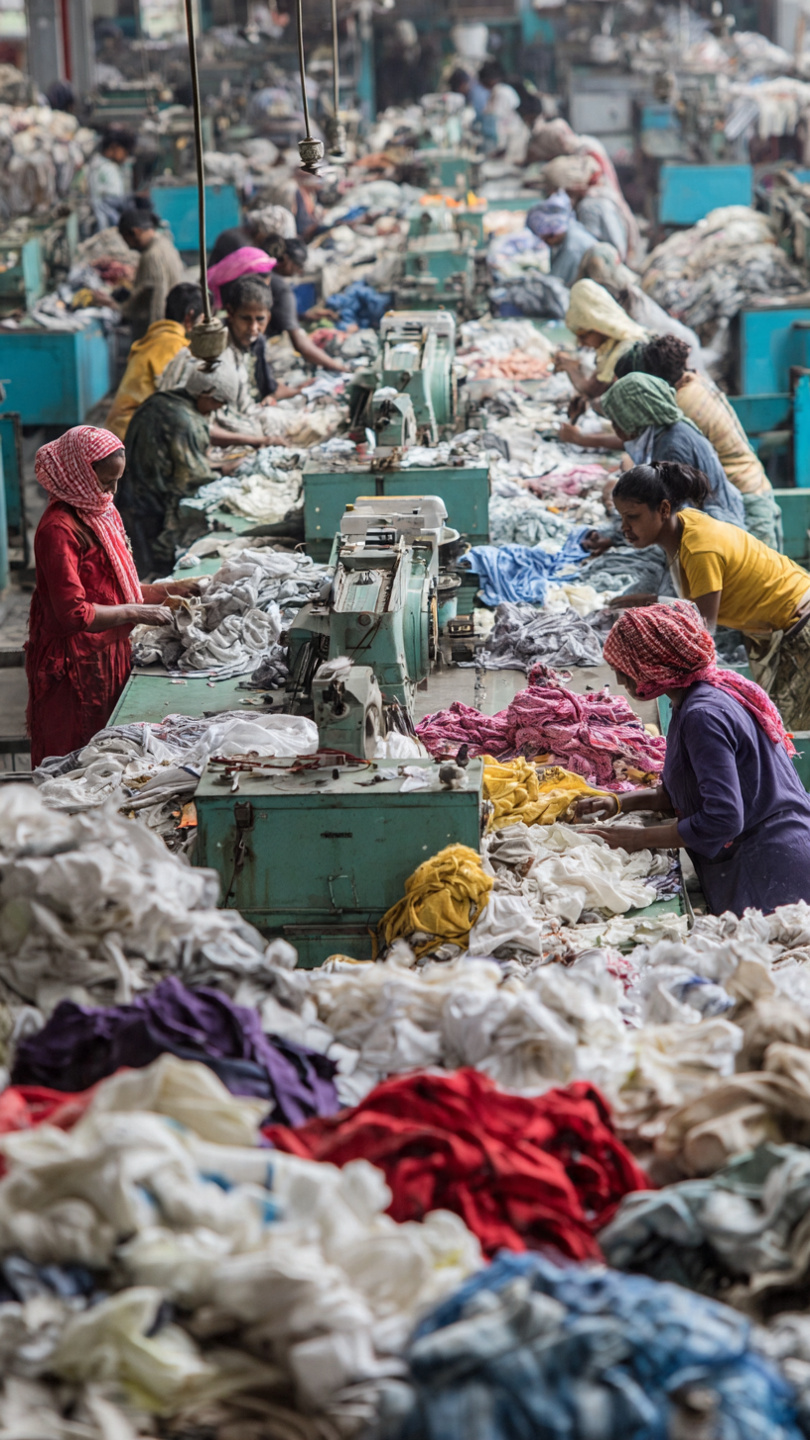
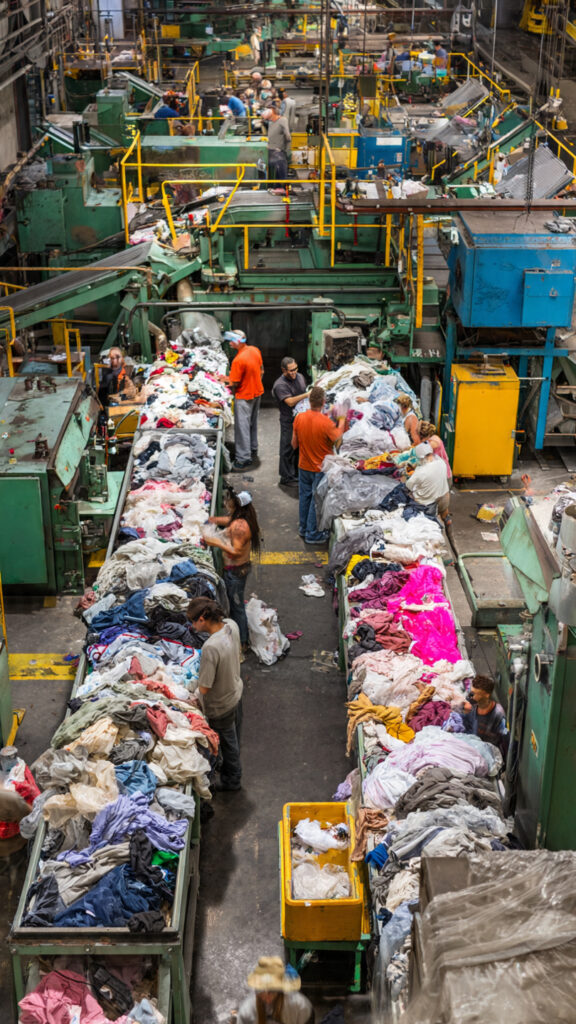
The fashion industry is one of the world’s largest polluters, with textile waste piling up in landfills and oceans. The statistics are staggering: the average person generates 12.8 kg of textile waste per year, with only 1% of materials being recycled into new clothing. But what if we could turn the tide? The key to a more sustainable future lies in textile recycling, and it’s being held back by a major hurdle: disassembly.
The complexity of textile materials, particularly blended fabrics, makes it challenging to separate and recycle them efficiently. Mixed fiber blends, lack of standardization, high costs, and limited infrastructure are just a few of the barriers to textile recycling.
The Challenges of Textile Recycling
– Mixed Fiber Blends: Difficulty in separating different fiber types, such as cotton and polyester, complicates recycling processes.
– Lack of Standardization: No global systems for tracking textile waste, making it hard to determine origin, fiber makeup, and chemical treatments.
– High Costs: Recycling processes are often more expensive than producing new materials, making it economically unviable.
– Limited Infrastructure: Insufficient recycling facilities and technologies to handle complex textile waste.
Innovative Solutions
But there’s hope. Researchers and innovators are working tirelessly to develop new solutions. Some of the most promising include:
– Automated Disassembly: Using advanced technologies to remove problematic elements and improve recycling efficiency.
– Advanced Sorting Technologies: Implementing near-infrared and hyperspectral imaging for precise fiber separation.
– Chemical Recycling: Breaking down synthetic polymers like polyester using methods like solvolysis and pyrolysis.
– Biological Recycling: Using enzymes to break down natural fibers, showing promise for sustainable recycling.
The Future of Textile Recycling
So, what does the future hold? Here are a few trends to watch:
– Increased Use of Recycled Materials: Brands are incorporating recycled materials into their collections, reducing waste and promoting sustainability.
– Circular Design: Designers are creating garments with recycling in mind, making it easier to disassemble and reuse materials.
– Chemical Recycling: New technologies are emerging that can break down synthetic polymers like polyester, making recycling more efficient.
Industry Leaders Making a Difference
Companies like Patagonia, H&M, and Levi’s are already making strides in textile recycling. They’re investing in innovative technologies, implementing circular design principles, and promoting sustainability throughout their supply chains.
What You Can Do
– Shop Second-Hand: Reduce textile waste by shopping second-hand or renting clothes.
– Support Sustainable Brands: Choose brands that prioritize sustainability and circular design.
– Recycle Your Clothes: Participate in textile recycling programs and donate old clothes to charity.
The disassembly dilemma is a complex problem, but with innovation and collaboration, we can unlock the secrets of textile recycling and create a more sustainable future for fashion.
The global upcycled fashion market is on the cusp of a revolution, with a projected value of $12.45 billion by 2030. But this isn’t just a numbers game – it’s a movement that’s redefining the very fabric of the fashion industry. Welcome to the world of upcycled fashion, where old becomes new, and sustainability is the ultimate style statement.
From Waste to Wow
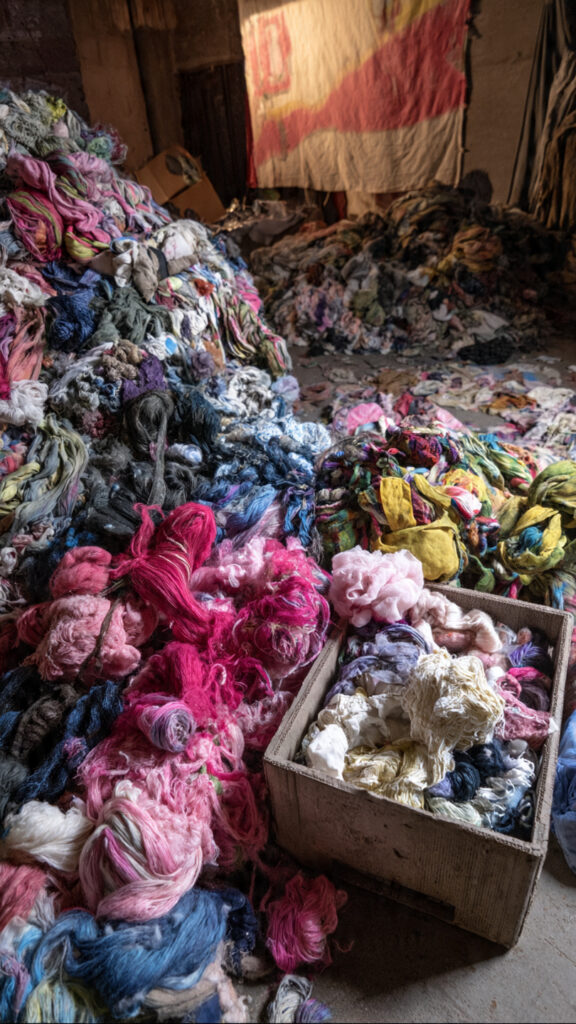
Less than 1% of textile materials are recycled into new clothing, leaving a staggering amount of post-consumer garments ripe for reinvention.
Upcycling turns these discarded clothes into new, unique products, reducing waste and promoting a circular economy. It’s a no-brainer, really – who wouldn’t want to give old clothes a new lease on life?
The Rise of the Circular Fashionista
Consumers are driving this trend, with 60% willing to change their buying habits to reduce environmental impact. They’re not just talking the talk; they’re walking the walk, seeking out brands that share their values. And brands are listening. From Patagonia’s Wrecked program to H&M’s Garment Collecting Initiative, circular business models are becoming the norm.
The Numbers Don’t Lie
– Apparel segment leads the market with 69.35% share- Denim and outerwear are top categories for upcycled collections
– Women’s segment dominates, but men’s segment is growing faster (10.01% CAGR through 2030)
Innovation in Action
Companies like Newless are pushing the boundaries, offering mail-in and pop-up upcycling services that transform old garments into customized pieces.
Digital Product Passports and 3D prototyping are also reducing waste and increasing supply chain transparency.
The future of fashion is looking greener, and upcycled fashion is leading the charge. As sustainability becomes a strategic priority, upcycling is set to become a scalable business model.
Global Fashion Agenda (GFA) has released a new insights paper, “Unpacking Pay Equity in Fashion: Türkiye”, shedding light on the drivers of gender pay disparities in Türkiye’s fashion manufacturing sector.
The paper, launched at the OECD Forum on Due Diligence in the Garment and Footwear Sector in Paris, reveals that Türkiye’s gender pay gap stands at 15.6-17.4%, exceeding the EU average of 12%. The study, based on a survey of 43 Turkish textile and apparel manufacturers, highlights that occupational segregation, care responsibilities, and limited data visibility contribute to pay inequalities. Women are concentrated in lower-paid roles, while men dominate higher-paid technical and supervisory positions.
Key findings include:
– Structural inequalities: Gender pay disparities are driven by structural factors, not unequal pay for the same work.- Limited data: Inadequate measurement and disclosure of gender-disaggregated wage data hinder companies’ ability to address inequality.
– Economic pressures: Ongoing economic challenges strain the sector, but manufacturers are working to maintain formal employment and comply with labor laws.Closing gender pay gaps is both a social and business imperative. Improving pay equity can boost workforce morale, retention, and long-term resilience, aligning with evolving EU regulatory expectations.