Founded by Kerim Patrick Boucher and Noura Bourahima Boucher, the Dakar-based brand turns discarded burlap and leather offcuts into durable, gallery-worthy design.
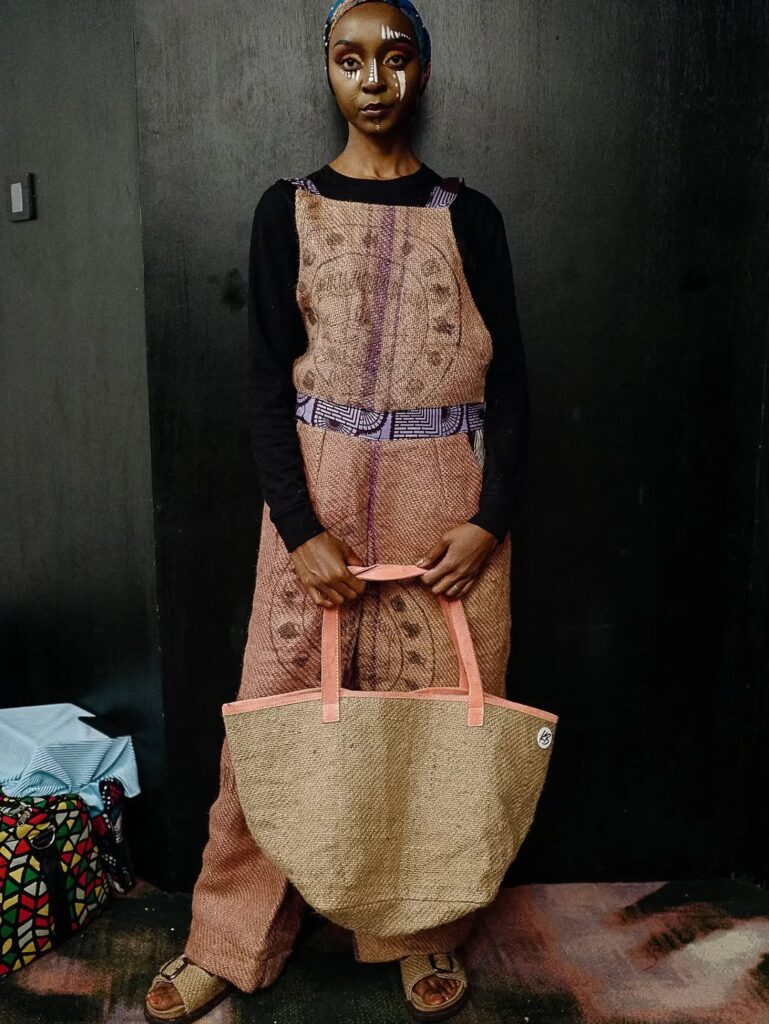
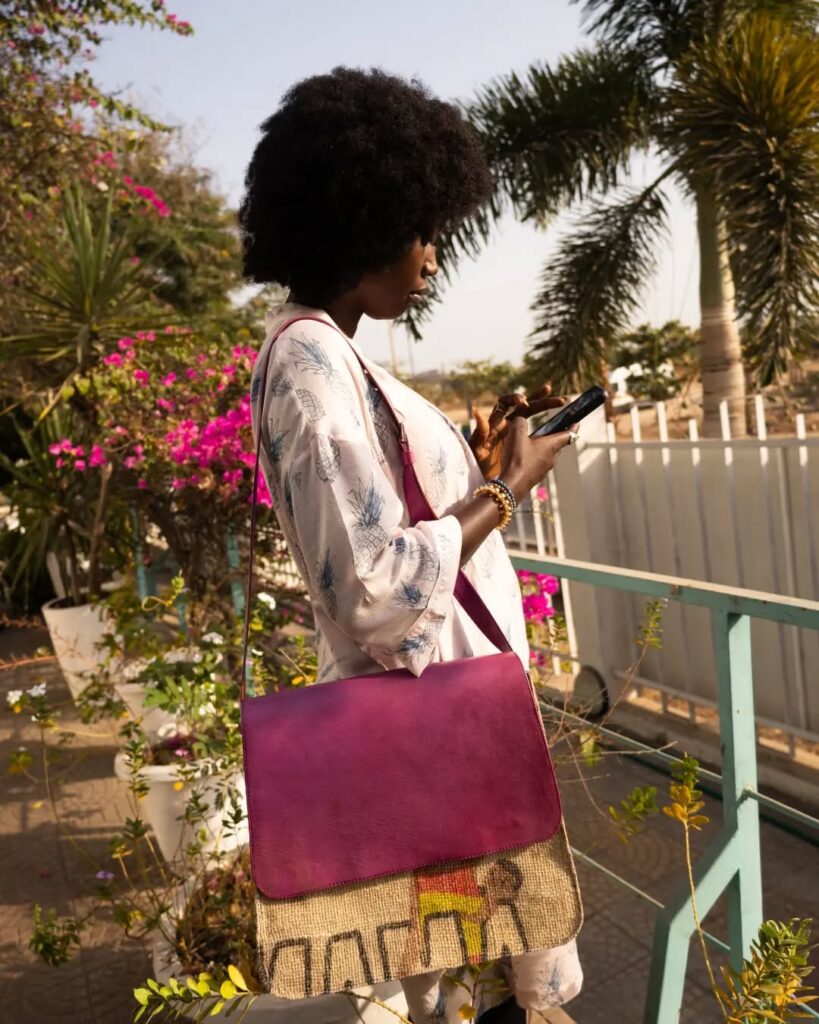
KB Upcycling is a Senegalese brand proving that waste materials can be the basis of serious design. Founded in Dakar in April 2022 by Kerim Patrick Boucher and Noura Bourahima, the studio works with materials most fashion brands discard: burlap sacks, leather offcuts, fabric scraps, and used rice bags.
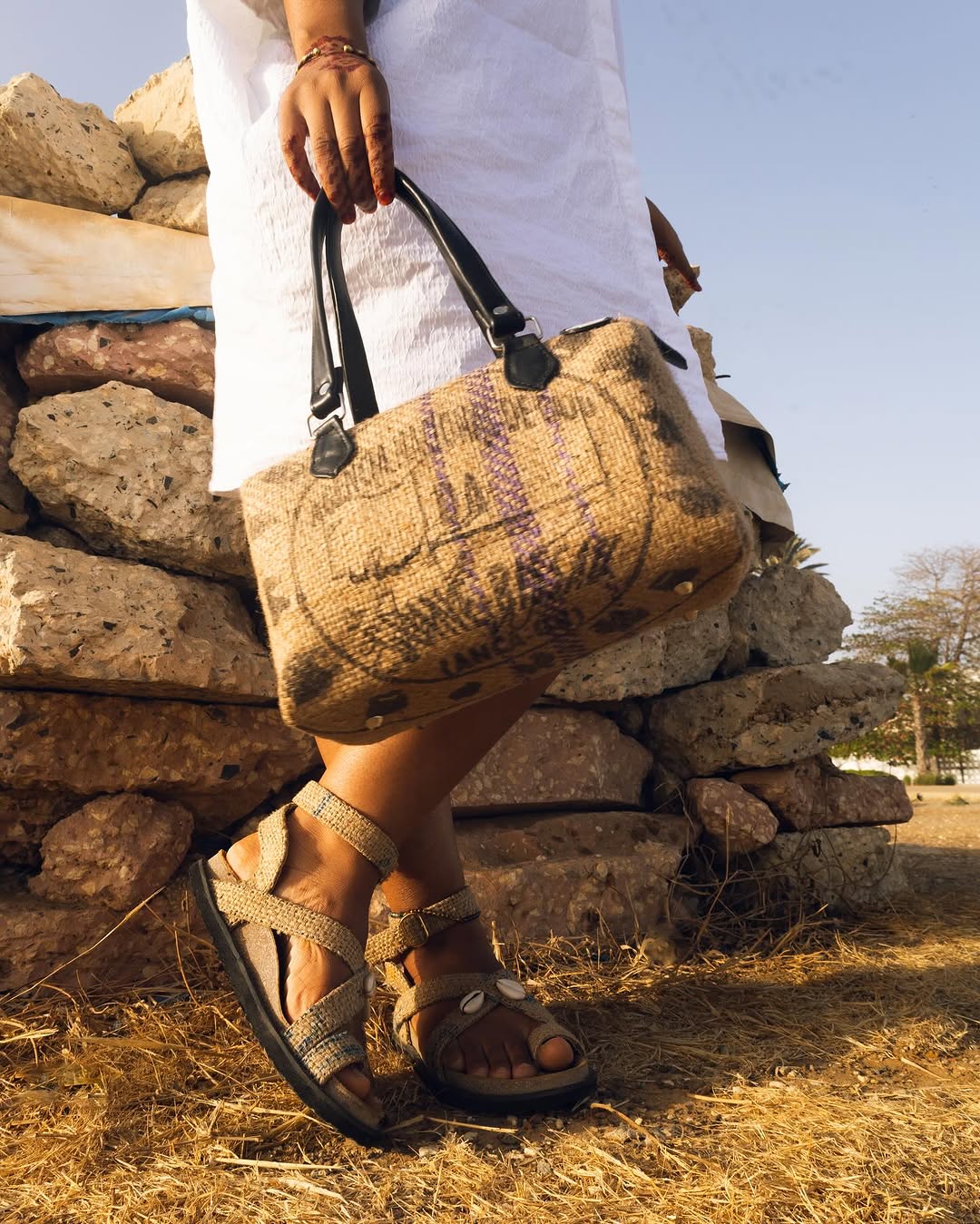
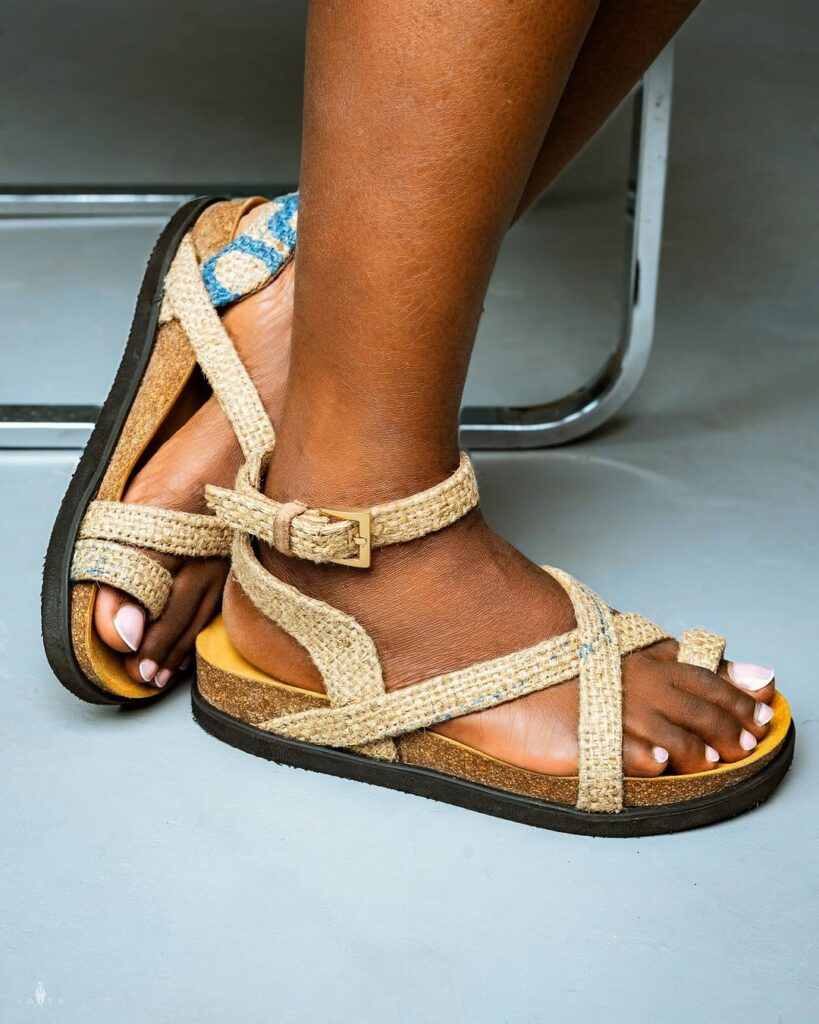
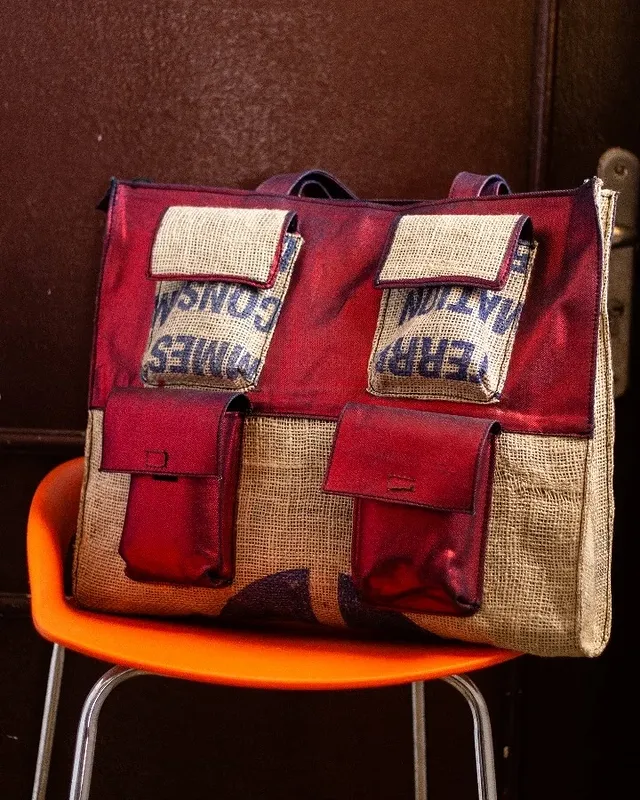
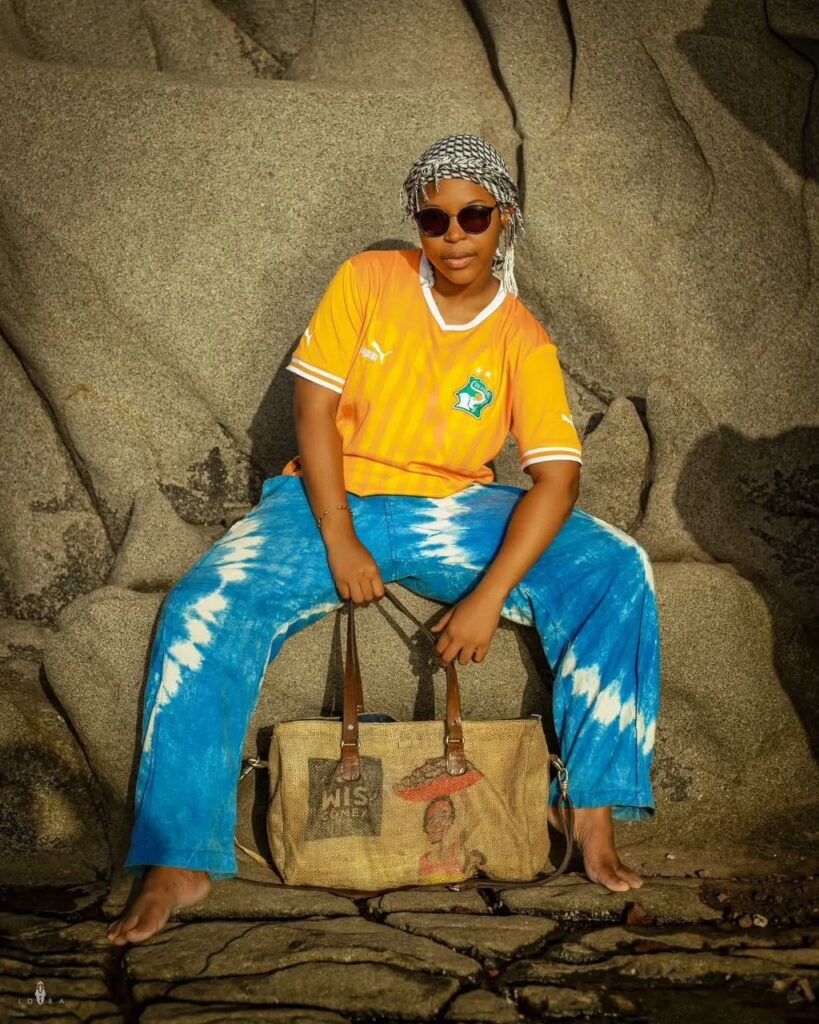
The brand’s core material is burlap, known locally as toile de jute. In South Africa, the same rough, woven cloth is called hessian. It is made from jute plant fibers, which are biodegradable, require little water to grow, and are abundant in West African markets. KB Upcycling sources used burlap locally, then washes, dries, and cleans it by hand before production begins.
Their approach treats recycling as the foundation of the design process, not an add-on. The brand’s stated philosophy is: “Le recyclage éduque la mode, la mode donne du sens au recyclage” which means, “Recycling educates fashion. Fashion gives meaning to recycling.”
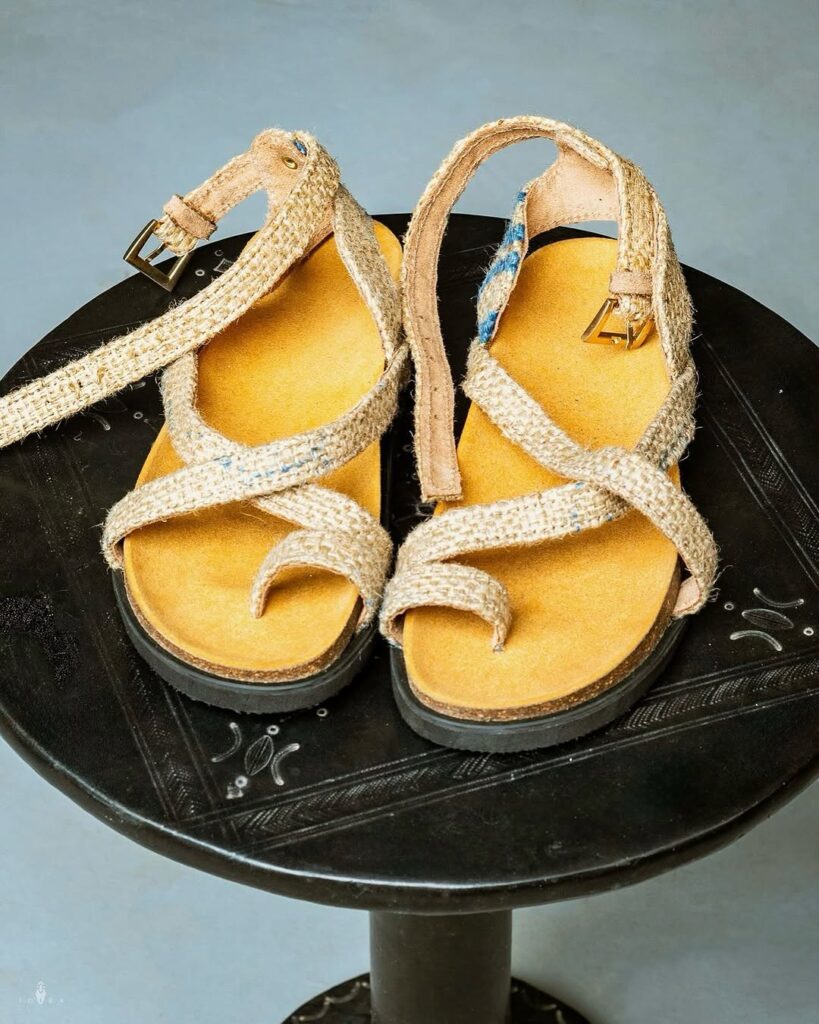
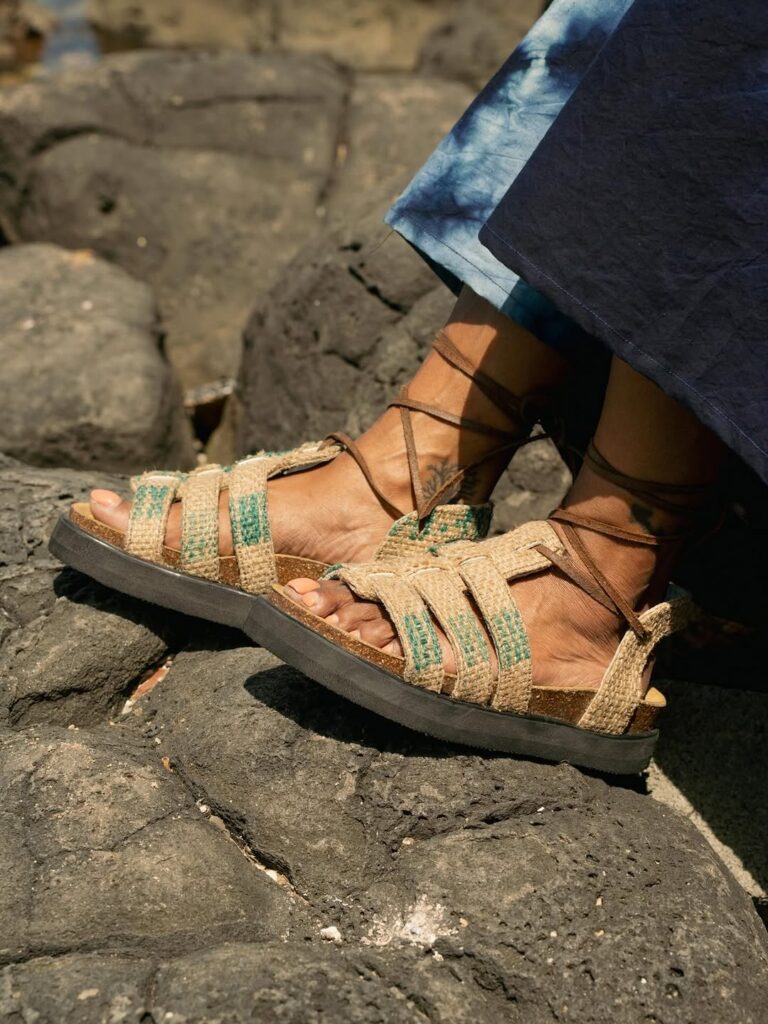
This guides a production model that prioritises local resources, small-batch craftsmanship, and material honesty. The burlap’s natural tan colour and open weave are left visible in the final products rather than covered up.
The result is a range of accessories, shoes, and clothing where the origin of the material is part of the design. Structural totes and architectural footwear are made from the cleaned burlap, often combined with reclaimed leather collected from local tailors. The pieces are designed to be durable, functional, and to suit different styles.
KB Upcycling describes its work as mode écoresponsable and artisanat sénégalais which is eco-responsible fashion and Senegalese craftsmanship. The brand states that it is “deeply rooted in the values of transmission,” referring to artisanal skills and responsible production methods. Because jute is biodegradable and the studio sources its primary materials as waste, the environmental impact is kept low from the outset.
The brand’s model is relevant to current zero-waste conversations in South African fashion. As local designers confront issues of textile waste and reliance on imports, KB Upcycling offers an example of regional, low-impact production that uses materials already in circulation.
The brand also states that each of their creation tells a story of transformation; from waste to creation, useful, responsible, and designed to suit all personalities and styles.”
How a craftswoman in Nakhon Ratchasima turns landfill-bound fabric into wearable memory
In a small home in Nakhon Ratchasima, Thailand, she sits with needle, thread, and the leftovers of the world. Cotton dyed with indigo. Hemp stained by ebony fruit. Scraps of linen a factory meant to discard. In her hands, none of it stays waste. It becomes something joyful. Something wearable. Something new.
Dao Ann Craft, founded by Darawan “Dao” Phukamkom, is not a fashion brand in the conventional sense, but a practice of repair, memory, and slow making. Dao is a craftswoman. Every piece that leaves her home is handmade, stitched without the hurry of machines. She calls it slow stitching, but the philosophy runs deeper than pace. It’s about presence. The hand must be in the work. The maker must be accountable to the material.
Her studio is built on natural fibers and plant dyes, yet the heart of it lies in the textiles she sources from second-hand markets across Thailand and beyond. Vintage hemp fabrics. Naga tribal cloth. Teen jok textiles from Laos. Remnants of kimono silk and Japanese cotton. These are fabrics no longer in production — rare fragments of cultural history, each carrying its own story and patina of time. Dao doesn’t see them as relics. She sees them as beginnings.
From these fragments come garments, bags, brooches, bracelets bound with spring wire. Nothing is too small to save. A fragment of indigo-dyed cotton becomes the center of a jacket panel. An offcut of tribal weave becomes the lining of a tote, hidden until the owner discovers it. The patchwork isn’t decoration. It’s cartography — a map of where each textile has been, and where Dao is determined it will go next.
The turning point came when she found a linen printing factory outside the city. Rolls of overproduced fabric, misprints, and imperfect textiles were slated for disposal. The volume was staggering. The waste, unnecessary. “To reduce waste, I chose to give these fabrics a new life,” Dao explains. That decision redefined her practice. What was industrial excess became her raw material. What was destined for landfill became limited-edition art.
But Dao’s work doesn’t end at her stitching table. Twice a year, she opens her home and her practice to others. She organises a small community for people who are drawn to fabric scraps — not to teach patterns or perfection, but to share the experience of working with leftovers. In each session, the focus is freedom, not formulas. “There is no right or wrong in what we create, because it is art,” she says. “I truly believe that everyone has their own unique creativity.”
On those days, the studio shifts. It becomes a circle, not a workshop. Scraps spill across the table. Stories spill with them. A retired teacher patches memory into cloth. A student learns that a crooked seam still holds. Nobody graduates. Nobody fails. They just make. And in making together, the waste shrinks and the lineage grows.
Dao Ann Craft now moves between scales. Some days, she’s stitching a single brooch from scraps no larger than a palm. Other days, she’s composing large textile art pieces for exhibition — works that hang on gallery walls but carry the same logic as her clothing: every seam is intentional, every fabric has a past.
There is no collection drop. No seasonal calendar. There is only the rhythm of the material and the maker. When the right scrap appears, the work begins. When the stitching is done, the piece is released. Each one is one-of-a-kind, impossible to replicate because the source material itself cannot be repeated.
In an industry loud with promises of sustainability, Dao Ann Craft is quiet. There are no buzzwords here. No marketing decks about circularity. Just a woman in Nakhon Ratchasima who looked at what the world was throwing away — fabric, history, beauty — and decided to pick up a needle. Then handed one to someone else.
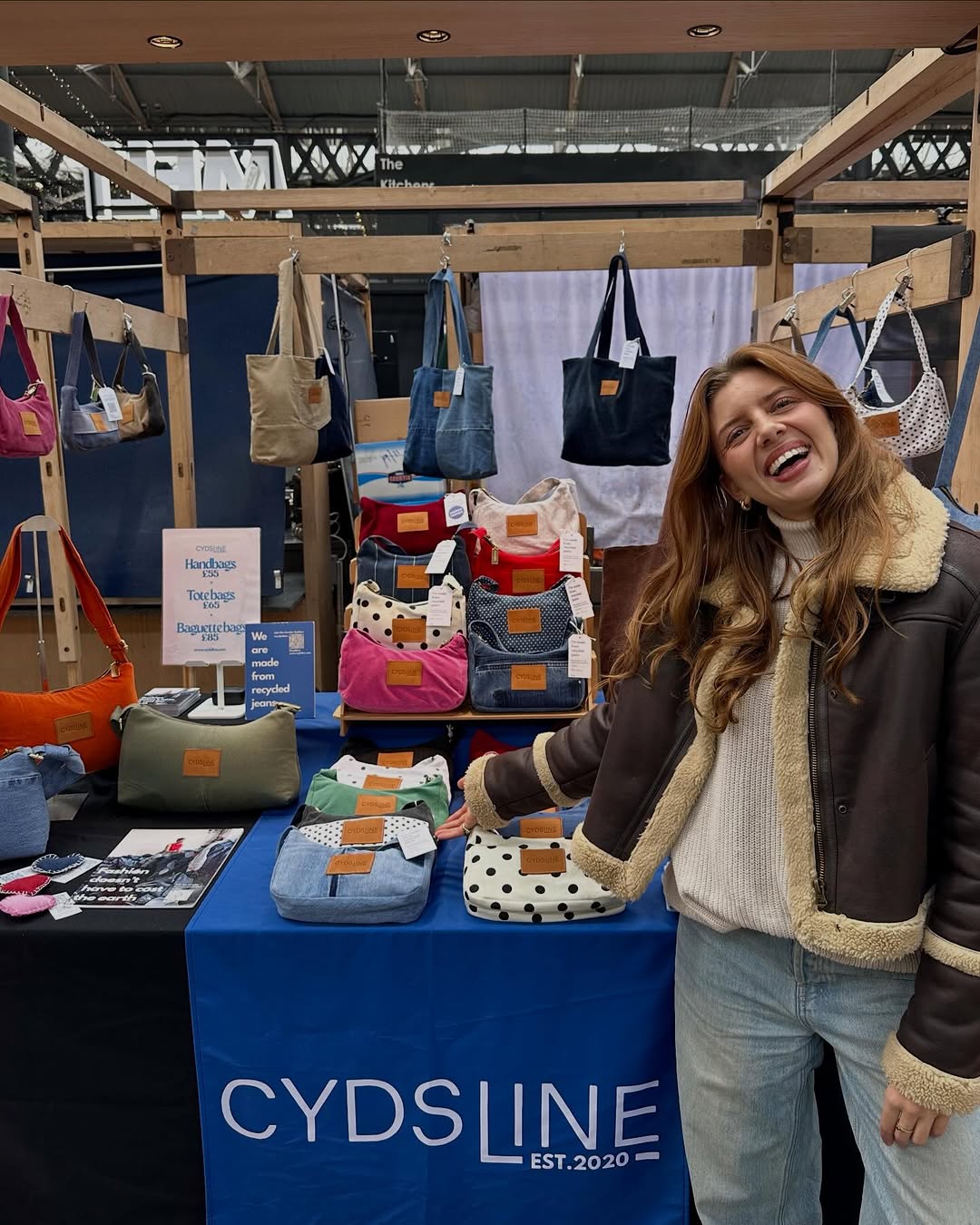
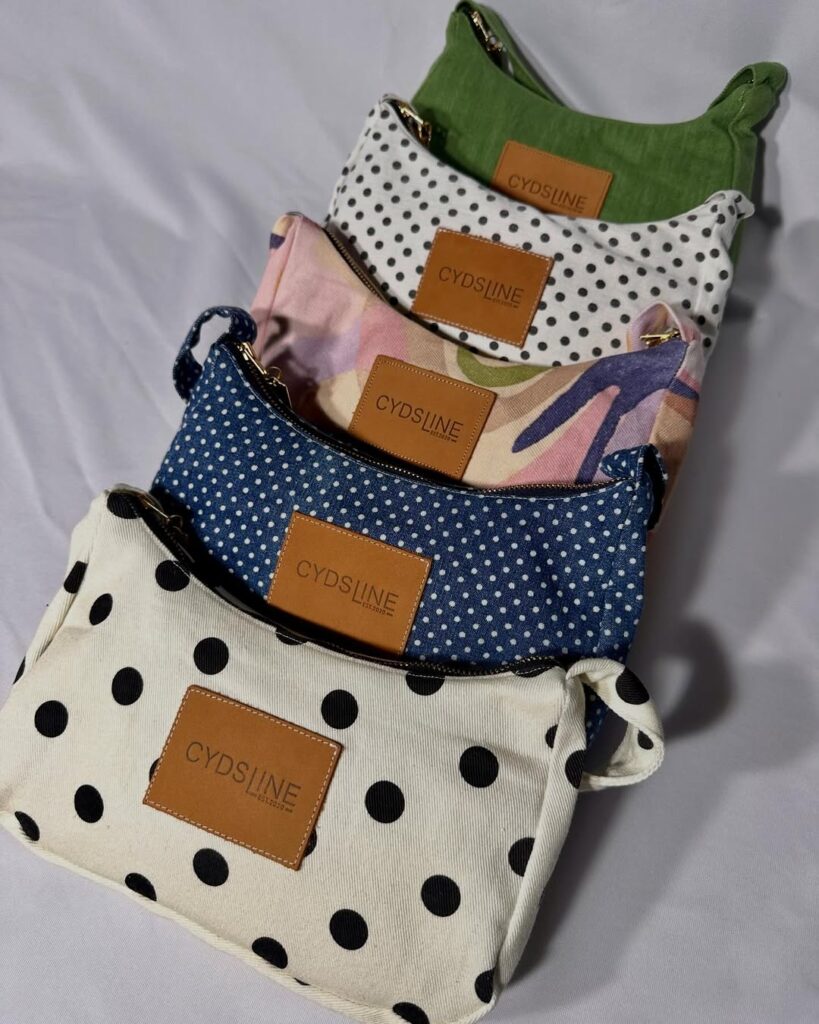
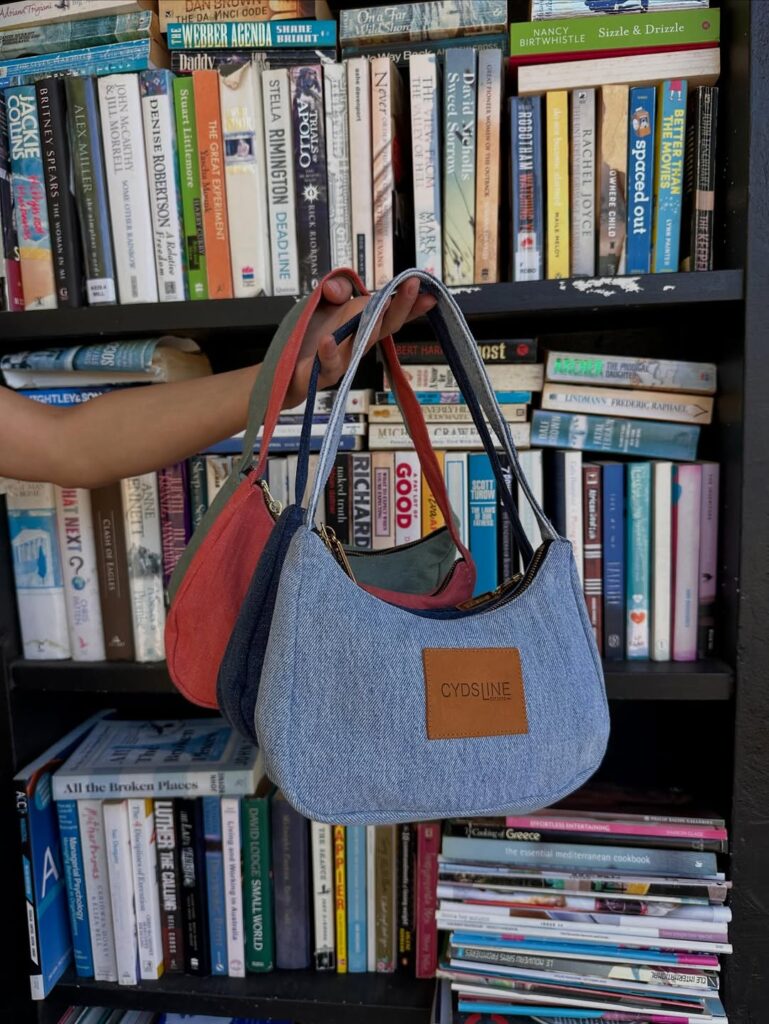
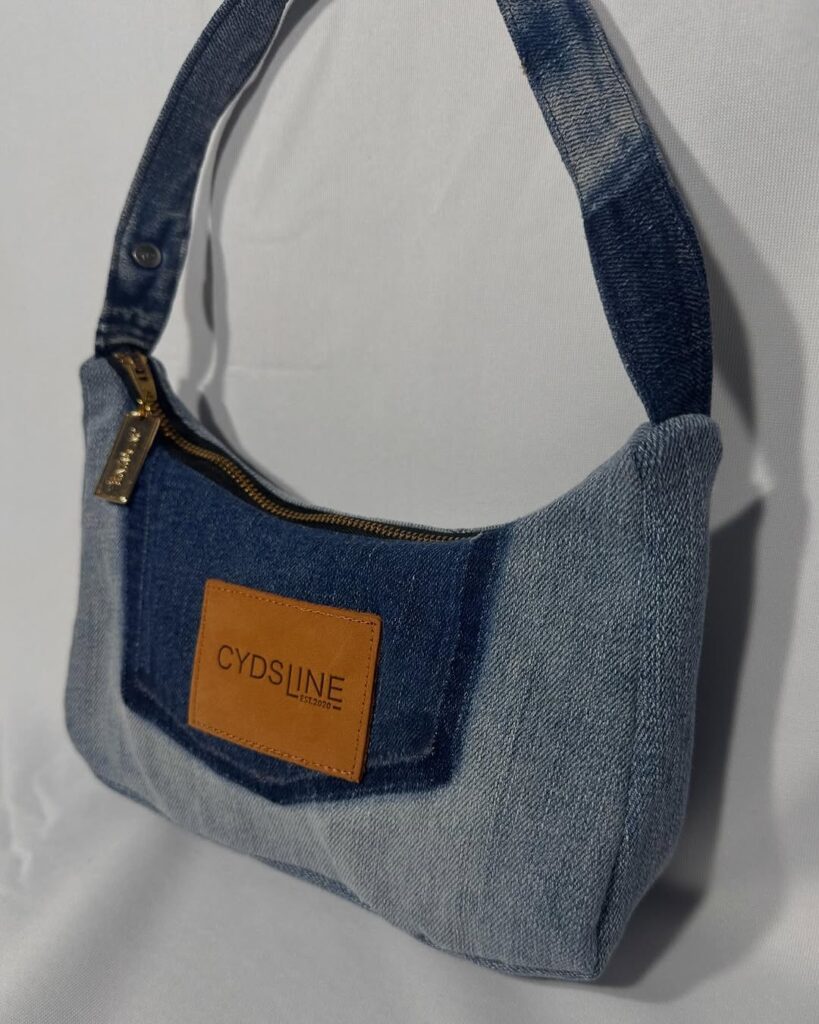
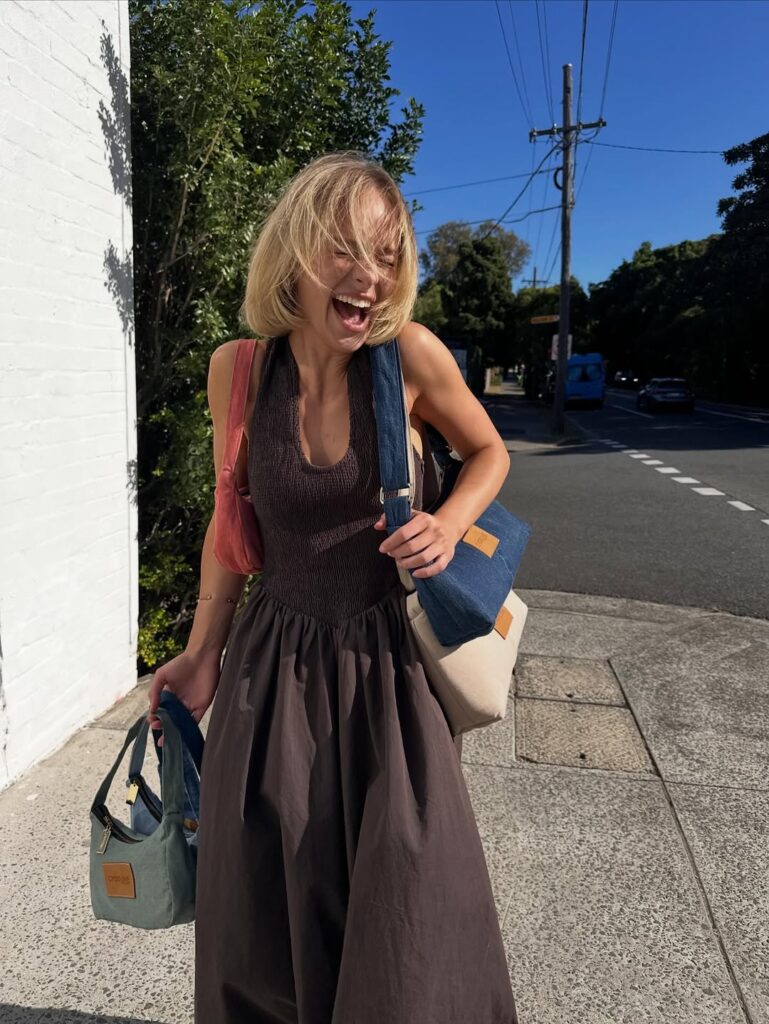
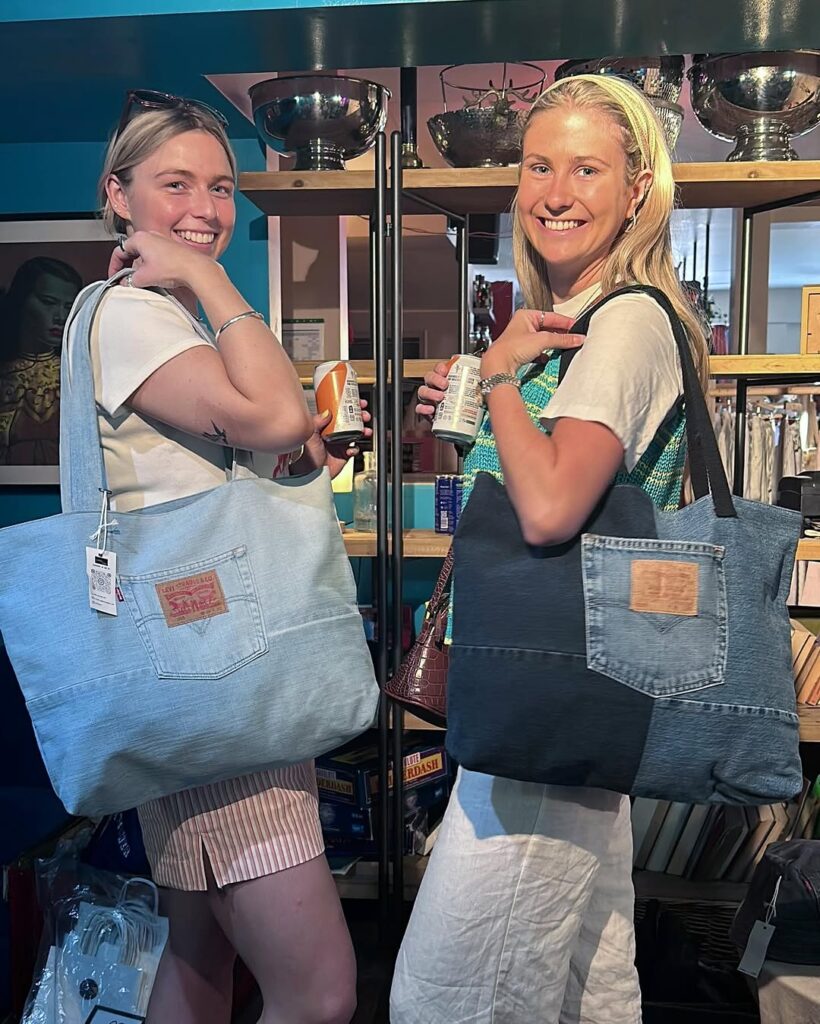
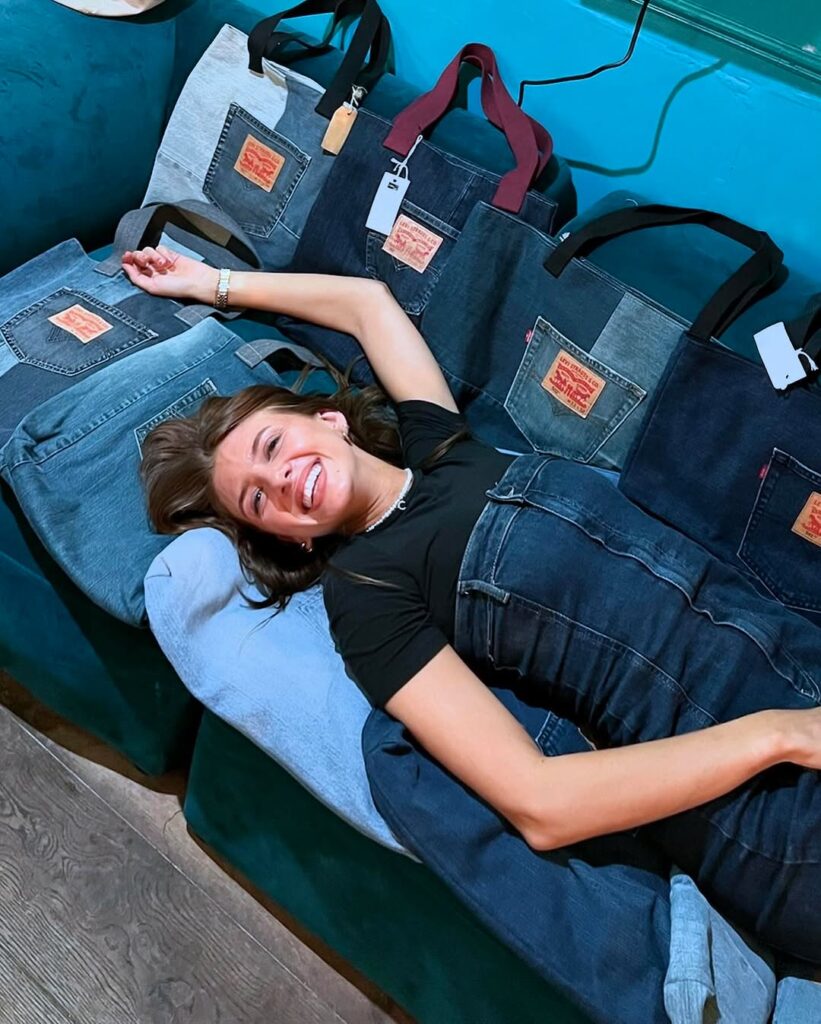
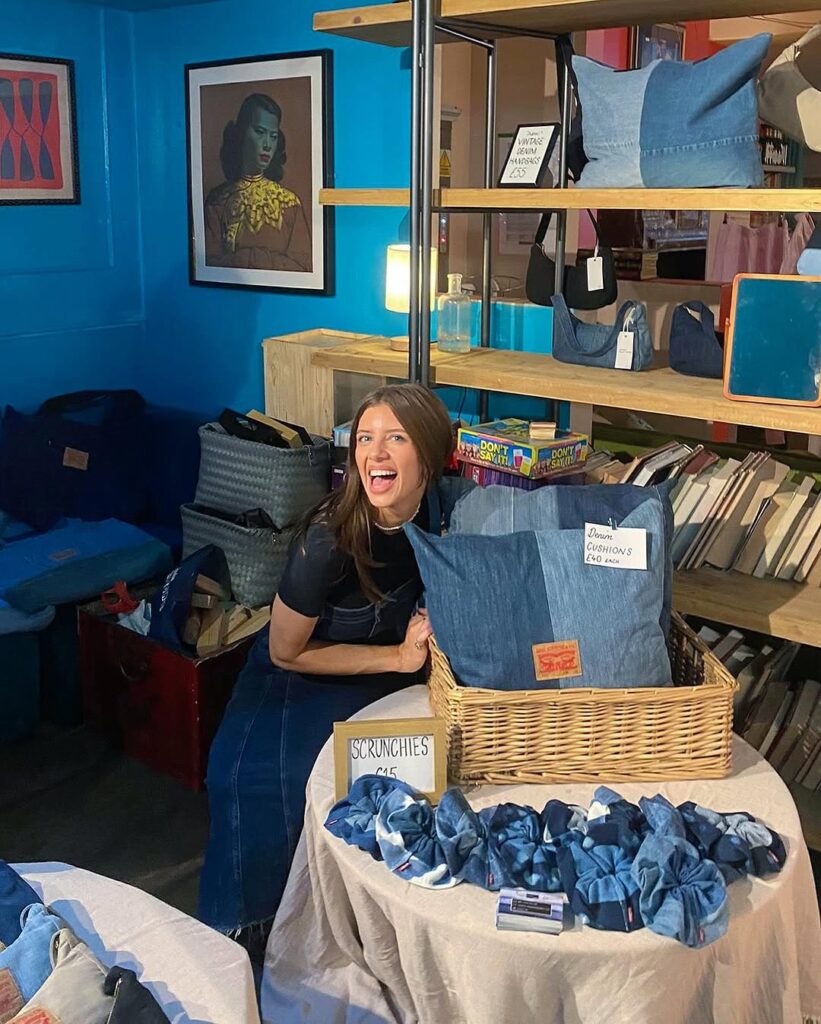
The fashion industry’s impact on the planet is undeniable. But amidst the chaos, Cydsline is carving a bold revolution in sustainable fashion. This UK-based brand is transforming vintage jeans into unique, handmade accessories that are as eco-friendly as they are chic. With a mission to create fashion that’s both stylish and responsible, Cydsline is leading the charge against waste and promoting a more conscious approach to style.
As the founder, Cyd’s passion for sustainability ignited a movement, shaping the brand’s mission to make a difference. “I wanted to build a brand that’s part of the solution, not the problem,” she says. With a background in corporate life, Cyd took a leap of faith and quit her job to pursue her dream of creating a sustainable fashion brand.
Designing with Purpose
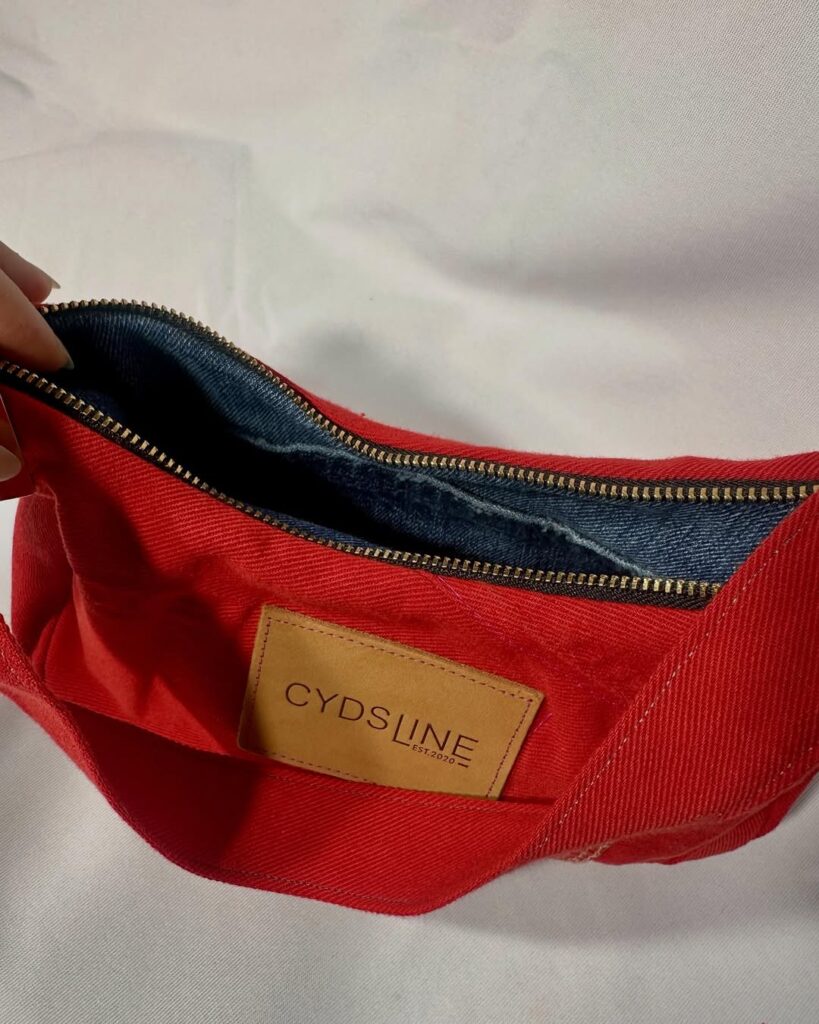
Cydsline’s design process is centered around sustainability and creativity. “We source vintage jeans, often with interesting washes or distressing, and imagine how they can be transformed into something new and remarkable.” The design team works closely with UK-based seamstresses to bring each piece to life. “We focus on creating timeless designs that won’t go out of style,” Cyd says. “Each bag is handmade with love and attention to detail, making it a true one-of-a-kind piece.”
Cydsline’s collections feature three stunning designs:
– The Mini: A compact, stylish bag perfect for day trips and nights out.
– The Baguette: Effortless luxury with adjustable straps and bold gold metal buckle details.
– The Everything Bag: A spacious, versatile bag for busy lives and adventurous spirits.
Sustainable Materials and Processes
At the heart of Cydsline’s eco-friendly approach is a commitment to using sustainable materials and processes. The brand prioritises recycled denim, giving old jeans a new life and reducing textile waste. Their packaging is minimal, biodegradable, and recyclable, minimizing waste and environmental impact.
Cydsline’s zero-waste design approach ensures that every piece of denim is utilised, and their partnership with UK-based seamstresses reduces carbon emissions from transportation. “We’re committed to reducing our environmental impact, one bag at a time,” Cyd explains.
By upcycling denim, Cydsline reduces the need for new raw materials, saving water and energy that would have been used to produce new fabric. “It’s astonishing how much waste we can prevent,” Cyd notes. Since 2020, they’ve saved over 4,000 pairs of jeans from landfills.
The Upcycling Process
Cydsline’s upcycling process is a testament to the brand’s commitment to sustainability. “We’re giving old jeans a new life, reducing waste, and promoting sustainable fashion practices,” Cyd says. “It’s a labour of love, and we’re proud of what we’ve achieved.” Looking ahead, Cydsline aims to expand its sustainable practices, exploring new eco-friendly materials and increasing production transparency. “We want to inspire others to join the sustainable fashion movement,” Cyd says. “Every small step counts, and together, we can make a big difference.”
Cydsline is redefining fashion, one jean at a time – proof that style and sustainability can go hand-in-hand, paving the way for a more conscious industry, and shining a beacon for a more responsible future in fashion. With each purchase, you’re joining a movement that’s bigger than just a trend – you’re part of a revolution that’s rethinking the very fabric of fashion. As Cydsline continues to grow, its impact will be felt, and its message will resonate: sustainable fashion is not just a niche, it’s the future. Because, truly, fashion doesn’t have to cost the earth.
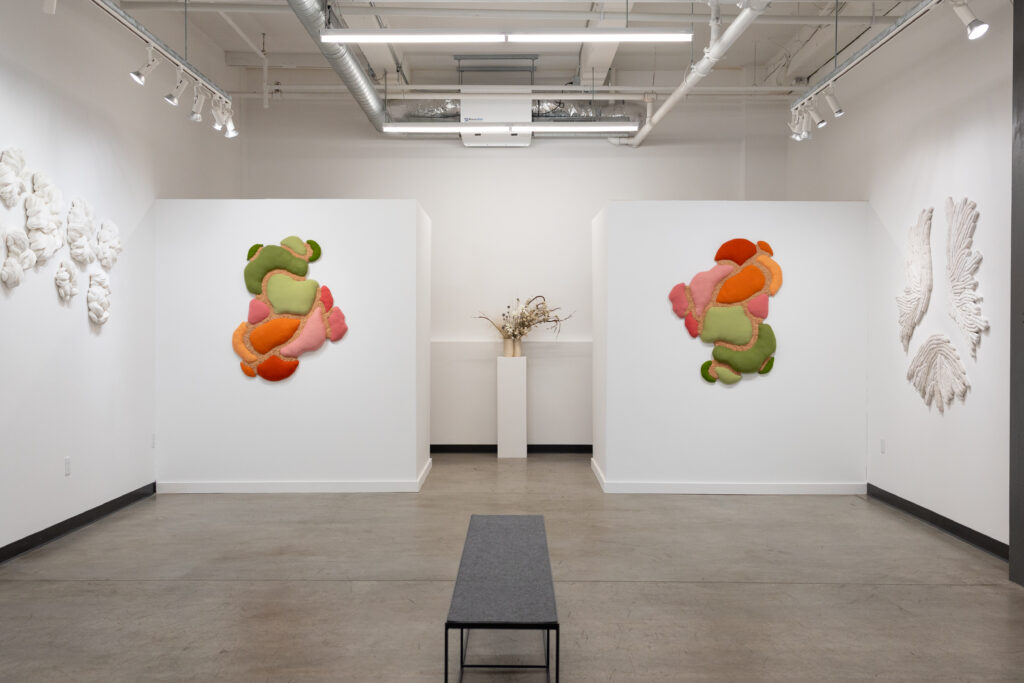
Sienna Martz, a fiber artist based in Vermont, USA, is redefining the boundaries of art, fashion, and sustainability with her innovative work. As an internationally recognised sculptor and fiber artist, Martz weaves together sustainability, creativity, and social commentary, creating a unique narrative that challenges our relationship with the environment.
With every thread and fiber, Martz crafts a story of environmental consciousness, critiquing modern consumerism while promoting eco-friendly practices. Her use of plant-based, recycled, and upcycled materials breathes new life into discarded textiles, transforming them into breathtaking sculptures that challenge the norms of consumerism and excess.
Photo Credit: Soapbox Arts
“I’m drawn to the idea that art can be a catalyst for change,” Martz says in a recent interview. “By exploring the intersection of sustainability and creativity, I hope to inspire others to think critically about their impact on the planet.”
Martz’s process is a labour of love, where traditional textile techniques meet contemporary vision. She coaxes beauty from second-hand clothing and organic fibers like kapok, bamboo, and cotton, creating intricate sculptures that showcase the potential of sustainable art.
Her work has garnered international acclaim, featuring in prominent publications and exhibitions worldwide. As a vegan artist, Martz embodies the principles of sustainability, prioritising eco-friendly materials and processes that minimise harm to the planet.
“Sustainability is not just a trend or a buzzword,” Martz emphasises. “It’s a way of life that requires intention, dedication, and a willingness to challenge the status quo.”
Martz’s artistic journey offers valuable insights into the power of sustainable creativity. Her work showcases the incredible potential of plant-based, recycled, and upcycled materials, challenging us to reimagine the possibilities of creative expression. By embracing these materials, Martz not only reduces waste but also creates unique and thought-provoking sculptures that inspire a deeper connection with nature.
Photo Credit: Soapbox Arts
Her slow and labour-intensive process is a testament to the power of responsible creativity. By prioritising eco-friendly materials and processes, Martz minimises harm to the planet and sets a new standard for artistic expression. Her commitment to sustainability extends beyond her art, as she leads a vegan lifestyle and inspires others to do the same.
Ultimately, Martz’s art inspires us to reevaluate our connection with nature and the impact of our choices. Her work reminds us that even small actions can make a significant difference and that sustainability is a journey we can all embark on, one thread at a time.
“My work is a reflection of my commitment to sustainability and creativity. I believe that art has the power to inspire change, and I hope to inspire others to think critically about their impact on the planet.”
A Closer Look at Martz’s Creative Process
Martz’s studio is a treasure trove of textures, colours, and stories. She shares her workspace with an array of materials, from discarded fabrics to natural fibers, each one waiting to be transformed into something new. Her process is meditative, allowing her to connect with the materials and the environment.
“I love the tactile nature of working with fibers,” Martz says. “It’s a way of connecting with the earth and the people who created the materials.”
Exhibition Highlights
Martz’s work has been featured in numerous exhibitions and publications, including:
“Sustainable Fashion” at the Museum of Arts and Design, New York
“Eco-Art” at the Victoria and Albert Museum, London
“Fiber Art” at the American Craft Council, Minneapolis
The Impact of Martz’s Work
Martz’s art has resonated with audiences worldwide, inspiring a new generation of artists, designers, and environmentalists. Her commitment to sustainability has also led to collaborations with eco-conscious brands and organisations, further amplifying her message.
“Seeing people connect with my work and start thinking about their own impact on the planet is the greatest reward,” Martz says. “It’s a reminder that art can be a powerful catalyst for change.”
Martz’s eco-artistry is a beacon of hope for a more sustainable future, weaving together creativity, social commentary, and environmental consciousness. Her transformative work challenges us to rethink our relationship with the planet, inspiring a deeper connection with nature and a more mindful approach to consumption. As Martz’s artistry shows us, sustainability is not just a trend, but a way of life that requires intention, dedication, and a willingness to challenge the status quo. Through her innovative use of plant-based, recycled, and upcycled materials, Martz proves that art can be a powerful catalyst for change, one thread at a time.
Soapbox ArtsSoapbox ArtsPhoto Credit: Soapbox Arts
Upcoming Exhibitions:
“Material Transformation” at Mixed Media Space in North Adams, Massachusetts
“Organic Matter” at the Strand Center for the Arts in Plattsburgh, New York
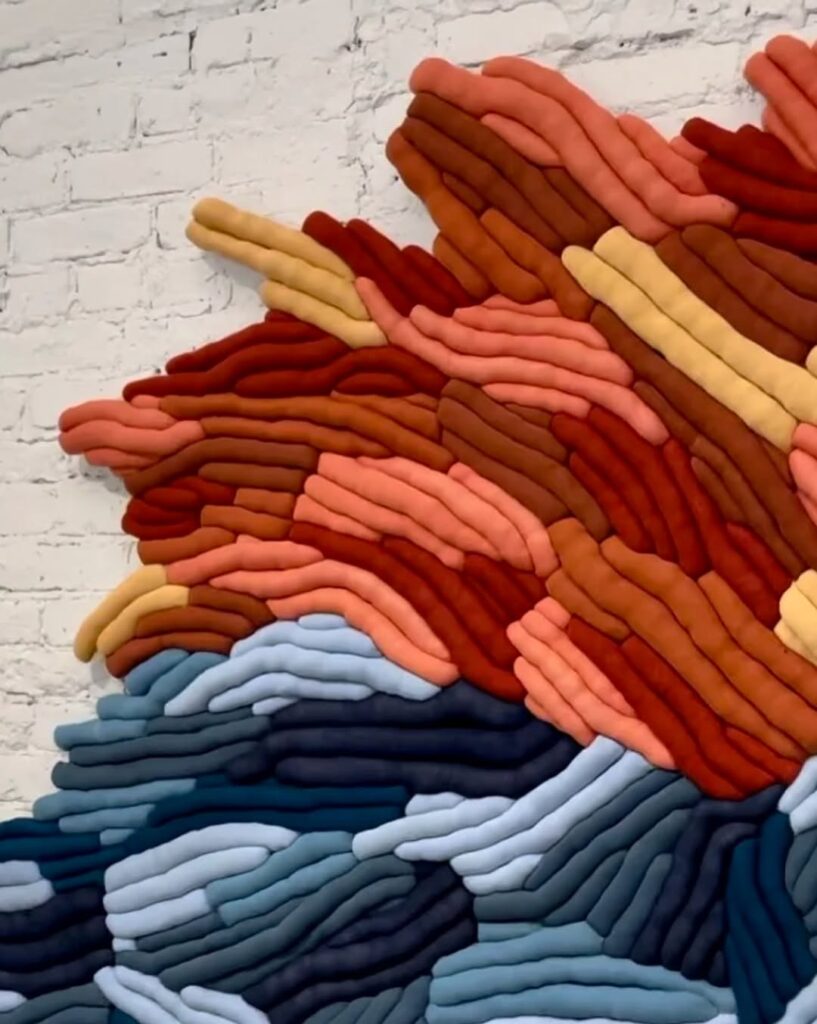
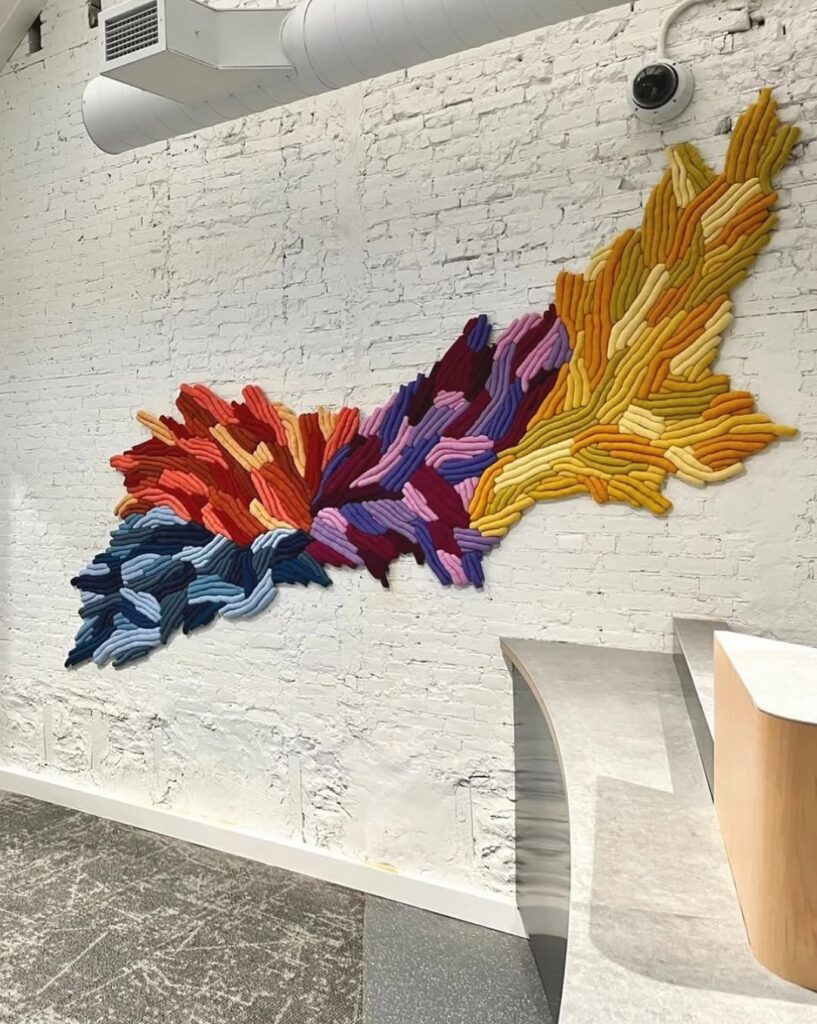
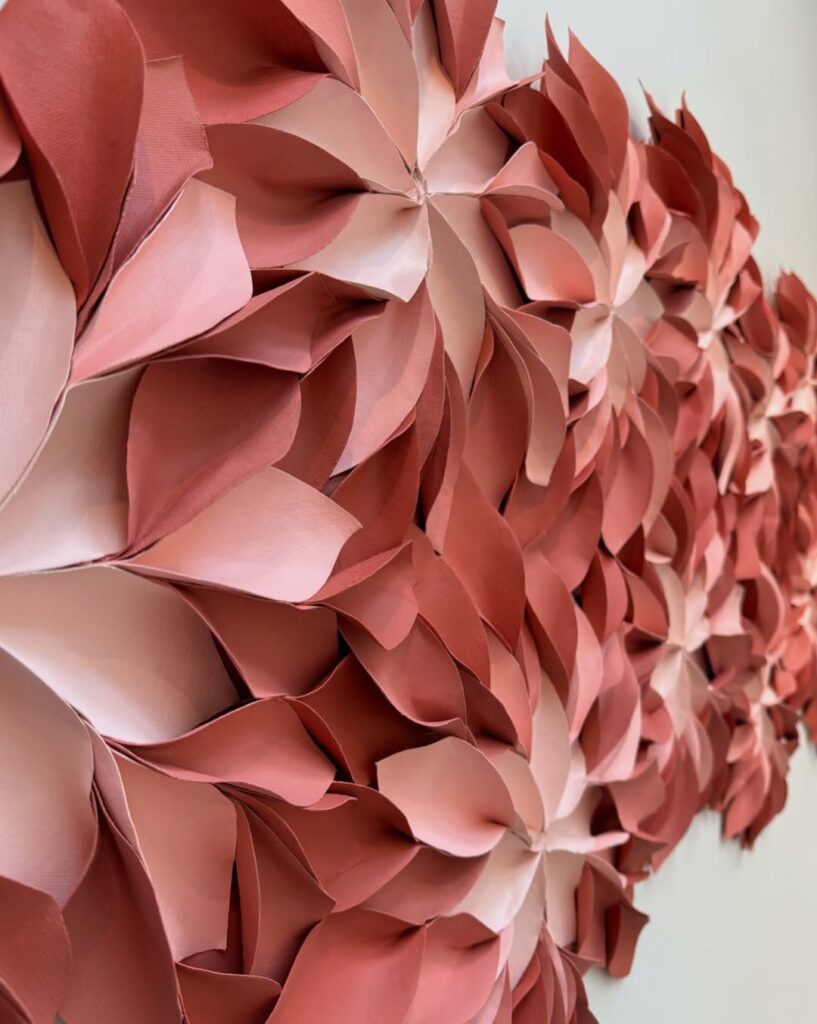
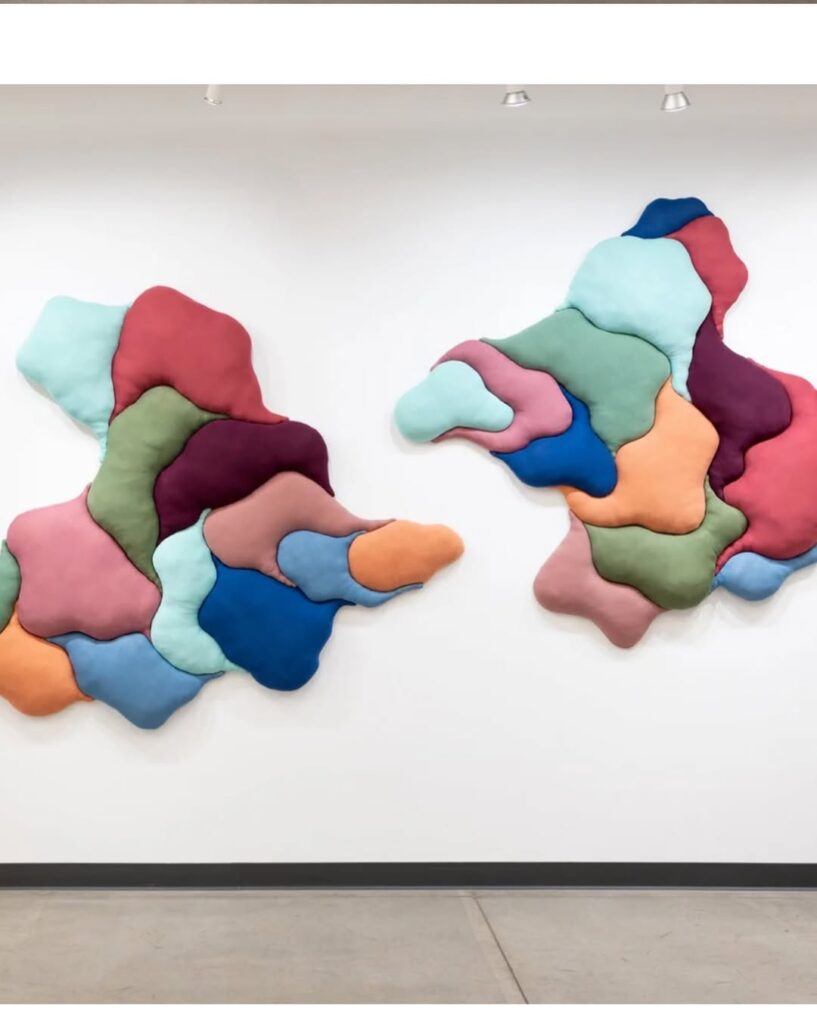
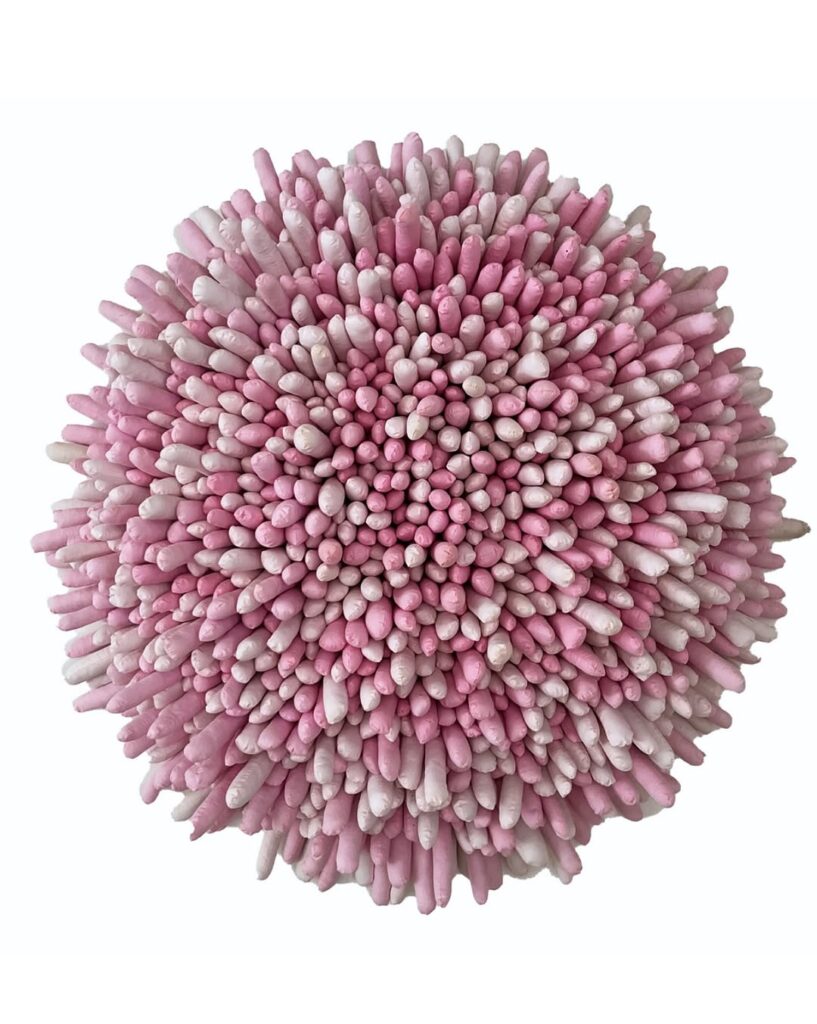
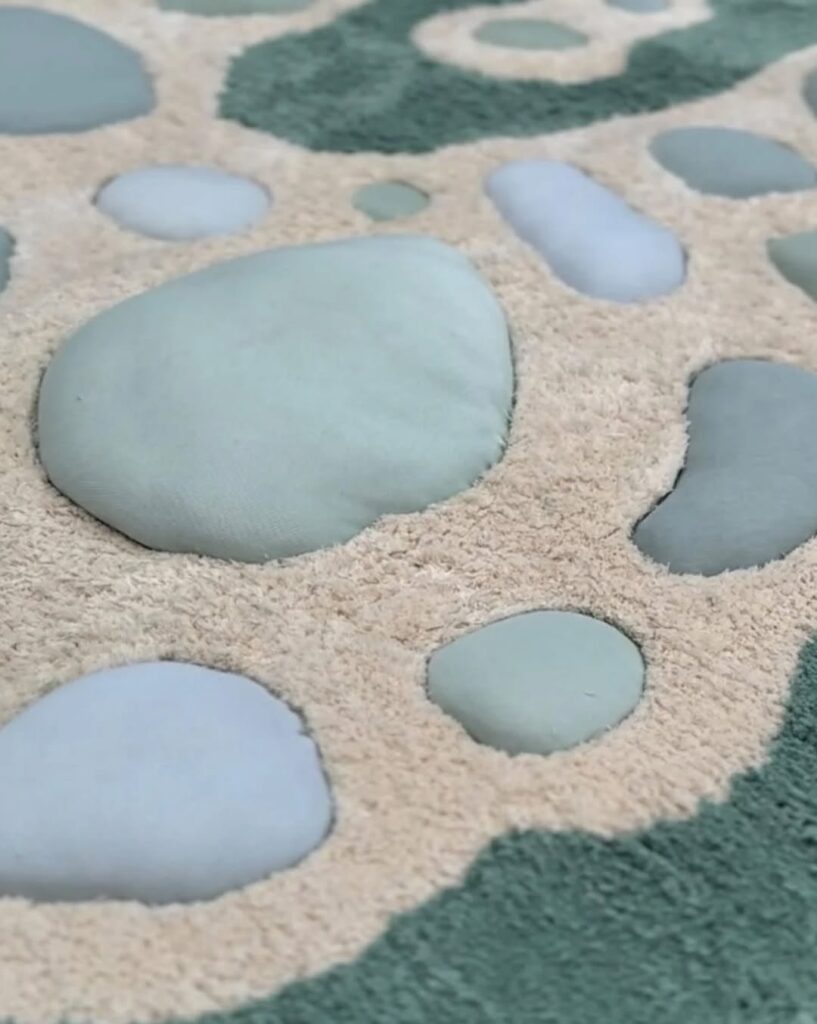
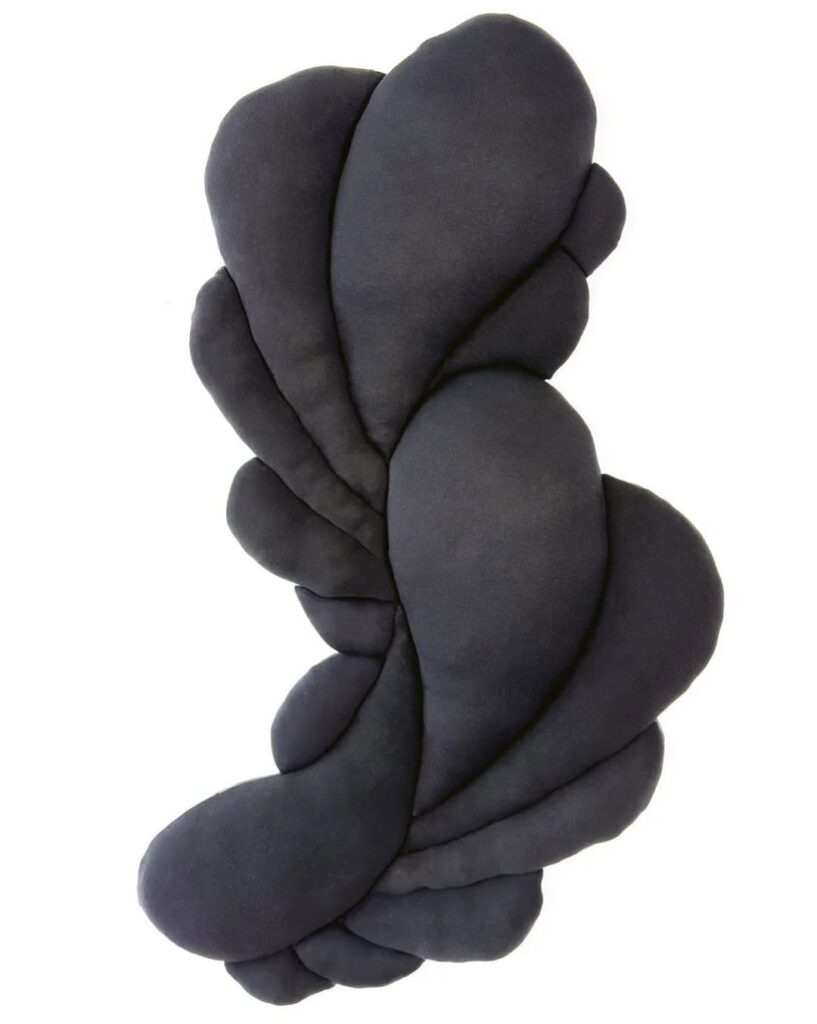
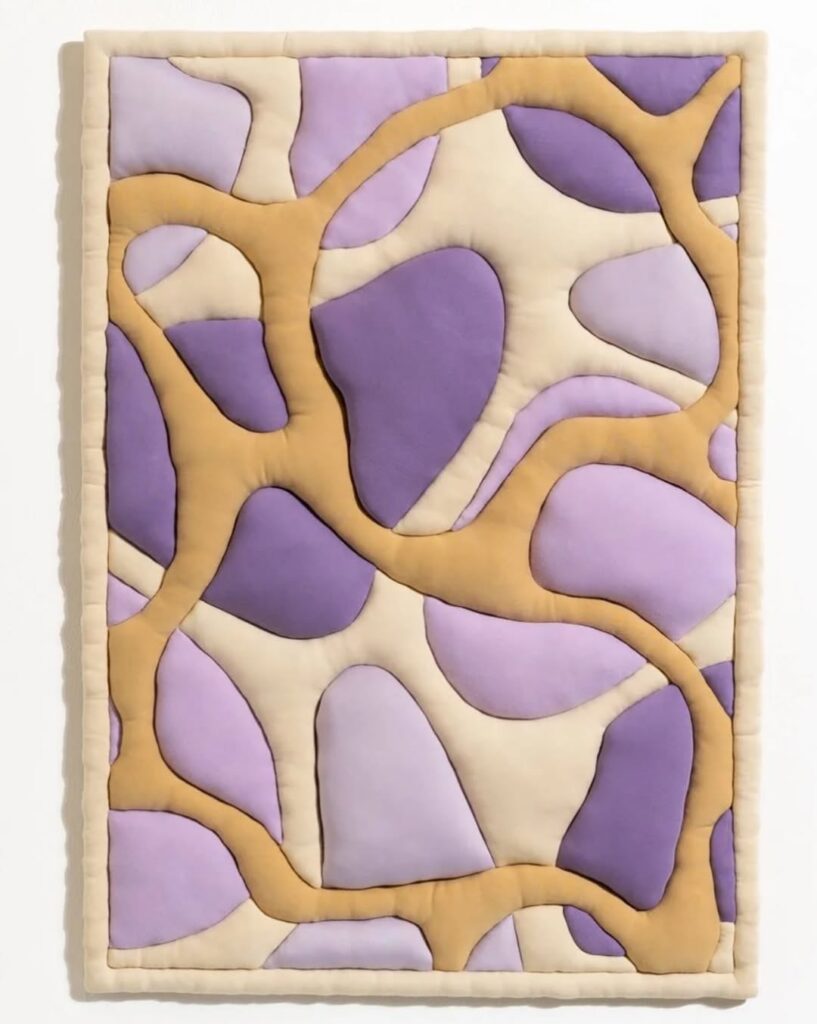
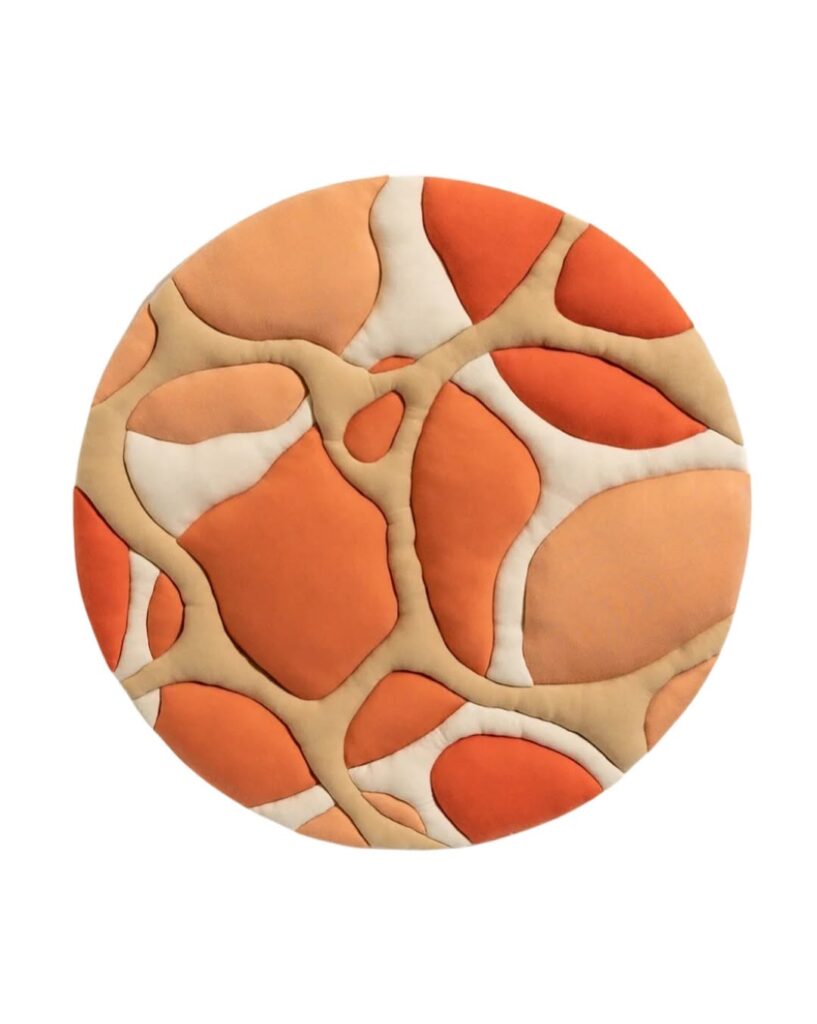
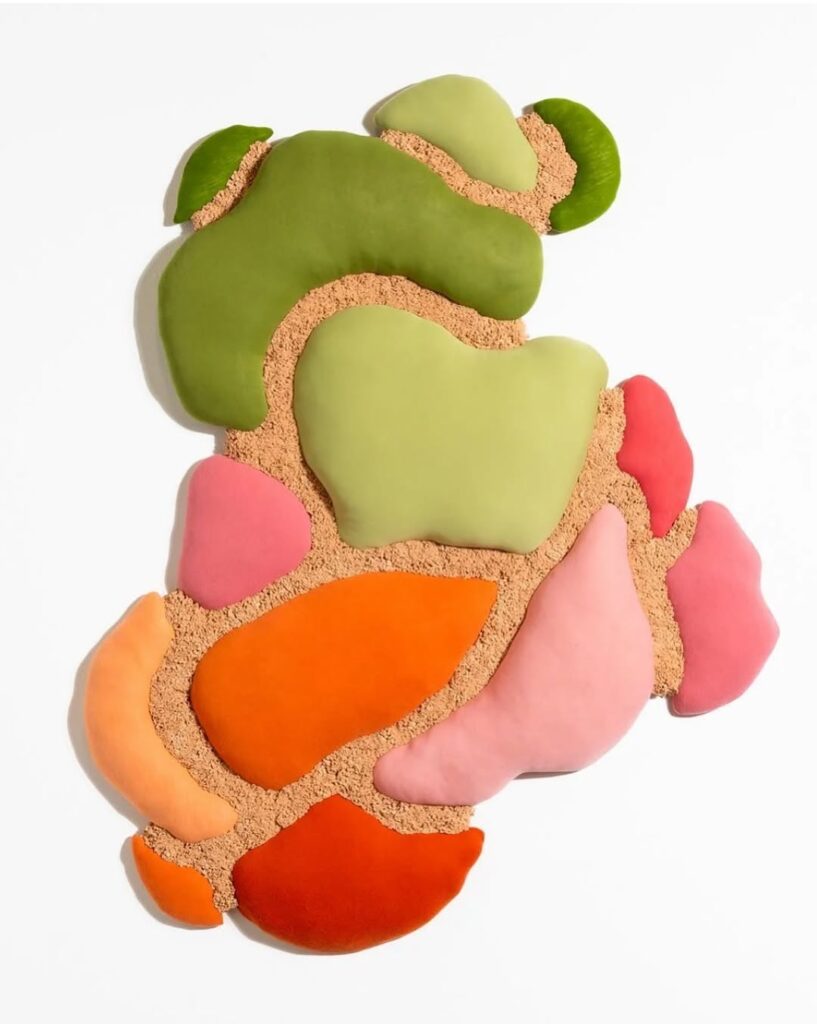
In a world overflowing with textile waste, Sandra Junele is weaving a greener future – one yarn scrap at a time. She creates large wall panel installations and custom-moulded shapes made from shredded recycled yarn waste mixed with handmade plant-based glue.
The Dundee-based, Scotland artist transforms discarded materials into stunning wall art, championing sustainability and supporting eco-conscious creativity. Her brand, Junele is known for its minimalist design, tactile quality and focus on interior applications.
“My journey began in Latvia, where I watched my grandfather transform discarded wood into beautiful furniture. Those moments taught me that waste is not the end of a story, but the beginning of a new one. That lesson has shaped everything I do — from my studies in interior and textile design, to the sustainable practice I’ve built today,” says Sandra.
Made from repurposed materials and biodegradable components, Junele artworks not only enhance the aesthetic appeal of a space but also align with eco-friendly values. They bring a sense of environmental responsibility and sustainability to interior design.
Sandra Junele
“I started collecting this waste and conducted hundreds of experiments to find creative ways to repurpose it. One of my early experiments involved mixing PVA glue with shredded textile waste. This led me to search for natural organic glue replacements that are natural and dissolve upon contact with water, thereby minimising waste after the product’s use.Her pieces are not only beautiful but also endlessly reusable—submerge them in water, and the material can be reshaped again. My artworks can be reused when no longer needed. By placing them in water, the natural glue dissolves, leaving me with the fibres that can be repurposed for new projects. This approach not only reduces waste, but also supports a circular economy, ensuring that the materials continue to have a life beyond their initial use,” she says.
SOURCING MATERIALS
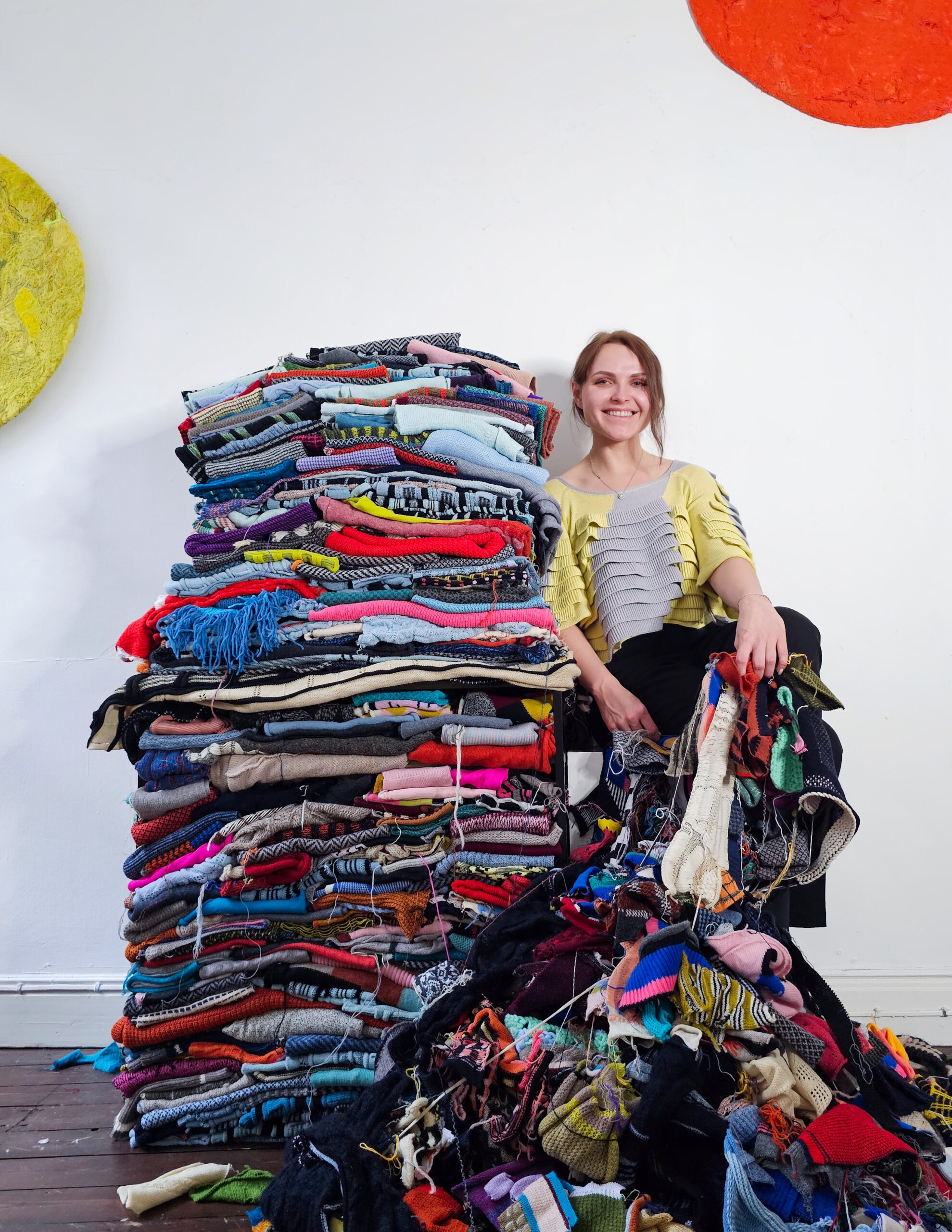
Sandra has an established material sourcing plan. She says, “I have recycling bins placed at manufacturers and universities where people can dispose of their textile waste. Once these bins are full, I collect the waste. Designers also play a crucial role by donating their unwanted materials. One memorable donation came from a knit designer who had been collecting samples of her work for 15 years. This mix of sources ensures a diverse range of materials, each with its own story, contributing to the unique character of my artworks.”
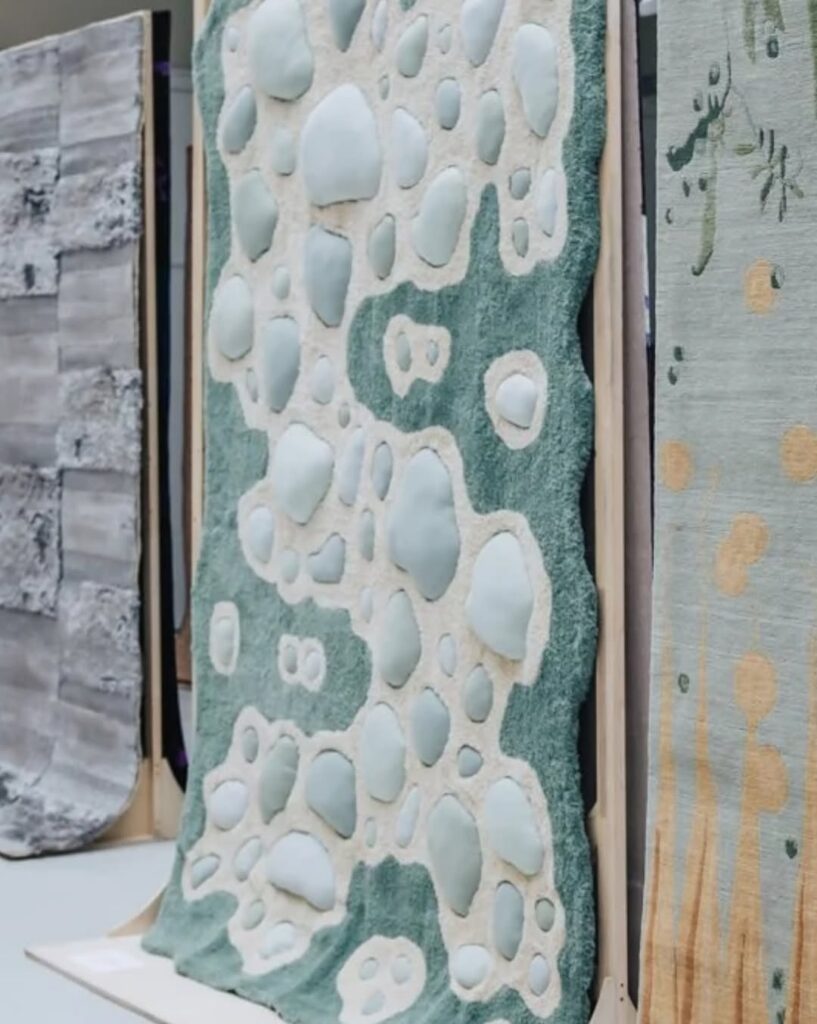
Collaboration with @rebeccasearlstevens
DESIGN PROCESS
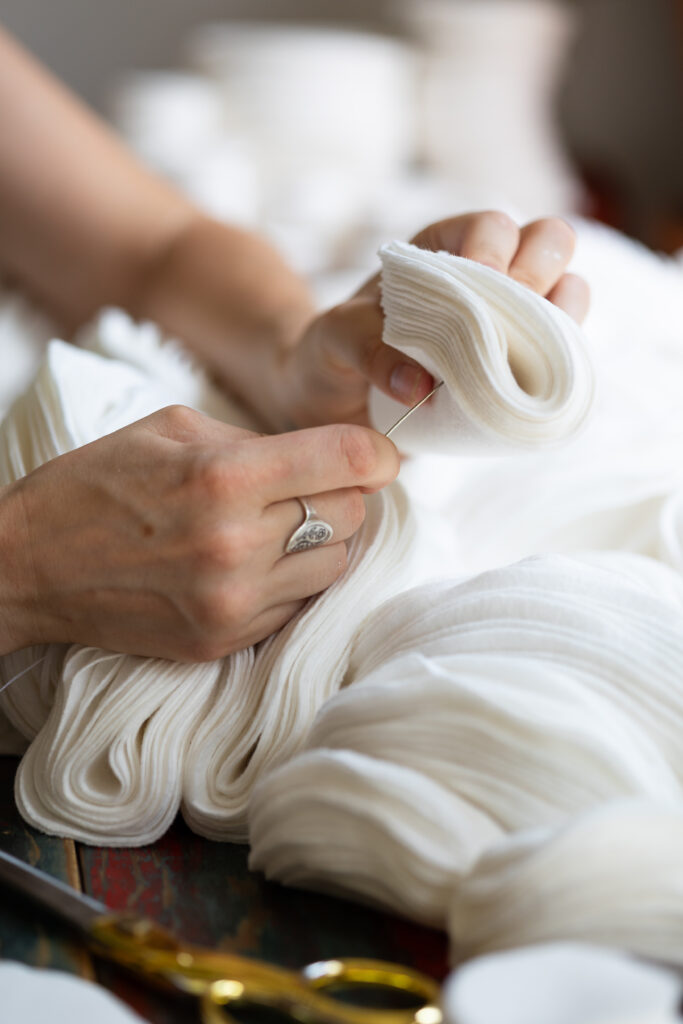
By hand, she carefully separates textile waste, shred fibres, and binds them with her own plant-based glue — creating a unique material that is both tactile and sustainable. Remarkably, it can dissolve in water and be reused again, offering endless possibilities.
“The design process for my textile artworks begins with collecting waste materials from local manufacturers, designers, and universities. This waste comes in various forms, such as loose threads, samples, clothes, and yarn cones. The first step is to separate the waste by colour. Once sorted, I shred the waste, using a shredding machine for shorter fibres and by hand with scissors for longer fibres. With the fibres prepared, I then cook my own plant-based glue, making a fresh batch for each project. The shredded fibres are mixed with this glue and either rolled out into sheets or applied to moulds. As the sheets dry, they become hard, similar to cardboard. At this stage, they can be cut, sewn, embroidered, screen-printed, or layered according to the design. Finally, each sheet is mounted on a wooden frame, ready to be displayed as a unique piece of sustainable art,” she says.
One of Sandra’s big dreams is to open her own shop-gallery, a space where every interior element is crafted from sustainable materials and decor made from textile waste. She envisions it as a place that that could showcase her work and serve as a hub for eco-conscious designs and like-minded creatives.
Collaboration with @bekkiflaherty
She plans to collaborate with more designers and artists, both locally and internationally, to bring fresh perspectives and innovative ideas into her work. Her work extends beyond her products. Through educational workshops and outreach programmes, she empowers others to rethink waste, embrace sustainable practices, and contribute to a circular economy. By raising awareness about environmental challenges, she is creating a ripple effect of positive change in her community.
She is a genius creative, with an exceptional imaginative ability, a risk-taker, dedicated to her craft, consistently pushing boundaries and producing groundbreaking work that can reinvent existing knowledge and create new standards. She is a self-taught fashion designer who in a short period of time has displayed phenomenal garment creations.
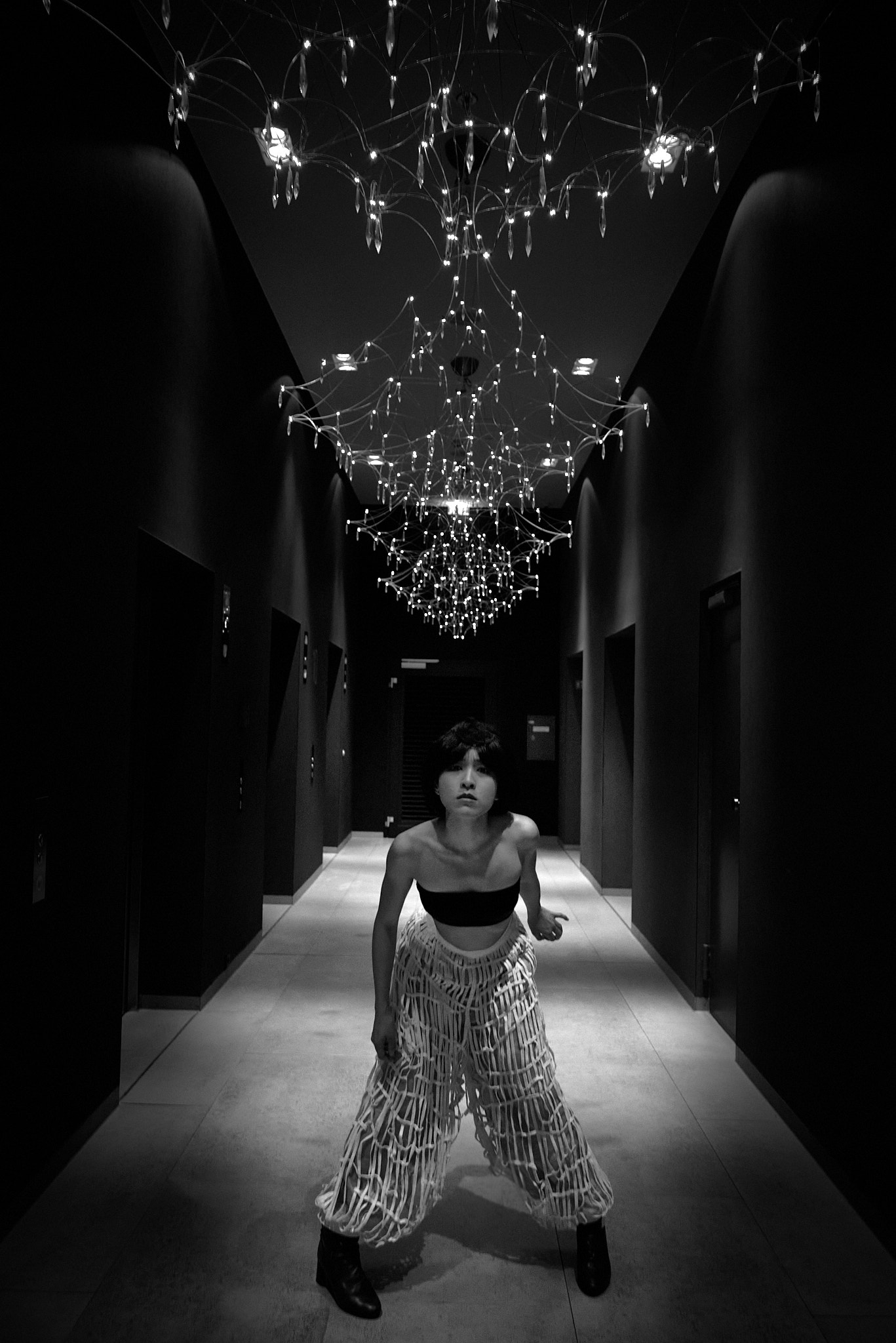
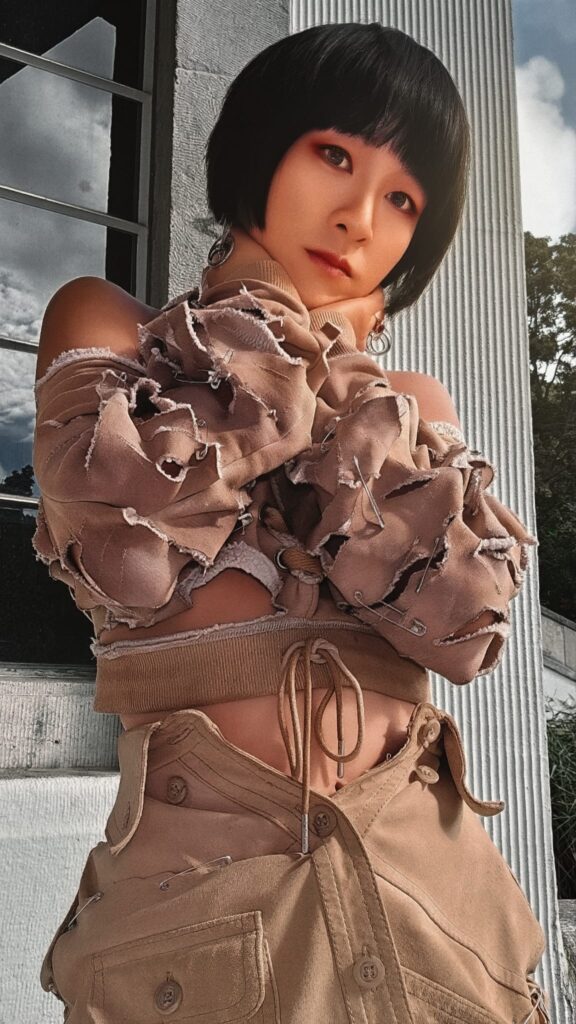
Nakira Pansurini is a designer and founder of Nakira Studio, based in Berlin, Germany. She is an artist who transforms discarded objects and repurposes clothing into wearable art. She is a Butoh-inspired fashion designer, who creates garments that focus on texture, form, movement, and the body’s relationship to gravity and the environment, rather than just surface-level aesthetics or trends.
Through this practice, she turns the mundane into the extraordinary, the discarded into the performative. Her work is not about perfection but about the process, play, and possibility. Each piece she creates emerges unpredictably, alive with movement, turning waste into radical, performative fashion. Nakira creates wearable art from what others throw away, discarded clothes, forgotten fabrics, and mundane objects from everyday life.
“My practice is rooted in Butoh, an experimental Japanese dance form born in the 1960s. Butoh is not about technique or polished form, it is about surrender. The dancer does not control movement but allows themselves to be moved by external forces, the environment, the air, gravity, textures, memories,” says Nakira.
Nakira’s use of improvisation is a significant element in her design process, allowing for spontaneous movement creation and the exploration of experimental design processes, such as the tearing and reassembling of fabrics, where the form is discovered through intuitive action rather than a fixed plan.
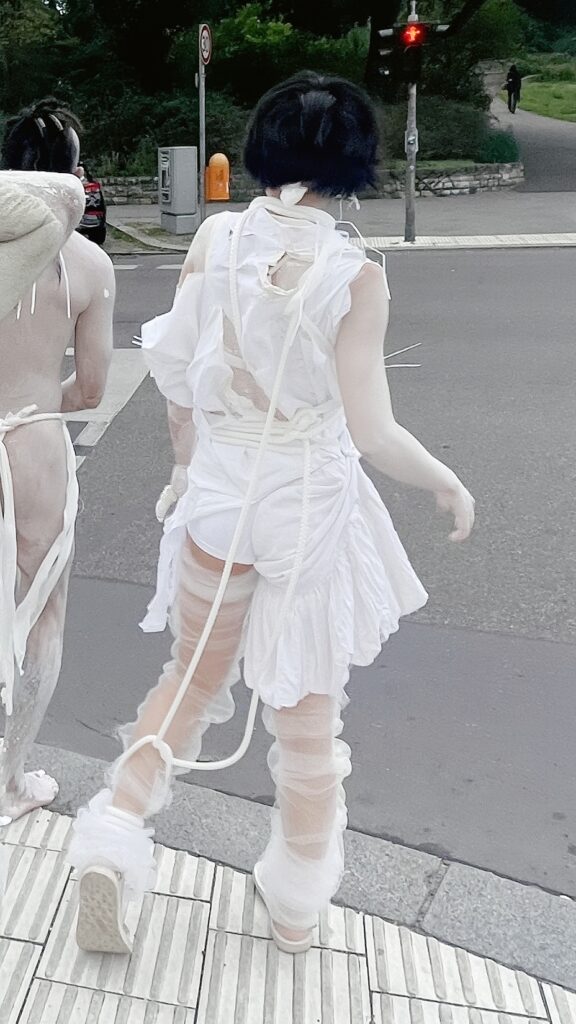
Nakira flips garments inside out or upside down. Sleeves become pantlegs, pants become sleeves, socks emerge from sleeves. Nothing is fixed; nothing is wasted. A bathrobe becomes a dress, shower puffs become leggings, yet their essence remains visible.
“I transform discarded clothes and forgotten objects into wearable art. Nothing stays as it was. Sleeves become pant legs, pants become sleeves, and ordinary fabrics are flipped, torn, and reimagined into moving sculptures. My background in dance drives me to create garments that stretch, shift, and deconstruct during performance, making the act of wearing inseparable from the art itself. I thrive on limitations, no budget, no rules, no fixed plans and using constraint as fuel for invention,” she says.
“I grew up in poverty in the suburbs of Bangkok, Thailand. As a child, I searched for discarded things on the street and made use of whatever I found, making them functional at any cost. My free time was spent building imaginary worlds where trash became treasure, each object carrying a story. My toys were made from garbage I reimagined into something meaningful. I have always loved working with my hands,” she says.
“And now, working as a sushi chef as well, I sharpen my hand–eye– brain coordination every day. Cooking for staff at the restaurant also means creating meals from limited ingredients, within tight budgets and time constraints. This philosophy of resourcefulness and invention carries into my sewing and upcycling work. For me, constraints are what make things creative; breakthroughs emerge from chaos and limitation,” she elaborates.
Nakira began sewing in August 2025 with no knowledge, no training, no rules. Her first piece was mesh, considered difficult by professionals. She says not knowing that mesh is difficult to deal with, freed her. Nakira says she discovered that constraints in budget, tools, time, and knowledge are not barriers but sparks for invention.
“Time pressure excites me, forcing me to use all my willpower and imagination to make something work. Recognition of what they once were is part of the art, a reminder that transformation does not erase but reimagines. As a dancer, I need garments that stretch, shift, and deconstruct with movement. Sewing is not just a craft but a performance. I use whatever tools are at hand, sometimes even my teeth, and often begin with no plan, allowing fabric and object to move me,” she explains.
“Sometimes the most alive moments happen when you have no time to overthink. No pattern, no plan, just hands and fabric, trusting the process even when you do not know what the process is. Butoh teaches that nothing stays intact. Outfits shift as the body moves, pieces fall away, and the garment continues deconstructing long after it leaves my hands.”
Nakira’s approach to design is instinctive and experimental, rather than aiming for perfection. She says, “I work with the chaotic energy of the material, accepting accidents and limitations as part of the creative process. What emerges is not a polished garment but a wearable sculpture that carries the memory of its former life, while simultaneously inhabiting a new identity as a raw, performative costume.”
GARMENT CREATION PROCESS
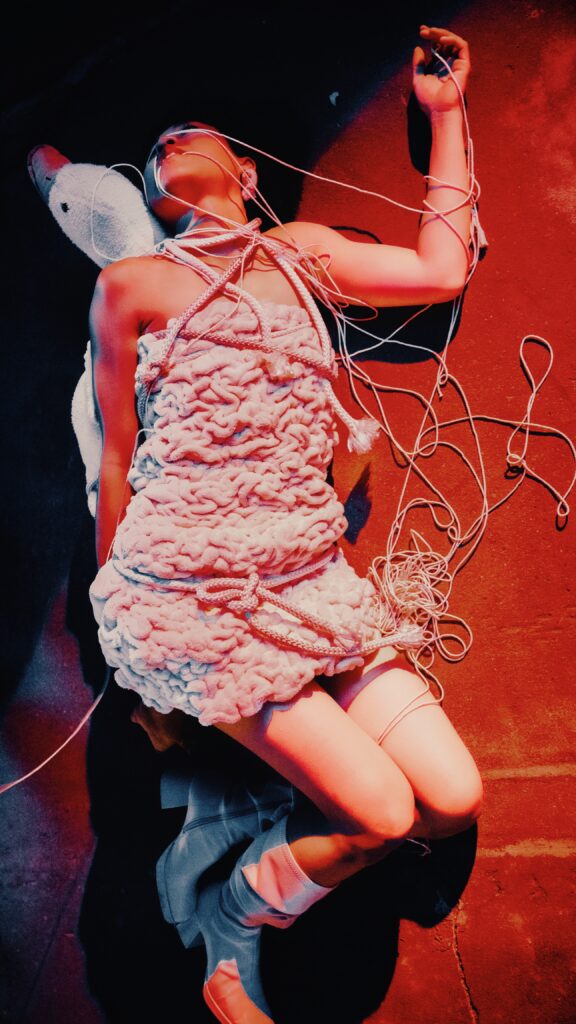
“This piece began as an experiment during the second month of teaching myself how to sew. I wanted to explore fabric manipulation through smocking, a technique that gathers fabric into folds and textures through repeated stitching. My first attempt was on a red dress made for a shibari session, and soon after I turned to my old bathrobe as material for further exploration. Working without a pattern or plan, I allowed the fabric to guide me. Over twenty hours, simple white stitches pulled the bathrobe into dense, puckered folds that resembled organic forms, almost like the surface of a brain. Unlike traditional smocking, which follows a decorative grid, this process was improvised and irregular, producing an unpredictable sculptural effect. For me, this process embodies the balance of control and surprise. Each stitch, a small experiment, each fold a decision made partly by me and partly by the material itself. The final garment is both familiar and estranged, a bathrobe reimagined as performance wear while still carrying the memory of its original form.”
Documented at Mahalla Open, Berlin Art Week, 10 September 2025
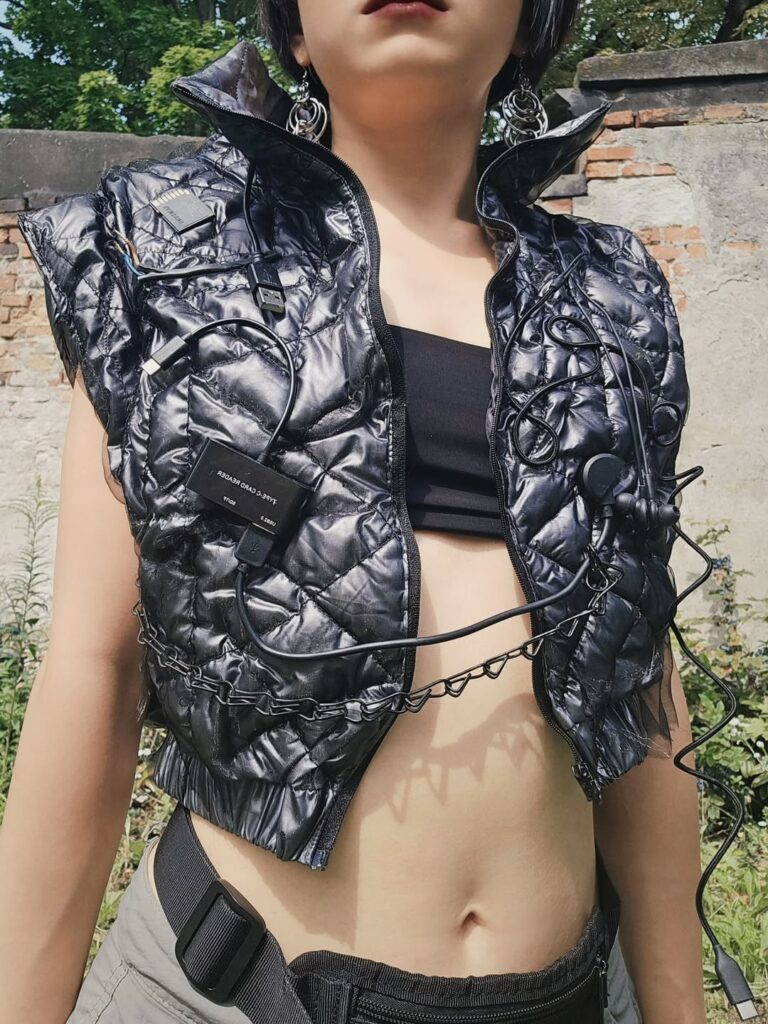
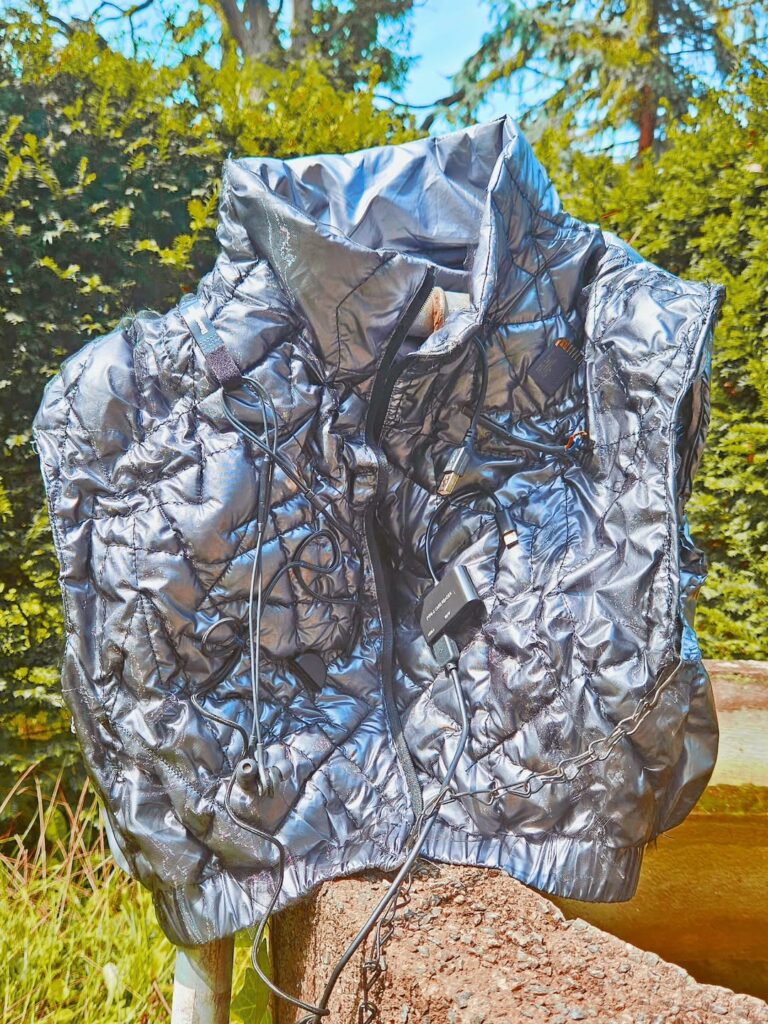
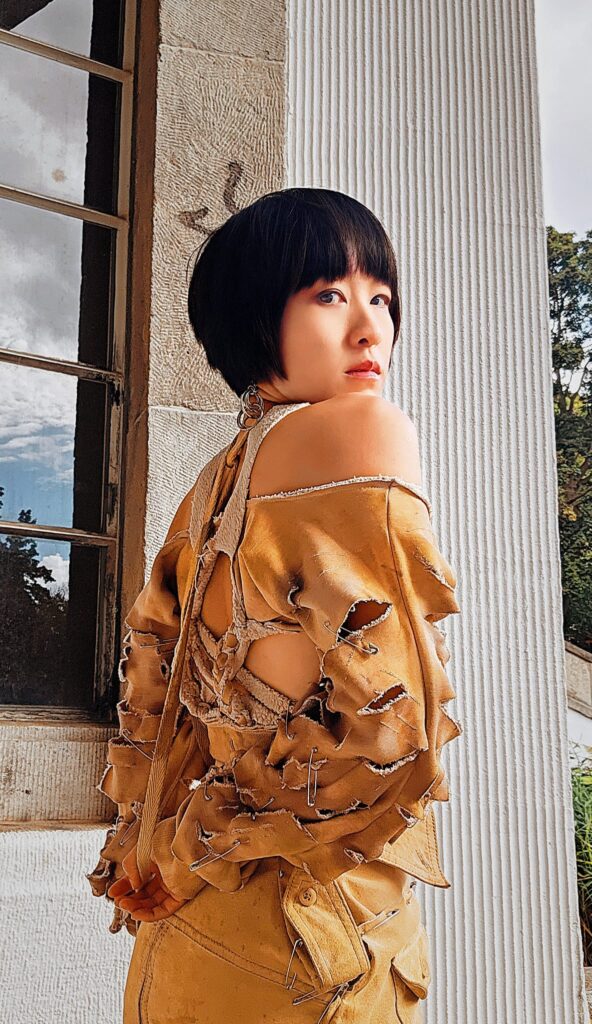
“I found a pair of Uniqlo winter trousers discarded on the street in Berlin and reimagined them as material for a post-apocalyptic style top. The decision to transform street waste into wearable art reflects my ongoing interest in post-consumption fashion and the poetic potential of discarded materials. The process was entirely improvisational, with no pattern or predetermined design. I began cutting directly into the trousers and allowed the fabric to dictate the outcome. The front features irregular cutouts that expose and conceal the body, while the back incorporates a shibari-inspired lacing system. The piece was constructed using whatever tools were immediately at hand, including unconventional methods of fabric manipulation to create texture and tension.
Upside-Down Dress Transformation (August 2025)
“This piece was created on my fifteenth day of teaching myself sewing and upcycling. I found an abandoned dress left in a box on a Berlin street corner and reimagined it by turning the garment completely upside down. The sleeves became pant legs, and the zipper, originally placed at the chest, shifted downward to serve a new function in the transformed piece. This process reflects my approach of working directly with discarded clothing, allowing the material to dictate new possibilities. By flipping and reassigning functions, what was once a discarded mistake becomes a playful, wearable experiment that questions how garments can be reconstructed and reused.”
Slashing Technique Top (August 2025)
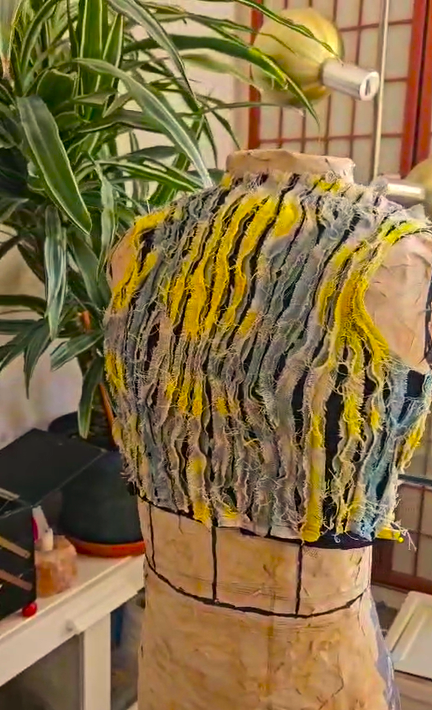
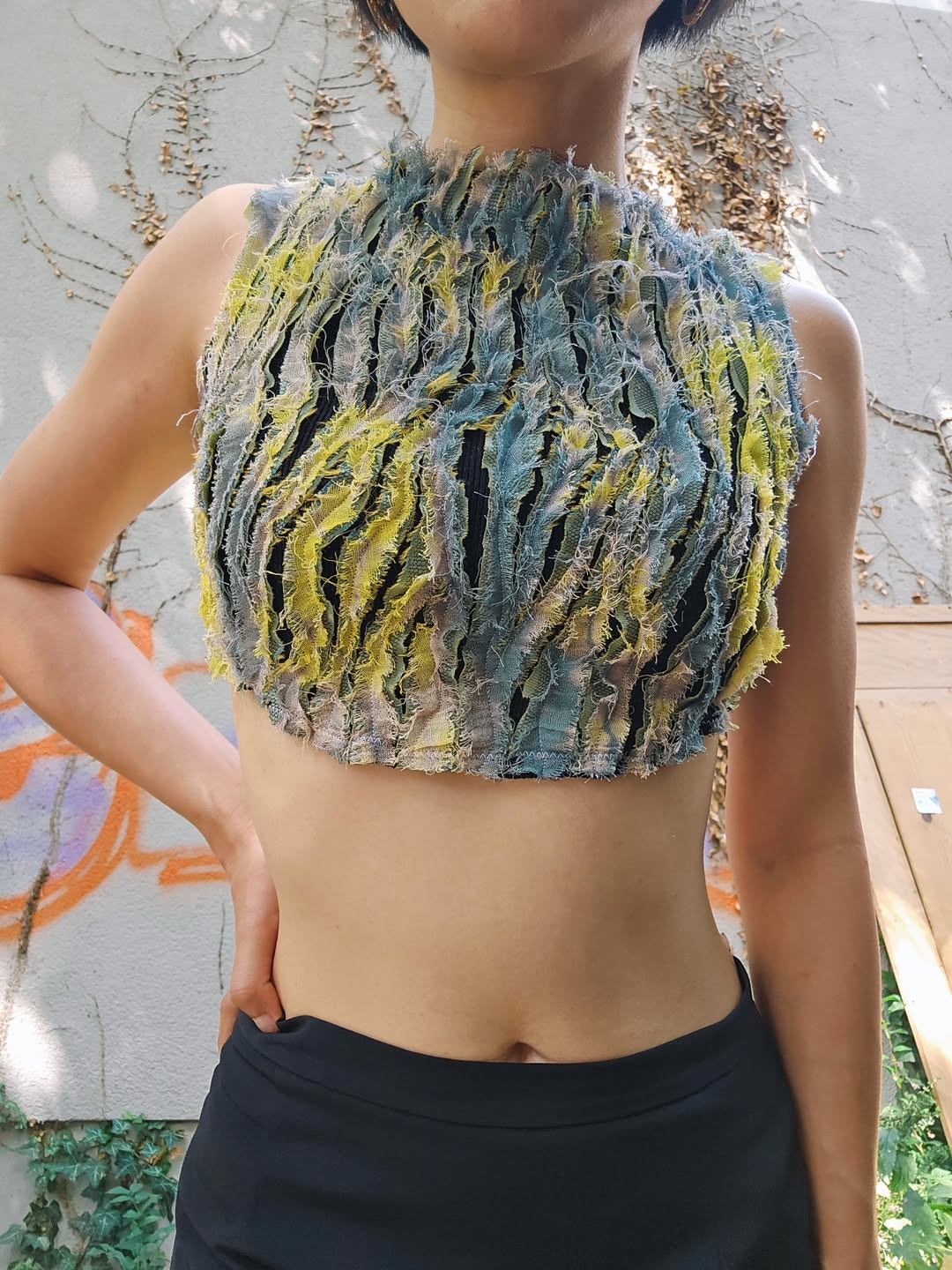
“On my thirteenth day of learning sewing and upcycling, I created this top using the traditional slashing technique, but with unconventional fabric choices. I combined a patterned scarf with mesh and two additional fabrics in a similar colour scheme, creating layered contrasts in tone and texture. The mesh was chosen deliberately to evoke the look and feel of fish skin. Its surface not only adds a scaly, organic appearance but also produces sound when touched or scratched, giving the garment an unexpected auditory dimension. The key breakthrough came from incorporating a stretchy black dress as the base fabric. When slashed, its elasticity revealed black areas beneath the folds, adding depth and movement to the surface. Traditionally, the slashing technique is used only on non-stretch fabrics, but by introducing stretch, the piece shifts and transforms as it is worn, making the texture appear alive. This experiment demonstrated how a historical technique can be reimagined through unusual material choices, turning discarded textiles into a garment that engages not just the eye but also touch, sound, and motion.
Red Improvised Dress (September 2025)
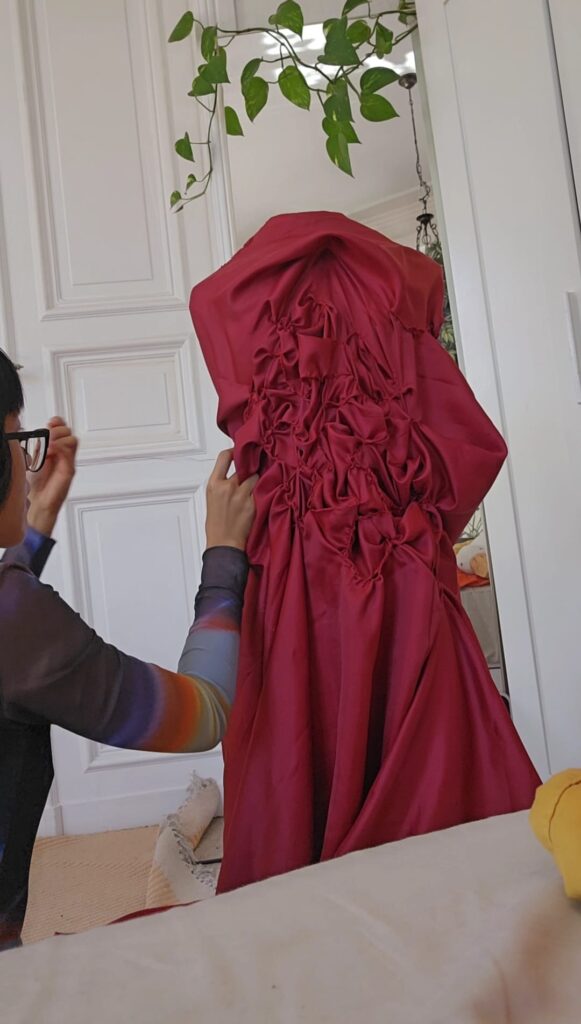
“This piece was created in two hours for a shibari session, with the intention that it would be ripped and deconstructed. I began without a pattern, working only with instinct and urgency. At first, I stitched by hand, using improvised smocking and gathering, and let the availability of thread decide my rhythm. When the thread ran short, I stopped; when more was available, I continued. Impatience eventually shifted the process to the sewing machine, where I sewed one-handed while filming, randomly folding and feeding fabric through. At some point I abandoned stitching altogether and began ripping the fabric directly, letting destruction become part of creation. Inspired by Tatsumi Hijikata’s 1968 costume for Revolt of the Body, the dress was never meant to stay intact. During the session it was torn apart, the fabric fragments unravelling through ropes and tension. At the end, I tied myself with the ripped pieces, binding body and fabric together in an improvised act of continuation. The garment’s value lay not in durability but in impermanence, in its transformation, its undoing, and its release.”
Nakira’s wearable work of art deserves recognition for essentially demonstrating a blend of avant-garde designs, creativity, innovation, and unconventional upcycling processes that create aesthetically appealing garments.
ALL IMAGES SUPPLIED BY NAKIRA STUDIO
COVER AND MAIN PHOTO IMAGE PHOTOGRAPHED BY: Martin Oskar @m3q.photo






 Collaboration with @rebeccasearlstevens