People buy second-hand clothes to save money, find unique and vintage items, reduce waste, and support sustainable and ethical practices. Second-hand shopping also offers a fun, adventurous experience, fosters community, and provides a way to experiment with personal style without committing to expensive trends.
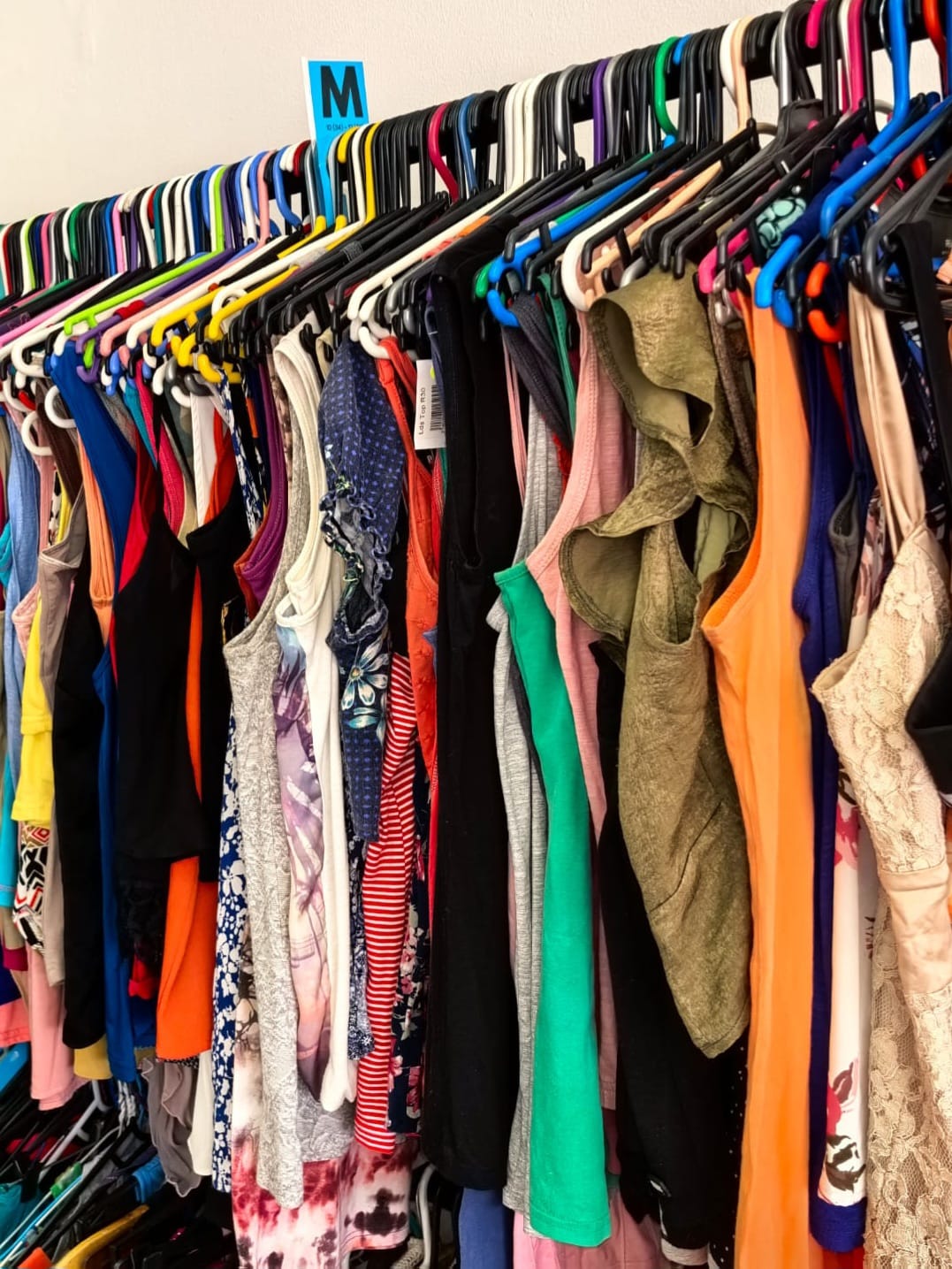
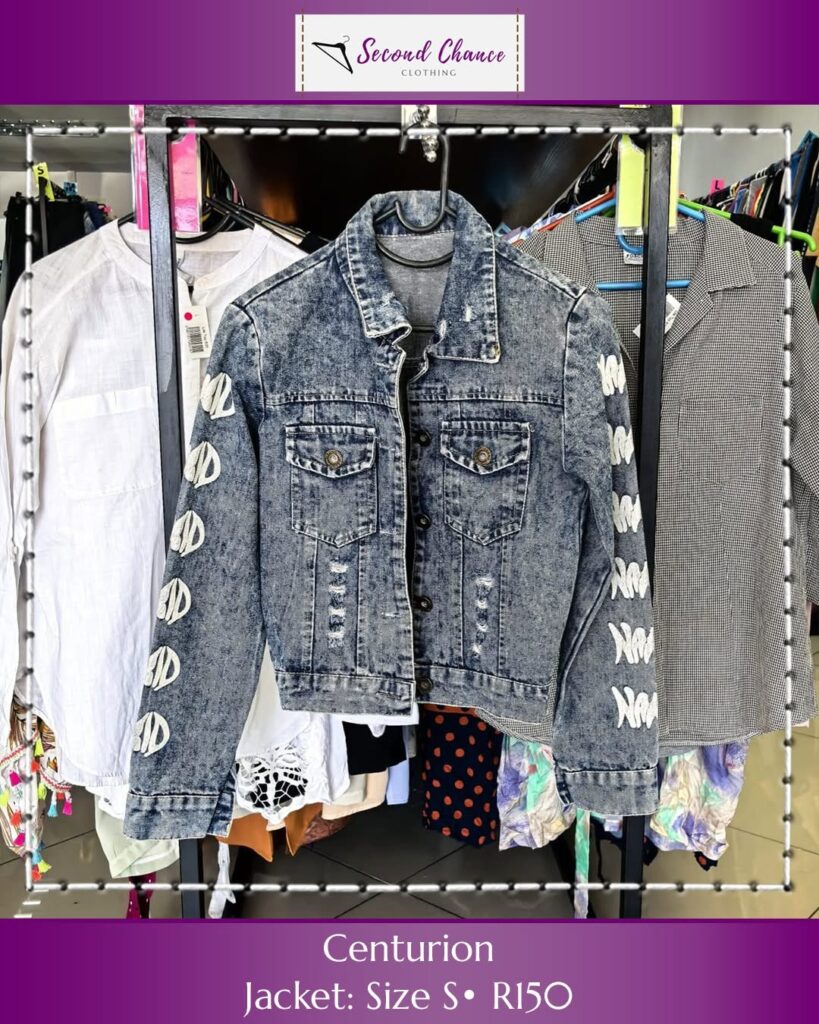
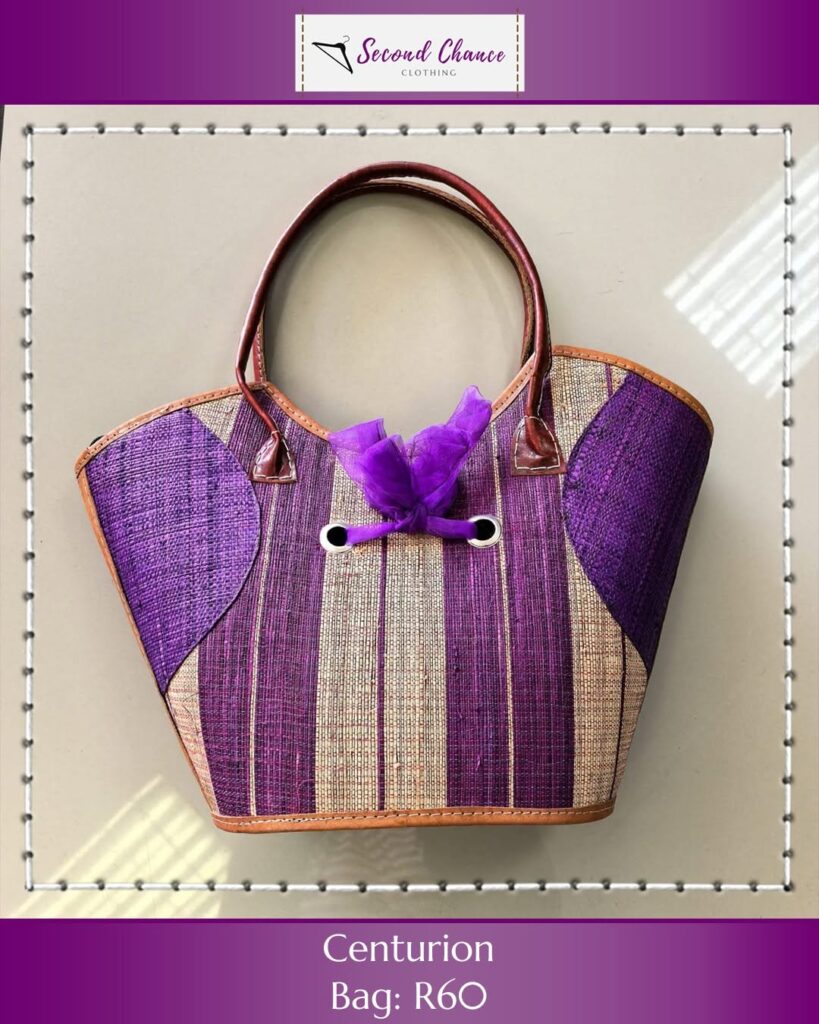
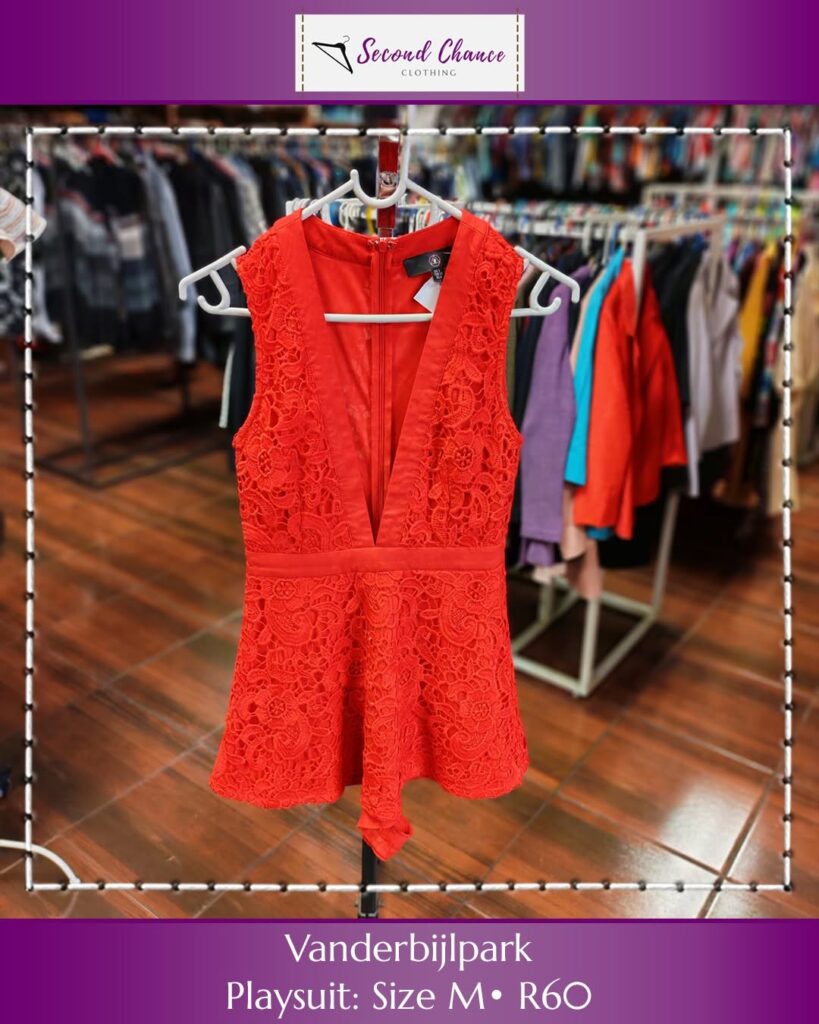
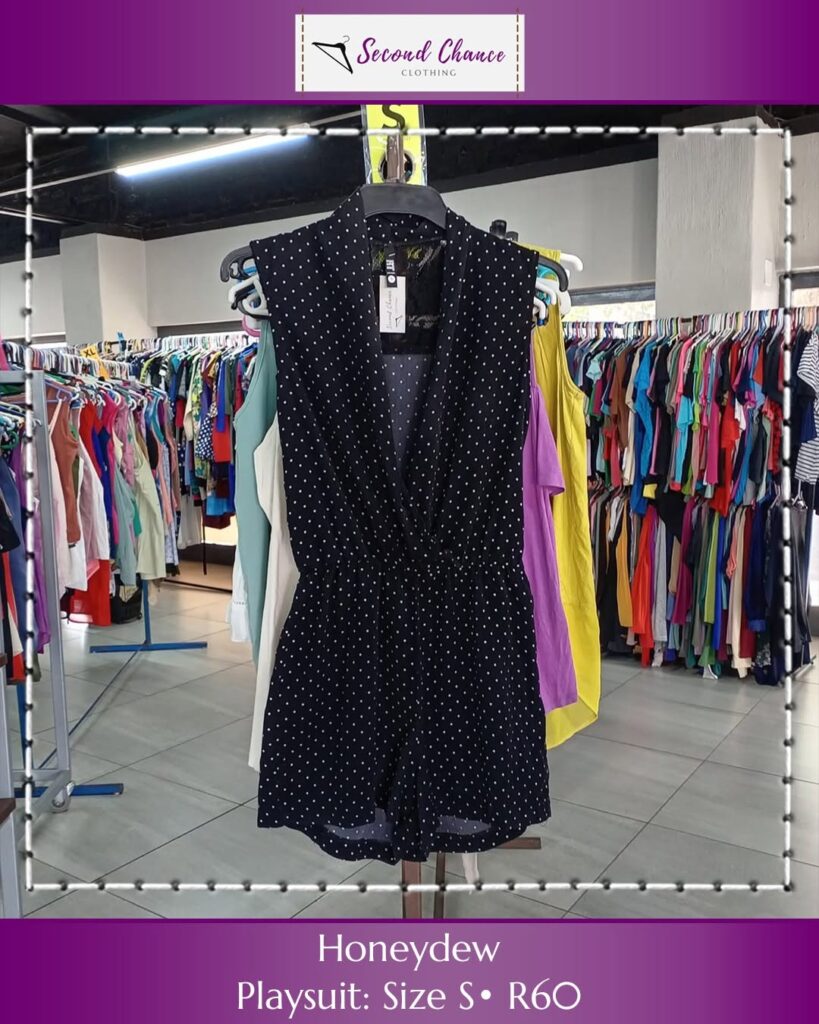
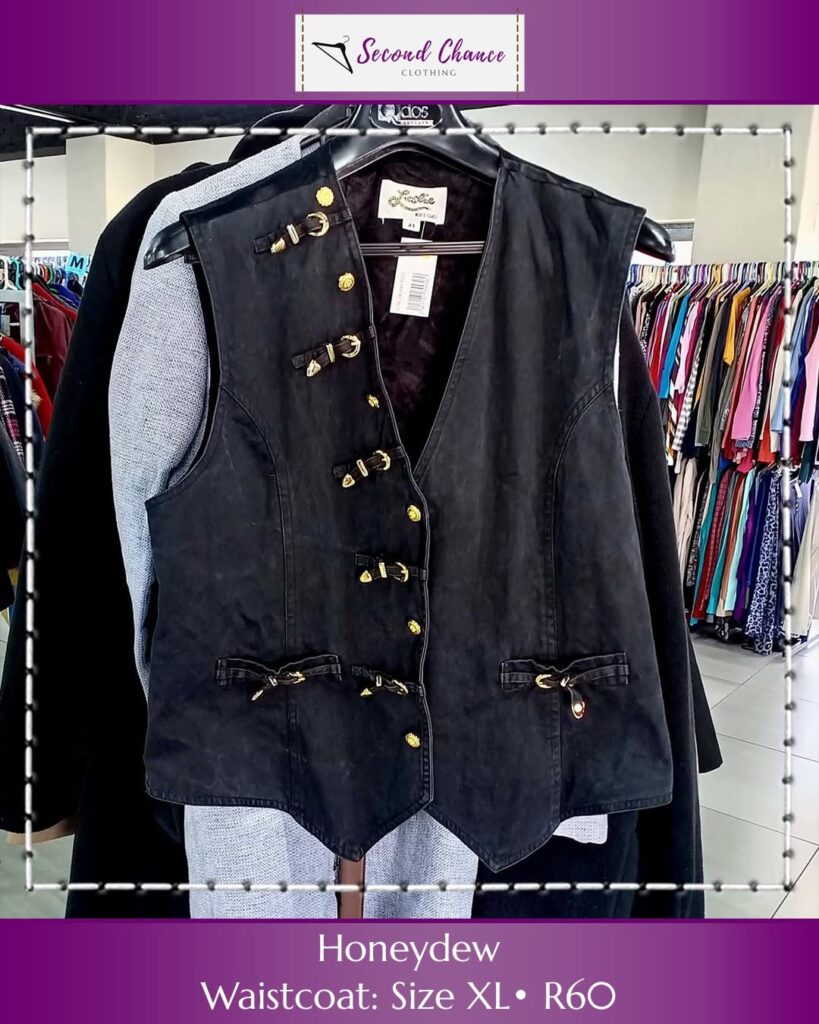
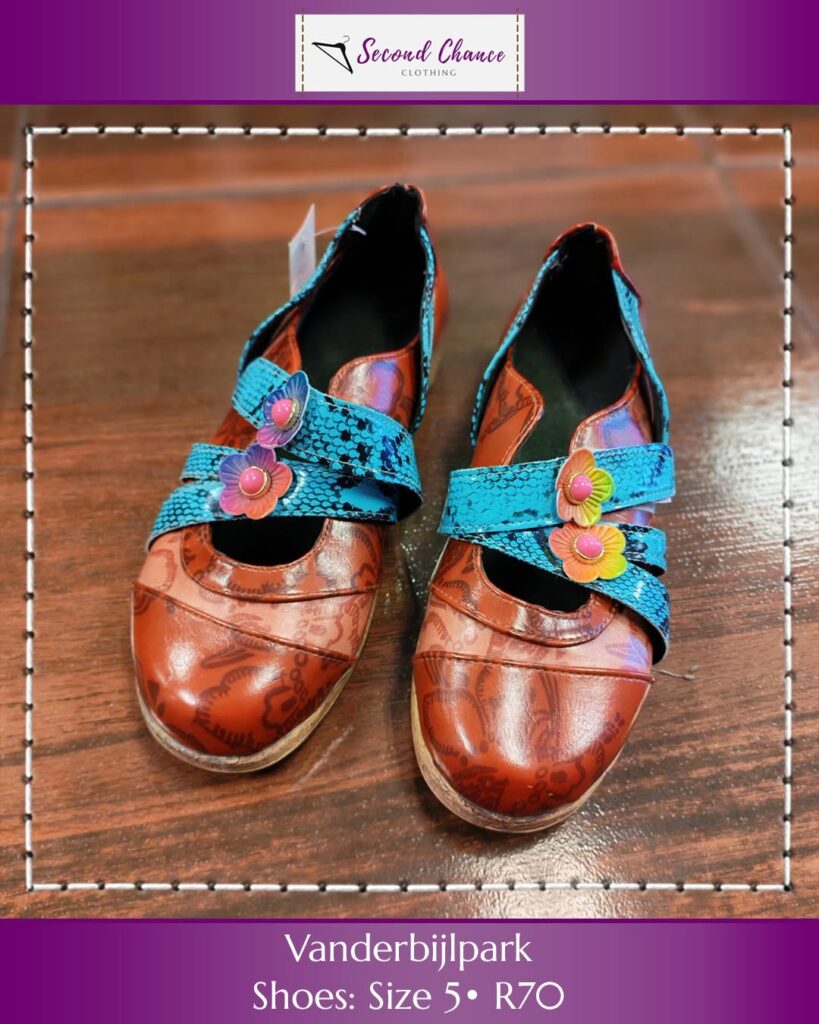
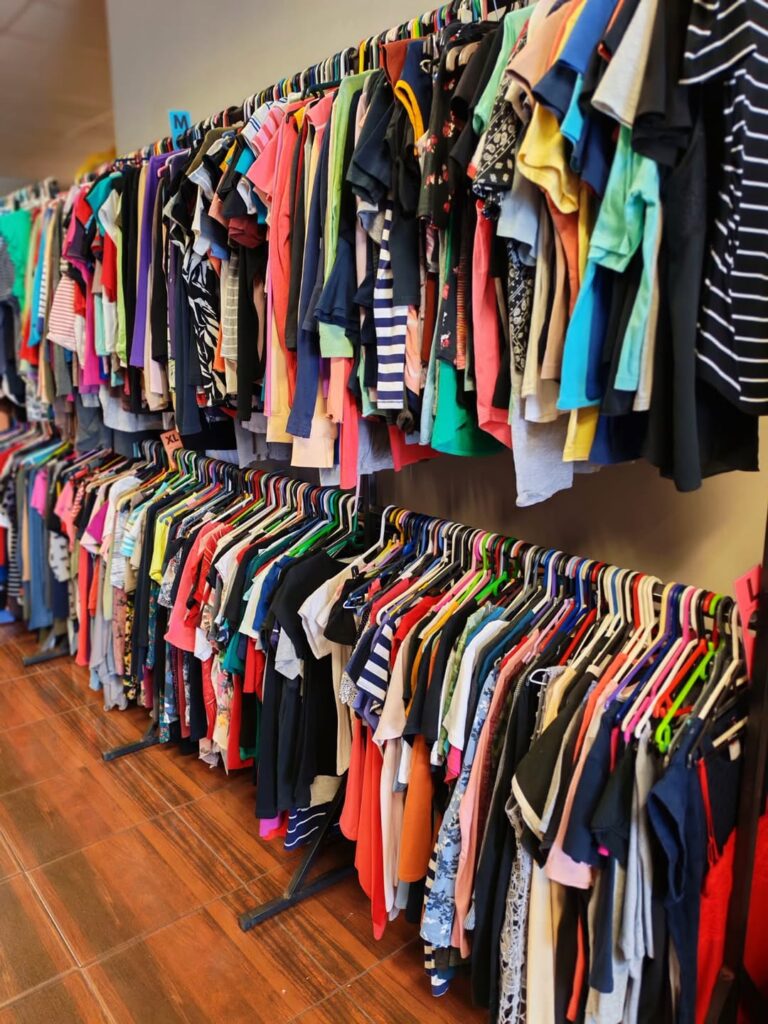
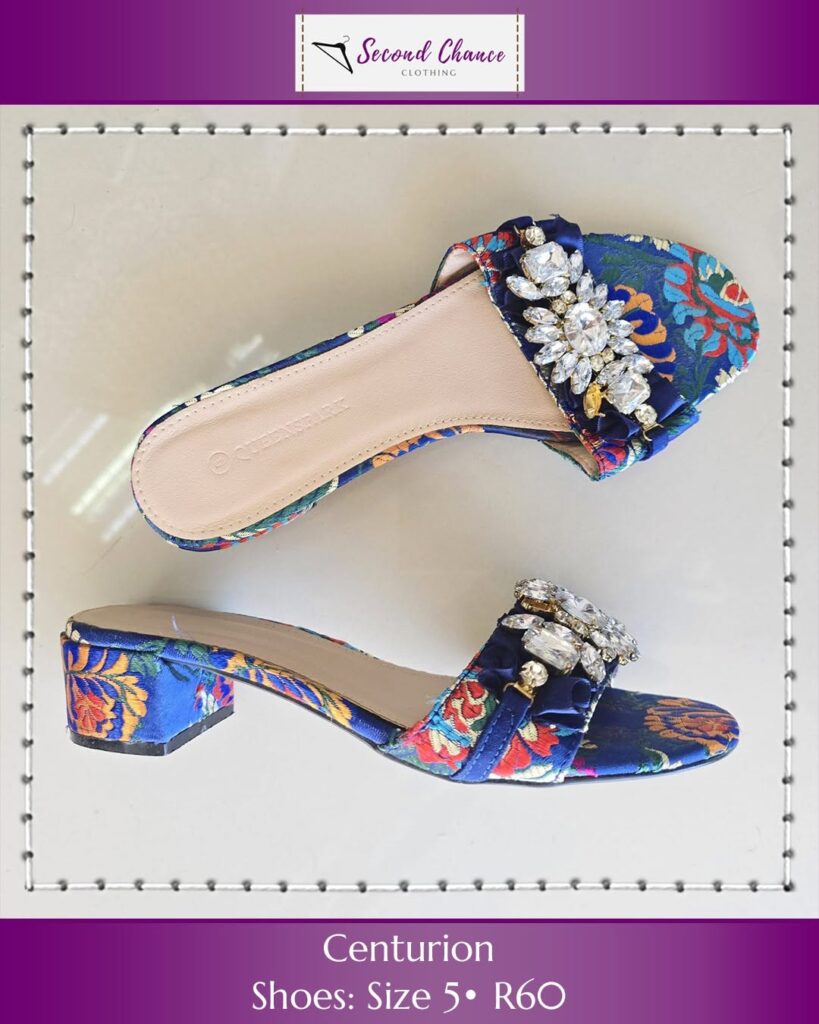
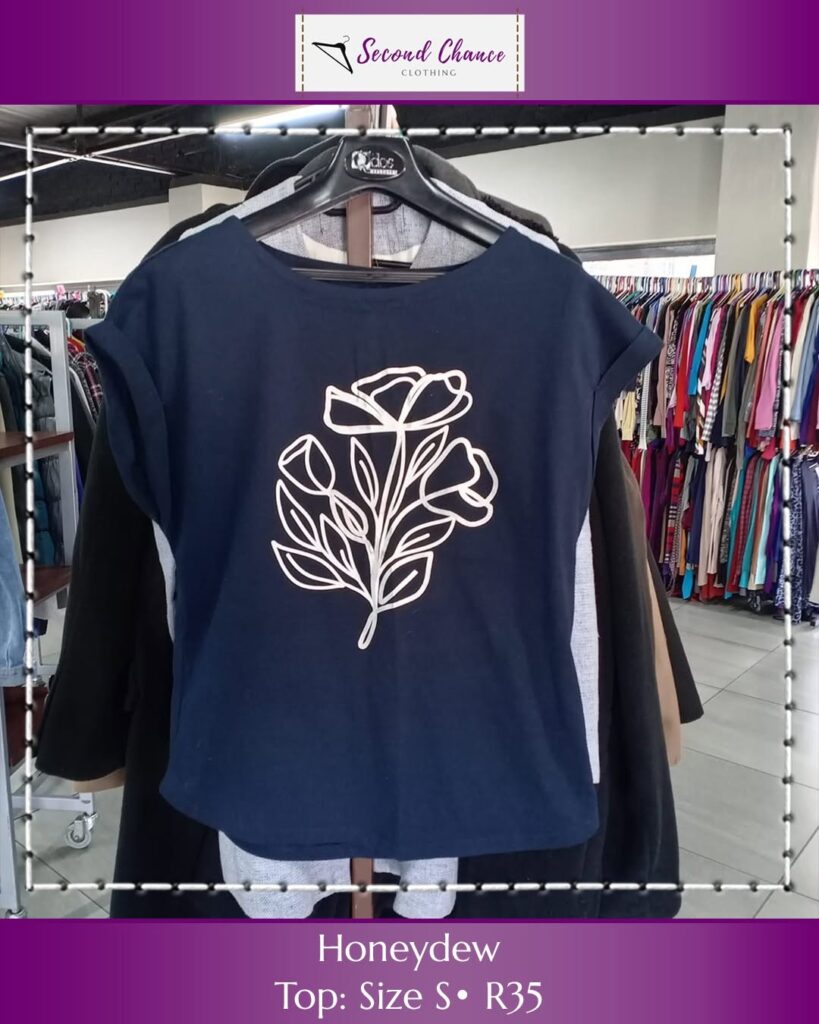
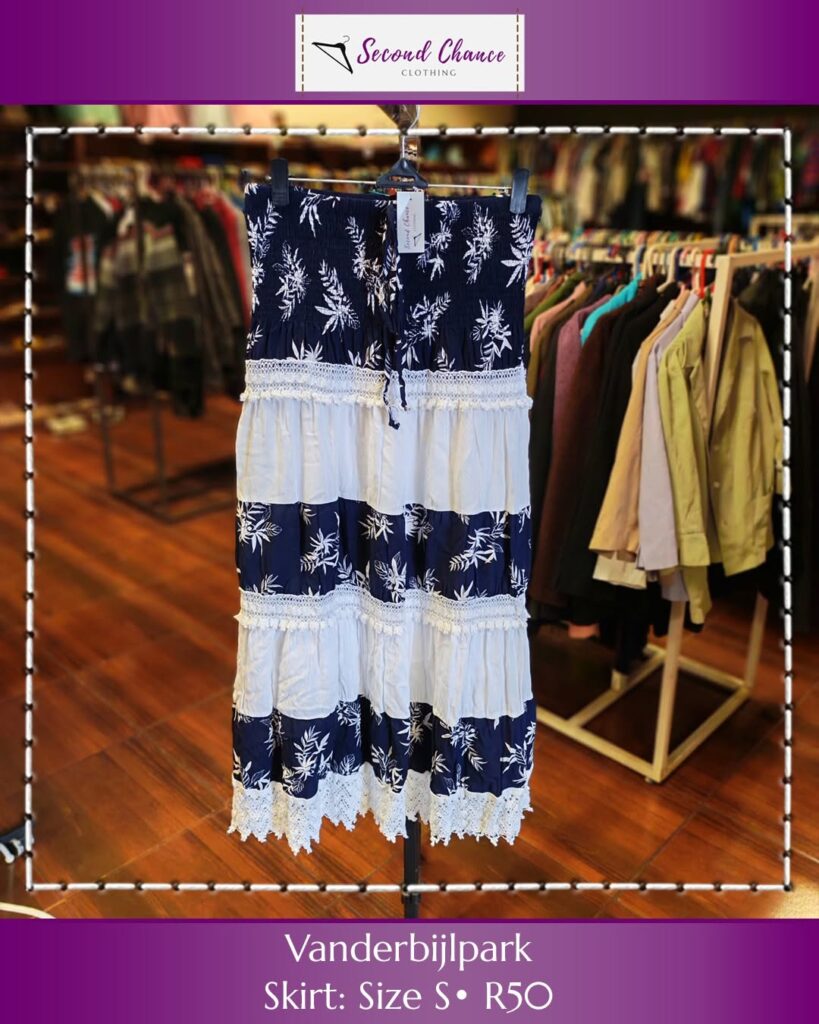
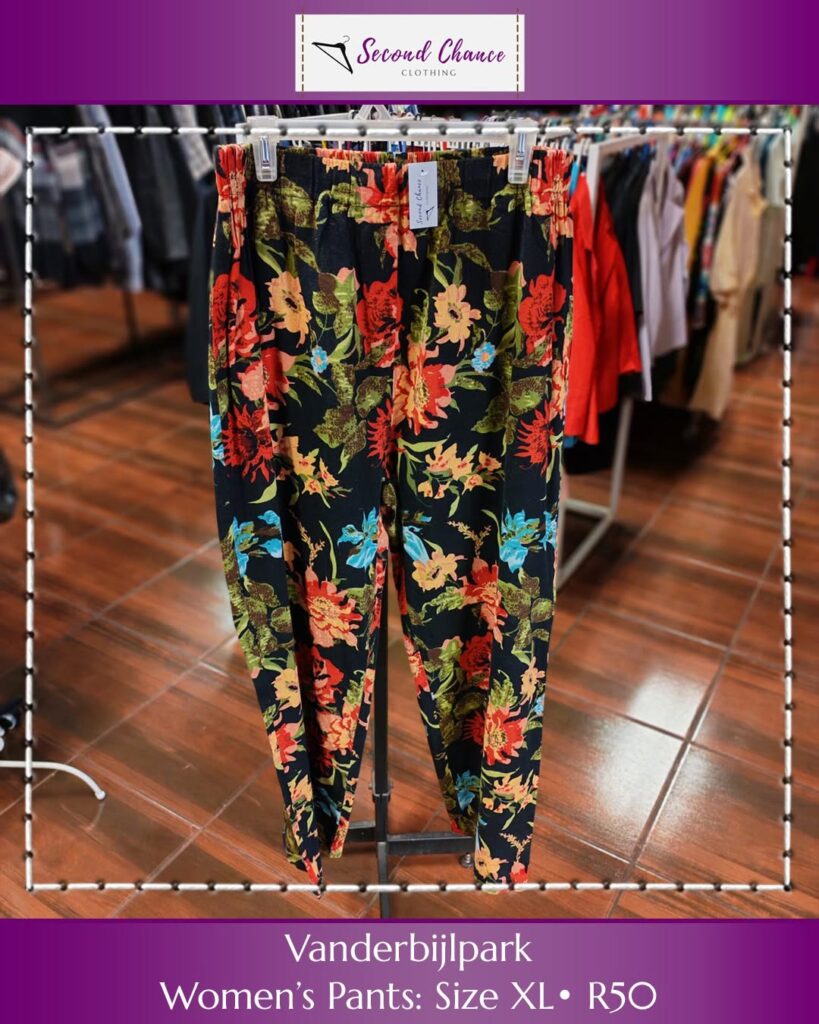
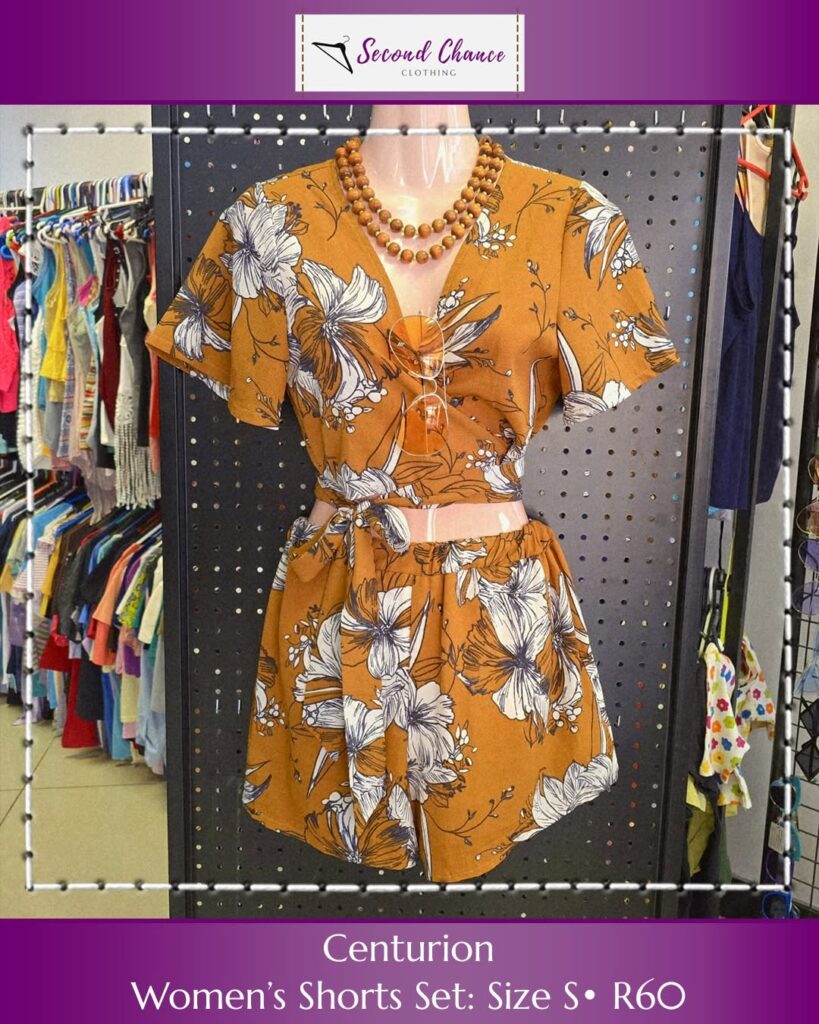
Second Chance Clothing have been selling pre-loved clothing for over 17 years and they offer a wide selection of items at lower price points than new clothing, making fashion more accessible and sustainable. They operate three store locations in South Africa. They are in Honeydew, Vanderbijlpark, and Centurion. They also have an online boutique for a wider reach.
“We specialize in a wide range of affordable second-hand clothing for women, men, and children, as well as shoes, accessories, and linen. What sets us apart from other second-hand clothing businesses is our extensive variety of items at unbeatable prices, our quick and convenient process for purchasing your unwanted clothing, and the fact that our stores are filled with new stock daily. This means there’s always something fresh and exciting to discover every time you visit,” says Audrey Maidwel, Co-founder of Second Chance Clothing.
Audrey says that, “People bring their clothing and accessories directly to us, and we offer instant cash for items we select to resell. With new stock arriving daily from the public, we quickly price these items and get them on our rails, ready to find a new home. Our stores are loved by many regular customers who are hooked on the excitement of discovering affordable, unique, stylish, and high-quality items that are new to them. Many visit us at least once a week to find the latest treasures, and some even say they no longer shop anywhere else.”
Buying second-hand extends the life of clothing, preventing it from ending up in landfills and decreasing the demand for new garments. Second-hand clothes are typically much cheaper than their new counterparts, allowing for significant savings on your fashion budget.
“When you shop secondhand with us, you’re likely to pay far less than half of the item’s original price. Many clothes are sold to us simply because the previous owner no longer enjoys wearing them, they no longer fit, or they no longer suit their lifestyle. People also bring in items when emigrating, downscaling, or decluttering. We even receive brand-new clothing that has never been worn, both from individuals and businesses that have closed,” she says.
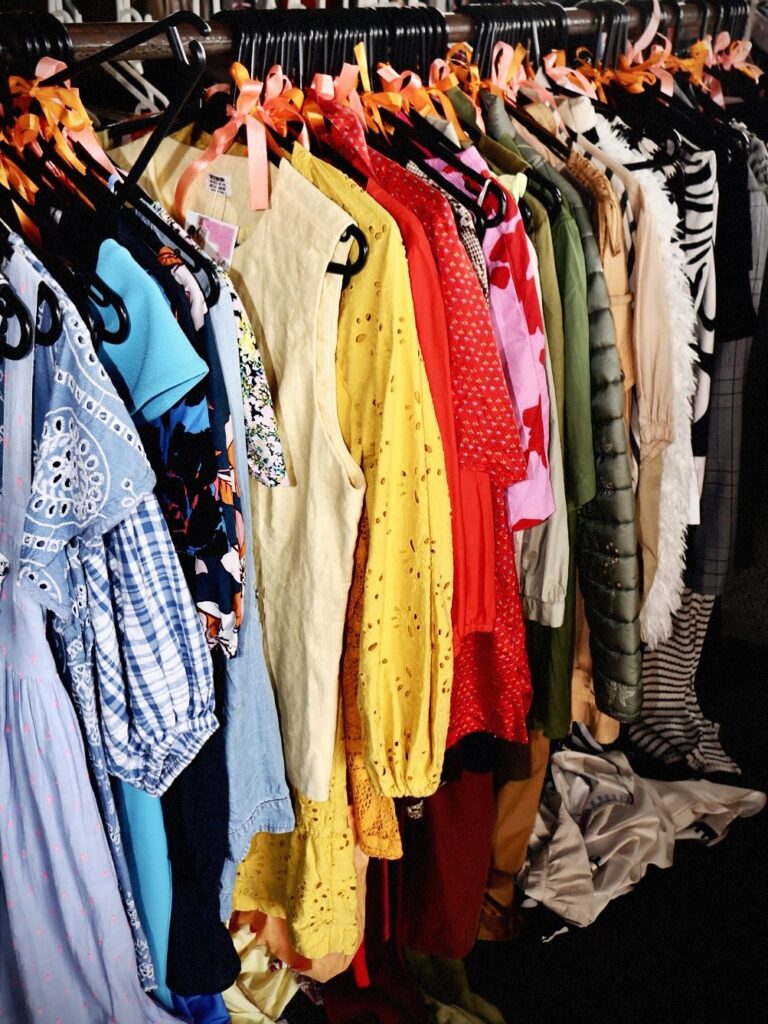
Shopping secondhand allows you to explore a wide range of unique styles from different manufacturers, eras and fashion trends without breaking the bank. It’s an affordable way to discover diverse clothing options that let you experiment with new looks and express your individuality. With such a variety of pieces, you’re able to find unique¸quality pieces that stand out from mass-produced fast fashion. It’s a chance to discover one-of-a-kind items that resonate with your personal style and creativity.
“When you choose to shop secondhand, you’re not just saving money, you’re also helping the planet. Choosing pre-loved clothing reduces demand for new production, which heavily contributes to water pollution, carbon emissions and landfill waste. Extending the life of garments conserves resources and lowers your carbon footprint. Second hand shopping also keeps clothing out of landfills, giving items a second life and supporting a circular economy where products are reused and recycled. It’s an easy and impactful way to make a difference. So, when you shop with us, you’re not just getting great clothes at unbeatable prices; you’re also contributing to a healthier planet and a more mindful, sustainable future,” she says.
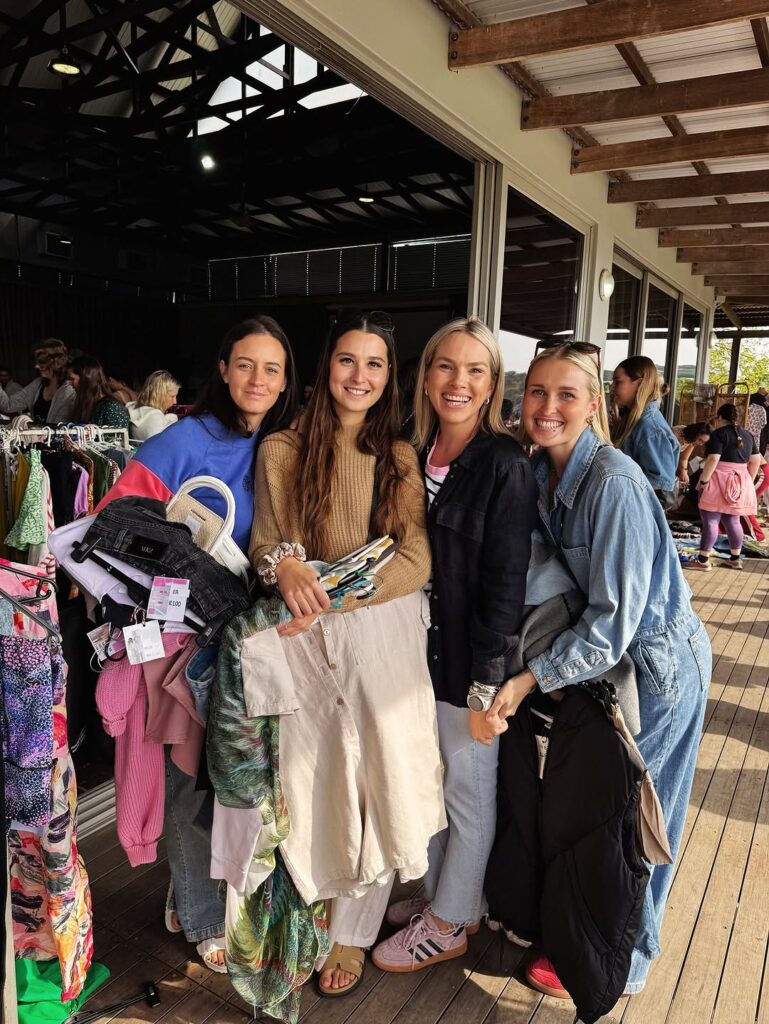
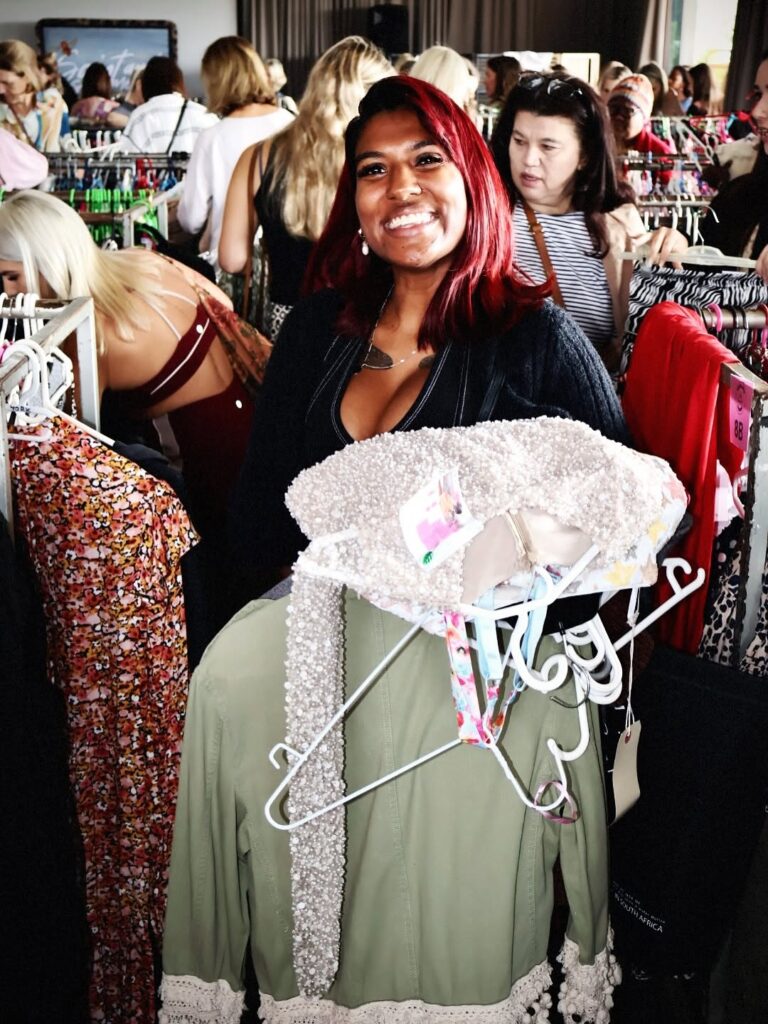
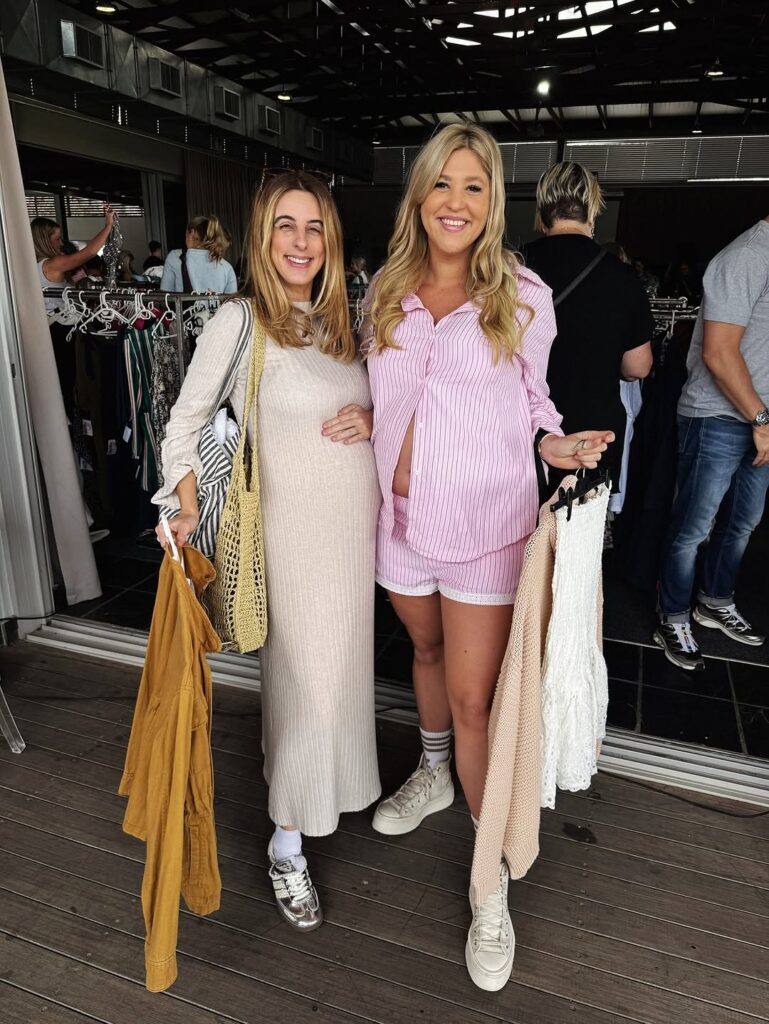
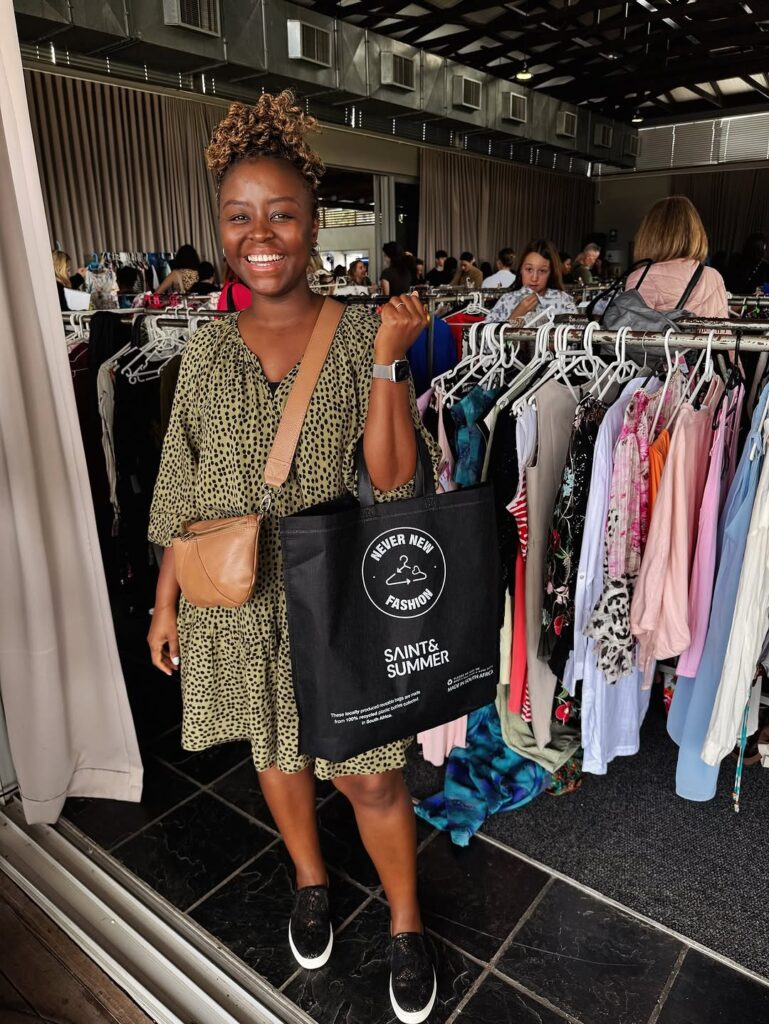
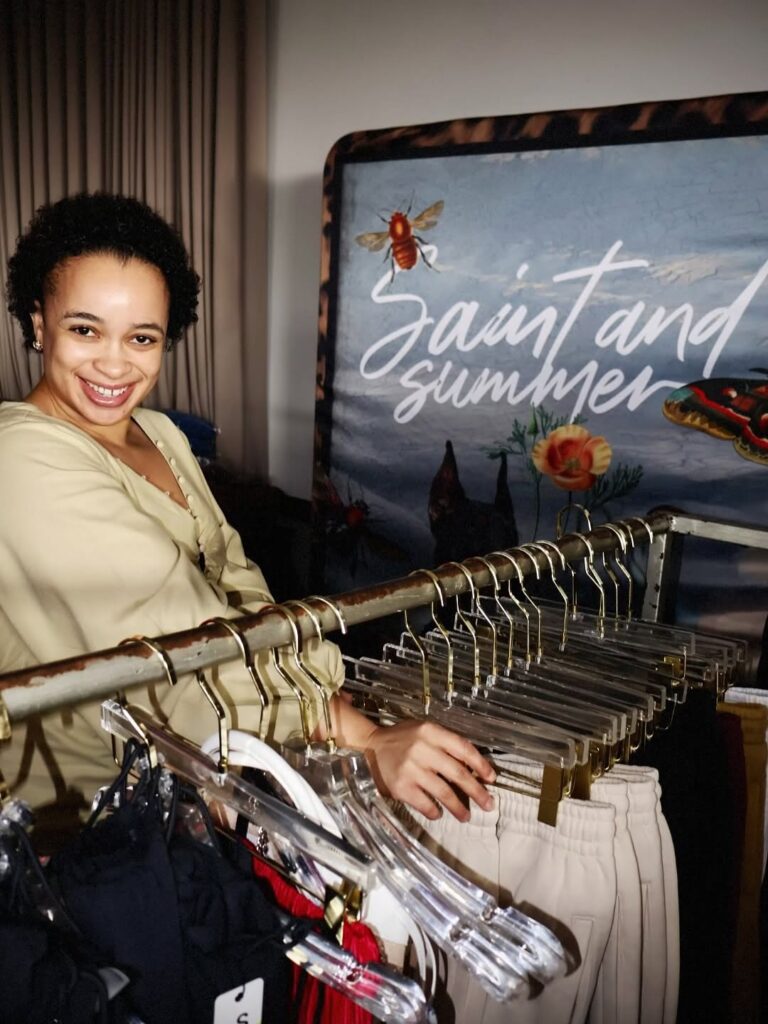
Never New Fashion Fair is a fresh, sustainable, and community-driven movement in fashion. It is one of South Africa’s fast-growing circular fashion fairs transforming the way people buy and sell pre-loved clothing.
The idea of Never New Fashion Fair started at a small get-together for fashion-lovers at a home in Durban, a City in KwaZulu Natal, South Africa. Three years later, this idea, founded by Vasti Mcleod, and her co-founders, Lee Besnard and Tania Daniel, has grown to become one of major event on the South African fashion calendar. To this end, the brand has now expanded to Cape Town with more cities set to be added to the line-up soon.
“It is a little surreal that it has grown this much in such a short amount of time. The first fashion fair took place in my living room with just ten rails of clothing. Today, we are selling thousands of items to over 600 shoppers in just a few hours at every fair. It has become a major event on the fashion calendar, says Vasti.”
She says that South Africa might seem far removed from the catwalks of Paris or Milan, but it is very much part of the global movement of making fashion more sustainable and mitigating the industry’s environmental impact.
Vasti Mcleod
South African shoppers are increasingly looking for opportunities to buy good quality secondhand clothing, while local fashion companies and events are investing in various sustainable fashion initiatives.
Major luxury brands like Louis Vuitton, Gucci and Burberry are actively shifting to more environmentally and ethically conscious practices and many sustainable fashion businesses in South Africa such as Style Rotate, Rethread, Earth Agen and The Joinery, are also seeing phenomenal growth.
Research indicates that thrifting and resale in South Africa are now a R10 billion economy, with second-hand apparel accounting for 9.1% (~R9.9 billion) of apparel revenue in 2024. With fashion consumption expected to rise 63–81% by 2030, the opportunity for circular fashion is expanding rapidly.
“Buying pre-loved clothing and supporting initiatives like Never New Fashion Fair is an easy way to get your fashion fix and do your part in shifting the dial on minimizing the environmental impact of it all,” says Lee.
Beyond its sustainability focus and style credentials, the fair is about the celebration of women-led businesses, a community, and conscious consumerism.
“Shoppers enjoy sipping drinks and dancing to music while they go through carefully curated garments on the rails. We’re showing people that being stylish and sustainable can be ridiculously fun,” says Tania.
The next fair will take place on the 4th of October 2025 at the Woodstock in in Cape Town.
Tania DanielLee Besnard
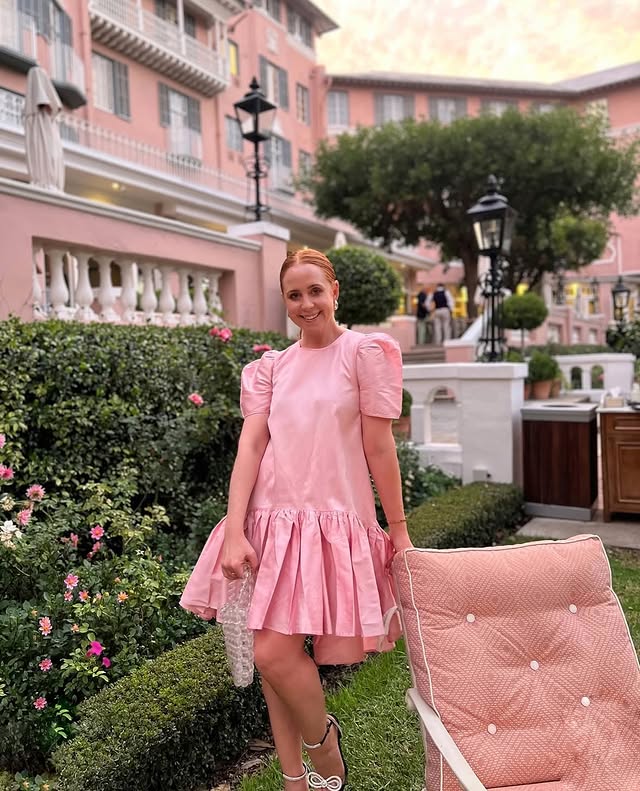
Featured on the main picture is Maxie Bella wearing her Never New find.
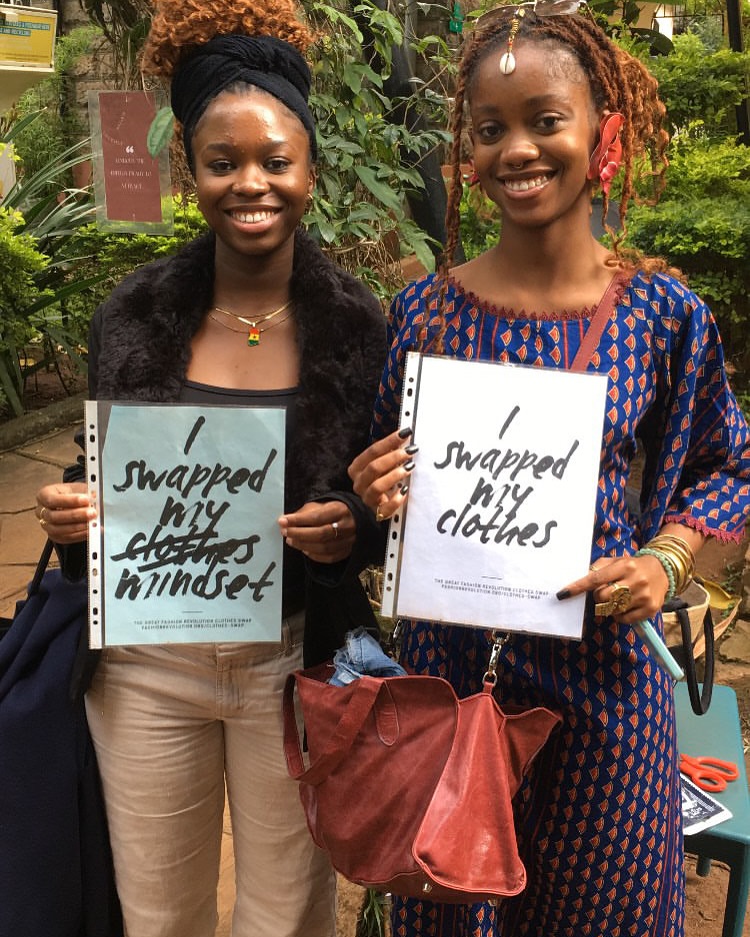
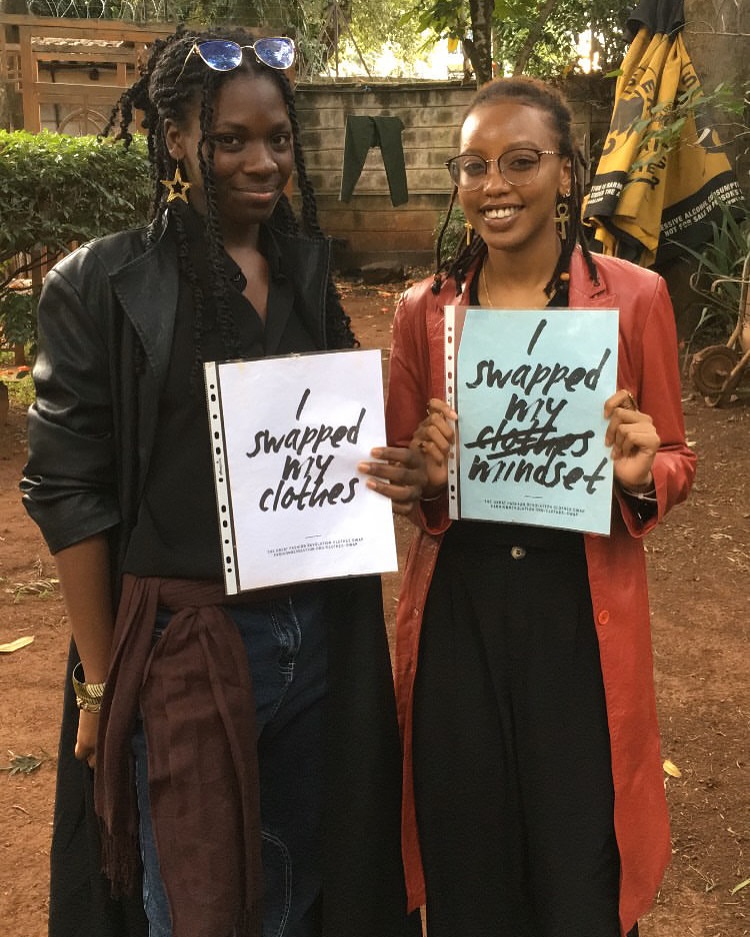
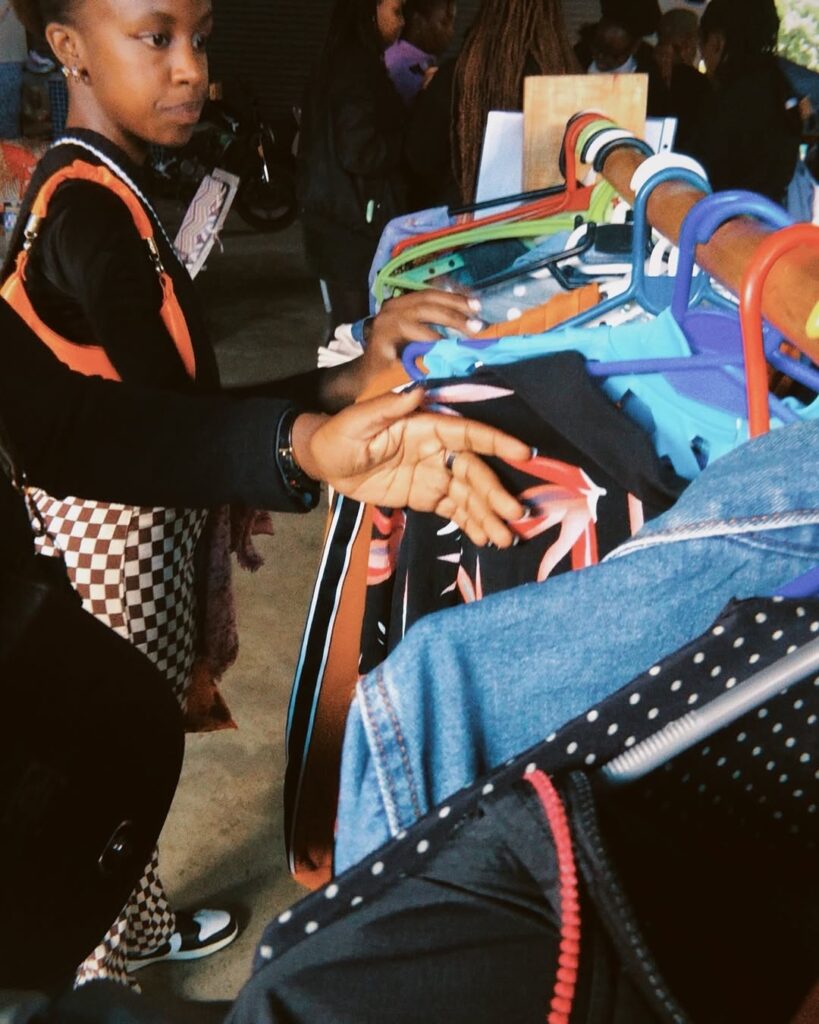
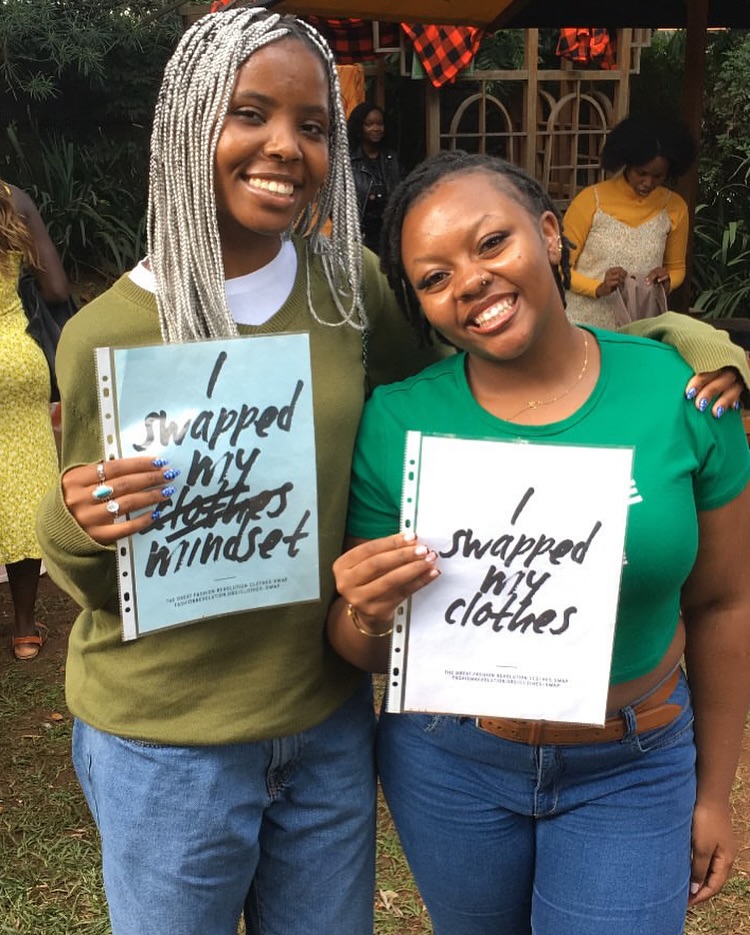
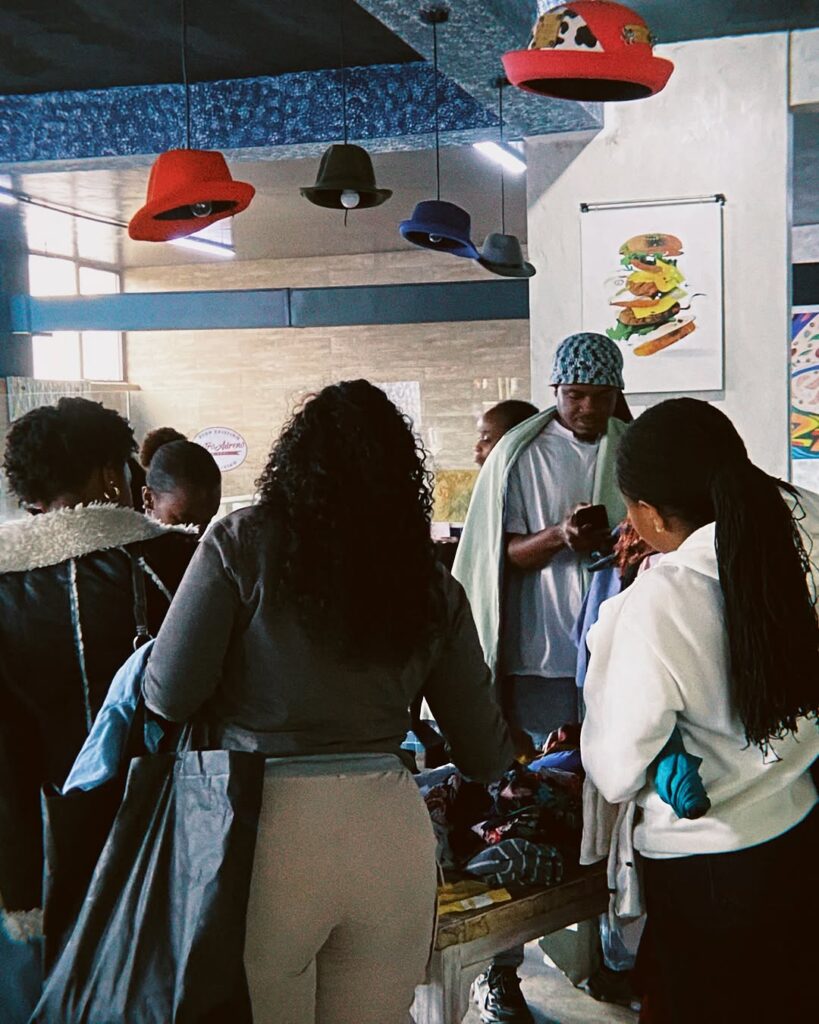
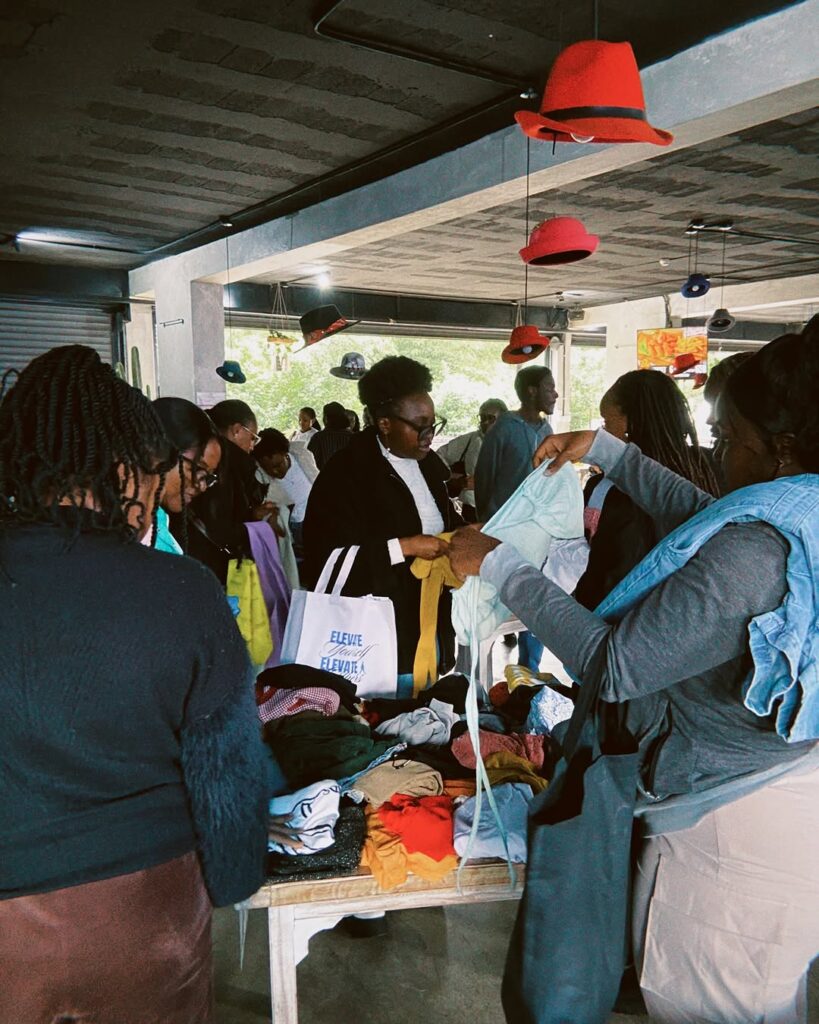
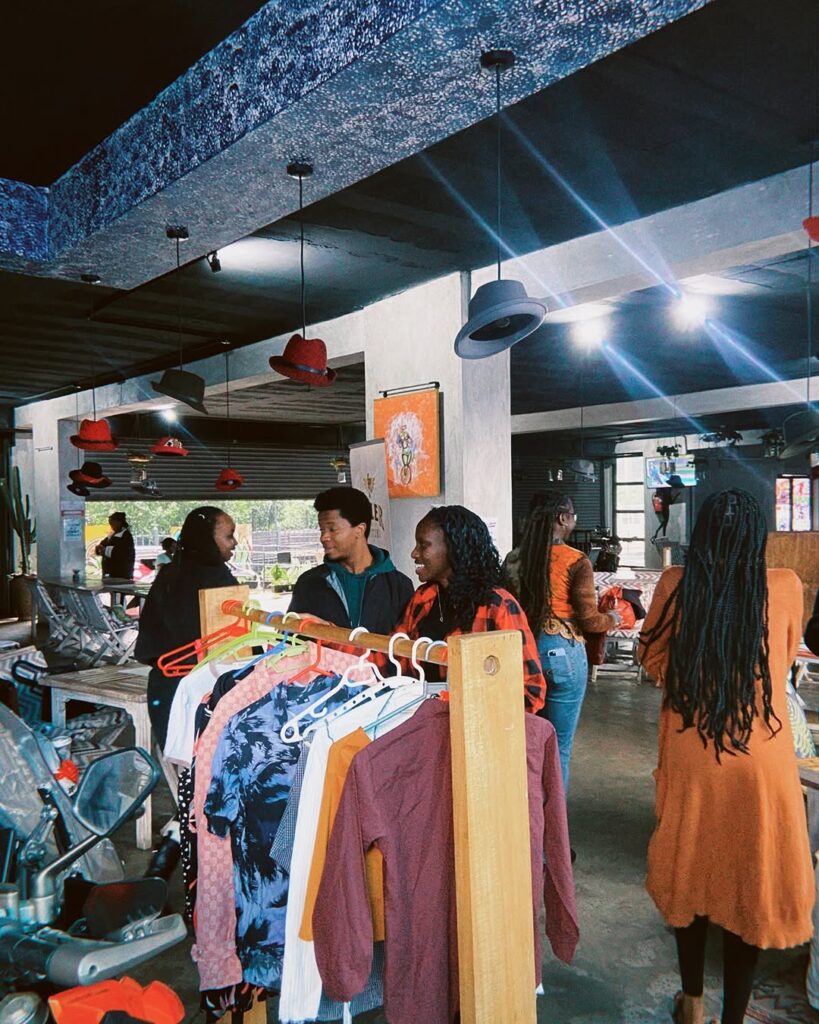
25SW4P is a Kenyan social enterprise that promotes sustainable fashion through clothes swapping events and education. It is a woman-led organization focused on re-igniting conscious living by allowing people to exchange clothing and accessories they no longer use, thereby refreshing their wardrobes in an eco-friendly manner.
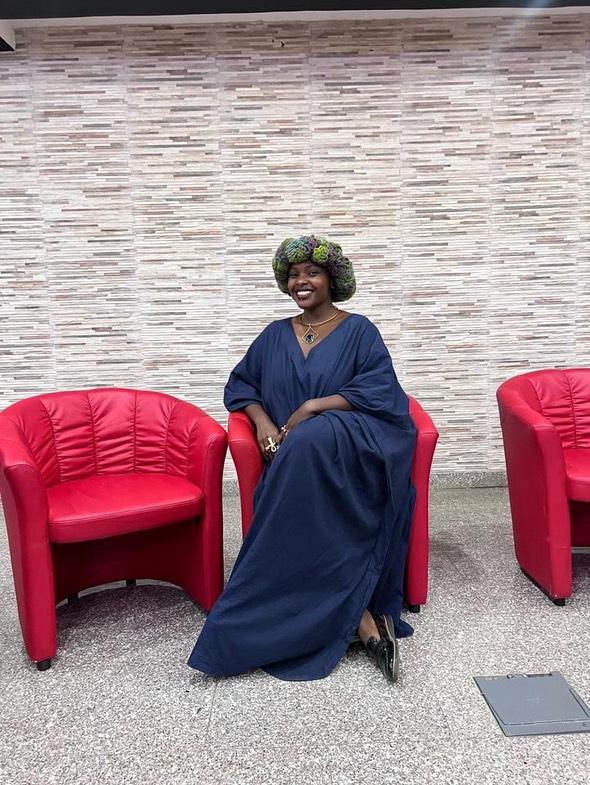
The organization was formed in 2021 by Founder, Mutete Bakhita. 25SW4P hosts vibrant, eco-conscious events where participants can swap clothes, accessories, to refresh their wardrobes ethically. They raise awareness about the social and environmental impacts of the textile and fashion industry, offering practical solutions for sustainable practices.
The organization creates a welcoming and inclusive atmosphere for people from all walks of life to network, learn, and engage in thoughtful discussions about sustainability.
The core concept is to reduce textile waste by giving pre-loved clothes a new story instead of letting them end up in landfills. 25SW4P encourages a shift towards more mindful consumption and an understanding of the fashion industry’s effects. As an enterprise, they are dedicated to introducing sustainable fashion to the African continent and fostering a local sustainable community.
Mutete Bakhita
“My love for Mother Earth and constant appreciation of the synergy between all the life forms around us led to the birth of 25SW4P. I found a way, through clothes, to do my part in taking care of the earth that continues to take care of us. Not only do I get excited about the swap meets, but also about spreading knowledge about sustainable fashion. The swap meets are vibrant and eco-conscious. Nestled in an inviting atmosphere, we ensure every participant feels celebrated and included from the moment they step in. Scheduled every last Saturday of the month, these swaps aren’t just about fashion, but they’re a movement. By championing the re-love and exchange of apparel, we’re taking bold strides against the environmental repercussions of the fast-fashion world, curbing waste, conserving resources, and leading the charge towards a greener, more stylish future. The clothes undergo a quality check process to ensure that swappers enjoy items, that are in good condition. “We check that the items don’t have broken zippers, dirt, sweat patches, tears and holes,” says Mutete.
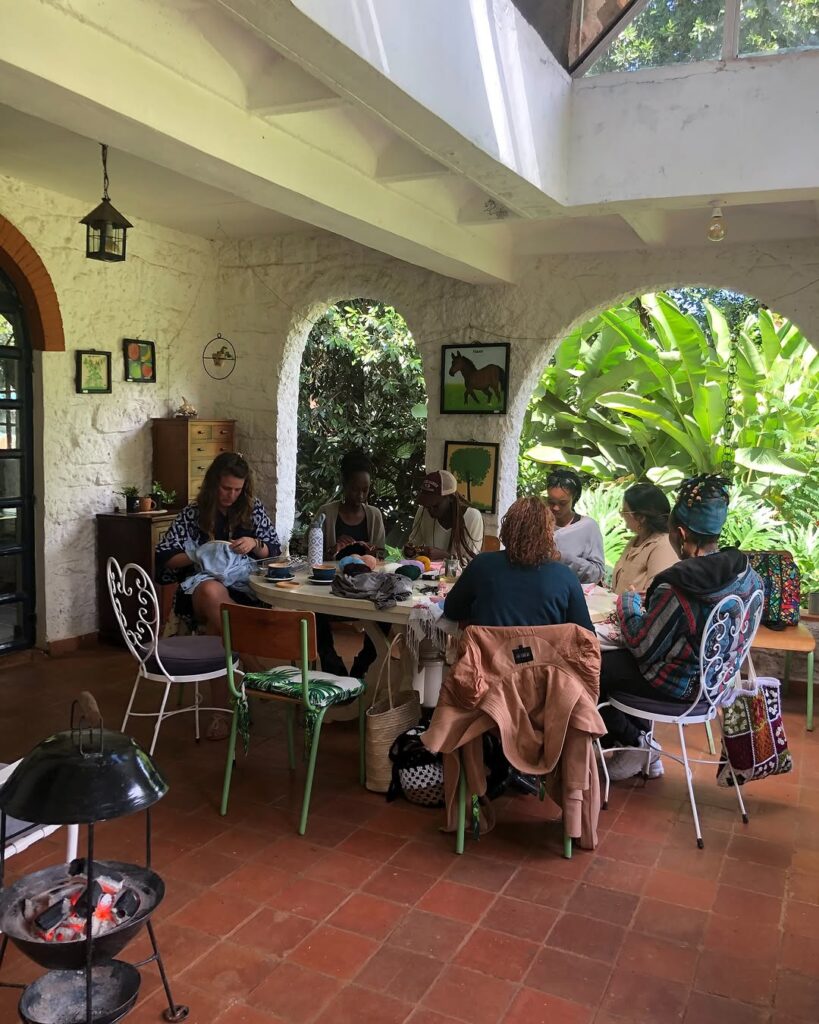
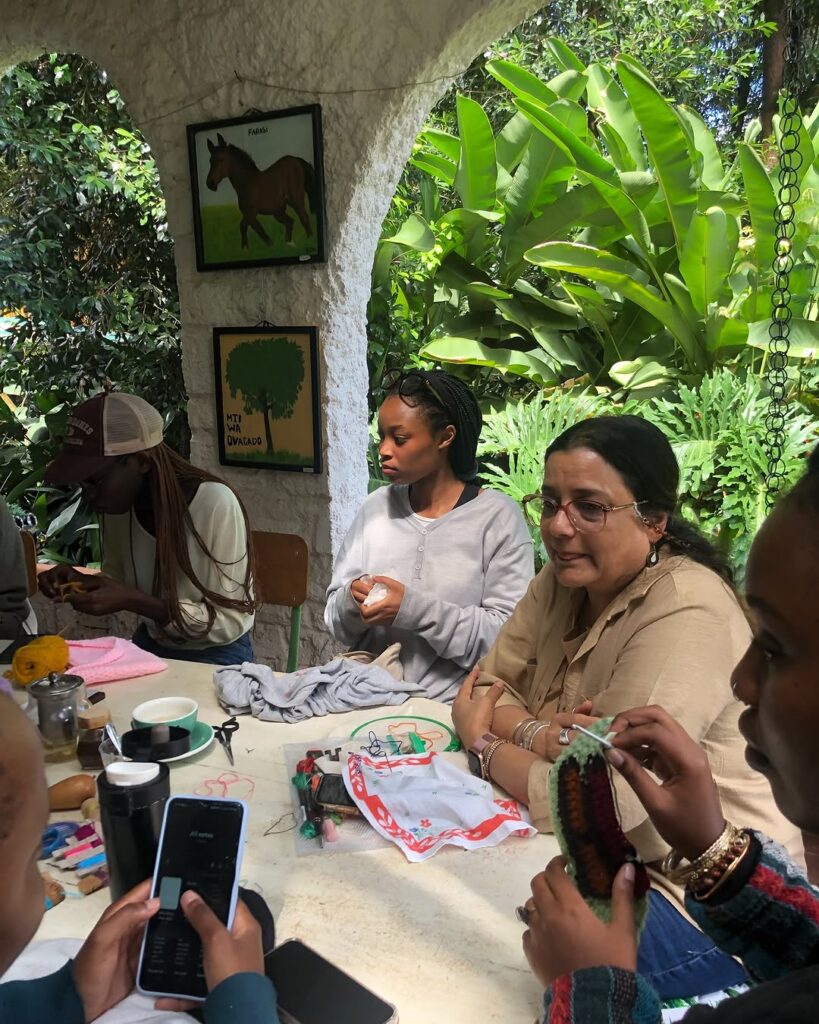
25SW4P also host workshops designed to spark creativity and eco-consciousness. Their sessions offer a treasure trove of knowledge, where attendees can master the art of upcycling, transforming pre-loved items into treasures, and cherished possessions.
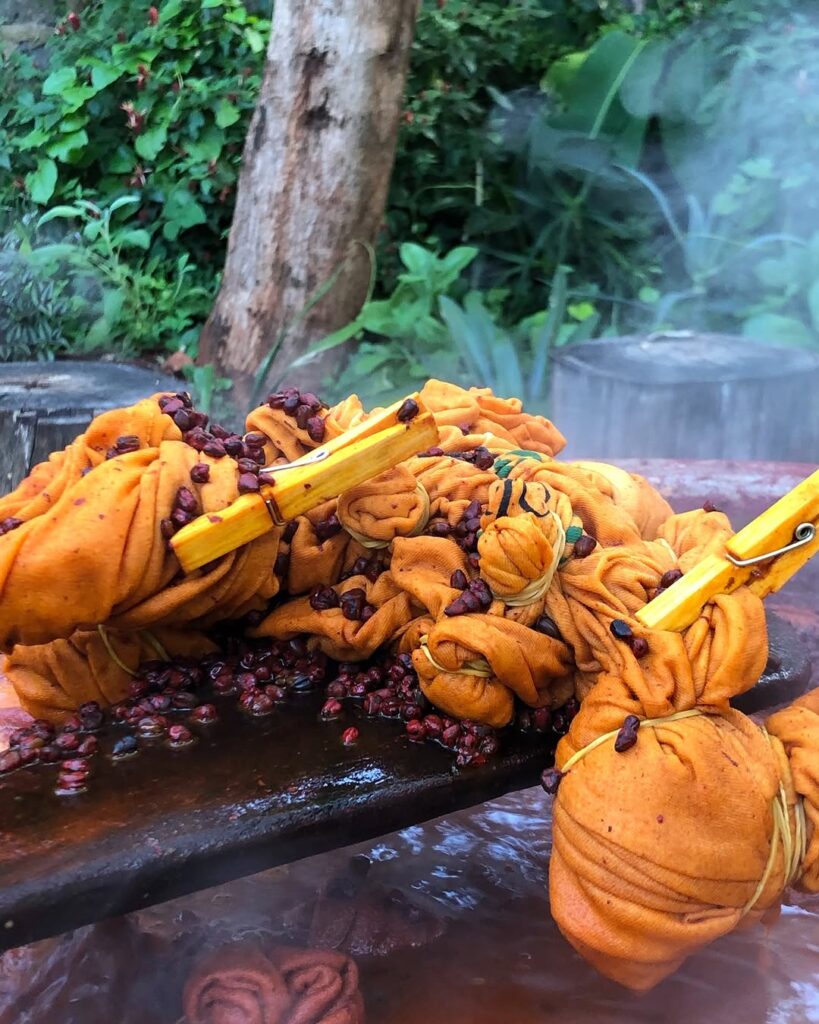
They also offer lessons about natural dyes and learning how to create a spectrum of colors from nature’s palette, and explore eco printing, a technique that captures the delicate beauty of leaves and flowers on fabric.
Mutete says each workshop is a step towards sustainable living, providing people with the skills to make eco-friendly choices. She says they are about learning, innovation, and environmental stewardship.