Eco friendly glasses are changing the way we think about eyewear. More than just frames, they represent a conscious choice to support sustainability, reduce environmental impact, and embrace ethical production—all while maintaining the style, comfort, and durability you expect.
As consumers become more aware of the environmental and social consequences of their purchases, choosing eco-friendly eyeglasses has become a meaningful way to align your lifestyle with your values.
What Are Eco Friendly Glasses?
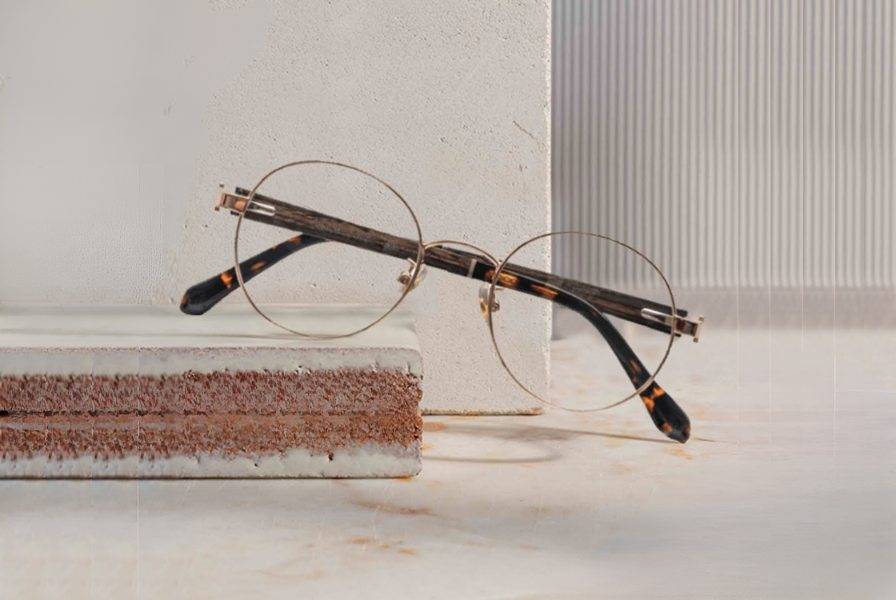
Eco friendly glasses are frames designed to reduce environmental impact at every step, from production to disposal. Made from recycled, renewable, or biodegradable materials and crafted with ethical practices, they deliver style, comfort, and durability without compromise.
Why Eco-Friendly Glasses Matter
Eco friendly glasses play an important role in reducing waste, supporting healthier lifestyles, and encouraging more responsible consumer choices. The benefits include:
– Environmental Benefits: Reduced waste, lower demand for virgin plastics, and preserved natural ecosystems.
– Health Benefits: Naturally hypoallergenic materials like wood and bio-acetate offer a safer alternative for sensitive skin.
– Fashion & Lifestyle Benefits: Stylish options that align with an eco-conscious lifestyle.
Materials Used in Eco-Friendly Glasses
– Sustainable Wood Frames: Responsibly sourced hardwoods like walnut, ebony, or bamboo.
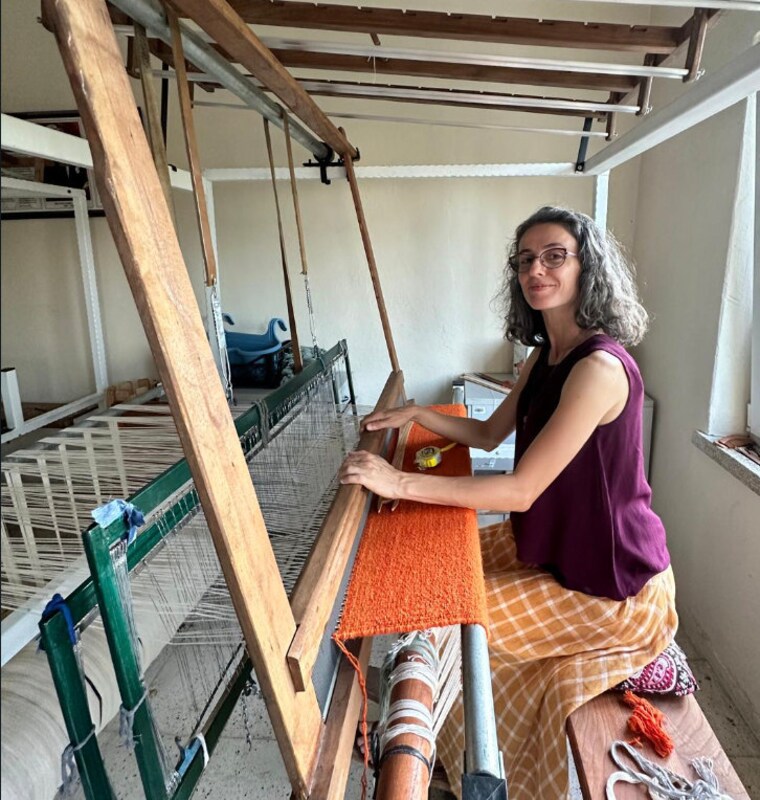
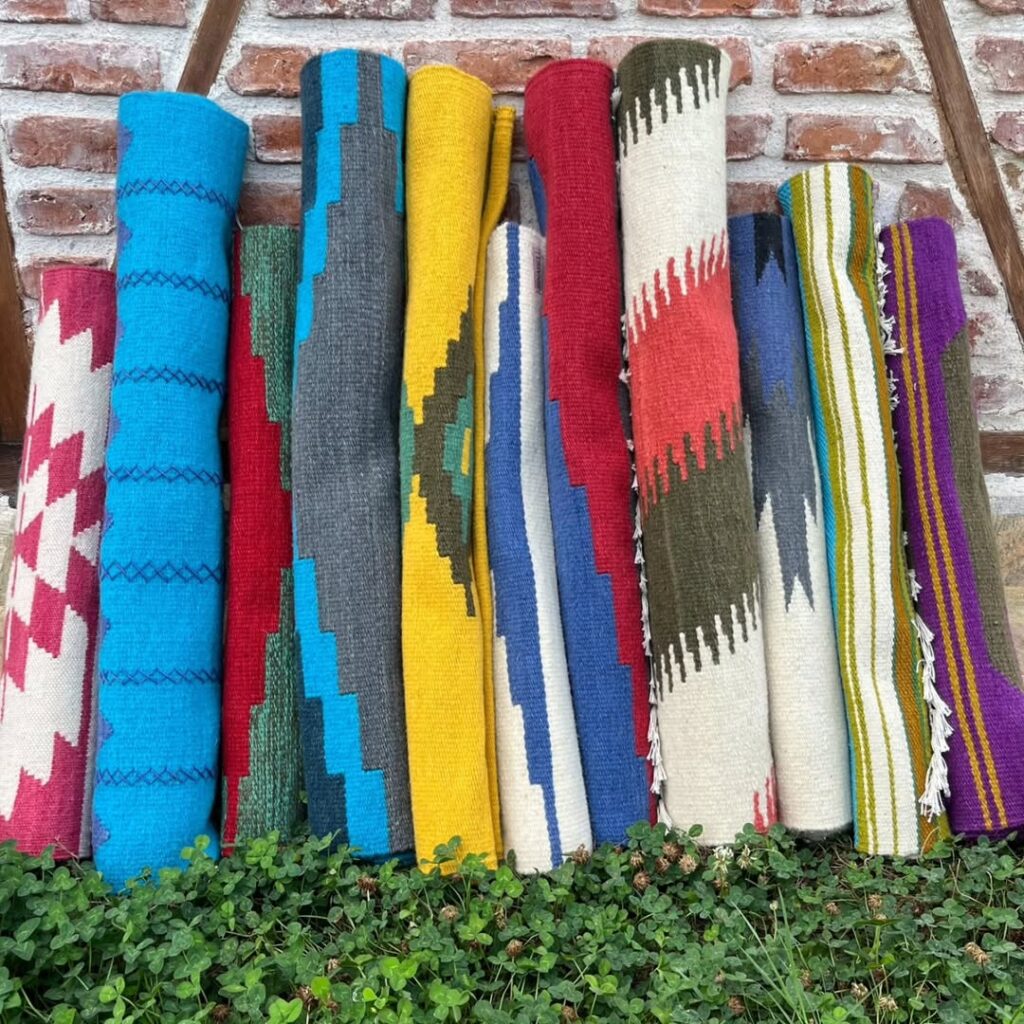
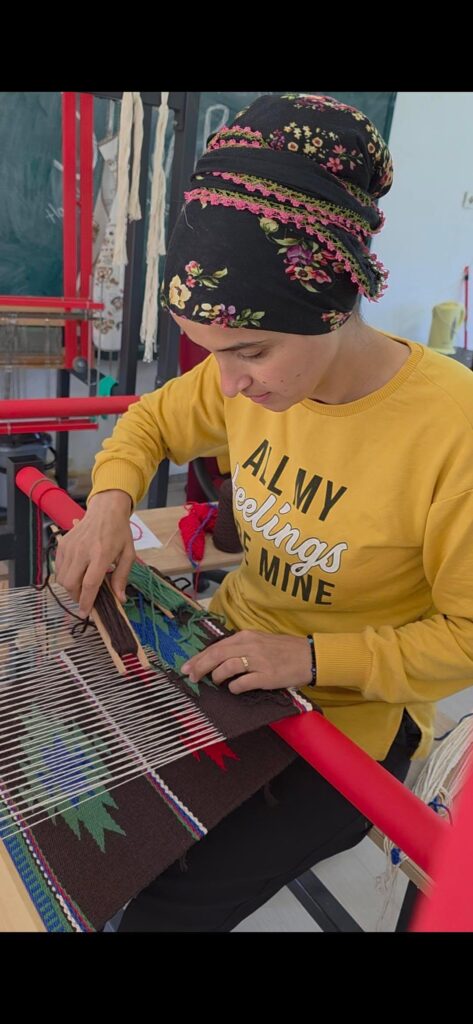
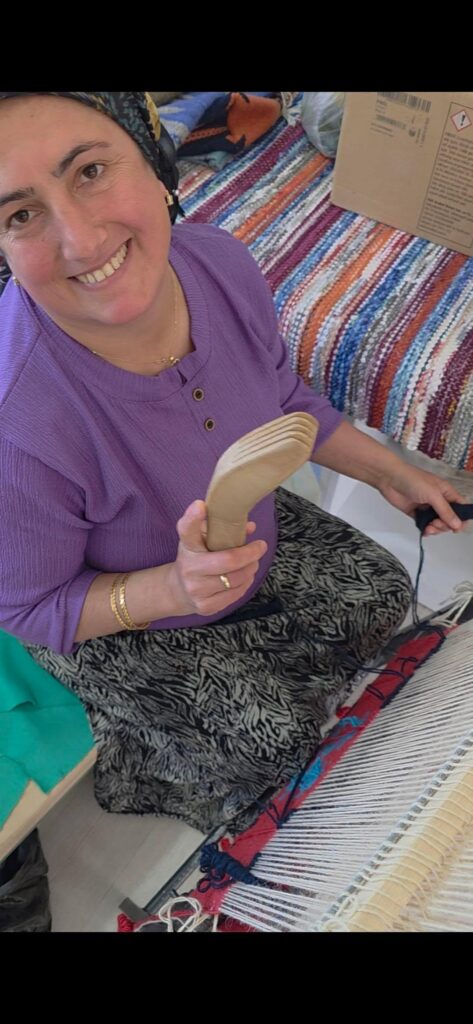
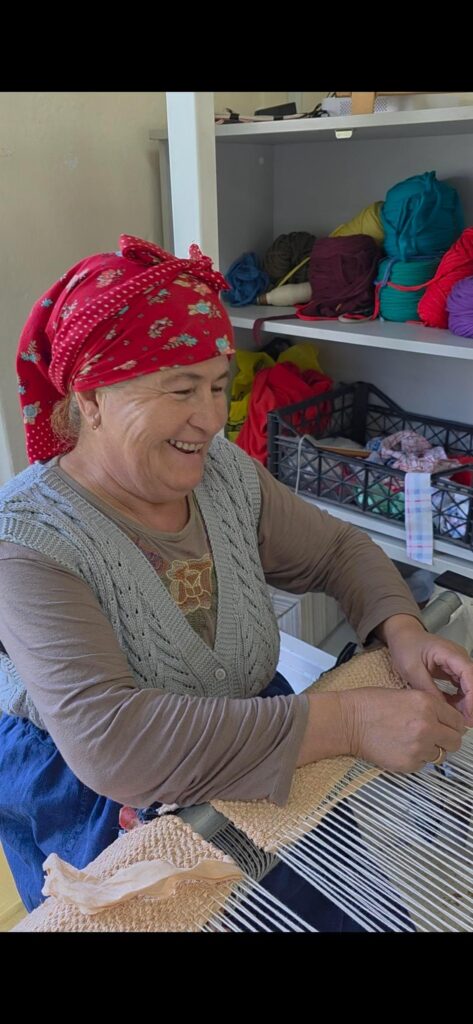
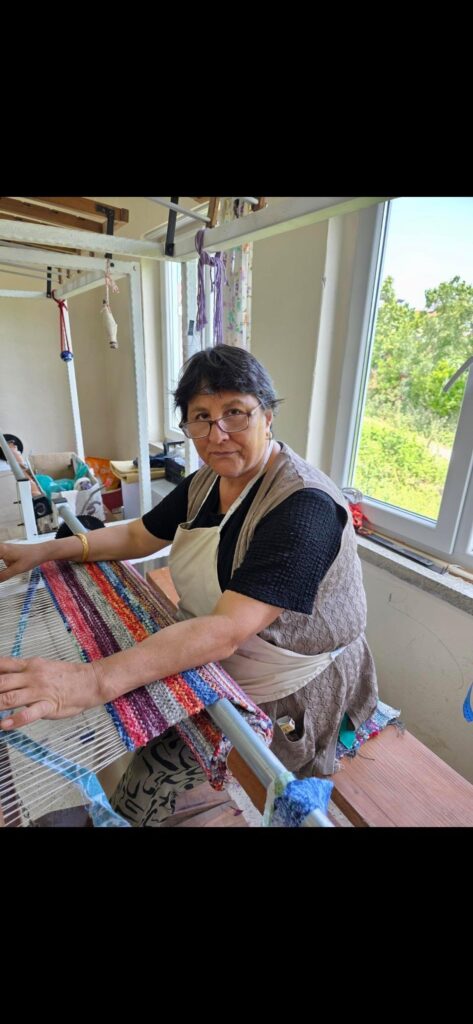
In the heart of Kılıçlı village, Sinop, Turkey, a group of determined women are weaving a new future for themselves and their community. The Sinabeli Women’s Entrepreneurship Cooperative, established in the spring of 2023, is a testament to the power of women’s empowerment and sustainable development.
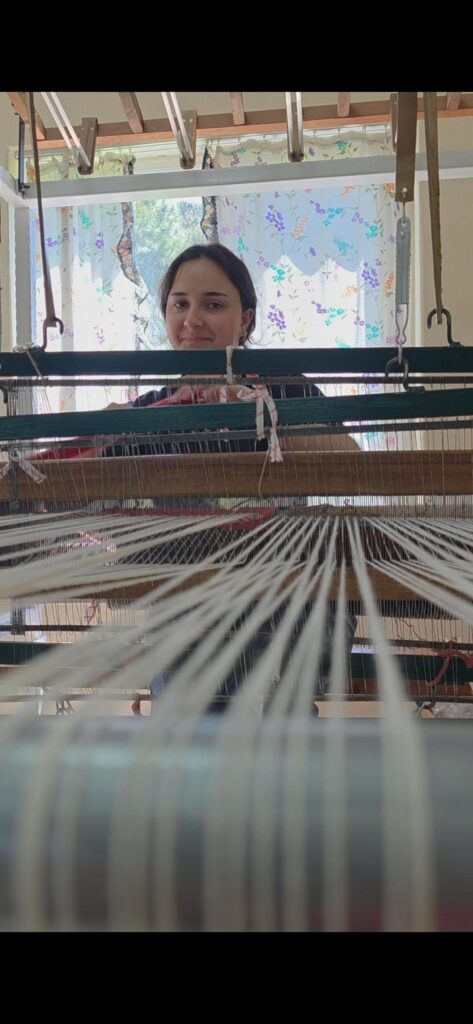
Led by Aylin Demirhan, the founding partner and chairwoman of the cooperative, the women of Kılıçlı village have transformed an abandoned school building into a vibrant workshop, where they create beautiful, hand-woven products using natural materials and traditional techniques.
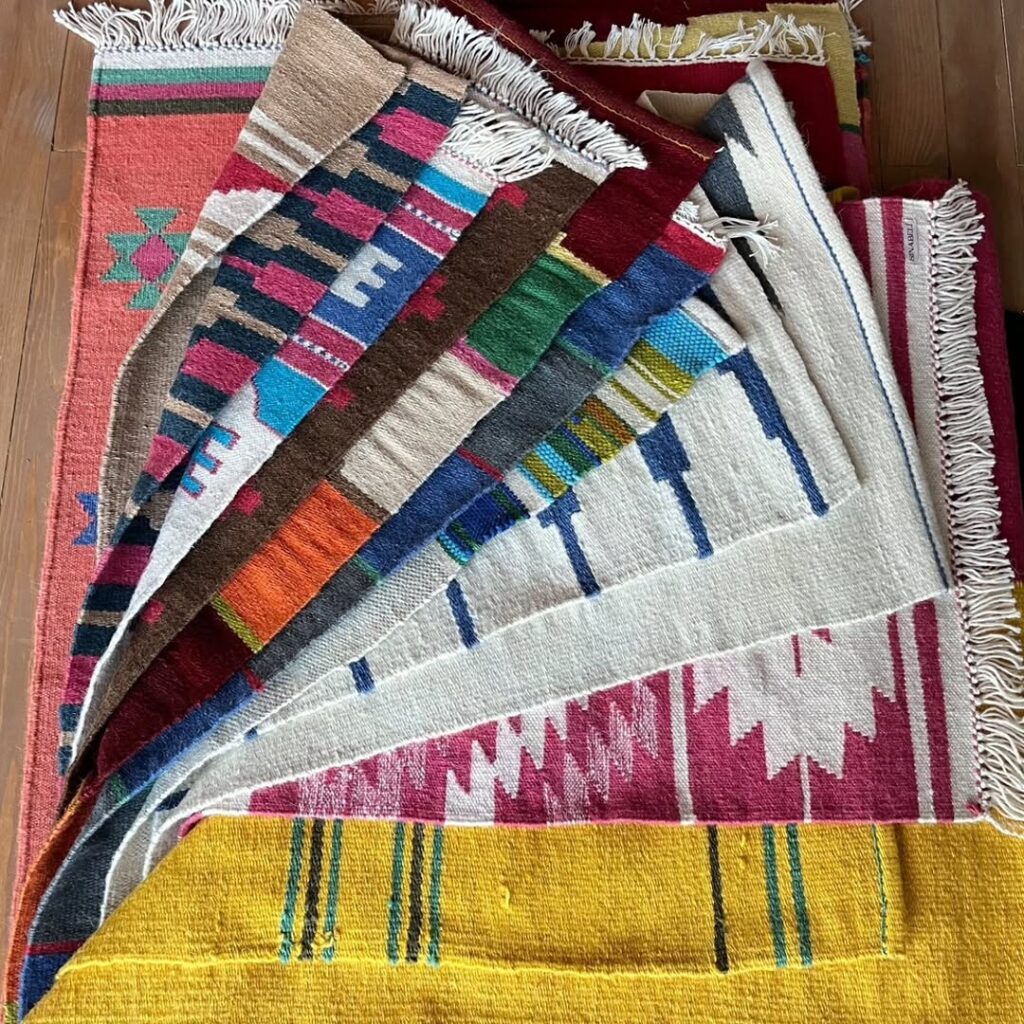
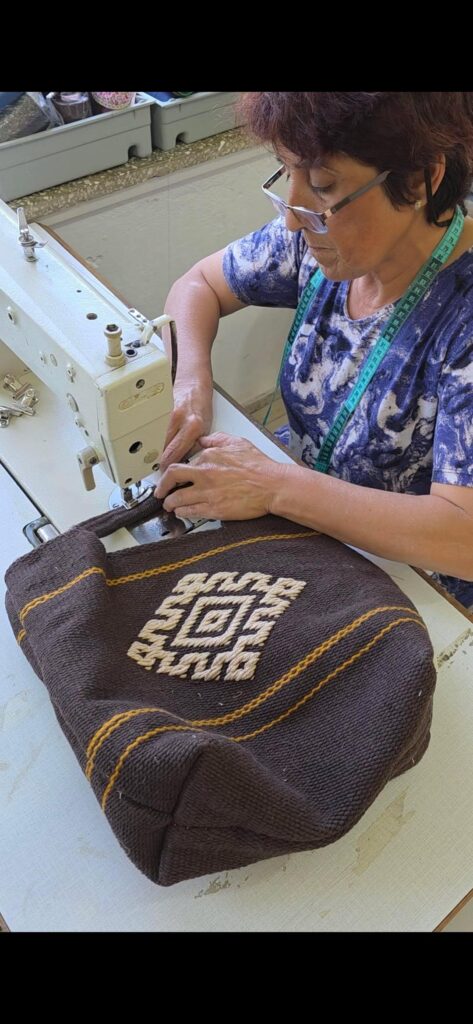
Their commitment to sustainability is evident in every aspect of their work. They use naturally dyed wool yarns, recycled cotton yarns, and surplus textile fabrics cut into strips for their rag weaving. Every product is hand-woven on traditional looms, ensuring that each piece is unique and tells a story of tradition and innovation.
The cooperative’s designs draw inspiration from traditional symbols and the rich cultural heritage of Sinop, as well as collaborations with artists and academics. By reviving the rug weaving technique, an old tradition in their village, they extend the lifespan of unused fabrics from factories and from the community.
“We aim to slow down migration from the village by providing the women working within our organization with additional or alternative employment opportunities,” says Demirhan. “We take care to use natural materials in our weaving, and we give new life to fabrics that would otherwise become waste.”
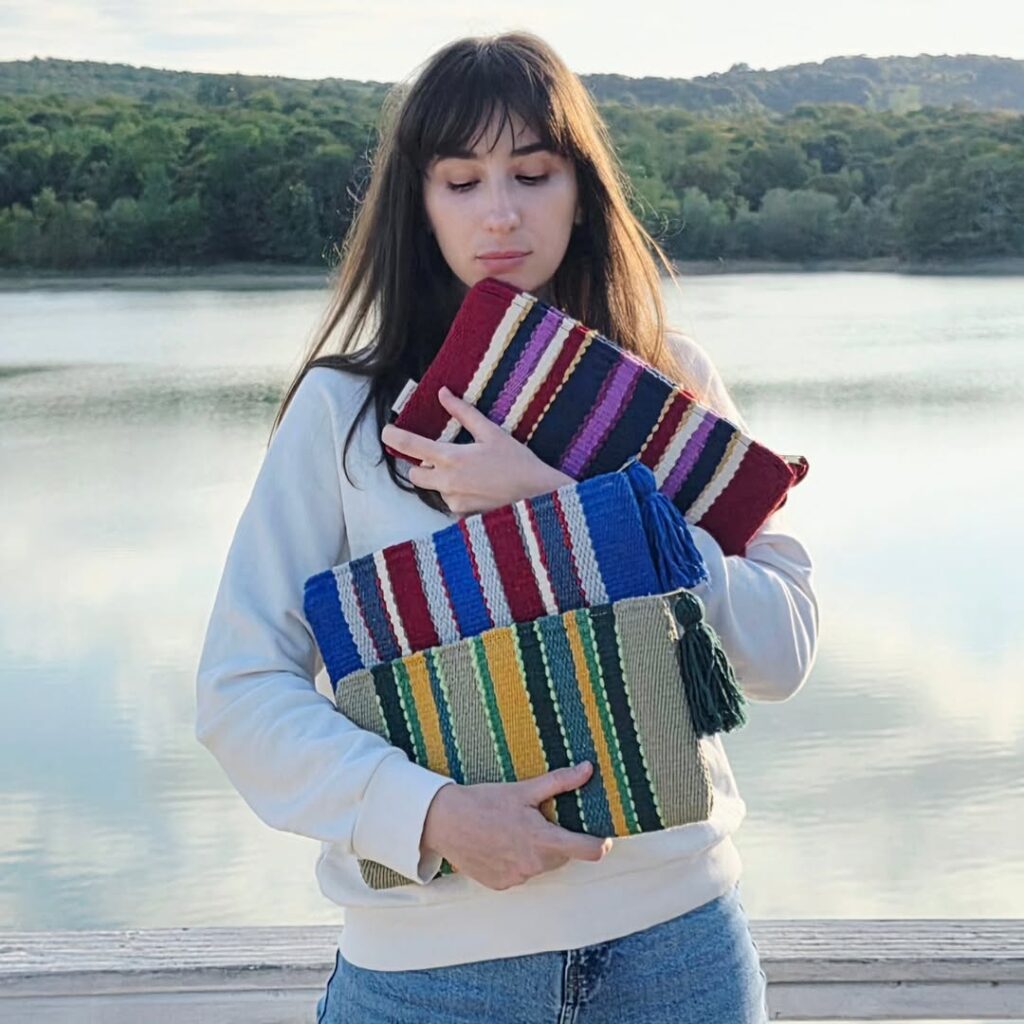
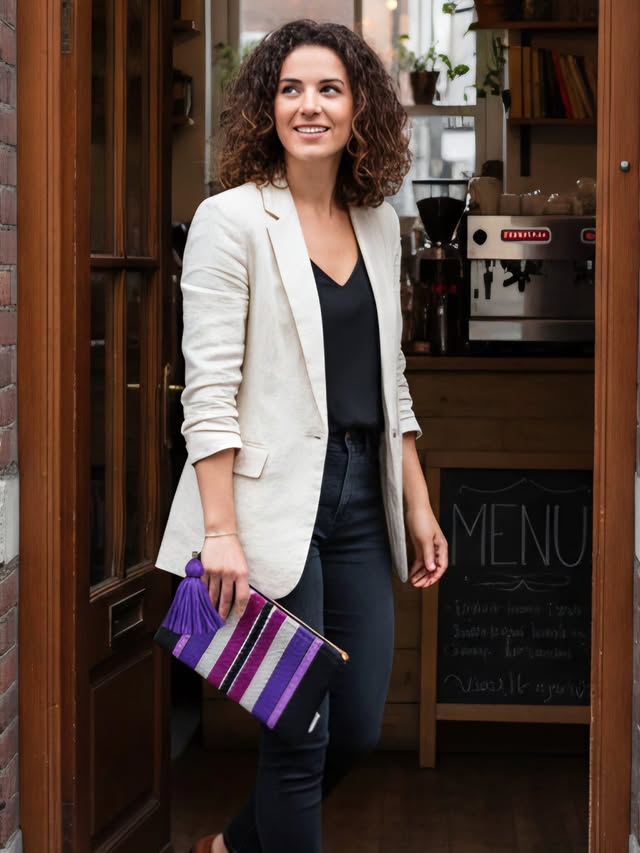
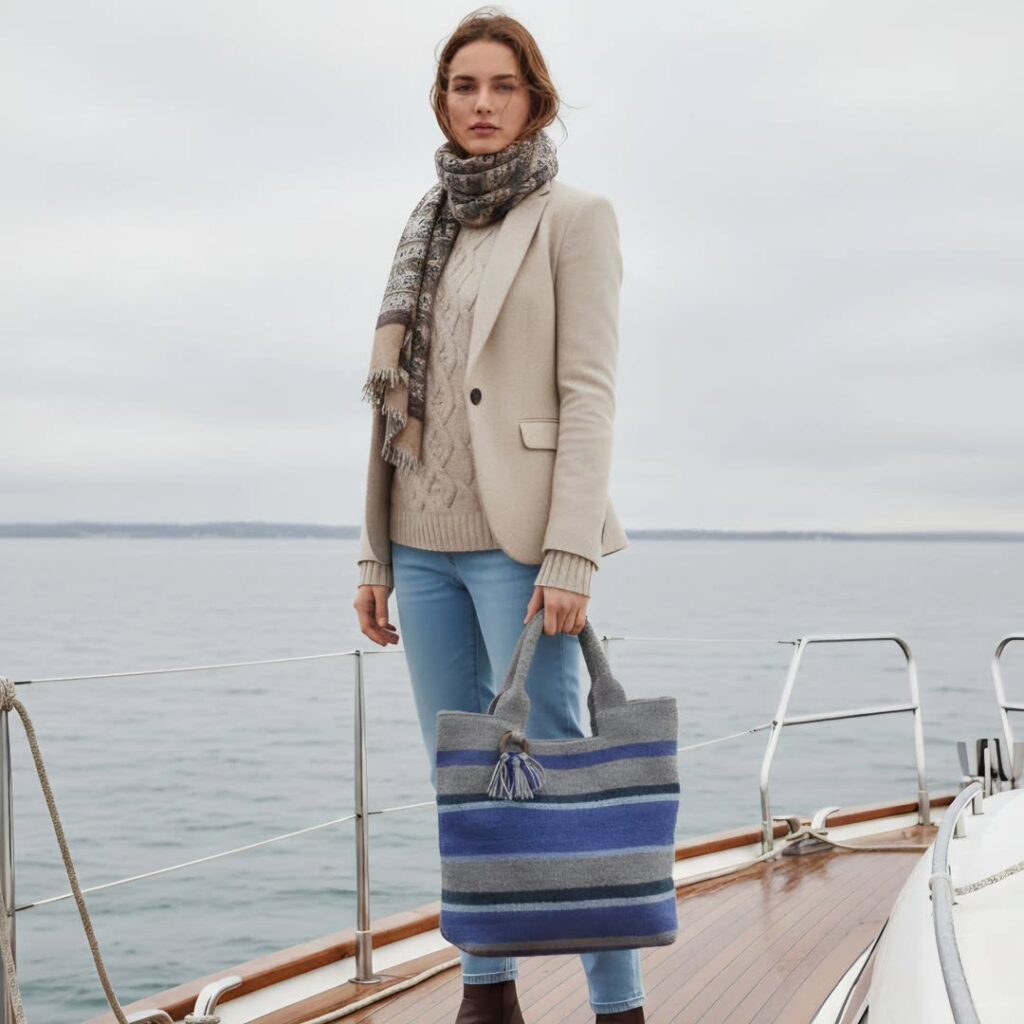
The Sinabeli Cooperative’s products are a testament to the women’s creativity and skill, featuring beautiful floor rugs, bags, throw pillow covers, placemats, poufs, belts, and wall hangings.
“For us, sustainability is not just a buzzword, it’s a way of life,” says Demirhan. “We believe that by reducing our environmental impact, we can create a better future for our children and our community.”
The cooperative’s sustainable practices are inspired by the traditional Turkish weaving techniques that have been passed down through generations. They are part of a larger movement towards sustainable fashion and women’s empowerment, and their work is a testament to the power of community and creativity.
Overall, the Sinabeli Women’s Entrepreneurship Cooperative is a powerful example of how women’s empowerment and sustainable development can go hand-in-hand, benefiting both the women involved and the broader community.
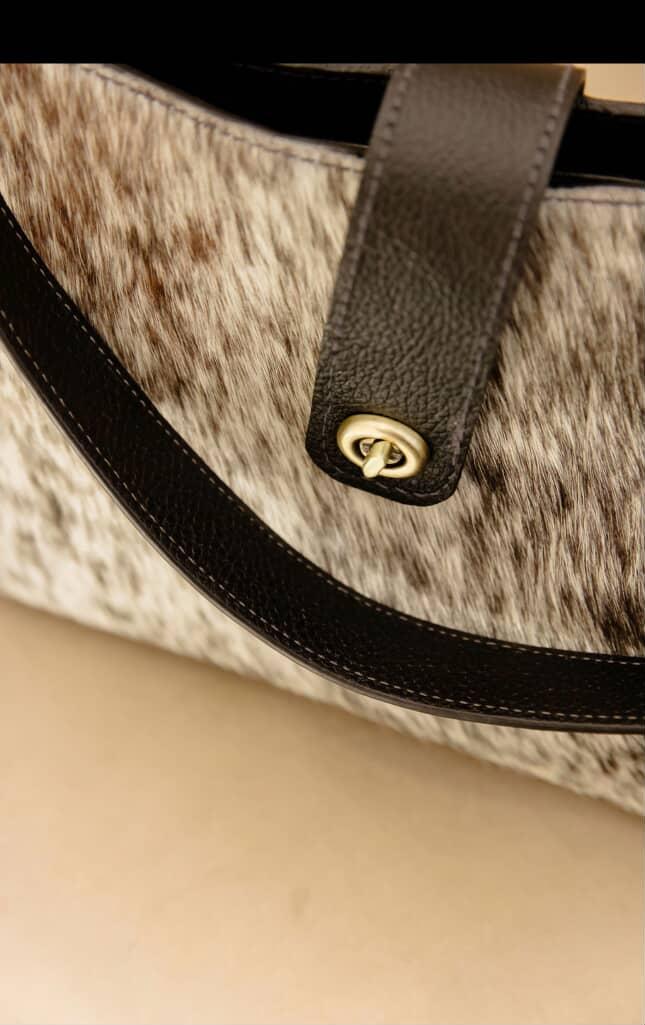
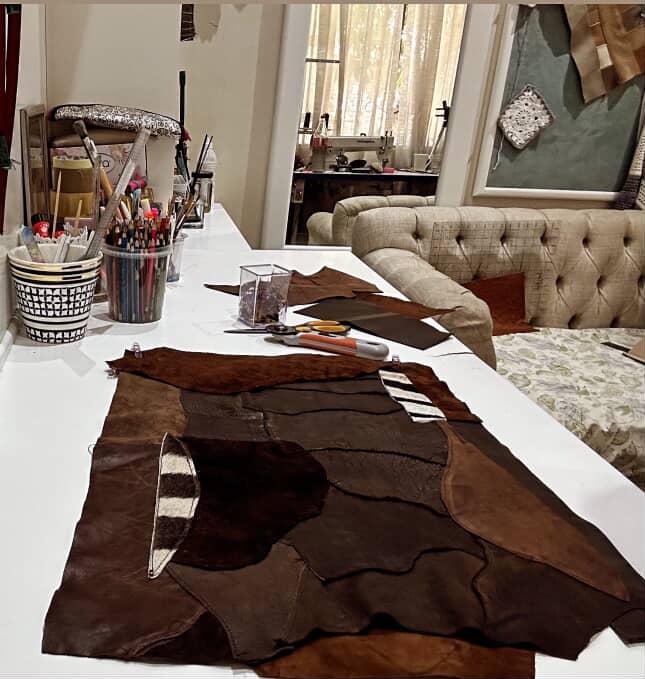
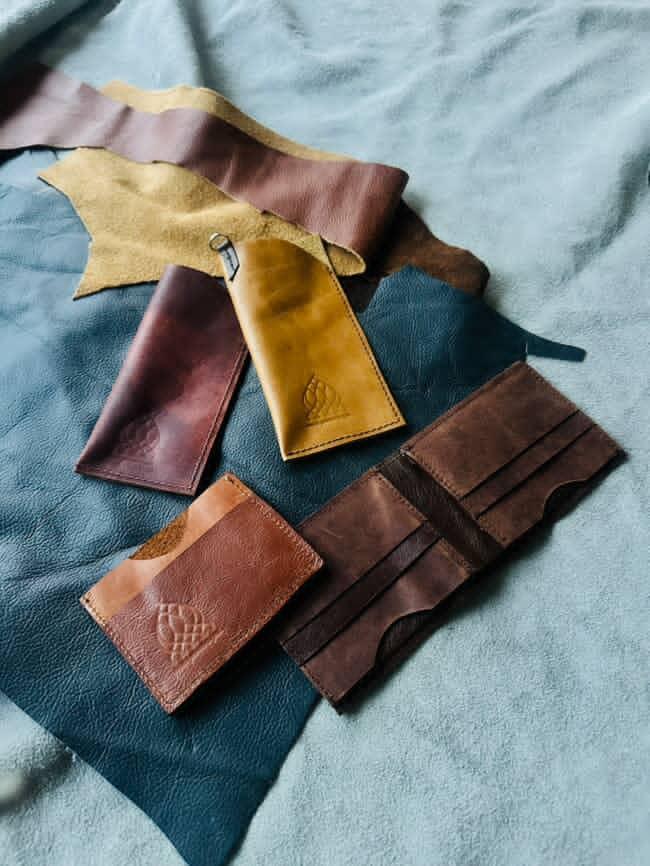
Using leather offcuts to make bags is a growing trend, driven by increased interest in sustainable fashion, upcycling, and unique, handcrafted products. This practice reduces waste and allows for the creation of stunning bags with a distinct character and the appeal of being eco-conscious.
The fashion industry is moving towards more eco-friendly practices, and using leather scraps helps reduce landfill waste. Offcuts allow for the creation of unique, “patchwork” designs that are different from mass-produced bags.
Small businesses like Mayamaya, founded by Maiada Salousa, are using upcycled leather to craft products, which helps support local economies and promote sustainable business models.
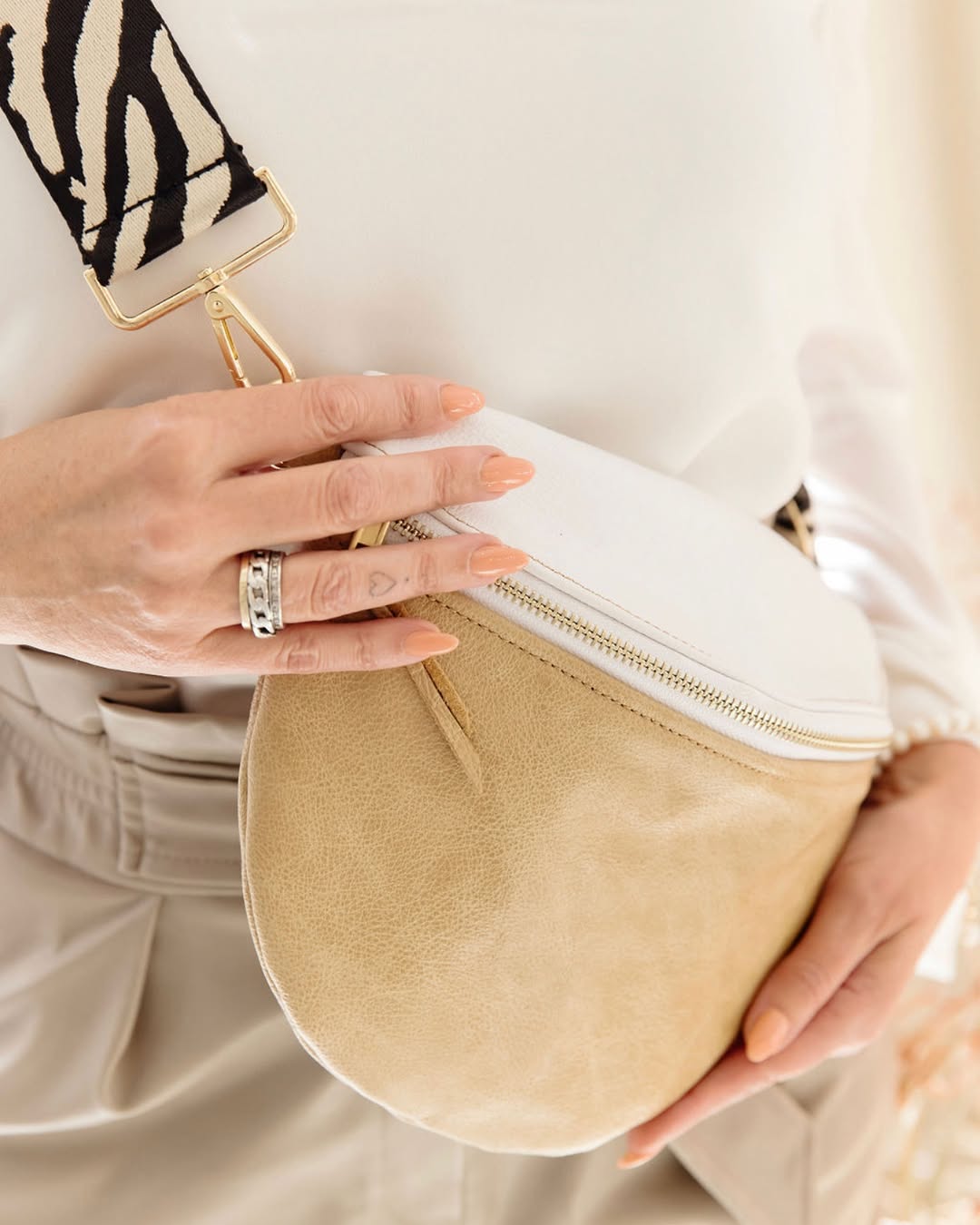
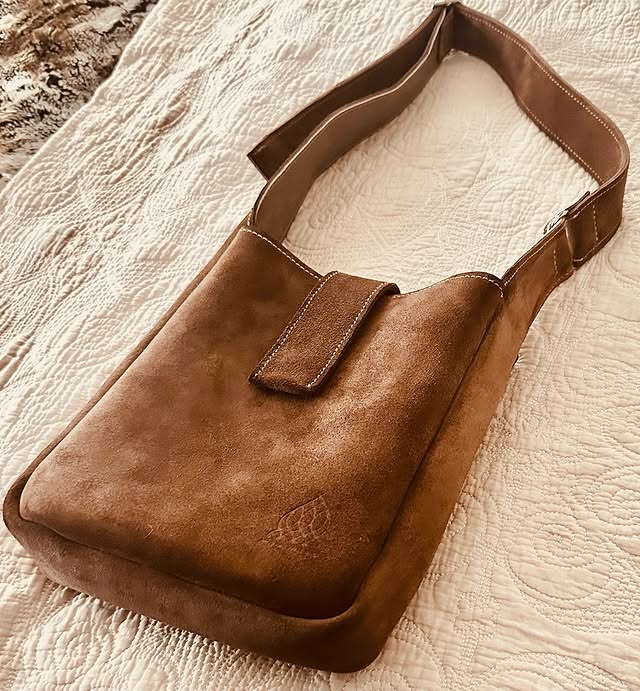
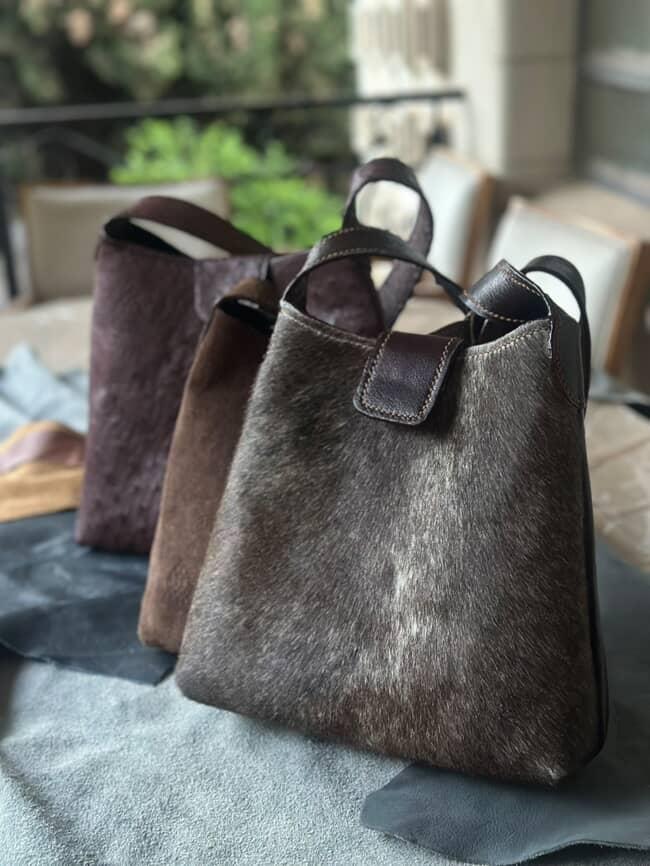
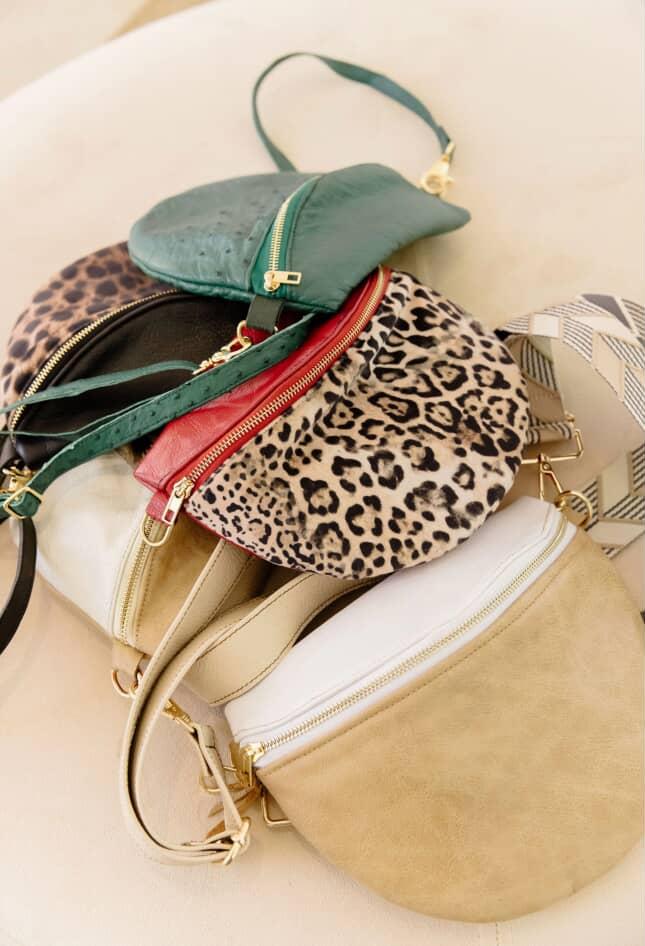
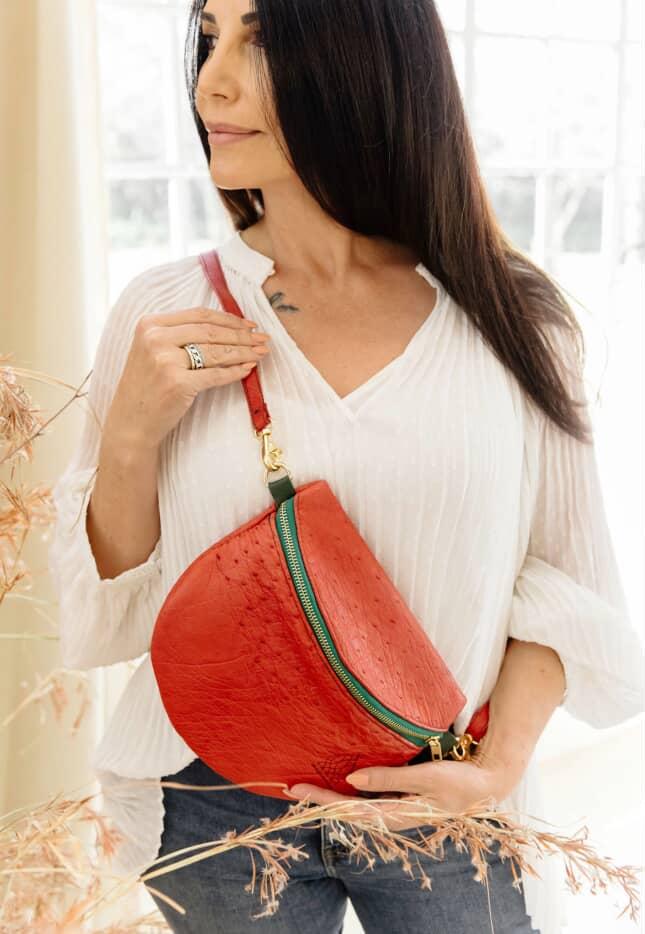
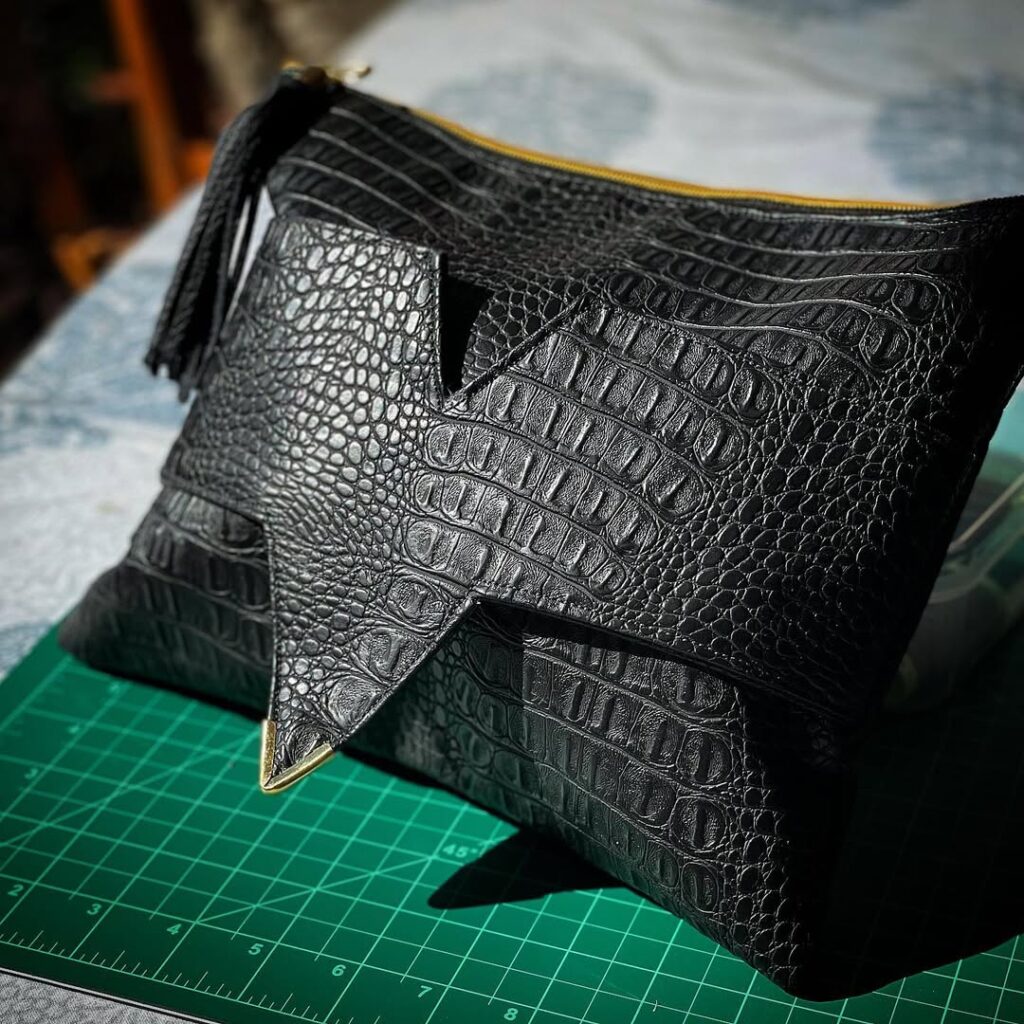
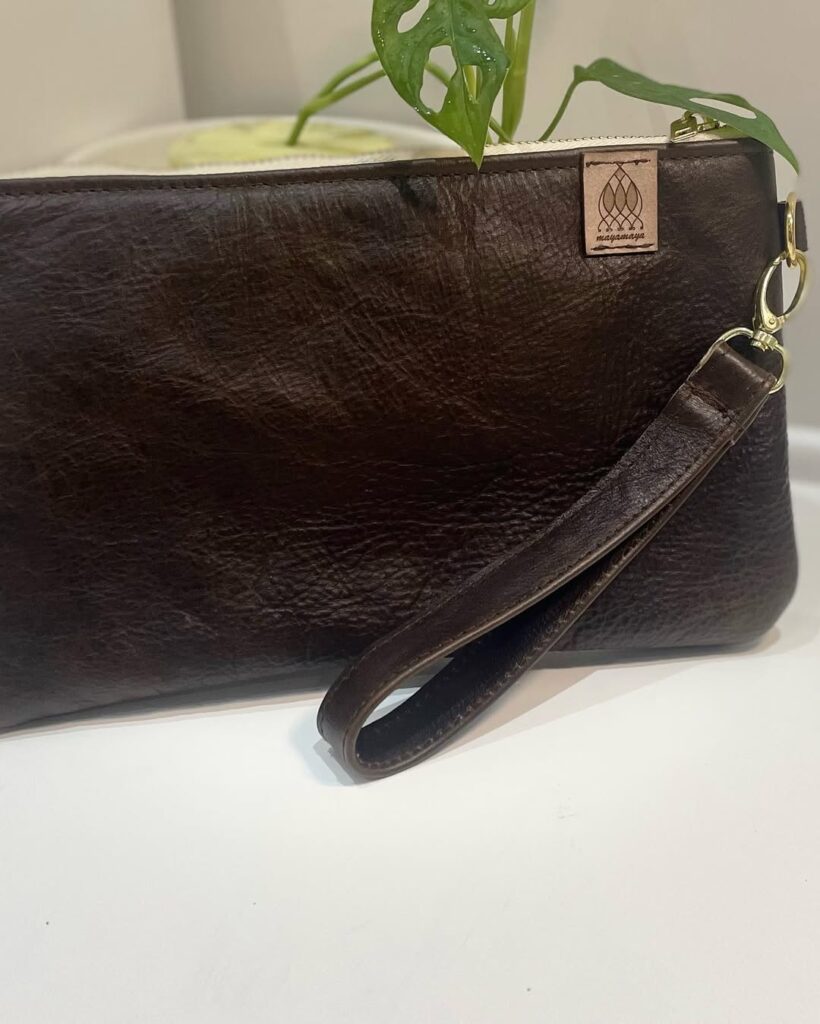
Mayamaya is an upcycling brand that makes luxury bags from genuine leather offcuts. Each piece is handcrafted carefully using premium materials such as cow leather, lamb leather, ostrich, and crocodile.
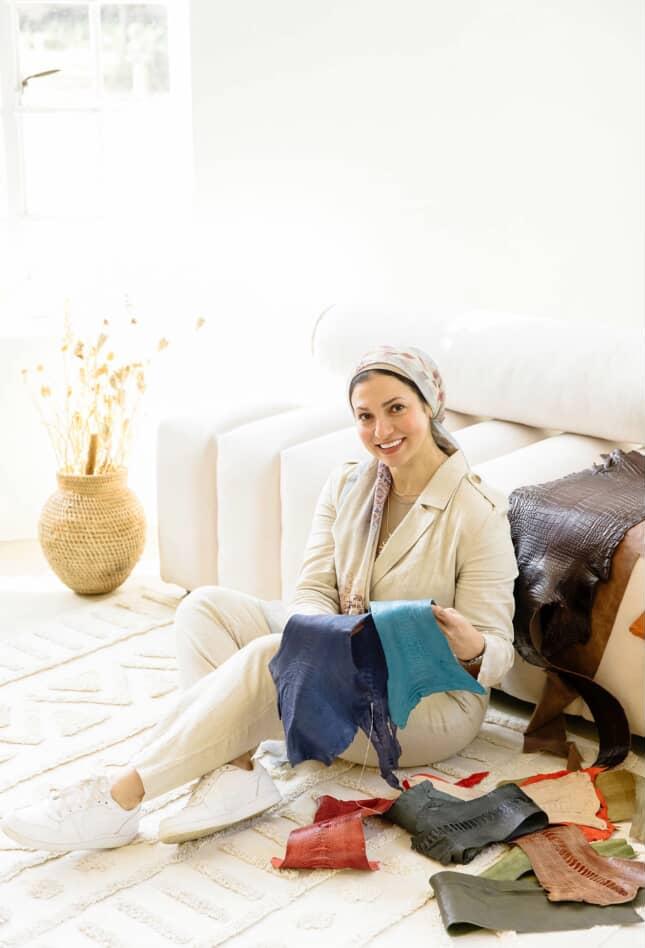
“From the very beginning, I’ve always loved all kinds of materials, textures, and colours. I had the opportunity to collect beautiful offcuts of genuine leather and high quality fabrics. I used to keep every single piece for a long time because I saw beauty and potential in them. Over time, these collected pieces became the heart of my designs. My mission is to transform left over materials into elegant pieces, that are practical and timeless,” says Maiada.
Her new collection “New signature” is simple yet luxe. Aesthetically the collection combines minimalist simplicity with high-end, luxurious elements. The bags are made from high-quality offcuts materials, incorporating classic designs, and thoughtful, intentional details, rather than excessive ornamentation.
Mayamaya designs are sophisticated, refined, and an effortless look that feels both current and timeless. The upcycled bags are designed to be both timeless and functional. Each piece is firm and sturdy, crafted to be worn all day.
“The bags are made for elegant women who appreciate the timeless allure of classic, refined bags. They value exceptional quality and sophisticated design over fast fashion. It is for women who seek pieces that speak to individuality and elegance. These women are drawn to unique creations that reflect their personal style and offer a sense of understated luxury rather than following short-lived trends,” she says.
ABOUT THE FOUNDER AND DESIGNER
Maiada Salousa
Maiada Salousa in an Egyptian currently residing in South Africa, who comes from an artistic background. Her father is the renowned Egyptian painter, Ahmed Salousa. Surrounded by art, Maiada developed a profound appreciation for the beauty of materials and fabrics.
In 2016, driven by curiosity and desire to create, she taught herself how to crochet through online tutorials. This new found craft deepened her love for textile, and she felt compelled to explore beyond the craft. Eager to broaden her skills, she pursued sewing and other forms of artistic expression. Each new endeavour fueled her passion further.
Today, Maiada’s artistic journey continues as she implements ways to expand her expertise. She is constantly seeking new avenues to blend creativity and craftsmanship into the world of fashion and design. Her fascination and appreciation for upcycling fabrics has propelled her to strive to design the best quality, sustainable and durable bags.
CALLA is a Paris-based sustainable fashion label created by designer Calla Haynes. They create unique, handcrafted babouches and Boucharouite rugs from recycled Moroccan rugs and luxury textiles. The brand emphasizes traditional Moroccan craftsmanship and European luxury, promoting sustainable design through the upcycling of materials. The brand’s signature product is the handmade babouche, traditional Moroccan slippers, made from recycled rugs.
Babouche slippers are soft, heelless, slip-on slippers of Middle Eastern, especially Moroccan origin, made from leather and often decorated with embroidery or other embellishments. The term derives from Arabic and Persian words for foot covering, and they are known for their comfort and versatility, suitable for indoor and sometimes even outdoor wear.
“The Babouches started as a side project to designing Boucharouite rugs with weavers in Morocco. I fell in love with rug making but felt we needed a more accessible product as well. The babouches share the same sustainable values as the rugs which is upcycling forgotten textiles, in this case vintage rugs, and celebrating artisans and handmade products,” says Calla.
People like Babouche slippers for their supreme comfort, achieved through soft, malleable leather that molds to the foot, and their durability, thanks to traditional craftsmanship and quality materials like leather and suede. But CALLA added a twist to the babouches by using recycled material but yet maintaining the comfortability of the shoes. With the CALLA babouches, the wearers can also appreciate the slippers’ versatile style, which blends traditional Moroccan design with modern appeal, allowing for use for casual outings and as a stylish accessory that makes a statement. The babouches are a comfortable choice for extended wear, while their cultural heritage adds a unique and elegant touch.
Calla Haynes
Calla grew up in Toronto and studied Fashion Design at Parsons School of Design in New York. After working for several luxury houses in Paris, she launched her namesake label in 2009. Her work is deeply rooted in sustainable design principles, focusing on recycling textiles and supporting traditional craft. The brand collaborates with Moroccan artisans and shoemakers to transform vintage Boucharouite rugs into various products, prioritizing the art of handmade craftsmanship.
“And now, CALLA has just introduced the kids babouches called Bali Babouche, which is a full coverage, ballet style flat featuring an elastic gros grain strap to keep it snug and secure. The silhouette is timeless, with endless possibilities for colour and texture. The kid babouches are also handmade in Marrakesh by skilled artisans using upcycled vintage boucharouite rugs,” says Calla.
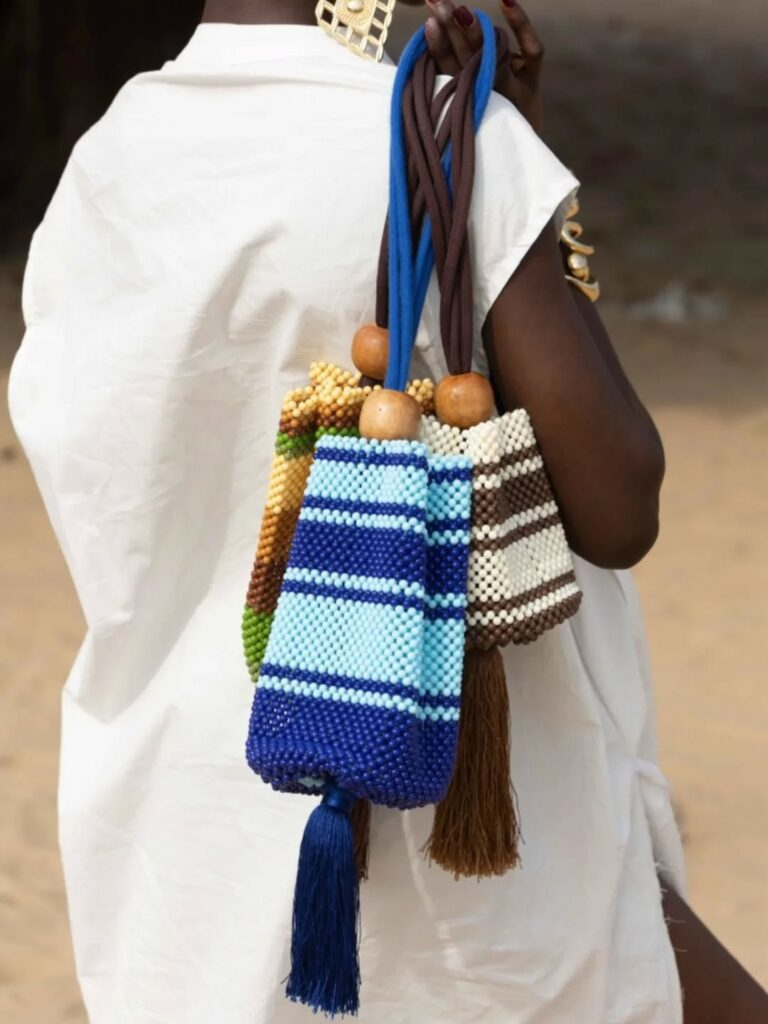
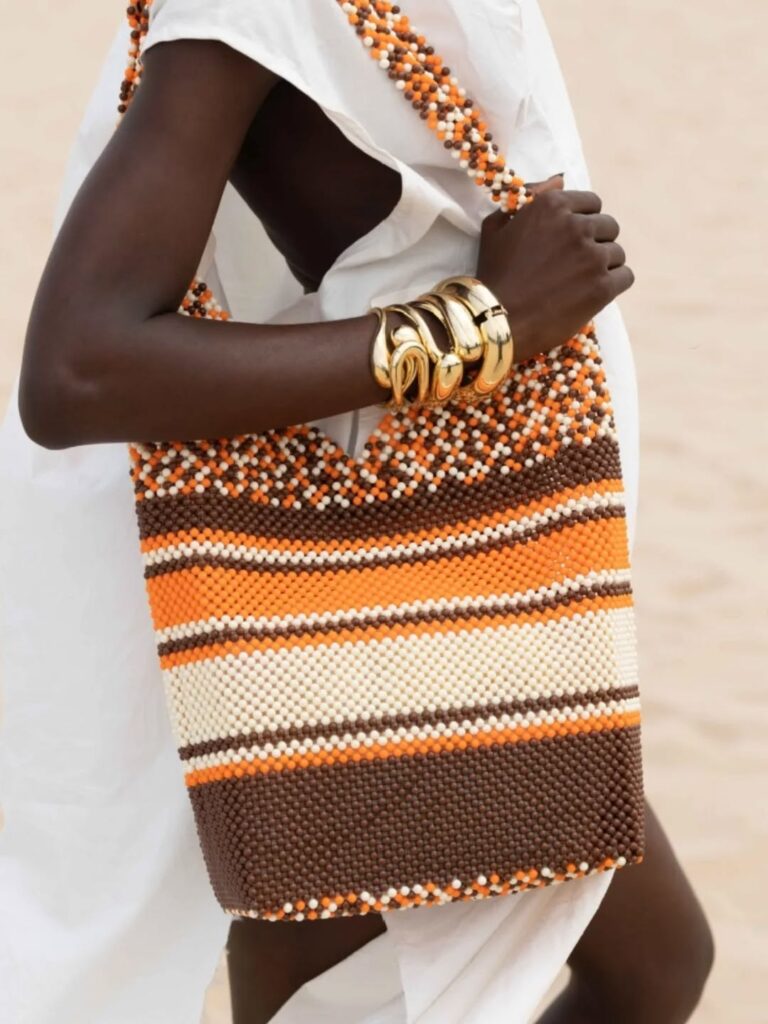
Afrique Kod is a Nigerian brand that handcrafts, unique and intricately designed beaded bags, including clutches and totes, which blend contemporary fashion with traditional African artistry. Afrique Kod designs draw inspiration from the vibrant colours, patterns, and motifs of various African cultures. They are a fusion of afro-modern aesthetics, creating stylish and culturally significant pieces.
Afrique Kod was established in 2018 by Dorcas Kadiri, whose vision from the onset, was to create a brand that honours Africa’s artistic legacy, while embracing modern design sensibilities.The brand aims to celebrate African craftsmanship, empower artisans, and promote cultural pride through its unique, culturally-inspired designs.
“At Afrique Kod, we are passionate about blending the rich cultural heritage of Africa with contemporary fashion to create stunning beaded bags that are as unique as they are stylish. Our mission is to celebrate the artistry of African craftsmanship while empowering artisans and supporting sustainable practices. Afrique Kod was born out of a deep appreciation for the beauty and intricacy of traditional African beadwork. Drawing inspiration from the vibrant colours, patterns, and motifs found across the continent, “says Dorcas.
Dorcas says each bag is a masterpiece of craftsmanship, handcrafted by skilled artisans using time-honoured techniques passed down through generations. They work closely with local communities across Africa to source the finest beads, ensuring that every bag tells a story of heritage and tradition.
“At Afrique Kod, quality is at the heart of everything we do. We believe that true luxury lies in the attention to detail, the precision of craftsmanship, and the longevity of our products. Each Afrique Kod beaded bag is not only a stunning accessory but also a testament to our unwavering commitment to excellence. From the selection of premium materials to the final finishing touches, we ensure that every bag meets the highest standards of quality and durability,” she says.
Afrique Kod believes in the power of women to drive positive change in their communities and beyond. As such, they have partnered with female artisans across Africa, providing them with training, resources, and economic opportunities to thrive.
Dorcas says that “By empowering women to showcase their talent and creativity, we’re not only helping to uplift communities but also challenging traditional gender norms and promoting gender equality.”
Scrap2Style is a Nigerian based brand known for its diverse and inclusive approach; being a zero-waste fashion brand, a movement that upcycles palm leaf waste into quality raffia accessories, while also promoting sustainable fashion education and community engagement. The brand specializes in creating stylish, and sustainable raffia accessories, such as their Afrocentric earrings.
Raffia is a natural fiber derived from the leaves of the raffia palm, valued for its versatility in fashion and crafts. The fibers are strong yet flexible, making them ideal for weaving fashion accessories.
Scrap2Style’s core mission is to demonstrate that waste can be transformed into something beautiful and valuable.The brand emphasizes transforming waste into valuable products, empowering women through skill development, and fostering a community around eco-conscious fashion practices.
Oghenetejiri Ogodo, founder of Scrap2Style, says in essence, the brand emphasizes sustainable practices and cultural craftsmanship in their products, promoting diversity and inclusivity. She says the organization is built on principles of sustainability, empowerment, and cultural celebration.
The brand seeks to weave together culture, creativity, and opportunity through its raffia products. Raffia products are incorporated as a decorative element into Là TeJ Creations, a clothing brand also owned by Oghenetejiri, dedicated to transforming fabrics into timeless, stylish, and contemporary pieces.
Scrap2Style sells directly to consumers and also offer bulk orders for resellers and aspiring business owners. They deliver their products worldwide, with a significant focus on providing a platform for African creatives and businesses. They see their work as a movement to create a positive change in the fashion industry and the world. Their creations are deeply rooted in African culture.
ABOUT THE FOUNDER
Oghenetejiri Ogodo
Oghenetejiri is a beneficiary of Orange Corners Nigeria, an initiative of the Kingdom of the Netherlands. She is the winner of the MTN MSME Award 2024, a Top 10 Finalist of the MTN PachiPanda Challenge 2024, and recipient of the Most Environmentally Friendly Business Award 2024 by Nerdzfactory. Her initiatives have impacted over many people globally through sustainable fashion advocacy, training, and market access programs.
Oghenetejiri’s latest project, Ayé Aṣọ, is a pioneering resale platform and exhibition connecting designers, fashion lovers, and conscious consumers to promote a circular fashion economy.
It is a movement and brand that focuses on celebrating and promoting sustainable African fashion through a series of events that include fashion exhibitions, runway shows, and a designer competition. It also functions as a platform and process to resell old fashion stock, giving old clothes a second life, and helping designers to clear inventory while minimizing waste.
The overall goal is to foster creativity, sustainability, and circular fashion practices within the African fashion industry. The platform encourages circular fashion by providing a solution for brands to resell their old stock through curated styling and exhibitions.
They also host a full-day event featuring a runway experience, a resale exhibition, and the Ayé Aṣọ Innovators’ Challenge, a competition with a substantial cash prize for a winning designer. It serves as a vibrant fashion marketplace where designers and brands can showcase their old stock, connect with buyers, and boost sales.
Ayé Aṣọ aims to empower African creatives by providing a platform for showcasing and supporting African fashion. It is more than just a brand or event, it is positioned as a movement to redefine the fashion industry, particularly in Africa.