Research indicates that upcycling fashion is a growing global trend, with its market projected to reach approximately $16.7 billion by 2032. It also indicates that this growth is driven by increased environmental awareness and a demand for sustainable products.
Designers are upcycling globally due to its environmental benefits, such as reducing textile waste and conserving resources, and the economic advantages of creating new products from existing materials. But it is also a way for designers to express creativity, and build unique, valuable items that resonate with a growing demand for sustainability.
The Comité by Juana Diez
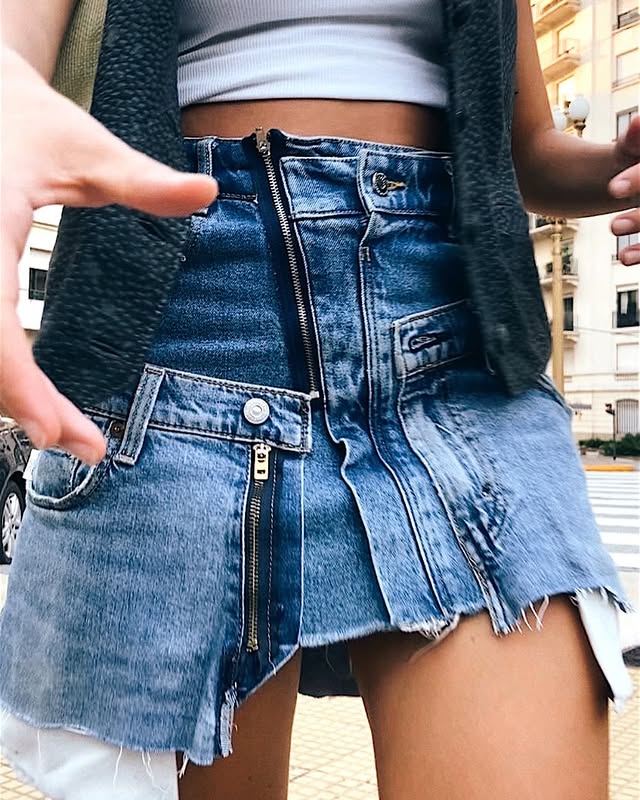
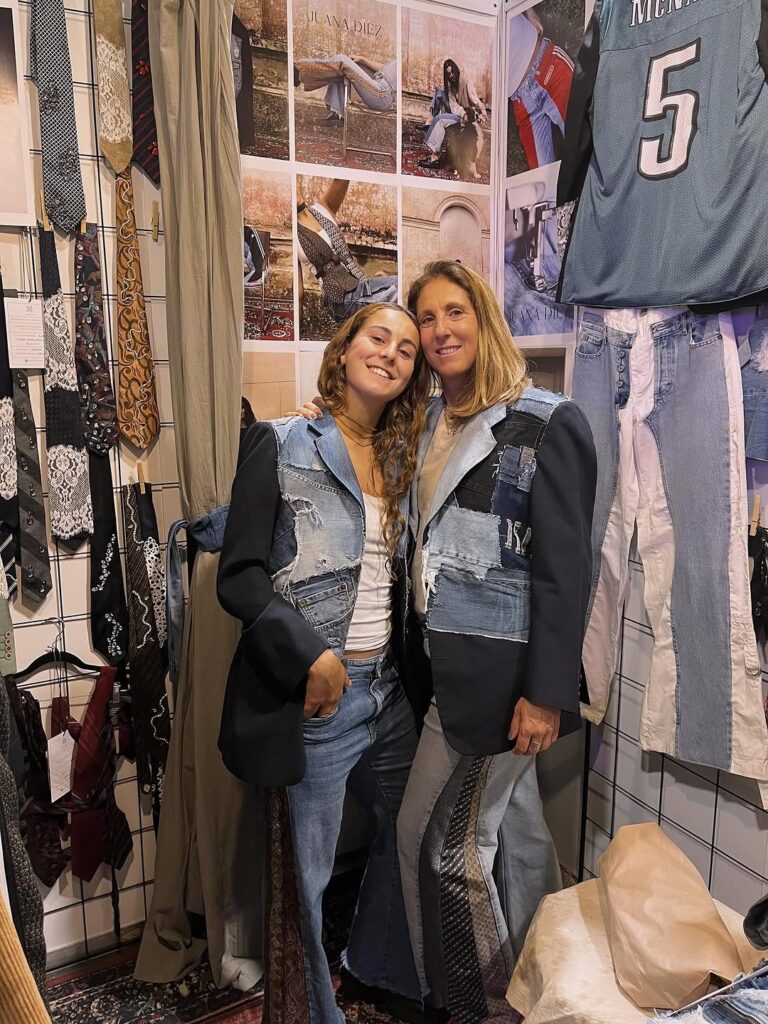
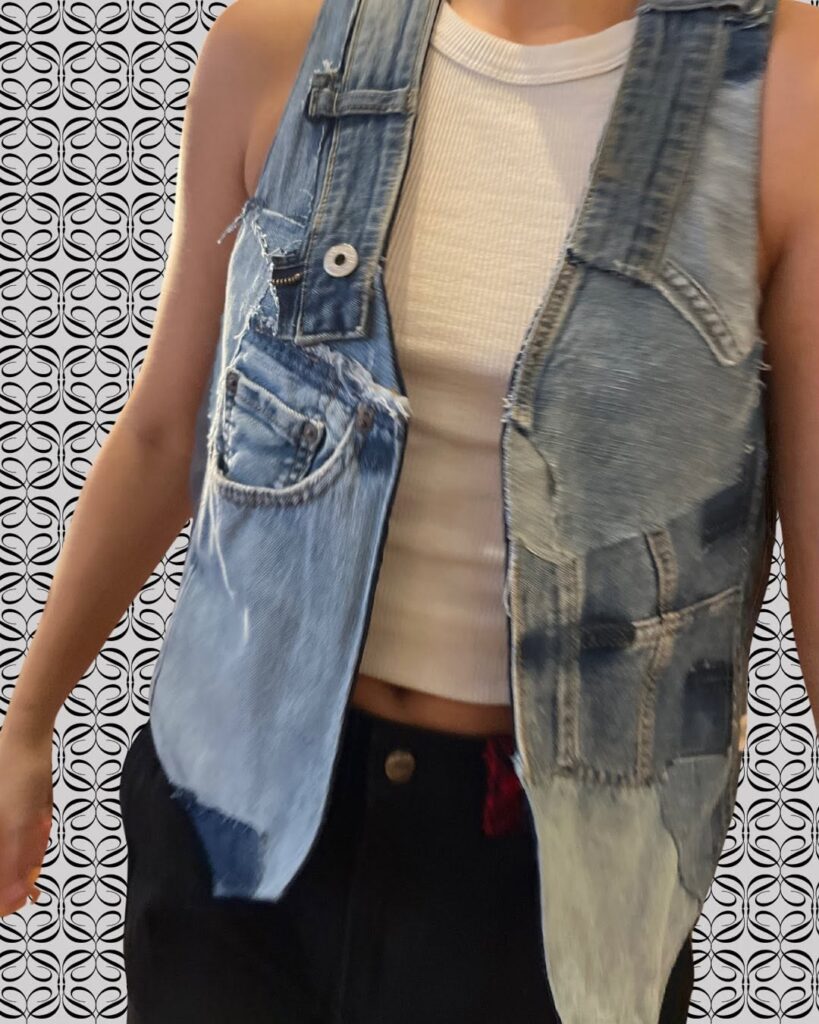
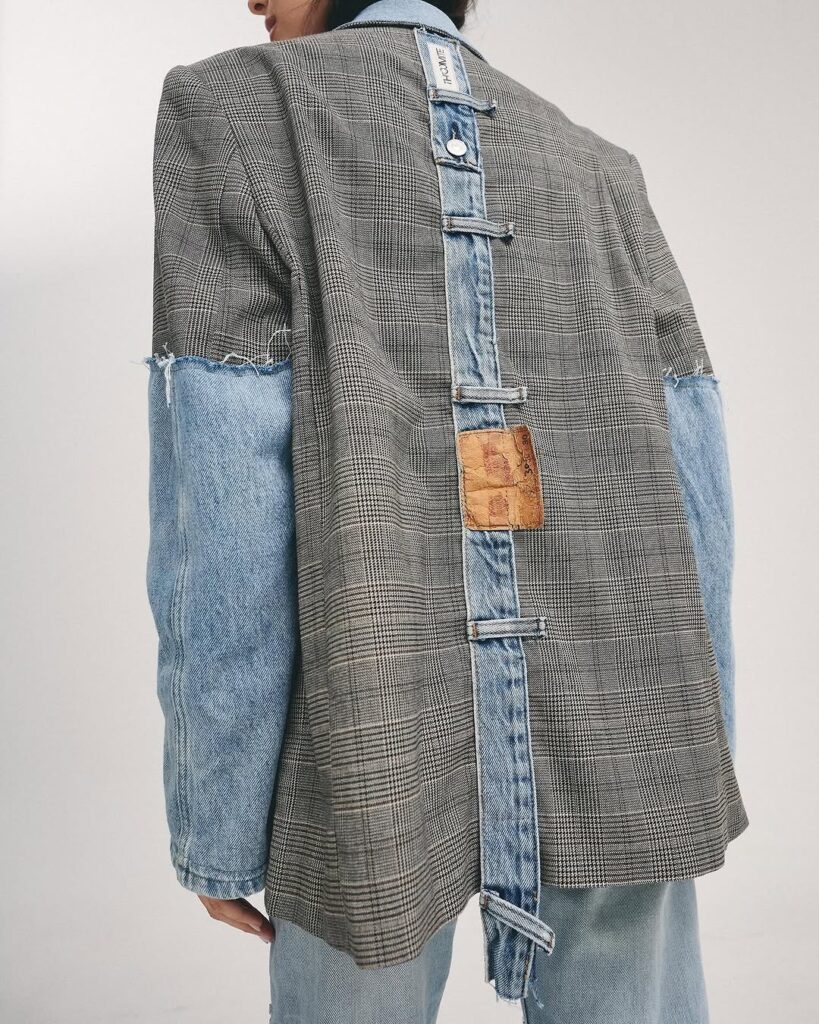
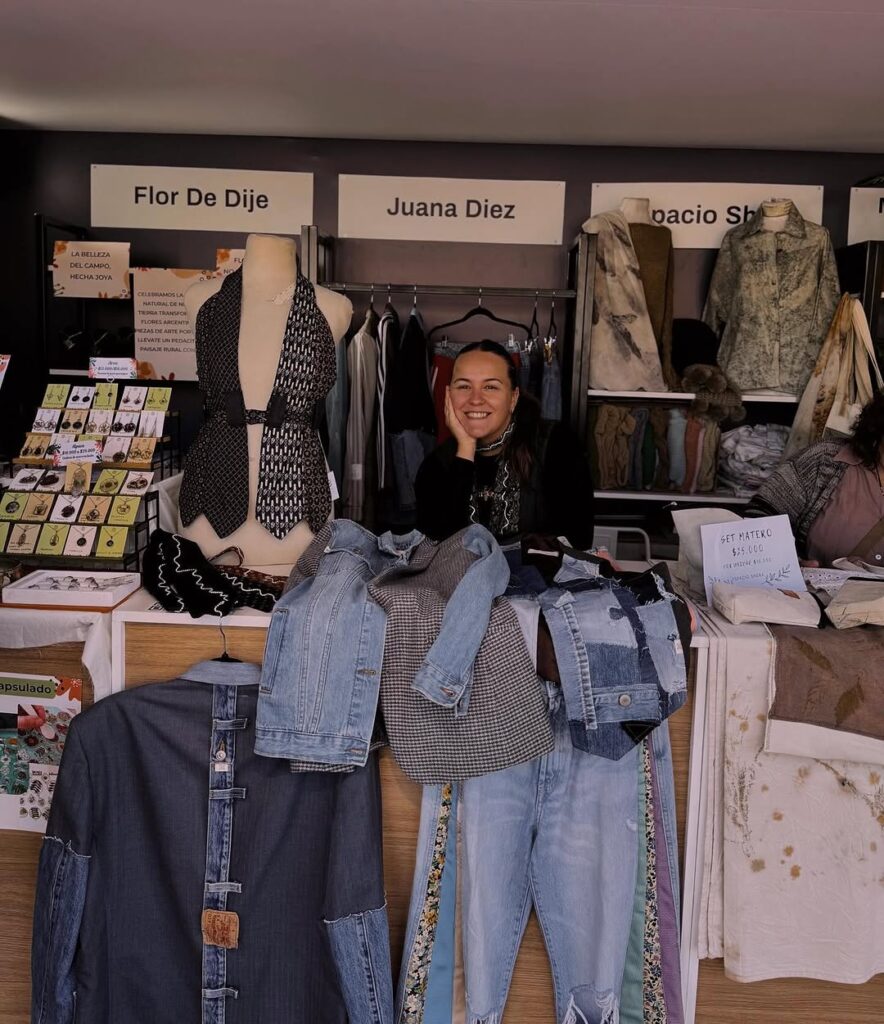
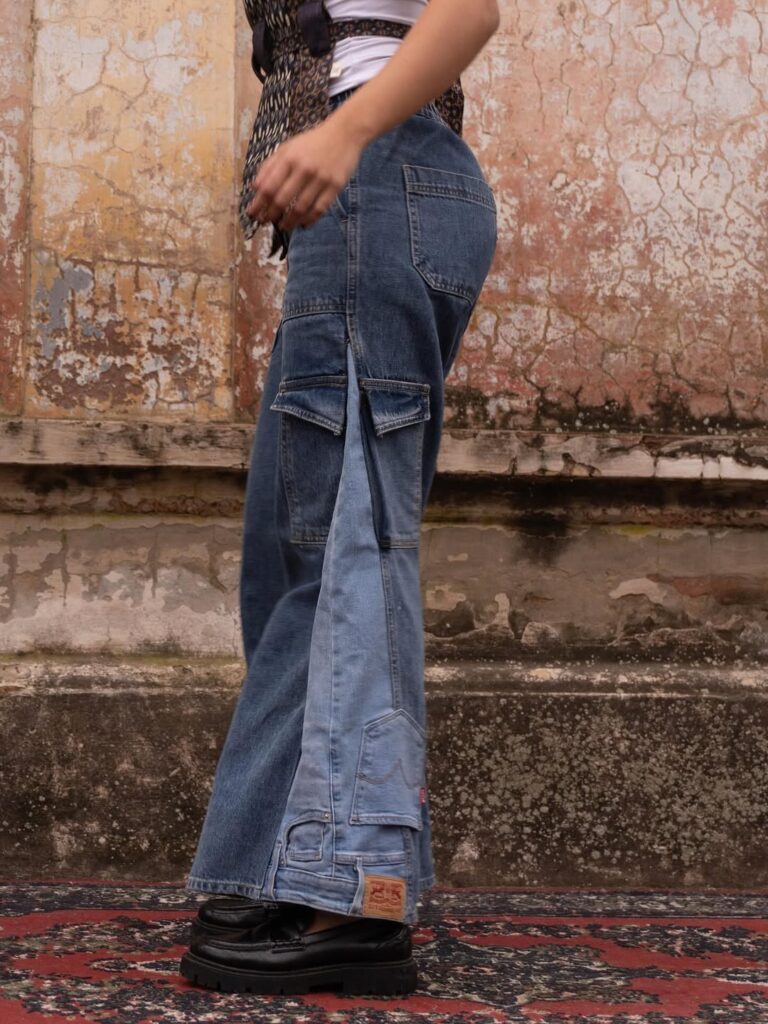
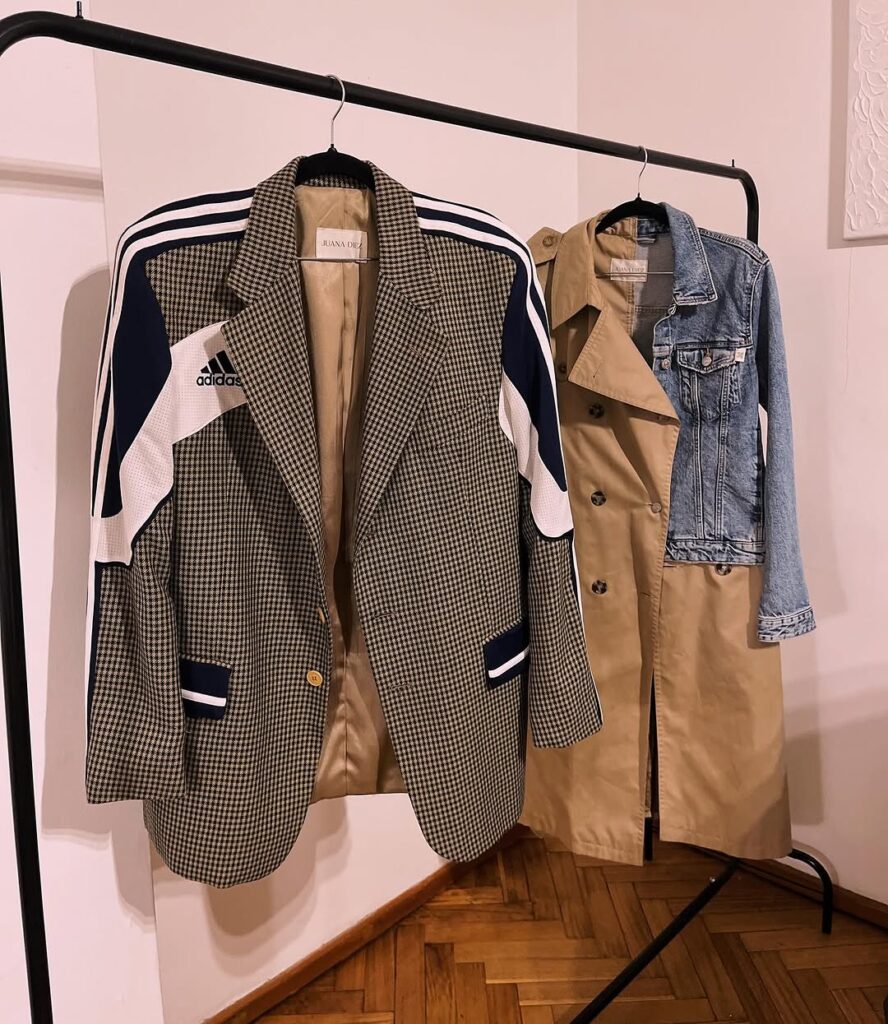
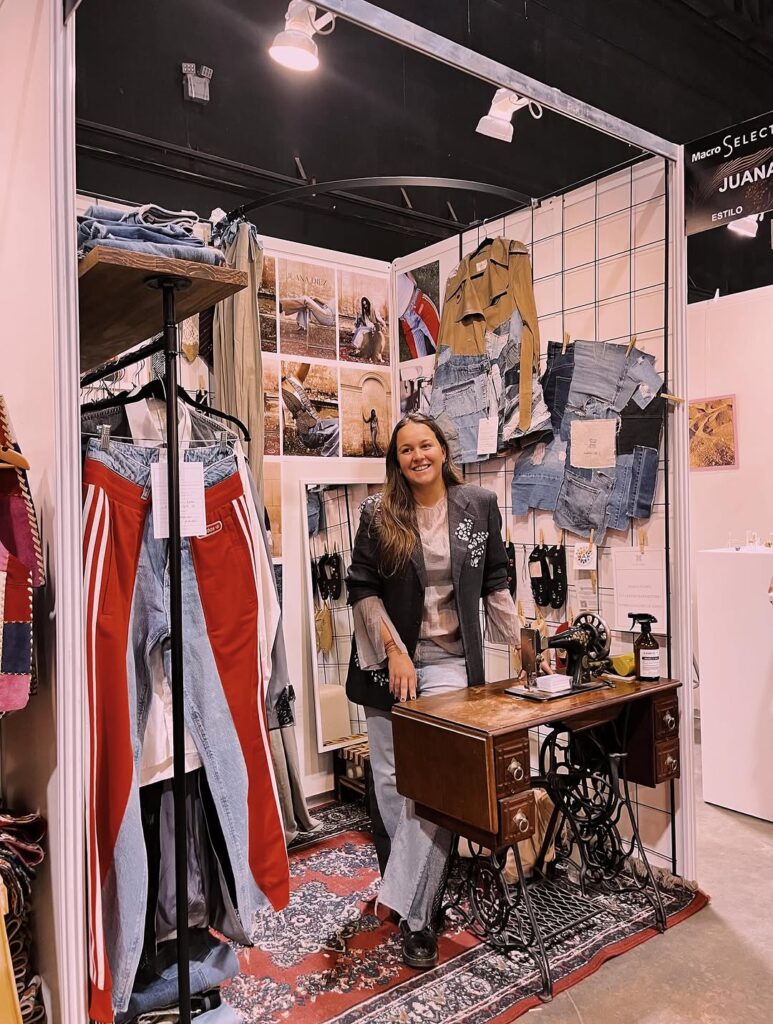
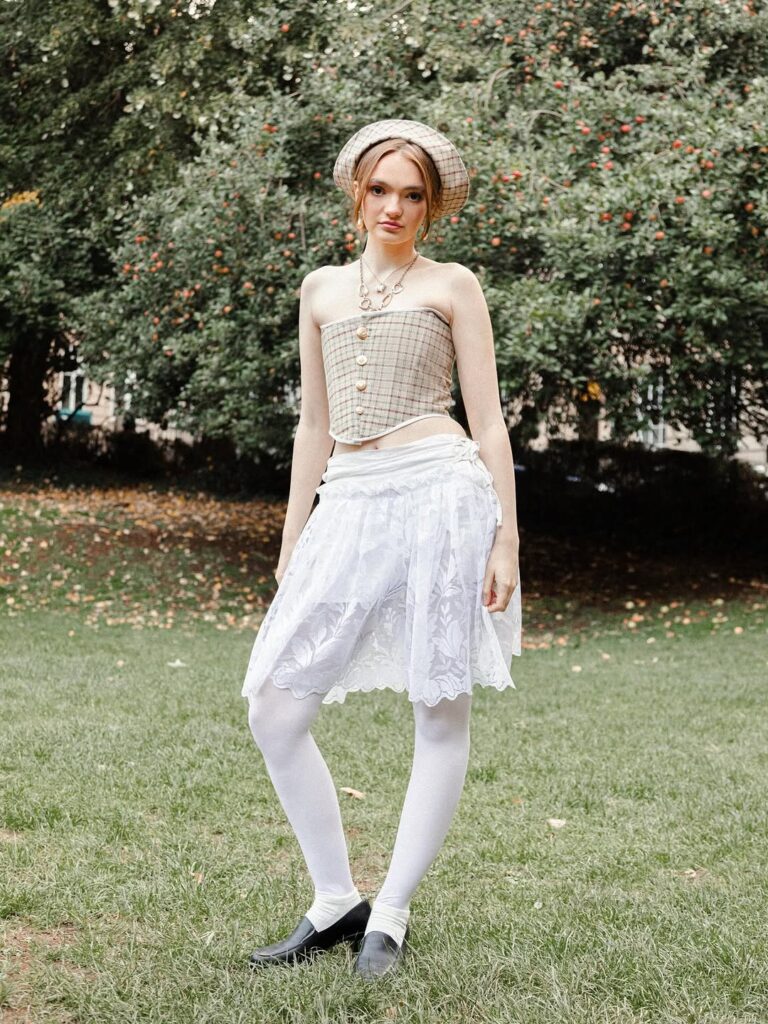
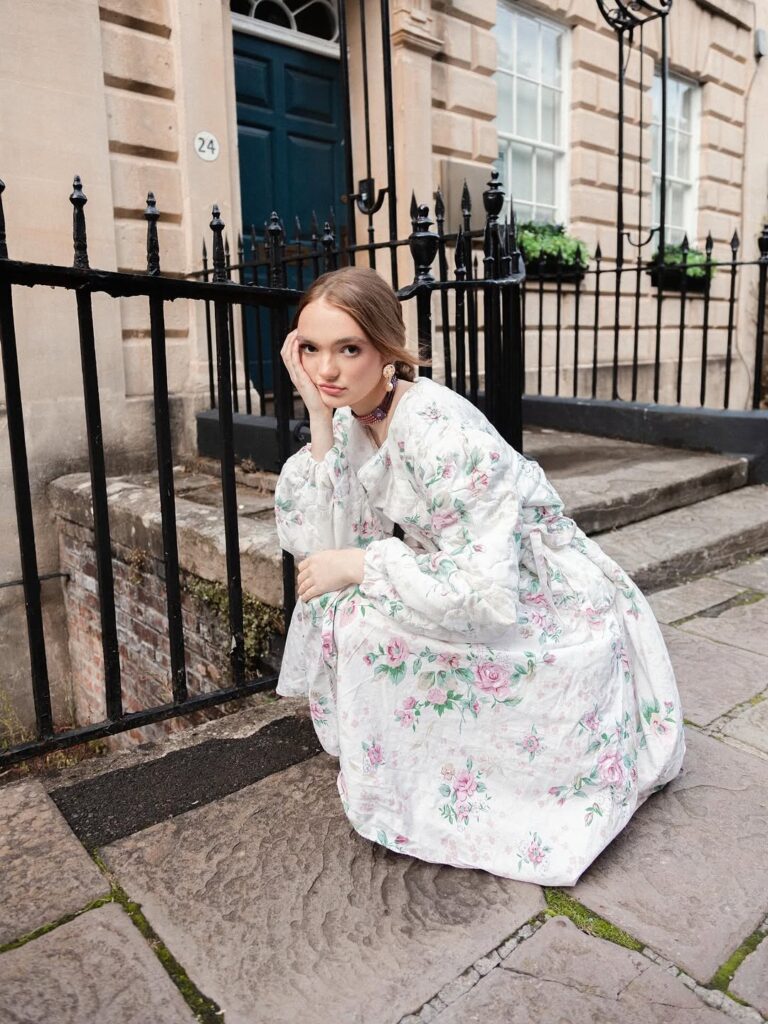
For Juana Diez de Tejada, the idea of her namesake brand, Juana Diez was born from the idea of transforming what’s already out there. Juana says she established the brand in February this year, to challenge fast fashion and show that sustainability can also be bold, creative, and contemporary. She says she wanted each piece to reflect that mission, and to create beauty with purpose.
The upcycling fashion brand, based in Buenos Aires – Argentina, promotes sustainable fashion by giving new life to existing materials through creativity, craftsmanship, and attention to detail.
Upcycling fashion is proving to stimulate creativity among designers, thereby allowing designers to transform discarded materials into unique, high-value products.
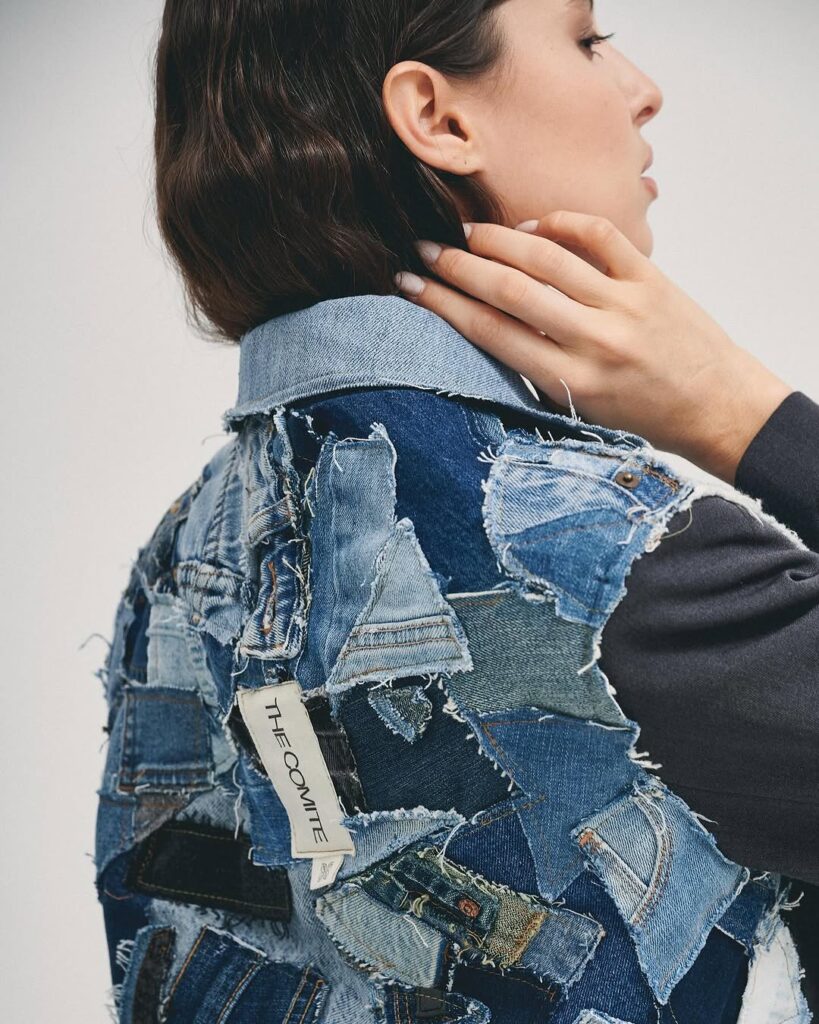
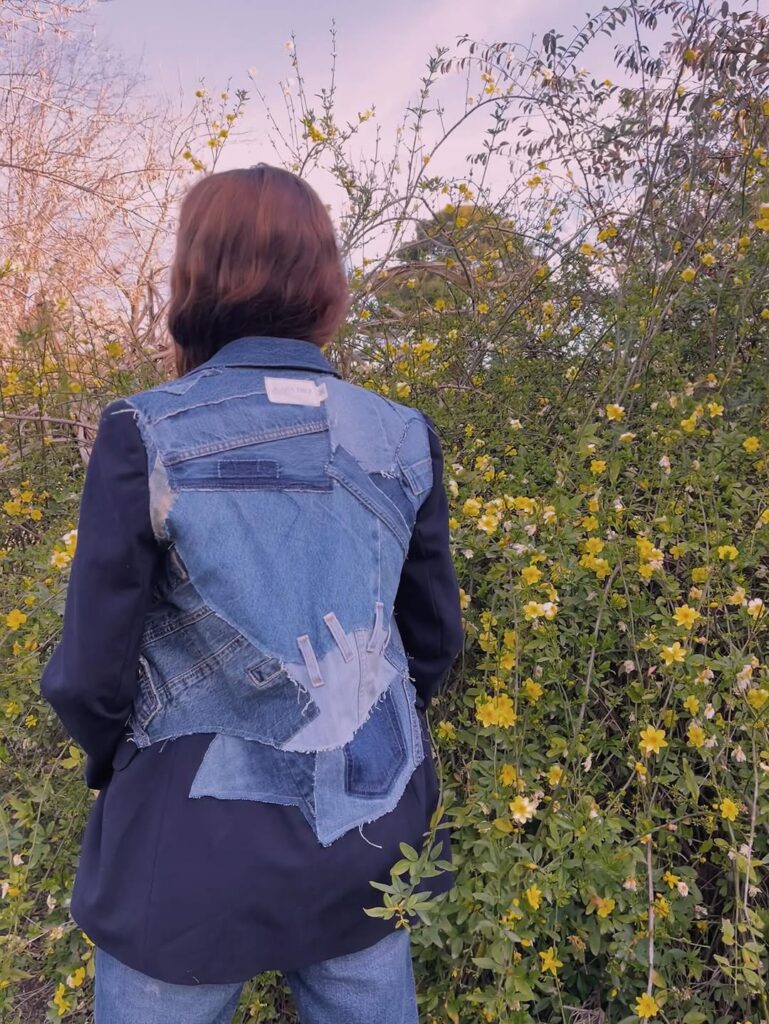
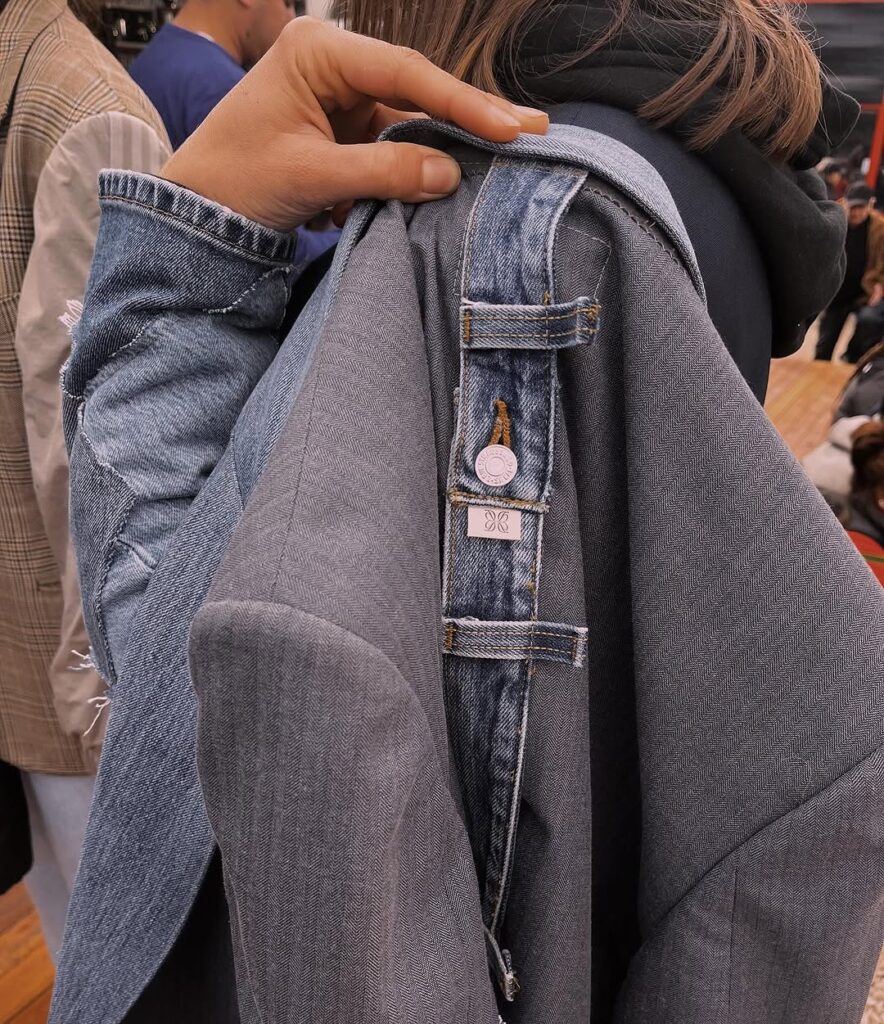
Juana mostly works with used denim material which she transforms into something classic and completely new. She says that she has always loved denim because of its timelessness and durability.
“Each piece is created from pre-loved garments, textile leftovers, or factory surplus and reimagined into unique designs with personality and purpose. Every garment is one of a kind — handmade with care to transform what already exists into something timeless and new,” says Juana.
Juana Diez targets conscious consumers who appreciate sustainable fashion, craftsmanship, and unique design. Juana indicates that most of them are young adults and creative individuals looking for statement pieces with purpose.
Juana Diez de Tejada
“Although the business is fairly new, the response has been quite amazing! People really connect with the idea of transforming existing clothes into something new. It’s been exciting to see so much interest and support in such a short time. All pieces are designed and handmade by me. I work on each garment individually, ensuring that every transformation reflects the brand’s values of creativity and sustainability. My inspiration comes from the idea of transformation and the constant renewal found in nature. I love exploring how both fashion and the natural world can evolve, adapt, and find beauty in imperfection and change. All our materials are sourced from second-hand stores, donations, and leftover fabrics from local brands. I love working with what already exists and giving it a new story through design,” she says.
More and more fashion designers are responding to the call for sustainable fashion by using eco-friendly materials like deadstock fabrics and discarded materials. Many designers are also embracing circular economy models by upcycling existing garments, and others are exploring innovative and biodegradable materials.
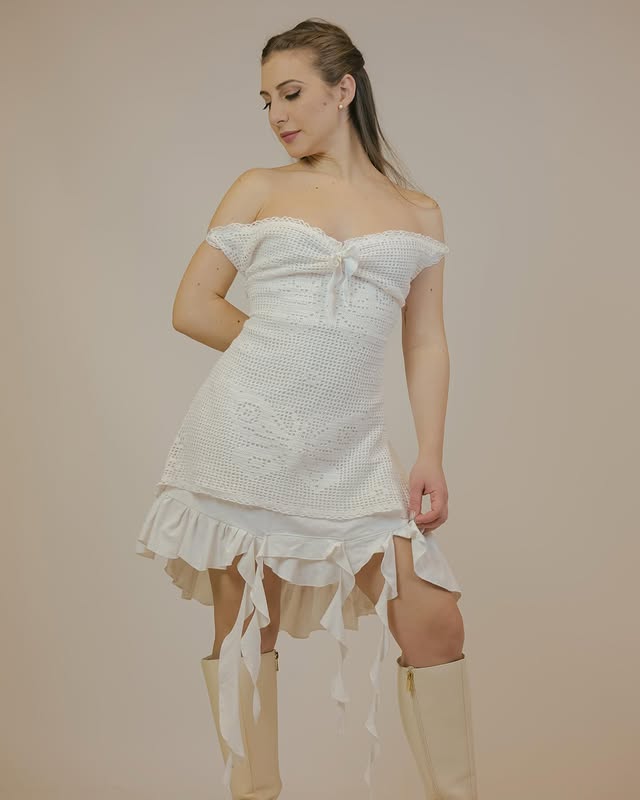
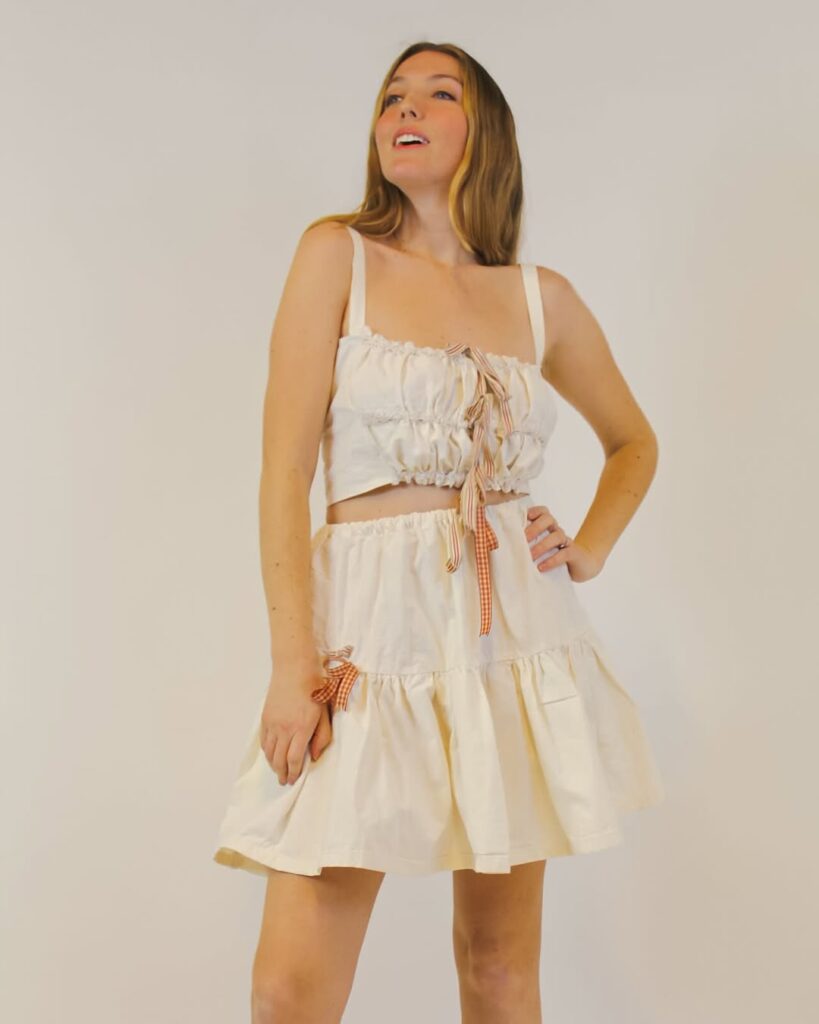
One such fashion designer is Elena Corobciuc, founder of By Ely Atelier, a sustainable clothing brand based in Exeter, United Kingdom. Elena is a designer who embraces a sustainability ethos through her brand. She works with discarded materials and sees “trash” as a valuable resource, transforming waste into beautiful garments through techniques like upcycling.
“I’m the hands, heart, and mind behind the brand. I create one-of-a-kind garments from my cosy home studio, carefully crafting each piece from discarded or forgotten textiles. We are rooted in upcycling, intentional design, and love for sustainable fashion that doesn’t compromise on elegance, bold femininity, or uniqueness. Every fabric is consciously sourced, often on treasure hunts through vintage shops and charity stores across the UK and Italy, seeking out the kinds of textures and patterns that stir inspiration and memory. I work with old cotton bedding, vintage crochet, antique lace and worn linen. These materials carry stories, and I’d like to think that I help them whisper again,” she says.
Elena Corobciuc
Elena creates unique pieces, motivated by environmental concerns often blending artistic vision with a commitment to sustainability, demonstrating how creativity can give new life to overlooked materials. She views waste as a resource instead of discarding what others consider junk, she sees it as a source of unique and valuable material.
“My fashion journey began in second-hand clothes. I wore them not as a trend, but out of necessity. I used to be embarrassed by that. Now, it has become my proudest influence. Upcycling, to me, is not just a way to reduce waste, but a creative rebellion. It is a statement, a redefinition of beauty and worth. It says fashion doesn’t need to be new to be powerful. Every item I make is one-of-a-kind, meaning it’s slow, intentional, and stitched with hours of love and attention. I believe in buying less, but better. Valuing not just how clothes look, but how they were made, and by whom. I believe fashion should empower, not exploit. I also believe that wearing the same thing more than once isn’t a flaw, but freedom,” she says.
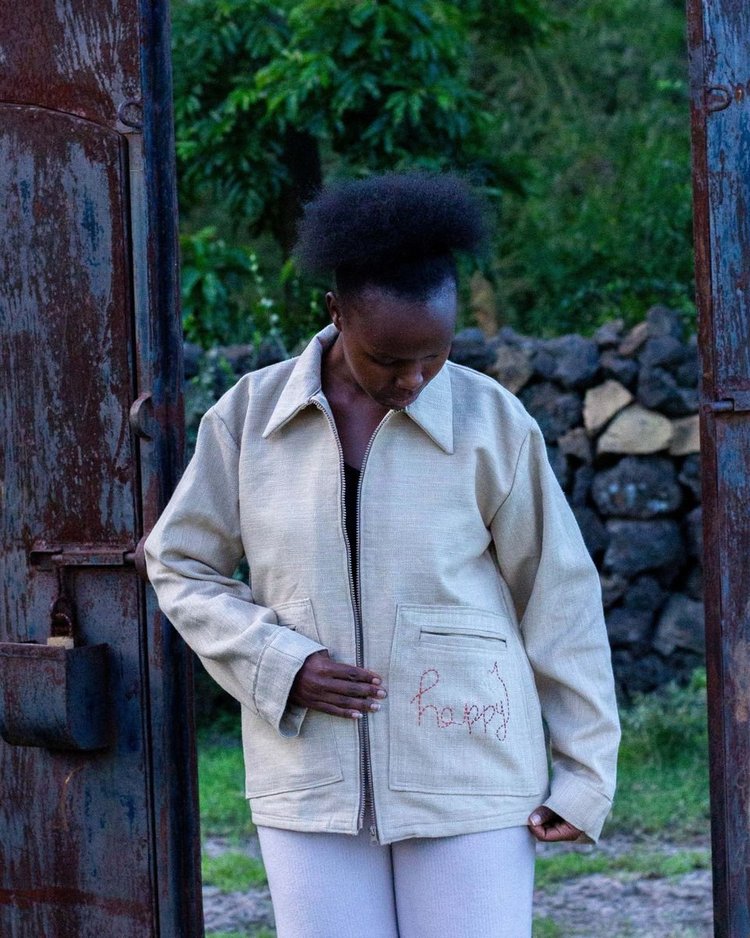
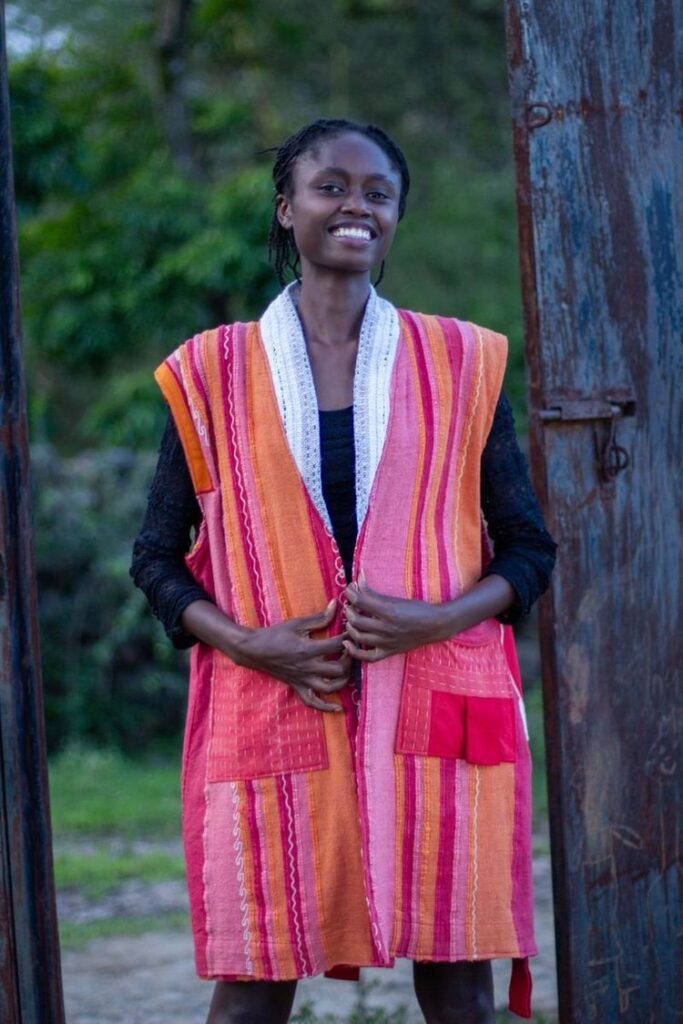
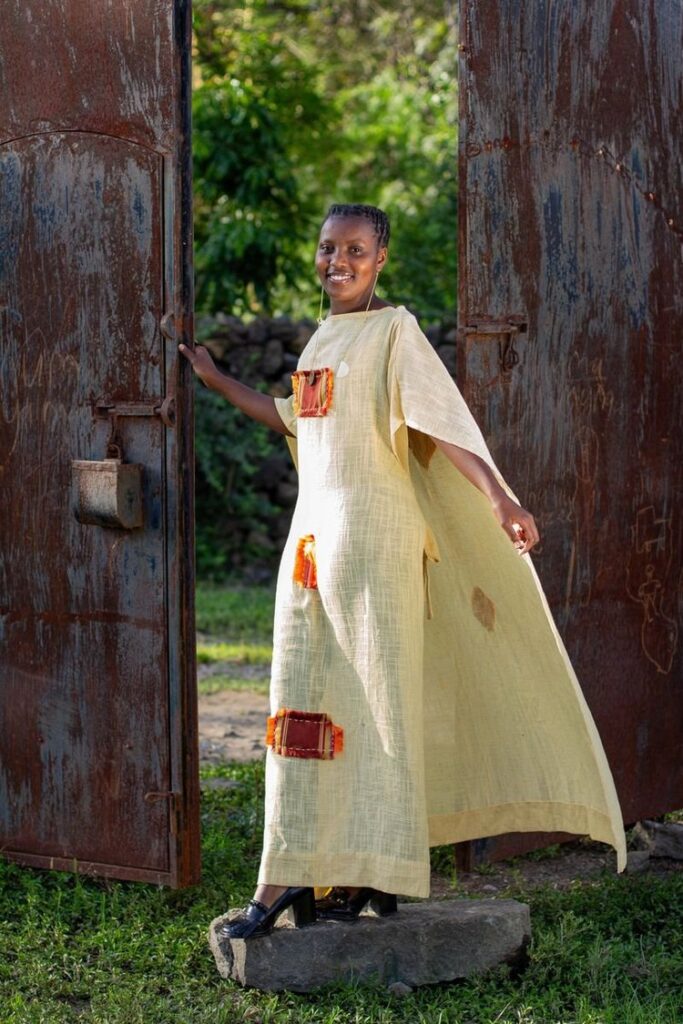
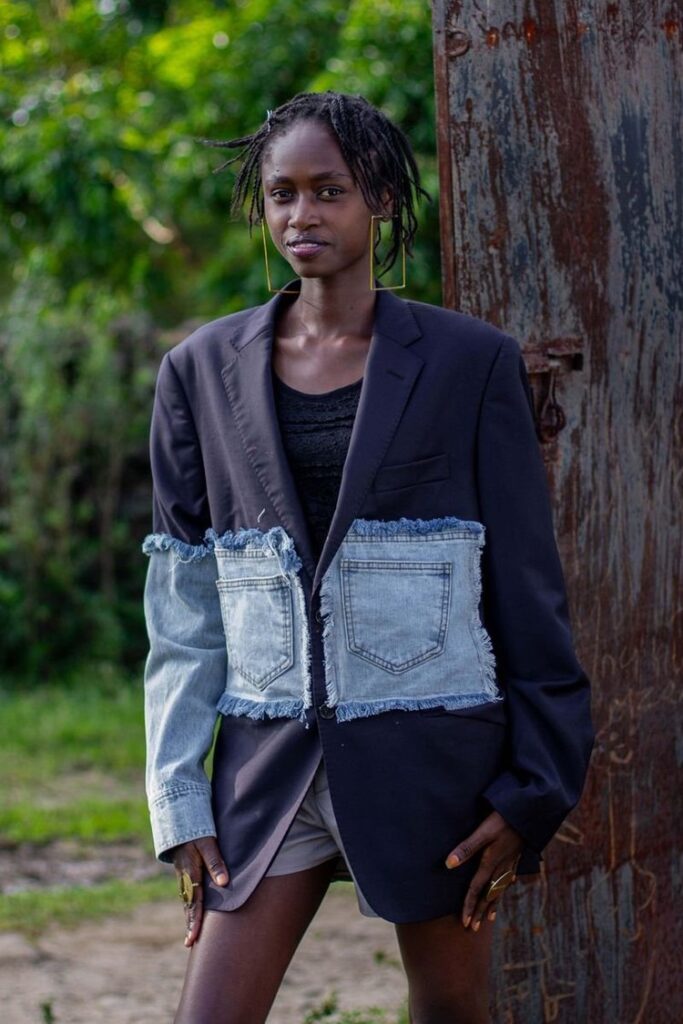
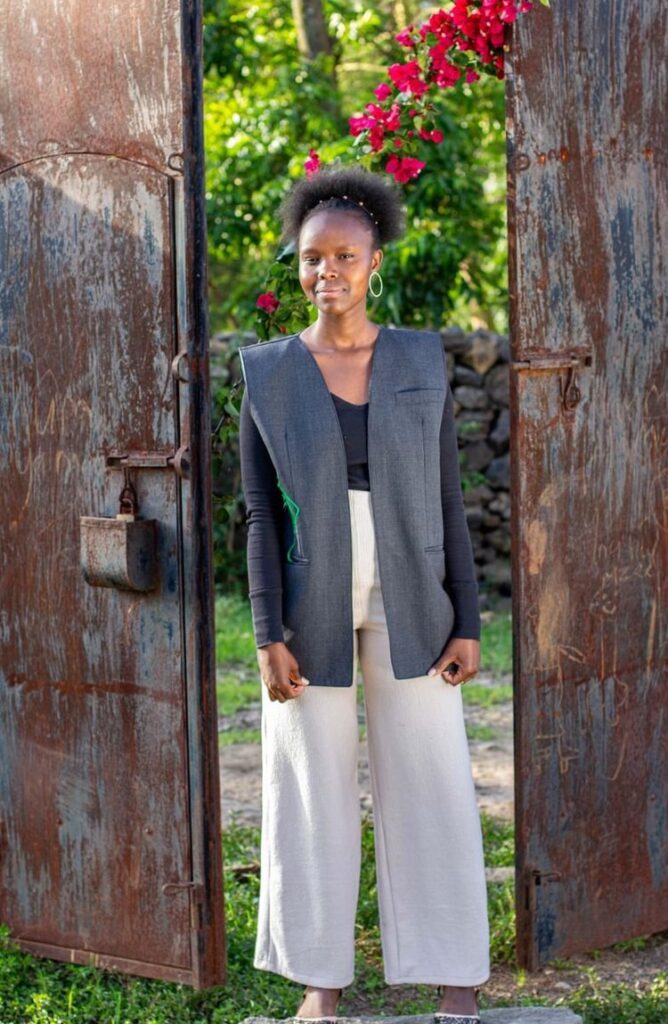
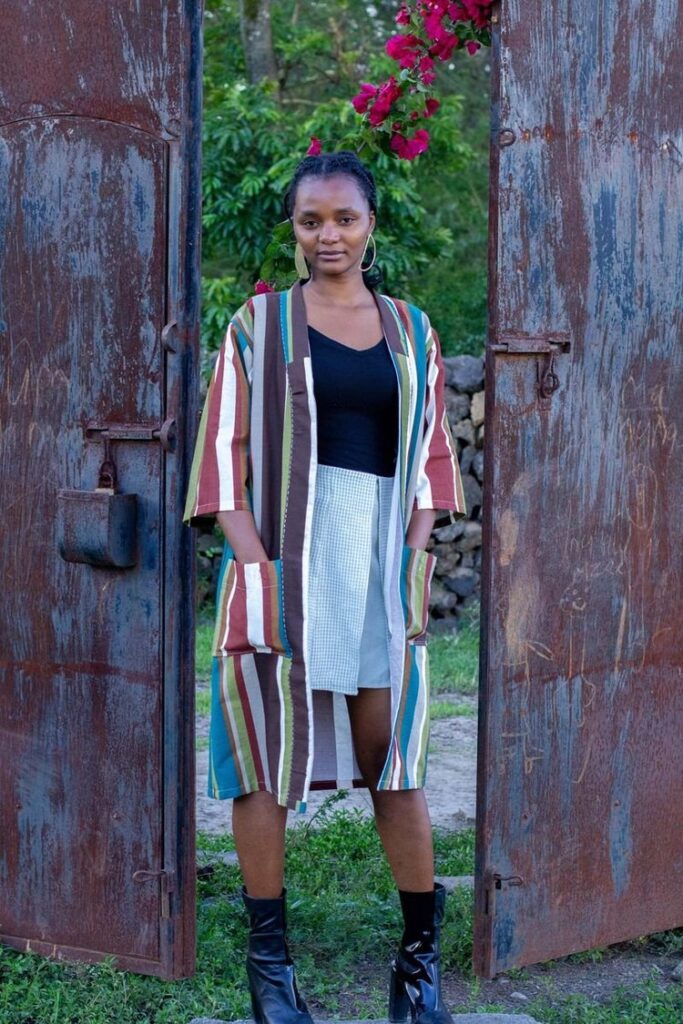
Maisha by Nisria is a sustainable fashion and design studio based in Gilgil, Kenya. The studio creates unique, handmade clothing from upcycled and repurposed materials, focusing on sustainable and ethical fashion. Their collections include one-of-a-kind pieces like dresses, jackets, and two-piece sets, all made by giving new life to textiles that would otherwise be discarded.
Maisha by Nisria was established in 2021 by Nur M’nasria, an accomplished TV and film producer. The studio aims to provide opportunities and skills training for young adults from marginalized communities. Maisha is the Swahili word for “Life,” reflecting the brand’s focus on giving new life to textiles and to the lives of the youth they support.
The purpose of Maisha by Nisria is to empower vulnerable individuals in Kenya by providing them with fashion and design skills through their non-profit, sustainable fashion and design studio. They use upcycled materials to create unique garments, aiming to foster economic independence for community members and promote a sustainable approach to fashion. The studio equips individuals, including youth, women, and refugees, with skills in tailoring and upcycling.
The training aims to enable participants to become independent adults and provides employment within the studio. Maisha by Nisria are committed to upcycling discarded textiles into new, high-quality fashion pieces, advocating for a circular approach to design and production.
Nur M’nasria
“Throughout the years I could always recognize how vulnerable young adults received the least attention from social organisations and contributors. When it comes to clothes, they are either excluded or they would receive worn-out clothes that are not suitable to wear. Hence for a long time, I wanted to create a project where we could teach young adults how to make their clothes from waste textiles and repurpose the worn-out clothes they receive into fashionable pieces,” says Nur.
Maisha by Nisria was inspired by Nur’s grandmothers. “Growing up I could always see how they transformed curtains into dresses, towels into rugs, pillowcases into sacks, and so on. Then in 2021, my late friend Randah Taher approached me about starting a project and offered to fund and support it. She wanted to honour her late mother’s memory through a social project and suggested a couple of ideas. The up-cycled fashion project was one of them and she picked it without hesitation,” she says.
Maisha by Nisria started with one sewing machine and to date, more than 15 beneficiaries have particpated in the projects. Some of the beneficiaries have transitioned into full-time designers and tailors for their workshop, which is a testament to the transformative power of Maisha by Nisria.
Cynthia Mwangi
Cynthia Mwangi is the co-founder and Project Manager of Maisha by Nisria. She is a passionate community builder and a creative entrepreneur. She leads Maisha by Nisria’s projects and partnerships, driving programs of the studio that empower youth and transform communities.
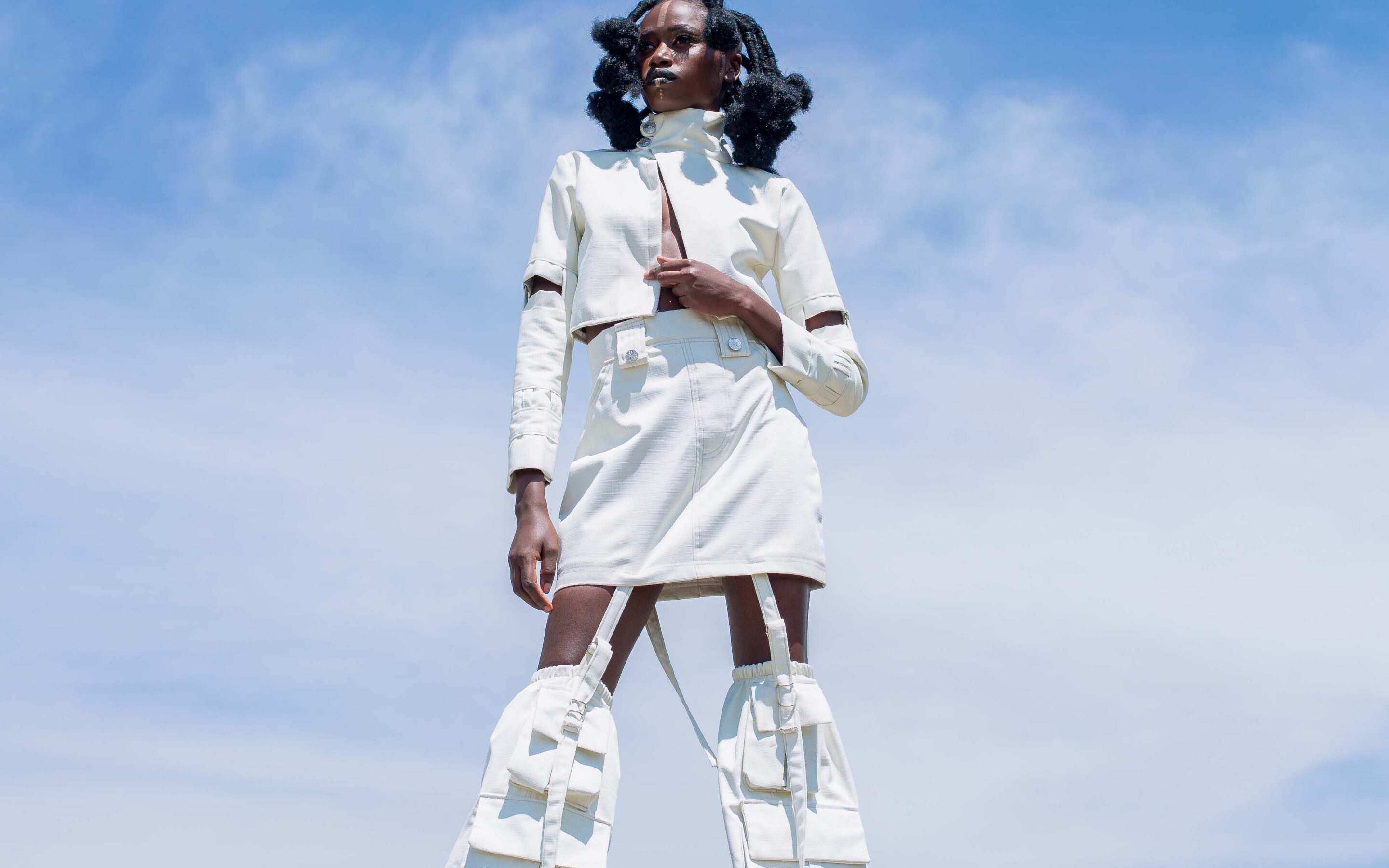
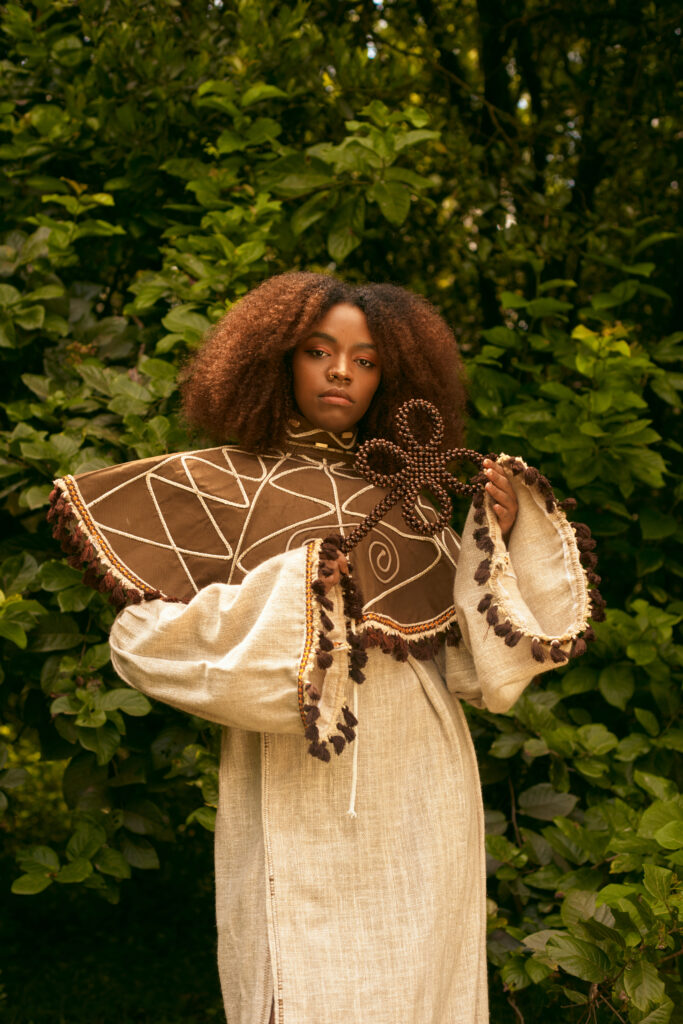
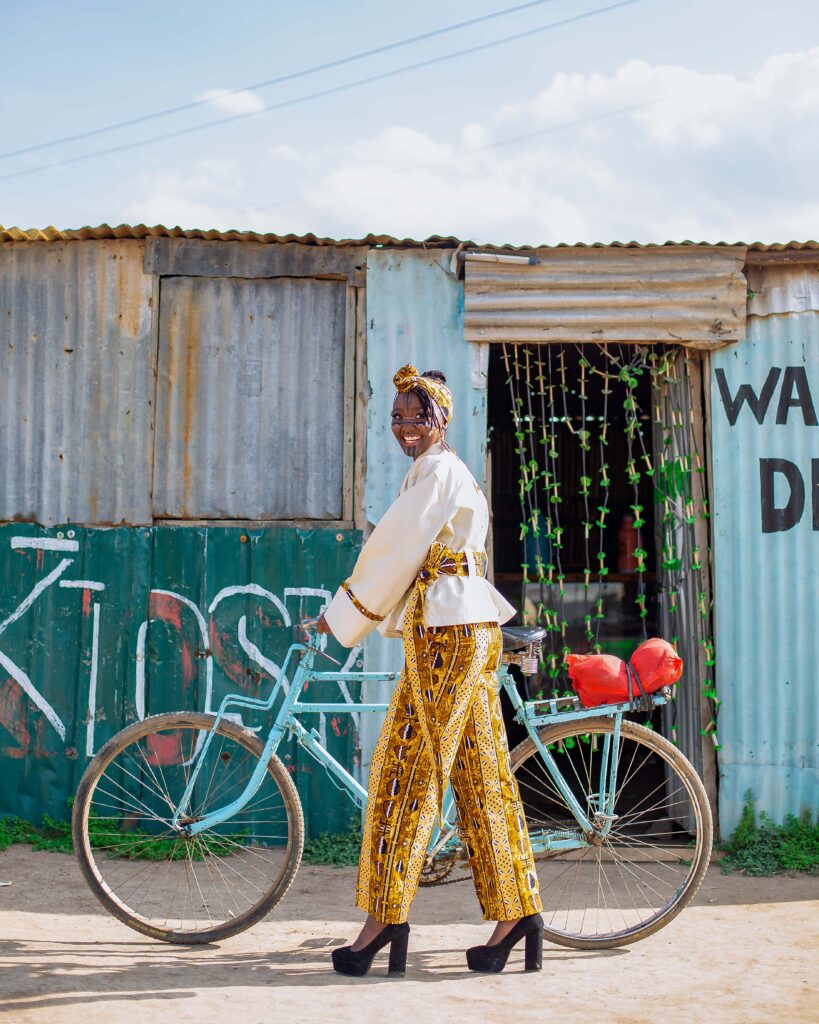
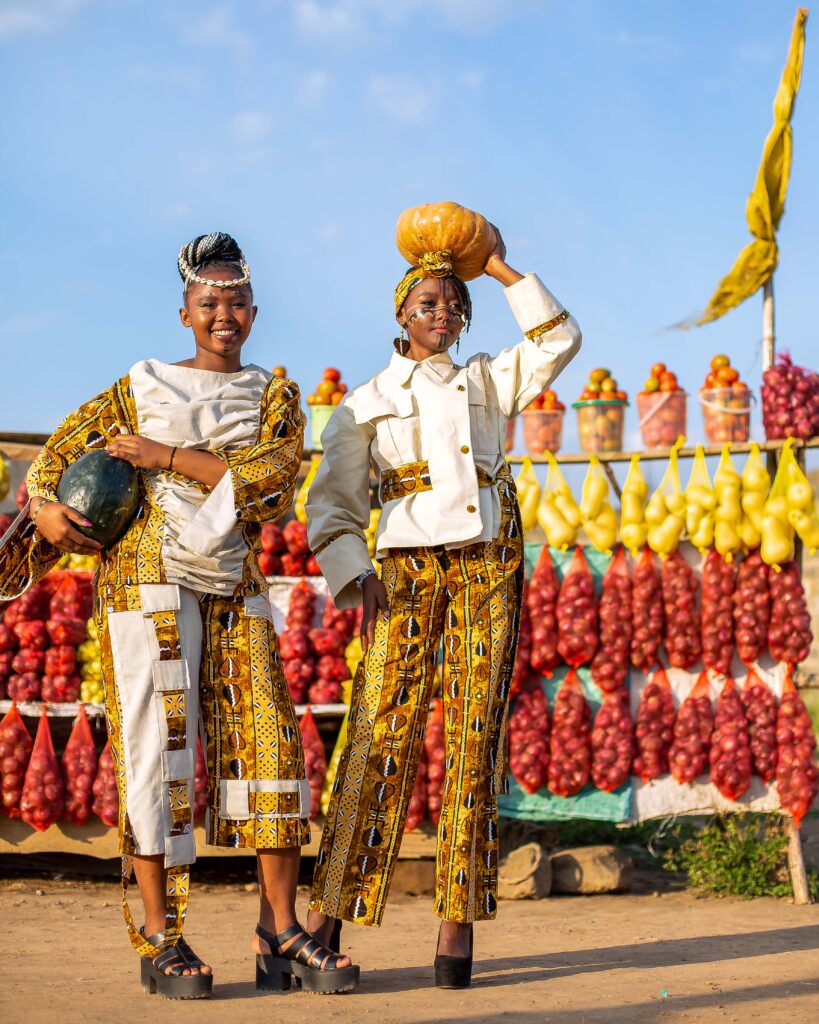
Cynthia elaborates on the inspiration behind their current collection.”This year, Maisha by Nisria’s crafted a collection called “Amazigh Colletion” in response to Nairobi Design Week 2025’s theme “We Are the Ancestors”. The collection was inspired by our founder’s Amazigh roots. Each piece is made from upcycled jackets and materials donated by Mr. Green Africa and rescued from landfills and markets, then reimagined in our studio,” says Cynthia.
She further indicates that the collection features embroidered Amazigh symbols, vibrant patterns, and bold seams. She says this limited-edition collection is both a tribute to the past and a statement for the future; and a celebration of care, compassion, and craft passed down through generations.
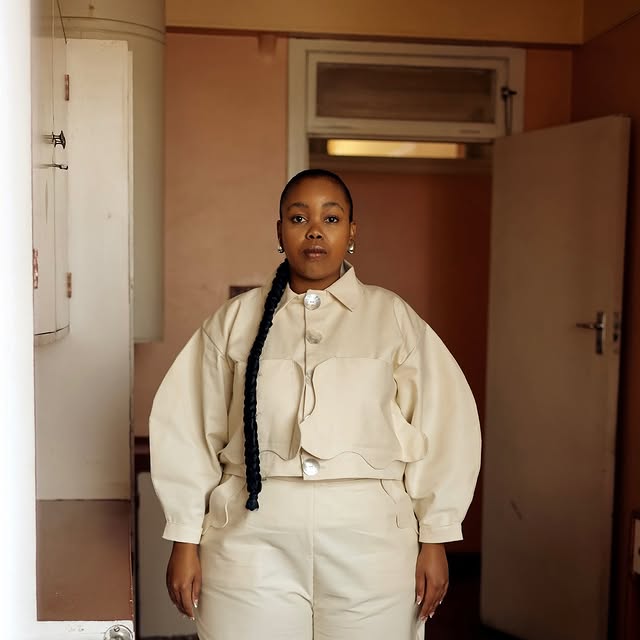
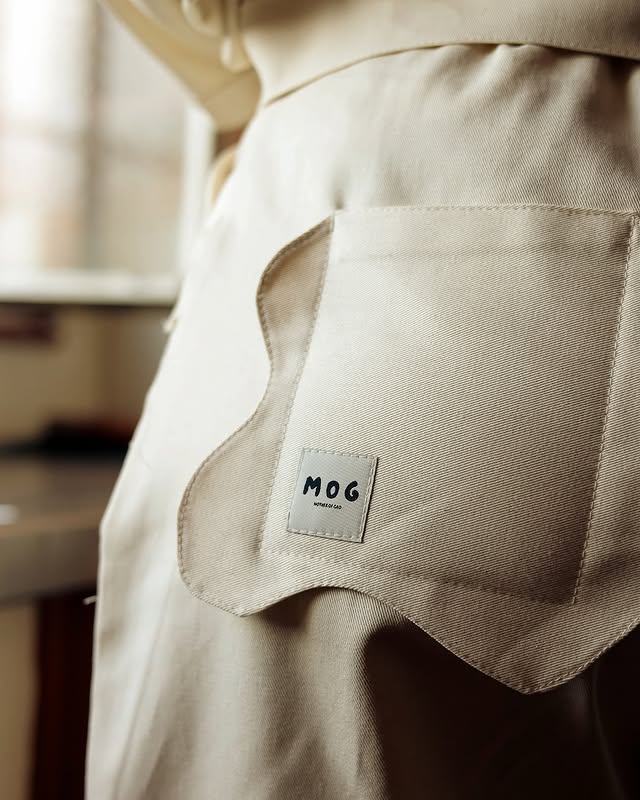
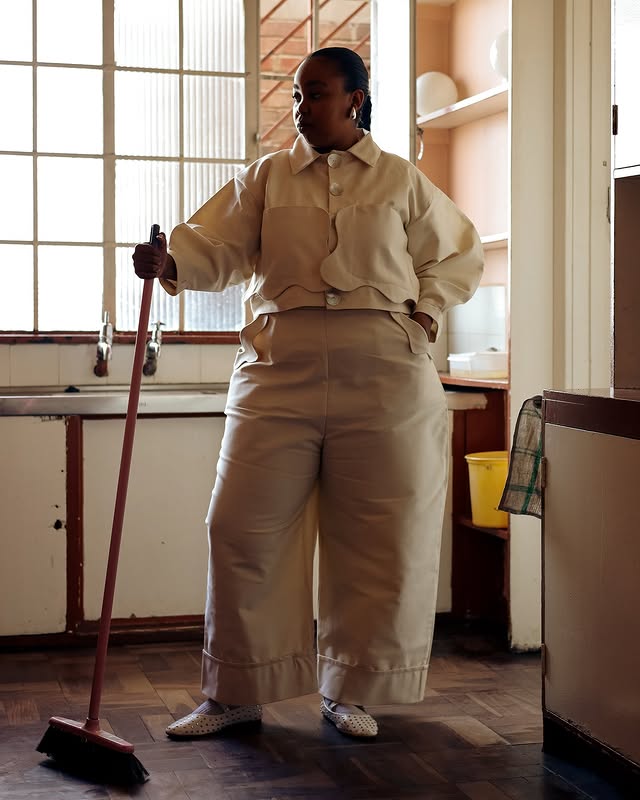
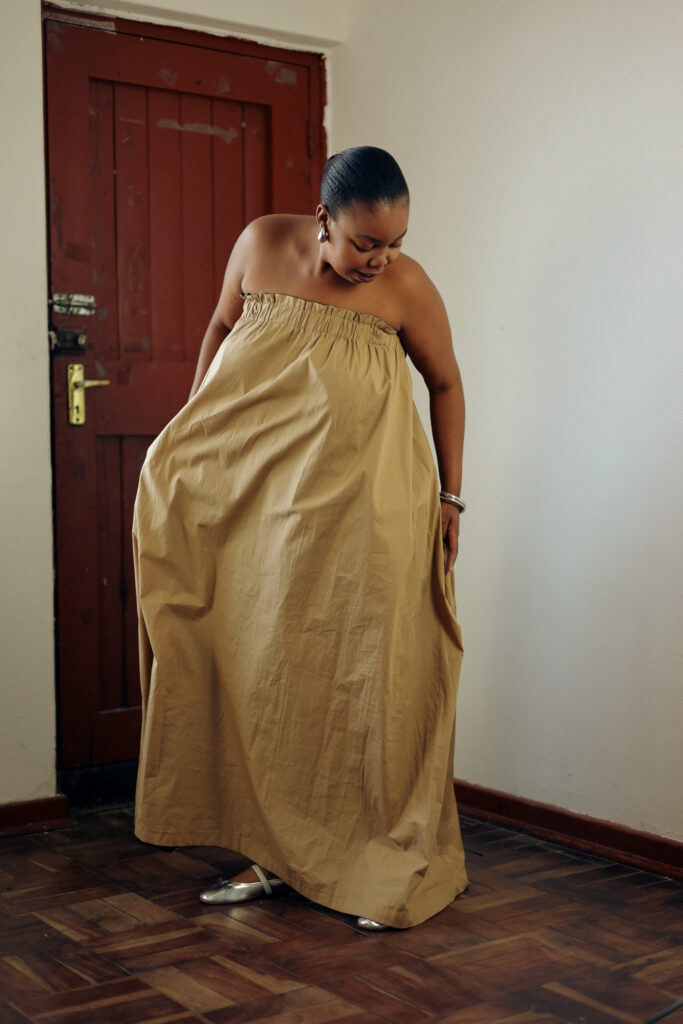
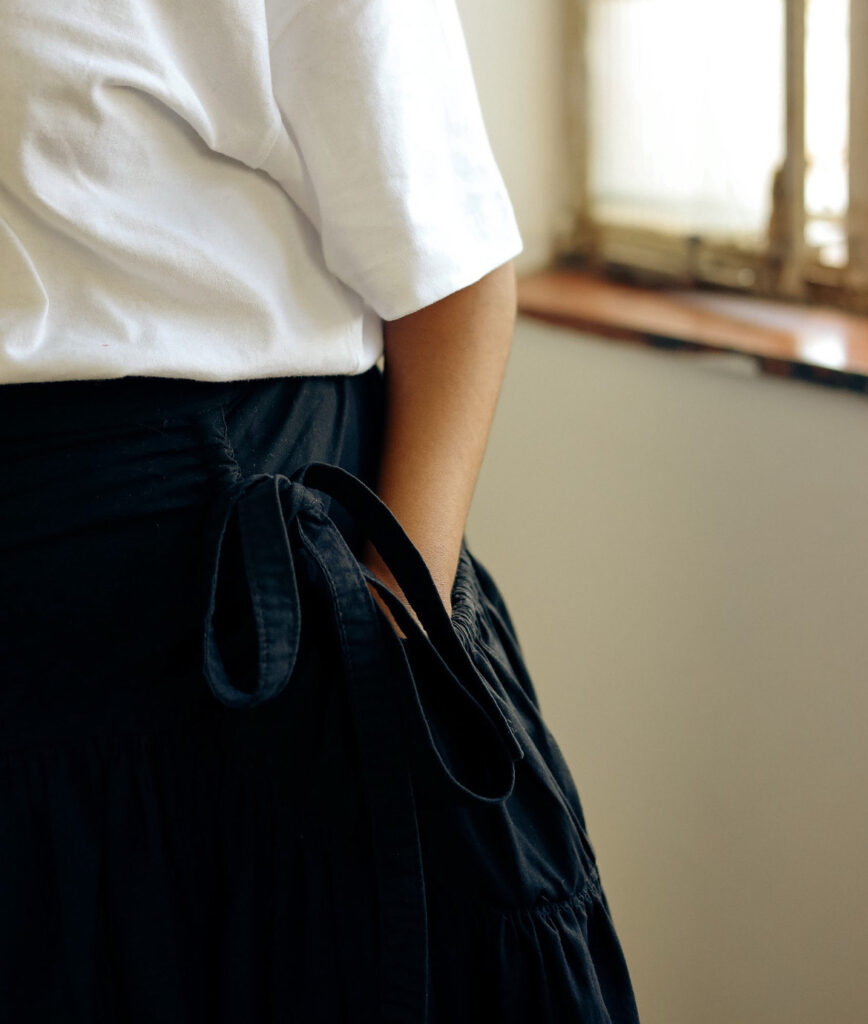
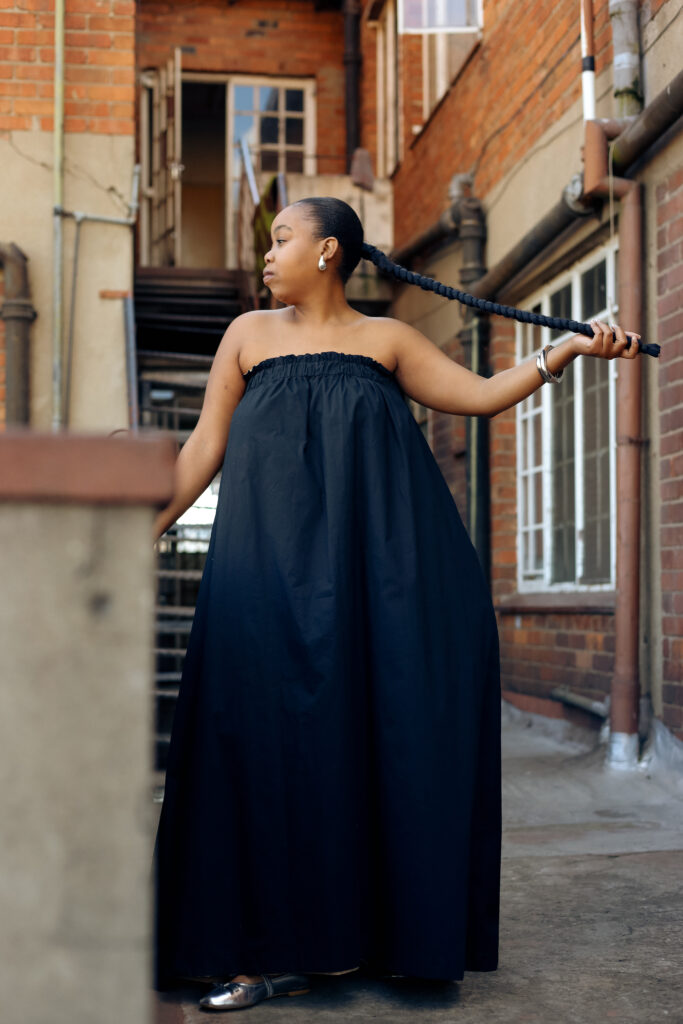
Mother of Gao is a South African brand dedicated to sustainable design across fashion and interior products. Founded in 2021 by Katlego Mokwana, a mother inspired by her daughter Gaopaleloe, the brand blends minimalism with playful details to craft a unique aesthetic that enriches both home and wardrobe.
Their commitment centers on natural dyes, zero waste production, and the use of 100% organic textiles, creating beautiful pieces with a gentle footprint on the planet.
“Our new permanent collection, Staples, is dedicated to timeless wardrobe essentials that are designed to transcend seasons and last a lifetime,” says Katlego.
Part of the brand’s mission is to use biodegradable fabrics. “By choosing natural fibres like organic cotton and linen, we strive to reduce waste and support a more sustainable, circular future where style and environmental responsibility go hand in hand, she says.”
In addition, Mother of Gao uses tea bags, onion skins, and marigold flowers as the natural ingredients to make some of the pieces. “These ingredients impart delicate, earthy tones that develop depth and character over time, making each garment uniquely beautiful, she says.
The brand’s waste reduction process includes repurposing leftover fabric scraps into unique accessories and delicate flower appliqués, turning what would have been discarded as waste into thoughtful design details. Even the smallest fibres, too tiny to sew into garments, find new life as stuffing for handcrafted pillow inners, at Mother of Gao.
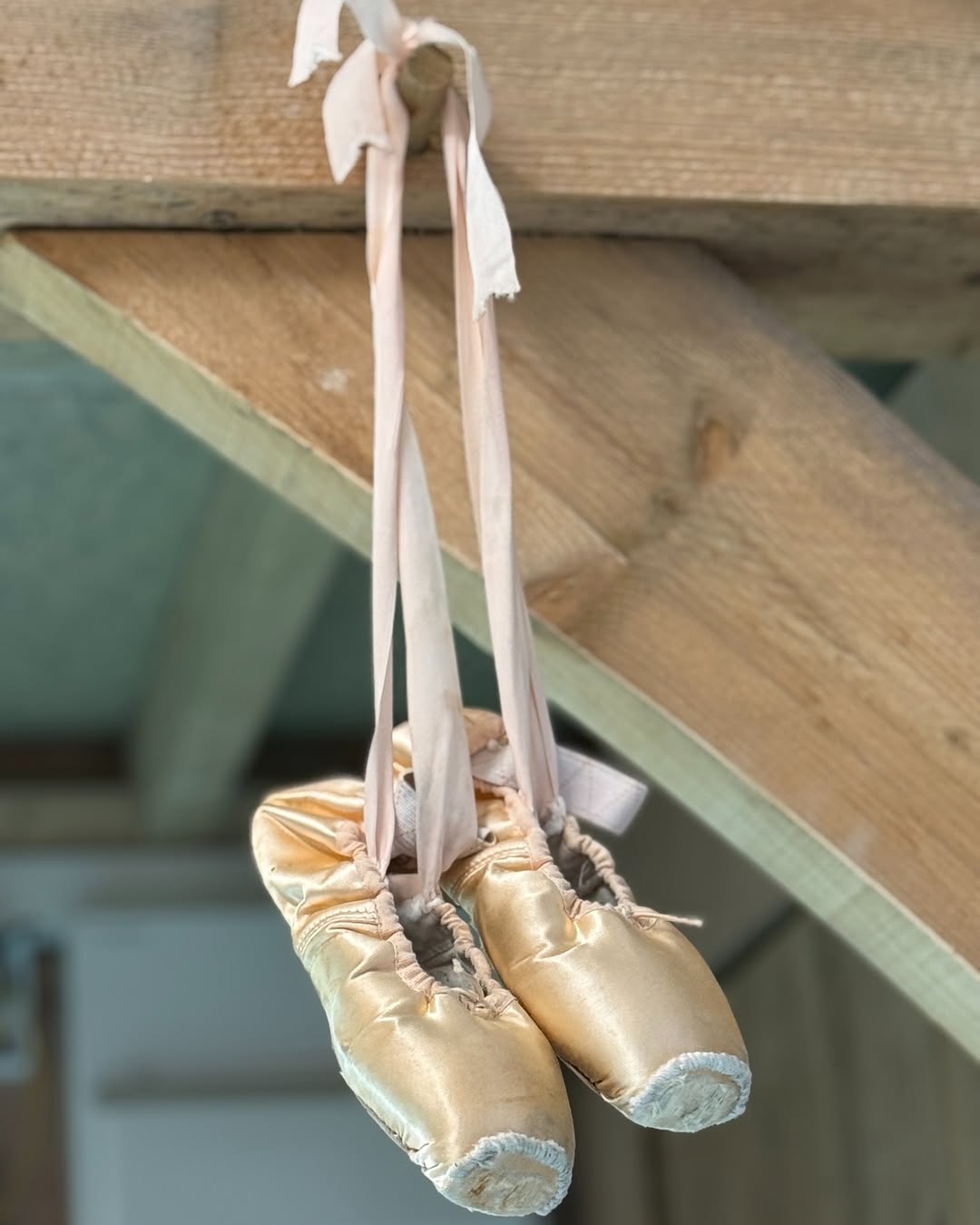
An artist has been recycling pointe shoes from the Royal Ballet and Opera by turning them into art. The dancers often use the shoes for one day only due to the rigorous nature of the dancing and Rachel O’Connell has found a way for the high quality leather to be reused.
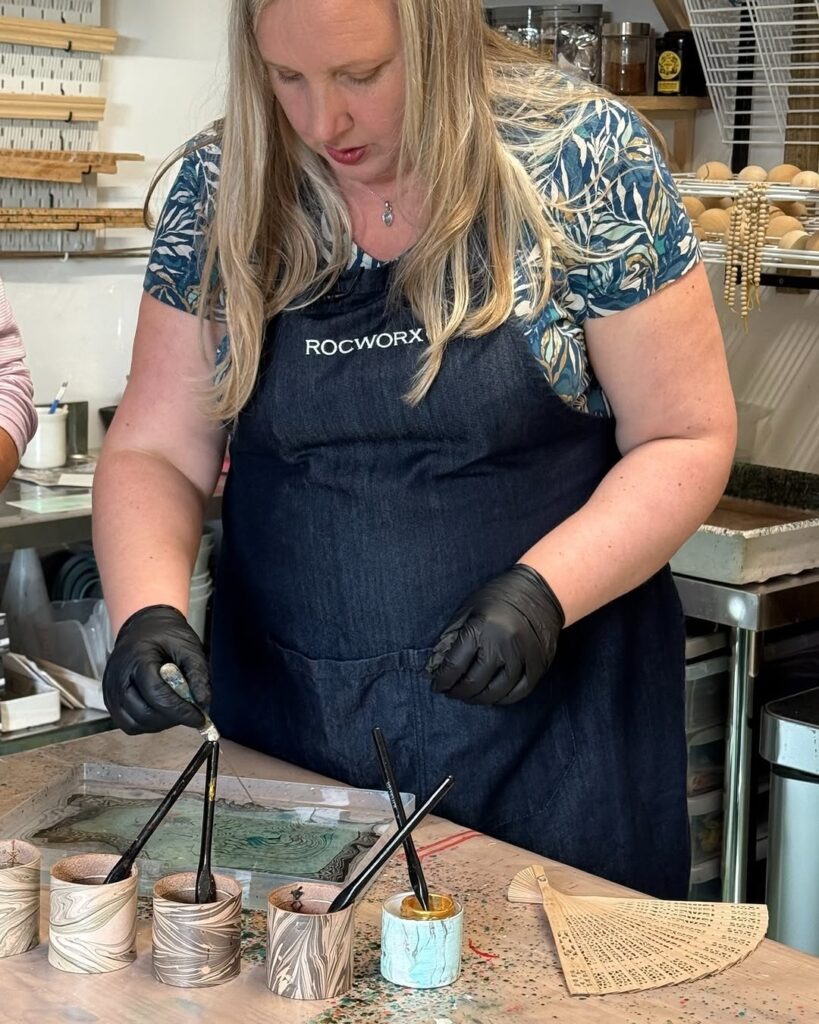
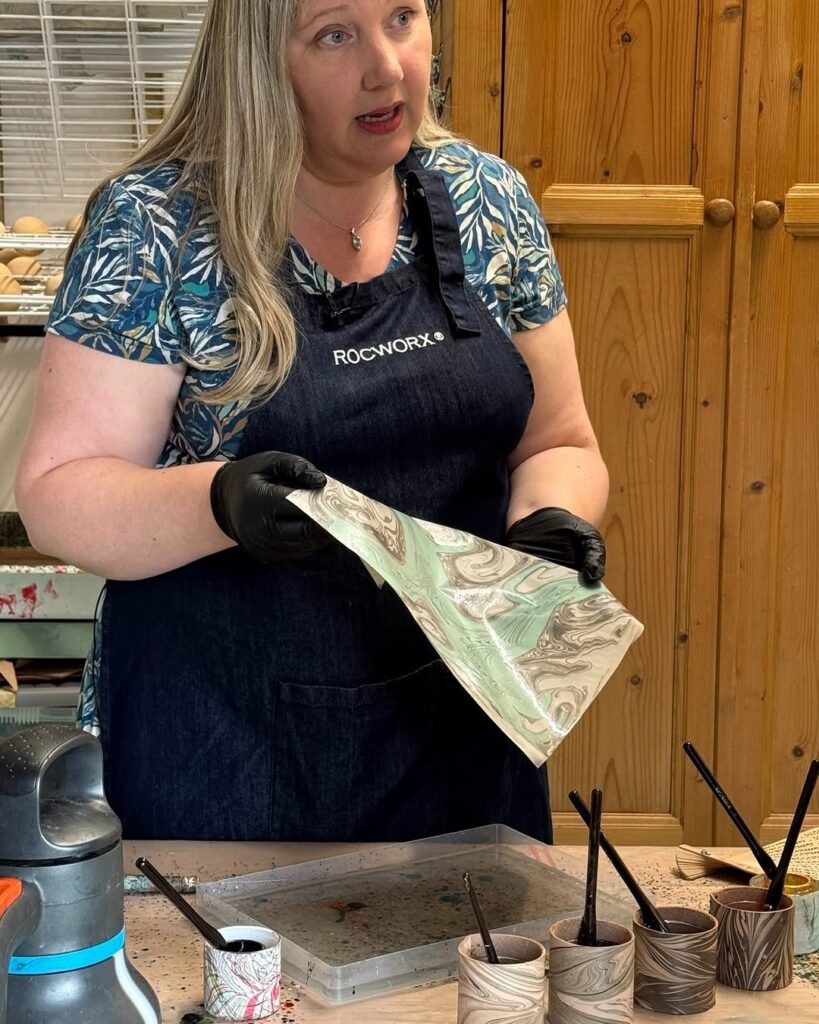
The sustainable artist from Modbury, Devon, in England, turns the material into a range of items including earrings and bracelets.She strips the leather from the shoes and then uses the traditional art of marbling to decorate it, before converting it into jewellery to sell with some of the profit going to charity.The ballerinas at the Royal Ballet and Opera get through about 6,000 pairs of pointe shoes a year.
Environmental manager at the company, Rachael O’Sullivan, says “A pair of ballet shoes will often only last a day, so they will have a rehearsal and a performance in them and then they can’t use them because the are broken quite often.They won’t provide the support they need, so that’s why we go through so many. We are obviously very keen to find ways to recycle them or give them another life if we can.
“The ballet has found a number of partnerships with other charities and community organisations for the objects they no longer need after a production including lighting and fabric, in order to be as sustainable as possible.It has been working with social enterprise company Blue Patch, which connects businesses with waste to recycle with sustainable makers who can use it.Rachel was matched with the ballet due to her skills as a leather worker and marbling artist . She has been decorating leather using European marbling techniques for the last 13 years using her own technique.She strips and cleans the pointe shoes and prepares the remaining leather before dipping it in a marbled ink pattern.The decorated leather can then be dried and shaped into earrings, cuff-links and keychains.
She says, “It’s a real privilege because the shoes are made by another heritage craft maker and I feel it’s saving it from landfill. I can repurpose something that’s danced across the stage and I’m turning it into something that’s usable and practical, but also beautiful.”The material from the ballet are free and some of the profits from sales goes to the anti-poverty charity Trusell Trust.She says she hopes that one day a famous prima ballerina might ask her to create art from their shoes.”It would be really nice to marble a whole shoe. I’ve got to work out how to do that on synthetic material,” she says.Source: Emma Ruminski – AOL.com
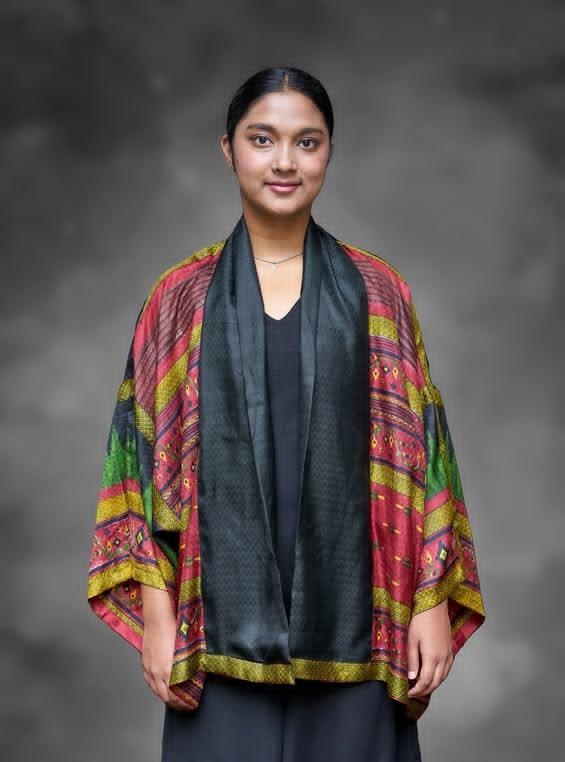
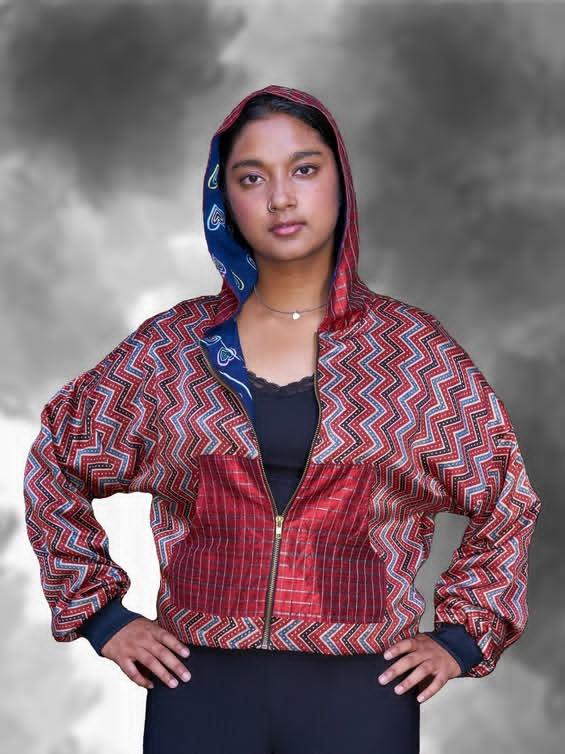
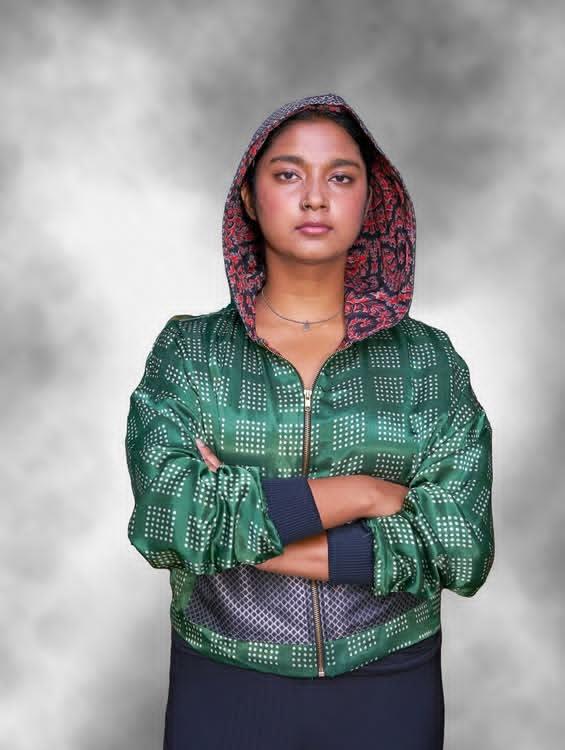
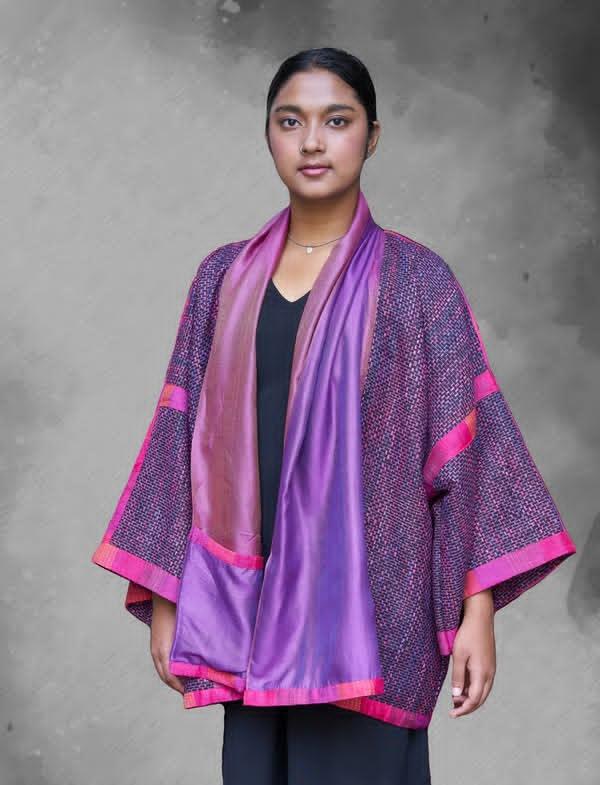
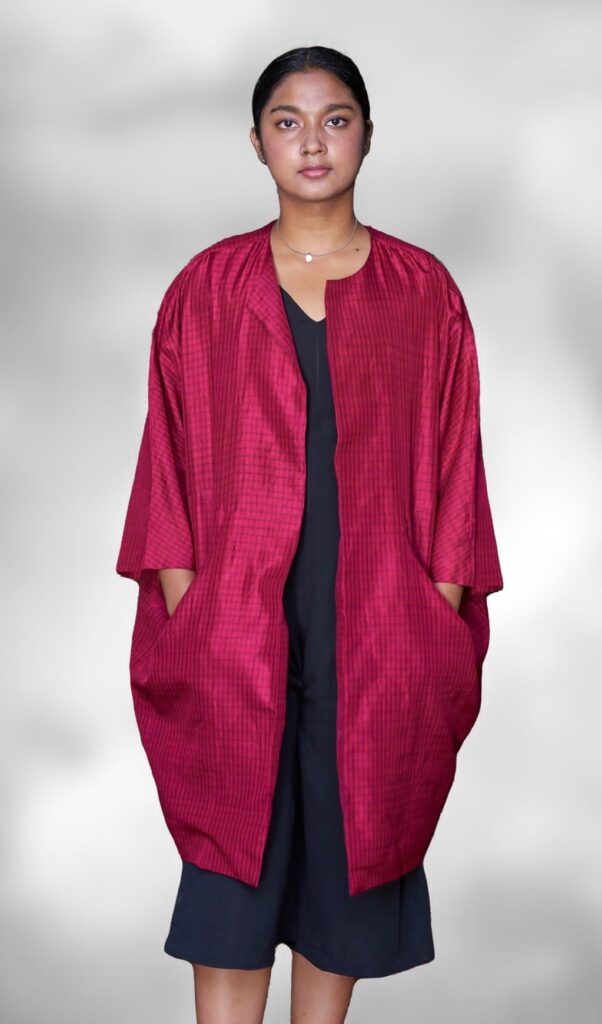
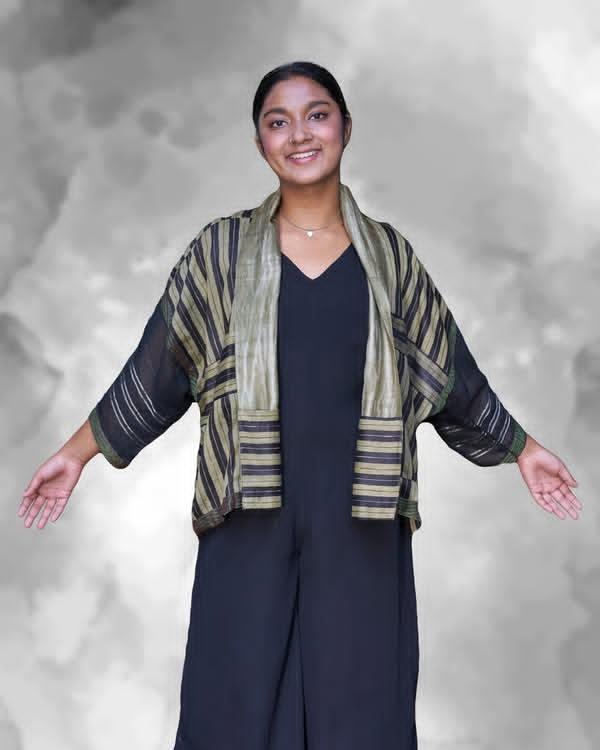
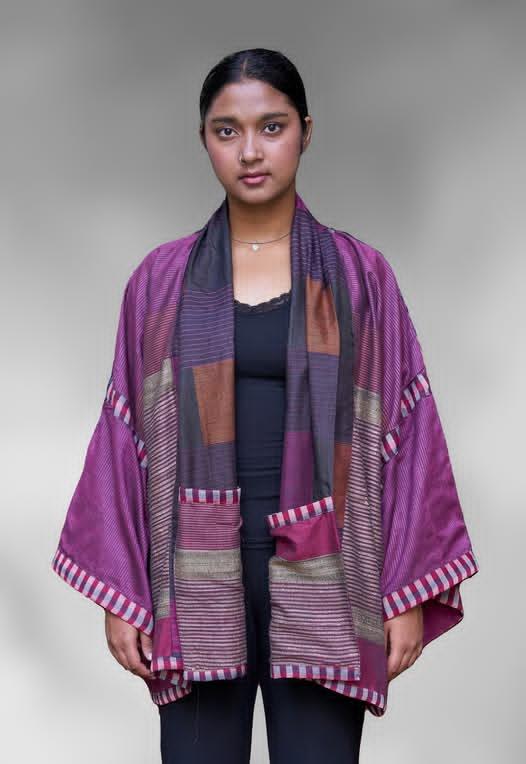
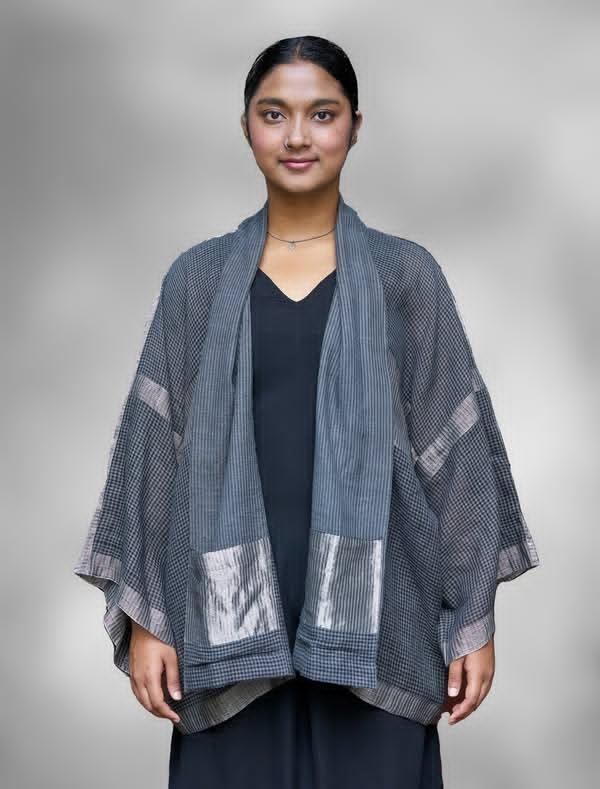
Sustainable Suz is a fashion label created by seasoned fashion designer, Susan Fernandes. Based in Bengaluru – India, the brand creates unique, upcycled clothing and accessories from traditional Indian handloom fabrics like silk, linen, and cotton, transforming old fabrics into new, contemporary pieces and providing support to artisans and weavers. For nearly decades, Susan has been on a transformative journey, harnessing the rich tapestry of India’s weaves and textures to create exquisite garments.
The brand’s mission is to promote slow fashion, ethical production, and textiles revival through its contemporary designs and upcycled creations. Sustainable Suz specializes in upcycling, giving old garments, such as sarees, and fabrics a new life and purpose, such as swaddling jackets, dresses, and trousers.
Sustainable Suz offers one-of-a-kind pieces with a focus on texture, layering, and unique designs, often featuring a blend of different fabrics to create contemporary and trendy silhouettes. Susan’s dedication to this craft remained unwavering, even during the challenging pandemic years. Amid the pandemic, Susan channelled her creative energy towards reinvention, giving birth to a distinctive collection known as ‘swatches’.
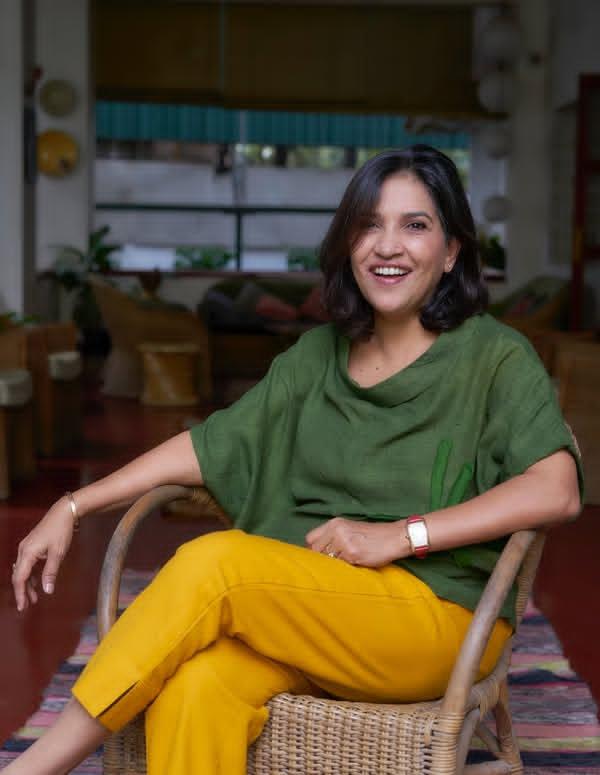
Susan Fernandes
This collection featured swaddling jackets meticulously tailored from resplendent silks, soft cottons, and elegant linens. These jackets are complemented by a range of flattering dresses and trousers, each a testament to her unyielding commitment to fashion innovation.
Susan’s work not only showcases her mastery in textile manipulation but also embodies a fusion of tradition and contemporary style. Through her signature ‘swatches’, she invites wearers to experience the allure of Indian weaves and textures in a unique and fashionable way. Susan continues to be a trailblazer in the world of fashion, elevating India’s textile heritage to new heights.