It started as a problem crop. Now it’s on every sustainable brand’s moodboard. If you’ve been around fabric long enough, you remember when hemp wasn’t fashionable. It wasn’t even an option.
Chapter 1: The Years Hemp Went Quiet
For much of the 20th century, industrial hemp was caught in regulation that had little to do with textiles. In many countries it was restricted, confused with other plants, and largely removed from mainstream agriculture.
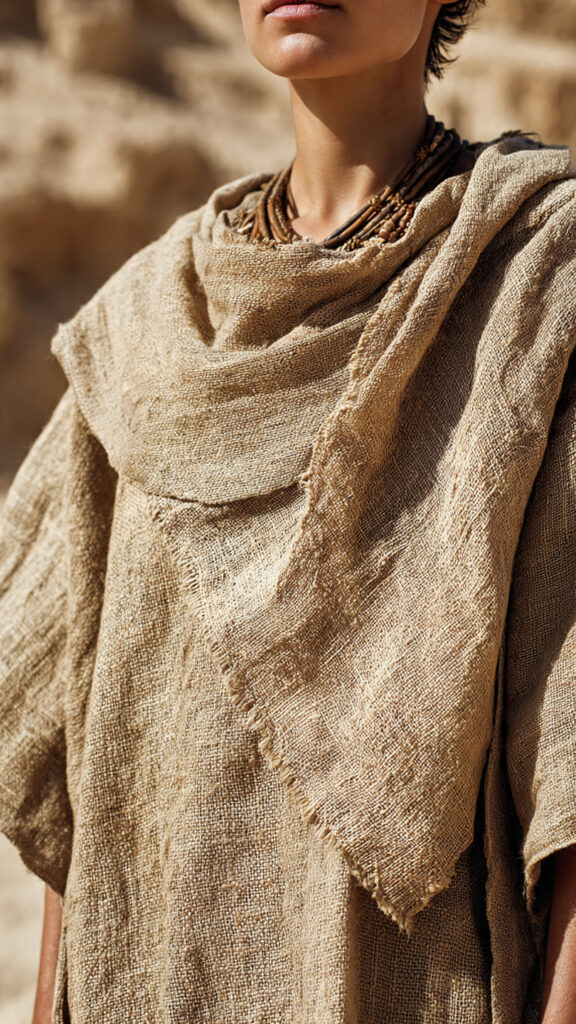
Without legal farming, there was little investment in how to process it. So the hemp that did exist was coarse. Stiff. Strong, yes, but not soft enough for garments people wanted to wear daily.
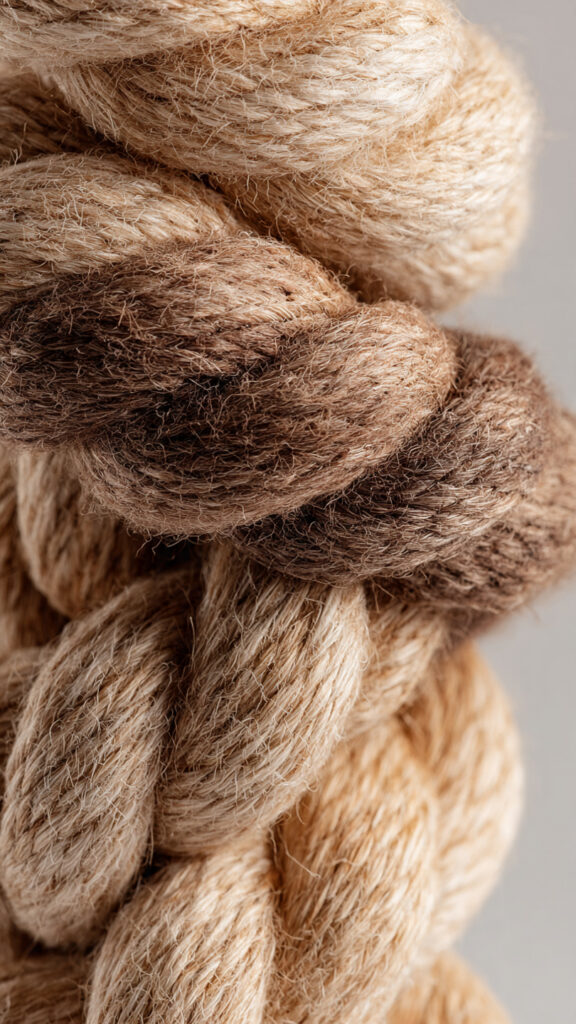
It lived in ropes, canvas, and utility cloth. Not in wardrobes. A generation of makers grew up thinking hemp meant “rough workwear,” and that idea stuck.
Chapter 2: The Return
Around the last decade, three shifts happened at once.
First, policy: More governments created clear legal distinctions for industrial hemp. That reopened farming, breeding, and research.
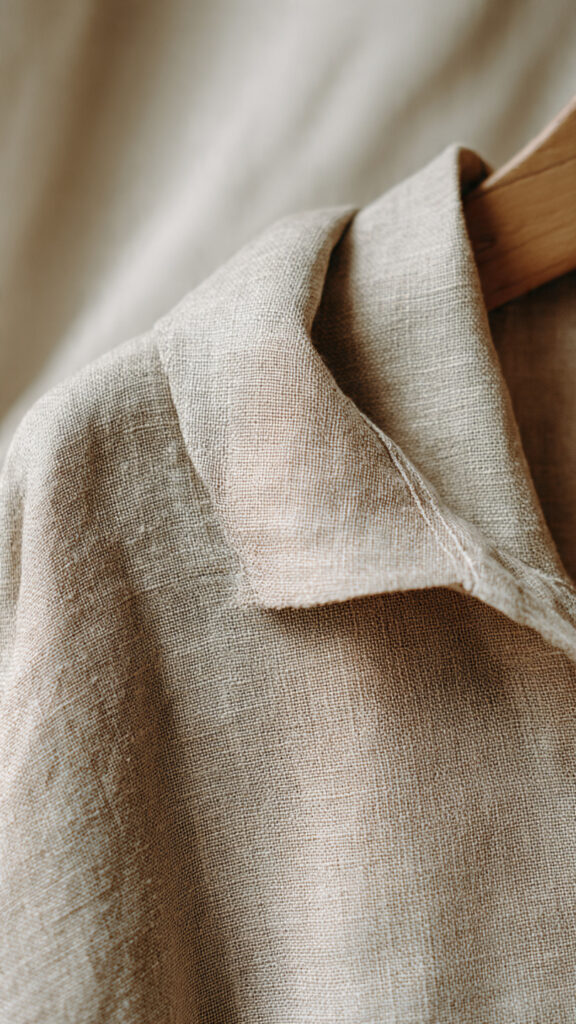
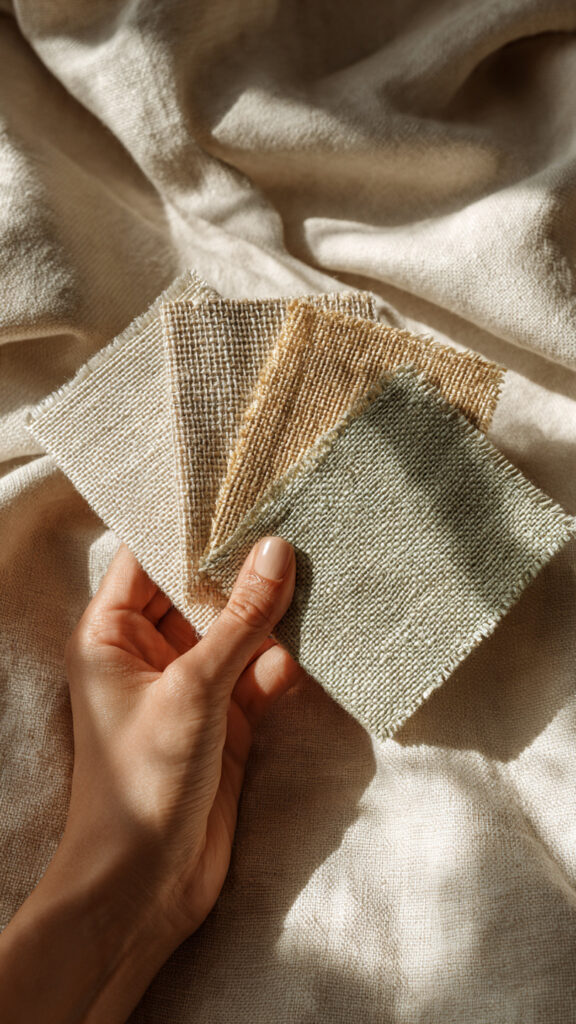
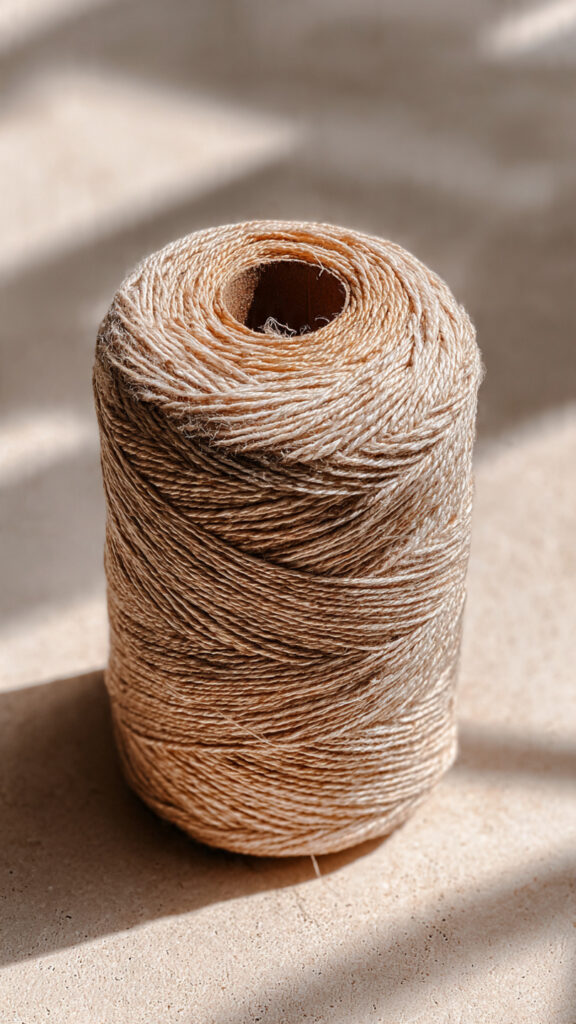
Second, processing: Mills began to refine hemp fiber differently. Longer retting, gentler softening, finer spinning. And blending. Hemp paired with organic cotton, Tencel, or recycled fibers suddenly felt different in the hand.
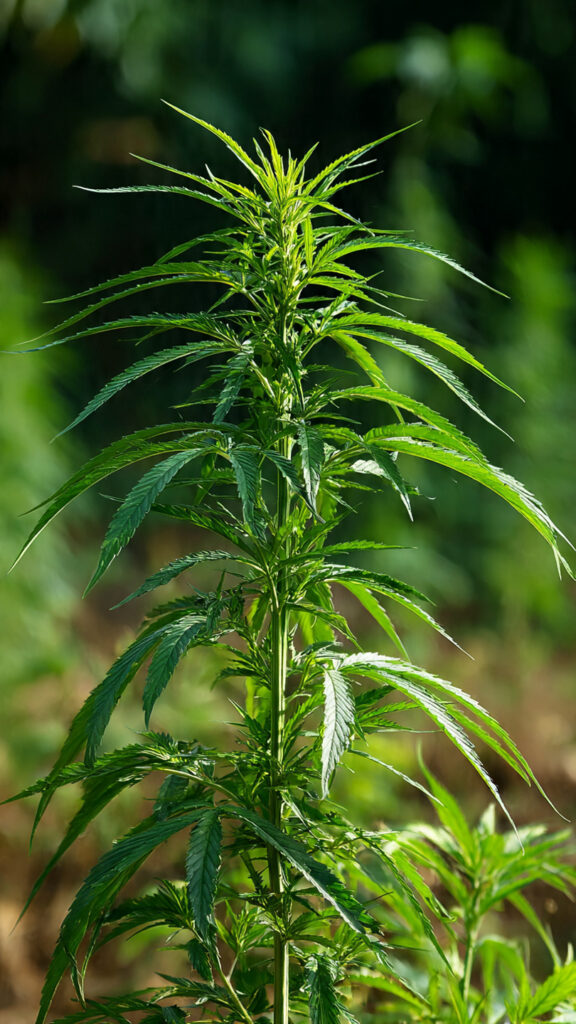
Third, demand: As more brands looked for lower-impact fibers, hemp had a strong case. It grows quickly, needs little irrigation compared to conventional cotton, and doesn’t require synthetic pesticides. It also sequesters carbon in the soil as it grows.
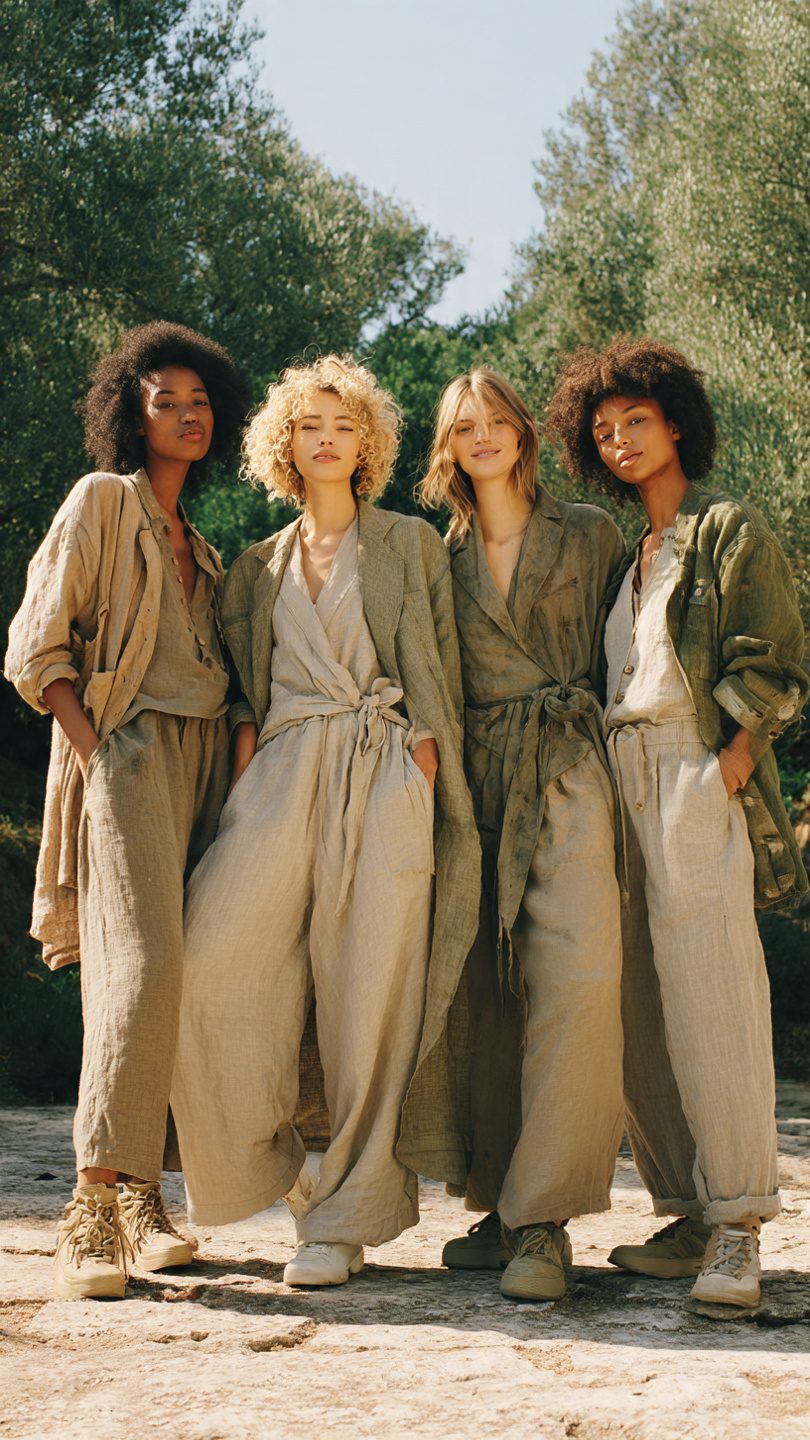
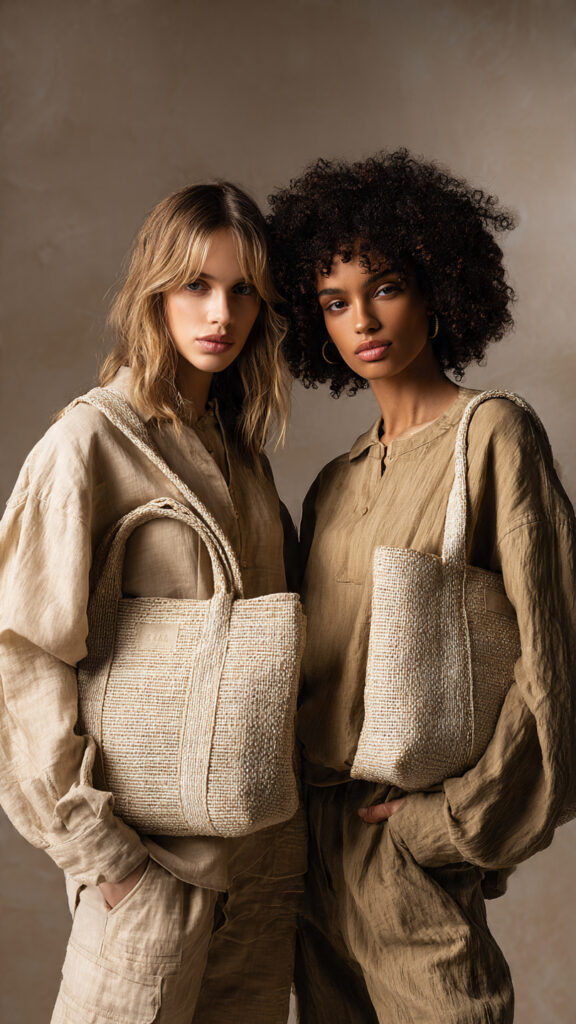
The result? By 2025–2026, hemp is no longer a niche fiber. It shows up in shirts, dresses, denim blends, and knitwear.
Chapter 3: What Didn’t Change
Here’s the part that gets missed in the trend cycle.The hemp plant itself hasn’t transformed into something new. It’s still a bast fiber. Still naturally antimicrobial. Still durable. Still breathable in heat.
What changed was access, infrastructure, and imagination. We stopped treating it like a last-resort fiber and started designing for it.
That matters, because fabric isn’t sustainable by name alone. It’s sustainable by fit.
Chapter 4: A Maker’s Checklist for 2026
If you’re considering hemp for your next garment, the question isn’t “Is hemp sustainable?” The better questions are:
1. What is it blended with, and why? 100% hemp, hemp-cotton, hemp-Tencel all behave differently.
2. Where was it processed? The softness you feel comes from processing, not the plant itself.
3. What is the garment meant to do? Hemp excels at structure, longevity, and warm-weather wear. It won’t mimic the fluidity of silk or the stretch of elastane.
Choose the fiber for the job. Not for the headline.
The Lesson in the Fiber
Hemp was banned. Then it was rough. Now it’s trendy. But the best story about hemp isn’t the trend. It’s the reminder that many “new” sustainable solutions are old solutions we finally decided to understand.
Cairo produces roughly 20,000 tons of waste every day. A huge chunk of it is plastic bags. They clog drains, blow across the desert, and burn in open dumps when no one’s watching.
Now imagine turning that into a material that looks and feels like leather. No new plastic. No water. No chemicals.That’s Plastex.
What it is
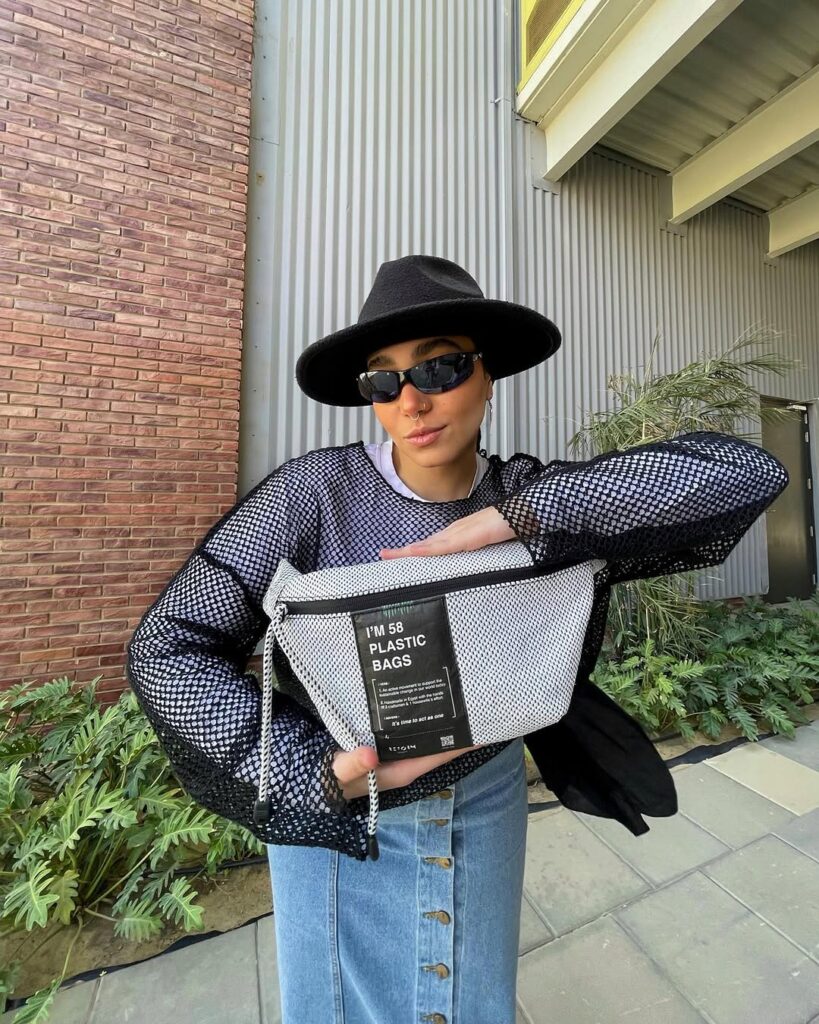
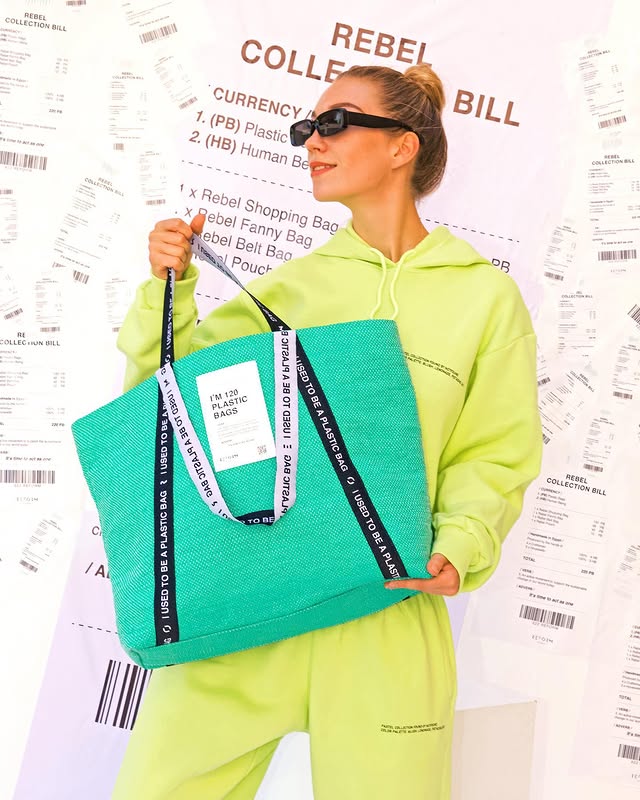
Plastex is a material made from discarded low-density polyethylene LDPE bags. It was developed by Hend Riad and Mariam Hazem at Reform Studio in Cairo.
The process is low-tech but precise. Bags are collected, sorted by colour, cleaned, and layered. Those layers go into a heat press. The plastic melts and fuses into a single sheet. Once cooled, you get a flexible, waterproof material that can be cut, stitched, molded, and treated like leather or heavy-duty fabric. It’s not woven. It’s not knitted. It’s pressed waste. And it holds up.
Reform Studio uses Plastex for bags, accessories, furniture, and experimental fashion pieces. Each sheet carries the texture and colour of the bags that went into it, so no two pieces are identical. You can see the history of the material in the surface.
Why it matters
Egypt doesn’t have a robust plastic recycling system. Most LDPE bags are too thin, too dirty, or too mixed to be processed through conventional recycling. So they end up in landfills, waterways, or burned.
Plastex intercepts that waste before it gets there. But the value isn’t just environmental. Reform Studio employs women from low-income communities to collect, sort, and prep the bags. For many, it’s the first formal income they’ve had. The material creates jobs where there weren’t any, and it does it without waiting for government infrastructure to catch up.
From a design perspective, Plastex fills a gap. Designers want alternatives to animal leather and PVC. They want materials that are durable, waterproof, and don’t rely on new petrochemicals. Plastex is all three. It’s lightweight, tear-resistant, and can be heat-welded for seamless construction.
It’s also honest. You can’t hide what Plastex is made from. The color splotches, the slight translucency, the faint texture of a plastic bag — it’s all there. That honesty is part of the appeal.
How it’s made
Think of it like making a quesadilla, but with plastic and an industrial heat press.
First, plastic bags are sorted by colour and washed. Contamination ruins the sheet, so this step matters.
Next, the bags are layered flat. The number of layers determines thickness. More layers, more structure. Fewer layers, more flexibility.
Then the stack goes into a heat press. Heat and pressure melt the layers together into a solid sheet. No adhesives. No solvents. Just thermal bonding.
Once cooled, the sheet is stable. It can be cut with standard tools, stitched with industrial needles, and molded with heat. Reform Studio treats it like leather in the workshop. The difference is, the raw material cost them nothing.
The whole process uses no water and no additional chemicals. That’s rare in material production.
The bigger question
Plastex is clever. But it’s not a closed loop.The material is still plastic. It won’t biodegrade. At the end of its life, it can be recycled into more Plastex, but only if the system exists to collect and reprocess it. Right now, that system is largely Reform Studio itself.
So here’s the tension: is turning waste into premium goods just aestheticising the problem? Are we making overconsumption look good?
My take is this. Plastex doesn’t solve overproduction. Nothing does, except producing less. But it does two things that matter right now.
One, it changes how people see waste. A plastic bag isn’t trash the moment you throw it out. It’s a raw material with value. That shift in perception matters more than most people admit.
Two, it creates income in places where the waste economy is informal and exploitative. The women working with Reform Studio aren’t just cleaning the environment. They’re earning from it.
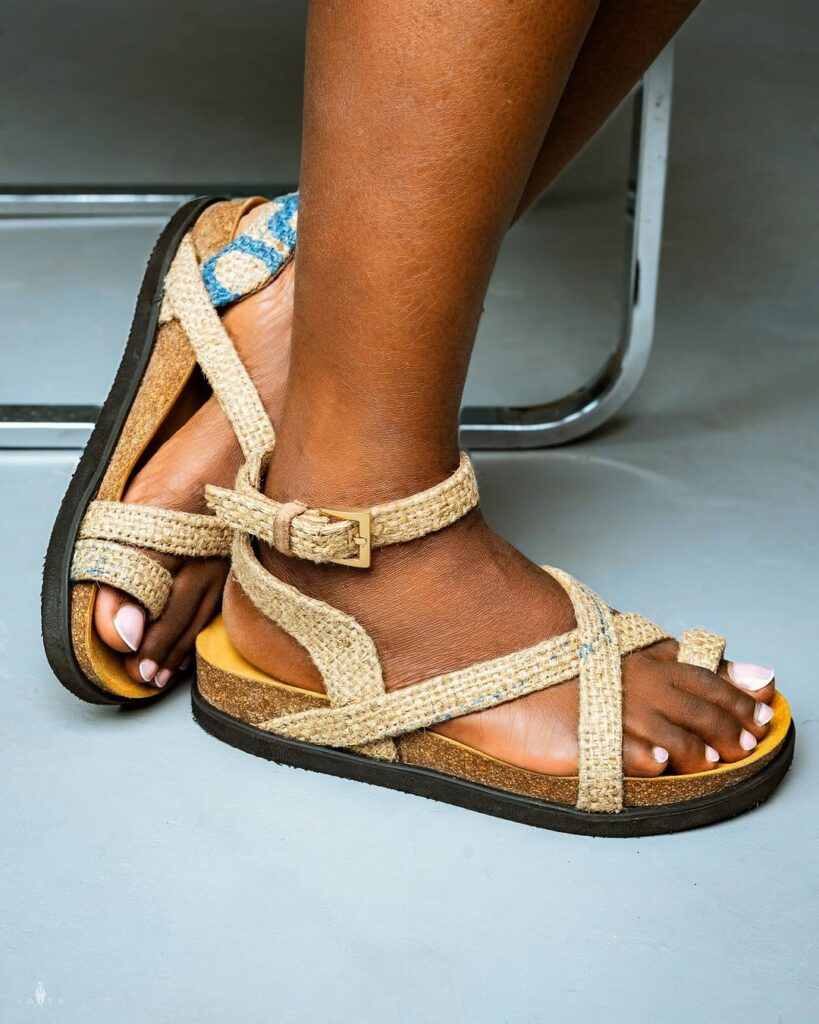
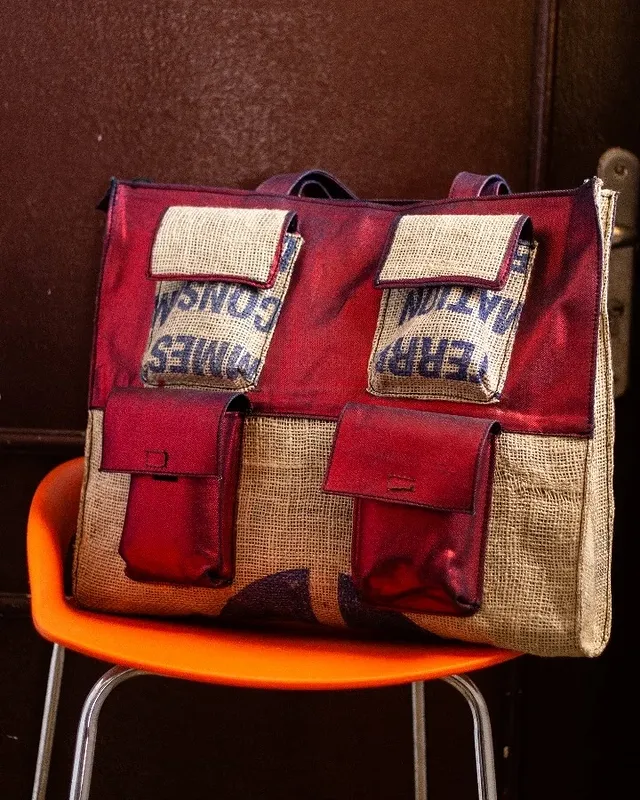
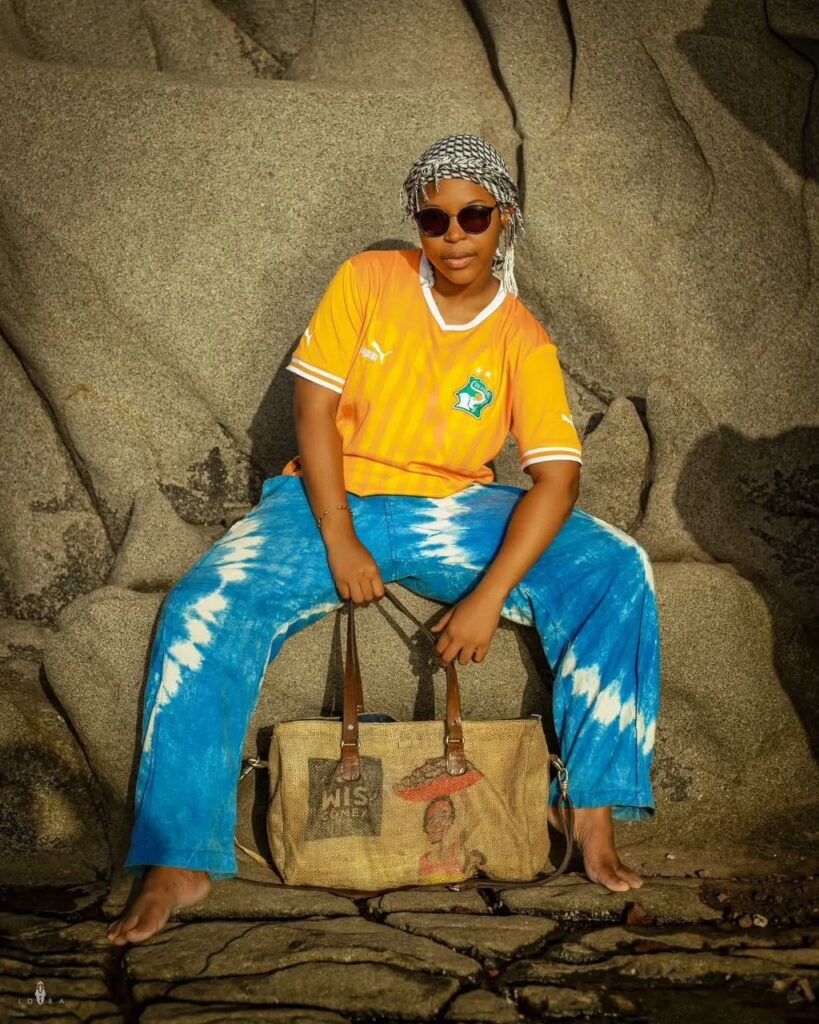
Founded by Kerim Patrick Boucher and Noura Bourahima Boucher, the Dakar-based brand turns discarded burlap and leather offcuts into durable, gallery-worthy design.
KB Upcycling is a Senegalese brand proving that waste materials can be the basis of serious design. Founded in Dakar in April 2022 by Kerim Patrick Boucher and Noura Bourahima, the studio works with materials most fashion brands discard: burlap sacks, leather offcuts, fabric scraps, and used rice bags.
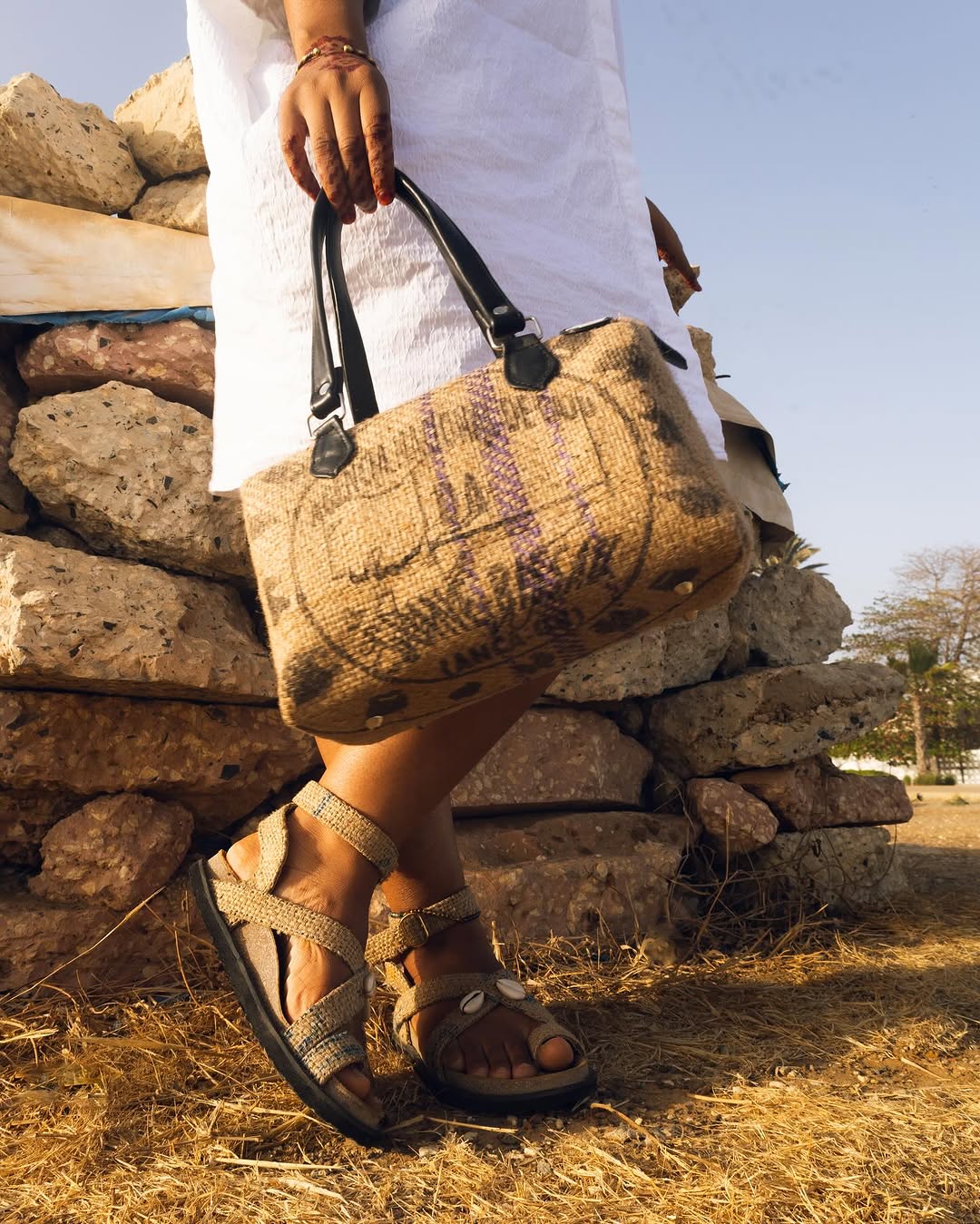
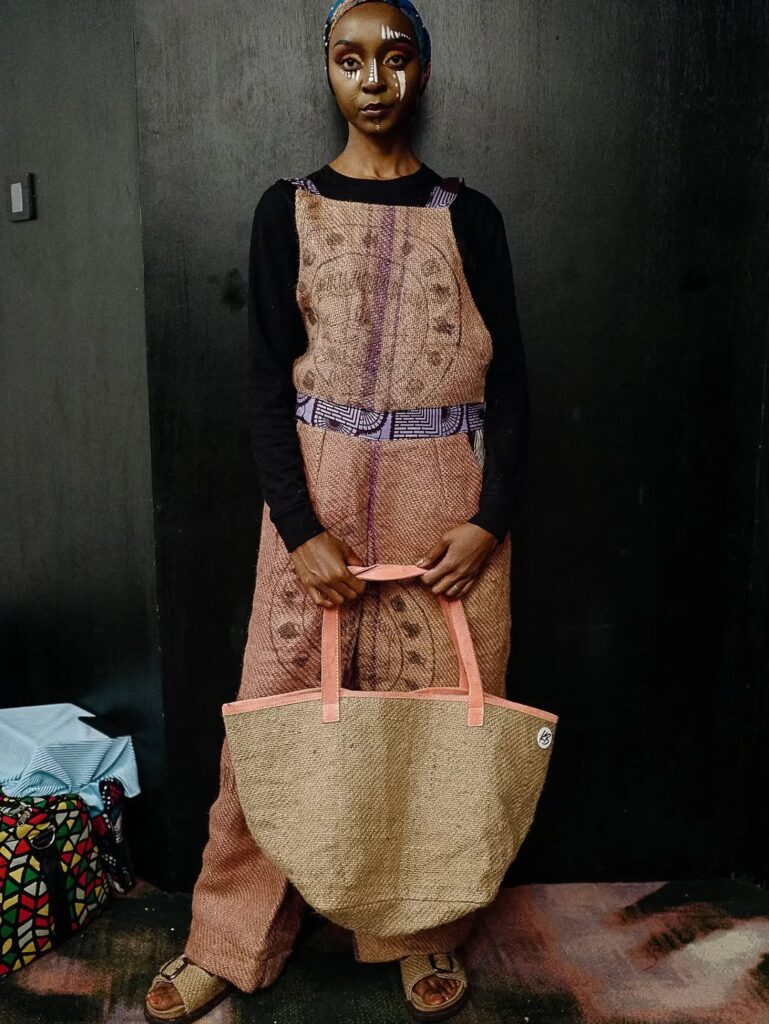
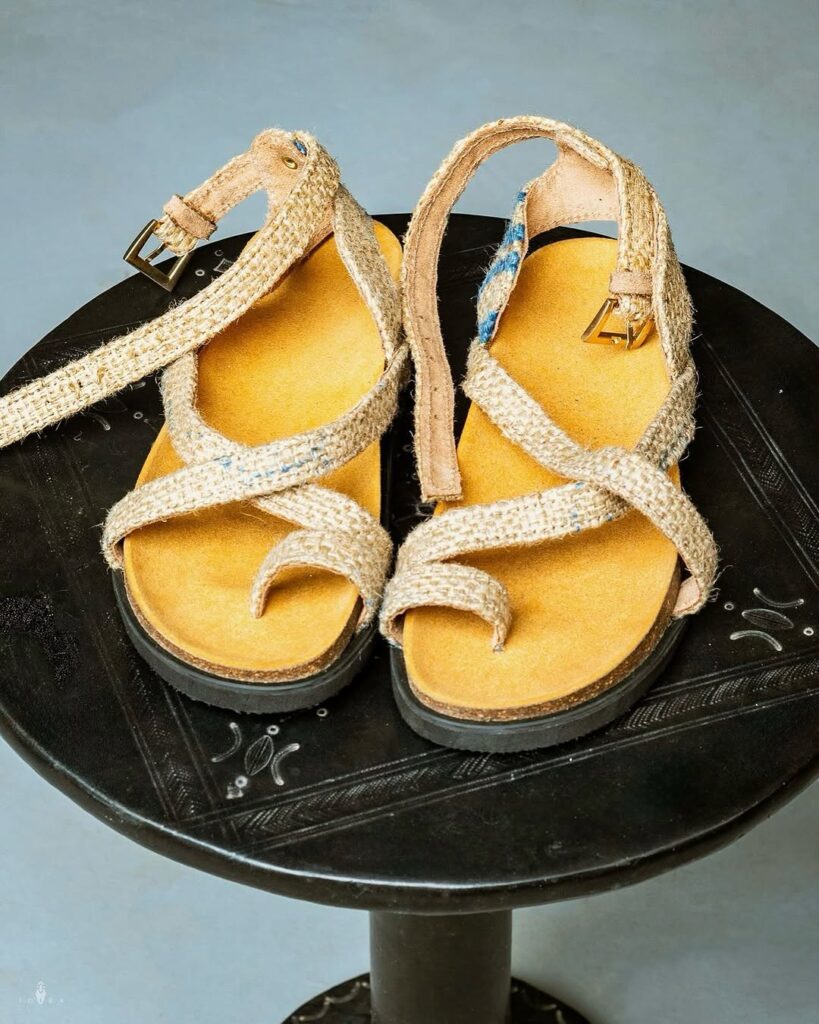
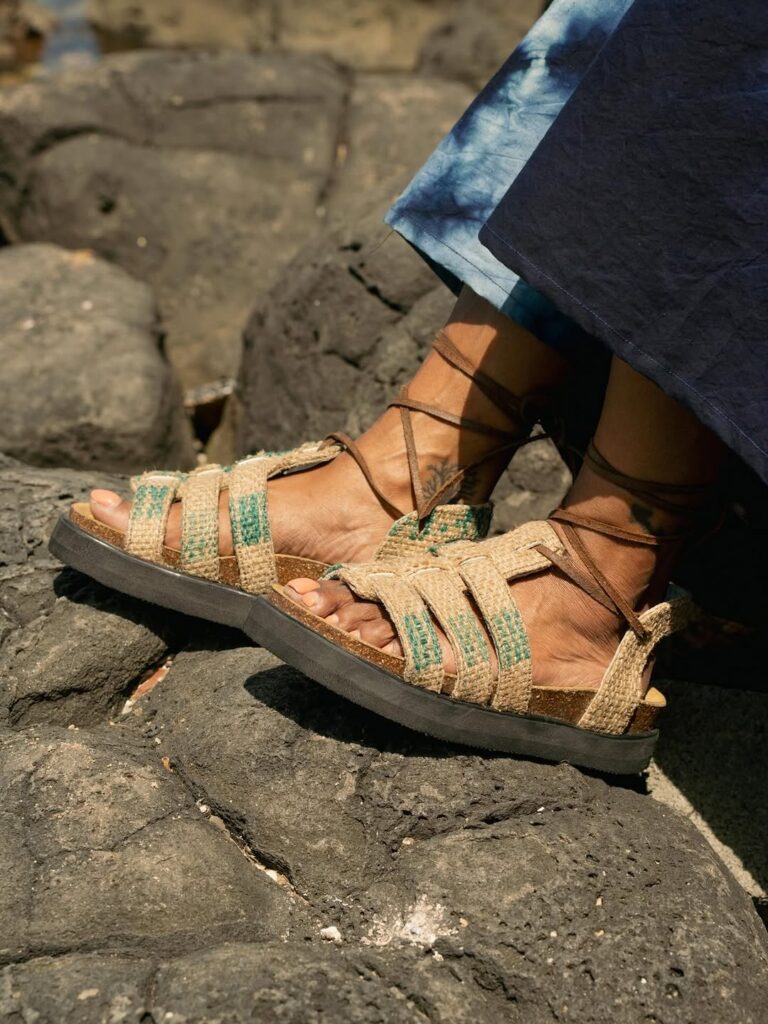
The brand’s core material is burlap, known locally as toile de jute. In South Africa, the same rough, woven cloth is called hessian. It is made from jute plant fibers, which are biodegradable, require little water to grow, and are abundant in West African markets. KB Upcycling sources used burlap locally, then washes, dries, and cleans it by hand before production begins.
Their approach treats recycling as the foundation of the design process, not an add-on. The brand’s stated philosophy is: “Le recyclage éduque la mode, la mode donne du sens au recyclage” which means, “Recycling educates fashion. Fashion gives meaning to recycling.”
This guides a production model that prioritises local resources, small-batch craftsmanship, and material honesty. The burlap’s natural tan colour and open weave are left visible in the final products rather than covered up.
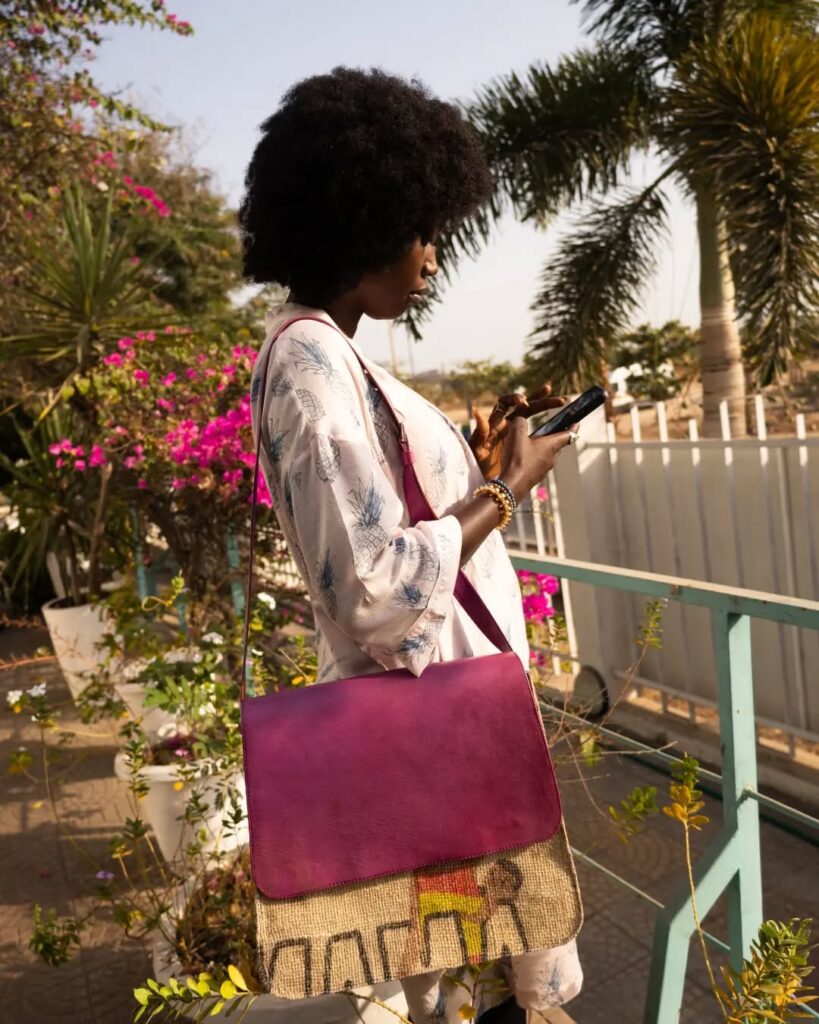
The result is a range of accessories, shoes, and clothing where the origin of the material is part of the design. Structural totes and architectural footwear are made from the cleaned burlap, often combined with reclaimed leather collected from local tailors. The pieces are designed to be durable, functional, and to suit different styles.
KB Upcycling describes its work as mode écoresponsable and artisanat sénégalais which is eco-responsible fashion and Senegalese craftsmanship. The brand states that it is “deeply rooted in the values of transmission,” referring to artisanal skills and responsible production methods. Because jute is biodegradable and the studio sources its primary materials as waste, the environmental impact is kept low from the outset.
The brand’s model is relevant to current zero-waste conversations in South African fashion. As local designers confront issues of textile waste and reliance on imports, KB Upcycling offers an example of regional, low-impact production that uses materials already in circulation.
The brand also states that each of their creation tells a story of transformation; from waste to creation, useful, responsible, and designed to suit all personalities and styles.”
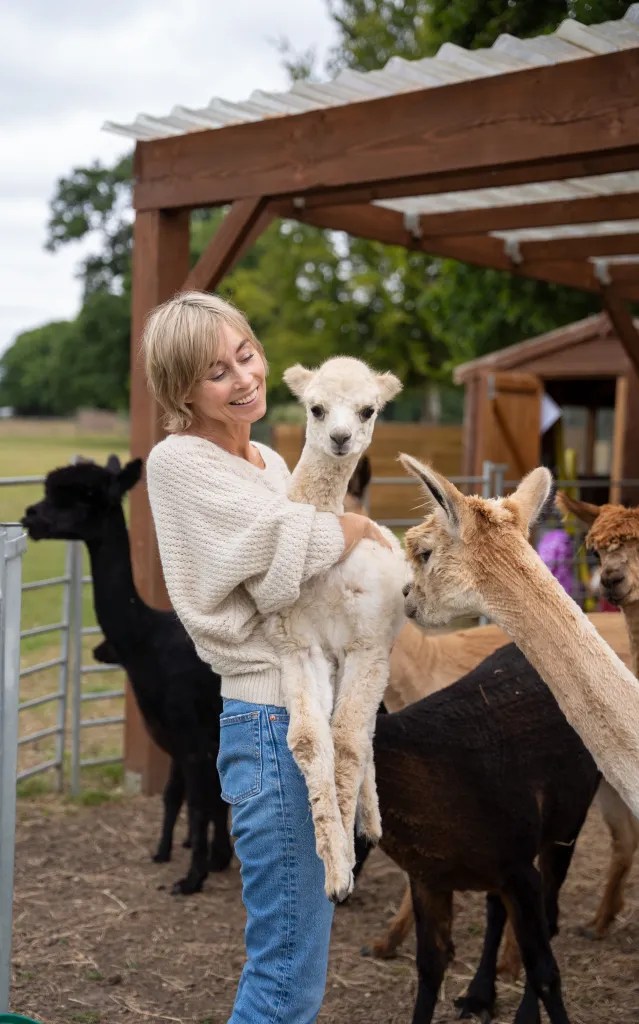
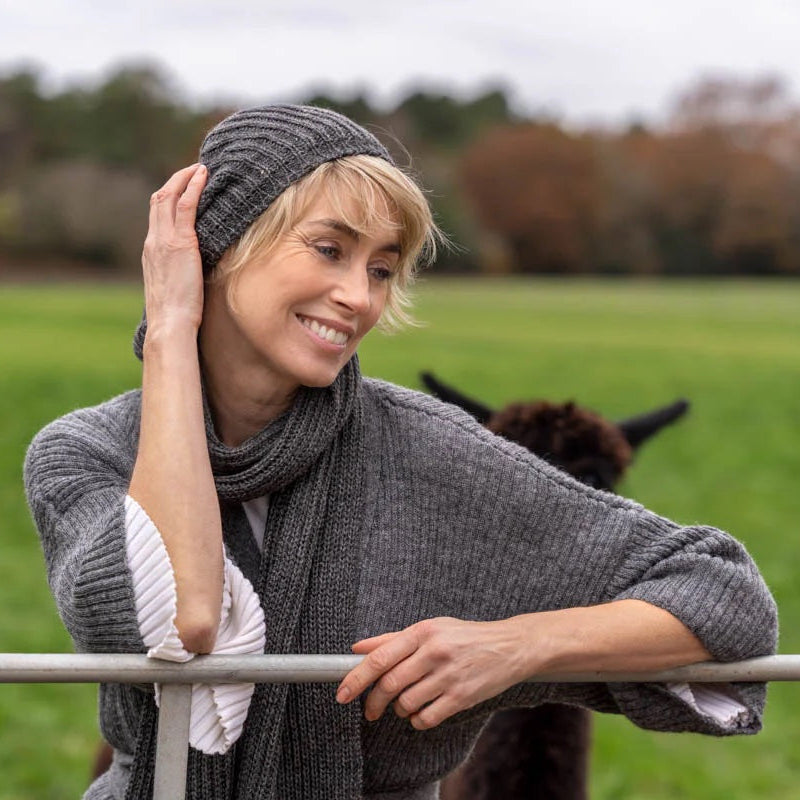
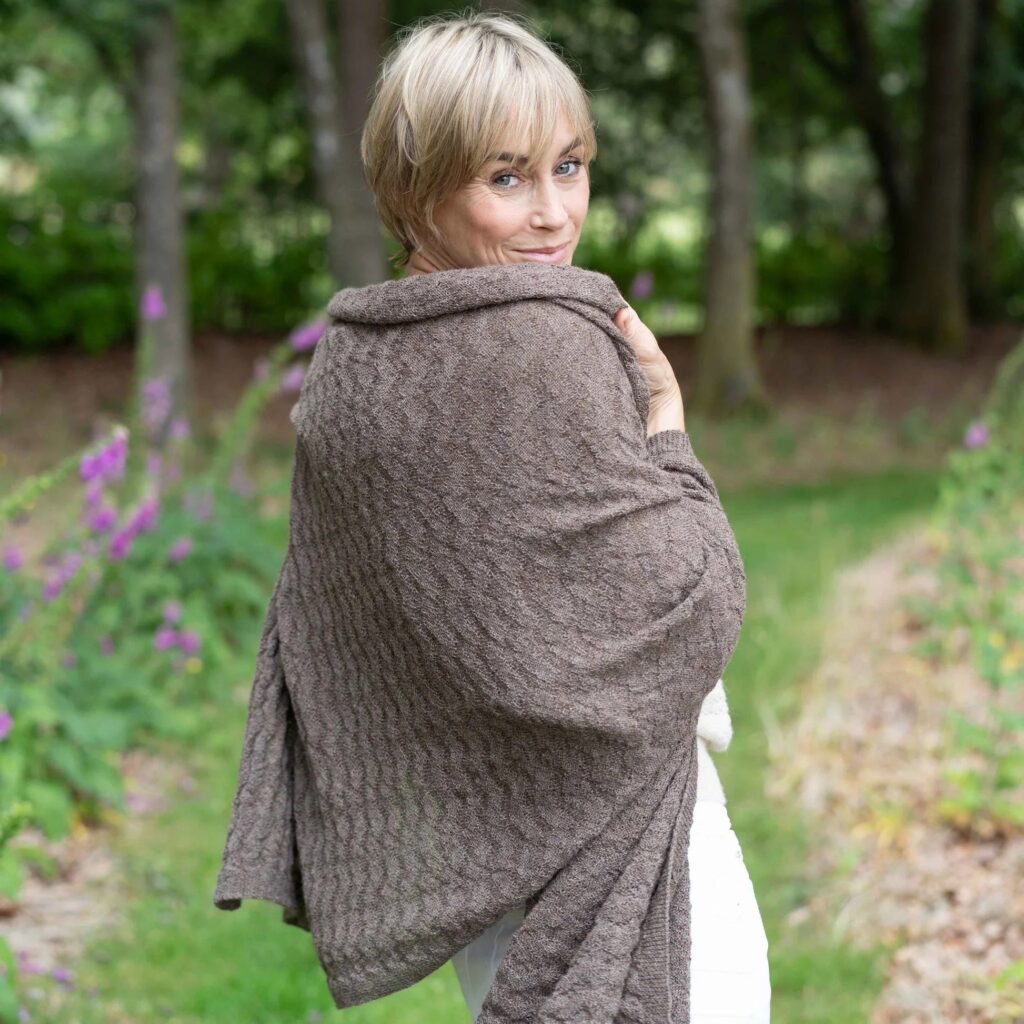
In the heart of Hampshire, a revolution is unfolding in the world of fashion. Alpaca Apparel, the brainchild of model Claire Turner, is redefining the boundaries of sustainable style. Their approach is built on a foundation of eco-conscious principles, woven together with a passion for quality and exclusivity.
At the core of Alpaca Apparel’s philosophy is an unwavering commitment to eco-friendly materials. The brand’s obsession with alpaca wool is more than just a trend – it’s a deliberate choice. This natural, biodegradable fiber is not only gentle on the skin but also kind to the planet. Its hypoallergenic properties make it perfect for those seeking comfort without compromise.
“The fibre is sourced from my own alpacas and local friends’ herds. That way I know exactly where each fleece comes from and can claim true traceability,” says Claire.
But sustainability goes beyond just materials. Alpaca Apparel’s minimalist approach to production ensures that exclusivity and environmental responsibility go hand-in-hand. By crafting only 20 pieces of each design, they’re slaying the fast-fashion beast, one gorgeous garment at a time. Each piece is a limited edition, imbued with a unique charm that sets its wearer apart.
The brand’s dedication to local sourcing is another string to their eco-bow. By partnering with UK-based suppliers and artisans, they’re not only reducing their carbon footprint but also injecting vitality into the local economy. It’s a win-win for everyone involved.
Claire Turner
Perhaps most inspiring, though, is Alpaca Apparel’s commitment to regenerative farming. Their farming practices are designed to nurture the land, prioritizing soil health, biodiversity, and animal welfare. It’s a holistic approach that sees the brand as part of a larger ecosystem, rather than apart from it.
The result of this meticulous attention to detail? A collection of garments that are as kind to the planet as they are stunning on the wearer. From statement pieces to wardrobe staples, Alpaca Apparel is crafting a new narrative in fashion – one that’s equal parts sustainable, stylish, and sophisticated.
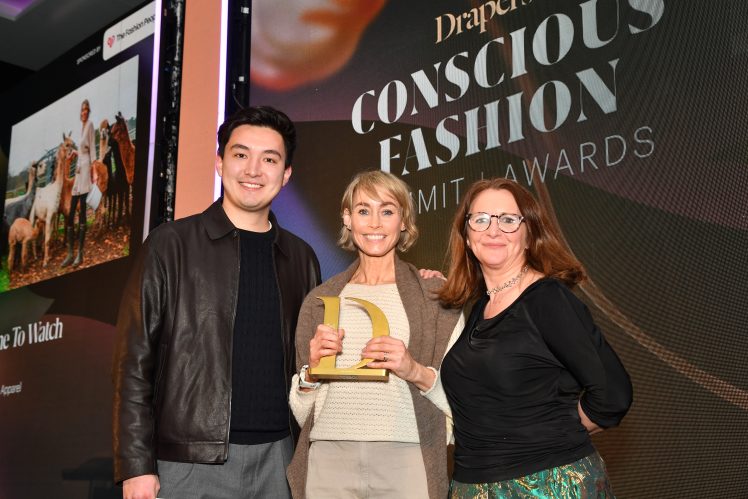
And recognition is pouring in – Alpaca Apparel has just won the Drapers “One to Watch” award at the Drapers Conscious Fashion Awards 2026.
“We’re thrilled to receive this award,” says Claire Turner, Founder of Alpaca Apparel. “Sustainability is at the heart of everything we do, and we’re committed to pushing the boundaries of eco-friendly fashion.”
With prices ranging from £95 for a capelet to £325 for a batwing jumper, investing in Alpaca Apparel is a chance to join the sustainable fashion revolution. Each garment is a testament to the brand’s values – intricate knitwear, elegant designs, and a deep respect for the planet. When you wear Alpaca Apparel, you’re not just making a fashion statement – you’re making a statement about the kind of world you want to live in.
As Claire Turner puts it, “We’re not just creating clothes – we’re creating a movement. One that’s rooted in sustainability, driven by passion, and designed to inspire.” And with Alpaca Apparel’s stunning collections, that’s a message that’s resonating loud and clear.
Fuguku is an Indonesian sustainable fashion brand founded in 2023 by Savirra Lavinia. Fuguku contributes to sustainable fashion through its use of recycled materials, the preservation of traditional artisanal techniques, and a commitment to social empowerment.
Their design approach supports the concept of circular fashion and minimizes waste. The brand blends the traditional Indonesian Jumputan technique with the Japanese Bai Shibori method to create unique, spiky textures and patterns.
By adapting these traditional methods, they honour cultural heritage while innovating for a modern, eco-conscious market. This innovation minimizes waste and embodies the brand’s commitment to sustainability.
Through these integrated practices, Fuguku demonstrates that fashion can be both stylish and a statement of environmental and social values. Fuguku’s products, including their signature “Fugu” bags, their debut product line, are crafted from 100% recycled polyester derived from reclaimed PET bottles and plastics found in oceans and landfills.
The Fugu bag designs are inspired by the pufferfish, symbolising adaptability and self-expression, and blend traditional craft techniques with innovative design.
Indonesia’s Jumputan is a type of tie-dye textile created by tying and dipping fabric in dye and Bai Shibori is a type of Japanese shibori; a manual resist dyeing technique, that creates patterns resembling the shape of a bai shellfish.
Fuguku is committed to ethical labour practices by empowering local women artisans, many of whom are homemakers, to work from home. This provides them with work opportunities while balancing family responsibilities, building stronger communities and ensuring fair wages.
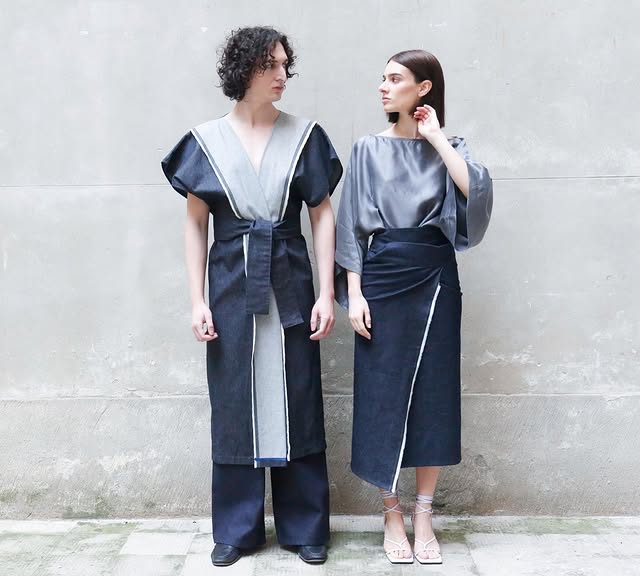
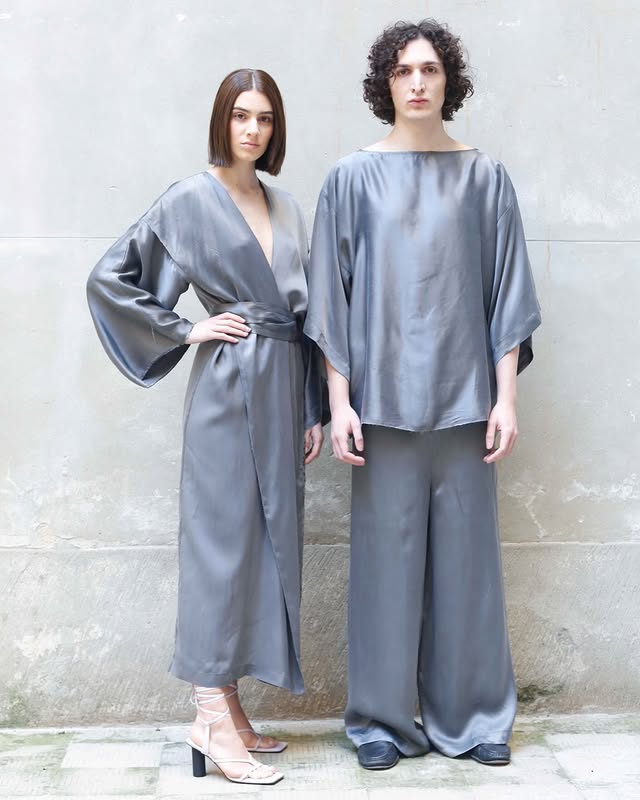
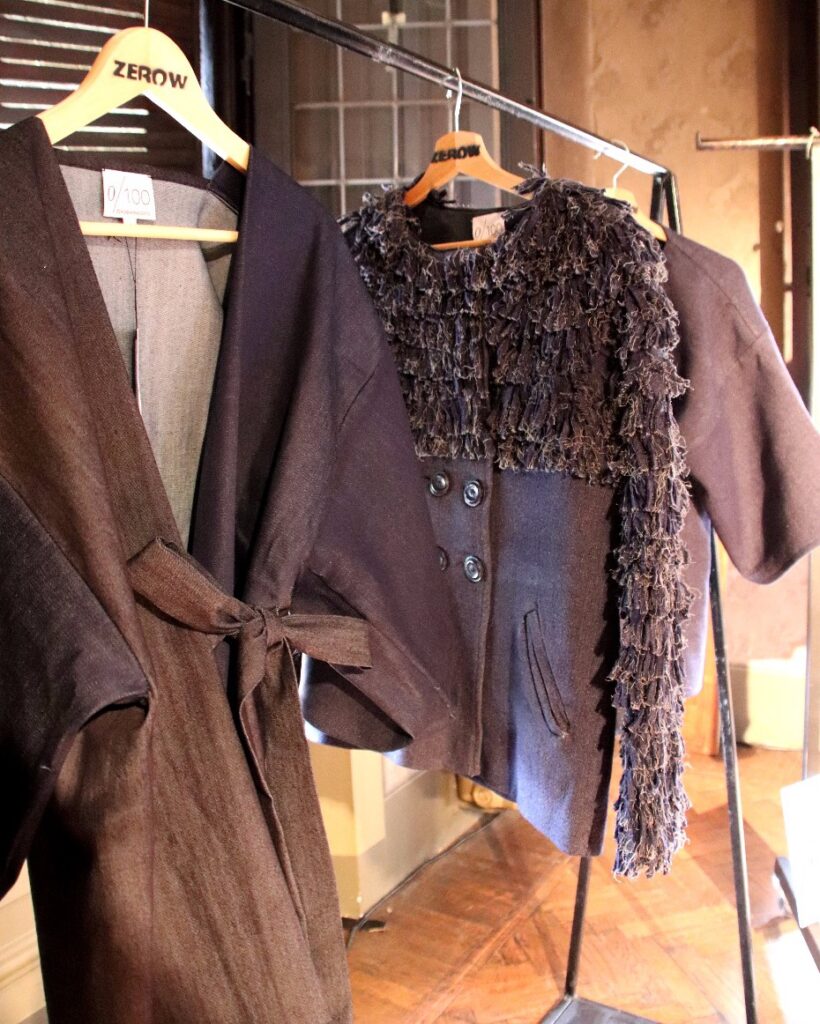
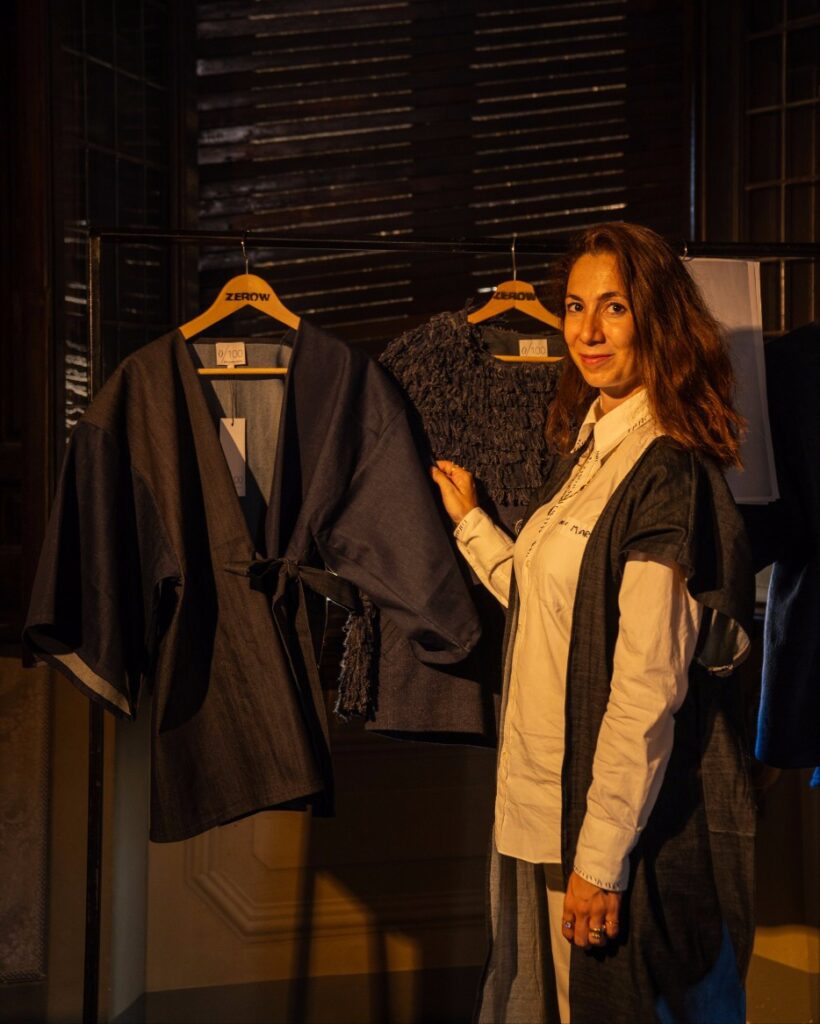
Zerobarracento is an Italian outerwear brand focused on sustainability through a zero-waste design process that maximizes fabric use and creates durable, gender- and age-inclusive garments.
The brand utilises innovative zero-waste pattern making technique where garments are designed to use every part of the fabric, like a puzzle, to eliminate waste at the source.
This technique is a core part of their philosophy, and the brand extends the commitment to a full 360-degree approach by also using monofibre products to make recycling easier and avoiding accessories that are hard to disassemble.
The pattern pieces are strategically designed to fit together perfectly on the fabric, using the entire piece of material. This is an intentional and integrated design process where the dimensions of the garment and the textile must align from the start.
Camilla Carrara, founder and designer of Zerobarracento says this isn’t just a pattern-making method for Zerobarracento; it’s a commitment to a holistic, zero-waste approach that involves the entire production process.
“At ZEROBARRACENTO sustainability has been at the core of the brand since the beginning through our design mission. From that, we continuously expand our attention into a traced supply chain, careful selection of sustainable materials and eco-packaging. As a small brand we hold the highest control over our suppliers. In each collection, the patterns are developed according to a zero – waste pattern making, an innovative design technique that allows to use the fabric in its entirety, with no waste at the design stage of a garment, which is usually around 15%,” she says.
Camilla Carrara
The brand is transparent about its supply chain and uses high-quality materials from carefully selected suppliers. They also use monofibre products and avoid difficult-to-disassemble accessories to ensure the entire garment can be recycled at the end of its life.
According to Carrara, Zerobarracento was created not to revolutionise, but to restructure and re-shape the values of the fashion industry, escaping seasonal trends and restrictions imposed by age and gender.
The brand is a certified project under the European Commission’s WORTH Partnership Project. The brand also promotes its Zero Waste Automated Fashion Manufacturing (Z.W.A.F.M.) project, which aims to bring zero-waste production to an industrial scale.
Zerobarracento has partnered with Xylene to showcase the transformative potential of digital product passports and traceability, achieving unprecedented levels of transparency in its collection.
This ongoing onboarding and data collection process ensures compliance with ethical standards and regulations. It also exemplifies Zerobarracento’s commitment to environmentally responsible practices and fair labour. With digital product passports, customers can make informed choices, supporting a brand dedicated to transparency, sustainability, and ethical production.