Research indicates that upcycling fashion is a growing global trend, with its market projected to reach approximately $16.7 billion by 2032. It also indicates that this growth is driven by increased environmental awareness and a demand for sustainable products.
Designers are upcycling globally due to its environmental benefits, such as reducing textile waste and conserving resources, and the economic advantages of creating new products from existing materials. But it is also a way for designers to express creativity, and build unique, valuable items that resonate with a growing demand for sustainability.
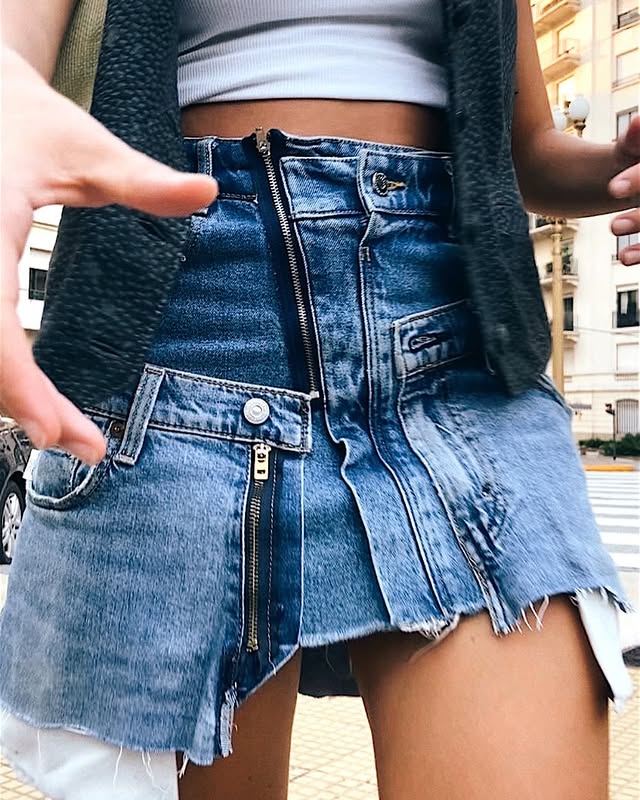
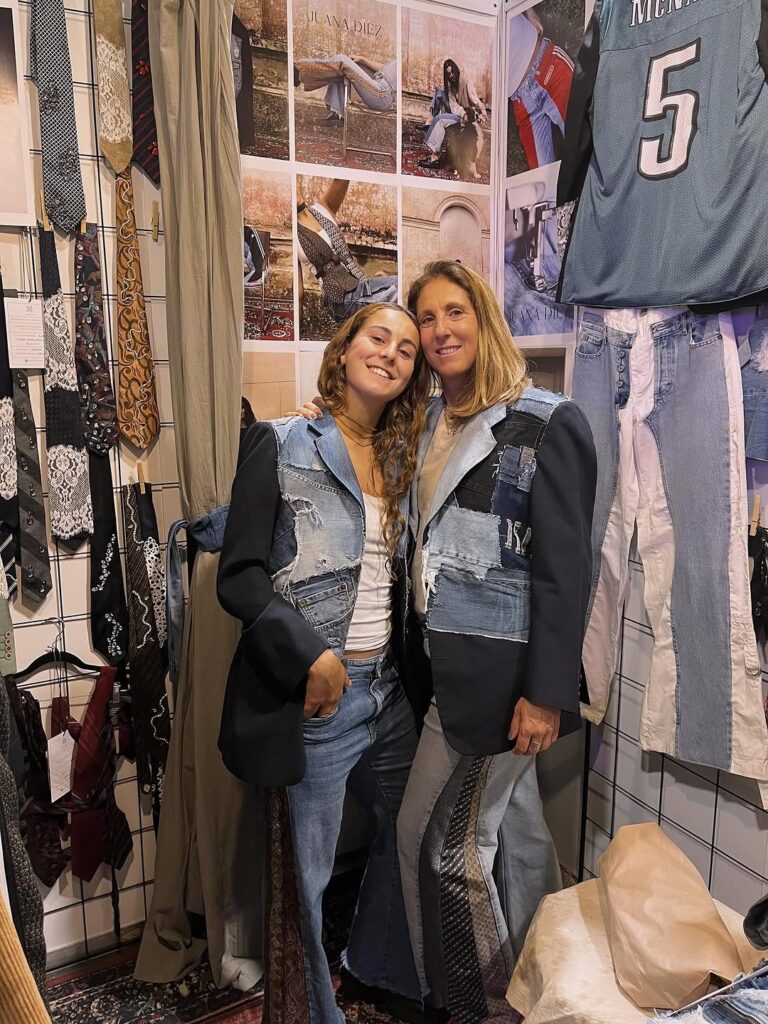
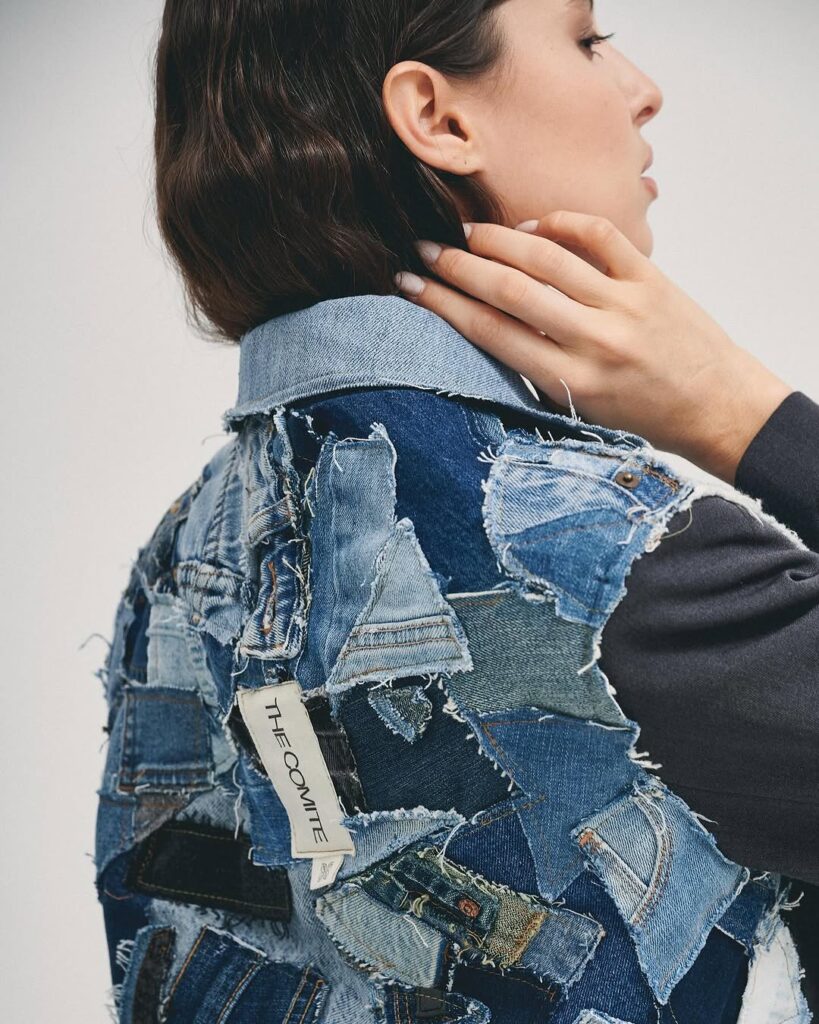
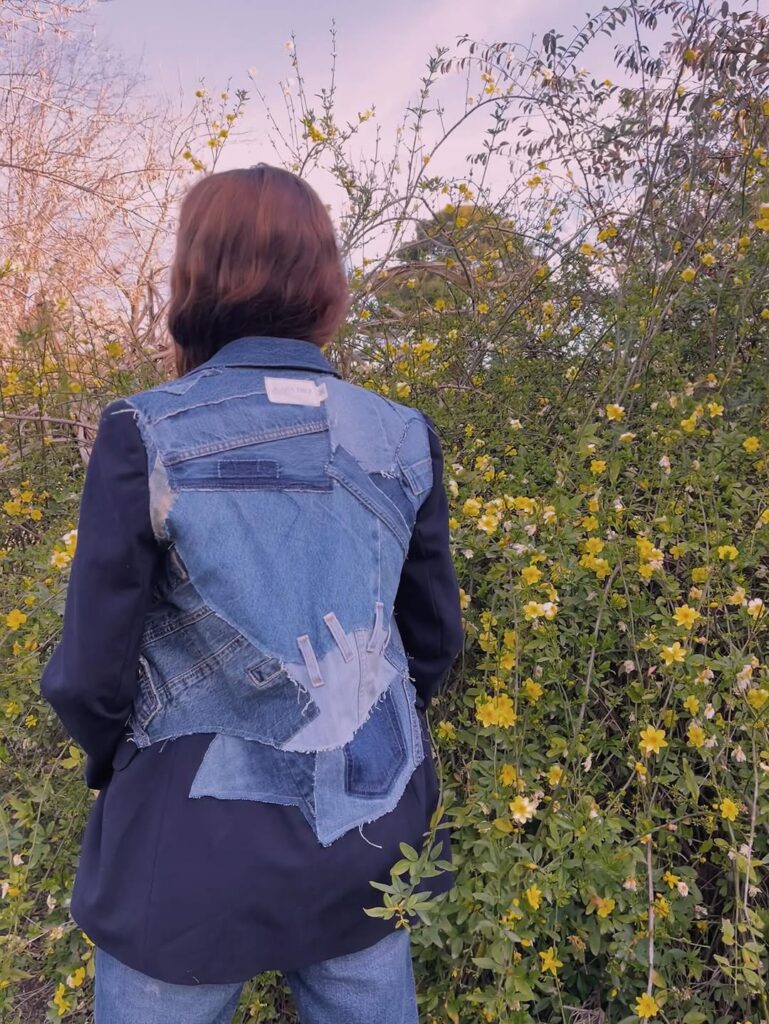
The Comité by Juana Diez
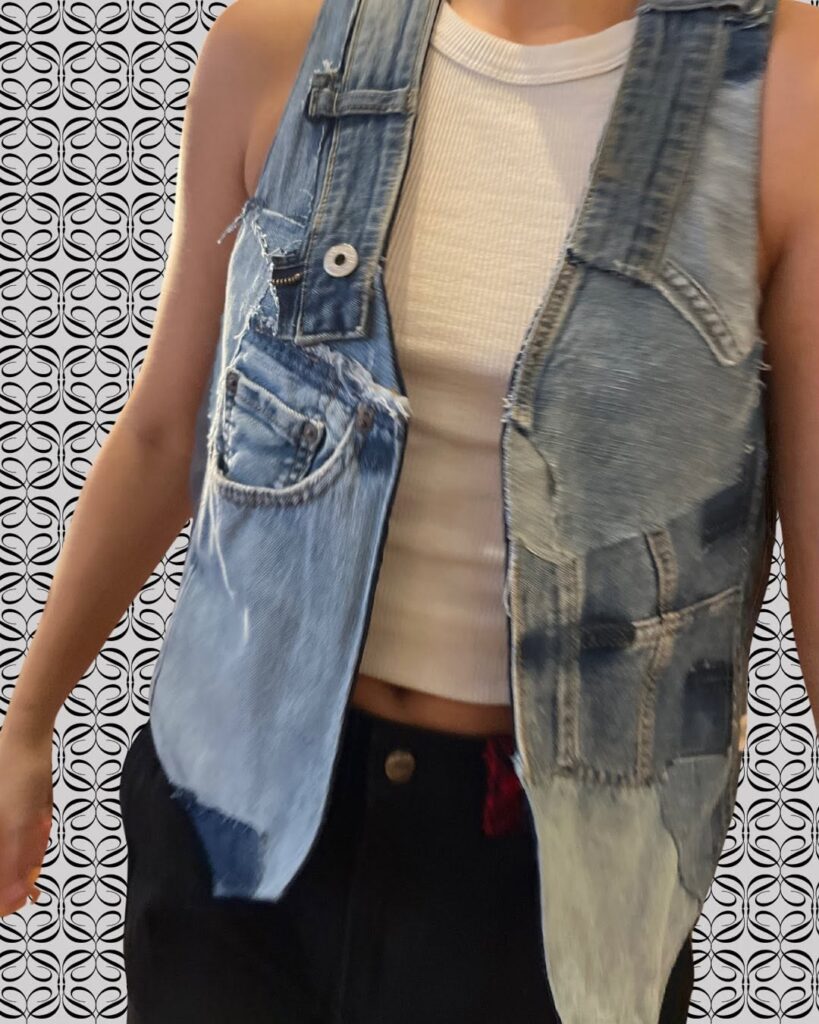
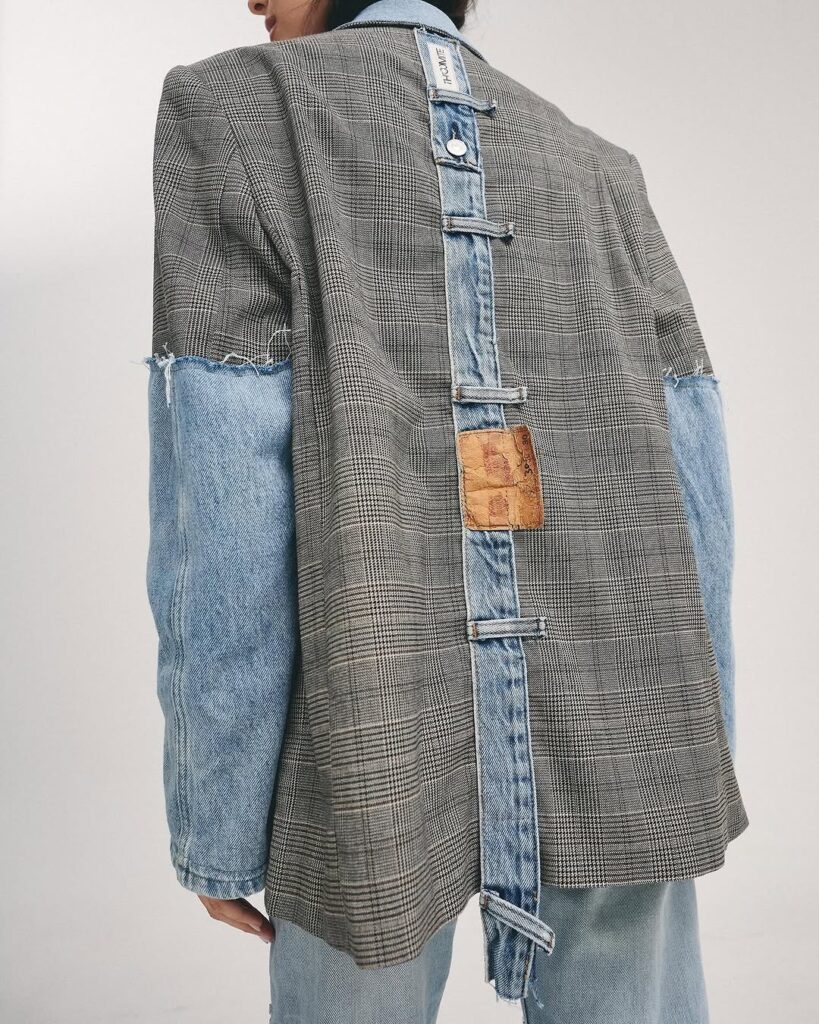
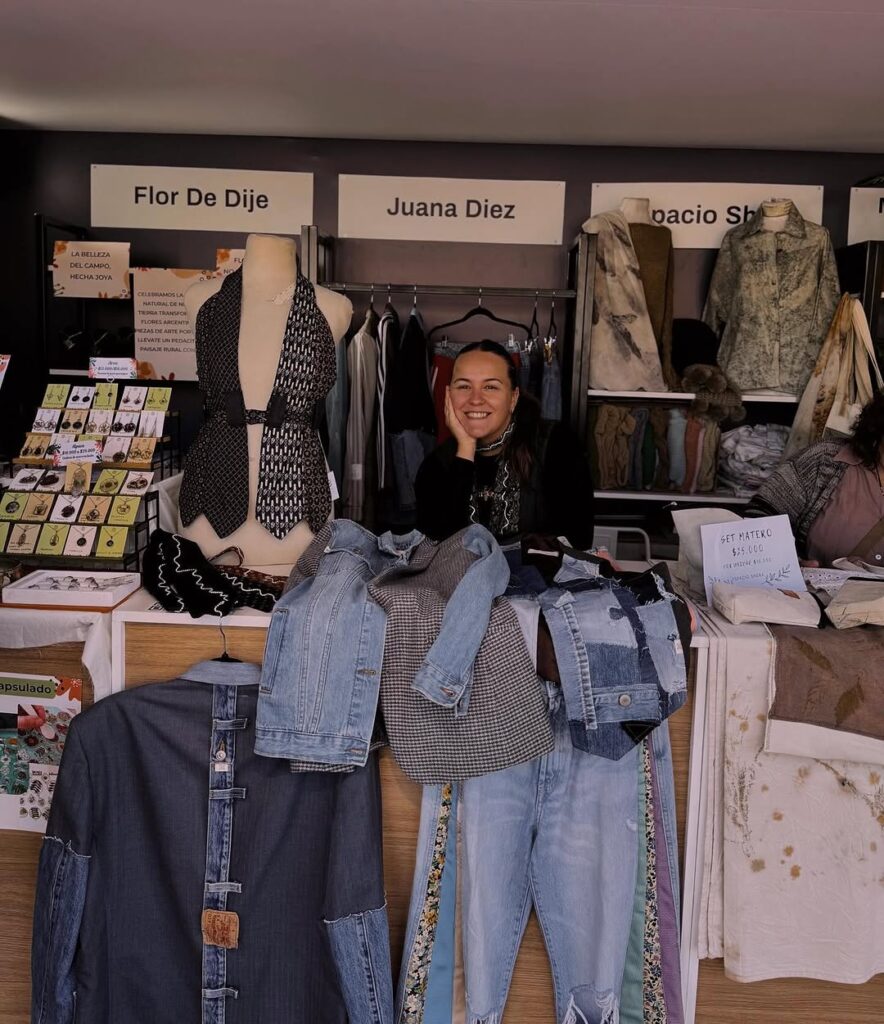
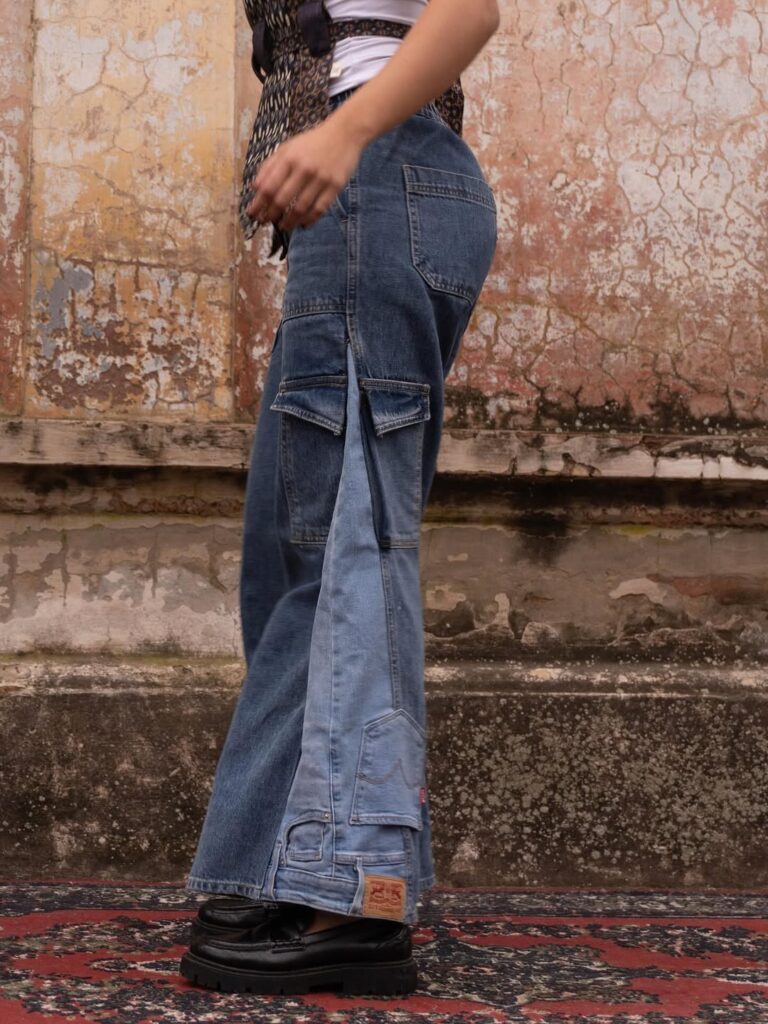
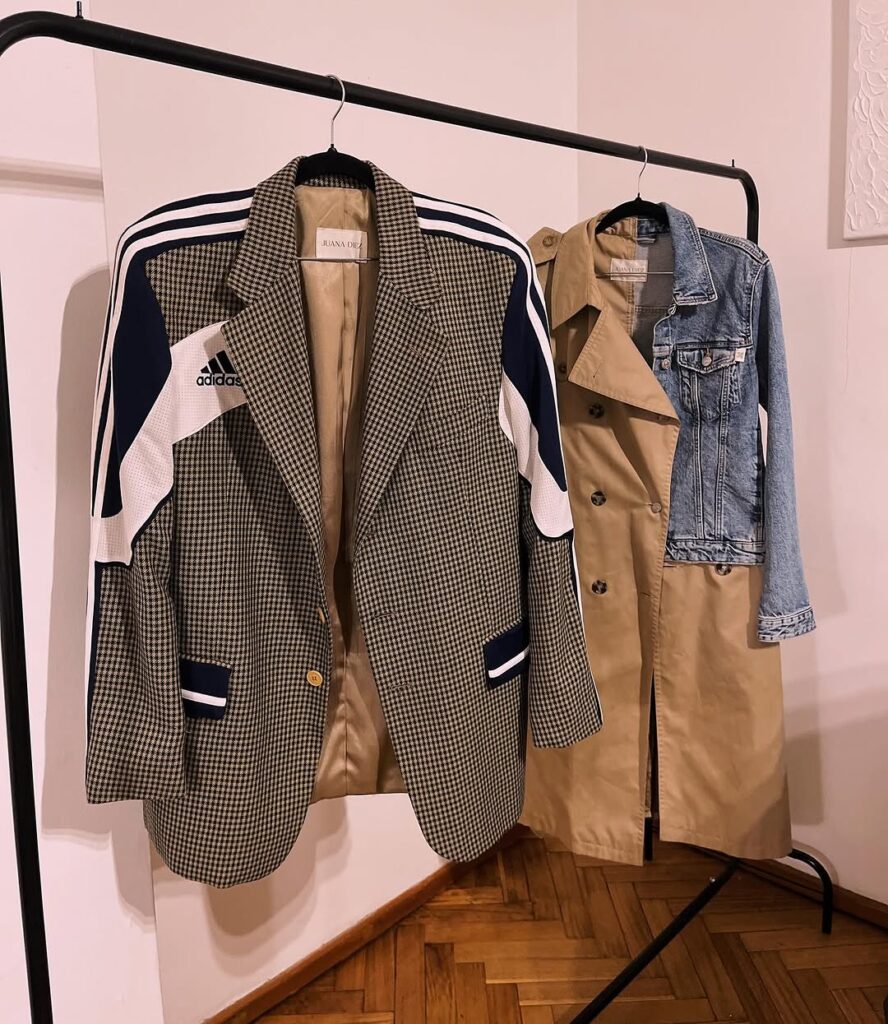
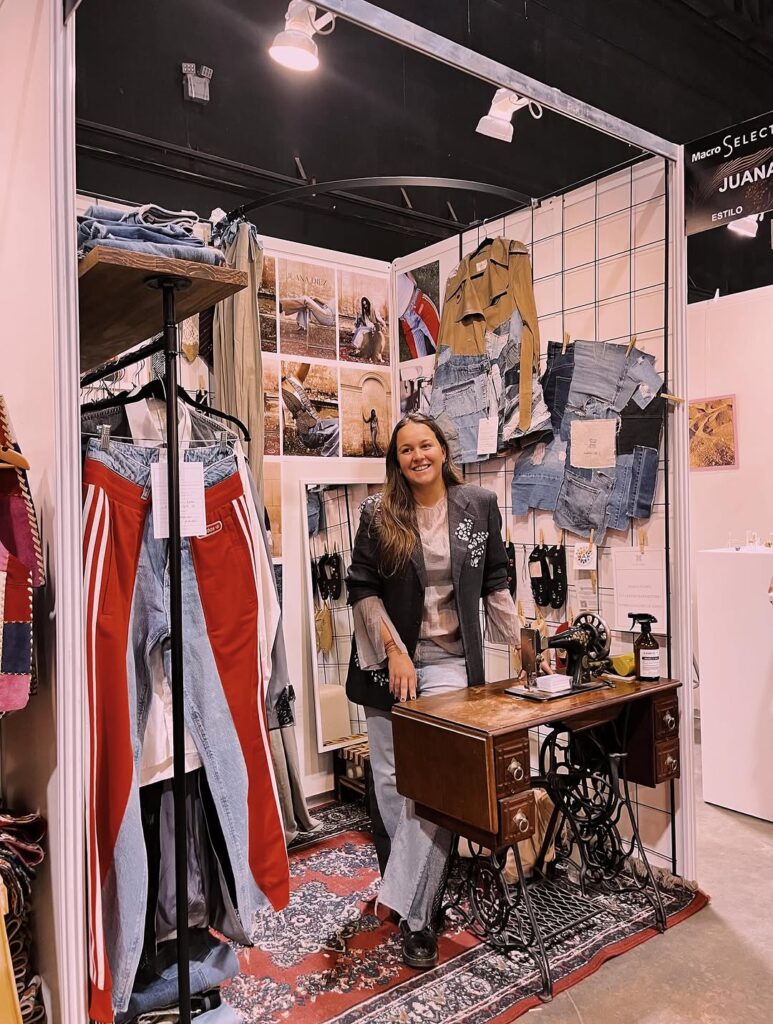
For Juana Diez de Tejada, the idea of her namesake brand, Juana Diez was born from the idea of transforming what’s already out there. Juana says she established the brand in February this year, to challenge fast fashion and show that sustainability can also be bold, creative, and contemporary. She says she wanted each piece to reflect that mission, and to create beauty with purpose.
The upcycling fashion brand, based in Buenos Aires – Argentina, promotes sustainable fashion by giving new life to existing materials through creativity, craftsmanship, and attention to detail.
Upcycling fashion is proving to stimulate creativity among designers, thereby allowing designers to transform discarded materials into unique, high-value products.
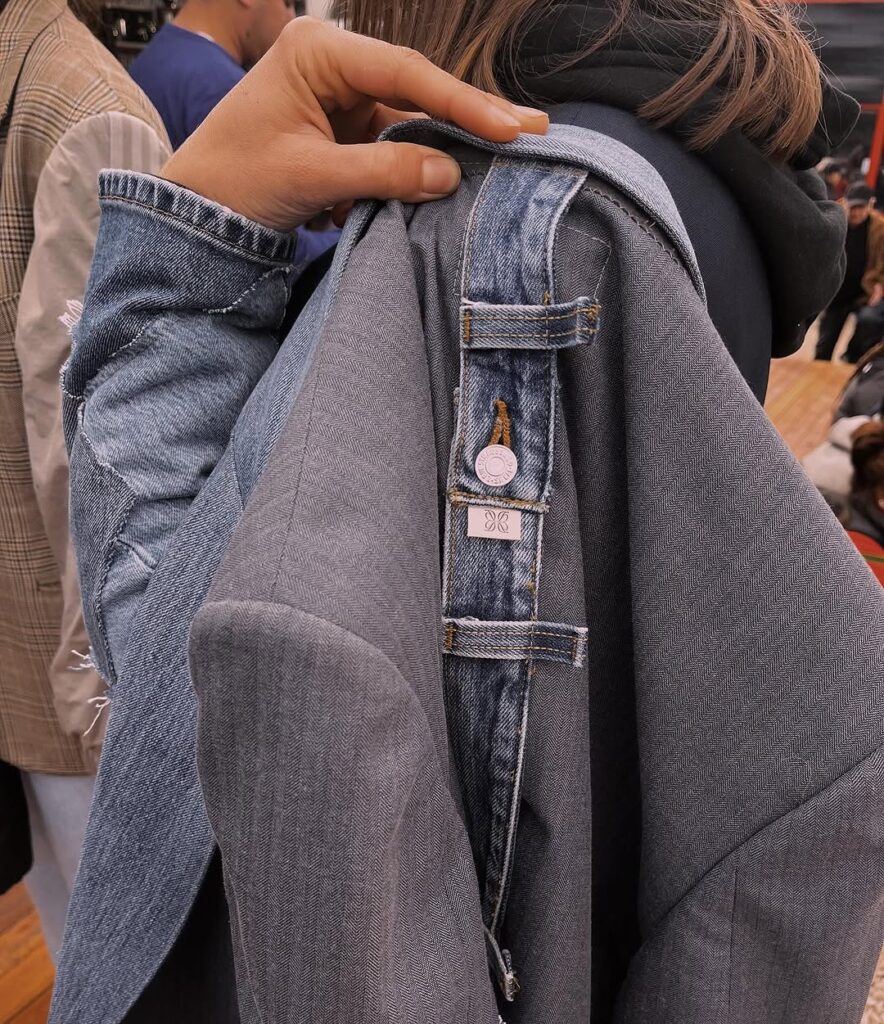
Juana mostly works with used denim material which she transforms into something classic and completely new. She says that she has always loved denim because of its timelessness and durability.
“Each piece is created from pre-loved garments, textile leftovers, or factory surplus and reimagined into unique designs with personality and purpose. Every garment is one of a kind — handmade with care to transform what already exists into something timeless and new,” says Juana.
Juana Diez targets conscious consumers who appreciate sustainable fashion, craftsmanship, and unique design. Juana indicates that most of them are young adults and creative individuals looking for statement pieces with purpose.
Juana Diez de Tejada
“Although the business is fairly new, the response has been quite amazing! People really connect with the idea of transforming existing clothes into something new. It’s been exciting to see so much interest and support in such a short time. All pieces are designed and handmade by me. I work on each garment individually, ensuring that every transformation reflects the brand’s values of creativity and sustainability. My inspiration comes from the idea of transformation and the constant renewal found in nature. I love exploring how both fashion and the natural world can evolve, adapt, and find beauty in imperfection and change. All our materials are sourced from second-hand stores, donations, and leftover fabrics from local brands. I love working with what already exists and giving it a new story through design,” she says.
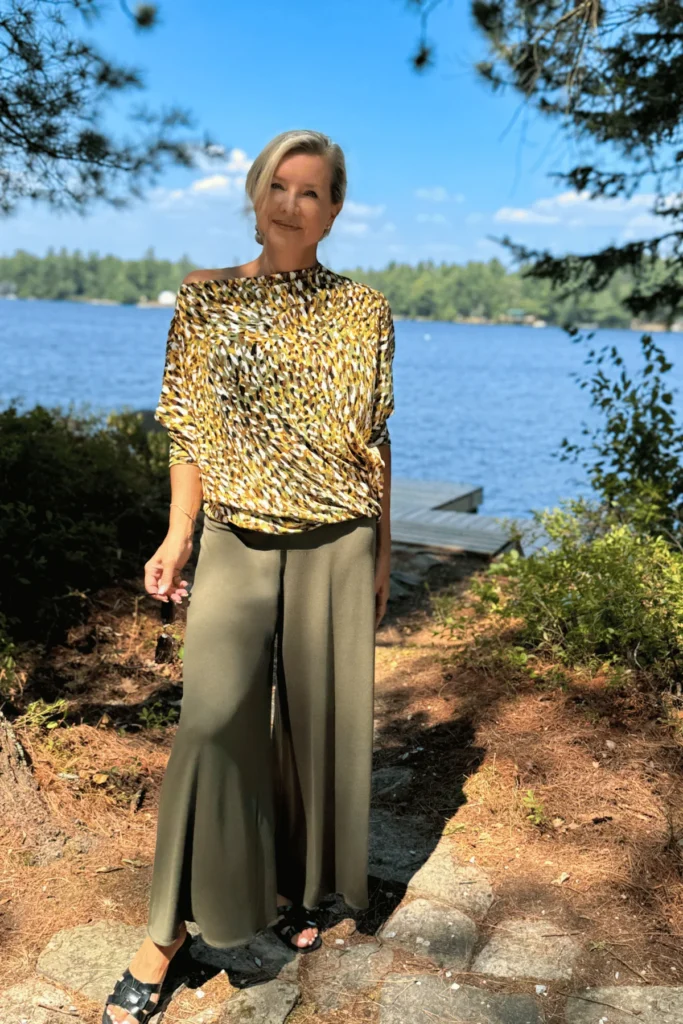
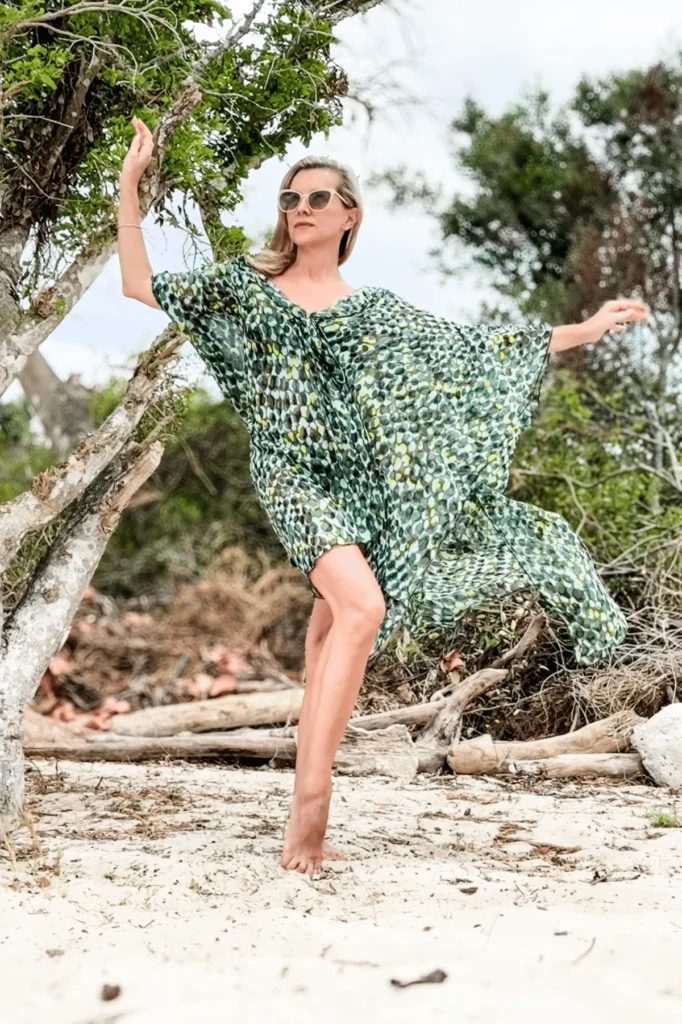
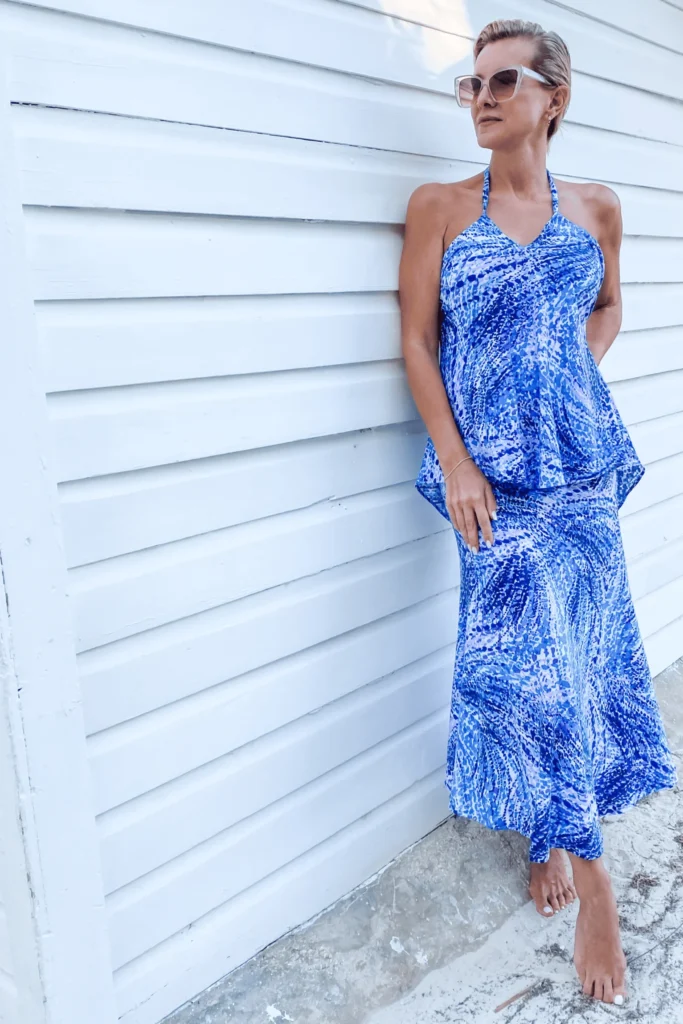
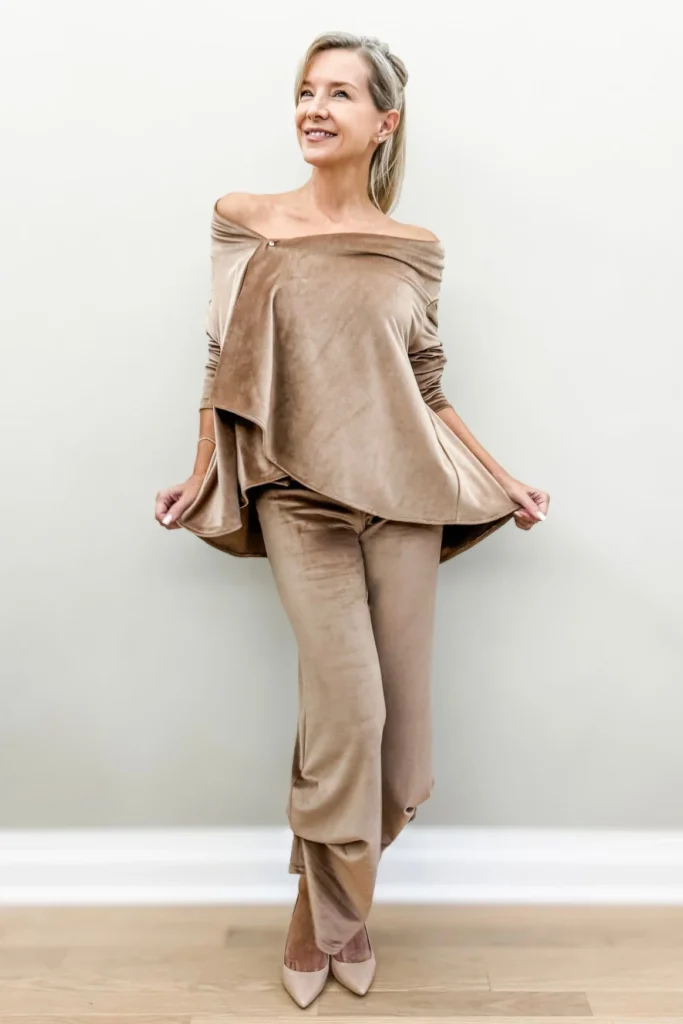
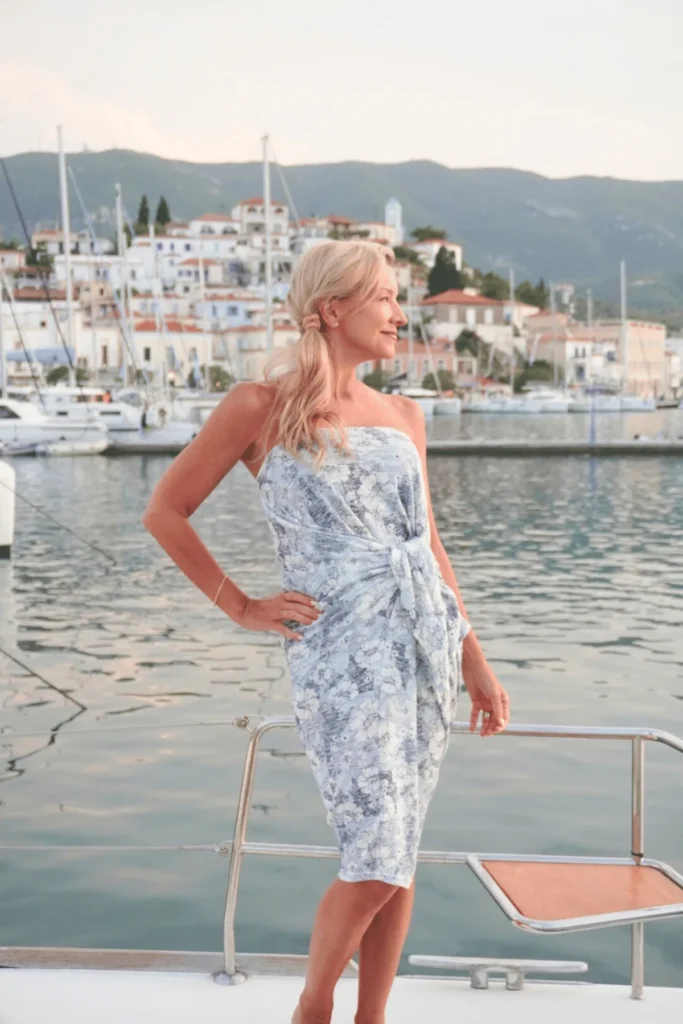
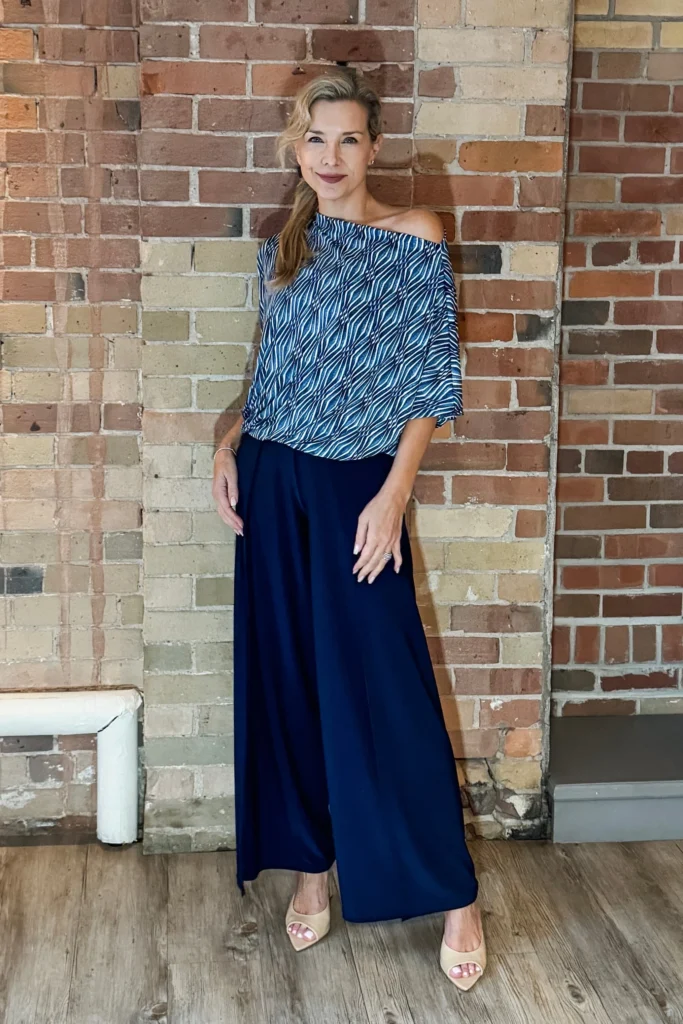
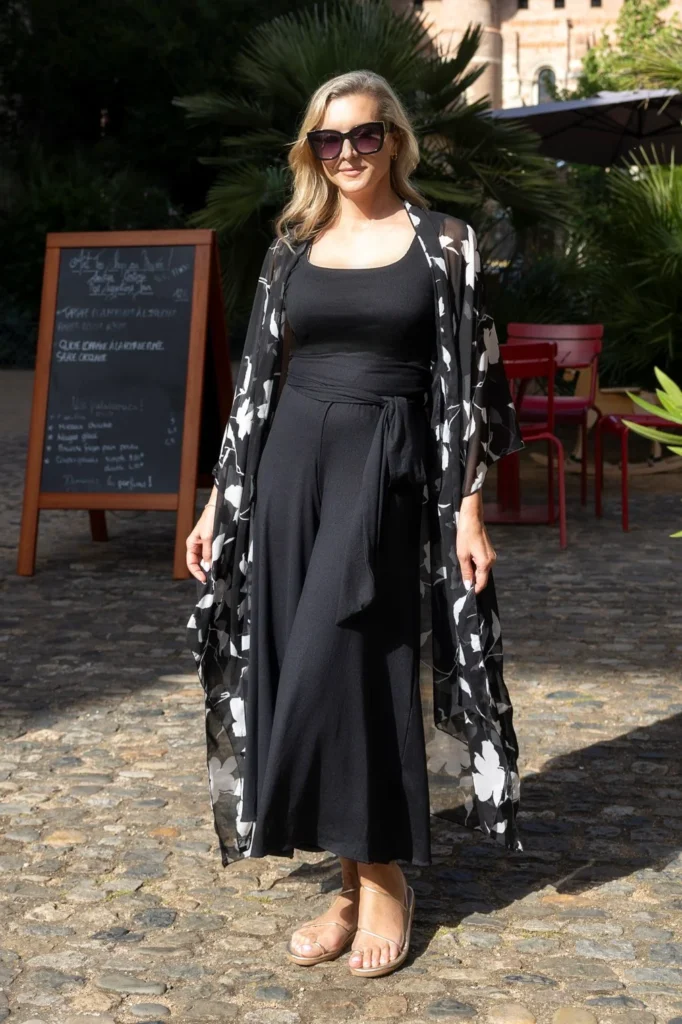
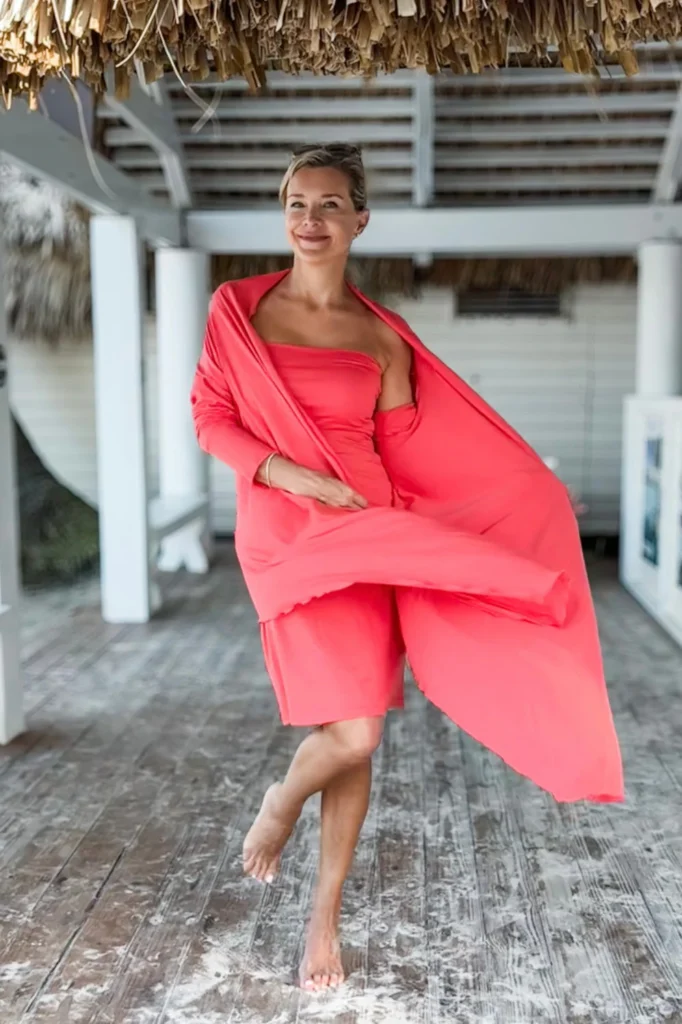
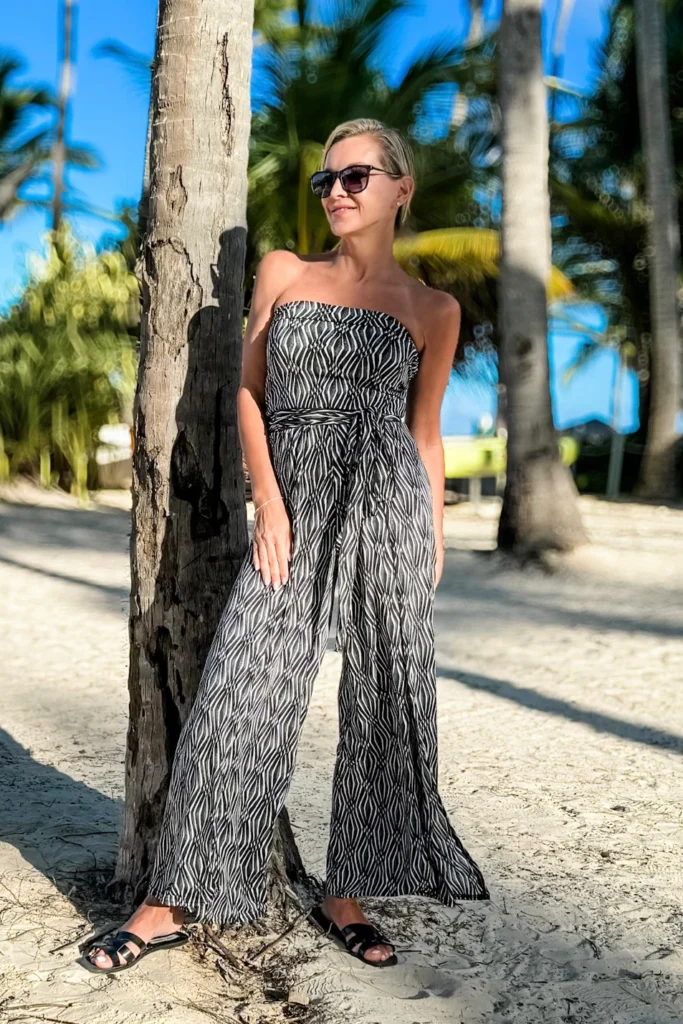
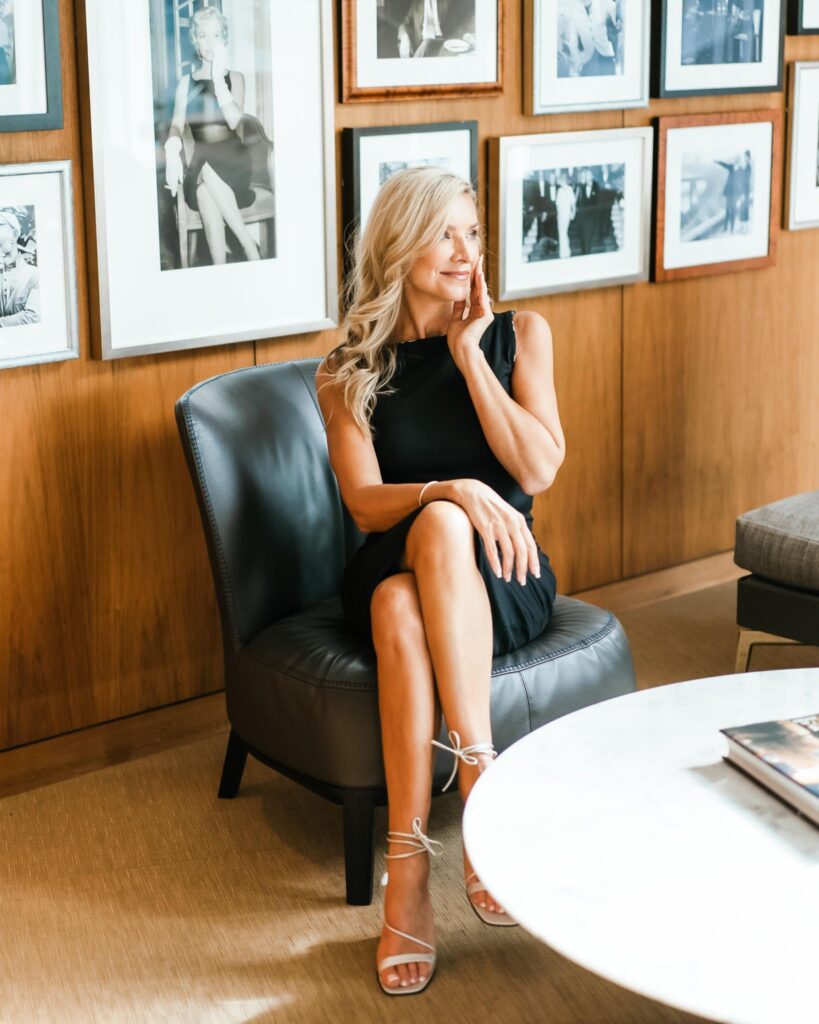
Diane Kroe is a Canadian fashion designer who creates high-quality, comfortable, and functional clothing for women who travel and embrace a “less is more” lifestyle. The main aim of the brand is s to create versatile, wrinkle-free travel wardrobes that are made to order in Canada. Diane Kroe (her name sake label), was established in 1998, to offer multi-functional designs for a simplified and more stylish travel experience.
“Everything is made in Canada in small batches or made-to-order, which means we don’t overproduce, and we support local artisans who’ve been with us for decades. We also take a zero-waste approach by turning leftover fabrics into accessories like scrunchies, ties, and pocket belts so that nothing goes to landfill. And unlike many brands, we never manufacture textiles. Instead, we carefully source high-quality existing fabrics and deadstock that deserve a second life. In the end, our focus is on creating versatile, durable pieces that last for years. We run everything from our workshop here in Toronto, where we fulfill day-to-day orders with a very hands-on approach,” says Diane.
“Every few weeks, we host live selling events where customers from all over the world join virtually. We take orders and then move into small-batch production, which means each piece is truly made-to-order and nothing is wasted. After spending time with my customers at my shows I always leave inspired and full of new ideas,” she says.
Diane Kroe has partnered with a local, woman-owned factory just outside Toronto. This allows the brand to keep its footprint small, to support women in business, and to also ensure ethical and high-quality craftsmanship. By blending live community events with small-batch, locally made collections, they have created a model that’s both sustainable and personal.
Diane Kroe
Diane is a Fashion Designer both by passion and trade. She has been successful in the Canadian Fashion Industry for over 25 years. Her design philosophy has always been to create timeless designs that are high quality, comfortable and, functional. Diane has worn many hats in her career: fashion designer, stylist, accomplished pattern drafter, woman’s apparel fashion buyer, retail merchandiser, forward thinking business owner and most of all a dynamic working mom.
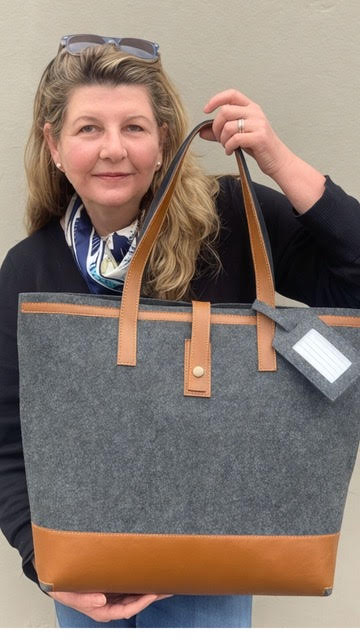
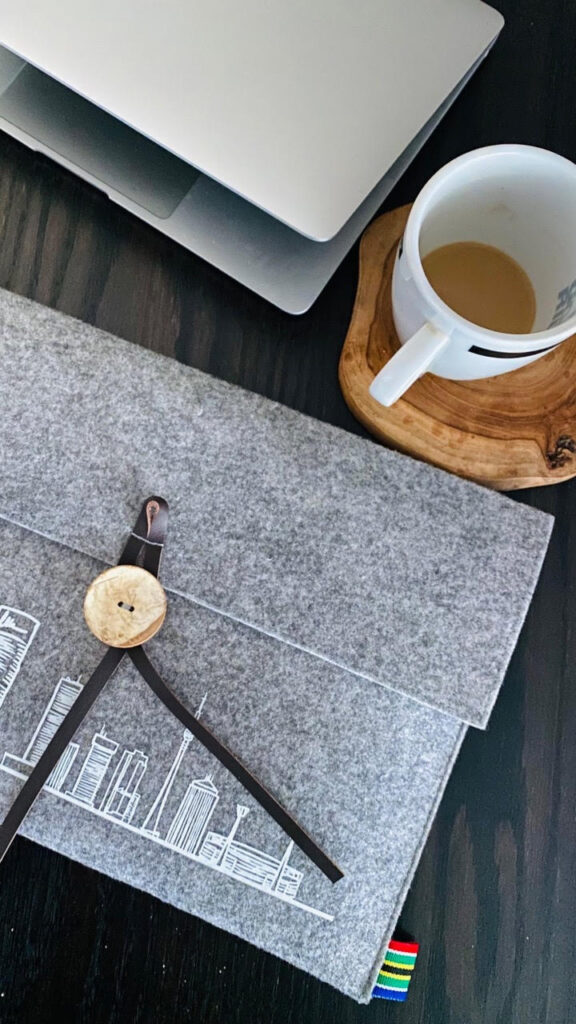
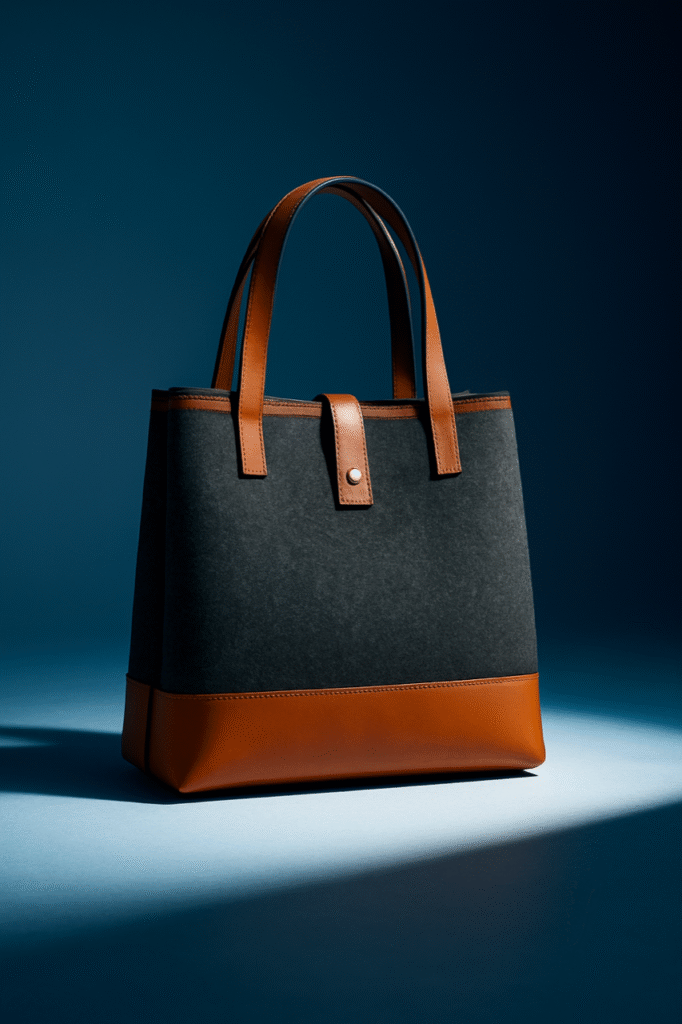
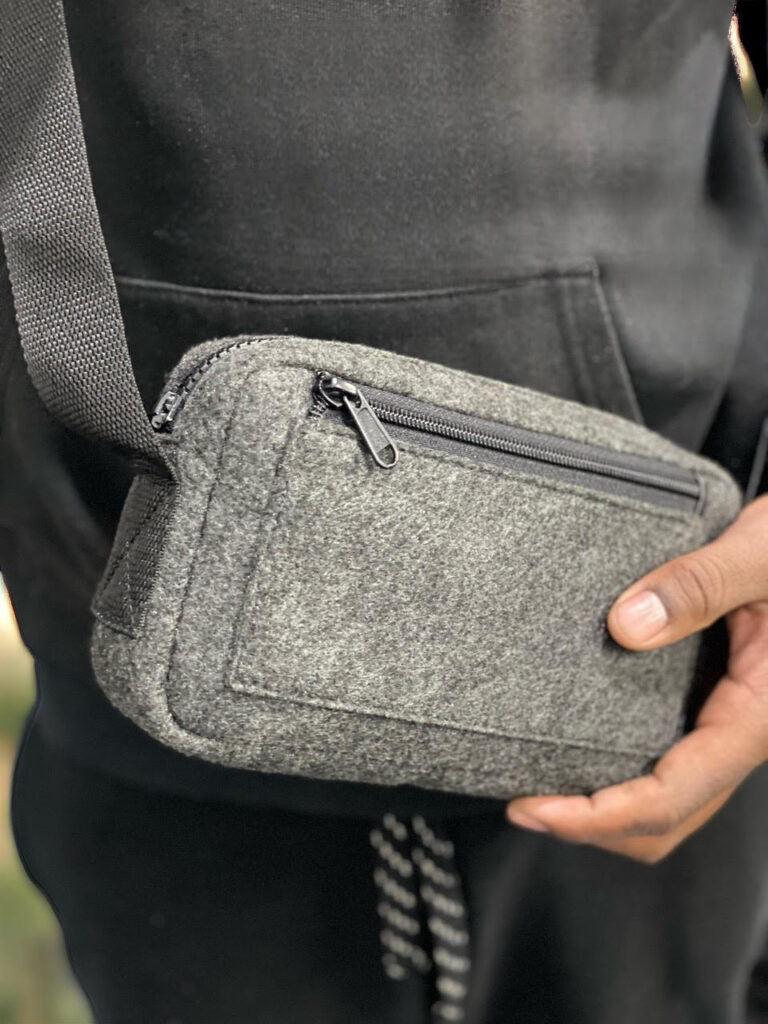
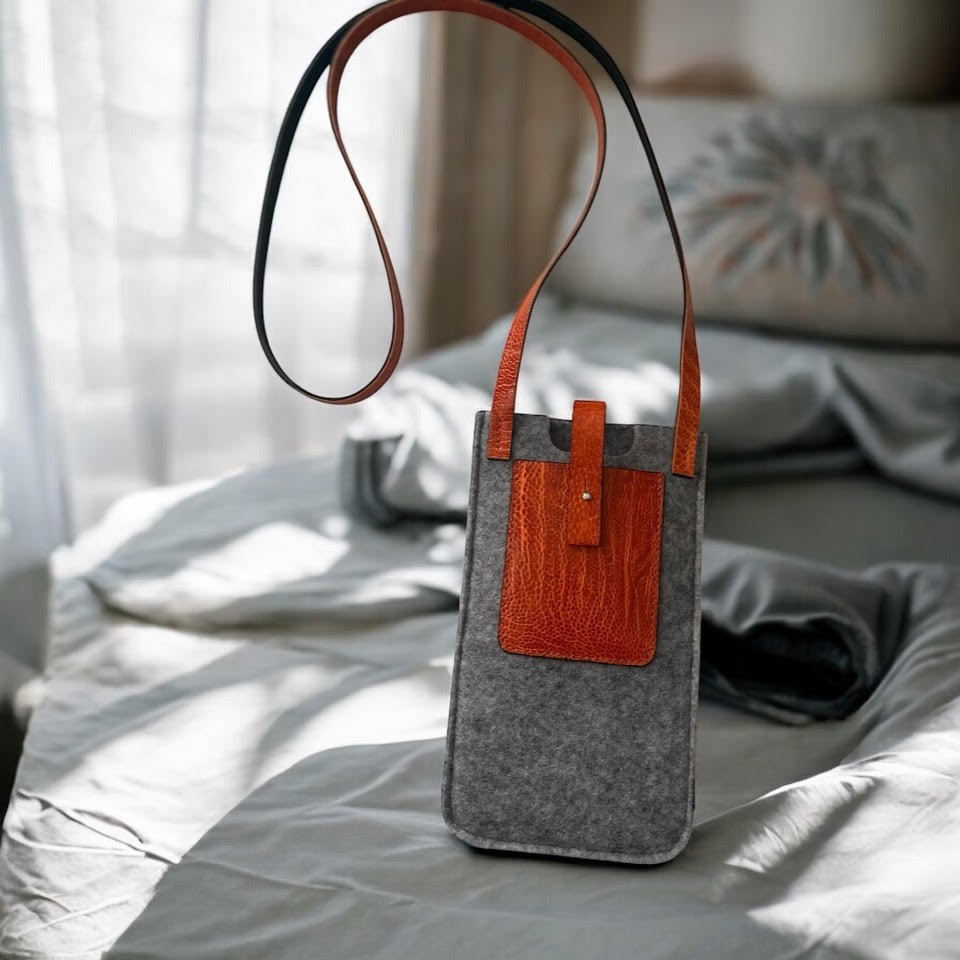
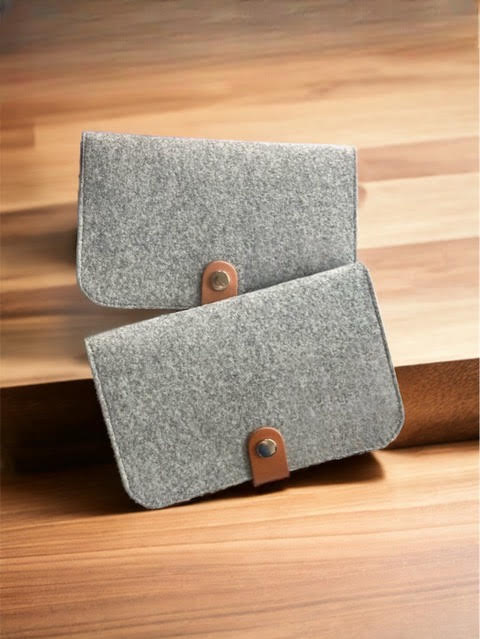
Urban Sleeves is a South African brand established in 2021 by Sabine Linkenheil. The brand creates eco-friendly lifestyle accessories from Recycled Polyethylene Terephthalate (rPET), a felt-like material made locally from recycled single-use plastic bottles. Certified by the Global Recycled Standard (GRS), rPET is a durable and versatile textile that gives waste a second life, while being used to craft everyday lifestyle accessories such as tote bags, tech organisers, and desk mats, making them stylish, functional, and serving as an everyday eco-conscious lifestyle accessory or corporate gift for events and year-end gifting.
Urban Sleeves uses durable designs that can be repurposed beyond their initial function, to further extend their lifespan and reduce the need for new items. They also design products, like laptop sleeves, to be durable and timeless, encouraging customers to find new uses for them, like document holders once the original purpose is fulfilled, thus extending their life.
Sabine Linkenheil
Using rPET is a more sustainable choice as it reduces the need for virgin plastic, lowers carbon emissions, and supports a circular economy. The company’s approach aims to reduce the overall waste stream by giving waste a new purpose and designing for durability. Urban Sleeves products align with the growing demand for eco-conscious goods, allowing consumers to make choices that are kinder to the planet.
“By supporting the circular economy and collaborating with local artisans, we create products that are both beautiful and sustainable, preserving our beautiful country while raising awareness and incorporating slow fashion values into everyday essentials, says Sabine.
Urban Sleeves was recently honoured as a finalist at the 2025 SAPRO Awards, recognising innovation in recycled product design.
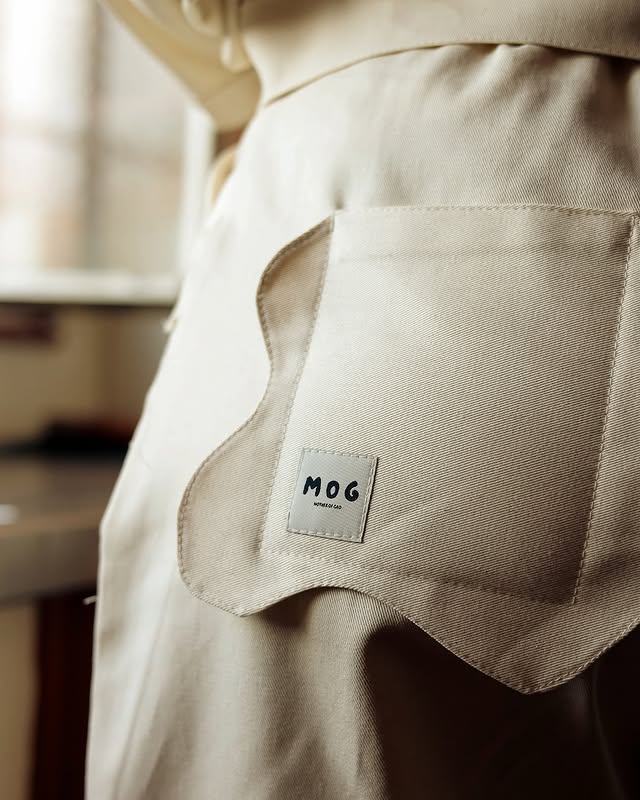
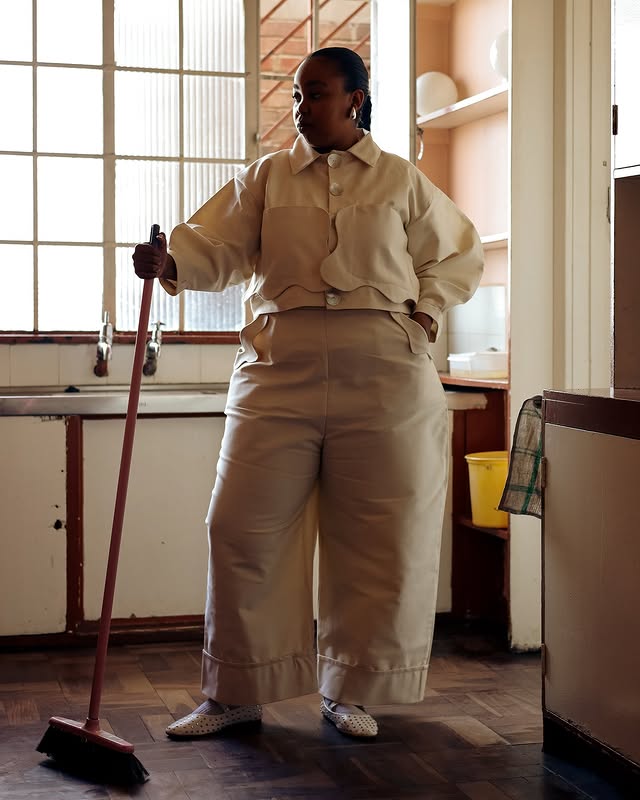
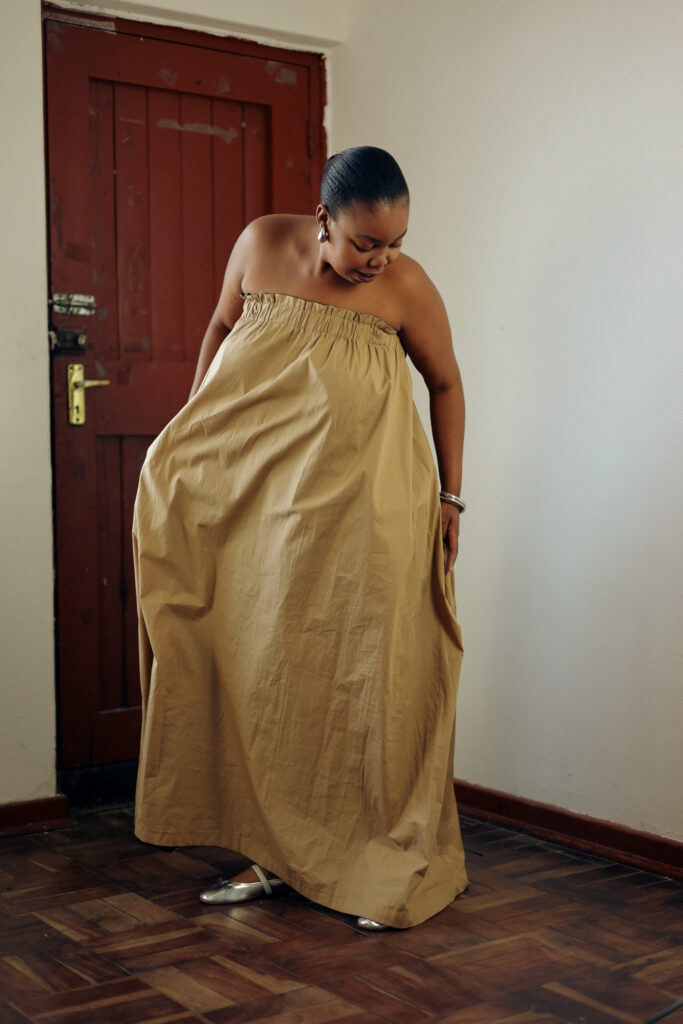
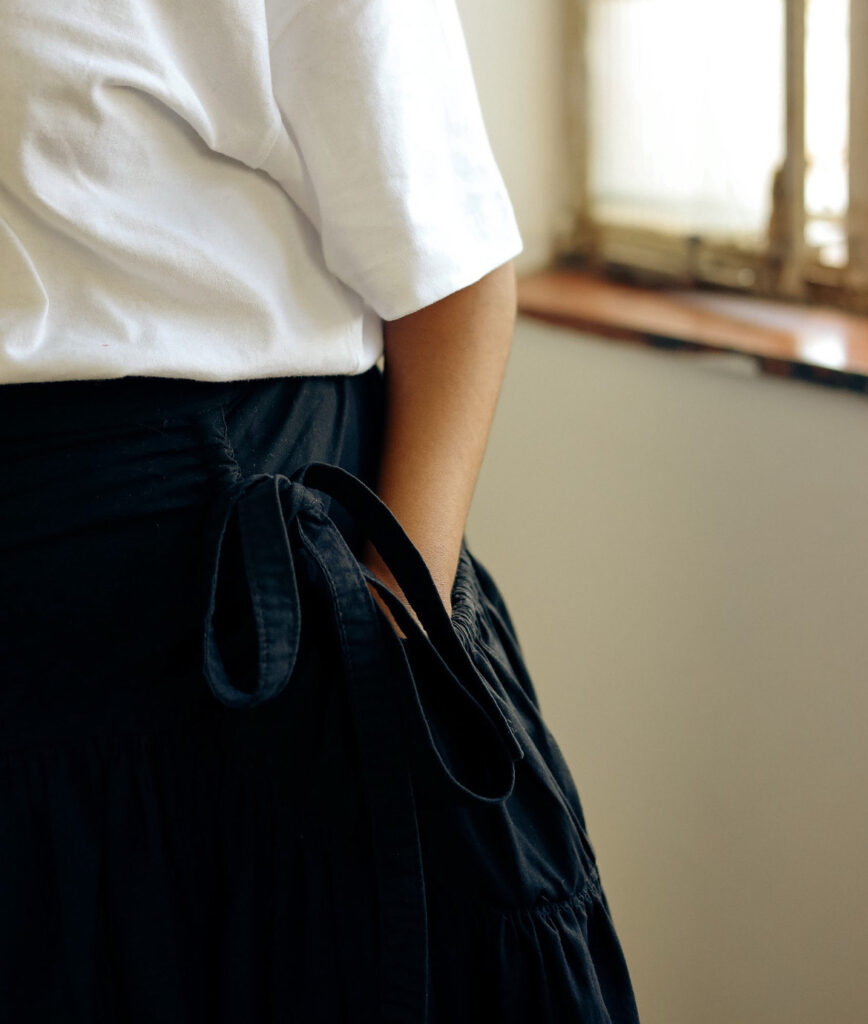
Mother of Gao is a South African brand dedicated to sustainable design across fashion and interior products. Founded in 2021 by Katlego Mokwana, a mother inspired by her daughter Gaopaleloe, the brand blends minimalism with playful details to craft a unique aesthetic that enriches both home and wardrobe.
Their commitment centers on natural dyes, zero waste production, and the use of 100% organic textiles, creating beautiful pieces with a gentle footprint on the planet.
“Our new permanent collection, Staples, is dedicated to timeless wardrobe essentials that are designed to transcend seasons and last a lifetime,” says Katlego.
Part of the brand’s mission is to use biodegradable fabrics. “By choosing natural fibres like organic cotton and linen, we strive to reduce waste and support a more sustainable, circular future where style and environmental responsibility go hand in hand, she says.”
In addition, Mother of Gao uses tea bags, onion skins, and marigold flowers as the natural ingredients to make some of the pieces. “These ingredients impart delicate, earthy tones that develop depth and character over time, making each garment uniquely beautiful, she says.
The brand’s waste reduction process includes repurposing leftover fabric scraps into unique accessories and delicate flower appliqués, turning what would have been discarded as waste into thoughtful design details. Even the smallest fibres, too tiny to sew into garments, find new life as stuffing for handcrafted pillow inners, at Mother of Gao.
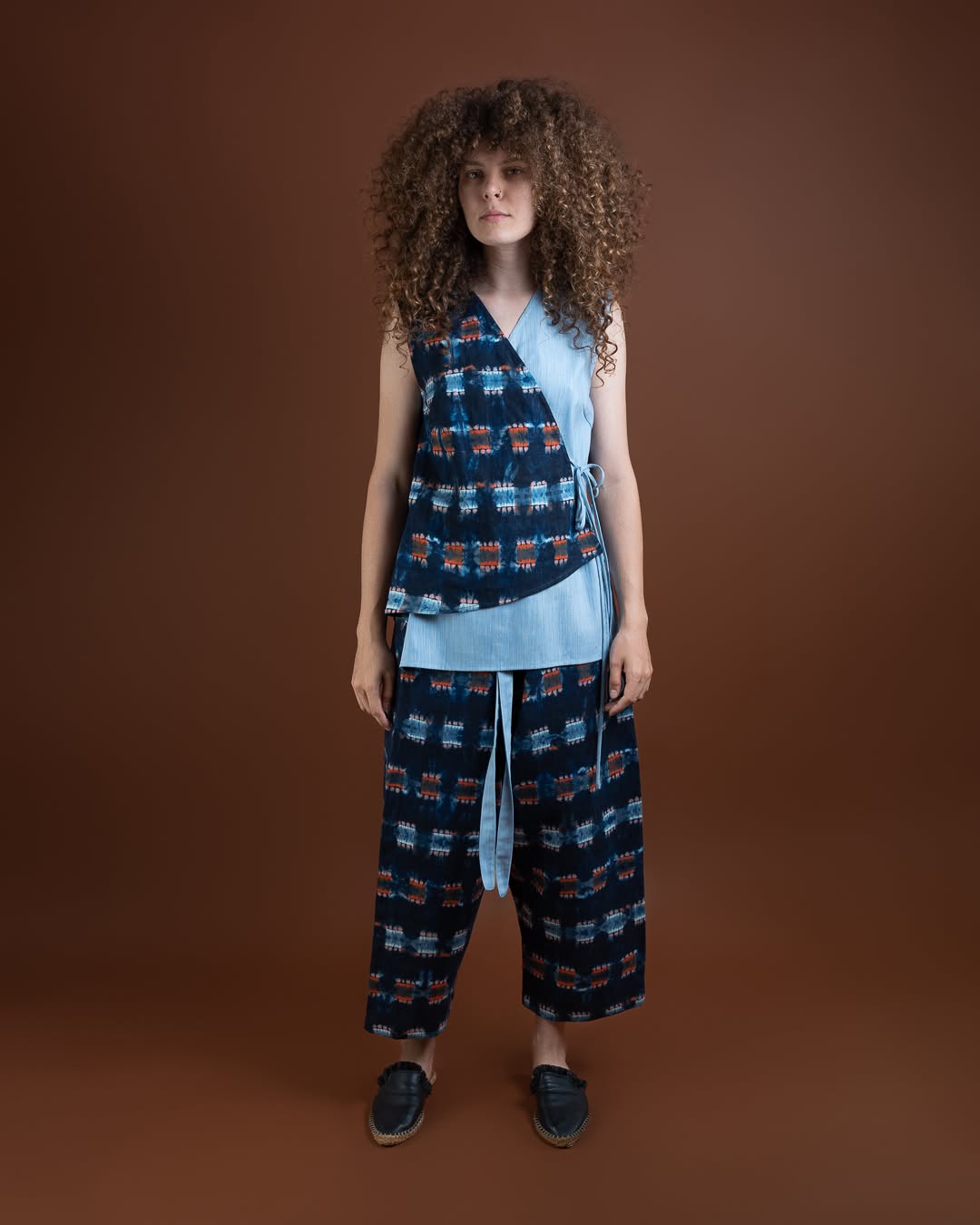
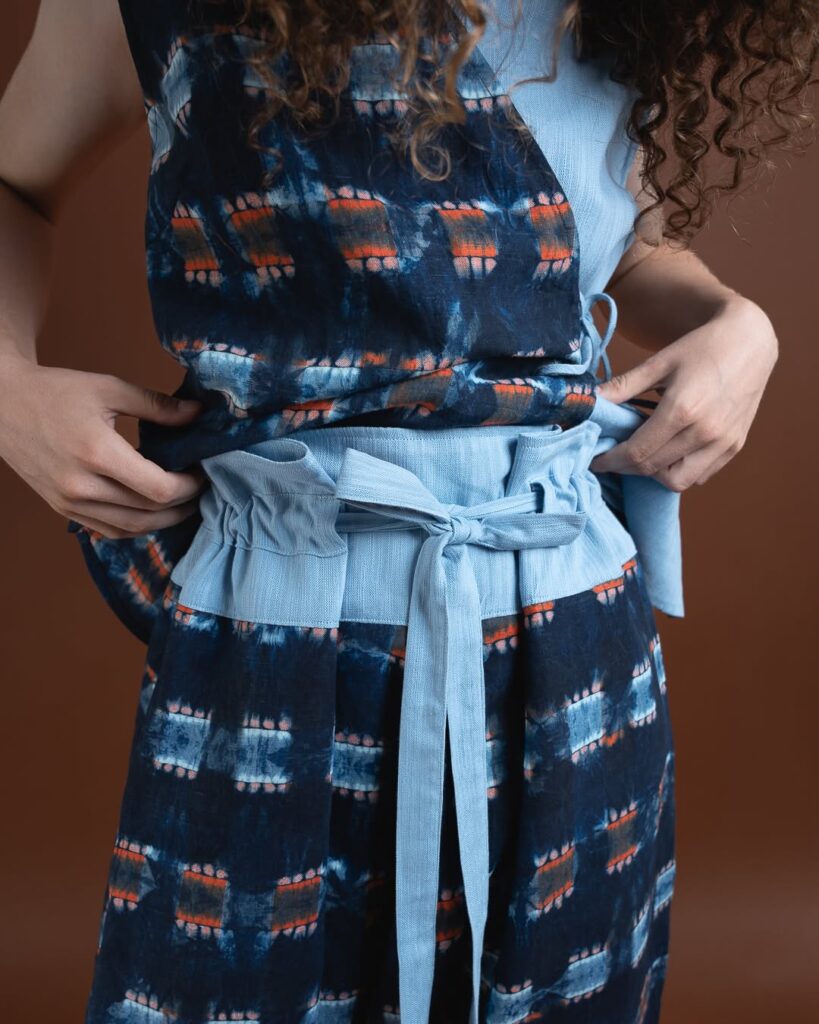
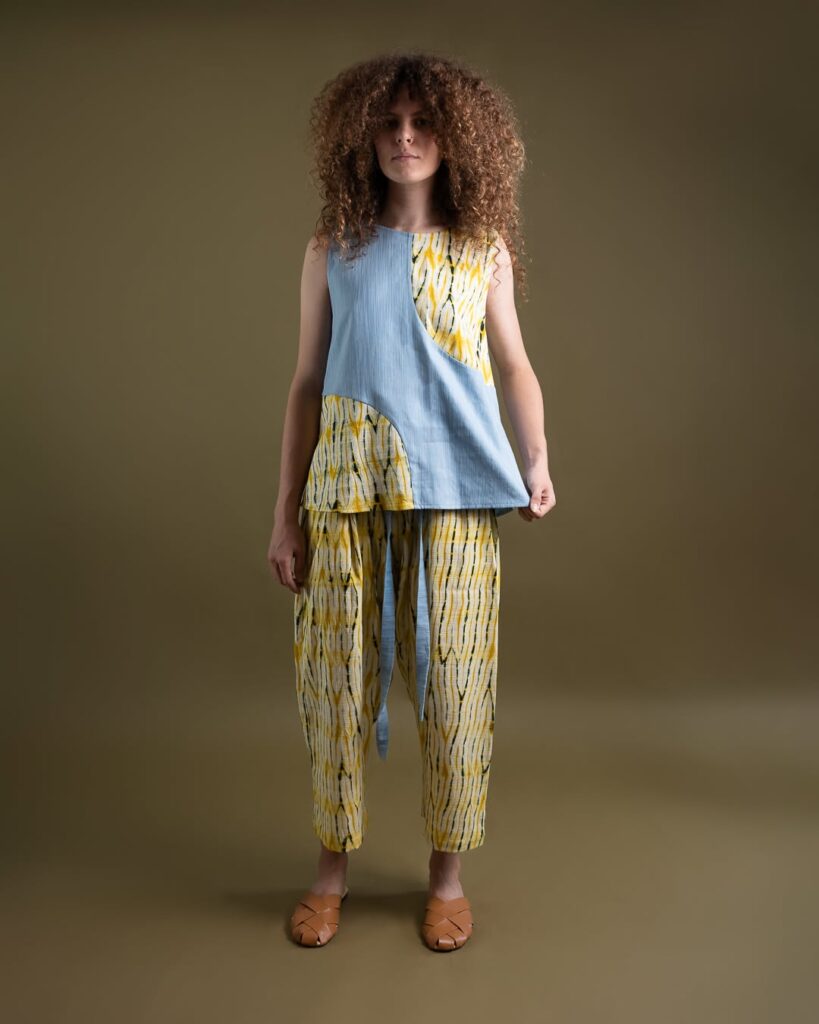
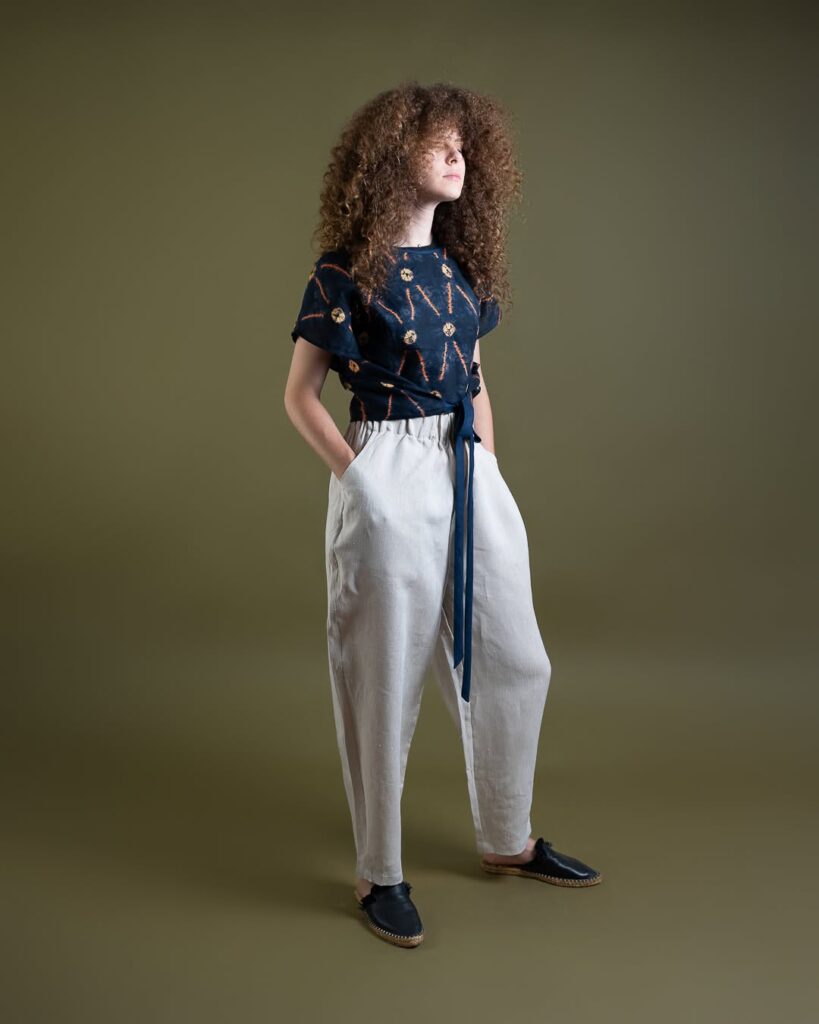
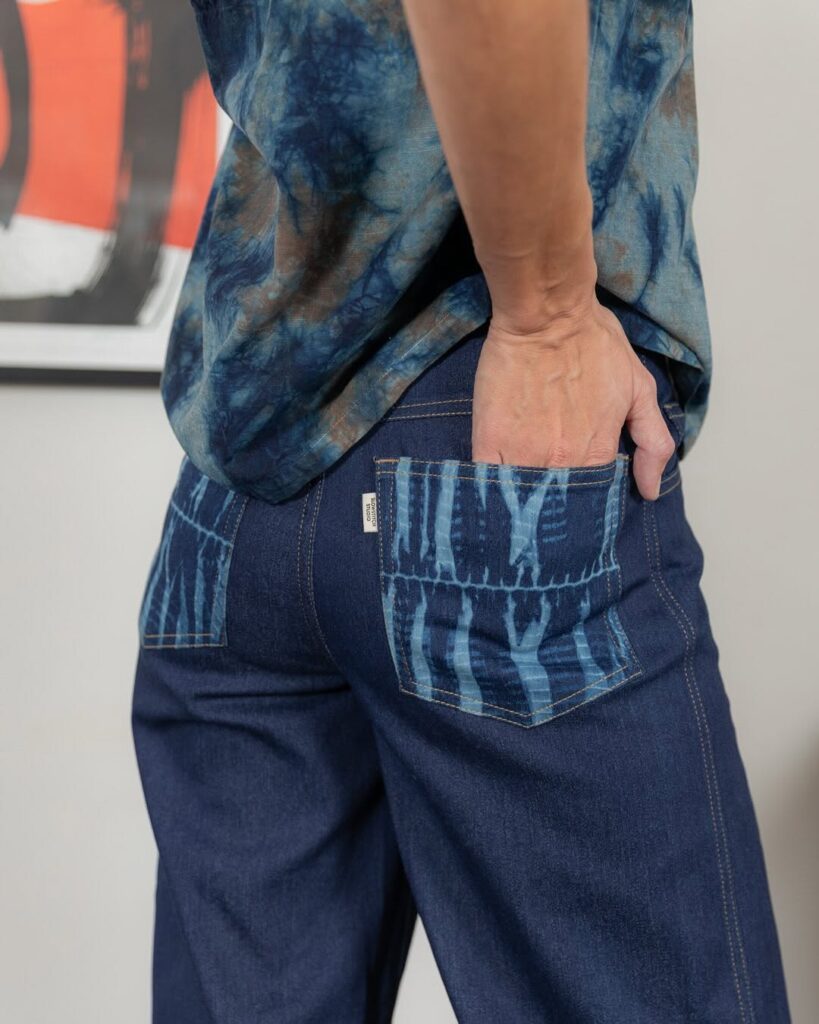
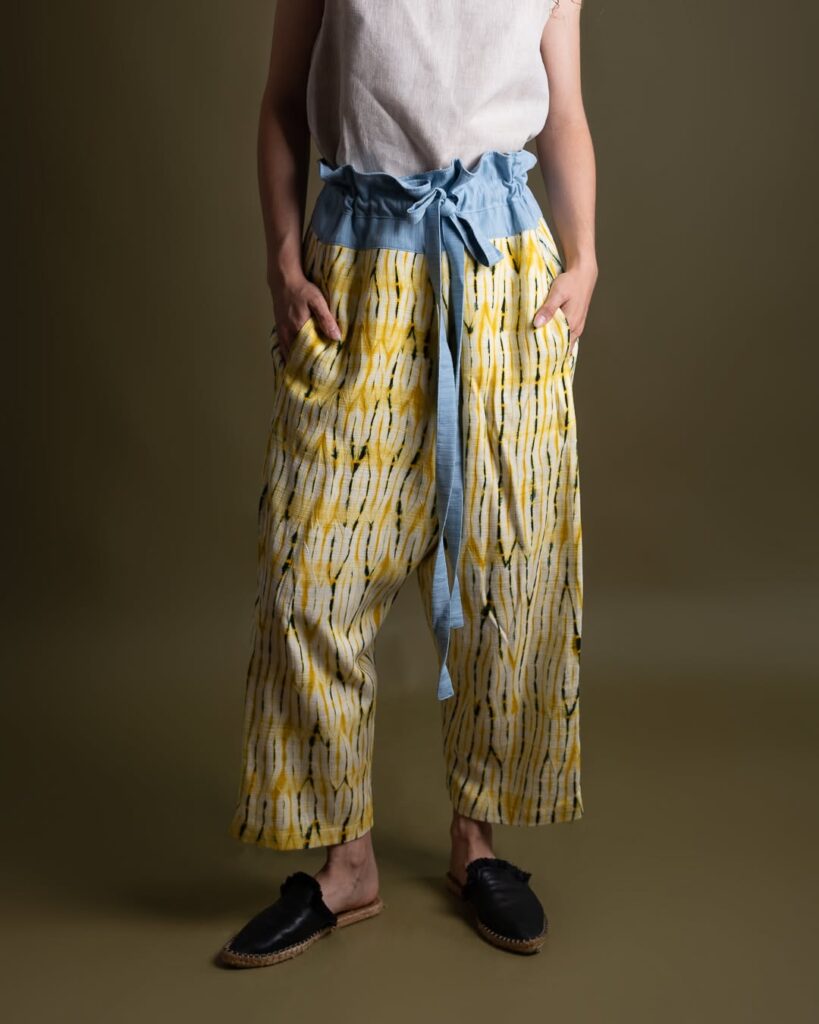
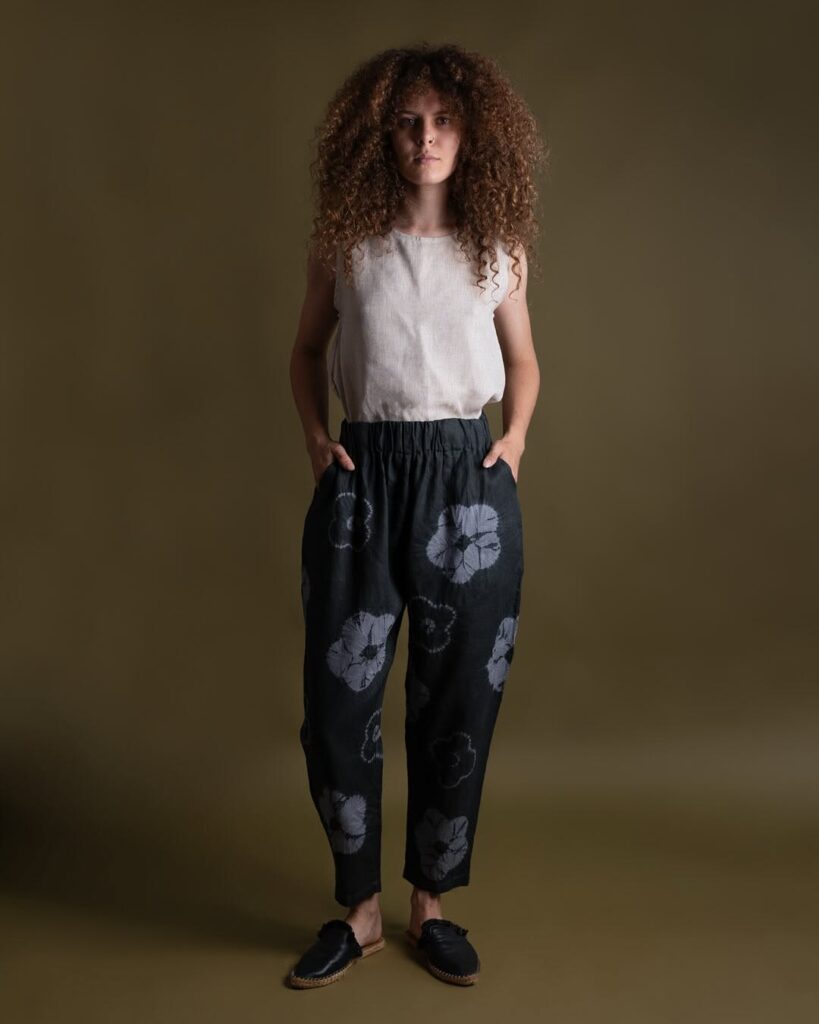
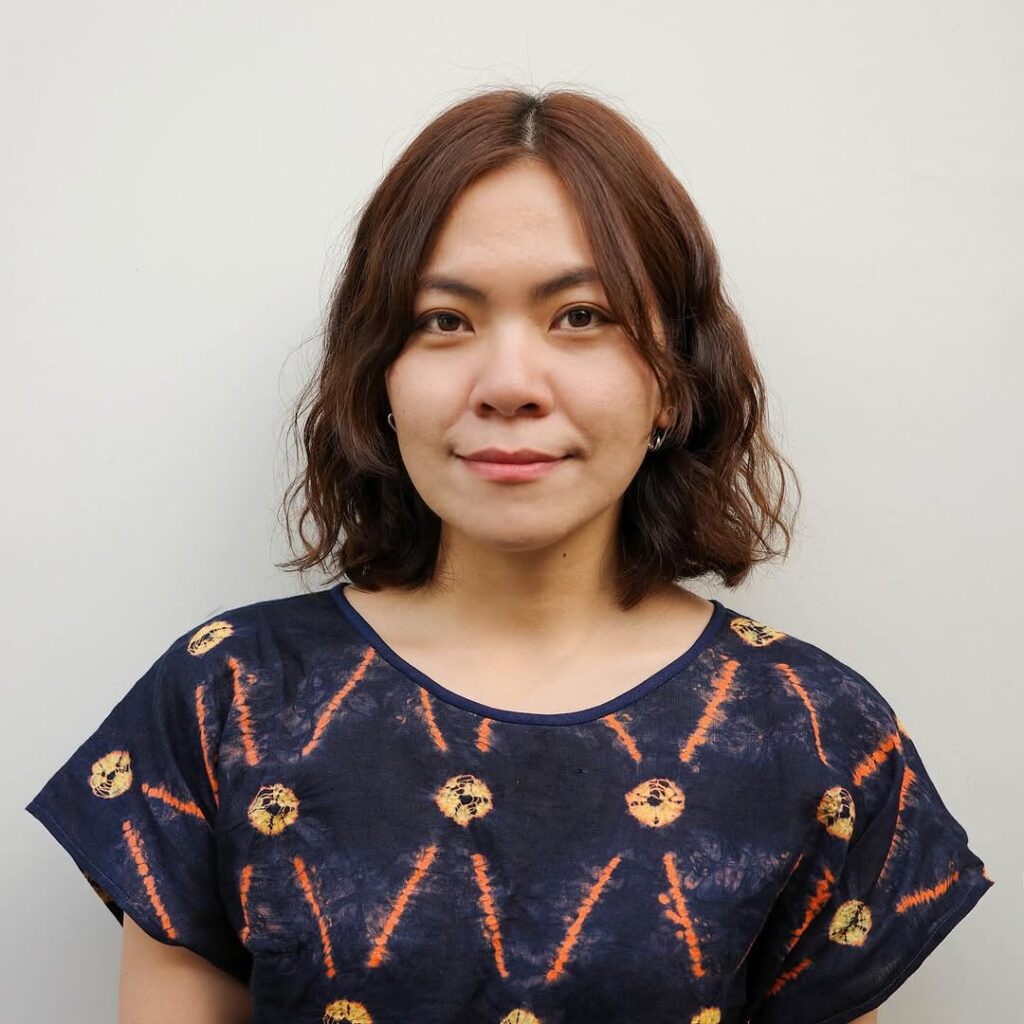
Slowstitch Studio is a Chiang Mai, Thailand-based textile design studio specializing in contemporary pieces using traditional Shibori stitch-resist dyeing techniques to create one-of-a-kind fabrics, accessories, and home goods.
Founded by textile designers Ann Ngamdamronk and Sergey Tishkin, the studio’s beauty stems from the appreciation of human imperfections, the sustainable production process, the artistic value of original designs, and the time-honoured craftsmanship that brings a unique character to their products.
Time-honoured techniques are methods, practices, or traditions that are respected and valued because they have been used and passed down for many years. These techniques are a tangible link to the past, playing a vital role in safeguarding cultural identity and heritage by preserving age-old practices, skills, and knowledge for future generations.
“Most of our work is rooted in shibori, the ancient Japanese art of stitch-resist dyeing. Each piece begins with lines or templates sketched across the cloth. We stitch along these guides, bind the fabric tight and dye it. Stitch-resist dyeing is a traditional resist dyeing technique, often a form of shibori, where a pattern is created by using a needle and strong thread to stitch lines or designs onto a piece of fabric. After the stitching is complete, the fabric is dyed, and the stitches prevent the dye from penetrating those areas, leaving the stitched lines and shapes undyed or with a different colour after they are removed. The removal of the stitches then reveals the unique patterns, which can range from geometric shapes to organic forms. After dyeing comes the revelation, slowly unstitching to discover what has emerged. The outcome is never entirely predictable—soft-edged motifs, subtle shifts in colour, patterns that hold their own gentle rhythm,”says Ann.
Ann Ngamdamronk
Ann says, pattern is a visual language. She says Its abstraction draws us in through something deeper than description. “In the patterns we create, we reveal how we see beauty, how we seek balance, how we make sense of the world. The irregular rhythm of hand-stitched lines, the unpredictable bloom of dye, the imperfect symmetries that emerge, all express our human need to find order within chaos. This is our response to the fast-paced world, work that values care, attentiveness and the quiet strength found in imperfection. Each piece is one-of-a-kind, shaped by the hands that made it and the process that brought it into being,” says Ann.
‘From Bali’s sacred plants to your sacred body’ is a phrase that encapsulates the philosophy of Balinese spiritual healing, which uses natural resources like plants, water, and herbs to purify and nourish the body, aiming for holistic wellness and harmony with nature and the divine.
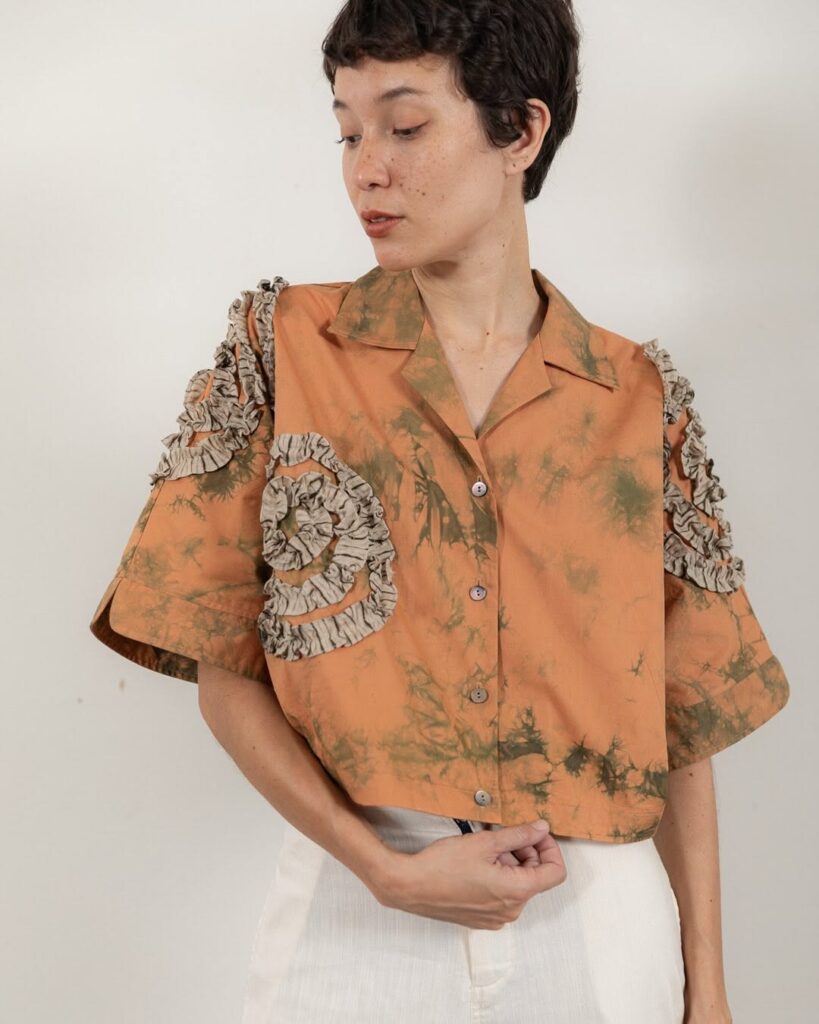
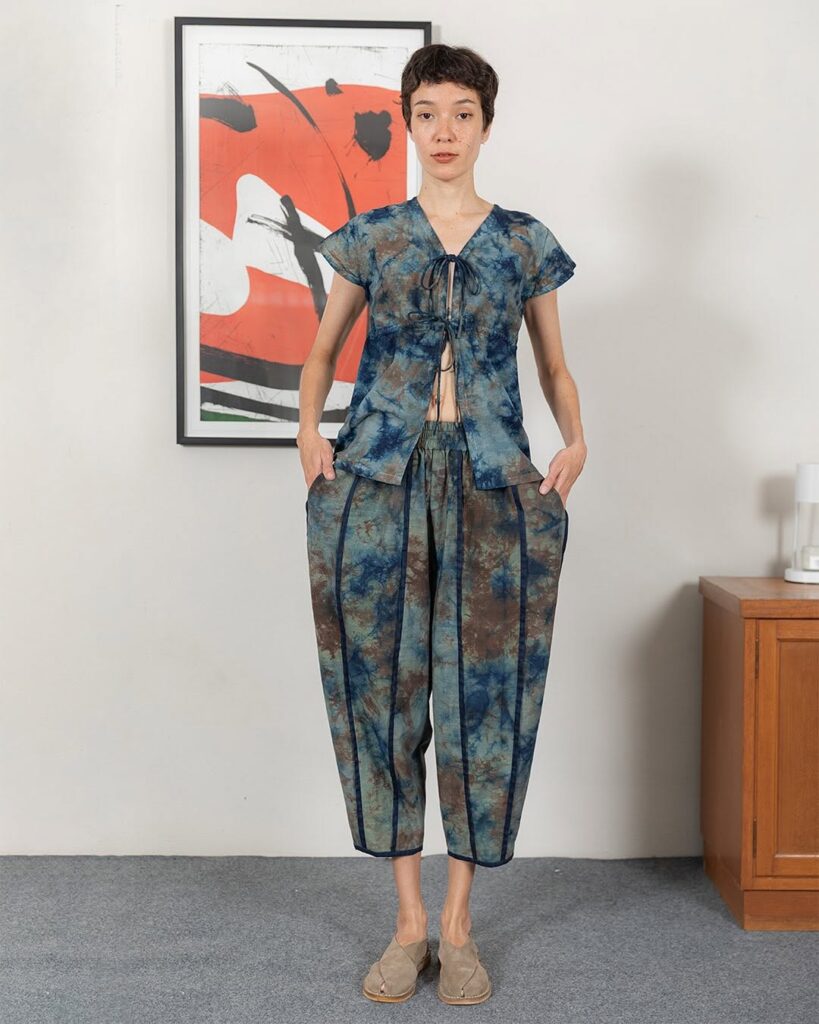
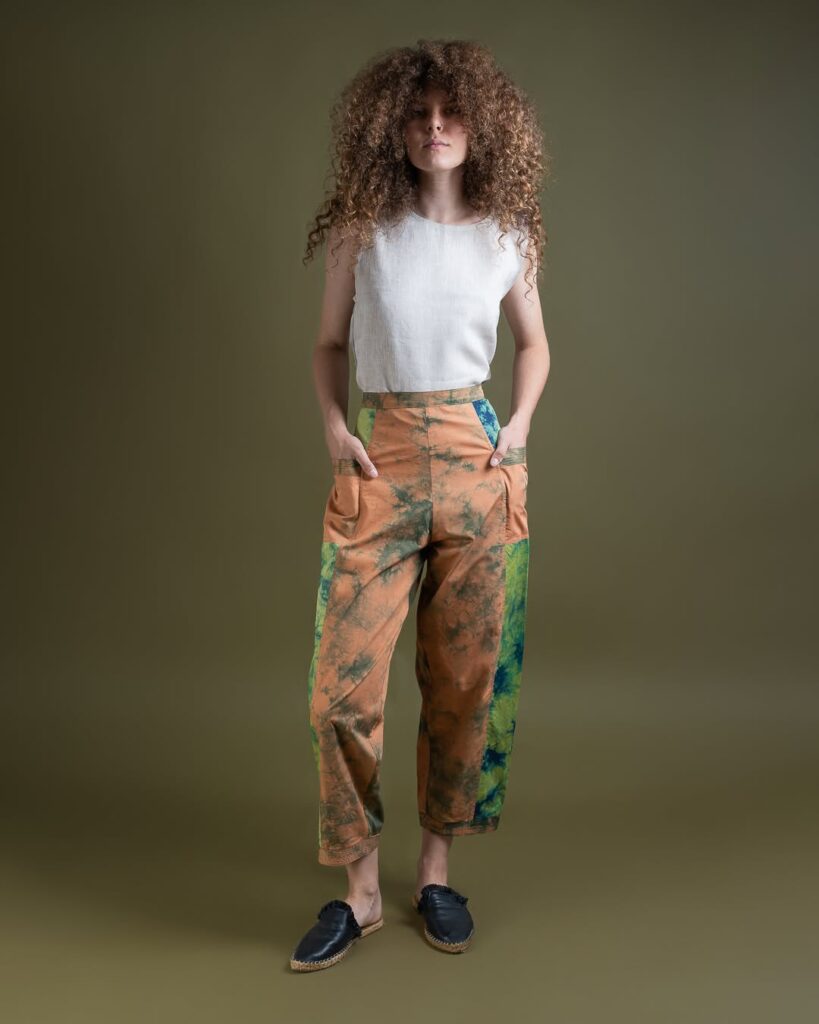
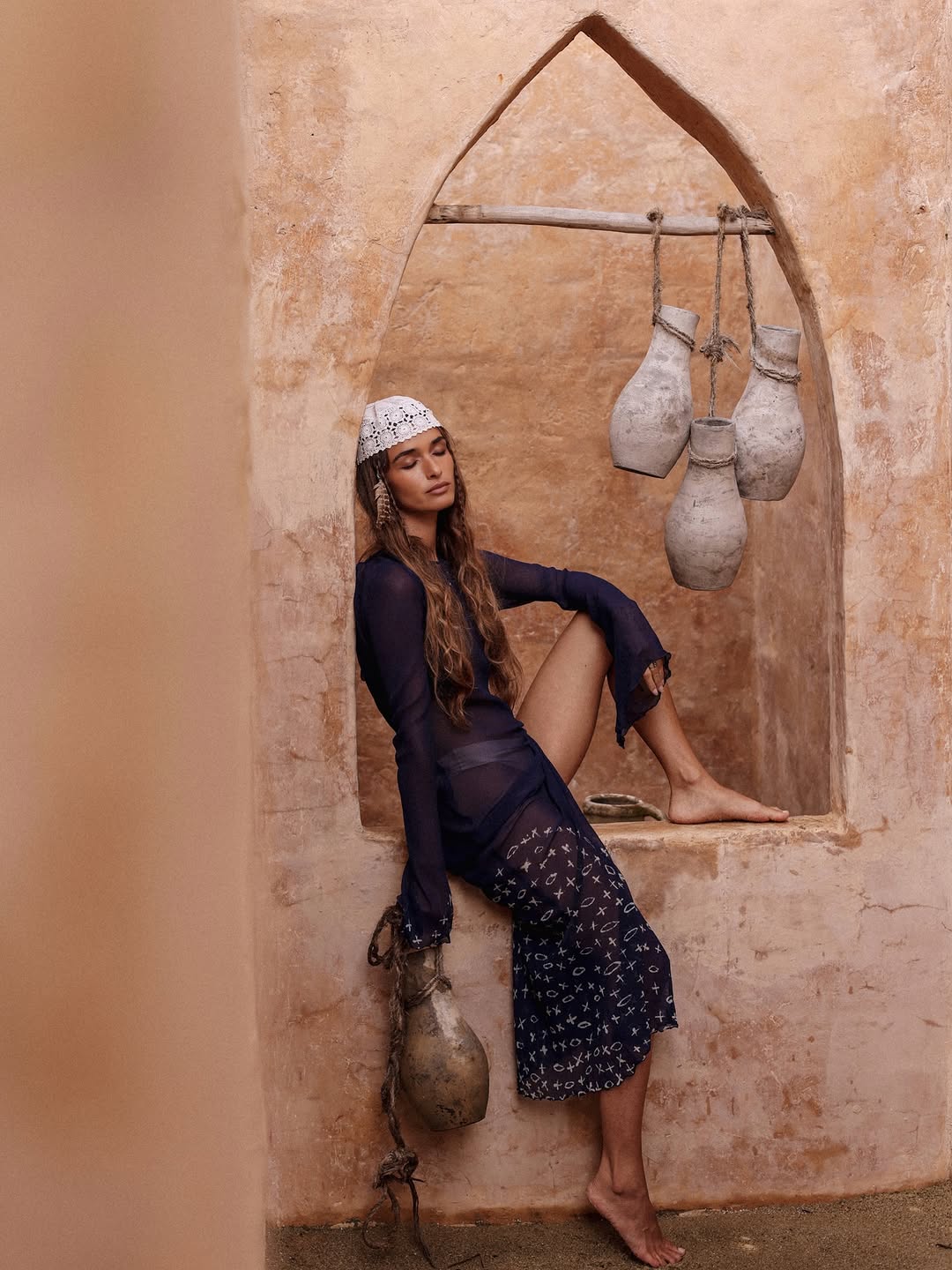
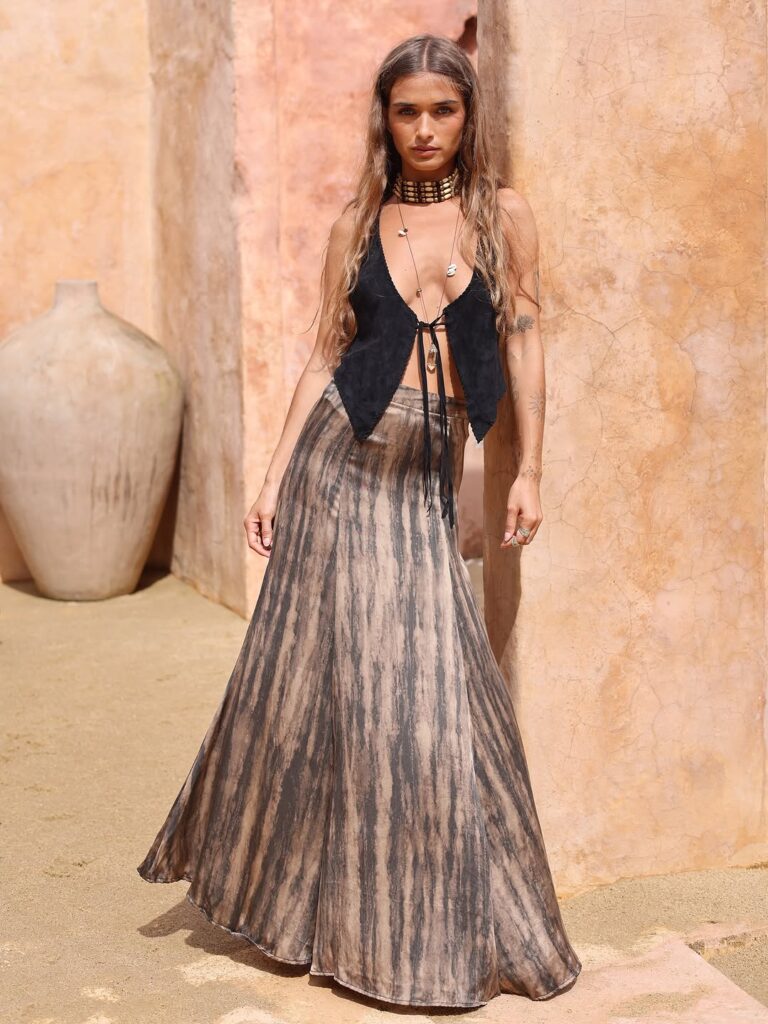
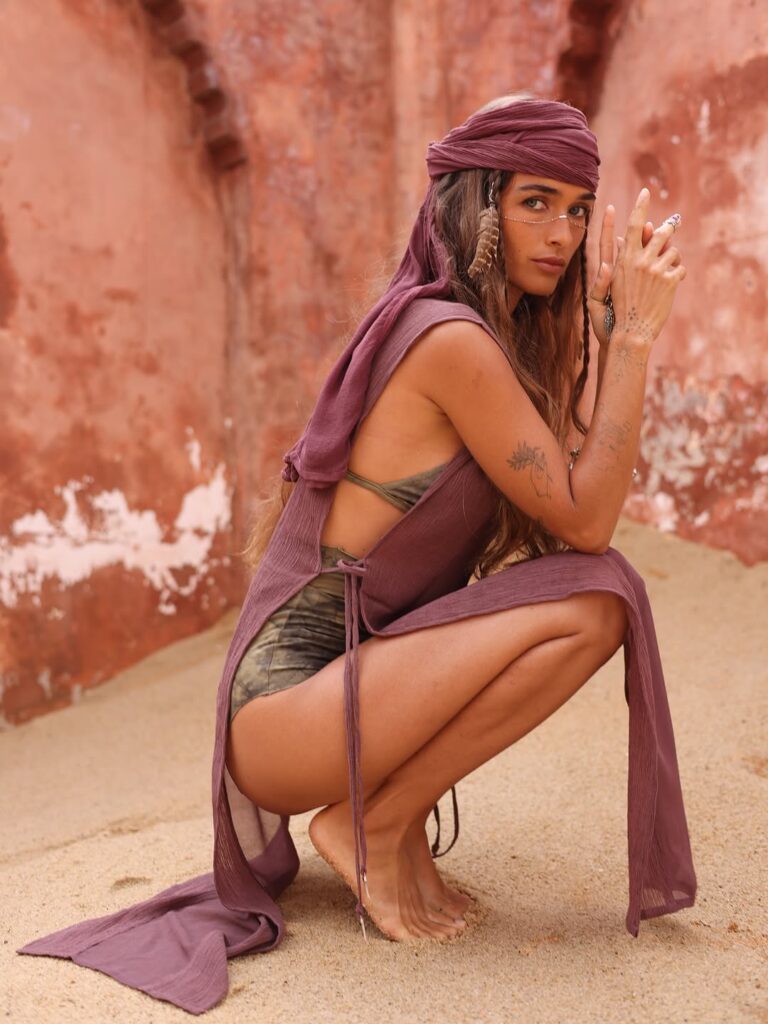
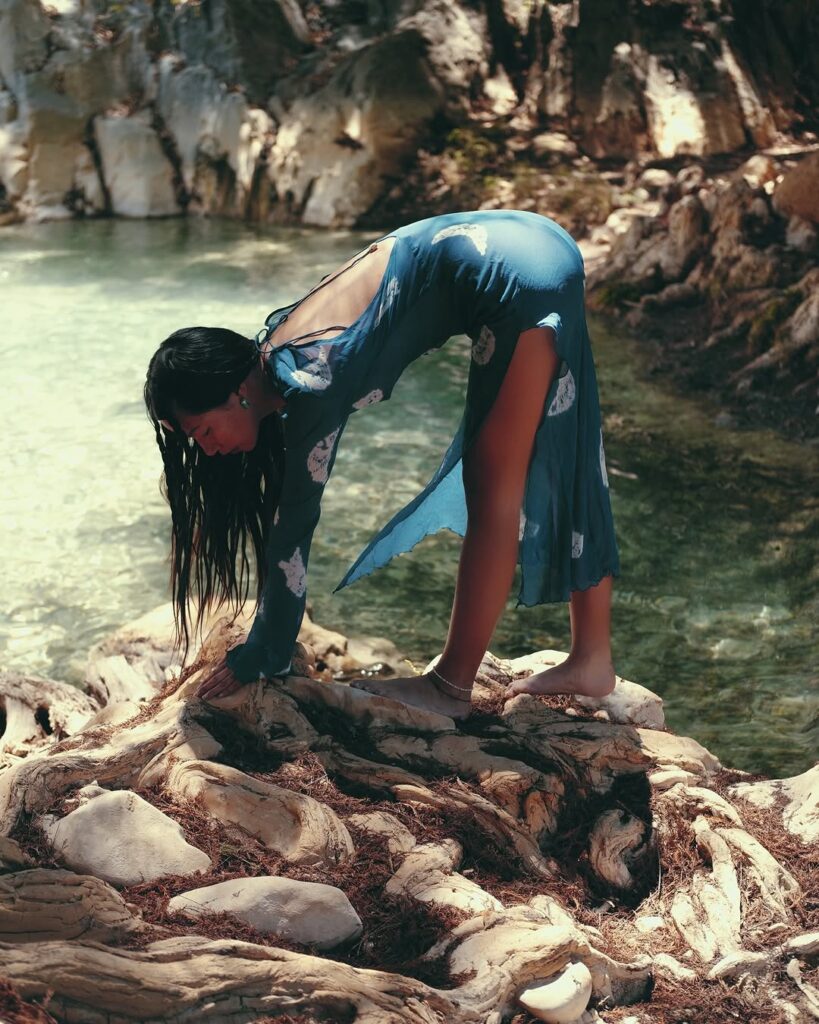
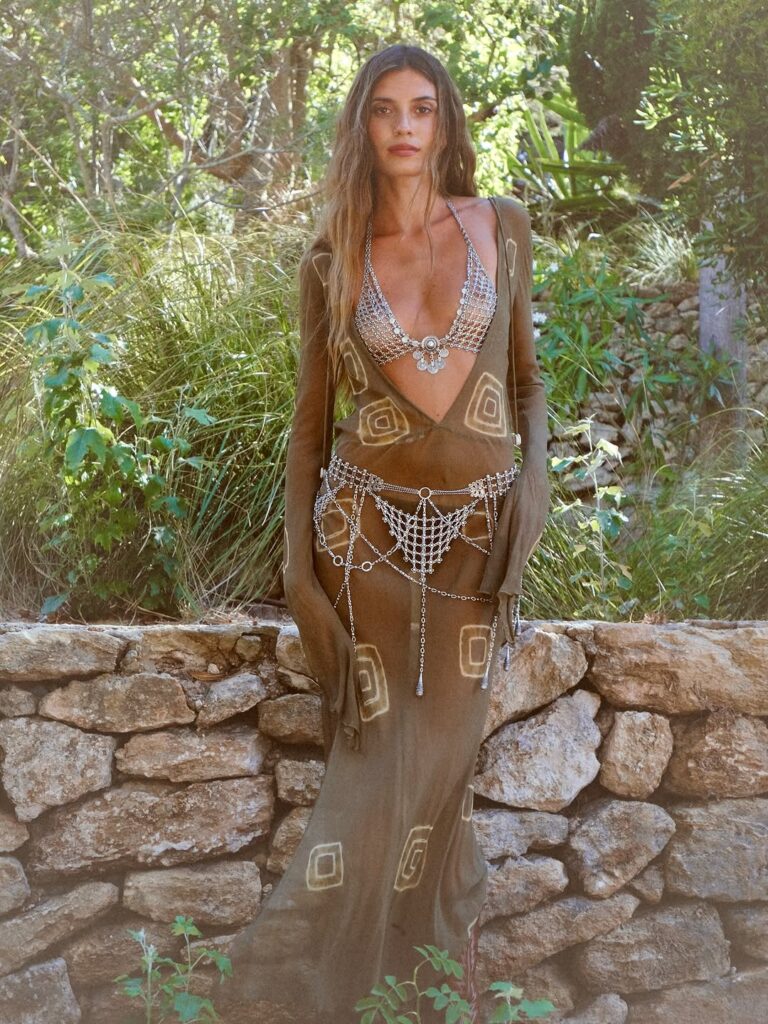
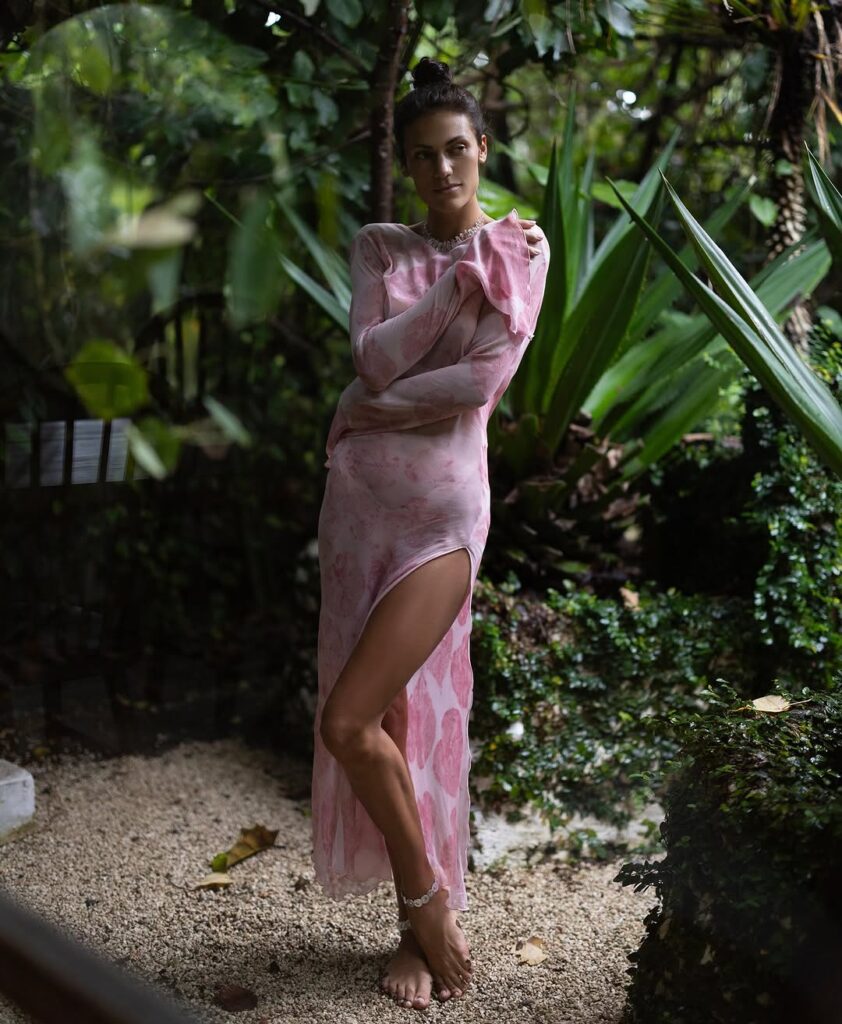
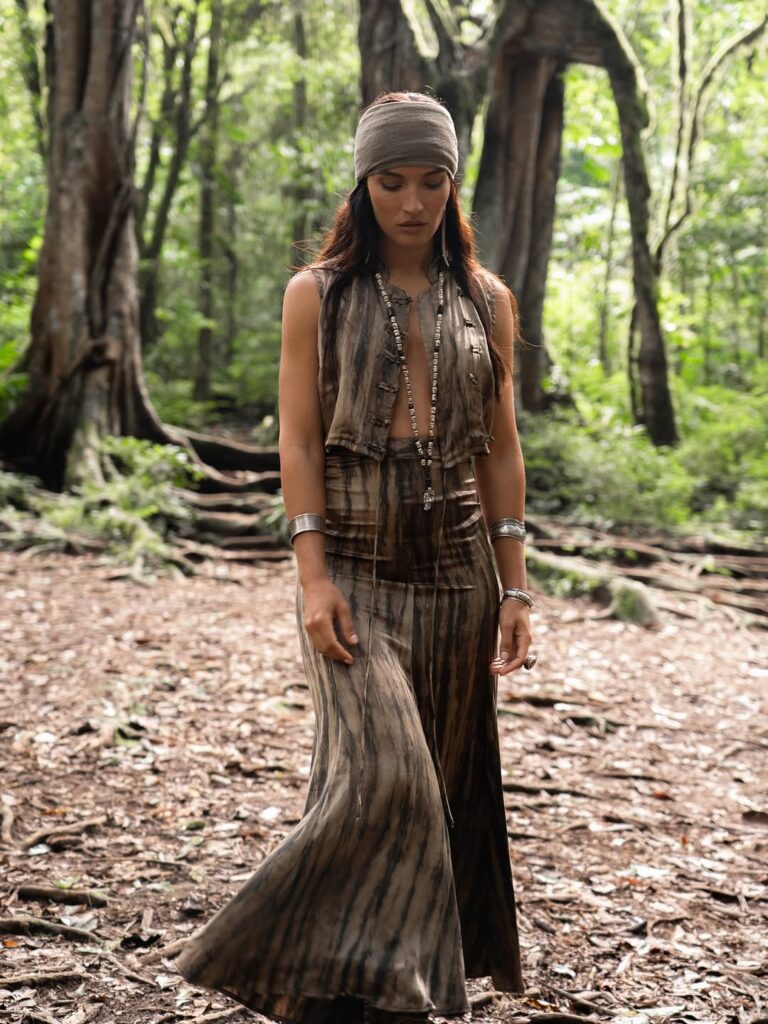
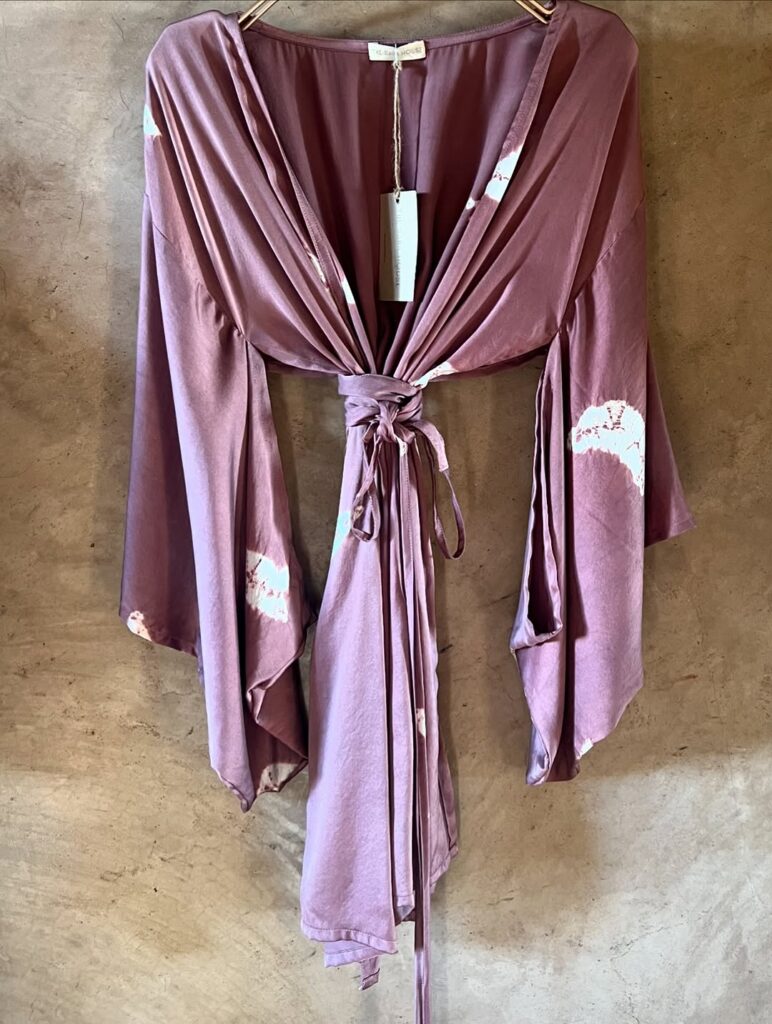
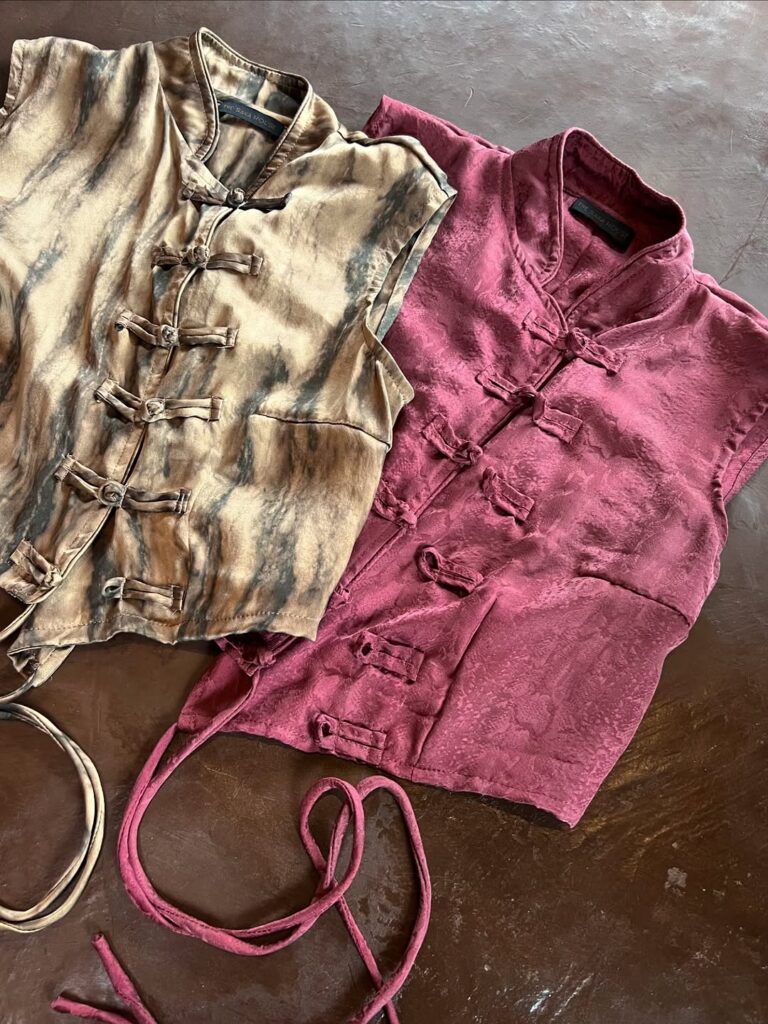
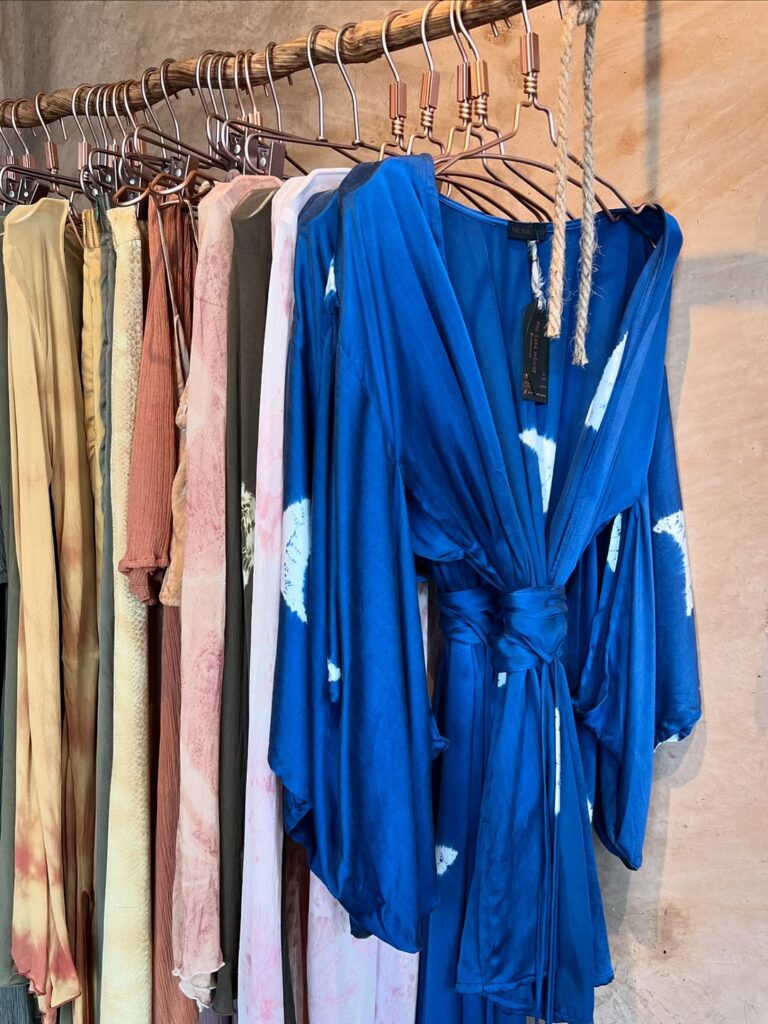
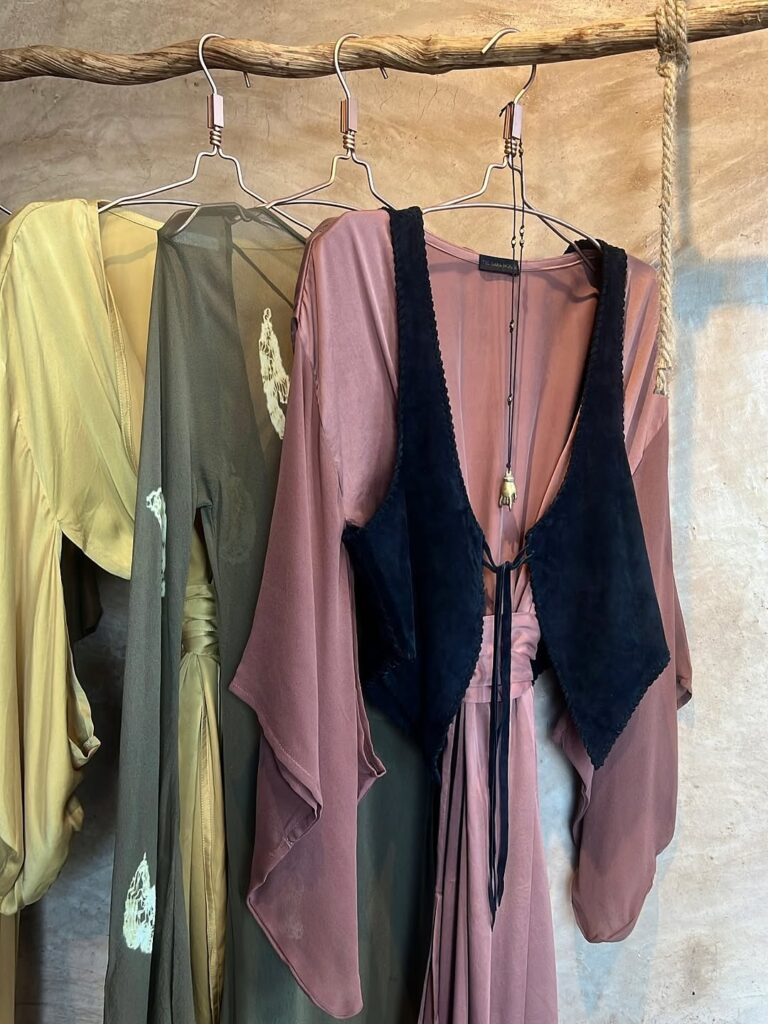
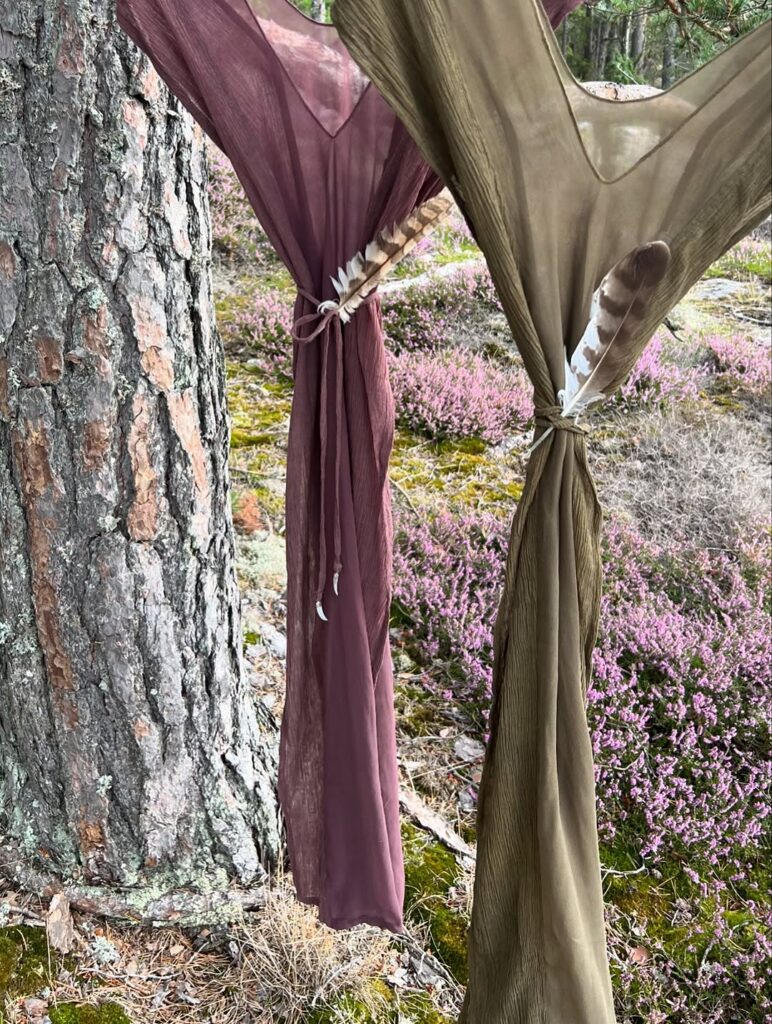
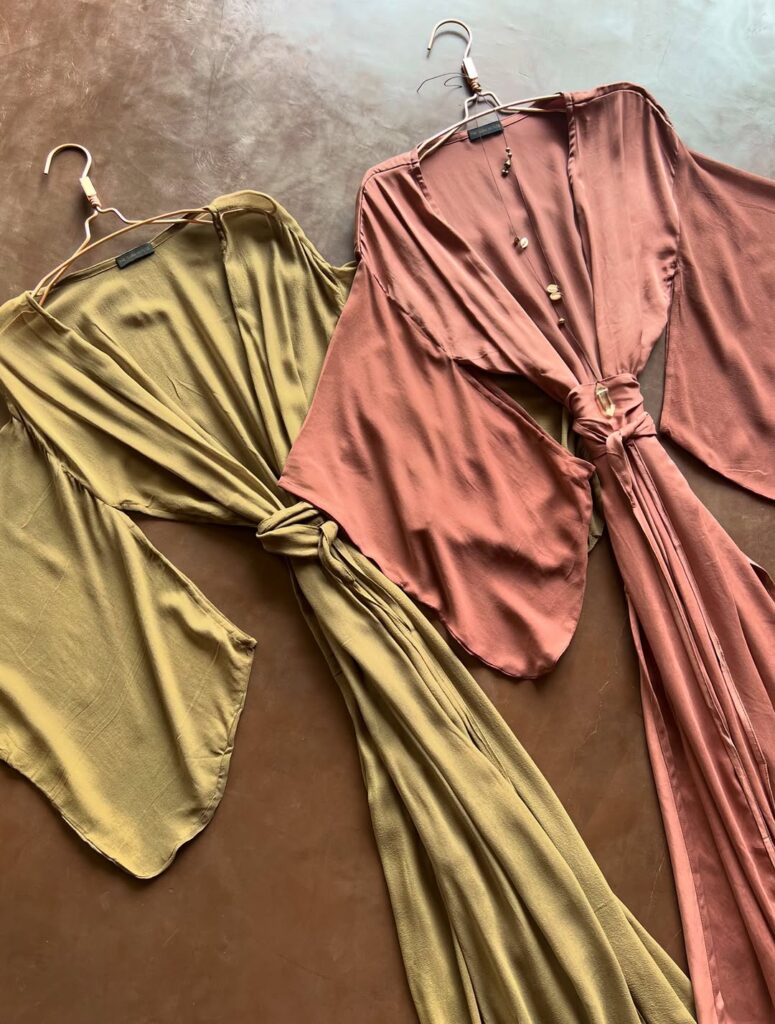
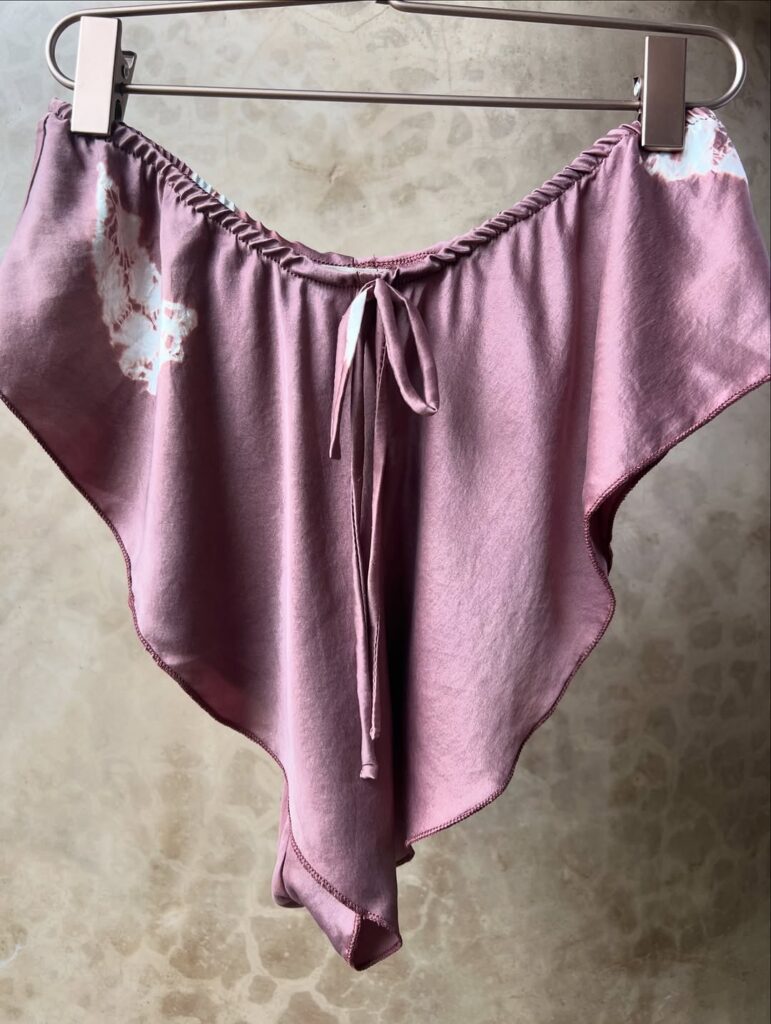
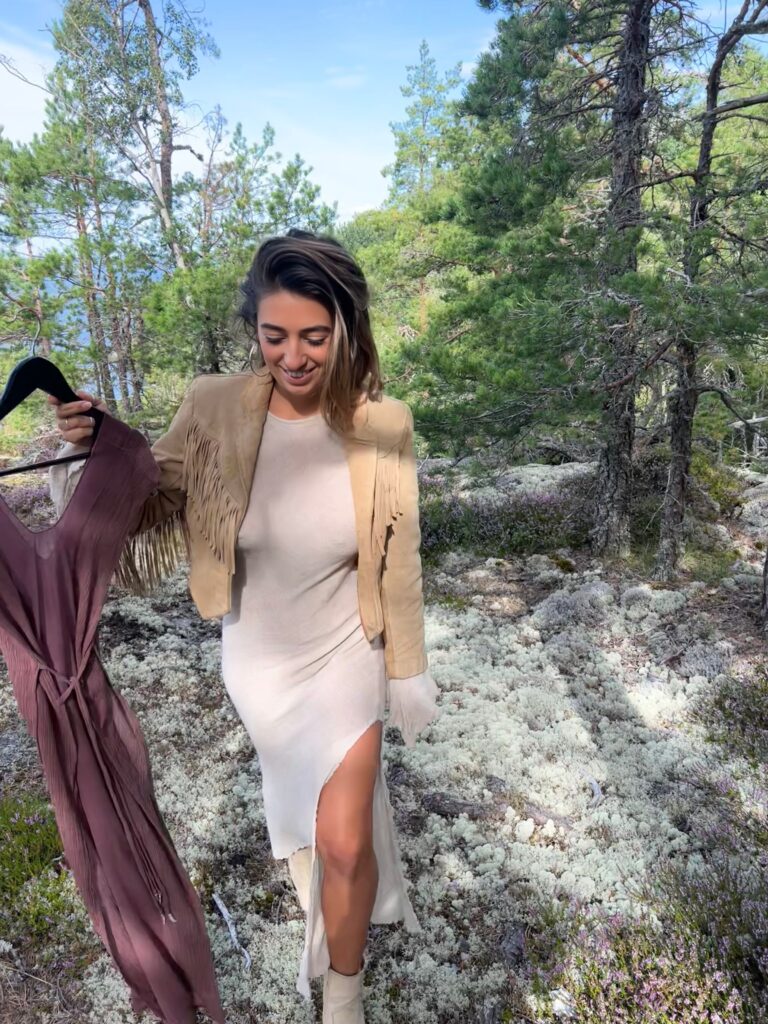
This is the ethos of The Saha House, a brand that mindfully-creates feminine clothing using natural botanicals and recycled materials. The clothing brand uses plants to dye its fabrics and is known for its slow, artistic process.
The Saha House is a “slow clothing” label, based in Indonesia, that is committed to a sustainable and ethical approach to fashion. They use high-quality natural fabrics and local botanicals in their designs, which are often dyed slowly by hand. Jenny Wirichs is the brain behind The Saha House. Her love for nature has propelled her to align her business strategy to natural resources. Their process is described as a romance between artisans and nature, focusing on the “alchemy of earth and hands. The brand uses natural fabrics and local botanicals for dyeing, with a focus on sustainability and waste reduction. Scrap fabric is repurposed, and recycled paper is used for labels.
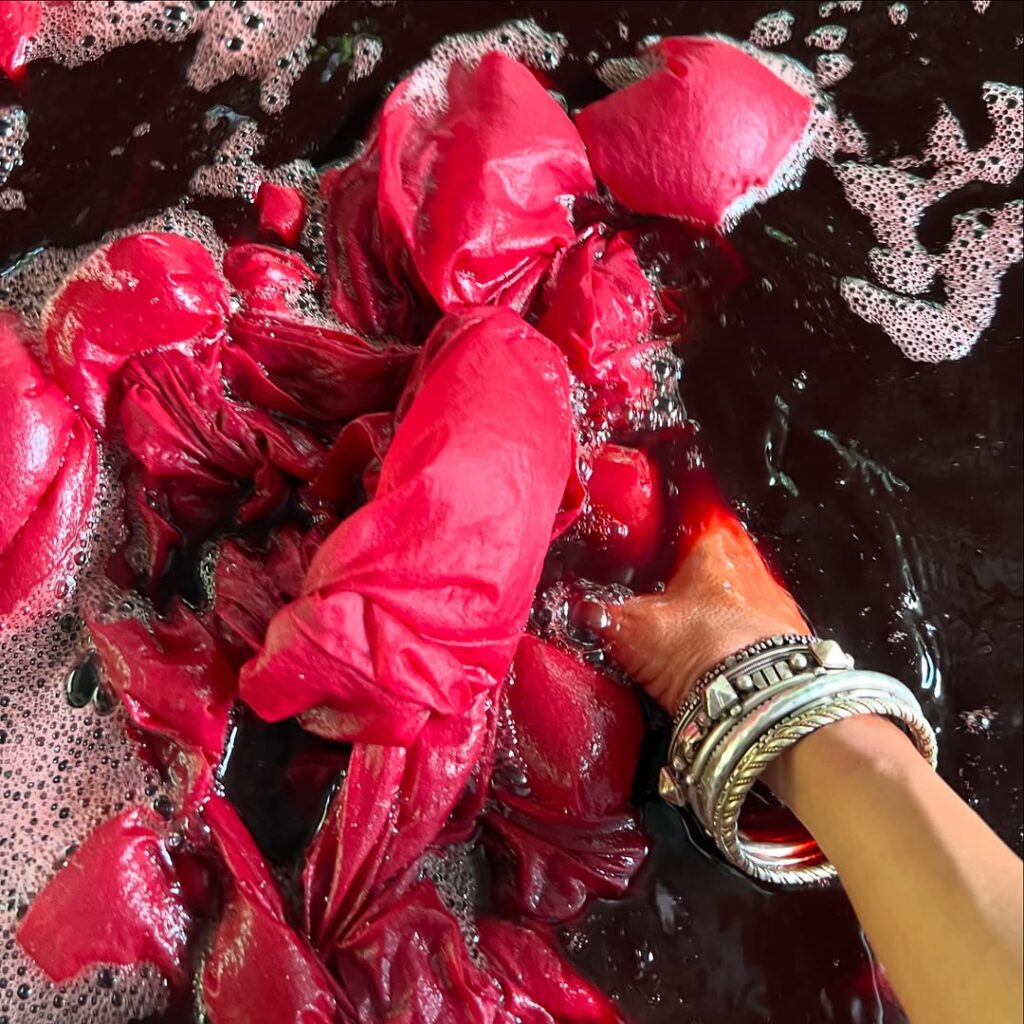
Plant dyeing is a process used by The Saha House and it is, an ancient practice of extracting color from plants to dye textiles, hair, or bodies, using techniques like boiling plant material in hot water to create a dye bath.
“Plant dying textiles is an ancient traditional practice that is making its way back. Trees, herbs and bark are made into dye baths for the fabrics to soak, becoming beautiful colours. During the whole dyeing process, no plants are killed, no harmful chemicals are used, and all runoff is completely organic going back into the soil. We use the highest quality fabrics whilst supporting local communities by working with local artisans. Our clothing is better for your skin and better for our earth,” says Jenny.
The brand works with artisans to support local communities and preserve traditional craftsmanship. It embodies a deep connection between artisans, nature, and consciousness, with creators pouring “love, respect, and reverence” into their work.
HER STORY
“I was raised on the sunny shores of a small beach town in California, a state located on the west coast of the United States. As a little girl, my mother would find me dissembling her clothes, sewing and embellishing them. Bead and fabric stores were my versions of a candy shop. Making clothes and jewellery has always been my happy place. When I was around 17 years of age, I began to travel around the world. Always chasing for new inspiration, I was in awe of the diverse cultures and one of the countries that fed my artistic soul was, Indonesia. As I traveled through this country I learned about this incredible land, the native plants, its use of natural resources and the local people’s way of connecting to the earth, to others, and to themselves. Making and creating things with my hands is what grounds me. Saha has been my dream and my whole heart goes into it,” she says.