Visa and Global Fashion Agenda (GFA), are proud to support the next wave of creative entrepreneurs who are paving the way for a more regenerative fashion economy. The Circular Design Challenge is a global initiative that celebrates and empowers emerging designers to rethink living choices and accelerate the transition to a more sustainable future.
What Will Winners Receive?
15 winners will be selected to receive a range of prizes, including:
10 winners will receive a share of EUR 50,000 to invest in their business
4 winners will receive EUR 10,000 each to invest in their business, plus:
Invitation to participate in Global Fashion Summit 2026
Individual pairing with leading solution providers to co-create a product
Expert mentorship sessions, promotional opportunities, and industry recognition
1 Grand Prize Winner will receive EUR 20,000 to invest in their business, plus:
Invitation to participate in Global Fashion Summit 2026
Individual pairing with leading solution providers to co-create a product
Expert mentorship sessions, promotional opportunities, and industry recognition
Who Can Apply?
To apply for the awards, you must:
Be a creator, working in fashion upcycling, textiles, accessories/footwear, or apparel
Have been registered as a business owner for at least one year
Be headquartered in Europe and operate primarily within Europe
Operate in a way that is in line with circular business activities — including Resell, Repair, Rental, Refill, Return and Redistribute
Be available for the Global Fashion Summit on 6-7 May 2026 in Copenhagen if shortlisted
Apply Now!
Don’t miss this opportunity to join the circular fashion revolution! Apply now and showcase your innovative design and contribute to a more sustainable future.
Selection Process
Applications will be shortlisted and reviewed by an esteemed Jury of industry experts.
Rules and Regulations
Applicants must only submit original work, and any design must not be a copy of another company’s existing work. If the work was produced in collaboration with another party or individual, applicants must provide appropriate credit.
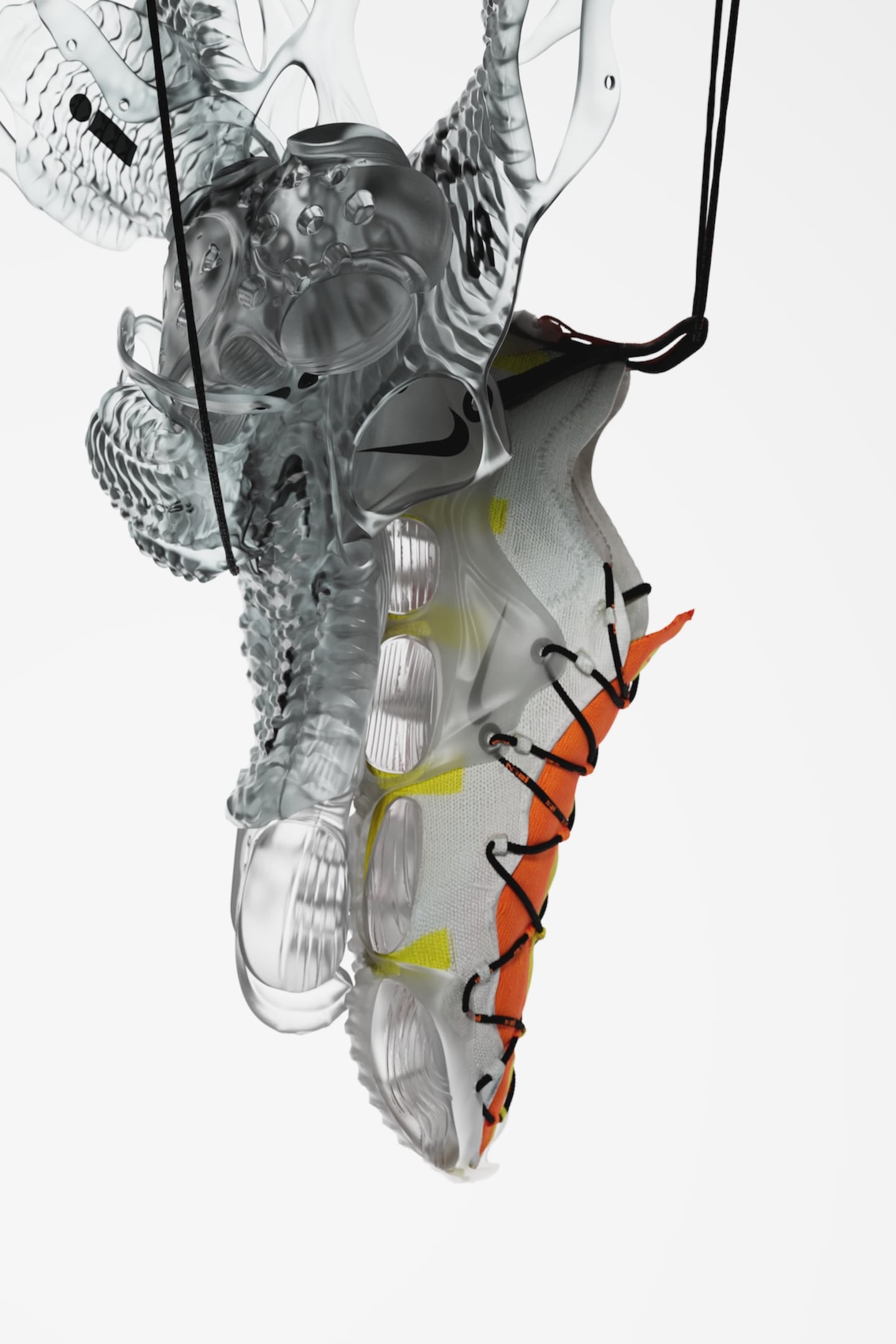
Nike is aggressively accelerating its use of recycled materials, aiming for 50% of its raw materials to come from recycled sources by 2025 as part of its “Move to Zero” initiative.
Through strategic partnerships with startups like Syre and Loop Industries, Nike is investing in textile-to-textile recycling to secure a supply of recycled polyester.
The brand has signed multi-year off-take agreements to secure a stable supply of recycled materials, specifically focusing on scaling up textile-to-textile recycled polyester.
Recycled polyester is a foundational material, with products like the Tempo Short made from 75–100% recycled plastic bottles.
By 2025, Nike aims to reduce greenhouse gas emissions by 0.5M tons by increasing the use of environmentally preferred materials to 50%.
Beyond polyester, Nike uses recycled materials in products like Nike Air soles (composed of at least 50% recycled manufacturing waste) and Flyleather (recycled leather scrap).
The company aims for 100% waste diversion from landfills in its extended supply chain, with at least 80% recycled back into Nike products. This shift moves Nike from sustainable messaging to incorporating circular design into its production economics.
eBay is expanding its Circular Fashion Fund in 2026, opening applications to businesses and startups across the EU, Switzerland, and Canada for the first time. Eight selected businesses will each receive $50,000 in funding, alongside mentoring to develop innovative solutions that extend the life of clothing and reduce textile waste. The total global funding through the program is set to reach $1.9 million by the end of 2026.
The Circular Fashion Fund supports entrepreneurs tackling the fashion and textile industry’s environmental footprint, from production to end-of-life. One standout business will be named the Global Winner and receive an additional $300,000 investment from eBay Ventures. Applications are open until March 8, 2026.
The EU is pushing forward with its sustainability agenda, with 2026 set to shape the future of its climate and energy architecture.
Key developments include the implementation of the Ecodesign for Sustainable Products Regulation (ESPR), Packaging and Packaging Waste Regulation (PPWR), and Empowering Consumers for the Green Transition Directive (ECGT), aiming to reduce waste, promote eco-friendly practices, and combat greenwashing.
Some notable changes include the ban on destroying unsold apparel/footwear. From July 19, 2026, large enterprises will be prohibited from destroying unsold clothing and footwear. A central registry will be established by July 2026 to track product sustainability data. Changes also include, Extended Producer Responsibility which means EU Member States must establish schemes for textiles and footwear by mid-2028.
The EU is also working on its 2040 climate target, aiming for a 90% reduction in net greenhouse gas emissions compared to 1990 levels .
What began as a one-woman project slowly blossomed. As more people fell in love with her work, the team grew, the space expanded, and the dream got bigger. From a small corner at home to a cozy studio, and now a full showroom, Bouthina Handmade has become a global name in the world of handmade elegance.
Bouthina Handmade started in 2014 with one woman, Bouthina Ahmed Mahroos, a crochet hook, and a heart full of passion. She began creating elegant, handmade crochet pieces from her home — each one crafted with love, care, and incredible attention to detail.
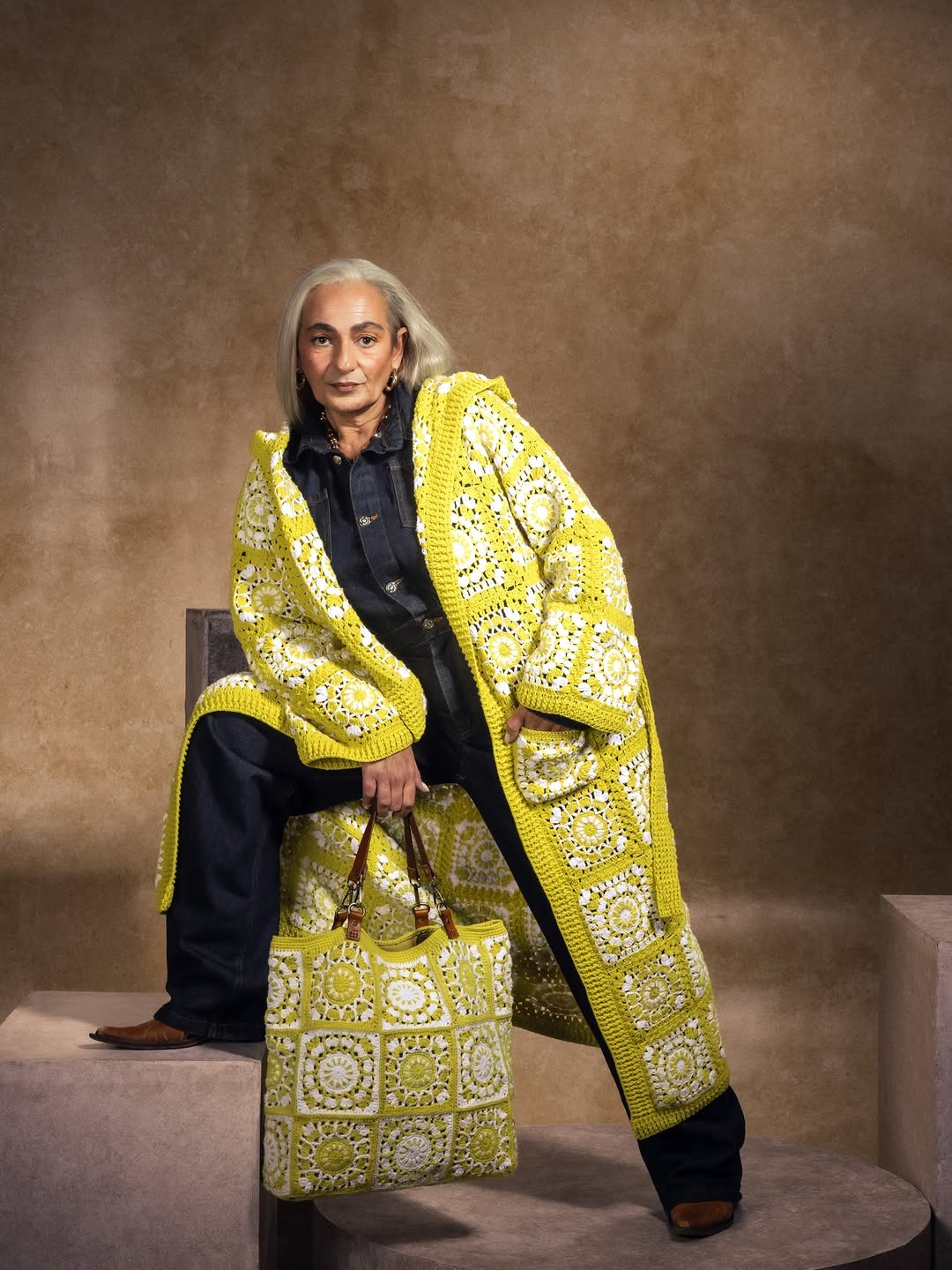
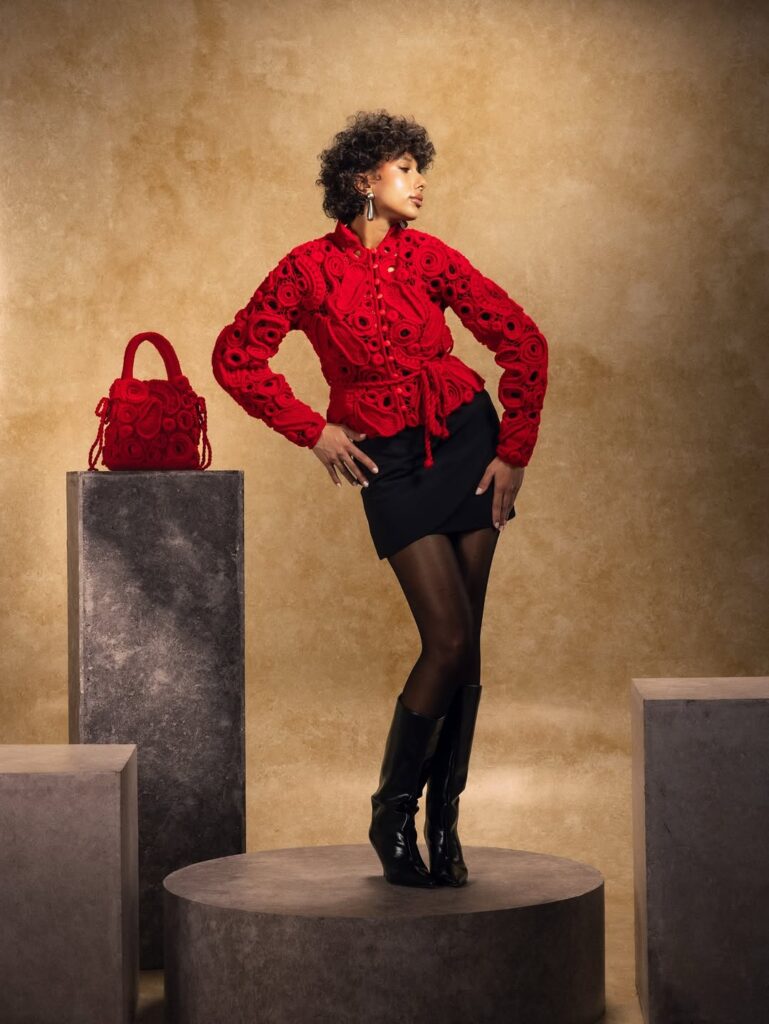
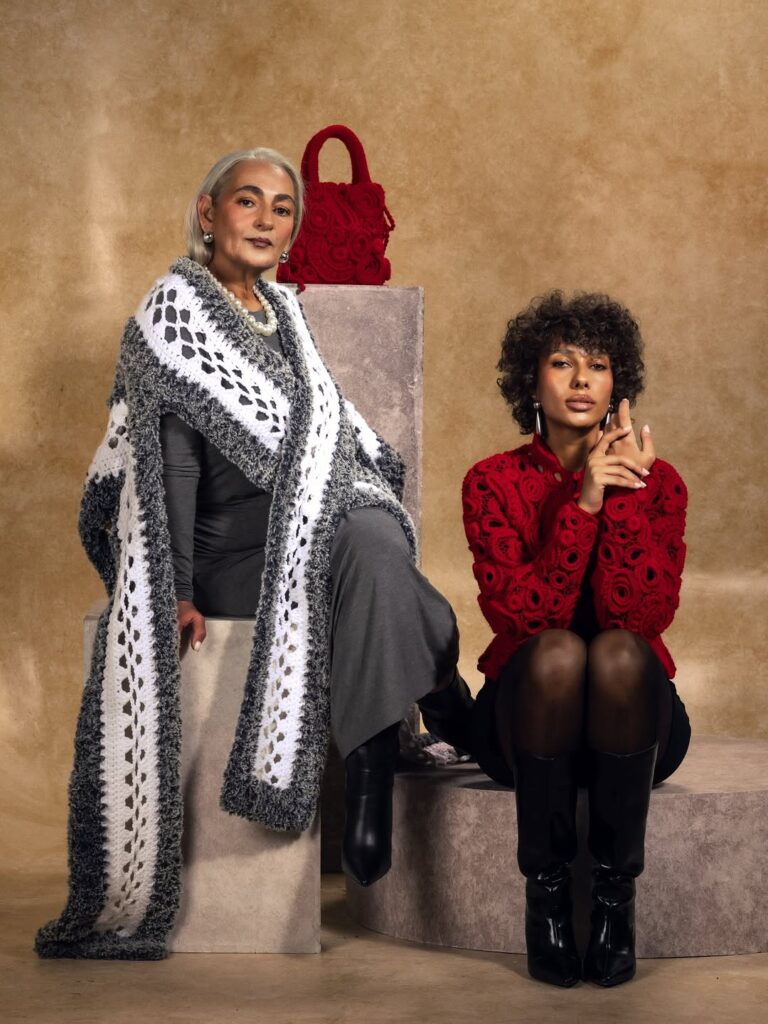
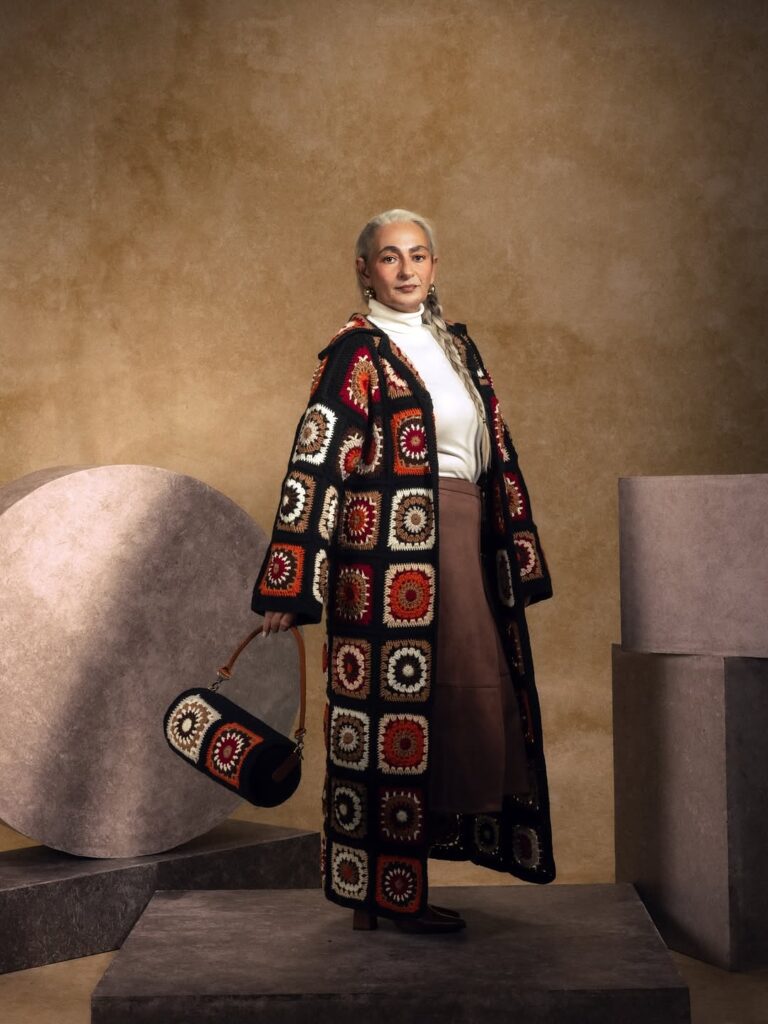
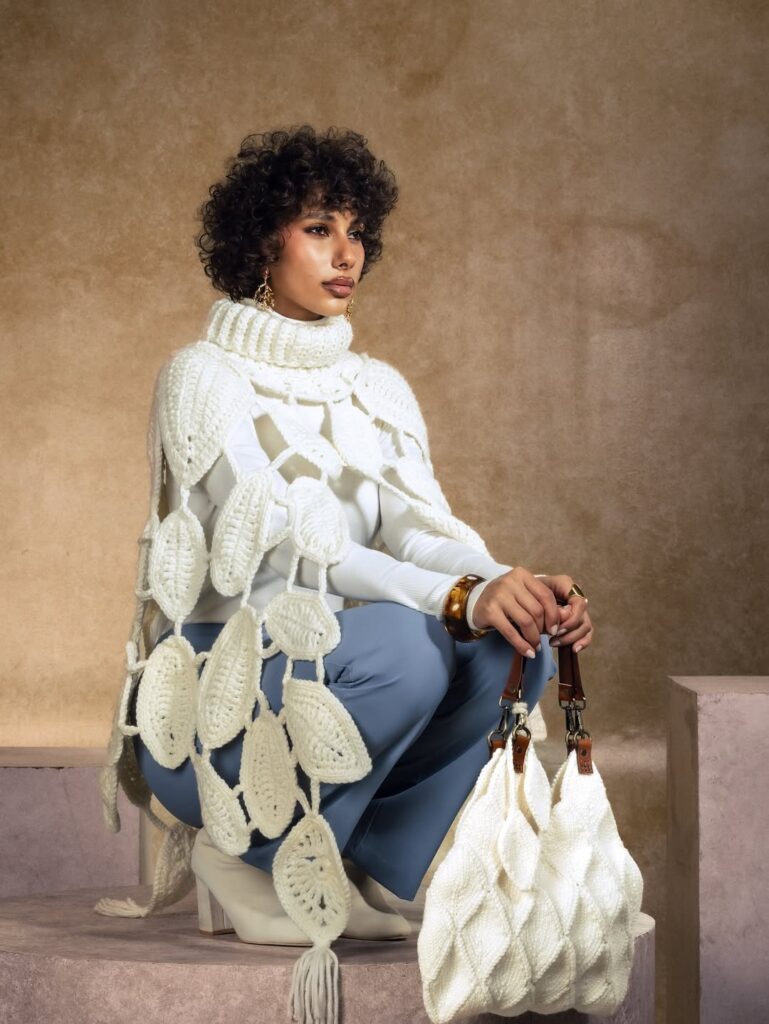
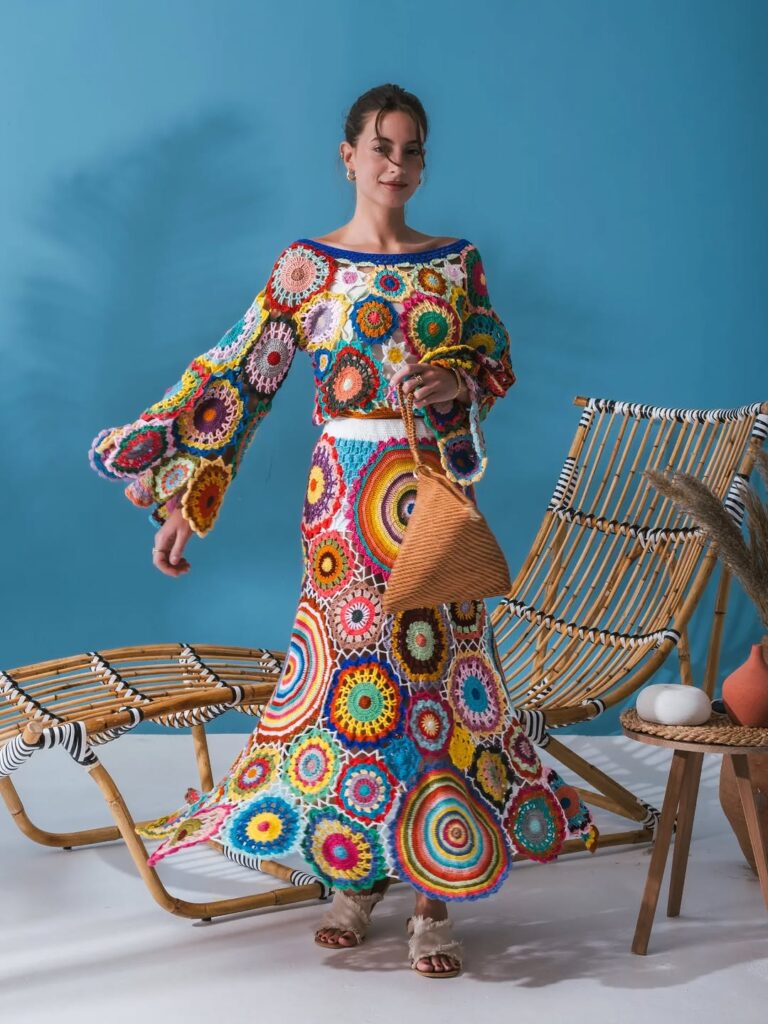
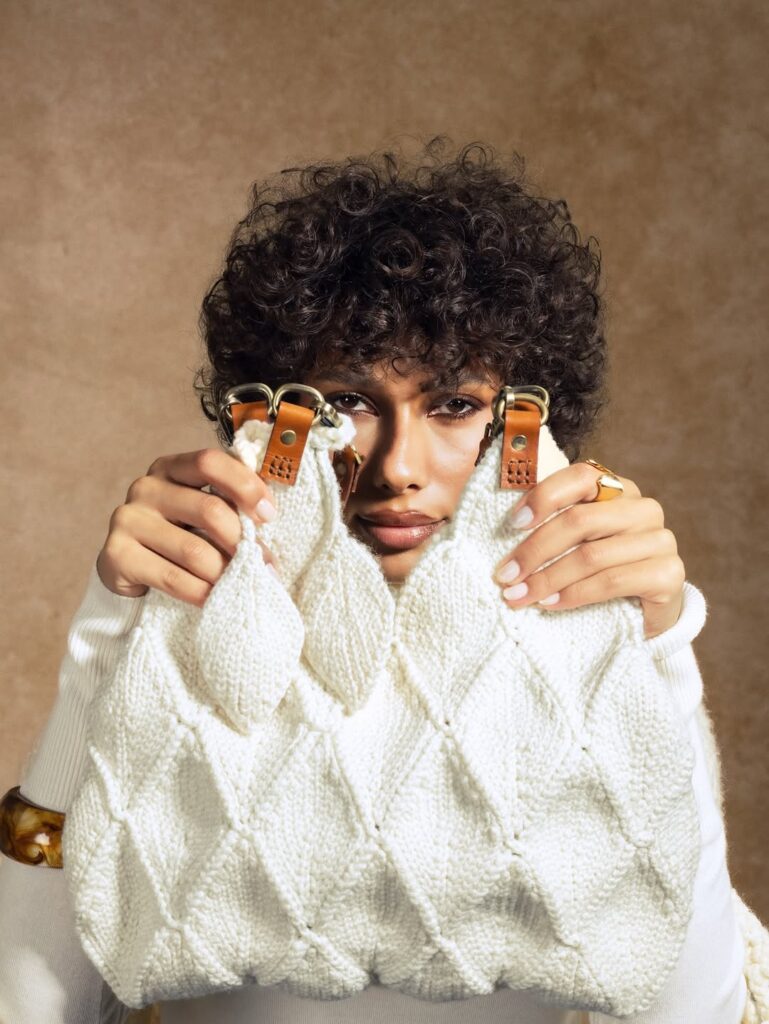
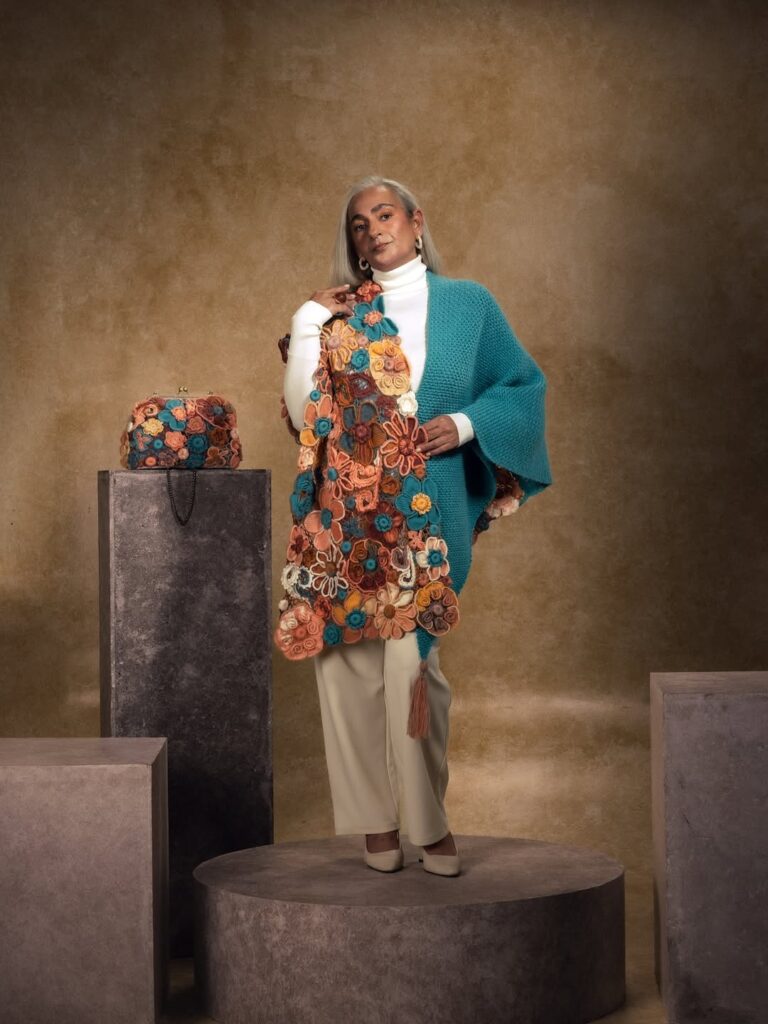
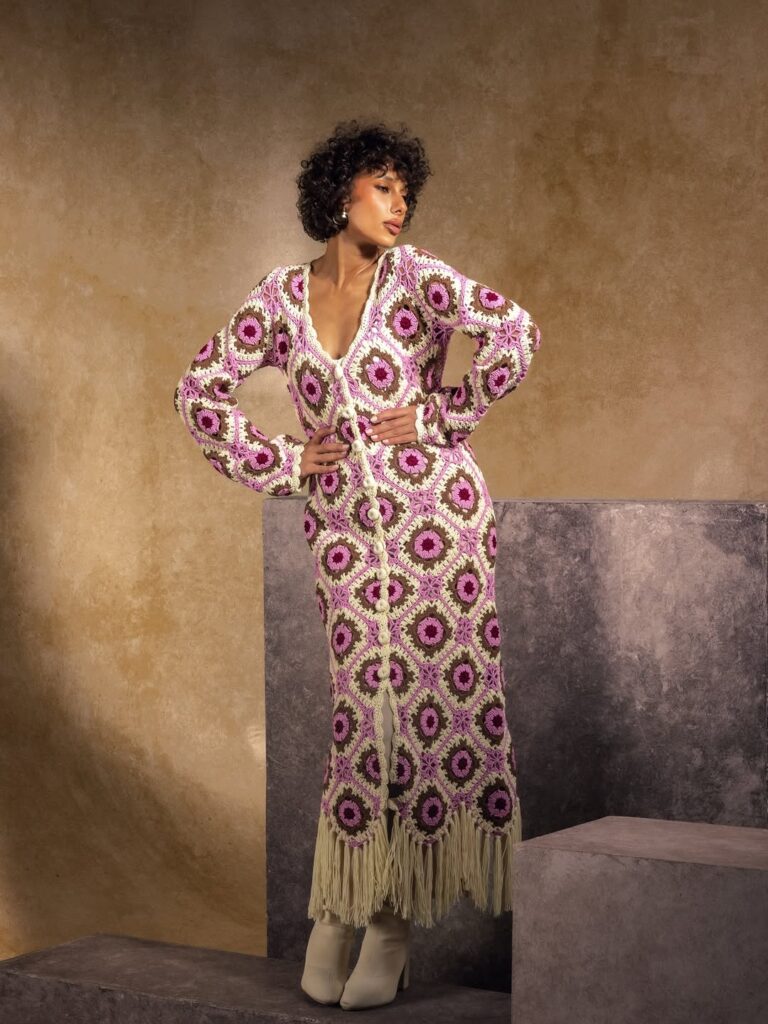
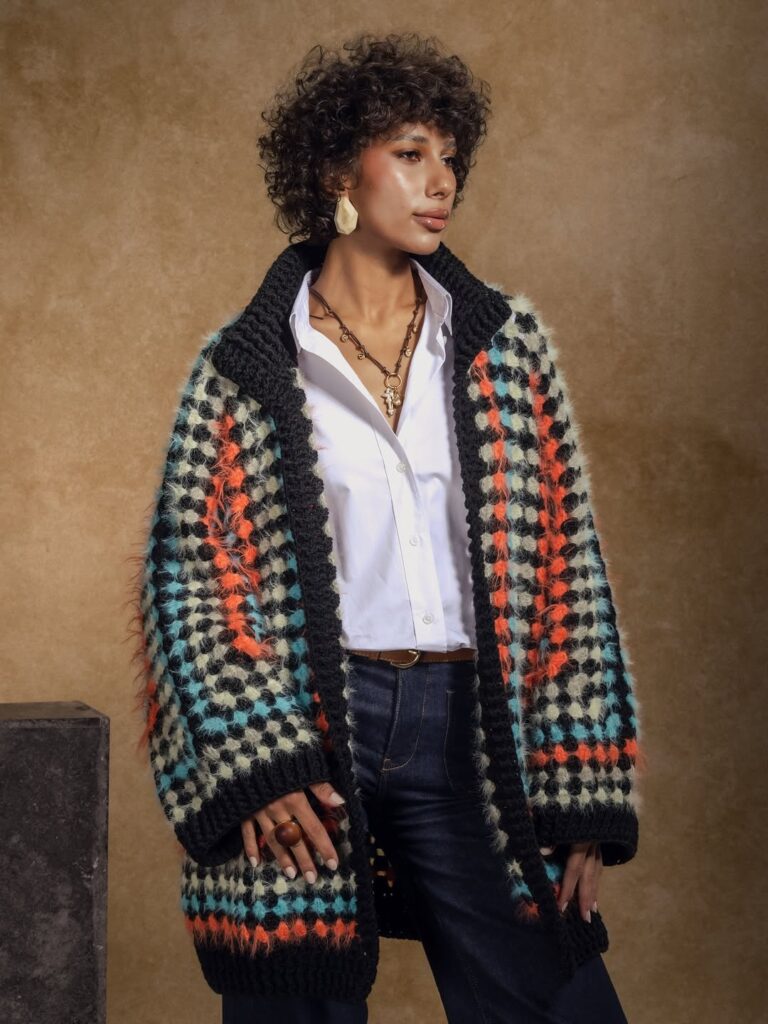
Bouthina Handmade is an Egyptian brand specialising in artisan-crafted, high-quality crochet fashion items, known for unique designs, vibrant colours, and intricate details in pieces like cardigans, bags, and jackets, offering “quiet luxury” and wearable art for effortless, statement style.
The brand’s sustainability is rooted in its approach to production and materials, which contrasts sharply with the environmental impact of industrial garment manufacturing. Each item, such as their crochet bags and cardigans, is crafted by hand with care, emphasising quality and unique details. This process is inherently more labour-intensive and less resource-extractive than mass machine production.
The brand uses high-quality yarns and materials to ensure that products are long-lasting, encouraging consumers to buy fewer items less often.The brand explicitly describes its products as “Eco-friendly and sustainable”. Bouthina Handmade positions itself as an alternative to “fast fashion,” focusing on unique designs and stories behind each stitch, which inherently promotes a more conscious consumption model.
By focusing on artisanal production and timeless style, Bouthina Handmade minimizes environmental impact compared to conventional apparel production methods. Their design aesthetic is characterized by artistic, individual pieces that stand out from mass-produced “fast fashion”.
Many items, such as bags and cardigans, use vibrant colours and intricate details to create a statement piece. Each item showcases the artistry of traditional crochet techniques and attention to detail.They offer a range from spacious, functional everyday bags to elegant dresses, shawls, and winter wear. Some pieces, like plain cardigans, are elevated by unique stitches and quality materials, designed for elegance and timeless style.