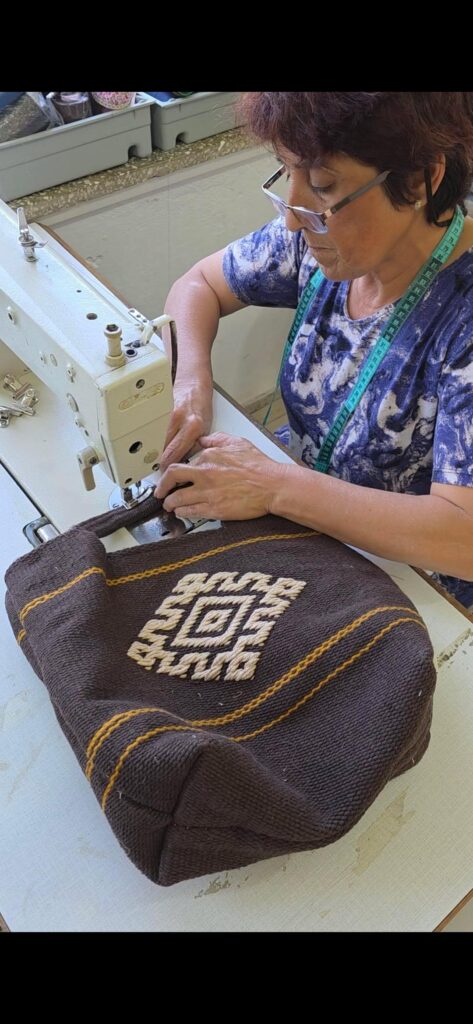
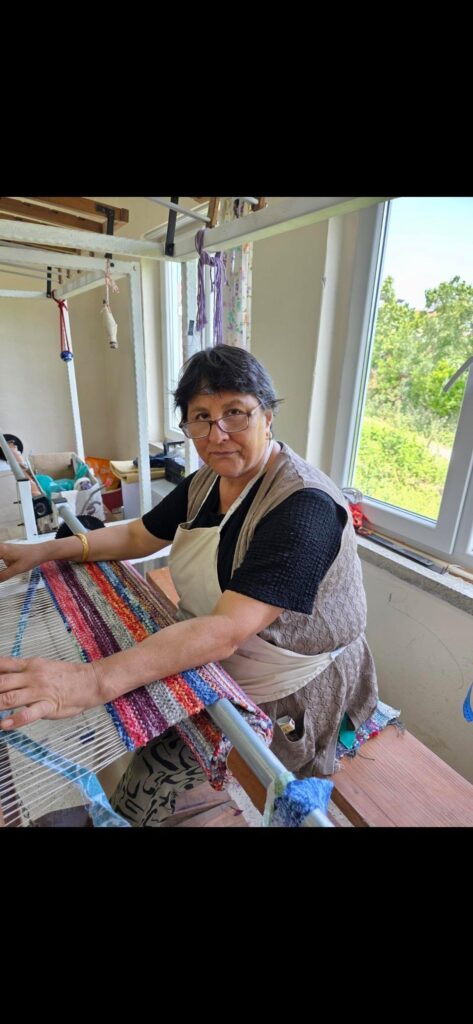
In the heart of Kılıçlı village, Sinop, Turkey, a group of determined women are weaving a new future for themselves and their community. The Sinabeli Women’s Entrepreneurship Cooperative, established in the spring of 2023, is a testament to the power of women’s empowerment and sustainable development.
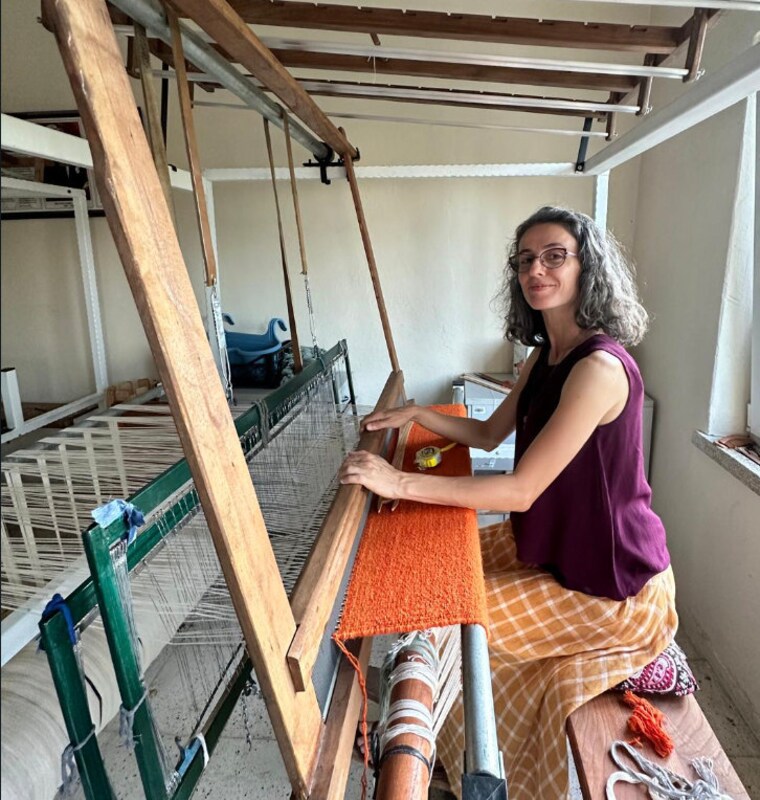
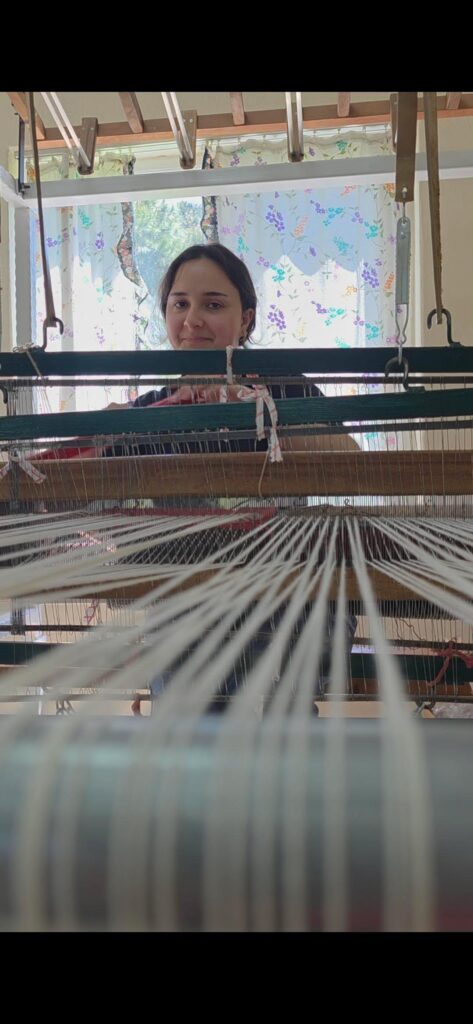
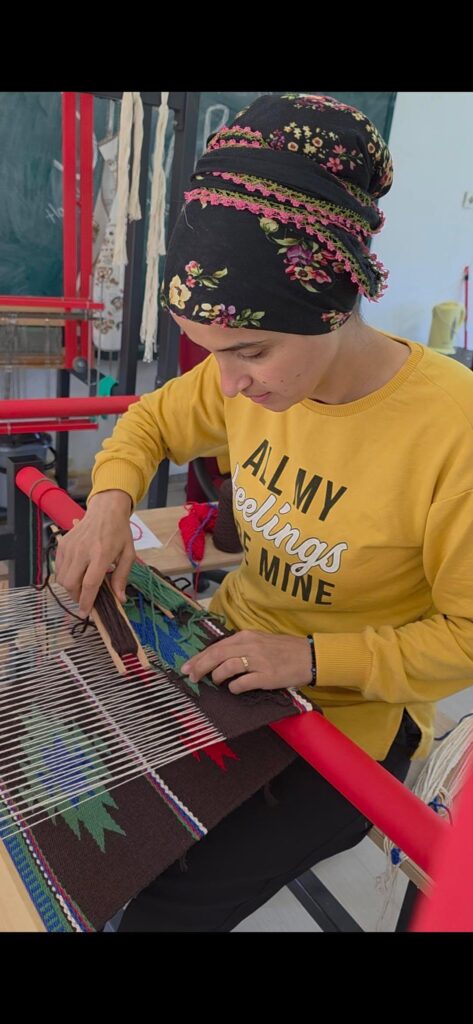
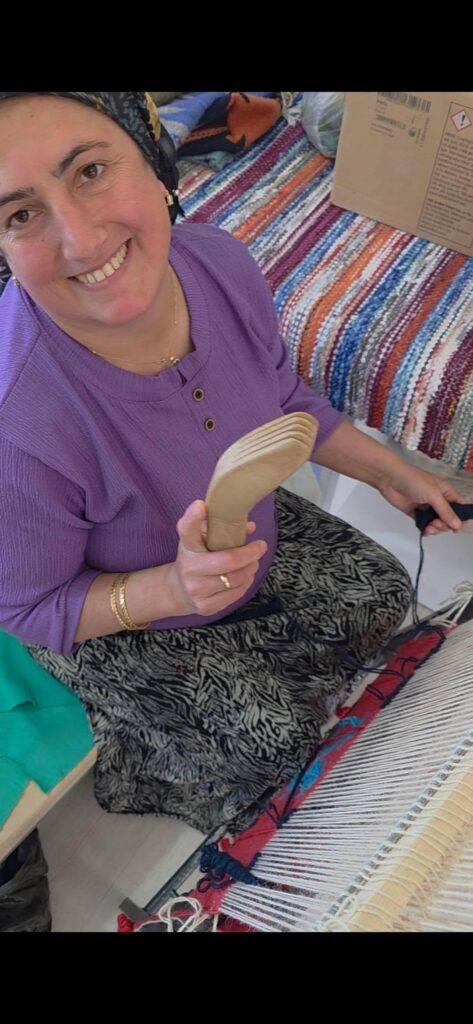
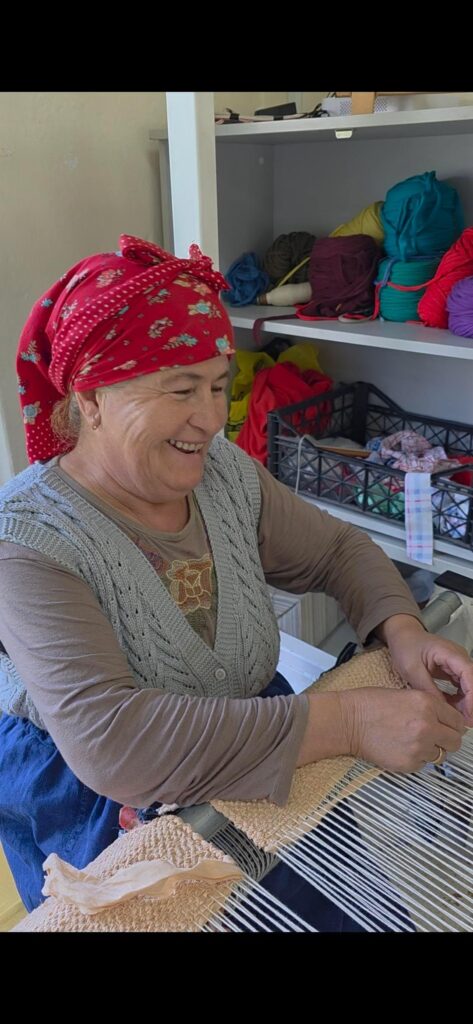
Led by Aylin Demirhan, the founding partner and chairwoman of the cooperative, the women of Kılıçlı village have transformed an abandoned school building into a vibrant workshop, where they create beautiful, hand-woven products using natural materials and traditional techniques.
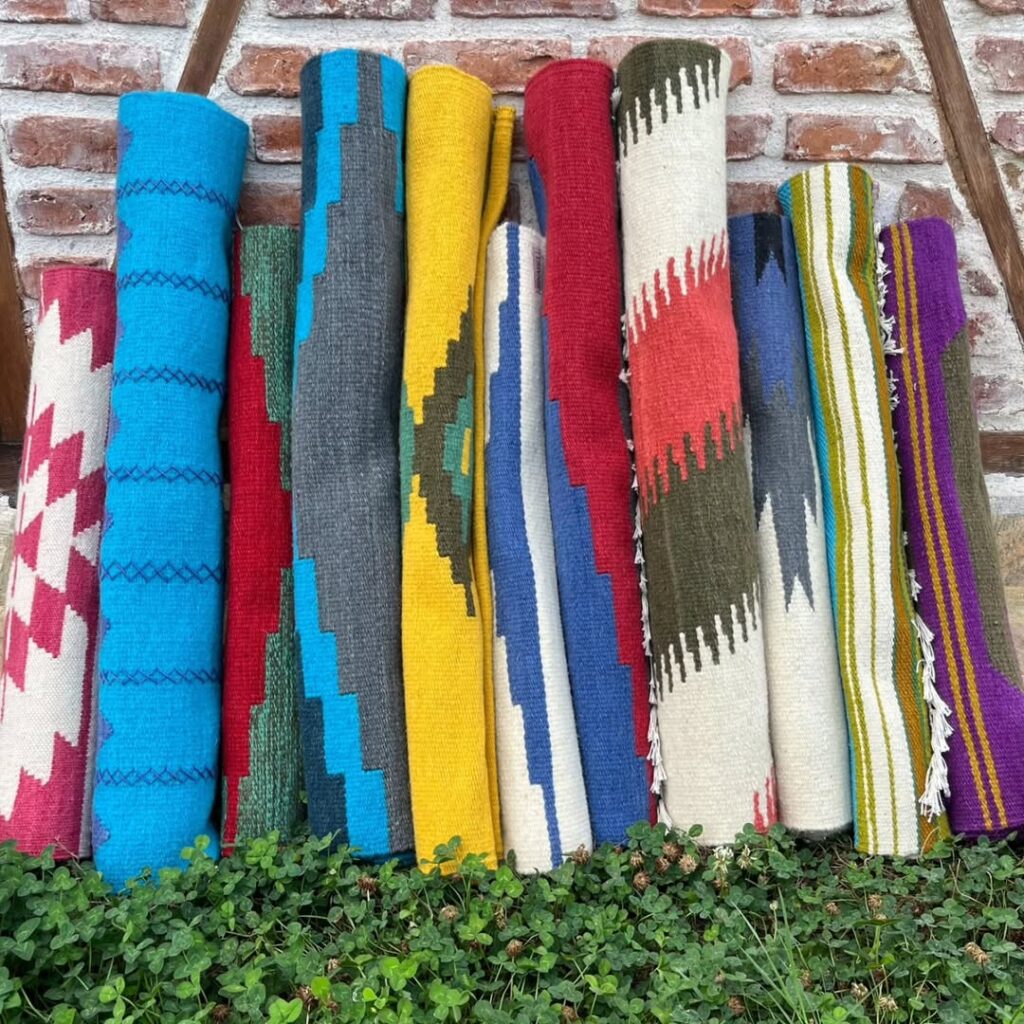
Their commitment to sustainability is evident in every aspect of their work. They use naturally dyed wool yarns, recycled cotton yarns, and surplus textile fabrics cut into strips for their rag weaving. Every product is hand-woven on traditional looms, ensuring that each piece is unique and tells a story of tradition and innovation.
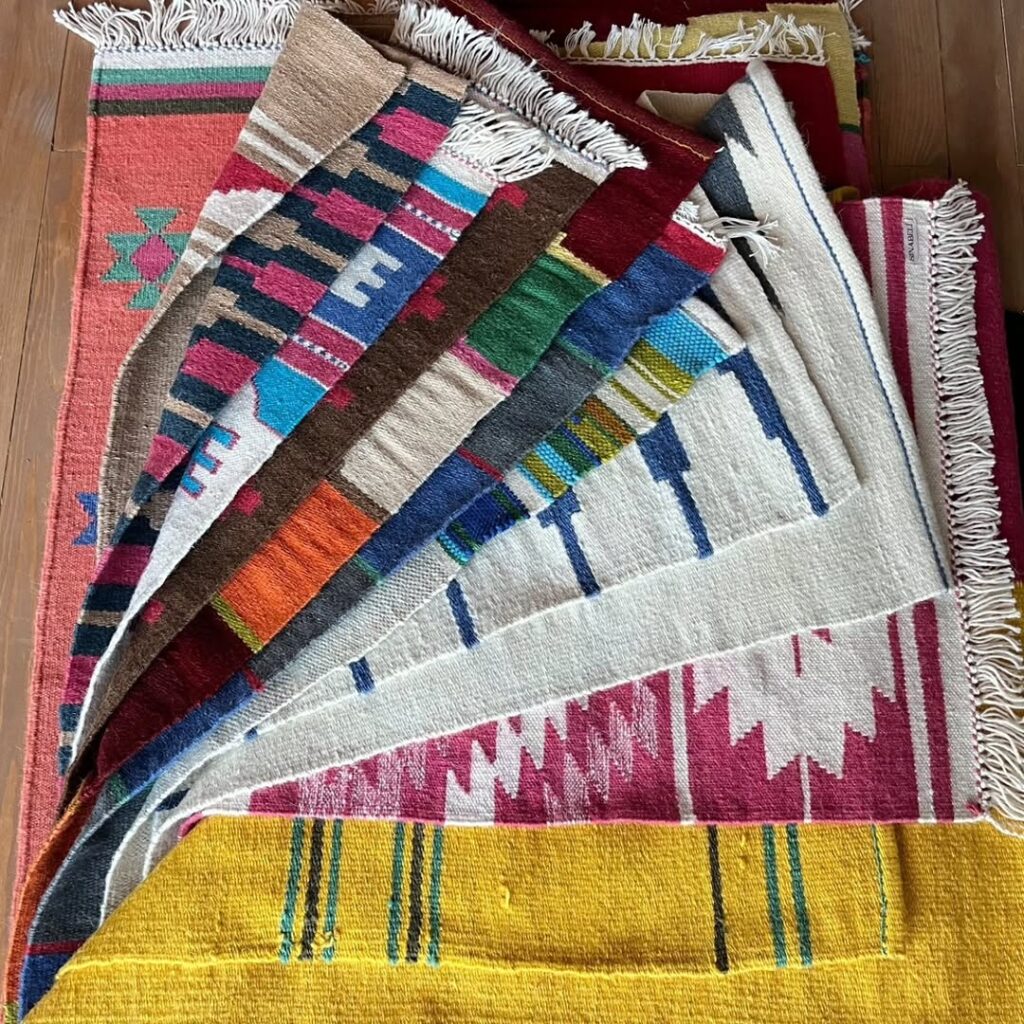
The cooperative’s designs draw inspiration from traditional symbols and the rich cultural heritage of Sinop, as well as collaborations with artists and academics. By reviving the rug weaving technique, an old tradition in their village, they extend the lifespan of unused fabrics from factories and from the community.
“We aim to slow down migration from the village by providing the women working within our organization with additional or alternative employment opportunities,” says Demirhan. “We take care to use natural materials in our weaving, and we give new life to fabrics that would otherwise become waste.”
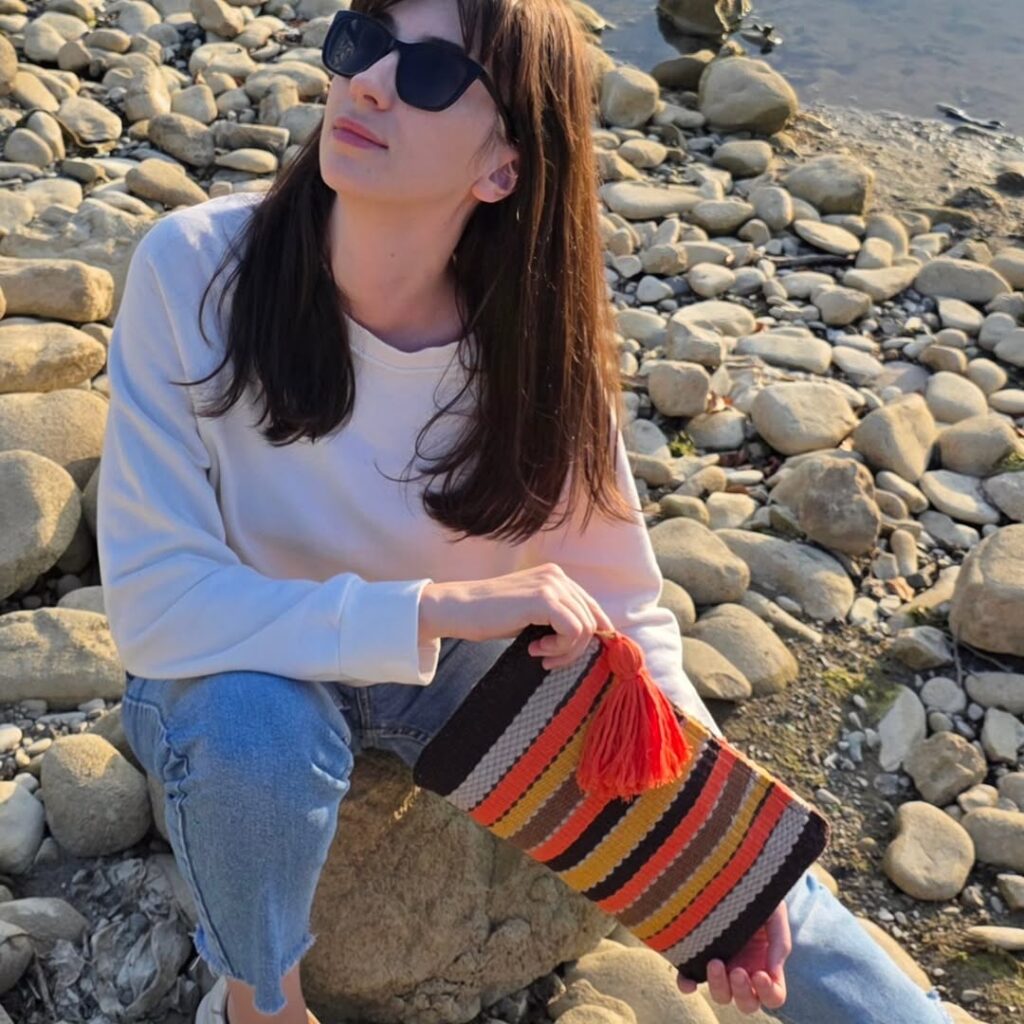
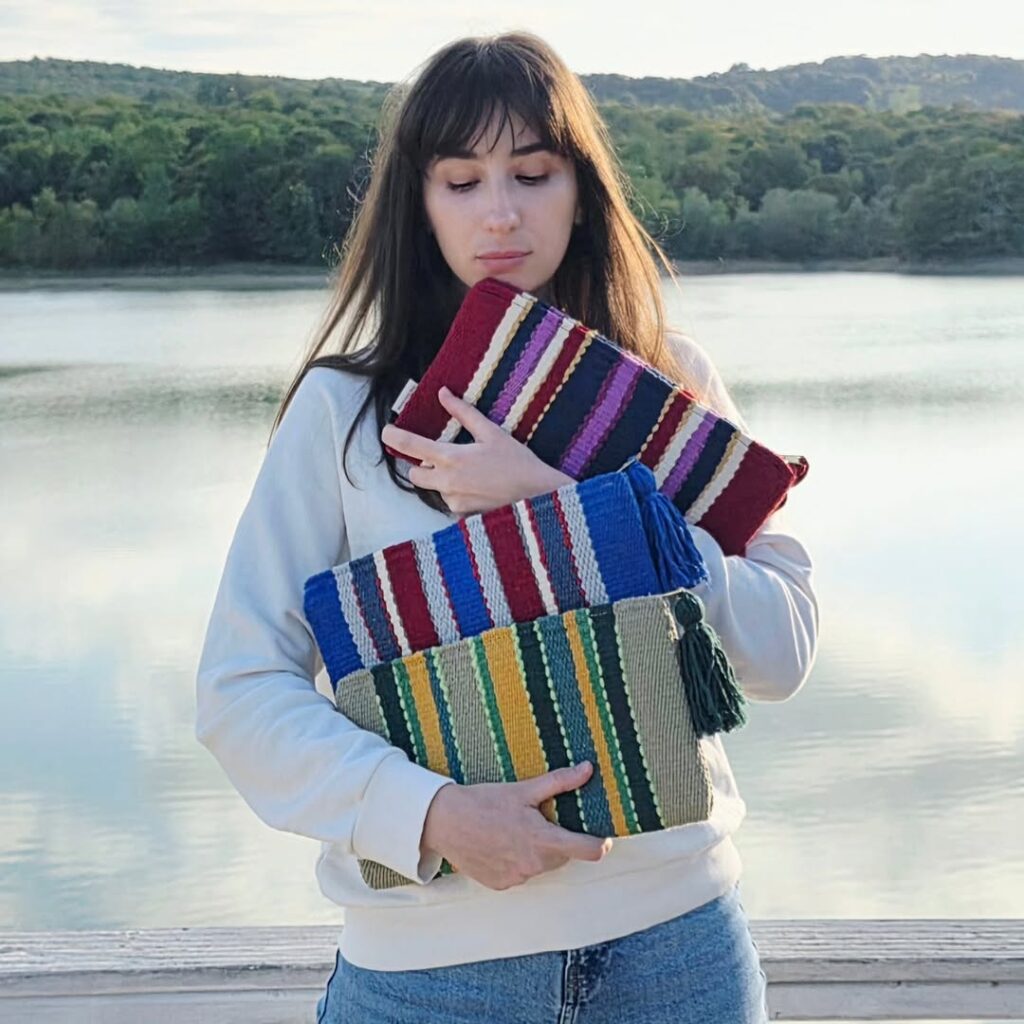
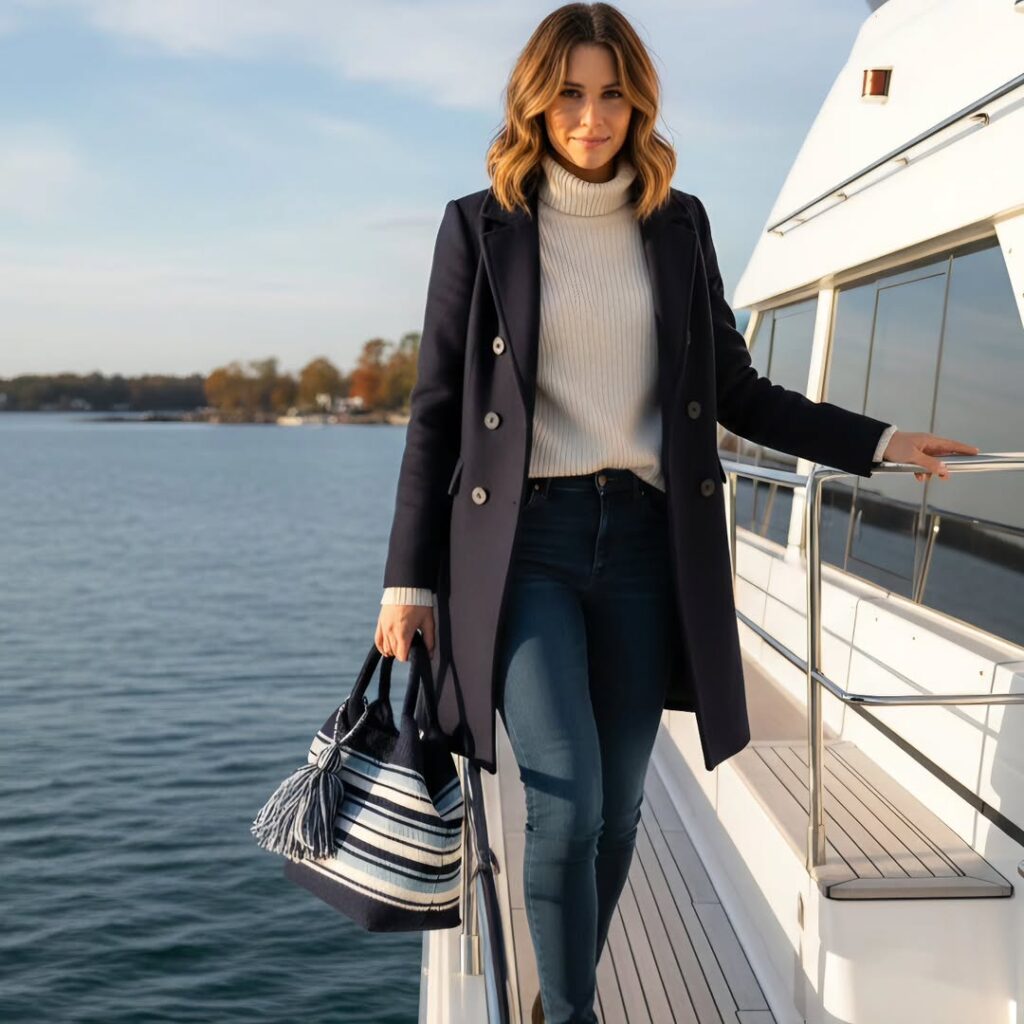
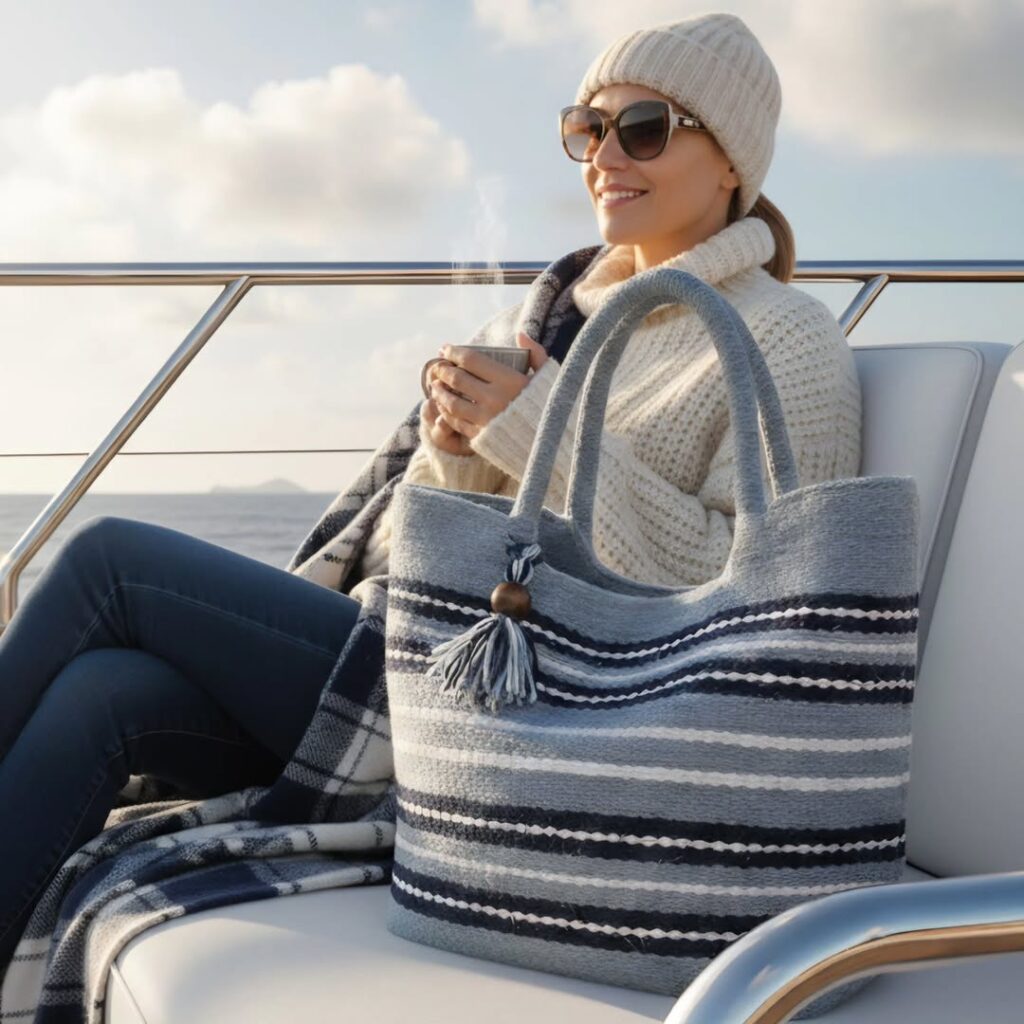
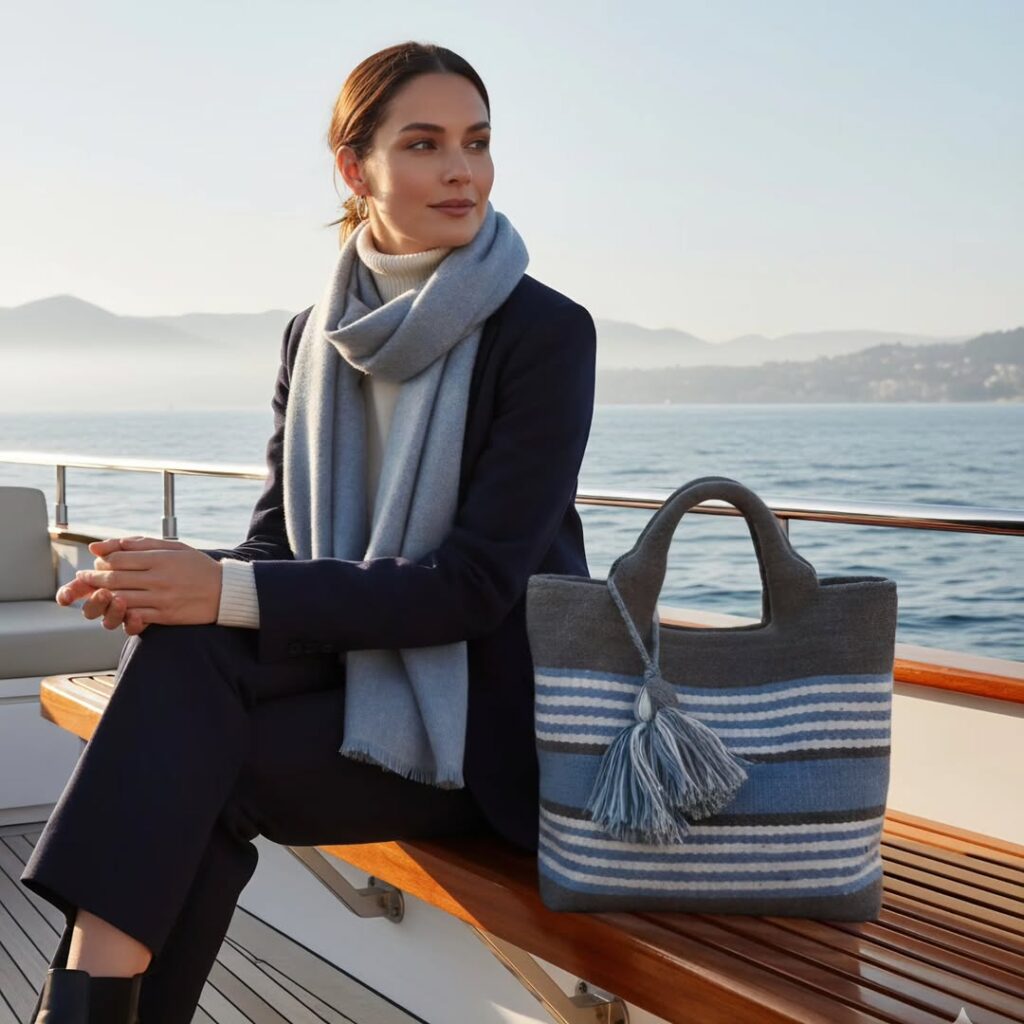
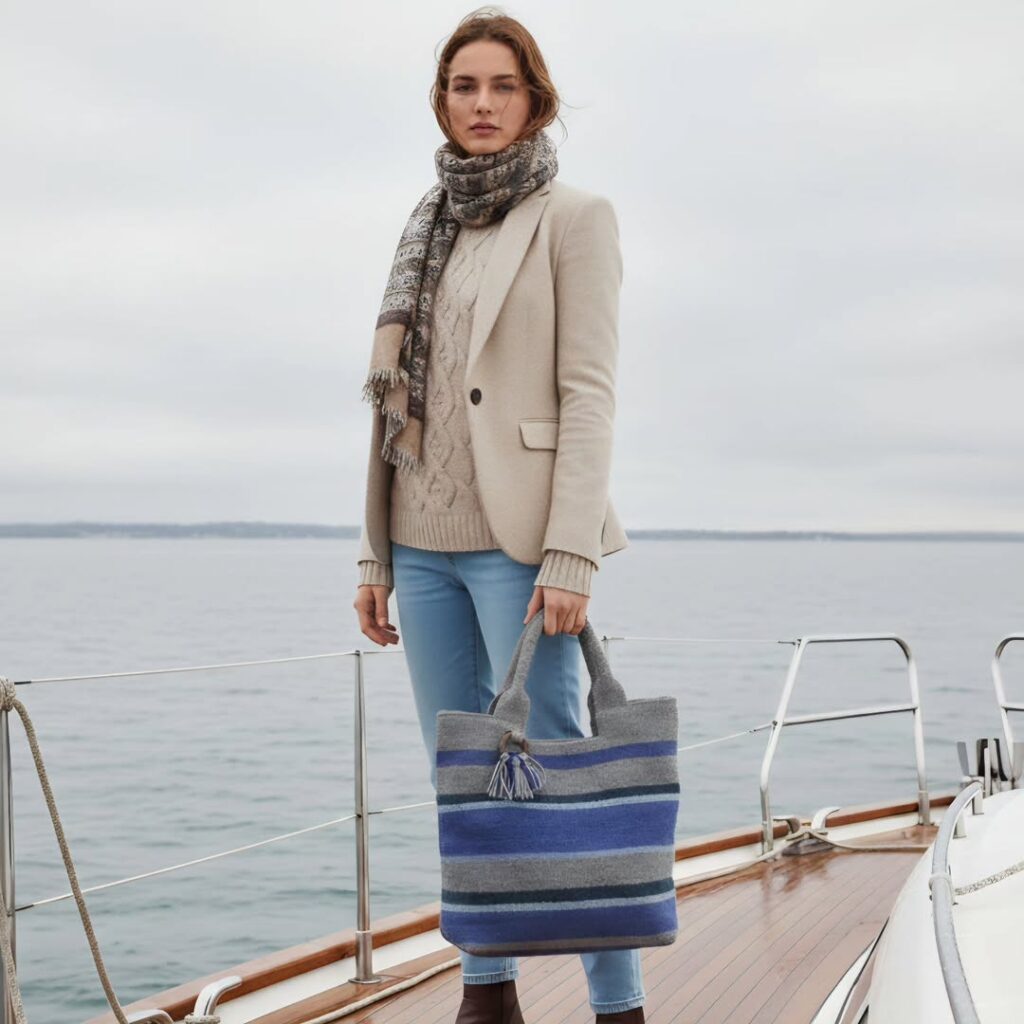
The Sinabeli Cooperative’s products are a testament to the women’s creativity and skill, featuring beautiful floor rugs, bags, throw pillow covers, placemats, poufs, belts, and wall hangings.
“For us, sustainability is not just a buzzword, it’s a way of life,” says Demirhan. “We believe that by reducing our environmental impact, we can create a better future for our children and our community.”
The cooperative’s sustainable practices are inspired by the traditional Turkish weaving techniques that have been passed down through generations. They are part of a larger movement towards sustainable fashion and women’s empowerment, and their work is a testament to the power of community and creativity.
Overall, the Sinabeli Women’s Entrepreneurship Cooperative is a powerful example of how women’s empowerment and sustainable development can go hand-in-hand, benefiting both the women involved and the broader community.
Using leaves to create garments is a highly sustainable and innovative practice in the fashion industry, primarily because it utilizes agricultural waste products, reduces reliance on synthetic materials, and often employs environmentally friendly processing methods.
Designers are increasingly using leaves and leaf fibers to create garments because of urgent, industry-wide shift toward sustainability, waste reduction, and innovation. Leaf-based fabrics and techniques provide eco-friendly, biodegradable alternatives to synthetic materials, aligning with the growing consumer demand for ethical, environmentally responsible fashion.
Amanda Meyer
Amanda Meyer is one of the creators known for designing garments made from natural materials, including preserved leaves. She collects fallen leaves, preserves and converts them into durable and biodegradable textile.
She created a “leaf dress” that involved using 100 meters of thread and 40 hours of hand-sewing to assemble, utilizing preserved leaves to create eco-friendly, sustainable fashion. This is a sustainable way of creating garments and a significant step toward a circular, eco-friendly fashion economy.
Based in Madrid – Spain, her work falls under nature art, fiber art, and sustainable design, often focusing on wearable, natural forms. She is deeply committed to the environment and using only recycled and natural resources.
Artists like Amanda contribute to circular fashion by reimagining the lifecycle of materials, fostering a mindset of appreciation for the existing, and creating work that challenges the linear “take-make-waste” model.
preserving leaves
Through her art, which frequently involves mixed media, including epoxy and paint on various surfaces, Amanda exemplifies the creative, non-traditional approaches that support the “four R’s” (Reduce, Reuse, Recycle, Repurpose) of sustainable fashion.
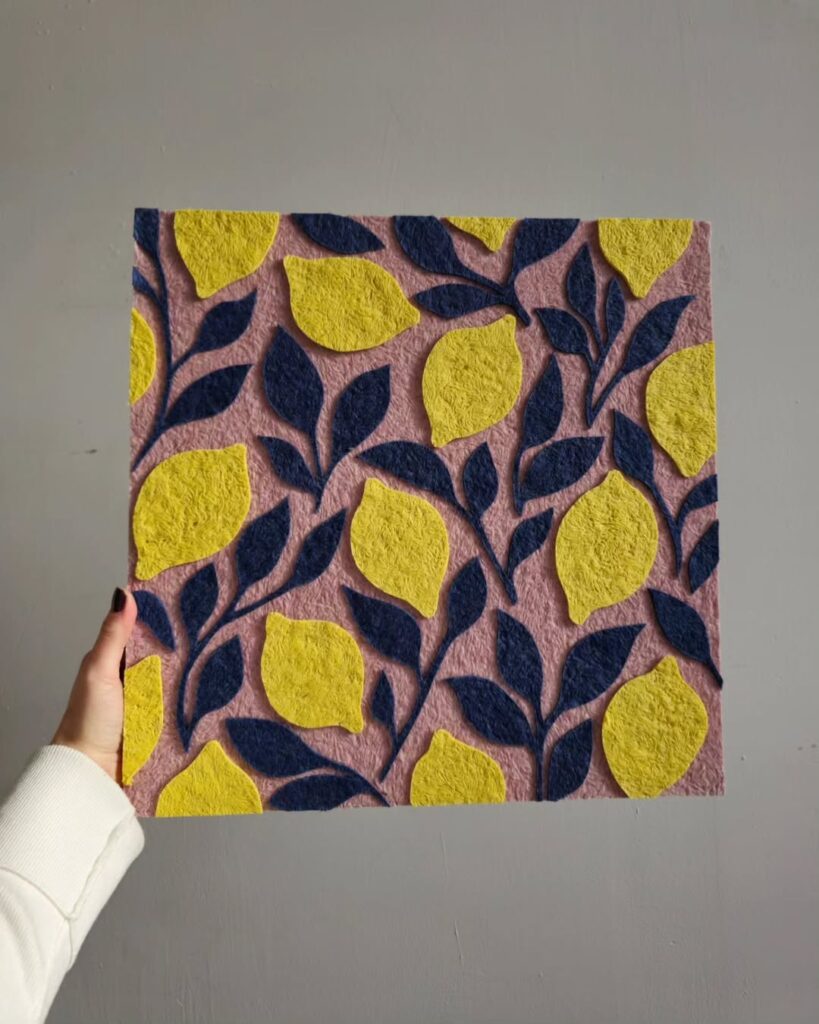
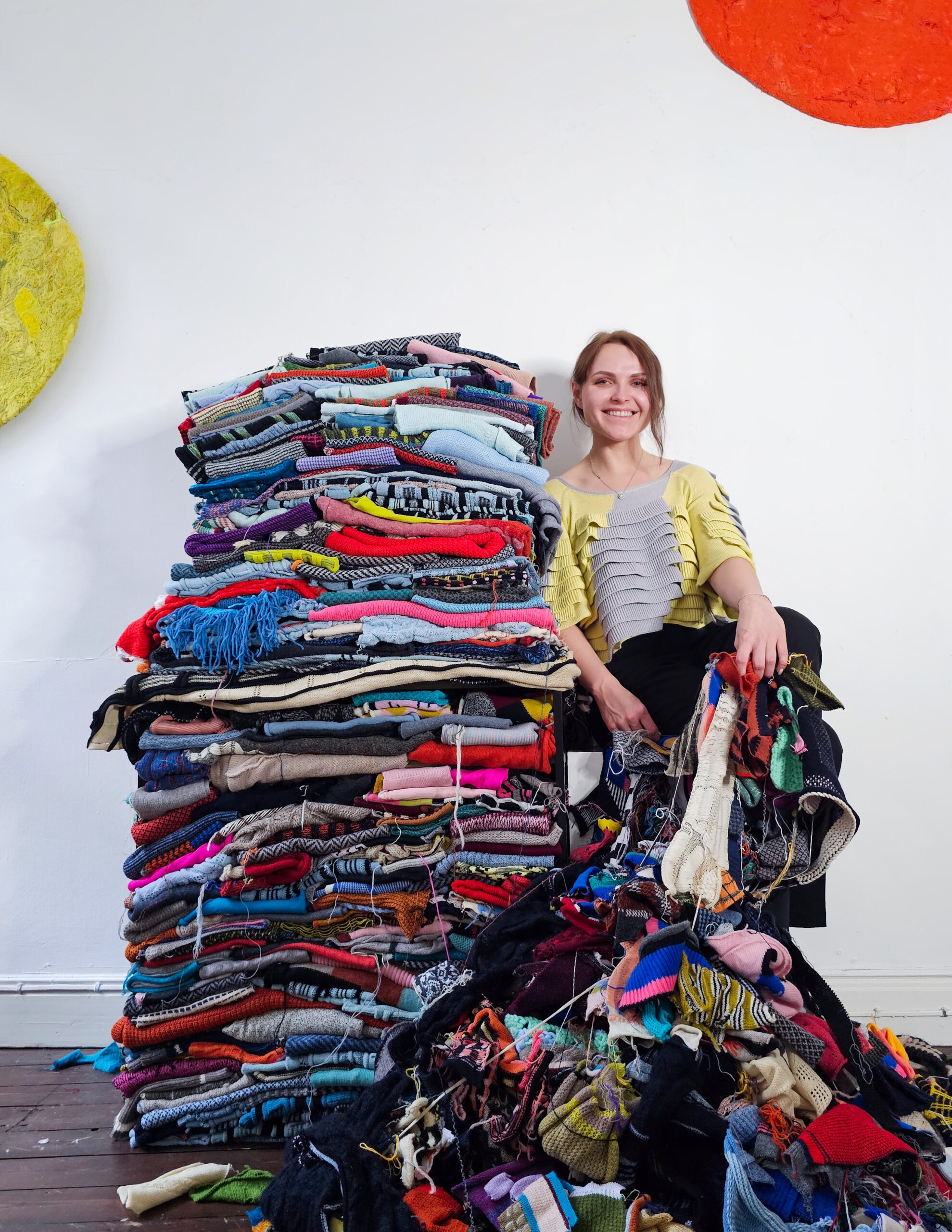
In a world overflowing with textile waste, Sandra Junele is weaving a greener future – one yarn scrap at a time. She creates large wall panel installations and custom-moulded shapes made from shredded recycled yarn waste mixed with handmade plant-based glue.
The Dundee-based, Scotland artist transforms discarded materials into stunning wall art, championing sustainability and supporting eco-conscious creativity. Her brand, Junele is known for its minimalist design, tactile quality and focus on interior applications.
“My journey began in Latvia, where I watched my grandfather transform discarded wood into beautiful furniture. Those moments taught me that waste is not the end of a story, but the beginning of a new one. That lesson has shaped everything I do — from my studies in interior and textile design, to the sustainable practice I’ve built today,” says Sandra.
Made from repurposed materials and biodegradable components, Junele artworks not only enhance the aesthetic appeal of a space but also align with eco-friendly values. They bring a sense of environmental responsibility and sustainability to interior design.
Sandra Junele
“I started collecting this waste and conducted hundreds of experiments to find creative ways to repurpose it. One of my early experiments involved mixing PVA glue with shredded textile waste. This led me to search for natural organic glue replacements that are natural and dissolve upon contact with water, thereby minimising waste after the product’s use.Her pieces are not only beautiful but also endlessly reusable—submerge them in water, and the material can be reshaped again. My artworks can be reused when no longer needed. By placing them in water, the natural glue dissolves, leaving me with the fibres that can be repurposed for new projects. This approach not only reduces waste, but also supports a circular economy, ensuring that the materials continue to have a life beyond their initial use,” she says.
SOURCING MATERIALS
Sandra has an established material sourcing plan. She says, “I have recycling bins placed at manufacturers and universities where people can dispose of their textile waste. Once these bins are full, I collect the waste. Designers also play a crucial role by donating their unwanted materials. One memorable donation came from a knit designer who had been collecting samples of her work for 15 years. This mix of sources ensures a diverse range of materials, each with its own story, contributing to the unique character of my artworks.”
Collaboration with @rebeccasearlstevens
DESIGN PROCESS
By hand, she carefully separates textile waste, shred fibres, and binds them with her own plant-based glue — creating a unique material that is both tactile and sustainable. Remarkably, it can dissolve in water and be reused again, offering endless possibilities.
“The design process for my textile artworks begins with collecting waste materials from local manufacturers, designers, and universities. This waste comes in various forms, such as loose threads, samples, clothes, and yarn cones. The first step is to separate the waste by colour. Once sorted, I shred the waste, using a shredding machine for shorter fibres and by hand with scissors for longer fibres. With the fibres prepared, I then cook my own plant-based glue, making a fresh batch for each project. The shredded fibres are mixed with this glue and either rolled out into sheets or applied to moulds. As the sheets dry, they become hard, similar to cardboard. At this stage, they can be cut, sewn, embroidered, screen-printed, or layered according to the design. Finally, each sheet is mounted on a wooden frame, ready to be displayed as a unique piece of sustainable art,” she says.
One of Sandra’s big dreams is to open her own shop-gallery, a space where every interior element is crafted from sustainable materials and decor made from textile waste. She envisions it as a place that that could showcase her work and serve as a hub for eco-conscious designs and like-minded creatives.
Collaboration with @bekkiflaherty
She plans to collaborate with more designers and artists, both locally and internationally, to bring fresh perspectives and innovative ideas into her work. Her work extends beyond her products. Through educational workshops and outreach programmes, she empowers others to rethink waste, embrace sustainable practices, and contribute to a circular economy. By raising awareness about environmental challenges, she is creating a ripple effect of positive change in her community.
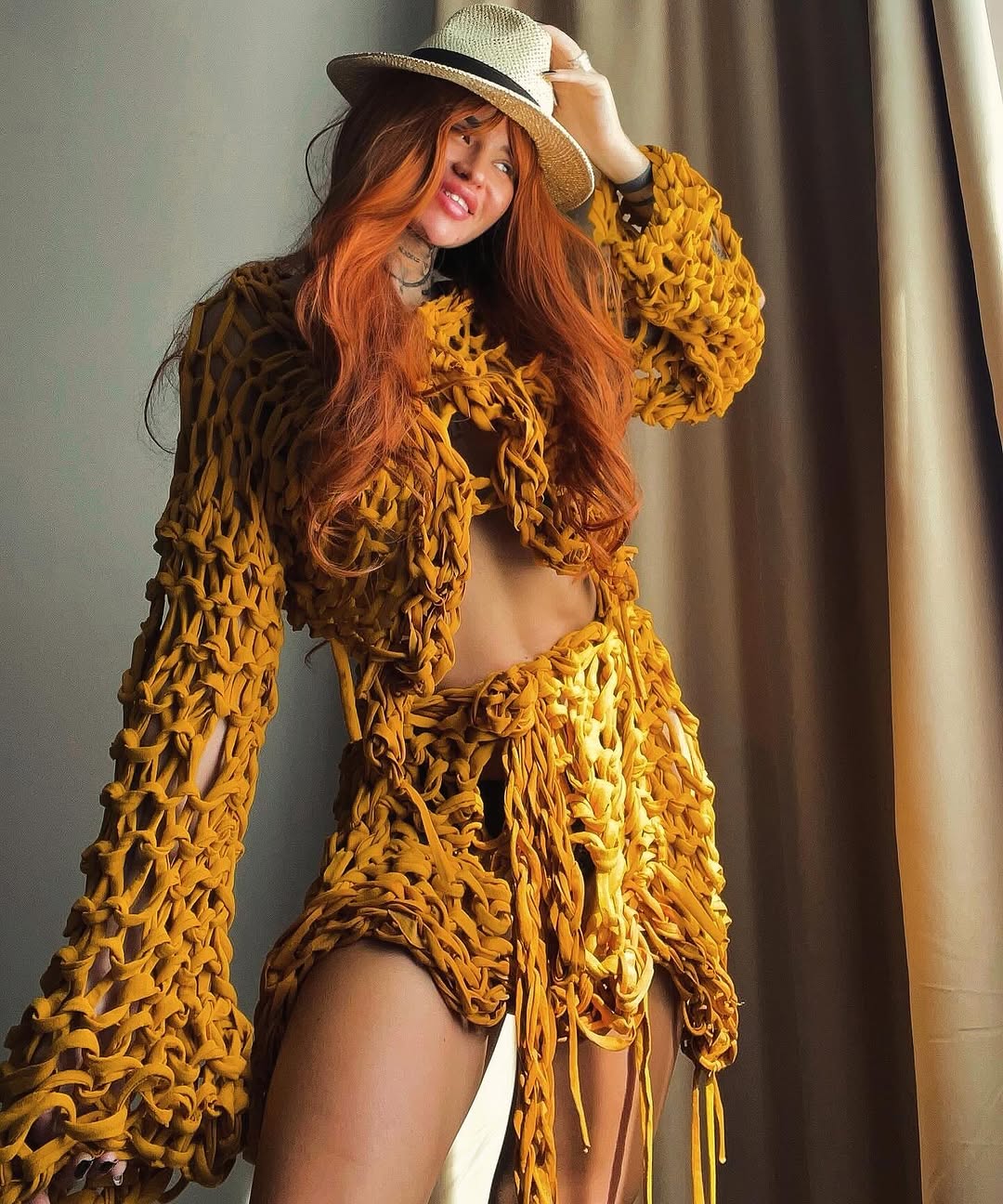
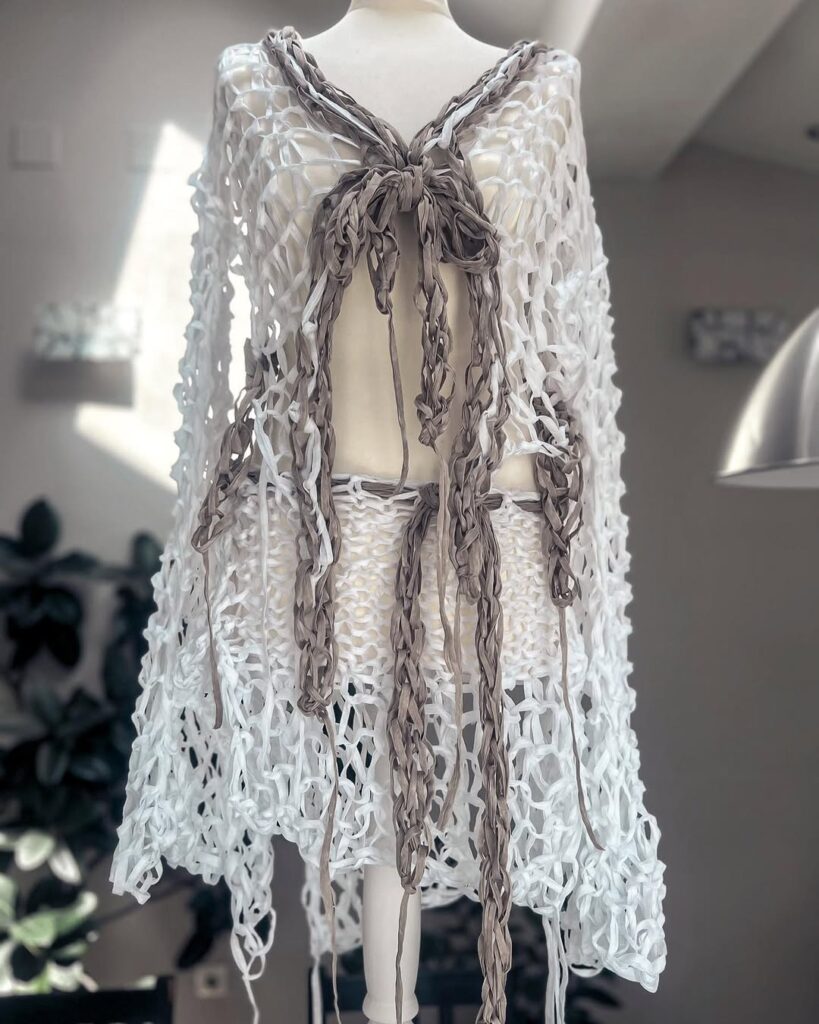
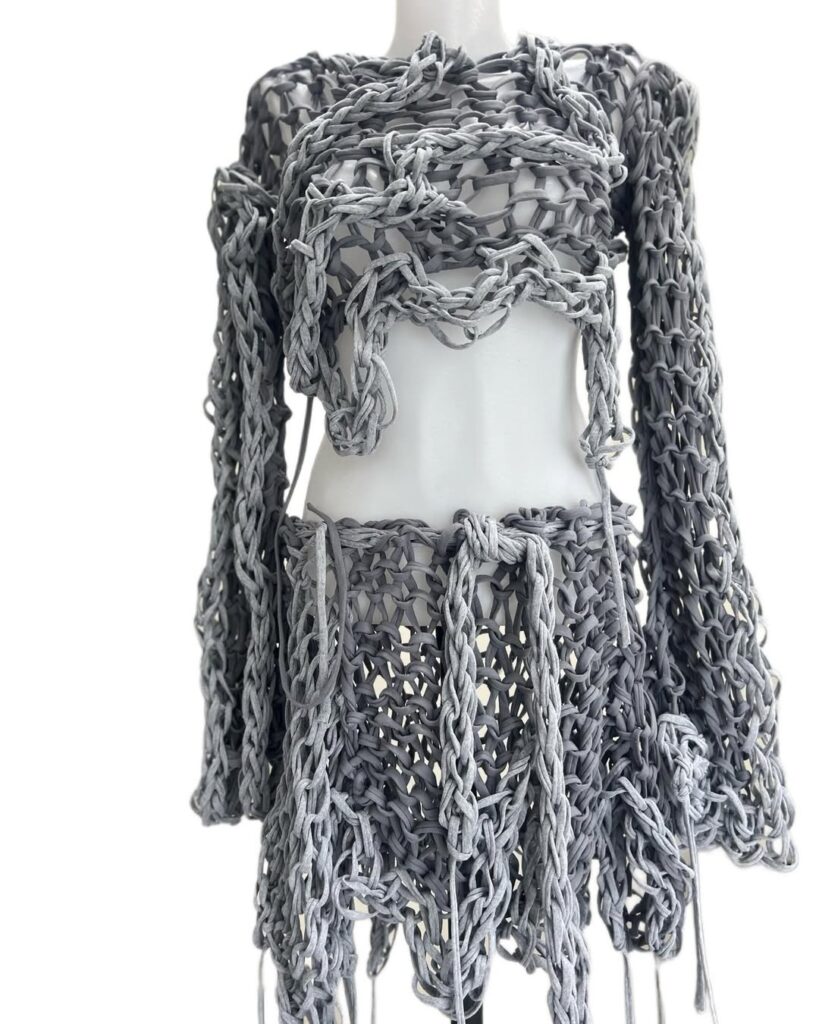
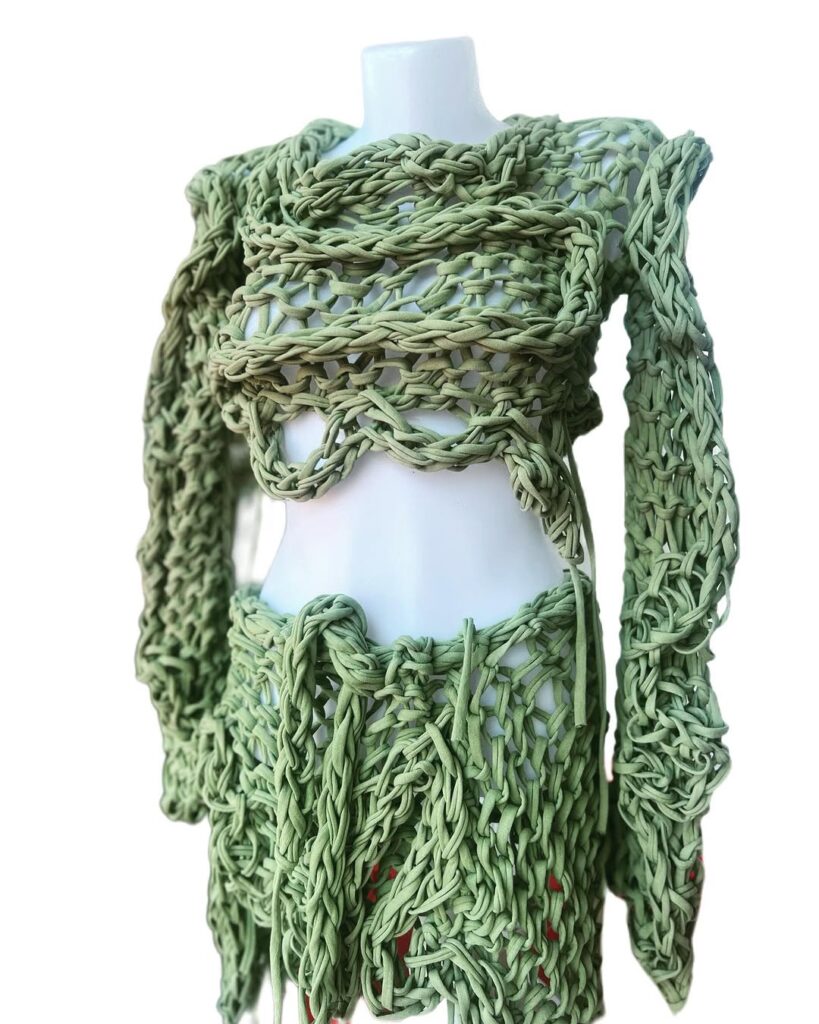
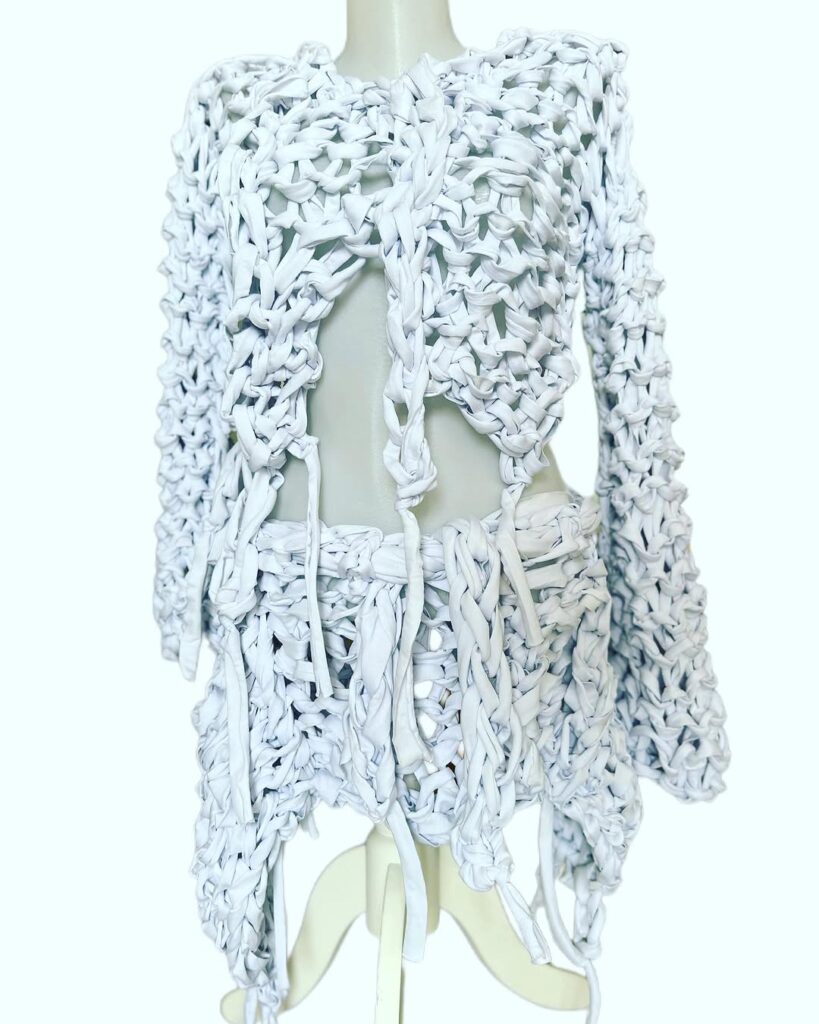
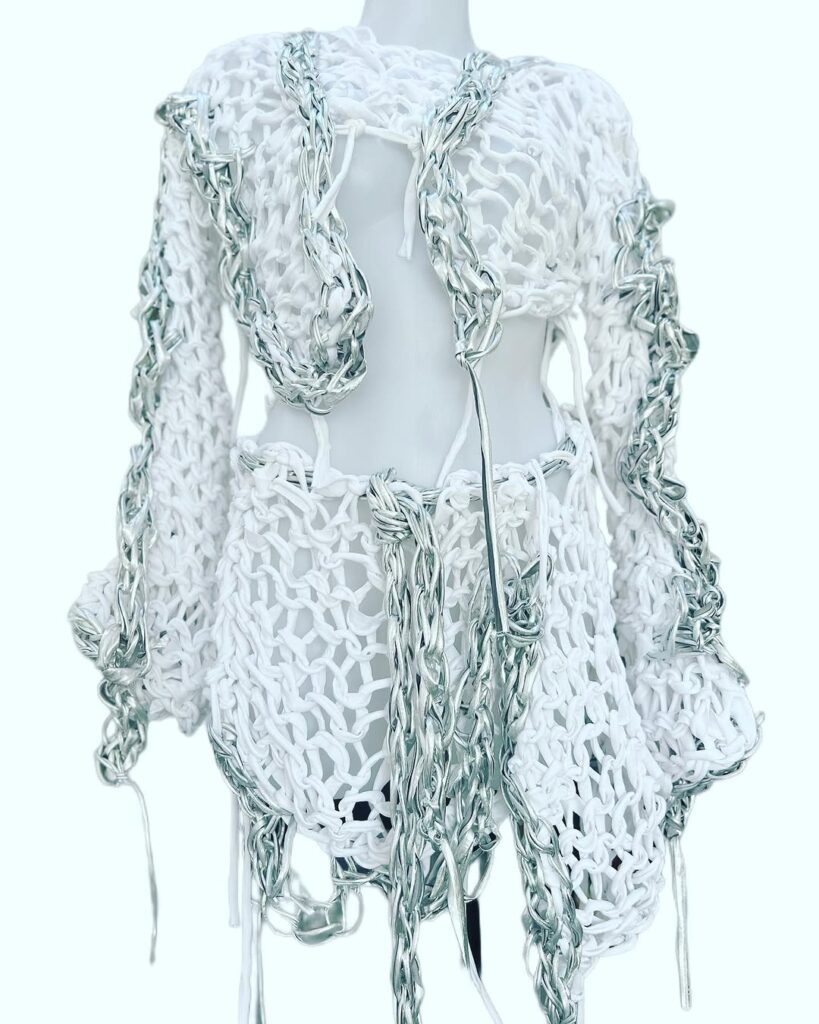
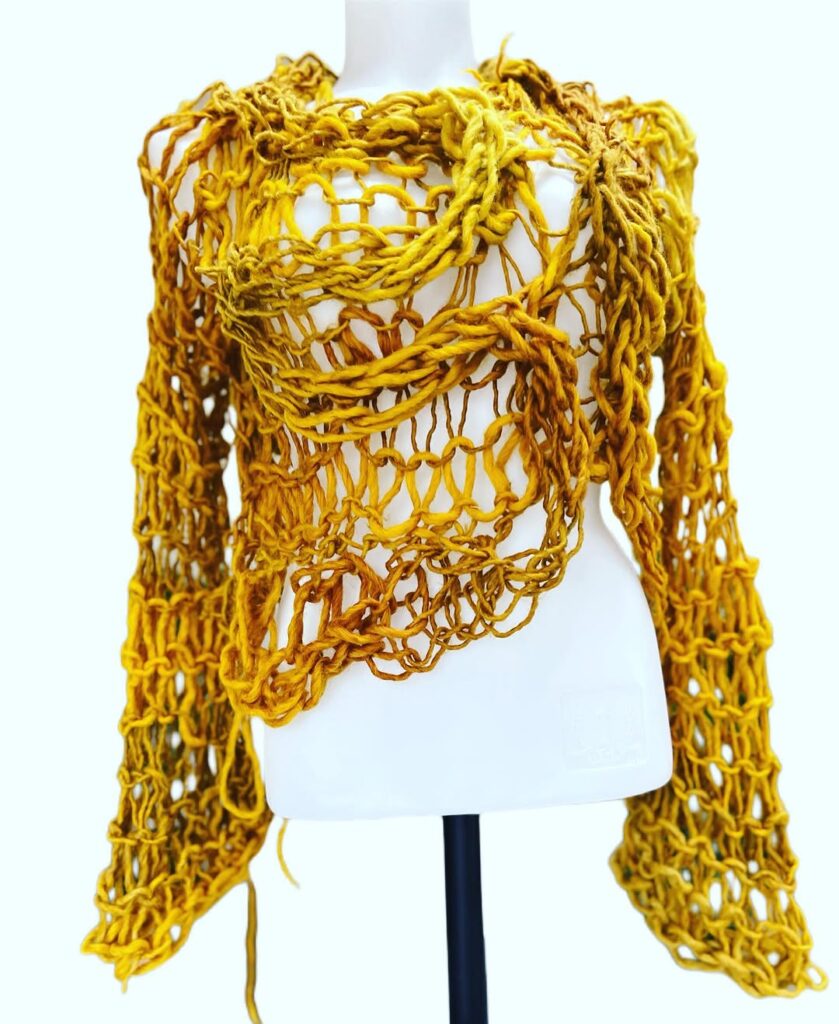
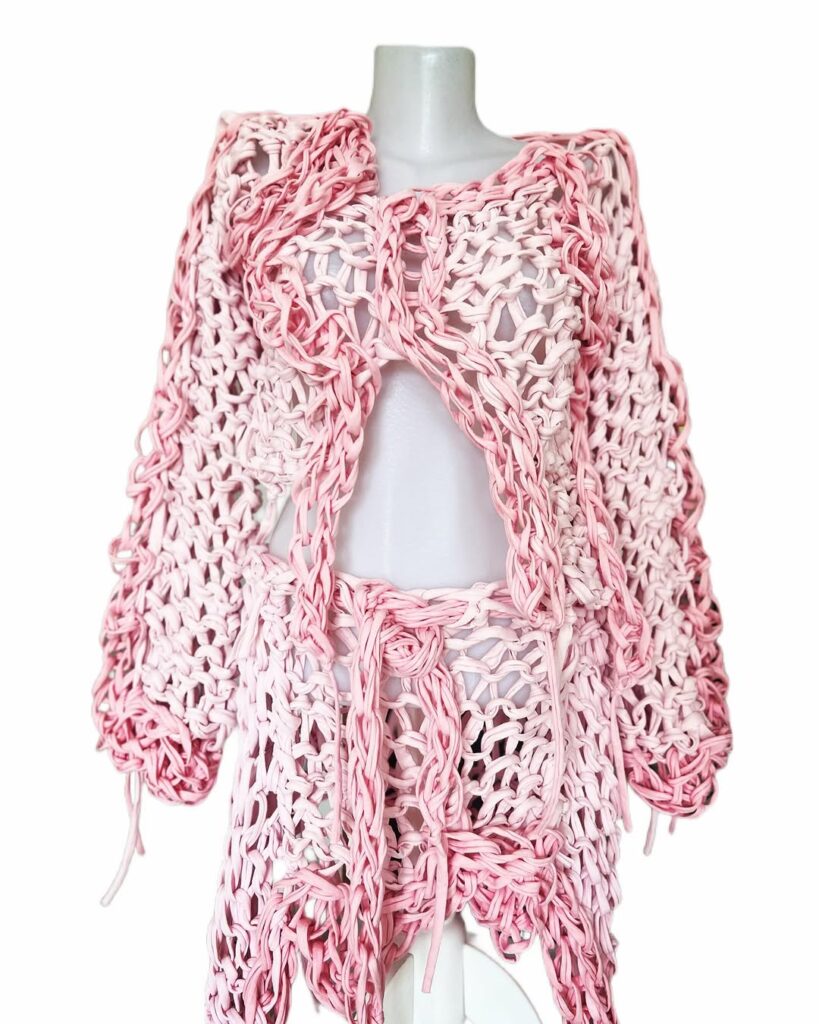
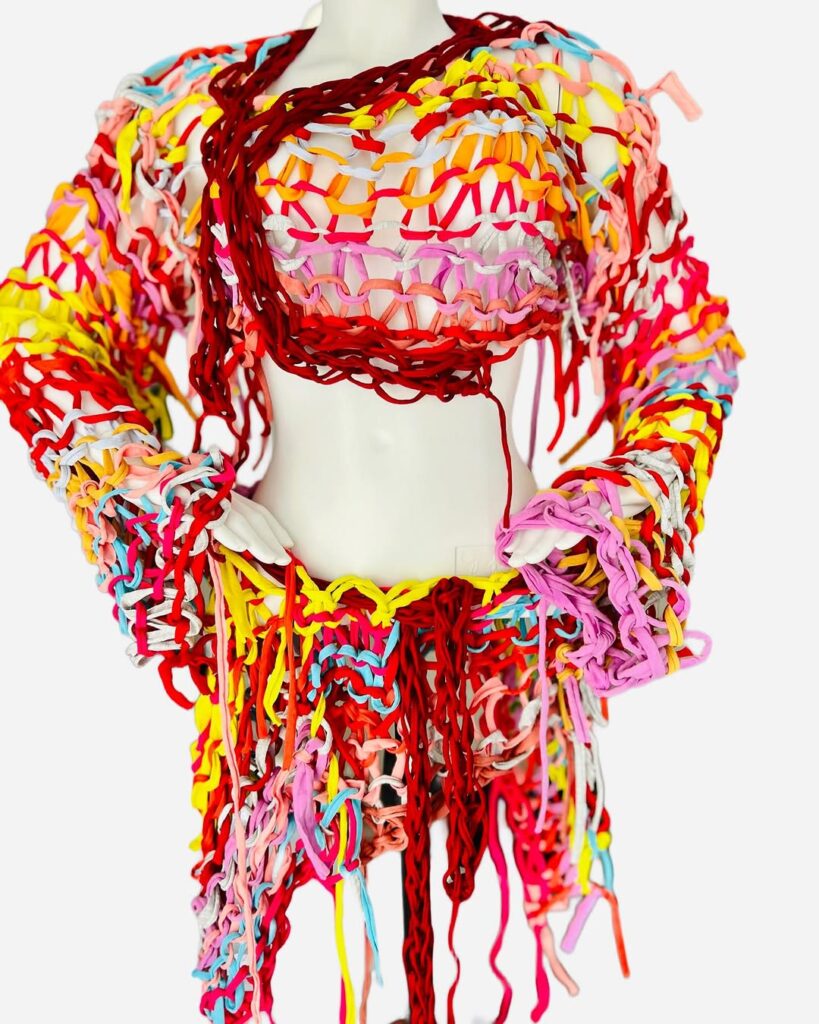
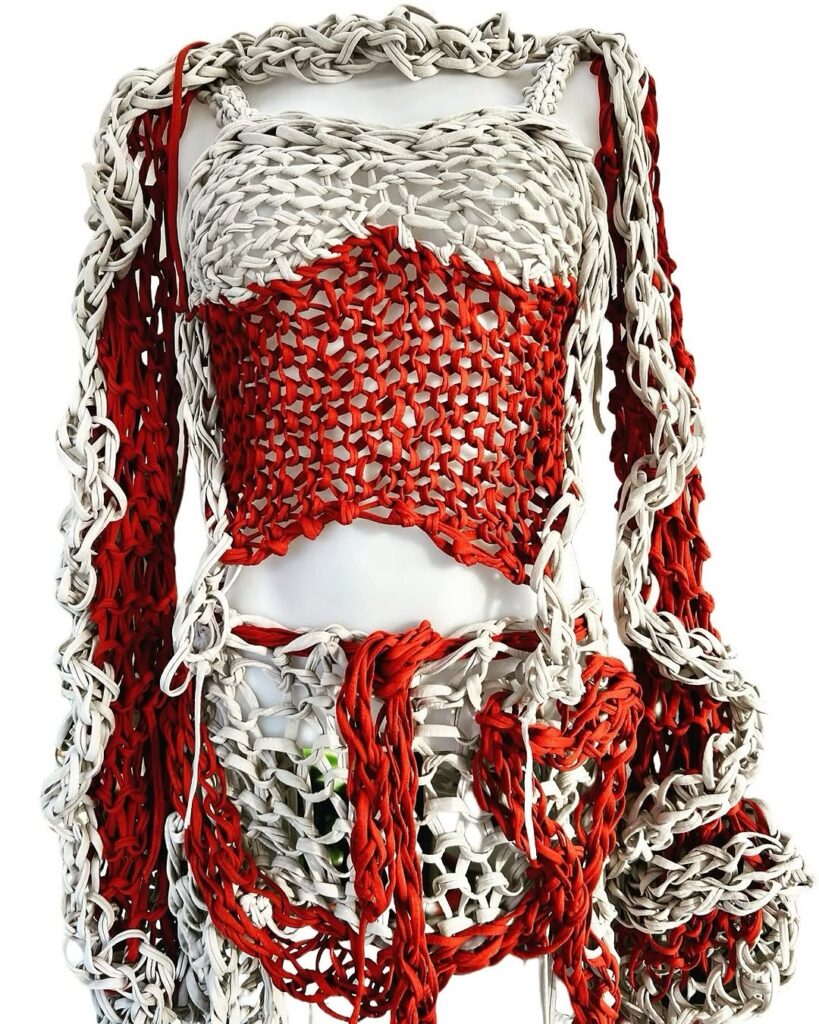
Finger knitting is the overall trend of knitting that is growing in popularity across different age groups, driven by factors like sustainability, mindfulness, and a connection to traditional crafts.
To become a skilled finger-knitter, you need consistent tension, a good sense of hand-eye coordination, and the ability to manage stitches on your fingers. Practicing with different yarn thicknesses and learning to hold stitches securely when taking a break are also important skills for creating a polished finished product.
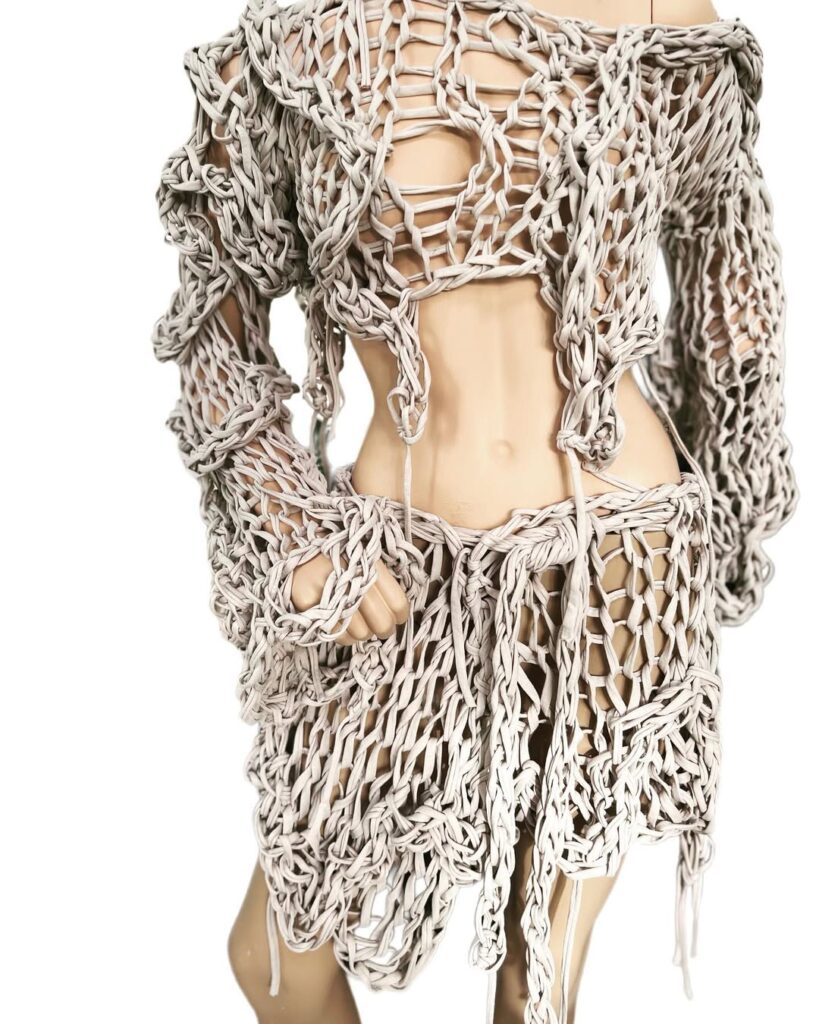
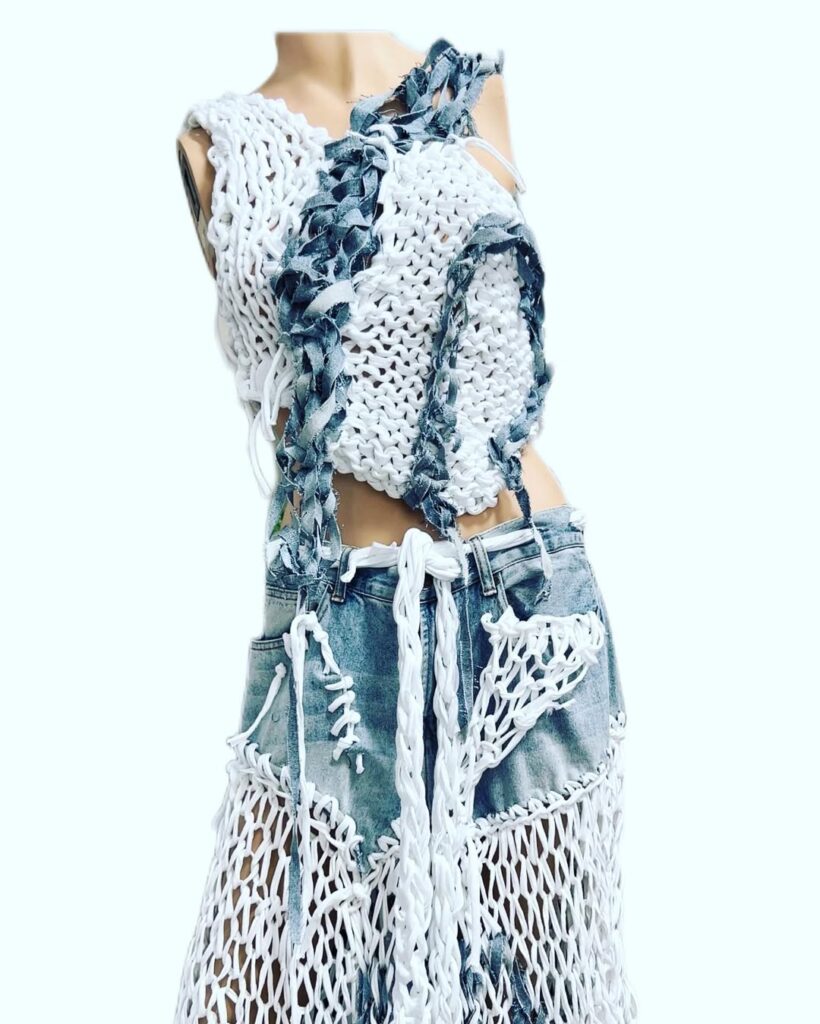
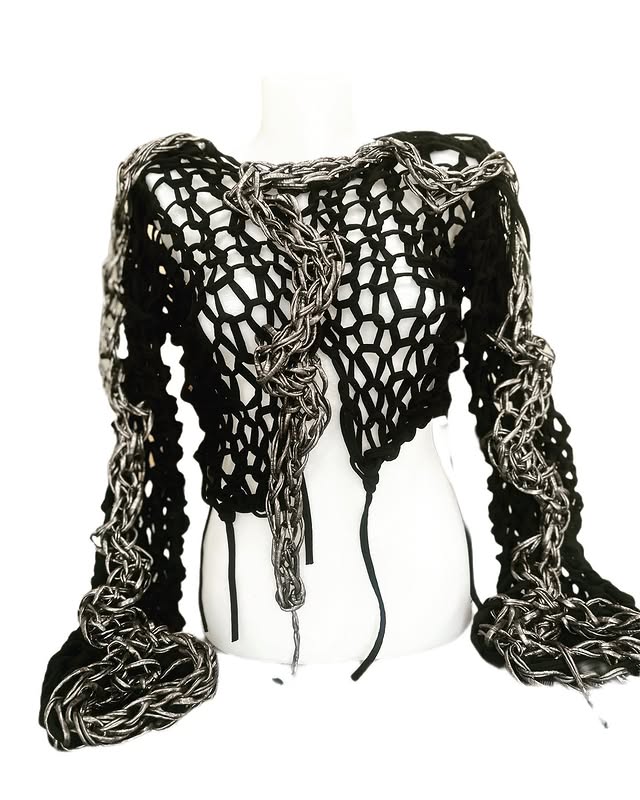
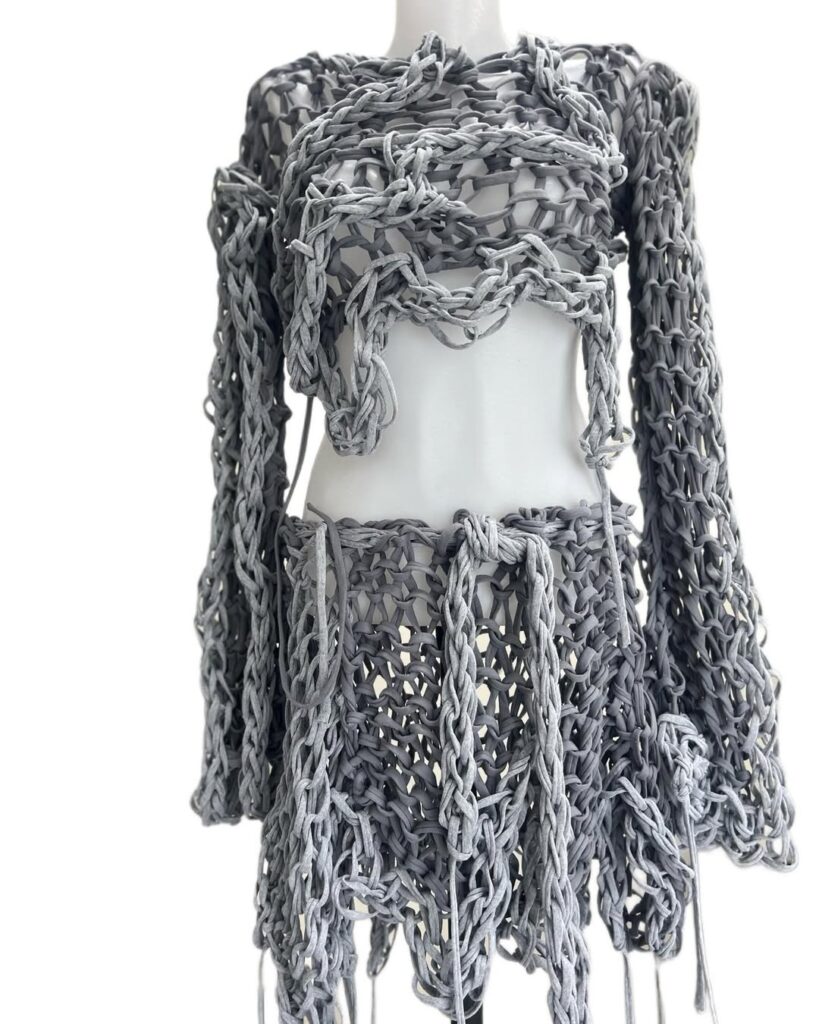
Ioana Turcu, founder and designer of Toia Tricot has mastered this skill and craft. The designer has a flair for experimenting with knit patterns and crafts unique textures by blending various materials together. She creates custom, handmade pieces without traditional patterns or machines, emphasising a unique and intentional process.
The slow fashion brand, based in Bucharest – Romania, draws inspiration from concepts of freedom, emotion, and sculpture. At the heart of Toia Tricot’s work, lies the ingenious use of recycled yarns, born through a transformative process that reclaims and cleanses discarded items like PET bottles. This approach, fueled by a passion for eco-friendliness, makes a significant environmental impact, one stitch at a time.
“My commitment to sustainability goes beyond rhetoric; it is ingrained in my artistic process. While some may see limitations in higher costs and limited suppliers, I see an opportunity to create small-batch masterpieces that embody my eco-friendly approach. My choice of high-quality recycled yarns not only elevates my work but also sends a powerful message that fashion can be both artistic and ethical,” says Turcu.
What began as a one-woman project slowly blossomed. As more people fell in love with her work, the team grew, the space expanded, and the dream got bigger. From a small corner at home to a cozy studio, and now a full showroom, Bouthina Handmade has become a global name in the world of handmade elegance.
Bouthina Handmade started in 2014 with one woman, Bouthina Ahmed Mahroos, a crochet hook, and a heart full of passion. She began creating elegant, handmade crochet pieces from her home — each one crafted with love, care, and incredible attention to detail.
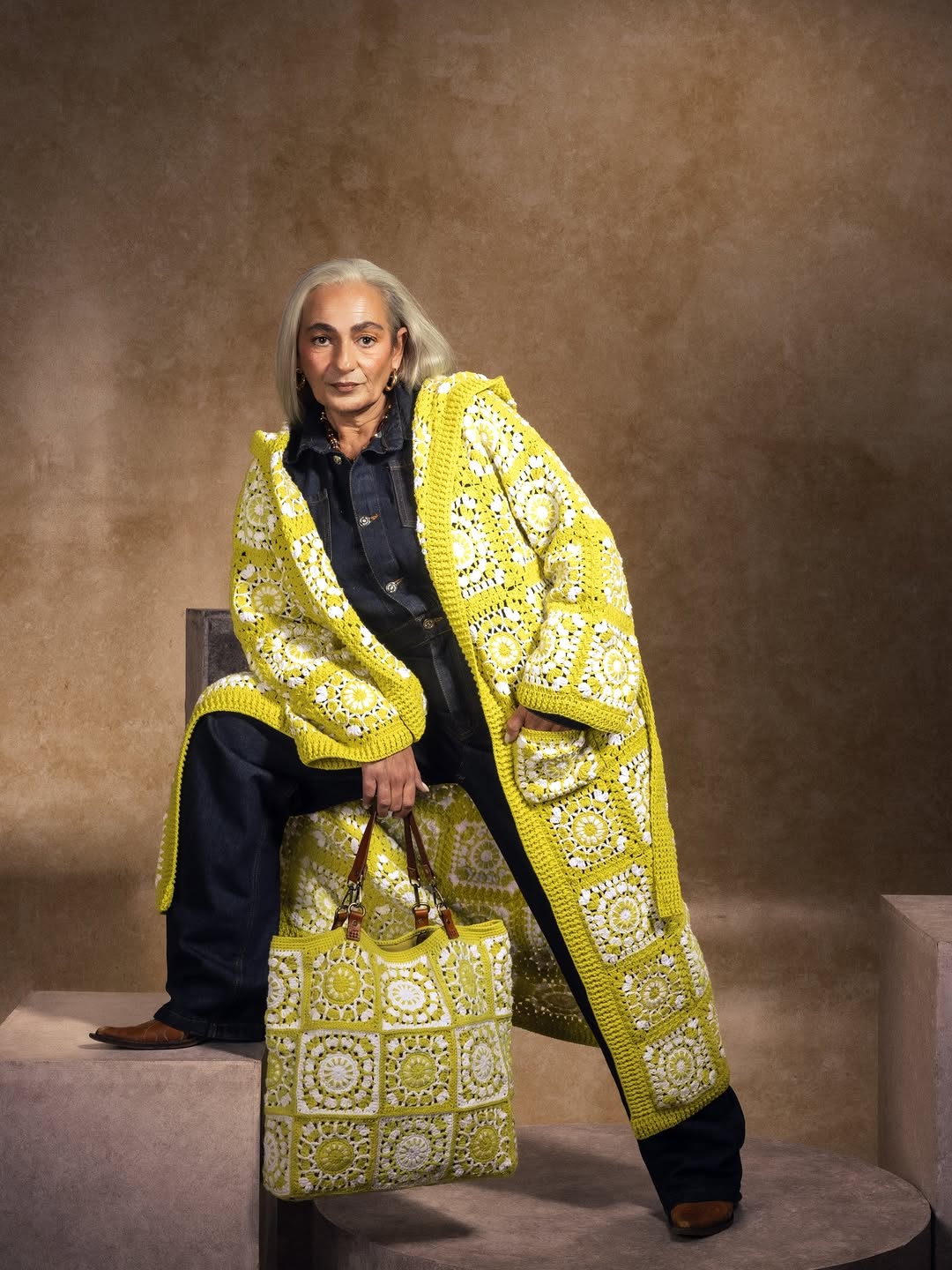
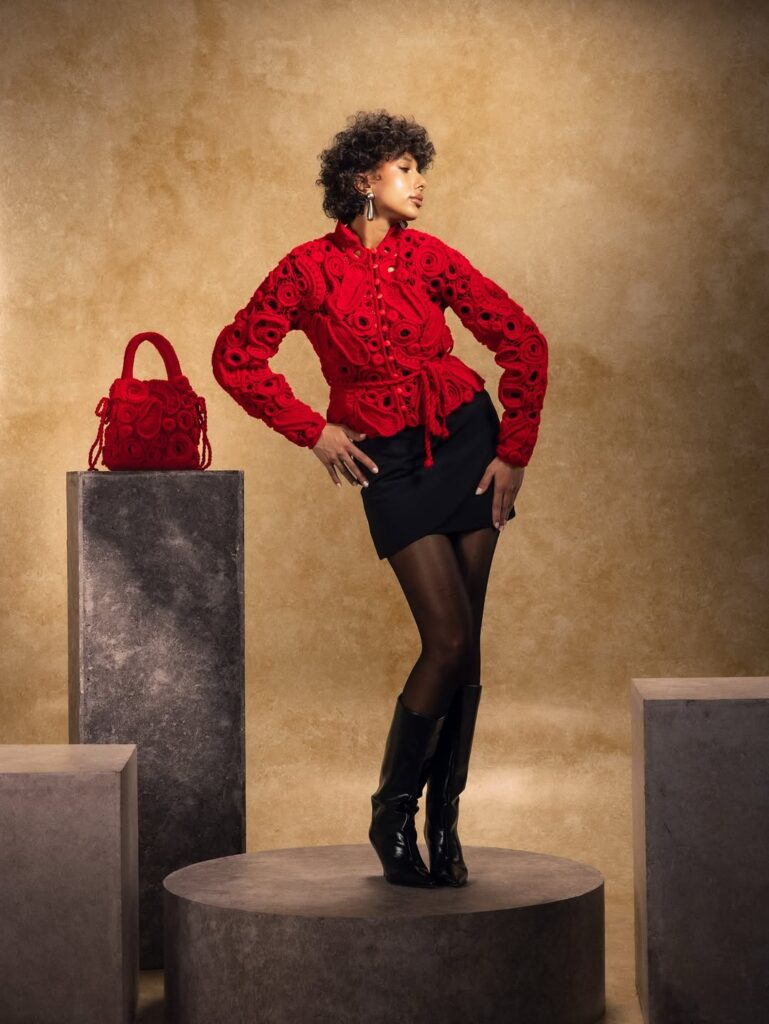
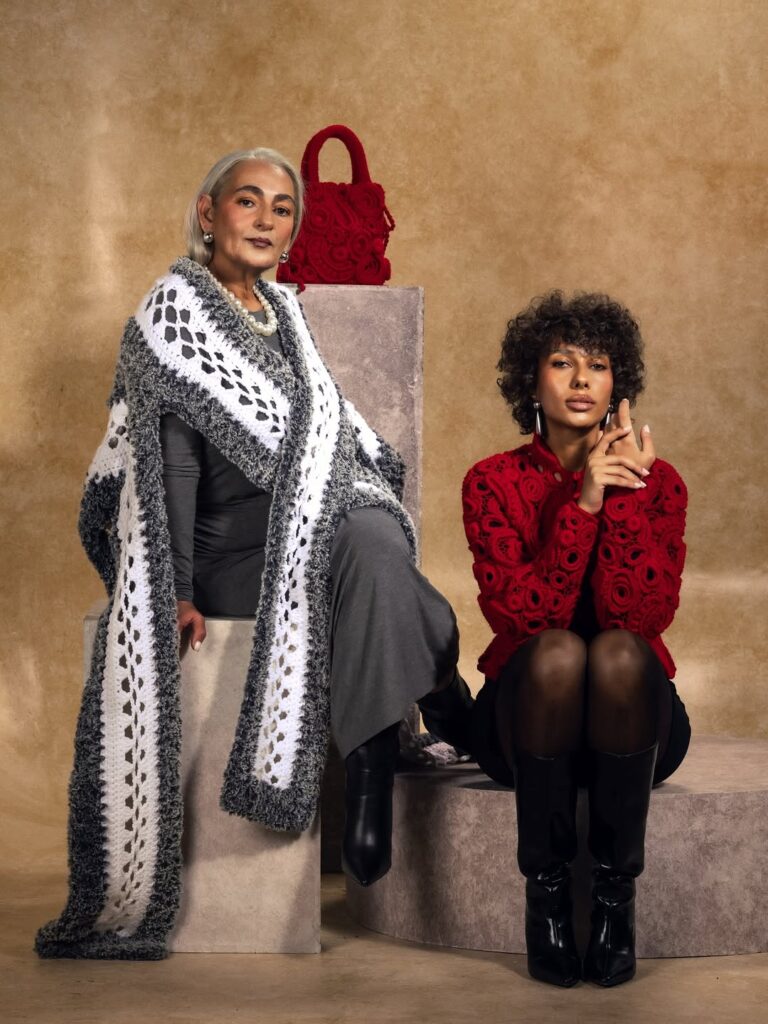
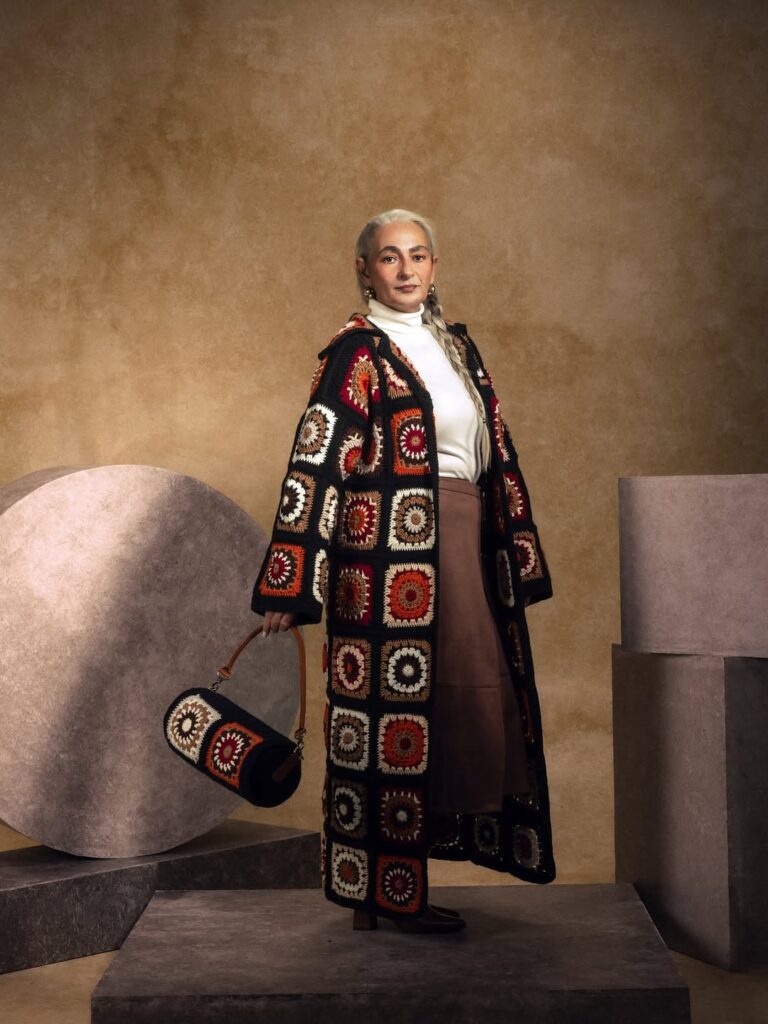
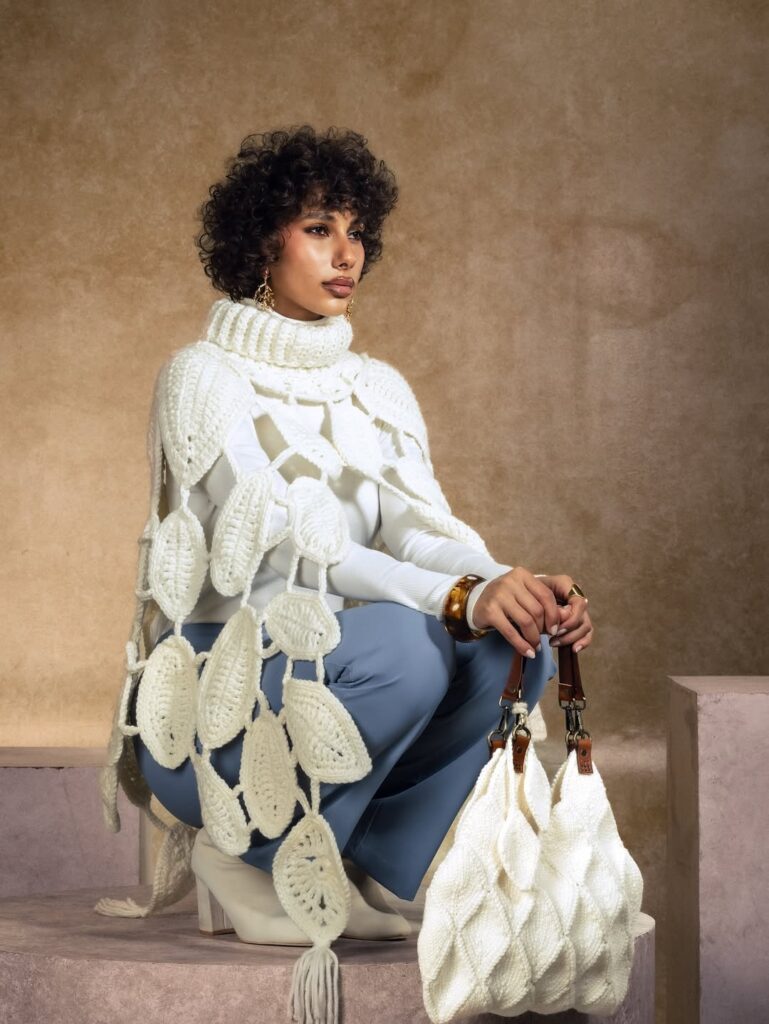
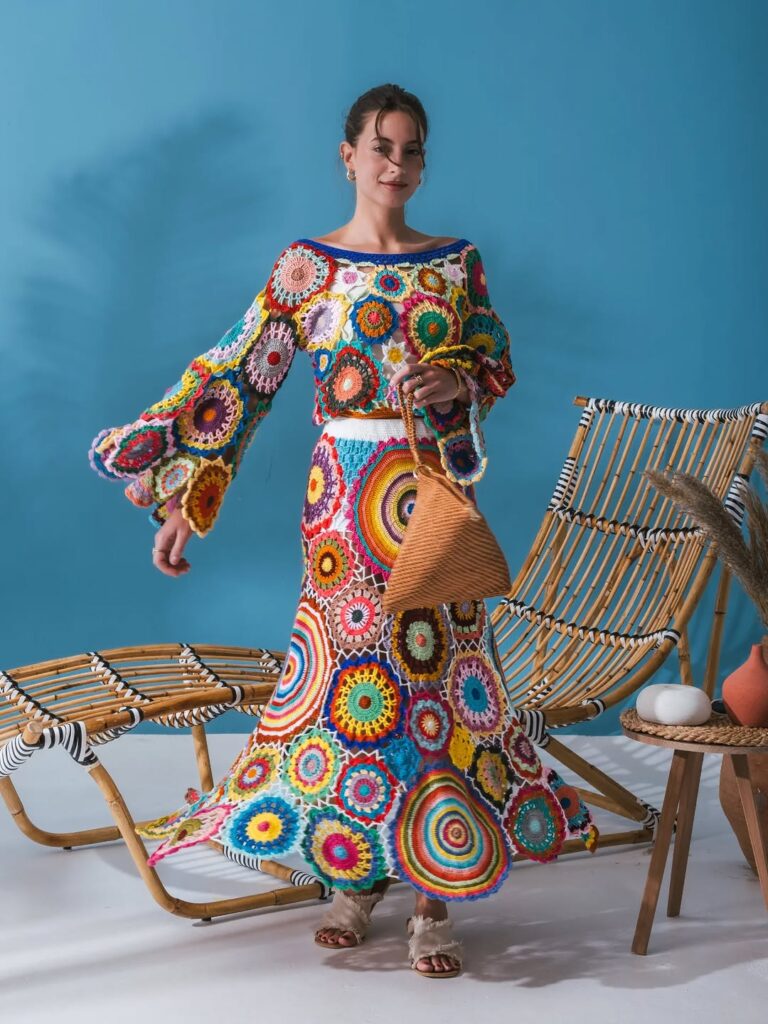
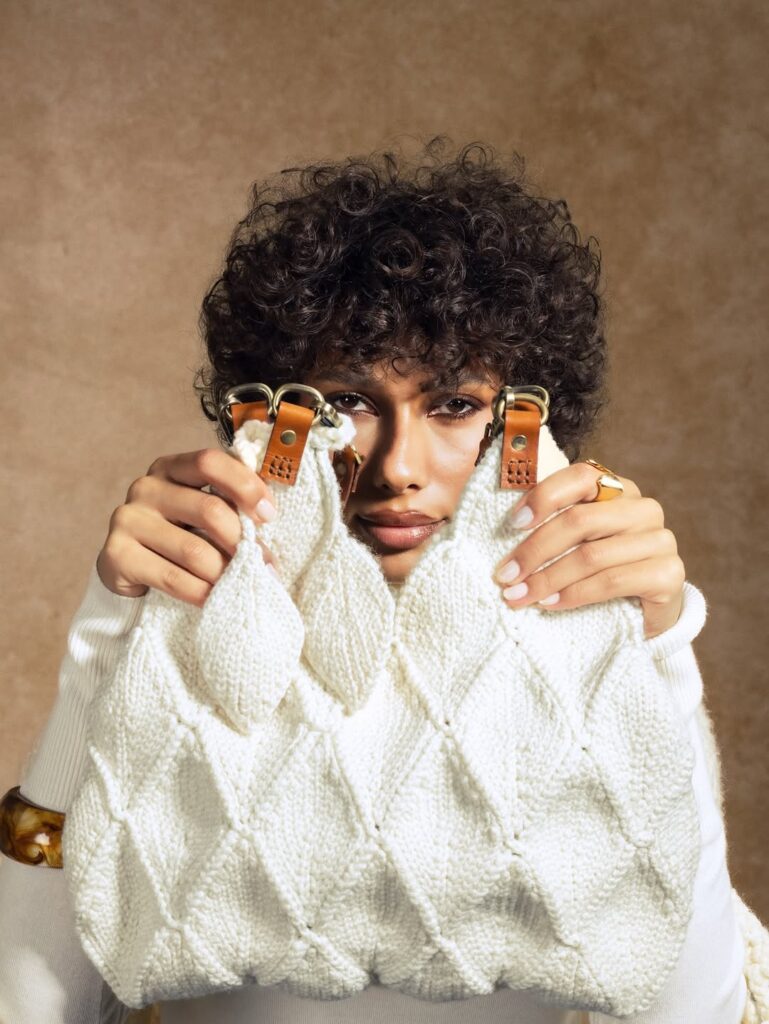
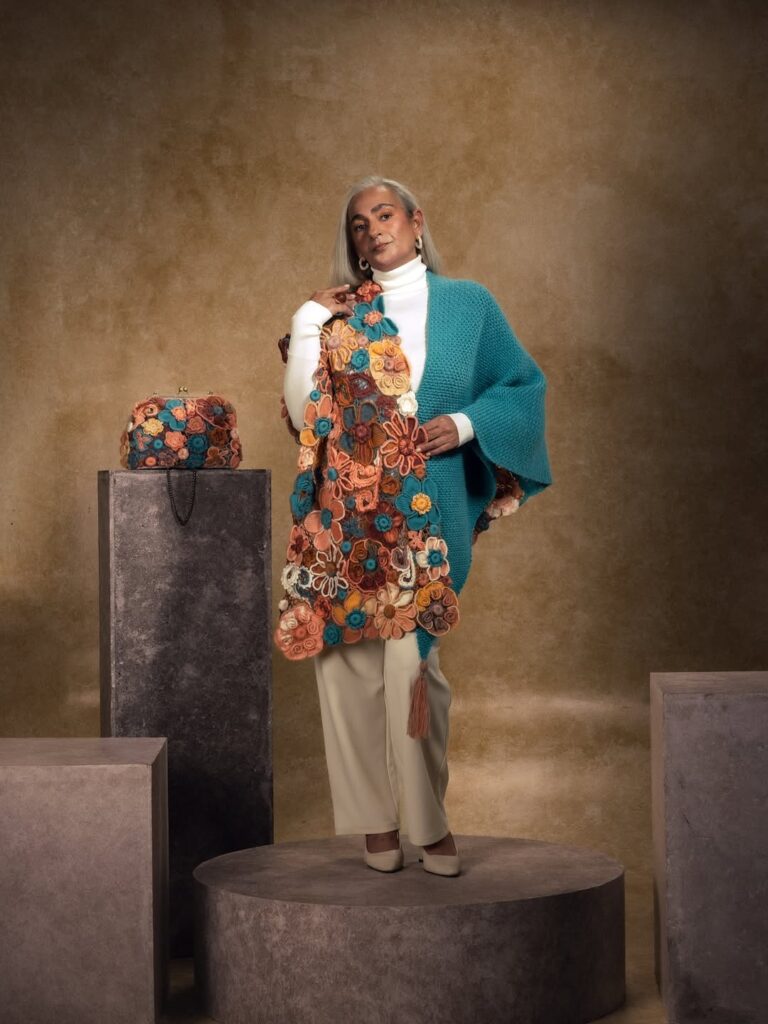
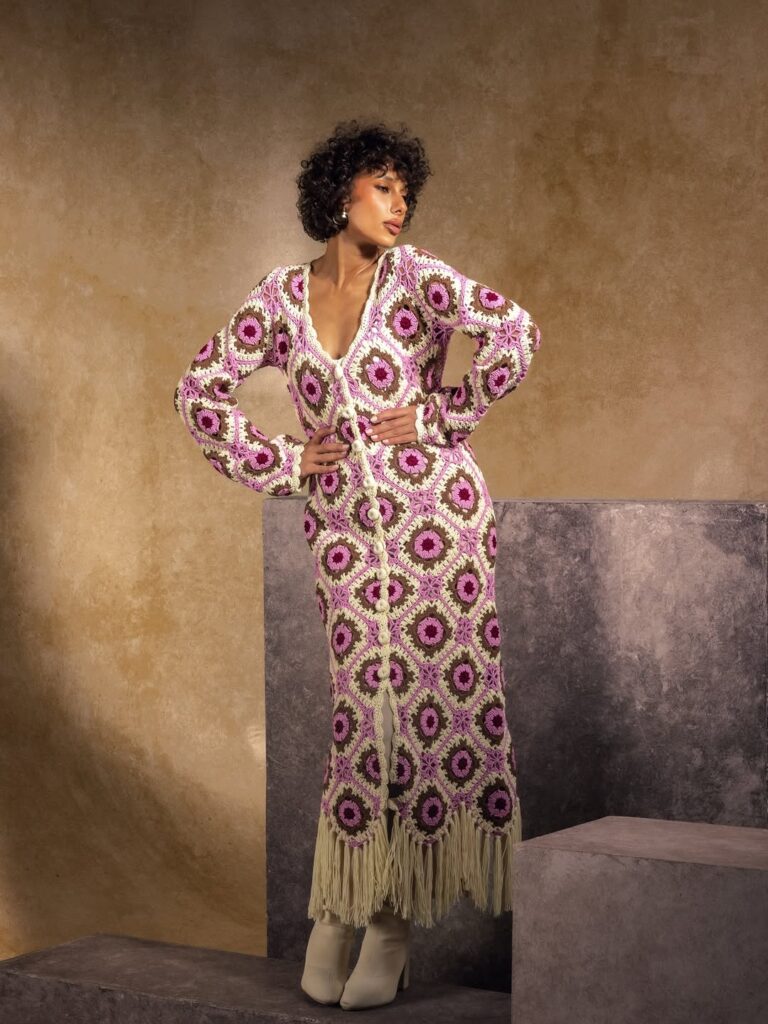
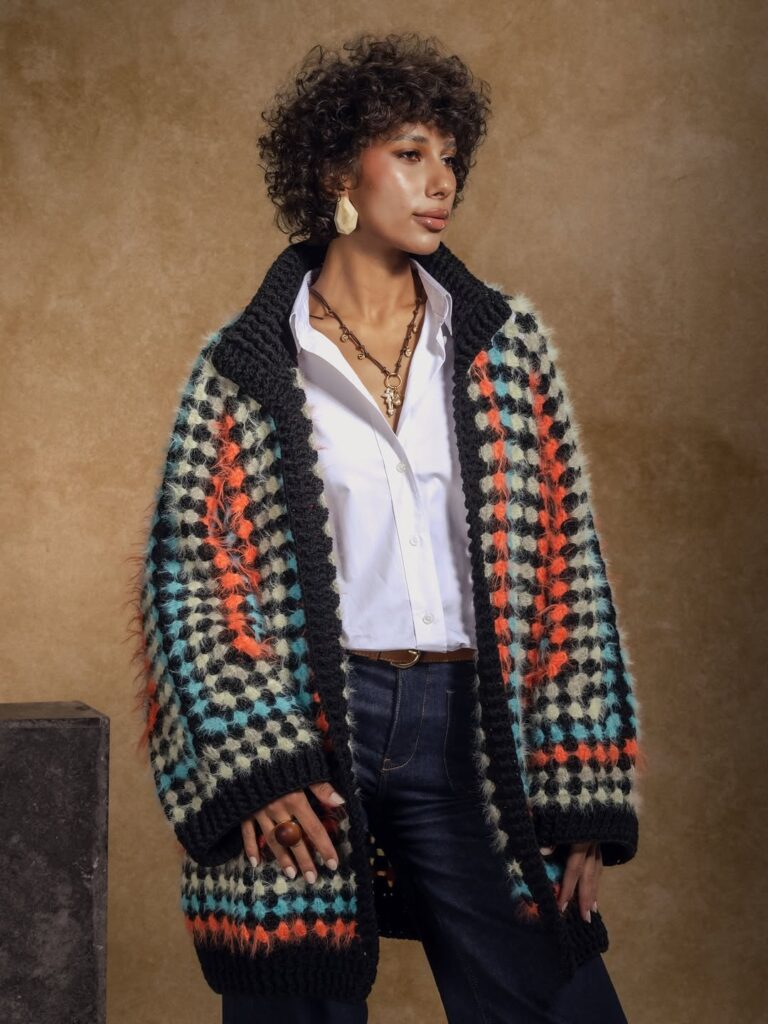
Bouthina Handmade is an Egyptian brand specialising in artisan-crafted, high-quality crochet fashion items, known for unique designs, vibrant colours, and intricate details in pieces like cardigans, bags, and jackets, offering “quiet luxury” and wearable art for effortless, statement style.
The brand’s sustainability is rooted in its approach to production and materials, which contrasts sharply with the environmental impact of industrial garment manufacturing. Each item, such as their crochet bags and cardigans, is crafted by hand with care, emphasising quality and unique details. This process is inherently more labour-intensive and less resource-extractive than mass machine production.
The brand uses high-quality yarns and materials to ensure that products are long-lasting, encouraging consumers to buy fewer items less often.The brand explicitly describes its products as “Eco-friendly and sustainable”. Bouthina Handmade positions itself as an alternative to “fast fashion,” focusing on unique designs and stories behind each stitch, which inherently promotes a more conscious consumption model.
By focusing on artisanal production and timeless style, Bouthina Handmade minimizes environmental impact compared to conventional apparel production methods. Their design aesthetic is characterized by artistic, individual pieces that stand out from mass-produced “fast fashion”.
Many items, such as bags and cardigans, use vibrant colours and intricate details to create a statement piece. Each item showcases the artistry of traditional crochet techniques and attention to detail.They offer a range from spacious, functional everyday bags to elegant dresses, shawls, and winter wear. Some pieces, like plain cardigans, are elevated by unique stitches and quality materials, designed for elegance and timeless style.
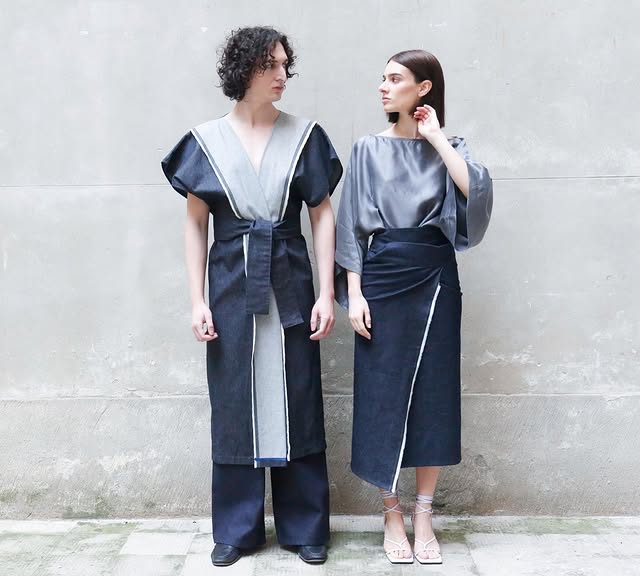
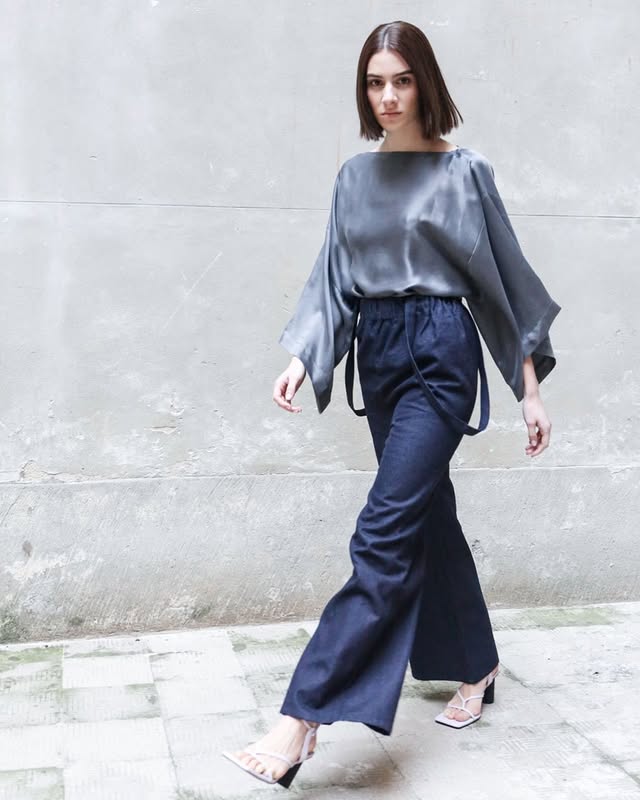
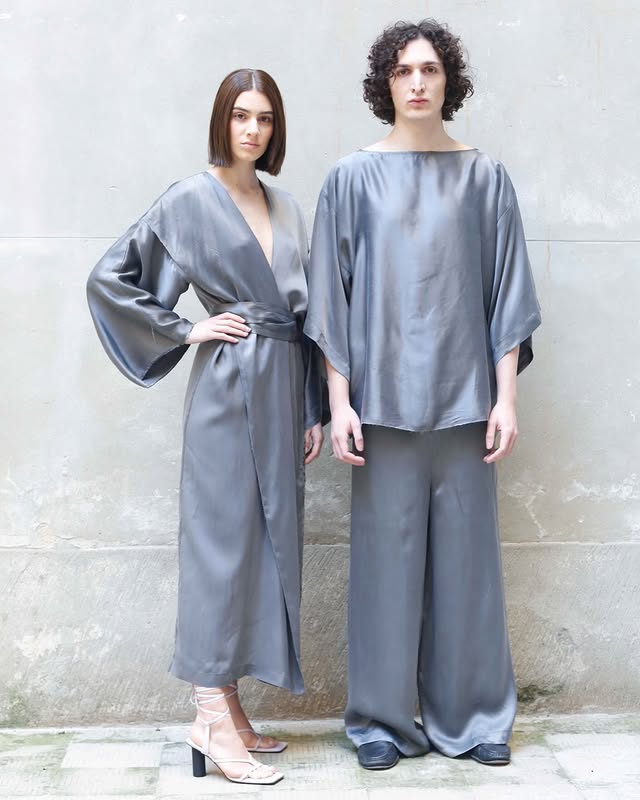
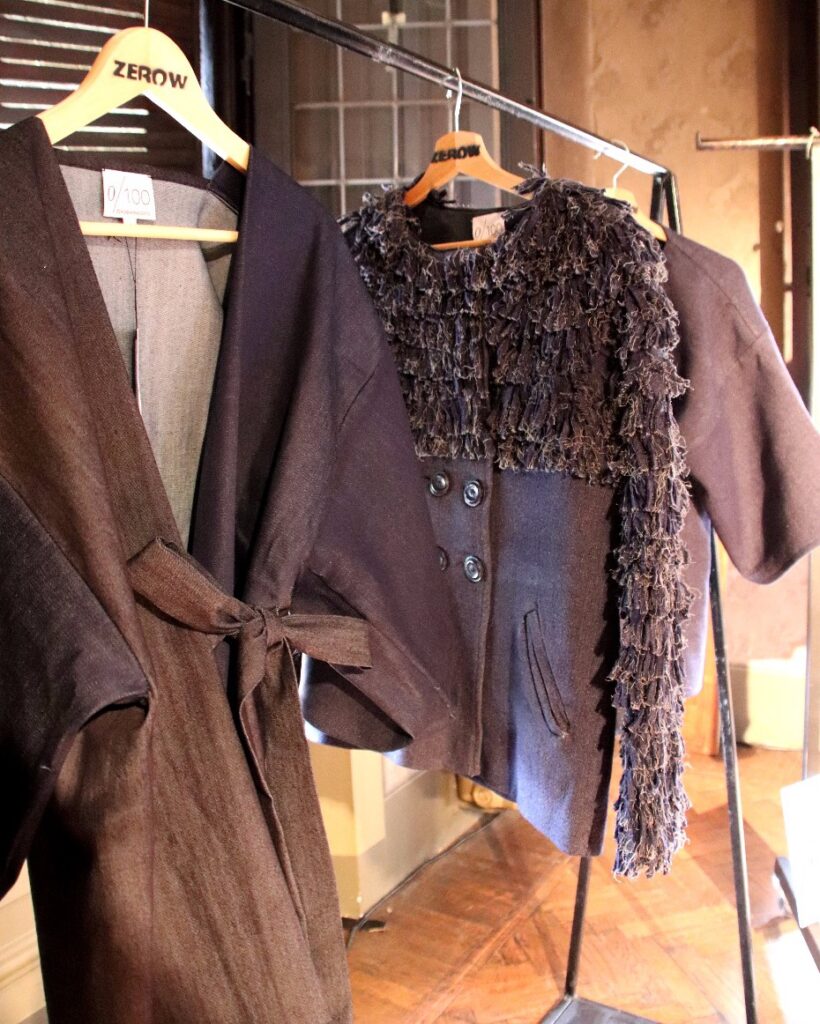
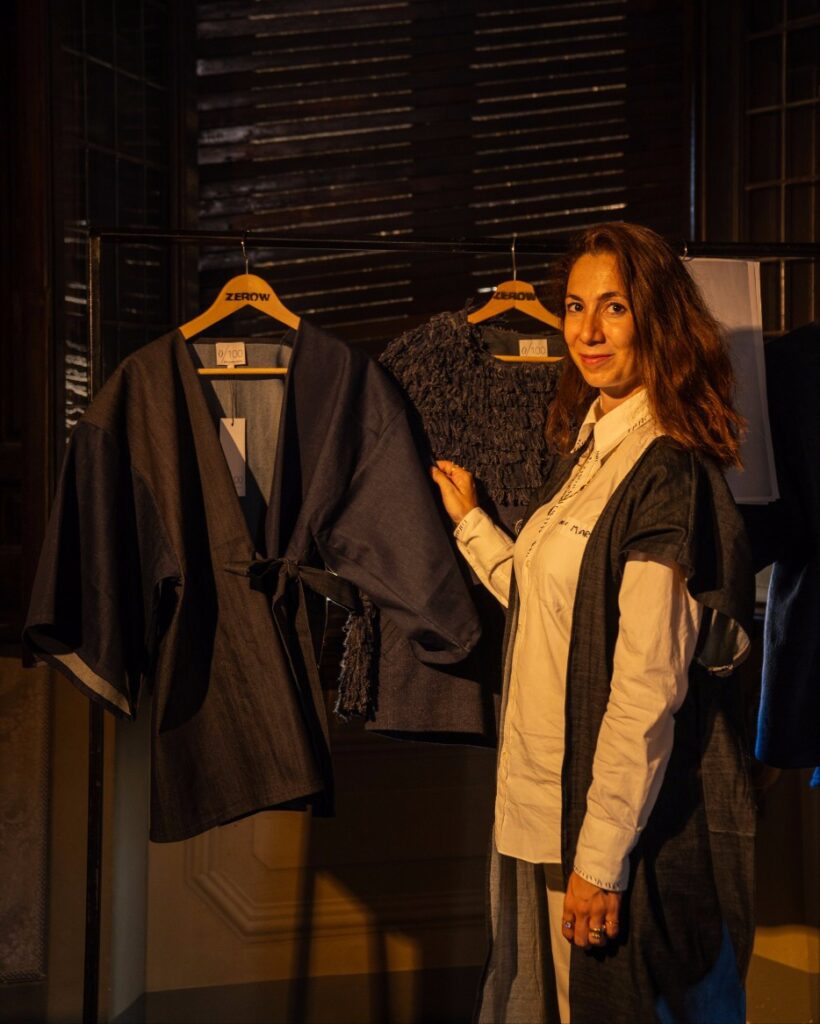
Zerobarracento is an Italian outerwear brand focused on sustainability through a zero-waste design process that maximizes fabric use and creates durable, gender- and age-inclusive garments.
The brand utilises innovative zero-waste pattern making technique where garments are designed to use every part of the fabric, like a puzzle, to eliminate waste at the source.
This technique is a core part of their philosophy, and the brand extends the commitment to a full 360-degree approach by also using monofibre products to make recycling easier and avoiding accessories that are hard to disassemble.
The pattern pieces are strategically designed to fit together perfectly on the fabric, using the entire piece of material. This is an intentional and integrated design process where the dimensions of the garment and the textile must align from the start.
Camilla Carrara, founder and designer of Zerobarracento says this isn’t just a pattern-making method for Zerobarracento; it’s a commitment to a holistic, zero-waste approach that involves the entire production process.
“At ZEROBARRACENTO sustainability has been at the core of the brand since the beginning through our design mission. From that, we continuously expand our attention into a traced supply chain, careful selection of sustainable materials and eco-packaging. As a small brand we hold the highest control over our suppliers. In each collection, the patterns are developed according to a zero – waste pattern making, an innovative design technique that allows to use the fabric in its entirety, with no waste at the design stage of a garment, which is usually around 15%,” she says.
Camilla Carrara
The brand is transparent about its supply chain and uses high-quality materials from carefully selected suppliers. They also use monofibre products and avoid difficult-to-disassemble accessories to ensure the entire garment can be recycled at the end of its life.
According to Carrara, Zerobarracento was created not to revolutionise, but to restructure and re-shape the values of the fashion industry, escaping seasonal trends and restrictions imposed by age and gender.
The brand is a certified project under the European Commission’s WORTH Partnership Project. The brand also promotes its Zero Waste Automated Fashion Manufacturing (Z.W.A.F.M.) project, which aims to bring zero-waste production to an industrial scale.
Zerobarracento has partnered with Xylene to showcase the transformative potential of digital product passports and traceability, achieving unprecedented levels of transparency in its collection.
This ongoing onboarding and data collection process ensures compliance with ethical standards and regulations. It also exemplifies Zerobarracento’s commitment to environmentally responsible practices and fair labour. With digital product passports, customers can make informed choices, supporting a brand dedicated to transparency, sustainability, and ethical production.




 Collaboration with @rebeccasearlstevens