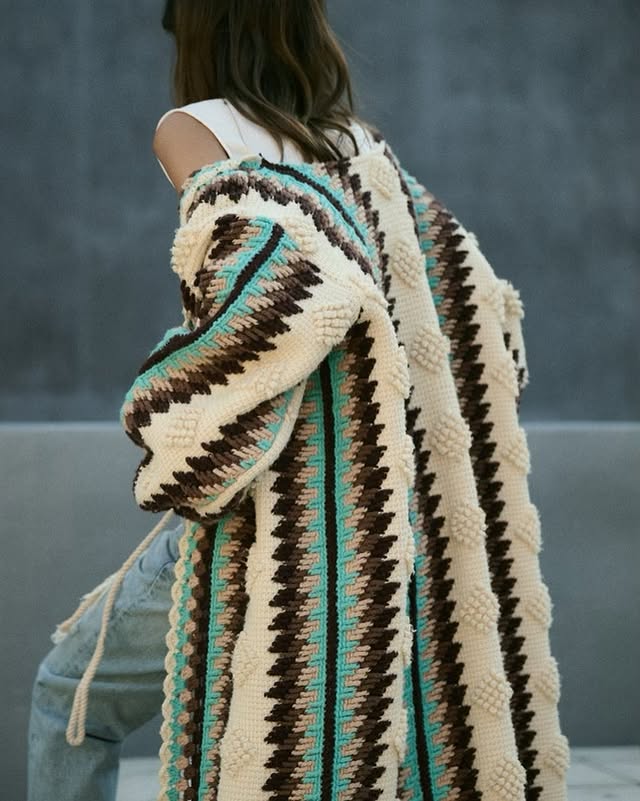
Cocoon sweaters are a fashionable item, popular for their comfort and versatility, and are considered a trend in contemporary knitwear. They are often seen in stylish looks due to their unique, loose, and rounded shape, which can be layered over other clothing items and worn in multiple ways.
Cocoon sweaters fit into broader knitwear trends that include other evolving cardigan styles and are embraced by various fashion demographics. But there’s a deep cultural story that lies behind the now trendy cocoon sweaters, made from crocheted blankets.
The culture surrounding women and crocheted blankets is deeply tied to community, creativity, and heritage. Historically, it was a way for women to express creativity and a means of producing useful and beautiful items, sometimes out of necessity. Today, crocheted blankets are celebrated for their connection to the past, serving as heirlooms, but also for fostering modern creation.
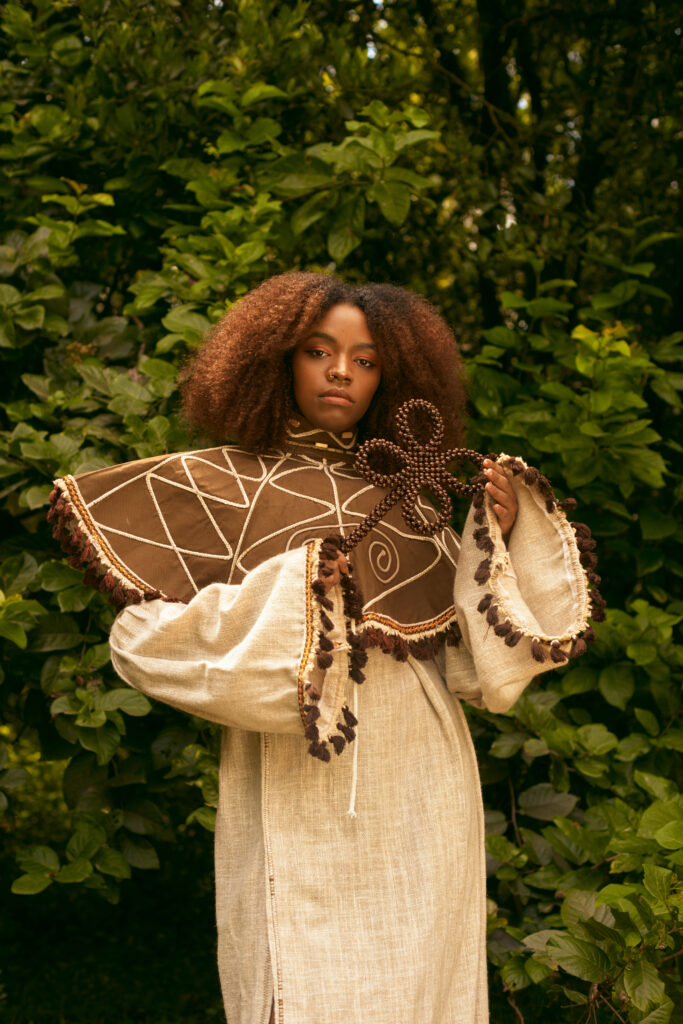
Now designers have given rise to upcycled designs like the crocheted cocoon sweaters. Seasoned Designers such as Nichole Moss, founder of Renewed by NM are preserving the culture by upcycling the intricately designed vintage crocheted blankets into elegant cocoon sweaters.
“Discover timeless warmth and love woven into every stitch with our cocoon sweaters collection. Each piece is crafted from one-of-a-kind vintage hand-crocheted blankets, lovingly knitted by moms and grandmas of generations past. Some call it upcycling, I call it Renew by NM,” this is how Nichole passionately describes her collection and brand.
A cocoon sweater is an oversized, loosely-fitting sweater that resembles a cocoon, with a circular or rounded shape. These sweaters are designed for a relaxed, “cuddly,” and comfortable feel and can be layered to create effortless and stylish looks.
“Our elegant cocoon sweater jackets breathe new life into cherished memories, preserving the tradition of handmade craftsmanship. Treat yourself to your new forever favourite that celebrates the bond of family and the beauty of handcrafted artistry. So you can always be wrapped in a mother’s love,” says Nichole.
The vintage crocheted blanket cocoon sweaters are generally sustainable because they extend the life of existing garments and divert them from landfills. They are a form of upcycling, which is more sustainable than buying new, as it avoids the resources and waste associated with new production.
The sustainability of the original material is also a key factor; natural fibers like wool or cotton are renewable and biodegradable, unlike synthetic yarns that can shed microplastics.
“Using vintage hand-crocheted blankets to make cocoon sweaters is a way to upcycle, create a unique garment, and achieve a cozy, retro style. This method is popular because it gives new life to old blankets, allowing for creativity with existing patterns, and results in a warm, one-of-a-kind garment with a unique, handcrafted feel. Nothing is old, nothing is new, it is just a matter of your point of view,” she says.
Nichole Moss
Drawing from her background in apparel production, Nichole designs ageless, sustainable, and gorgeous cocoon sweaters. Nichole recently collaborated with NSF, a Los Angeles-based clothing brand that offers relaxed, luxury womenswear with an LA-inspired, vintage aesthetic.
“Strolling through Erewhon Market in Los Angeles, I serendipitously met Nick, the CEO and Creative Director of the well-known brand NSF Clothing. Known for their artisanal denim, and luxury separates with California cool vibes. Nick spotted my cocoon sweater, and upon learning about my admiration for NSF, he suggested a collaboration for a capsule collection, resulting in the first drop. The collection was a huge success, selling out in just 24 hours. I am eternally thankful to Nick and Kimberly for wholeheartedly believing in and supporting the vision. Stay tuned for the second capsule drop,” she says.
More and more fashion designers are responding to the call for sustainable fashion by using eco-friendly materials like deadstock fabrics and discarded materials. Many designers are also embracing circular economy models by upcycling existing garments, and others are exploring innovative and biodegradable materials.
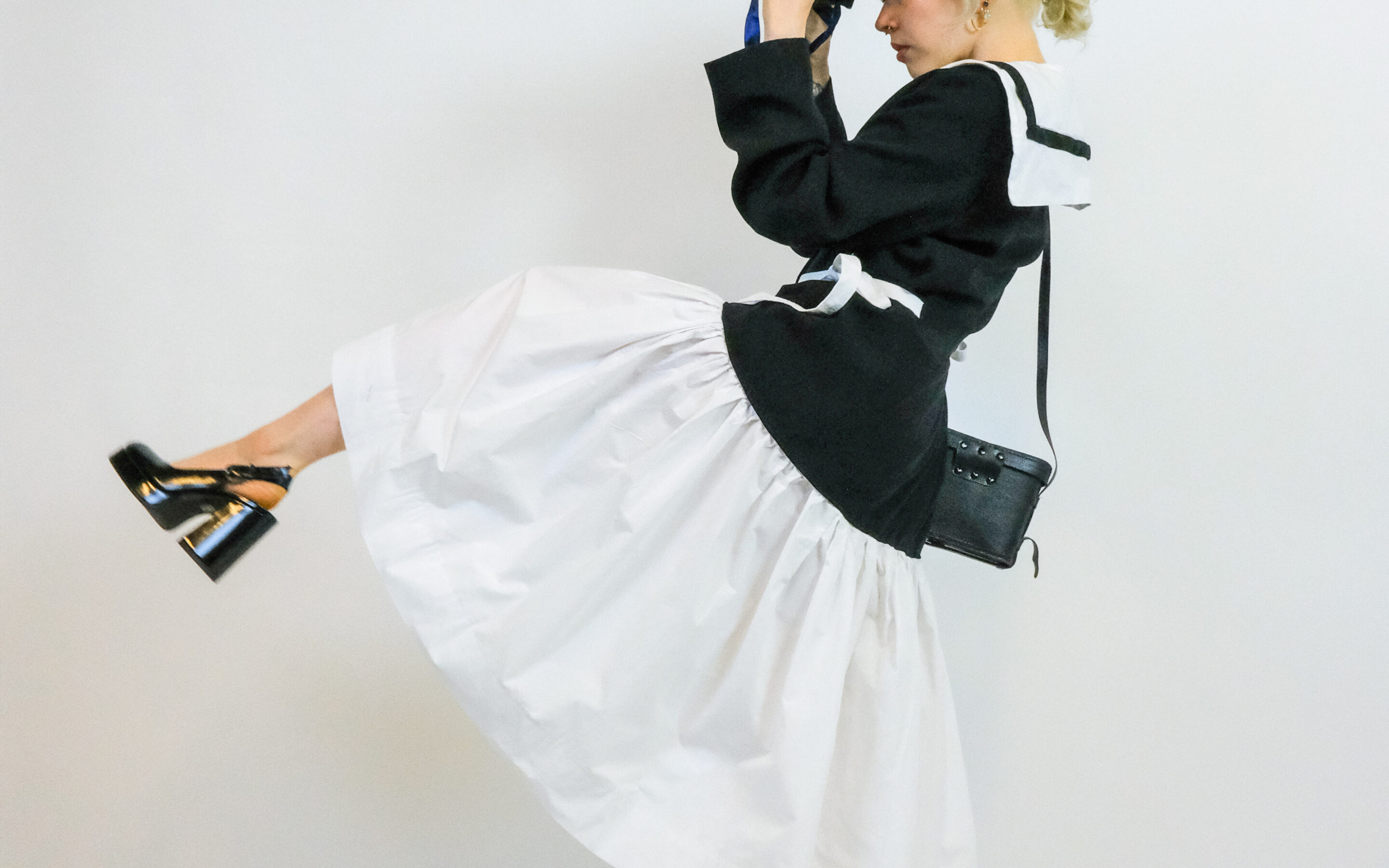
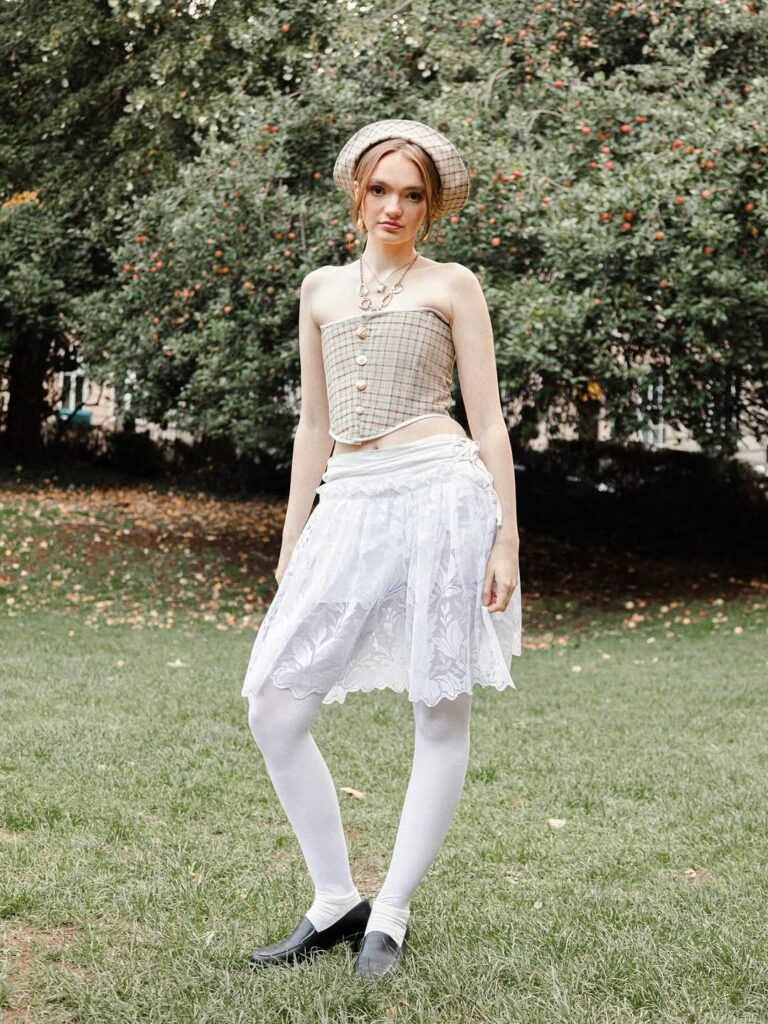
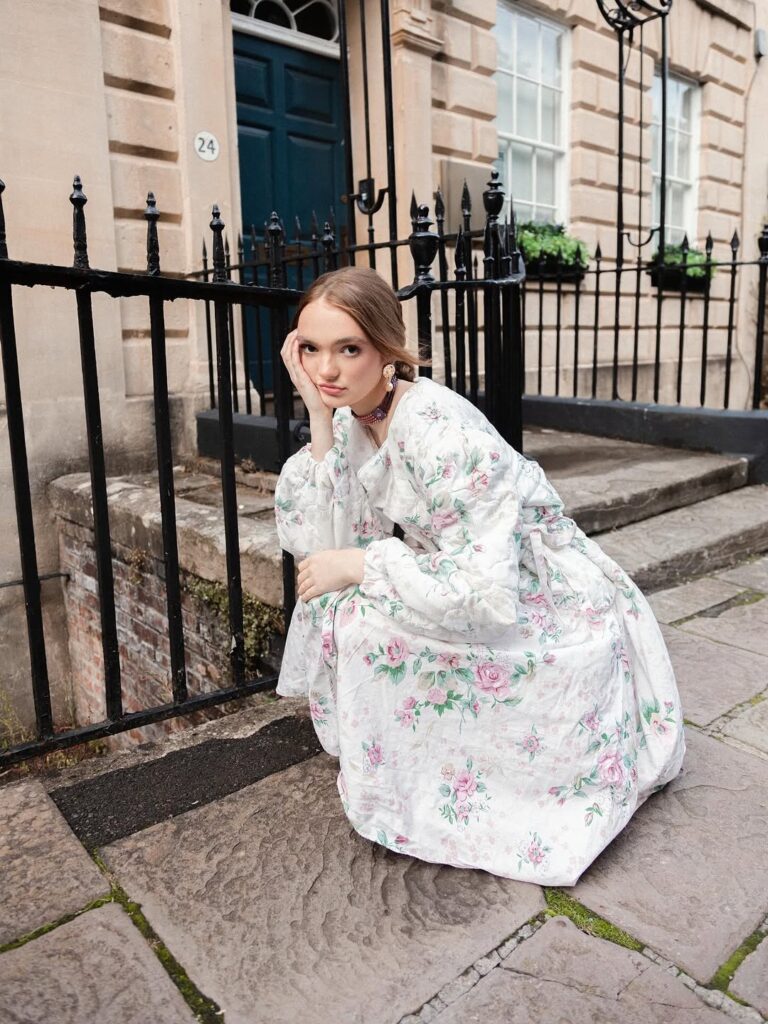
One such fashion designer is Elena Corobciuc, founder of By Ely Atelier, a sustainable clothing brand based in Exeter, United Kingdom. Elena is a designer who embraces a sustainability ethos through her brand. She works with discarded materials and sees “trash” as a valuable resource, transforming waste into beautiful garments through techniques like upcycling.
“I’m the hands, heart, and mind behind the brand. I create one-of-a-kind garments from my cosy home studio, carefully crafting each piece from discarded or forgotten textiles. We are rooted in upcycling, intentional design, and love for sustainable fashion that doesn’t compromise on elegance, bold femininity, or uniqueness. Every fabric is consciously sourced, often on treasure hunts through vintage shops and charity stores across the UK and Italy, seeking out the kinds of textures and patterns that stir inspiration and memory. I work with old cotton bedding, vintage crochet, antique lace and worn linen. These materials carry stories, and I’d like to think that I help them whisper again,” she says.
Elena Corobciuc
Elena creates unique pieces, motivated by environmental concerns often blending artistic vision with a commitment to sustainability, demonstrating how creativity can give new life to overlooked materials. She views waste as a resource instead of discarding what others consider junk, she sees it as a source of unique and valuable material.
“My fashion journey began in second-hand clothes. I wore them not as a trend, but out of necessity. I used to be embarrassed by that. Now, it has become my proudest influence. Upcycling, to me, is not just a way to reduce waste, but a creative rebellion. It is a statement, a redefinition of beauty and worth. It says fashion doesn’t need to be new to be powerful. Every item I make is one-of-a-kind, meaning it’s slow, intentional, and stitched with hours of love and attention. I believe in buying less, but better. Valuing not just how clothes look, but how they were made, and by whom. I believe fashion should empower, not exploit. I also believe that wearing the same thing more than once isn’t a flaw, but freedom,” she says.
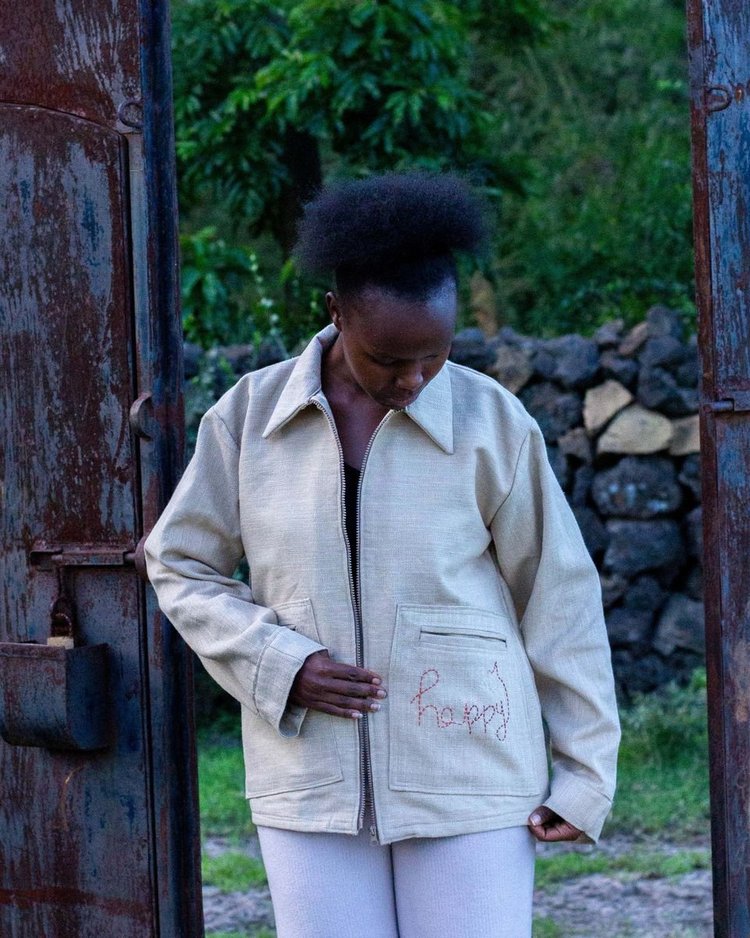
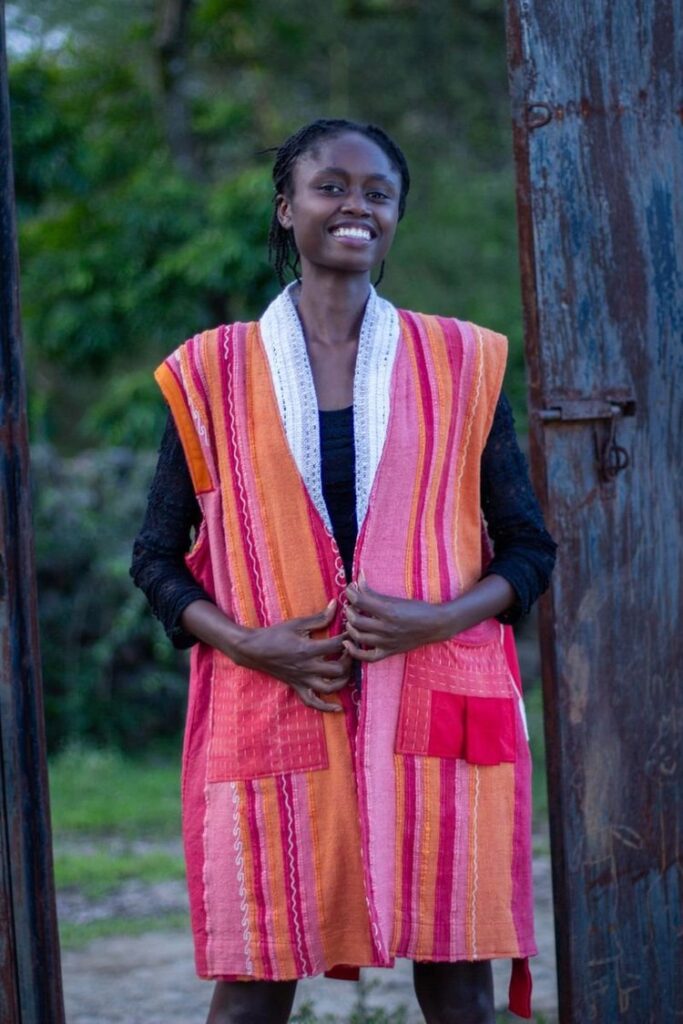
Maisha by Nisria is a sustainable fashion and design studio based in Gilgil, Kenya. The studio creates unique, handmade clothing from upcycled and repurposed materials, focusing on sustainable and ethical fashion. Their collections include one-of-a-kind pieces like dresses, jackets, and two-piece sets, all made by giving new life to textiles that would otherwise be discarded.
Maisha by Nisria was established in 2021 by Nur M’nasria, an accomplished TV and film producer. The studio aims to provide opportunities and skills training for young adults from marginalized communities. Maisha is the Swahili word for “Life,” reflecting the brand’s focus on giving new life to textiles and to the lives of the youth they support.
The purpose of Maisha by Nisria is to empower vulnerable individuals in Kenya by providing them with fashion and design skills through their non-profit, sustainable fashion and design studio. They use upcycled materials to create unique garments, aiming to foster economic independence for community members and promote a sustainable approach to fashion. The studio equips individuals, including youth, women, and refugees, with skills in tailoring and upcycling.
The training aims to enable participants to become independent adults and provides employment within the studio. Maisha by Nisria are committed to upcycling discarded textiles into new, high-quality fashion pieces, advocating for a circular approach to design and production.
Nur M’nasria
“Throughout the years I could always recognize how vulnerable young adults received the least attention from social organisations and contributors. When it comes to clothes, they are either excluded or they would receive worn-out clothes that are not suitable to wear. Hence for a long time, I wanted to create a project where we could teach young adults how to make their clothes from waste textiles and repurpose the worn-out clothes they receive into fashionable pieces,” says Nur.
Maisha by Nisria was inspired by Nur’s grandmothers. “Growing up I could always see how they transformed curtains into dresses, towels into rugs, pillowcases into sacks, and so on. Then in 2021, my late friend Randah Taher approached me about starting a project and offered to fund and support it. She wanted to honour her late mother’s memory through a social project and suggested a couple of ideas. The up-cycled fashion project was one of them and she picked it without hesitation,” she says.
Maisha by Nisria started with one sewing machine and to date, more than 15 beneficiaries have particpated in the projects. Some of the beneficiaries have transitioned into full-time designers and tailors for their workshop, which is a testament to the transformative power of Maisha by Nisria.
Cynthia Mwangi
Cynthia Mwangi is the co-founder and Project Manager of Maisha by Nisria. She is a passionate community builder and a creative entrepreneur. She leads Maisha by Nisria’s projects and partnerships, driving programs of the studio that empower youth and transform communities.
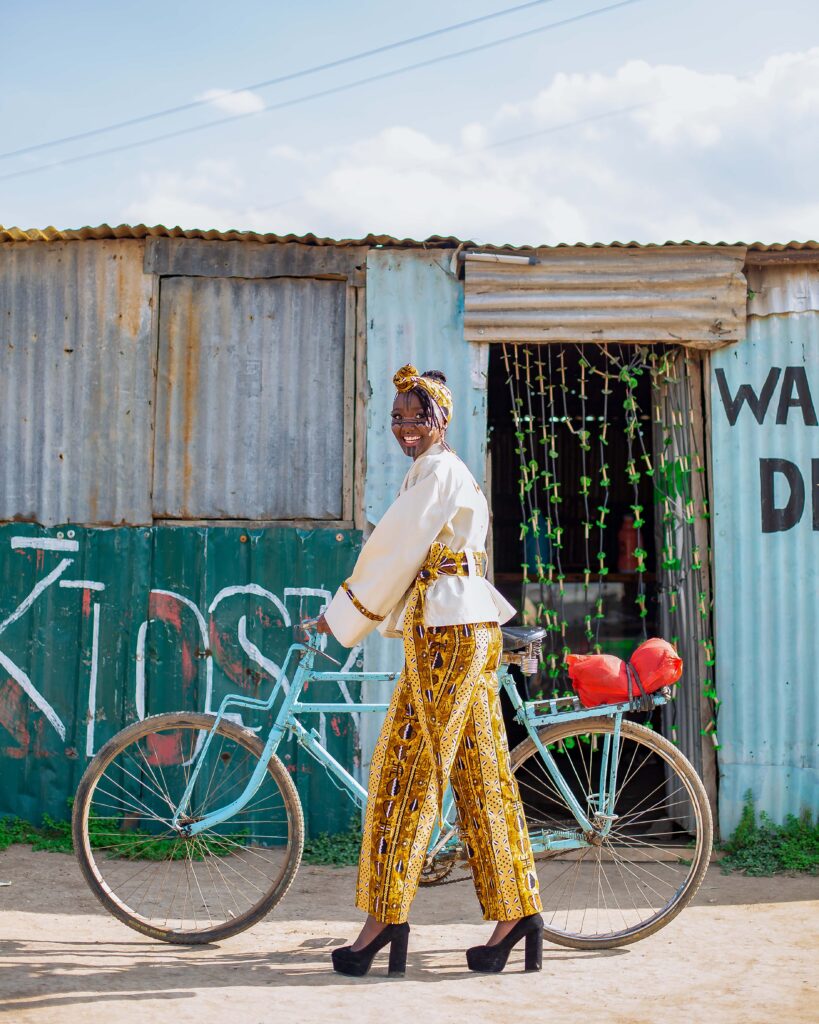
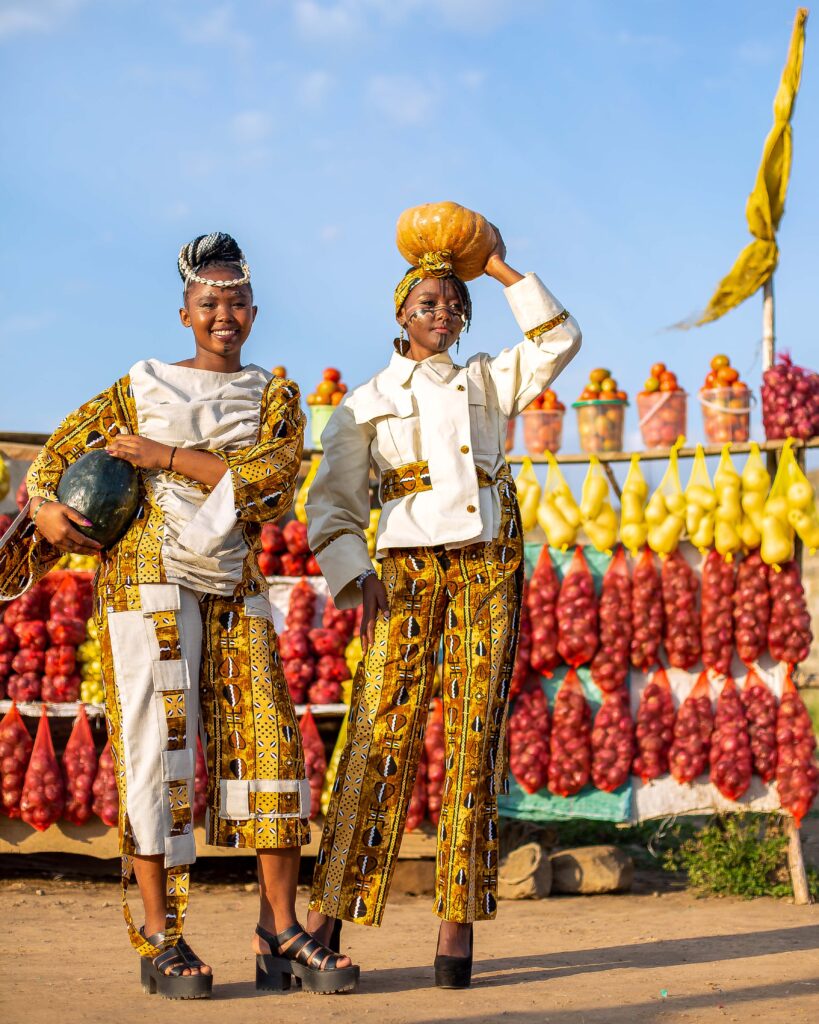
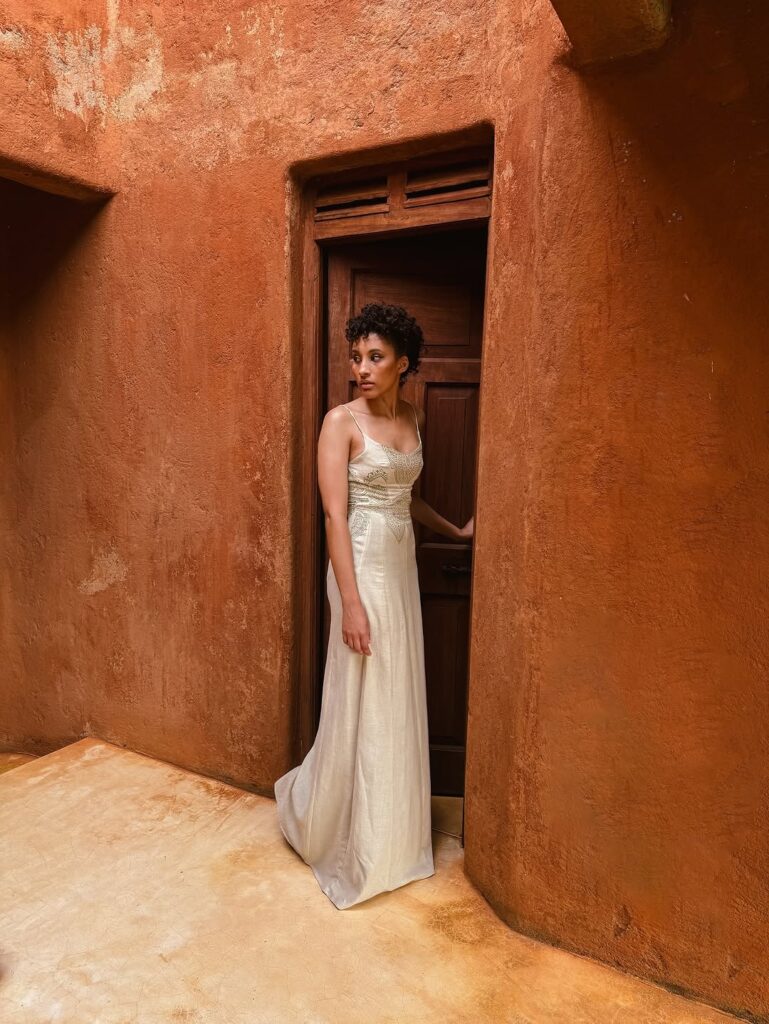
Cynthia elaborates on the inspiration behind their current collection.”This year, Maisha by Nisria’s crafted a collection called “Amazigh Colletion” in response to Nairobi Design Week 2025’s theme “We Are the Ancestors”. The collection was inspired by our founder’s Amazigh roots. Each piece is made from upcycled jackets and materials donated by Mr. Green Africa and rescued from landfills and markets, then reimagined in our studio,” says Cynthia.
She further indicates that the collection features embroidered Amazigh symbols, vibrant patterns, and bold seams. She says this limited-edition collection is both a tribute to the past and a statement for the future; and a celebration of care, compassion, and craft passed down through generations.
A vision and a strong desire to build a business based upon ethical processes of developing and producing products, are what prompted the establishment of this conscious brand.
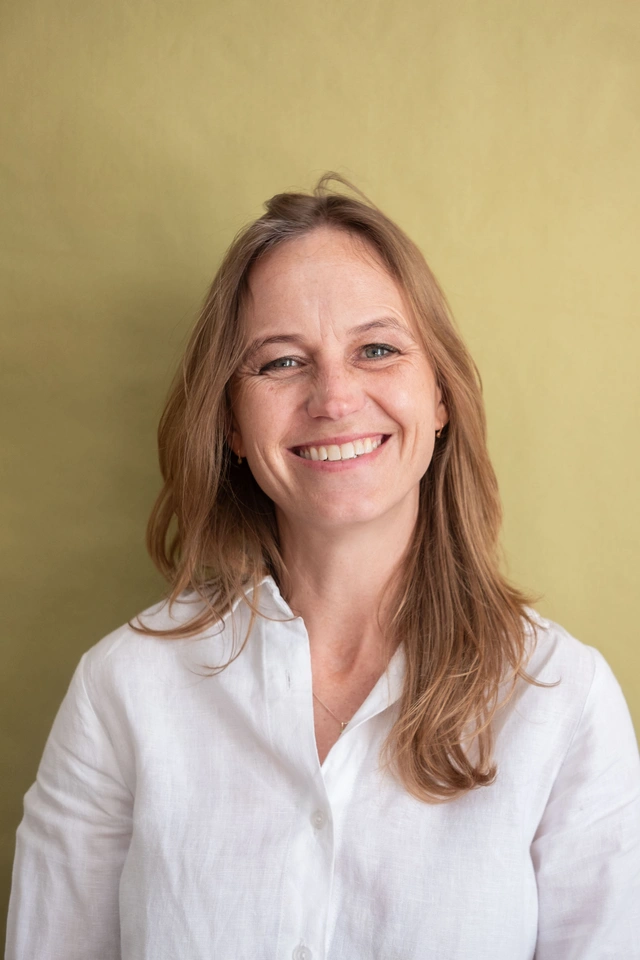
The visionary behind the brand, Wendren Setzer, is an innovator, a sustainable and purpose-driven entrepreneur who founded WREN, in 2008.
The company’s primary goal is to make a tangible difference in the world, aligning business operations with a broader global sustainability mission.
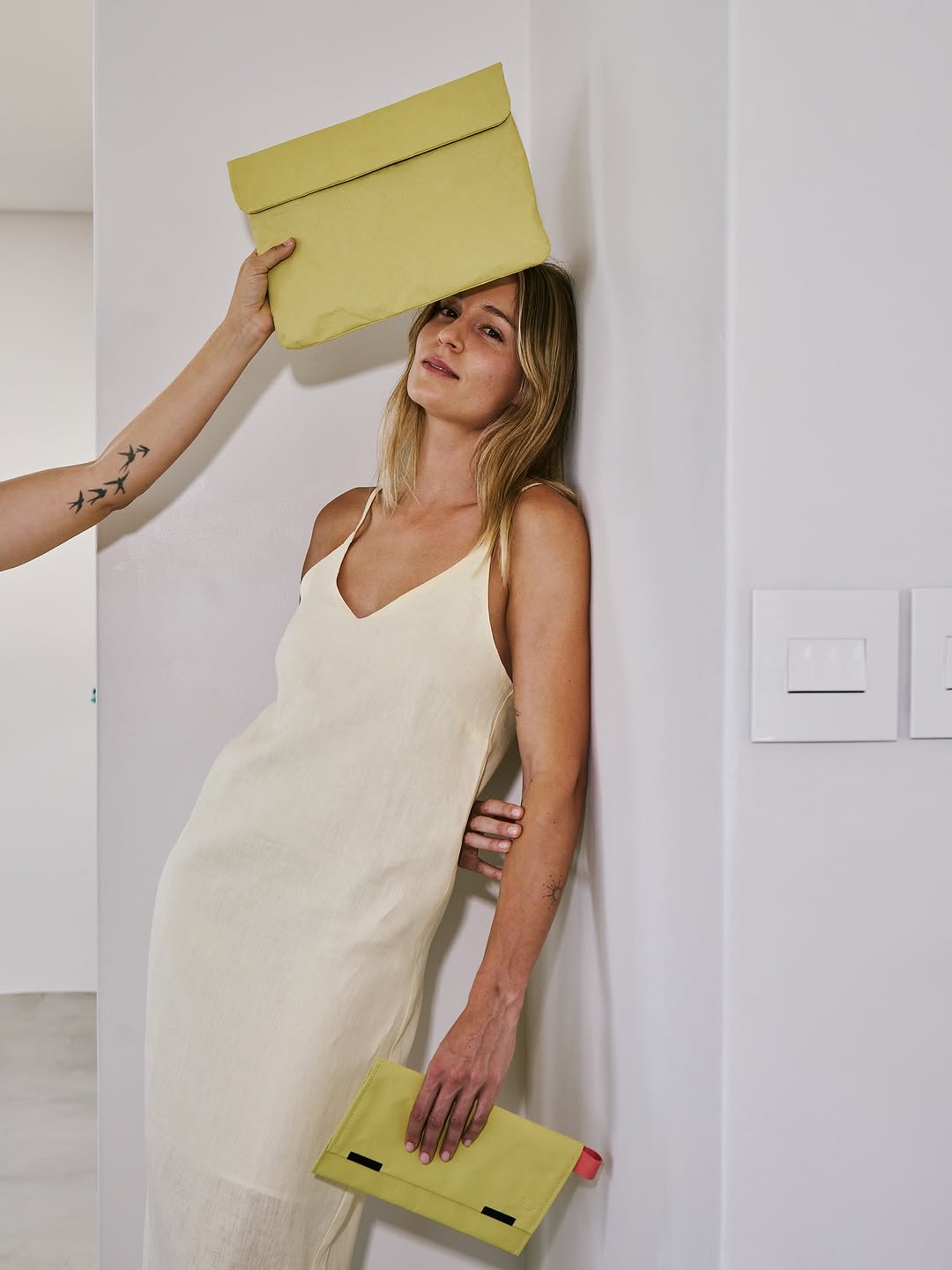
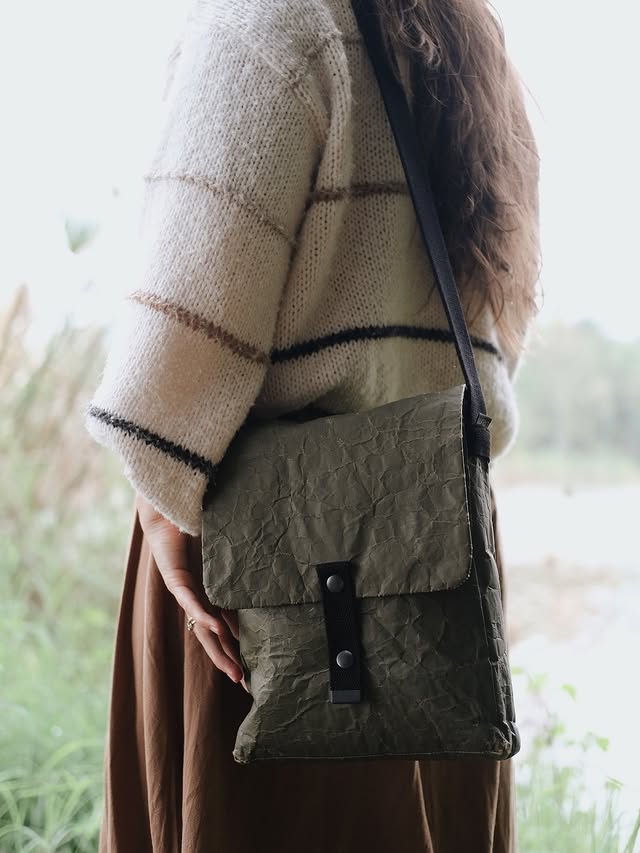
Wrenden worked as a textile designer for many years, but made a conscious decision to leave her job to pursue a more fulfilling venture. This gave rise to WREN, a sustainable brand that specializes in handmade bags and accessories.
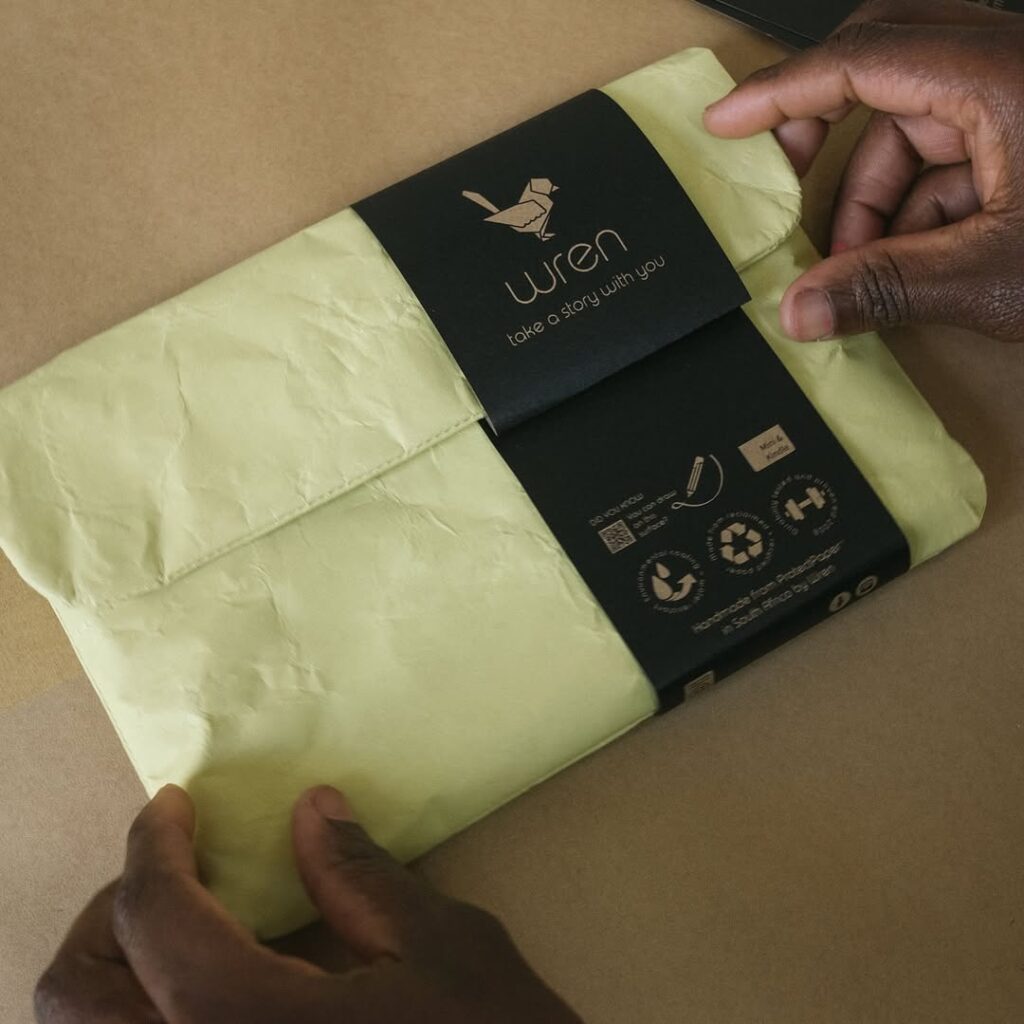
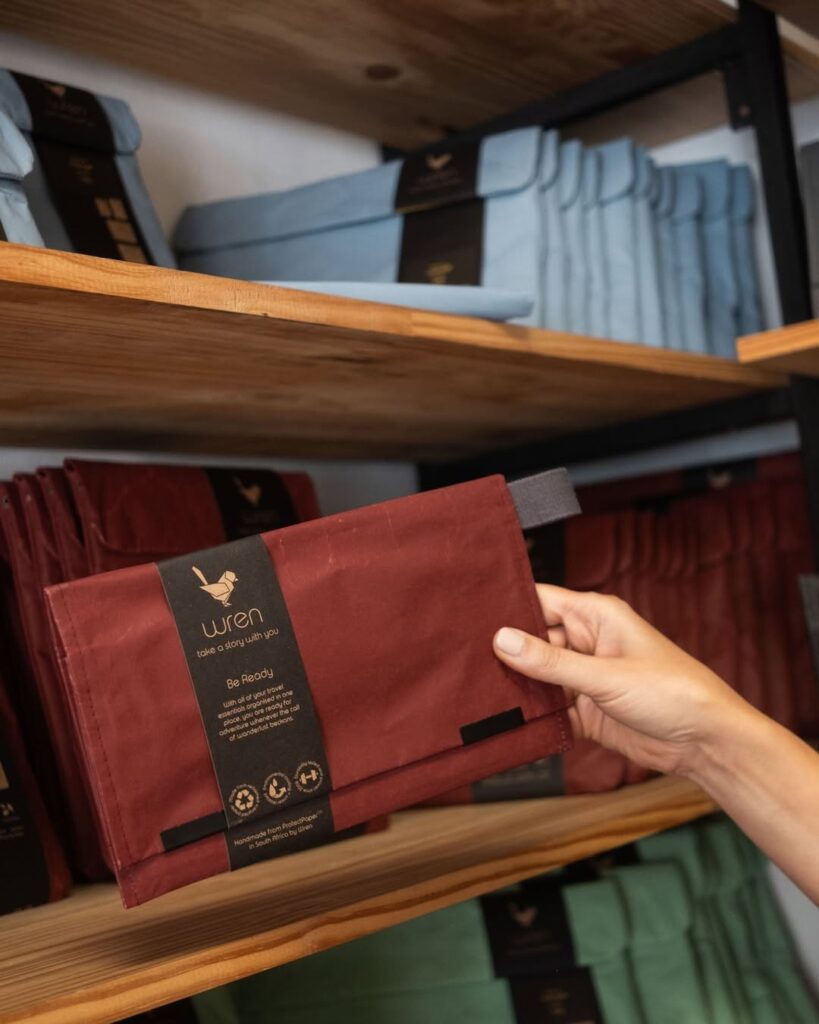
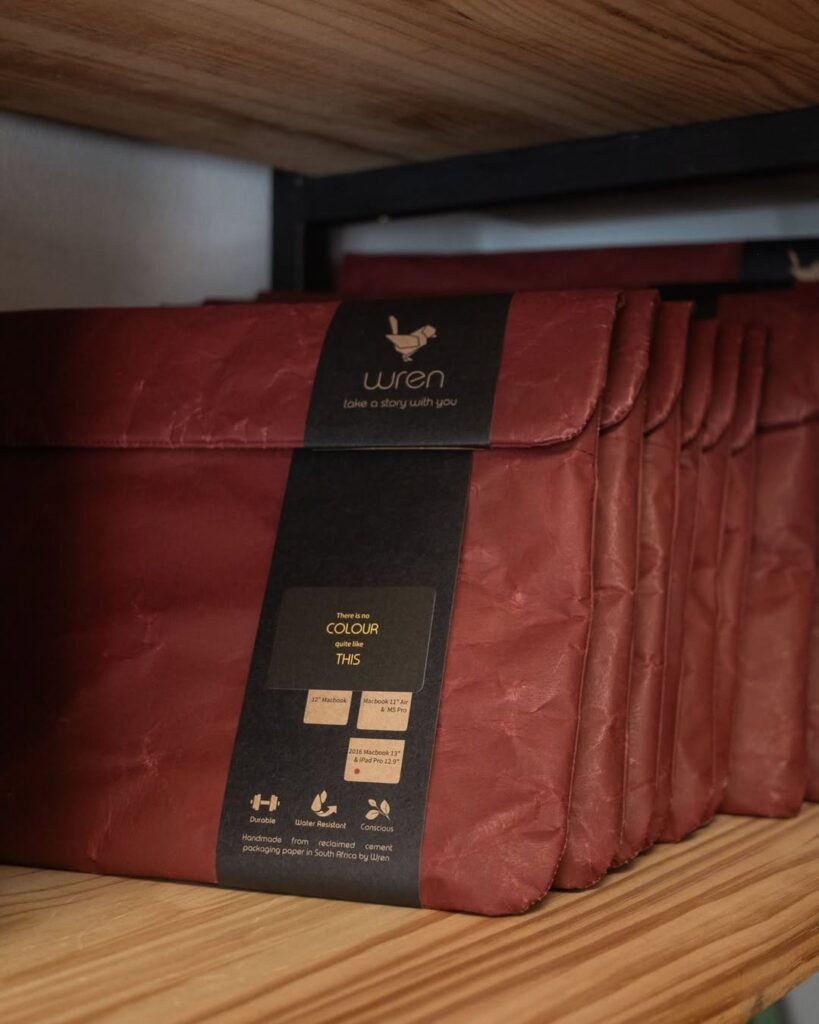
To date, Wren has become a well-renowned sustainable brand internationally. In 2008, they began to make accessories from ProtectPaper™ which was developed by the company and trademarked in 2023.
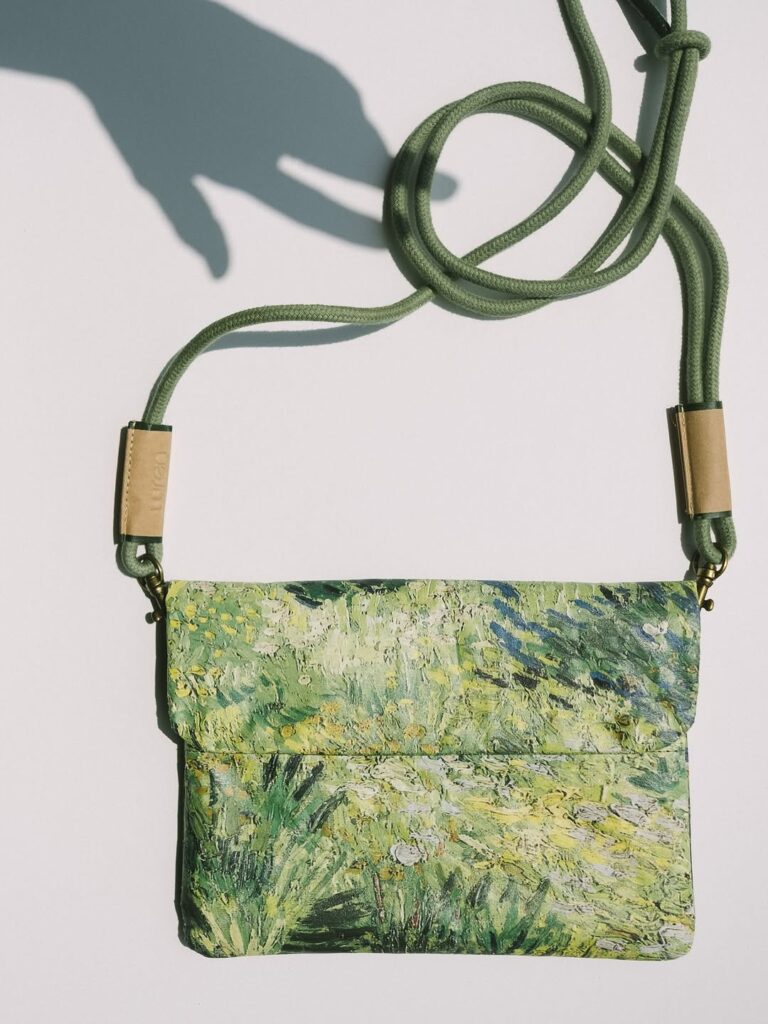
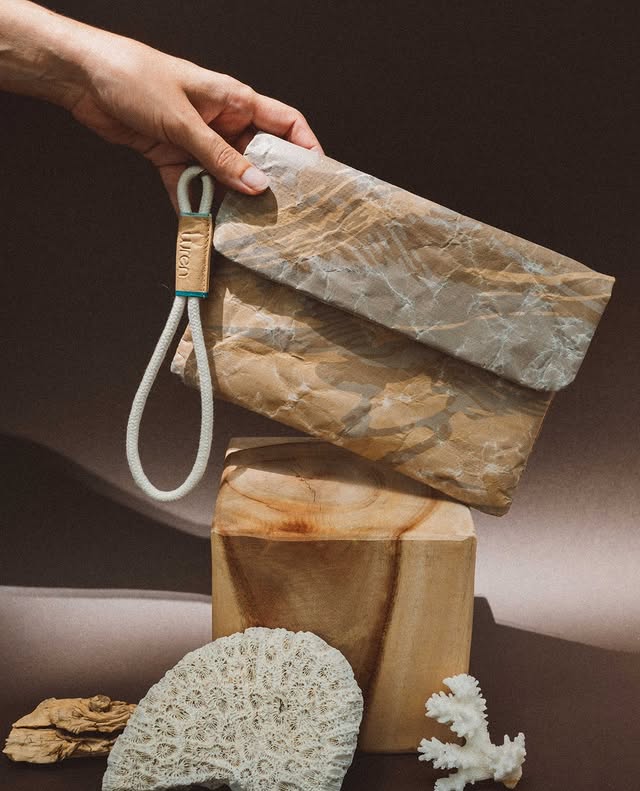
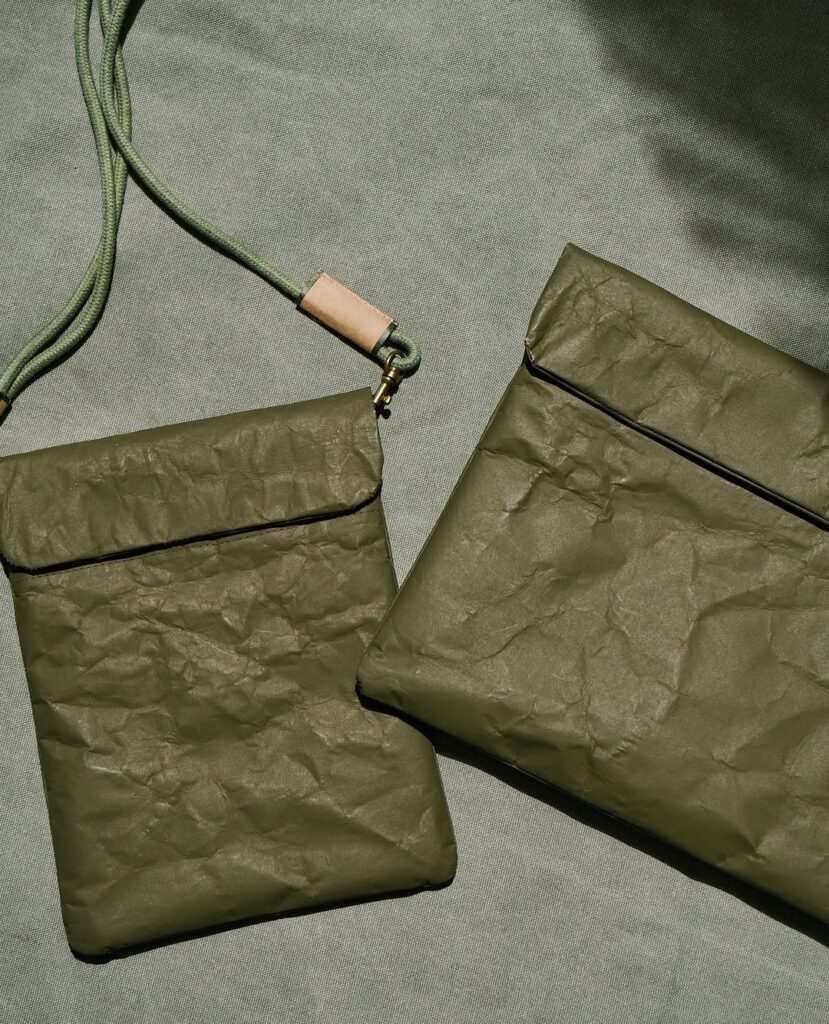
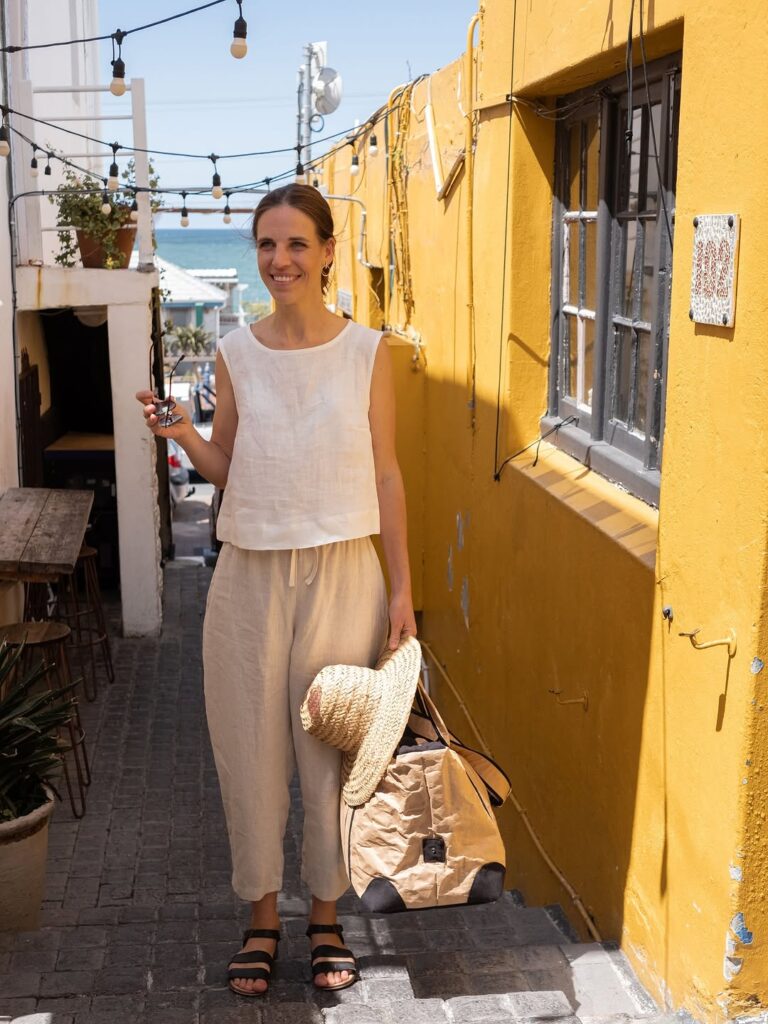
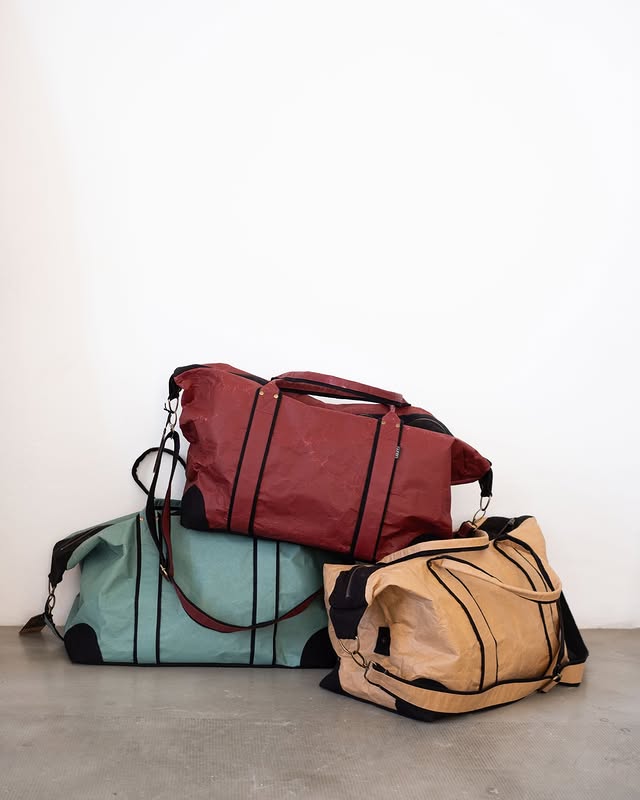
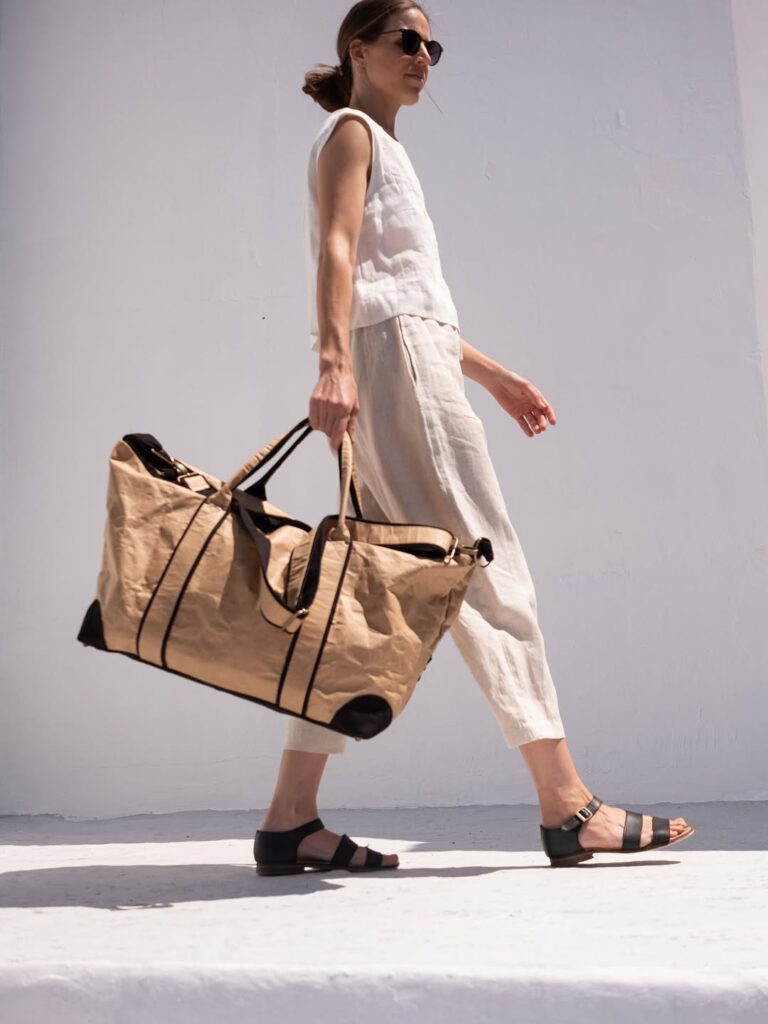
This innovative material is a groundbreaking fusion of paper, fabric, and nano-technology. The material combines the natural texture of paper with the strength of cotton fabric, resulting in a unique feel that “wears like leather” and transforms over time like a beloved pair of jeans. Coated with nanosilicon dioxide, ProtectPaper™ is water-resistant and durable, ensuring that Wren’s bags and accessories protect their contents from the elements.
Wren’s success journey began in a local design market called, The Biscuit Mill in Woodstock in Cape Town, where it quickly gained recognition. The company’s breakthrough came with an invitation to the Design Indaba as an emerging creative, where the famous PPC Cement Laptop Bag was launched.
This pivotal moment solidified Wren’s identity with paper and marked the start of its expansion into an international company known for sustainable manufacturing, fair business ethics, and quality workmanship.
Since 2009, Wendren, began crafting travel bags from jute coffee sacks and subsequently in 2016, she was asked to make a paper version, which initially raised doubts about its durability. Despite the skepticism, she ventured into this new territory, and the results were nothing short of spectacular
Founder: Wendren Setzer
More about the Founder
After leaving her job as a textile designer and seeking a new challenge, Wrenden began crafting a handbag from fabric off-cuts, which sparked her curiosity about materials, textiles, and their potential roles in the creative process. This curiosity led her on a journey of innovative product development, resulting in a series of creative breakthroughs as her business took shape. Despite initial skepticism, her idea to work with paper as a durable material has flourished.
“The inspiration for Wren’s unique material came unexpectedly. While driving behind a truck loaded with cement bags, I wondered if paper could be made as strong as ballet shoes. My experiments led to the development of ProtectPaper™, a durable and adaptable material now used in all our products. By bonding recycled paper to cotton, I created a versatile fabric that reimagines origami into something both tangible and functional. Folded and stitched, it reveals the untapped potential of paper,” says Wendren.
She concludes by saying that, beyond practicality, ProtectPaper™ embodies Wren’s commitment to sustainability, innovation, and quality, offering a material that is as functional as it is environmentally conscious.
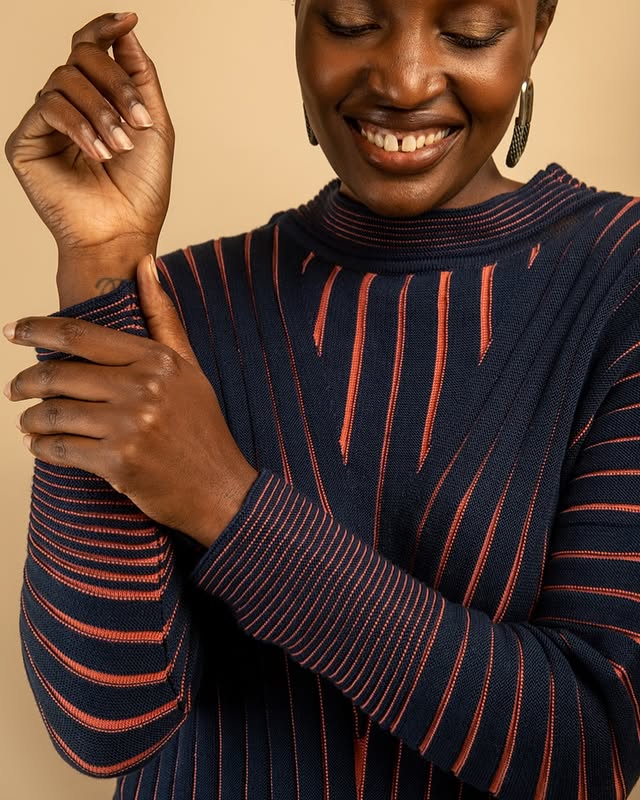
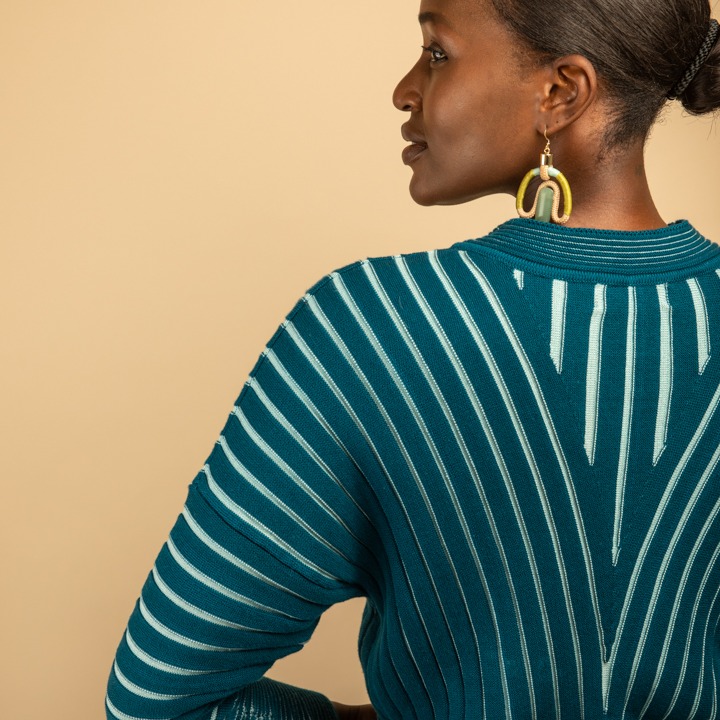
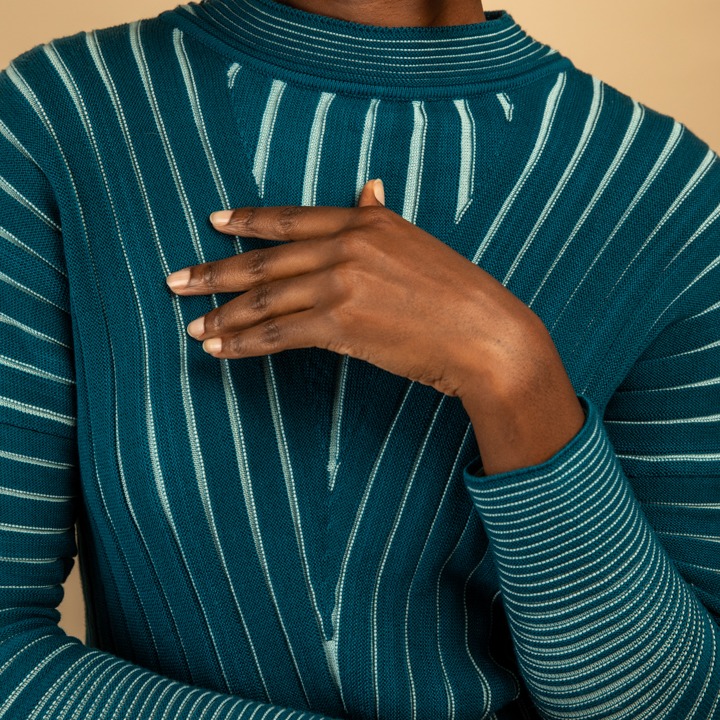
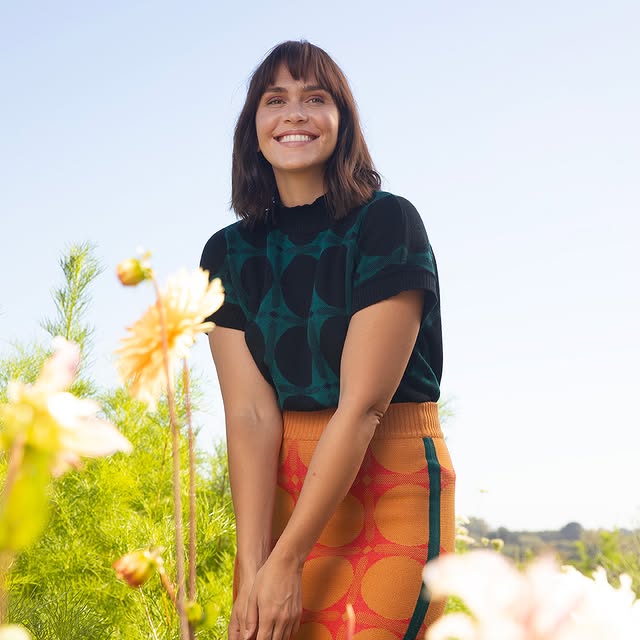
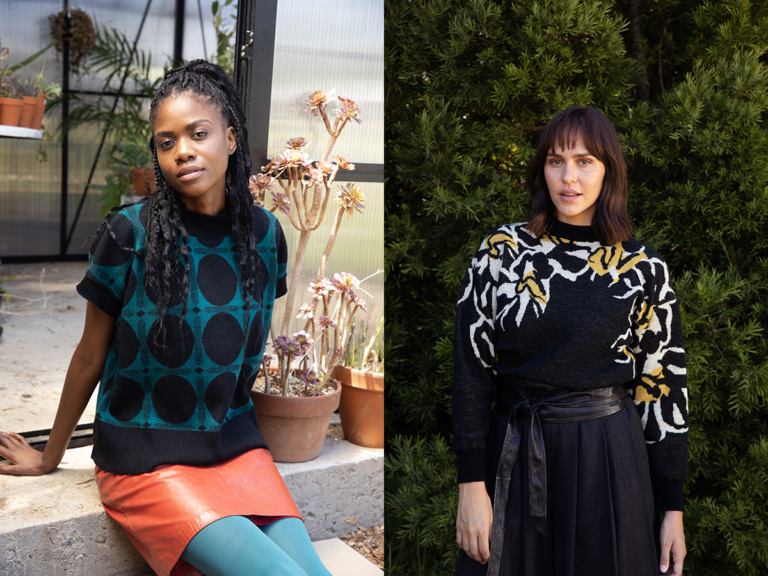
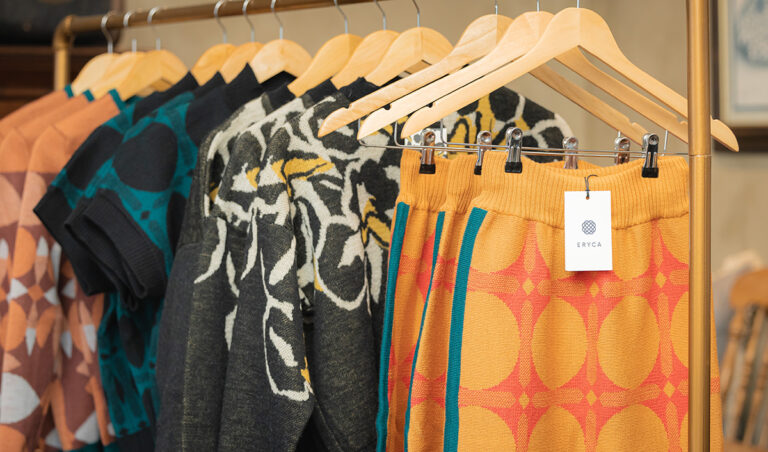
Eryca Knitwear is a South African brand that creates luxury, bold-coloured knitwear designed to be comfortable, stylish, and long-lasting. The brand emphasizes slow fashion and sustainability, using locally sourced, natural fibers like merino wool, kid mohair, and Mulberry silk.
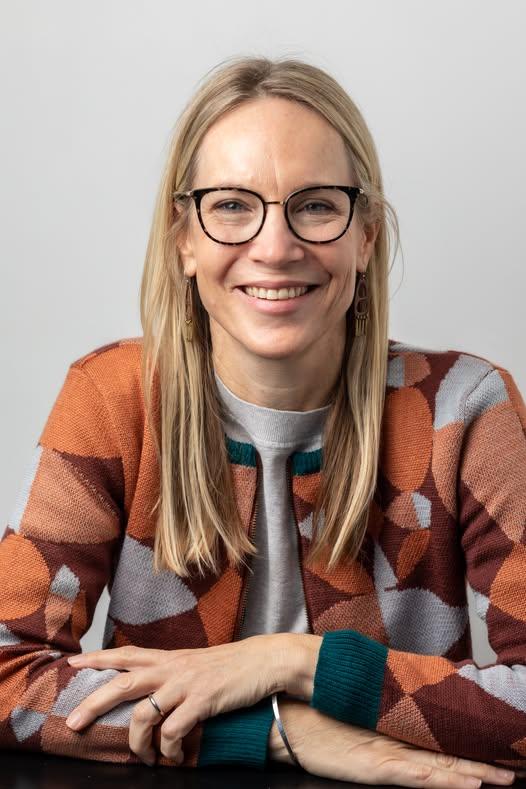
Founder Erica Morgan-Tanton’s vision was to create designs that go beyond ordinary knitwear. She says while the garments offer unparalleled comfort and sophistication, they are designed to be carried with a personal sense of style and individuality. She says Eryca’s garments are designed, manufactured and hand finished in Cape Town by local artisans.
“Our collections are crafted with the highest quality materials, providing luxurious comfort and sophistication. In addition to being thermo-regulating and easy to care for, wool is easily repaired, ensuring that you’ll get to enjoy your Eryca garment for years to come. It’s an investment in a sustainable, slow-fashion piece of clothing that you can feel good about having in your closet,” says Erica.
Erica says, “Life should be lived in full colour that is why we chose the natural beauty of knitwear, the creative artistry of pattern, and the bountiful energy of colour to tell our story.We create eye-catching and timeless knitwear designs that bring joy to your wardrobe, with each item created to make you feel confident and bold each time you wear it.”
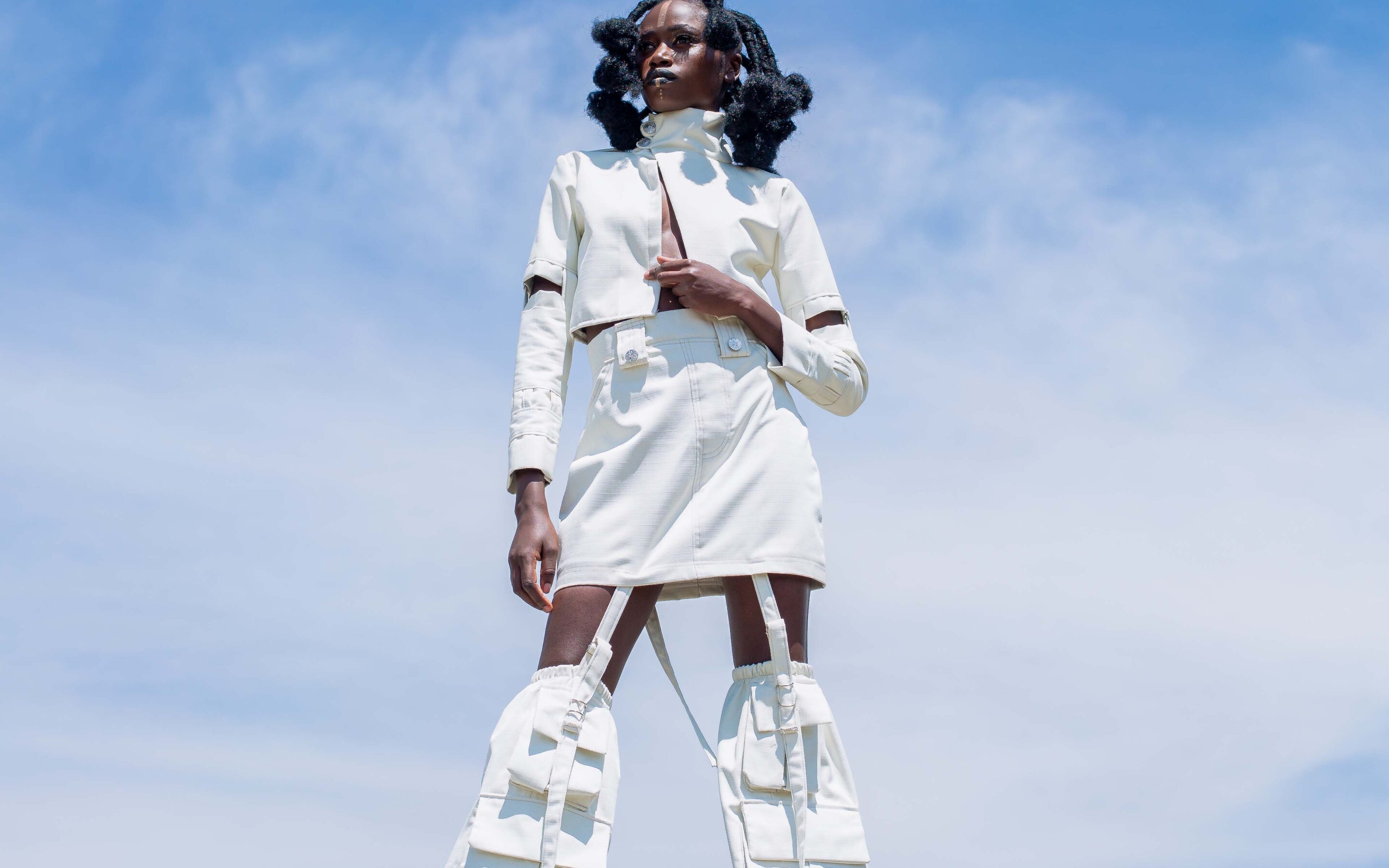
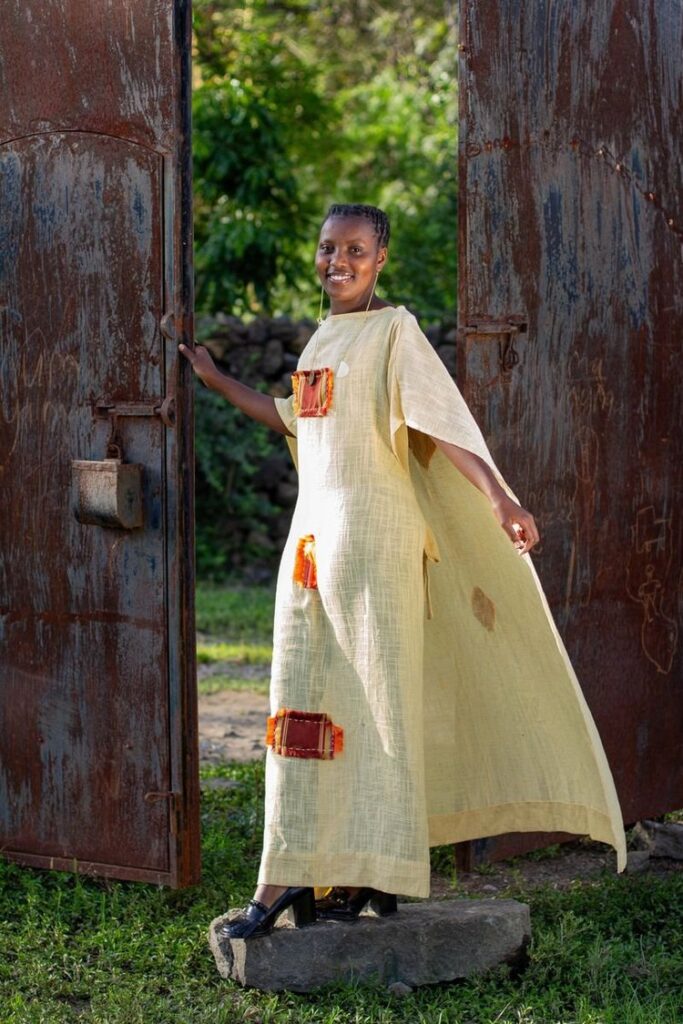
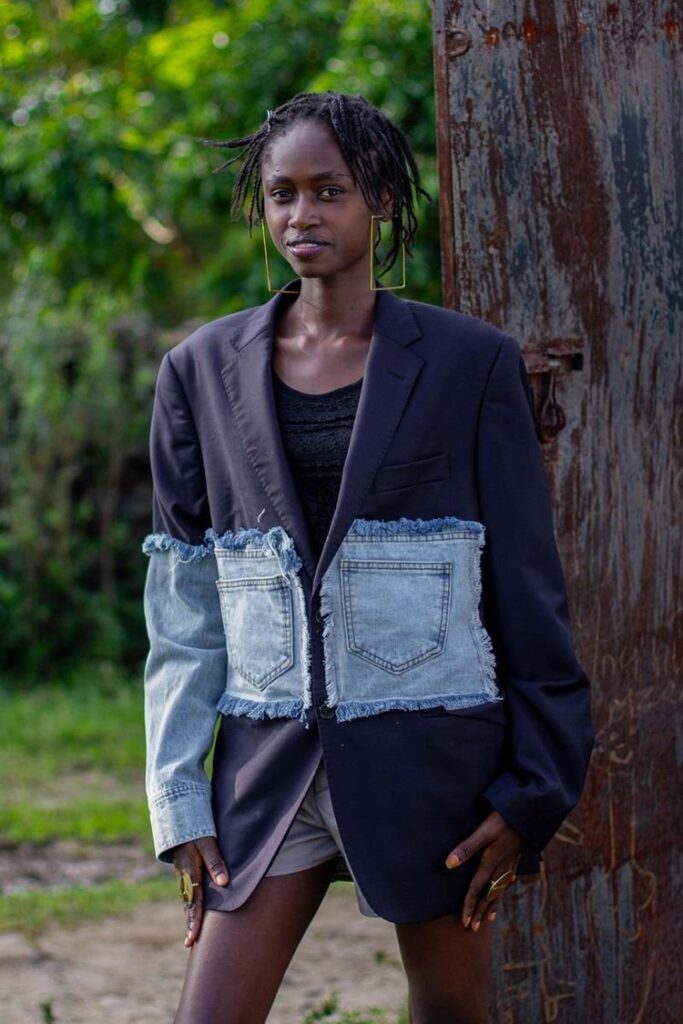
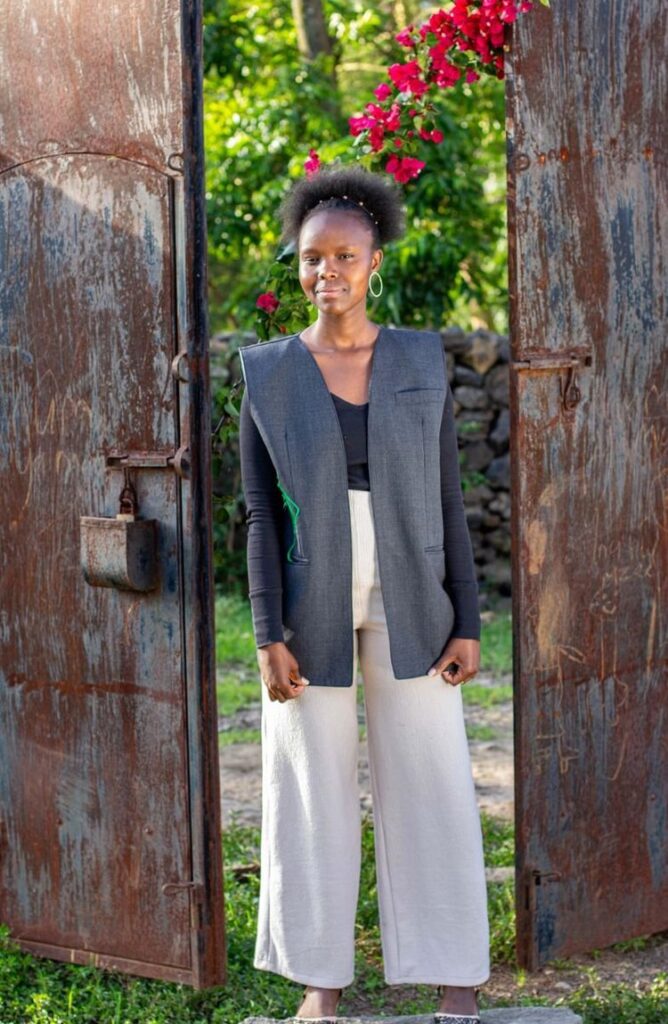
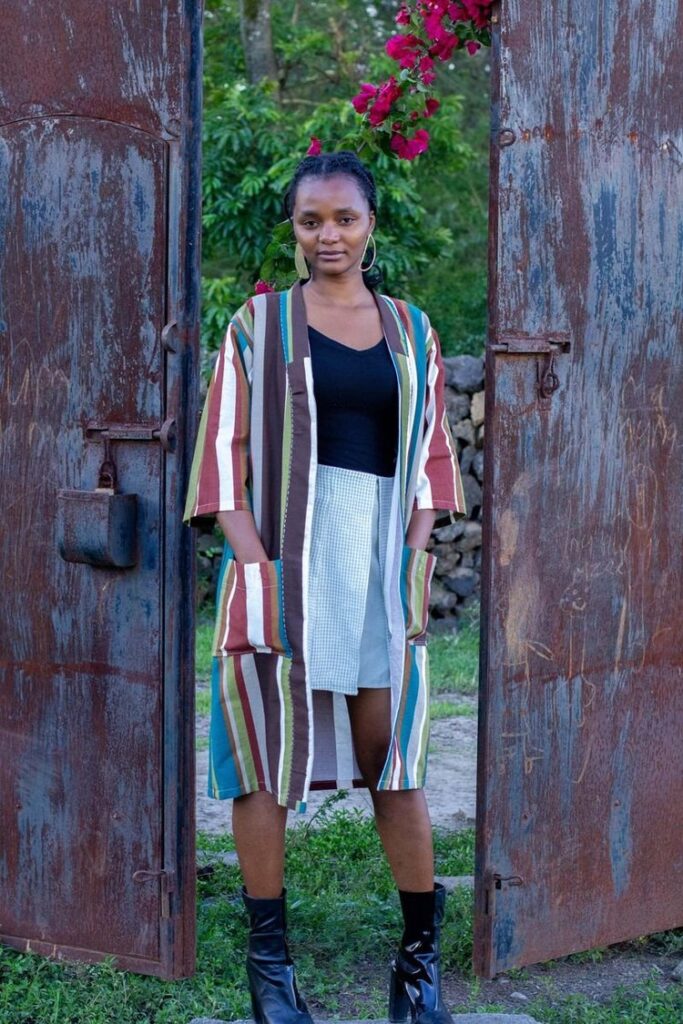
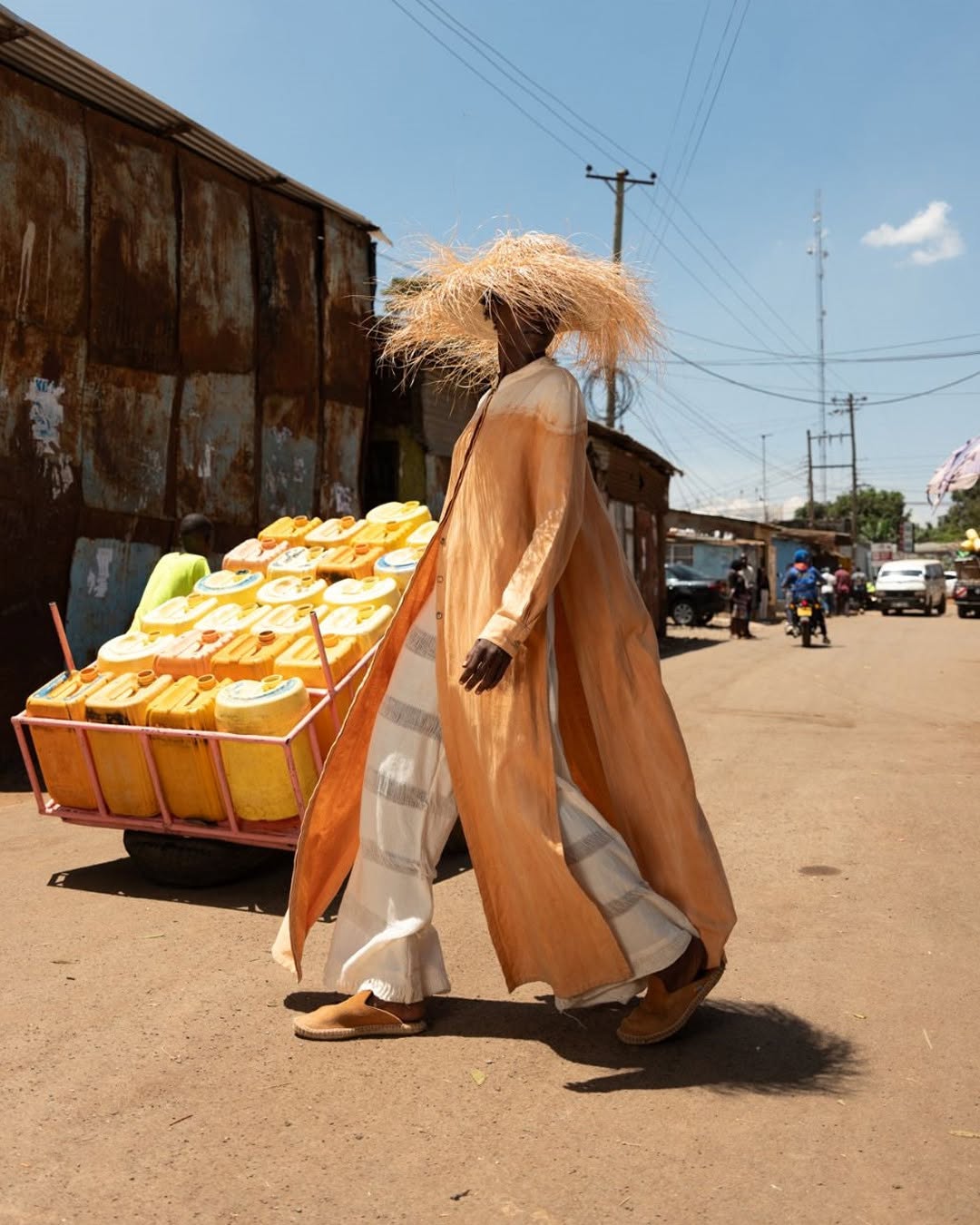
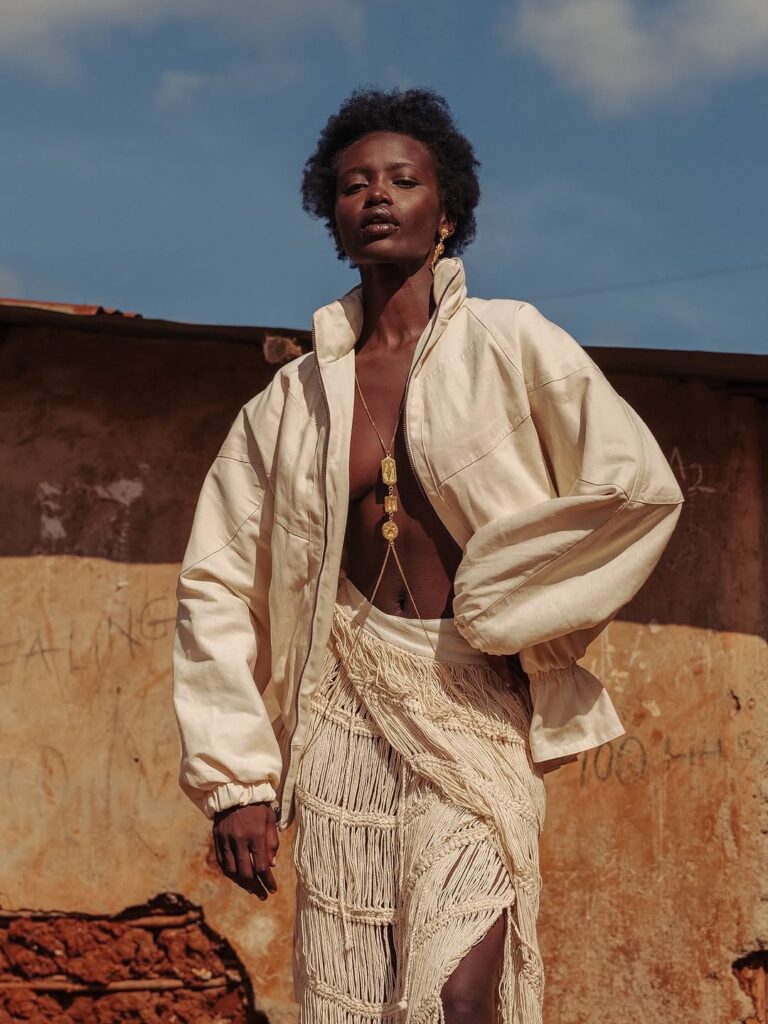
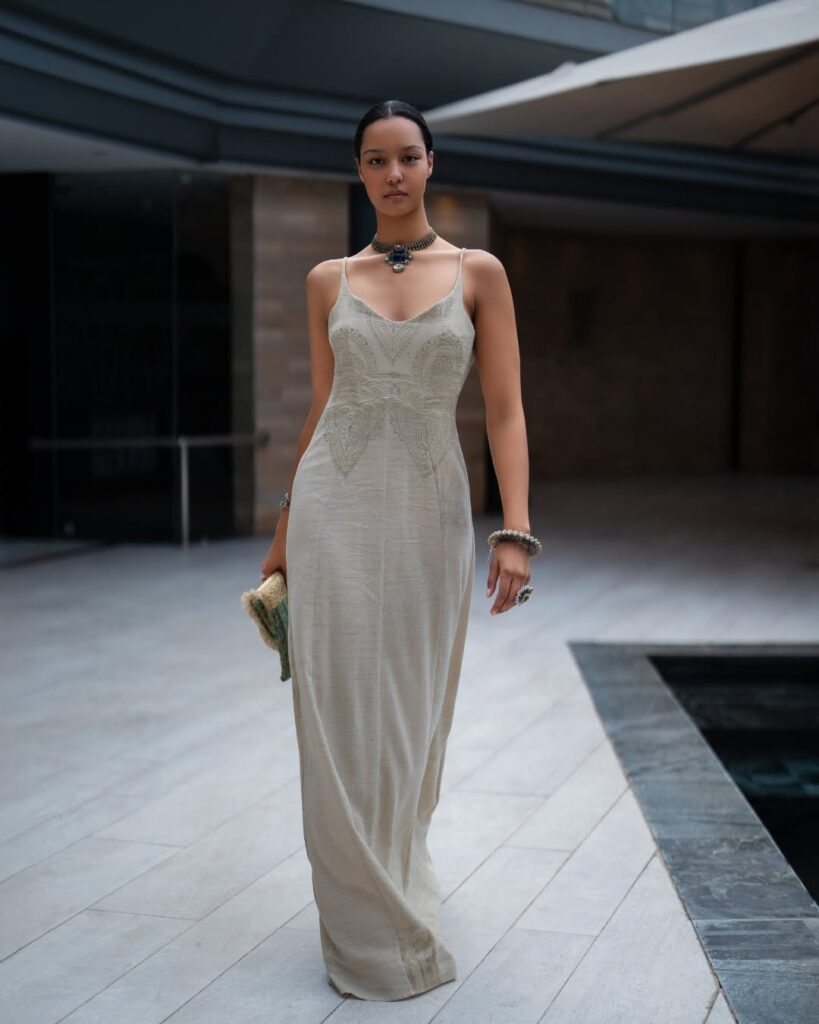
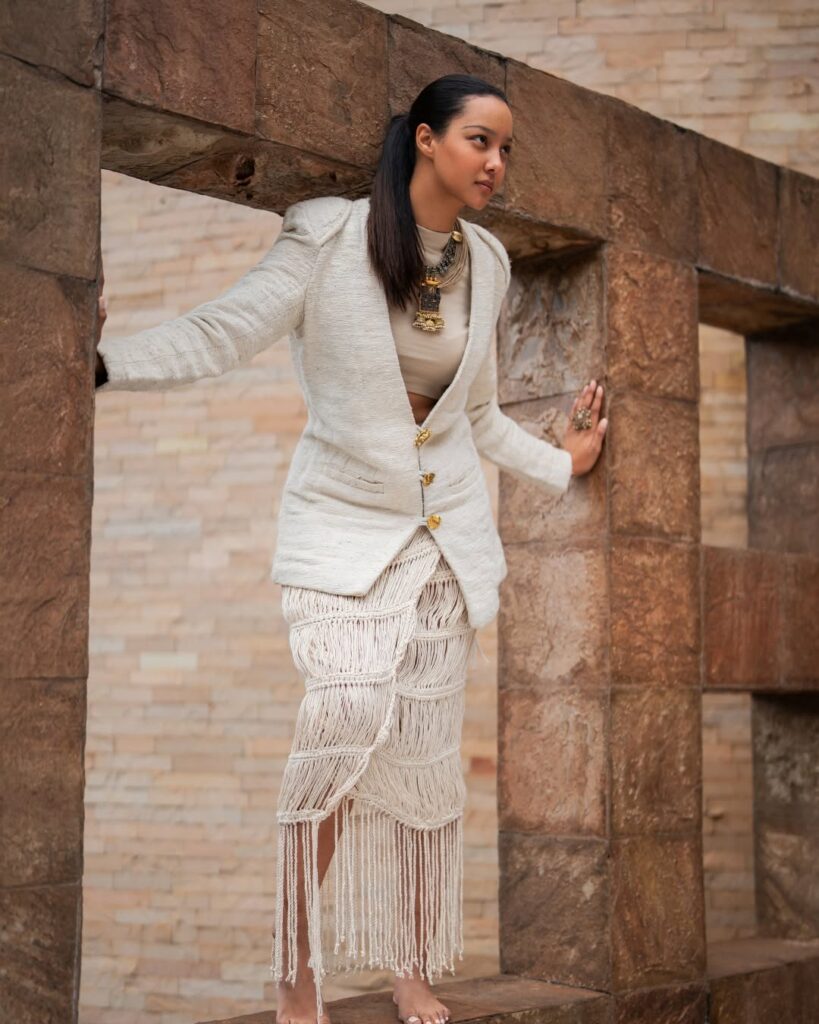
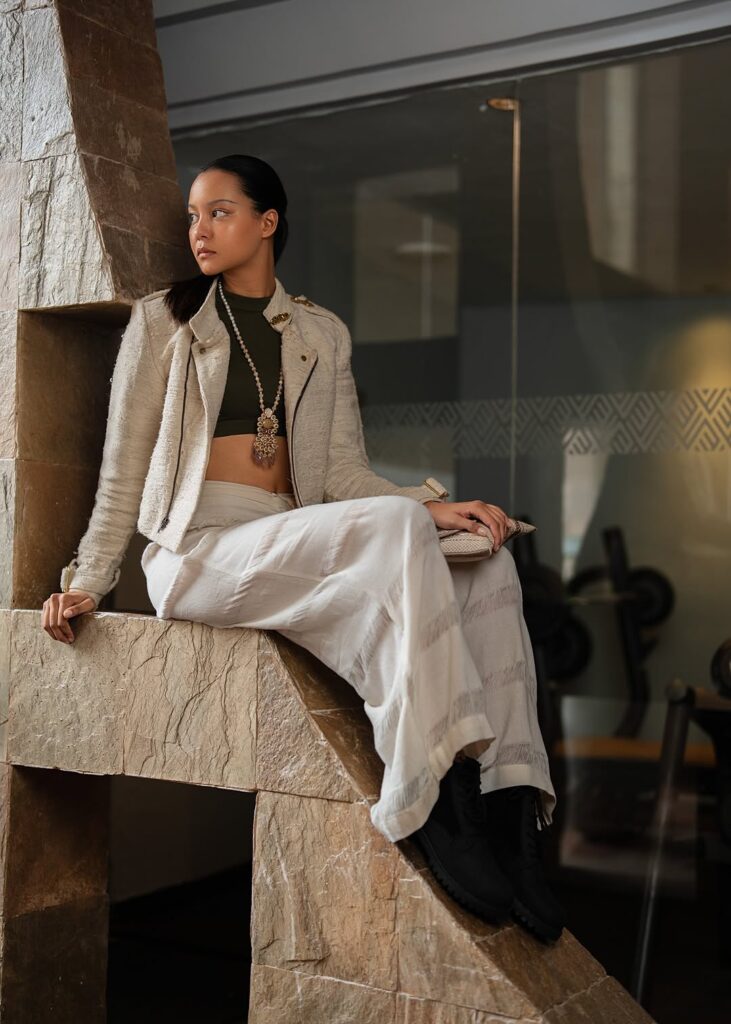
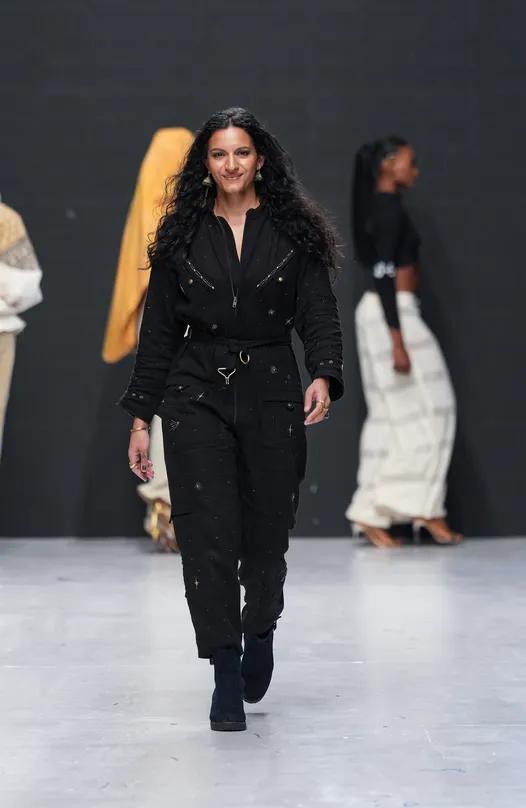
LilaBare is a slow design studio born between Kenya, India, and the United Kingdom. It is a brand that creates clothing from handcrafted and recycled materials, emphasizing sustainability, cultural stories, and a unique aesthetic that blends structure with flow.
Ria Ana Sejpal is the founder and creative force behind LilaBare. Their designs are timeless garments with enduring silhouettes, and flattering fits that can remain stylish across decades while echoing heritage and conscious creation.
Their garments are hand spun, woven, loomed, dyed, and sewn by skilled artisans in Kenya. Their techniques reimagine tradition and engineer innovation in handcraft. Their conceptual and innovative transformation of materials include methods such as agricultural waste. Their latest innovations include clothing made from pineapple and banana leaves, old sinks and padlocks, used coffee grounds and much more.
The brand’s mission is to reinterpret and transform traditional crafting techniques, materials, and designs into something new by blending them with modern aesthetics, technology, and contemporary ideas.
Ria Ana Sejpal
“In the heart of the LilaBare universe lies a sacred land. A realm untouched by haste. Here, only ancient craft and green technology endure. This is a testament to what was, and what could be. This is a sanctuary where boundaries between the timeless and the radical dissolve. Every thread, every fiber, every form exists to connect us to the source of all things and is born from this holy place we call Mother Earth. Imbued with purpose, guided by the hands of artisans, and destined to endure. LilaBare is a tribute to the ritual of dressing, celebrating the beauty of what is made to last, and the spirit of what is made to move, says Ria.”
LilaBare uses cotton grown by smallholder farmers in Eastern Africa, woven by hand on wooden looms in Kenya and India, and sewn by skilled tailors in Nairobi. They work closely with every artisan and workshop, ensuring each thread, cut, and stitch is infused with intention, transparency, and deep respect.
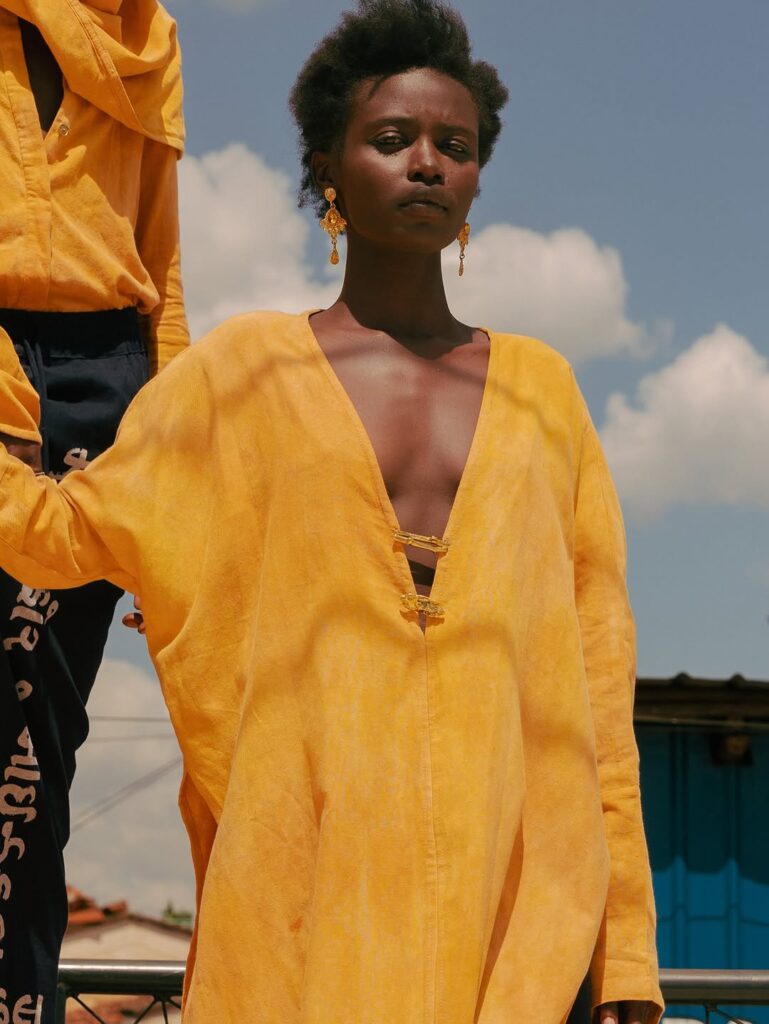
“Our colours come from the earth, not a lab. From turmeric and avocado seeds to Nairobi’s red soil and tea residue, every pigment is extracted from botanicals, minerals, and food waste. Each dye process is done by hand in small batches, making every garment subtly unique and alive. These natural dyes are free of chemicals and age gracefully with time, just like the stories they carry,” she says.