
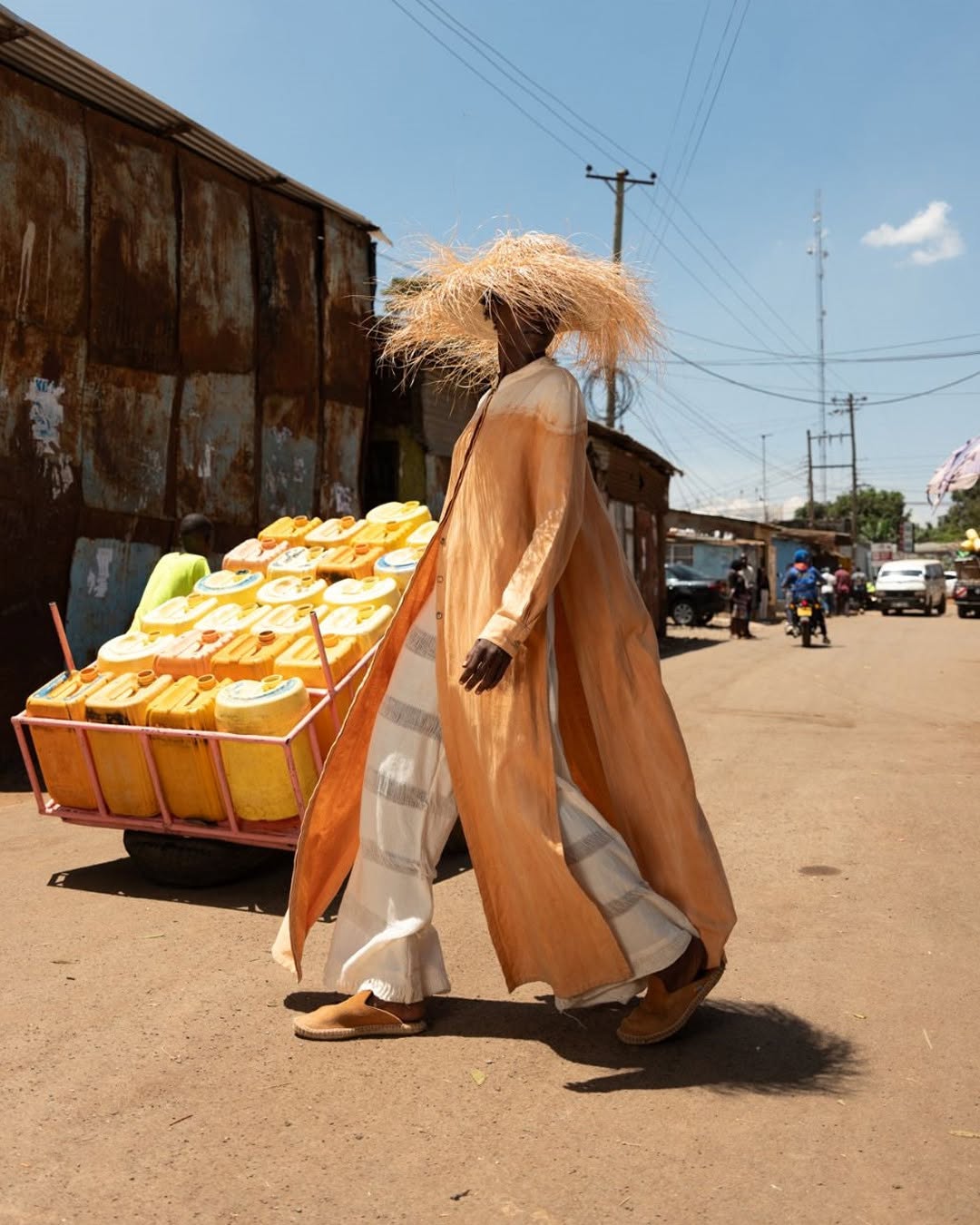
LilaBare is a slow design studio born between Kenya, India, and the United Kingdom. It is a brand that creates clothing from handcrafted and recycled materials, emphasizing sustainability, cultural stories, and a unique aesthetic that blends structure with flow.
Ria Ana Sejpal is the founder and creative force behind LilaBare. Their designs are timeless garments with enduring silhouettes, and flattering fits that can remain stylish across decades while echoing heritage and conscious creation.
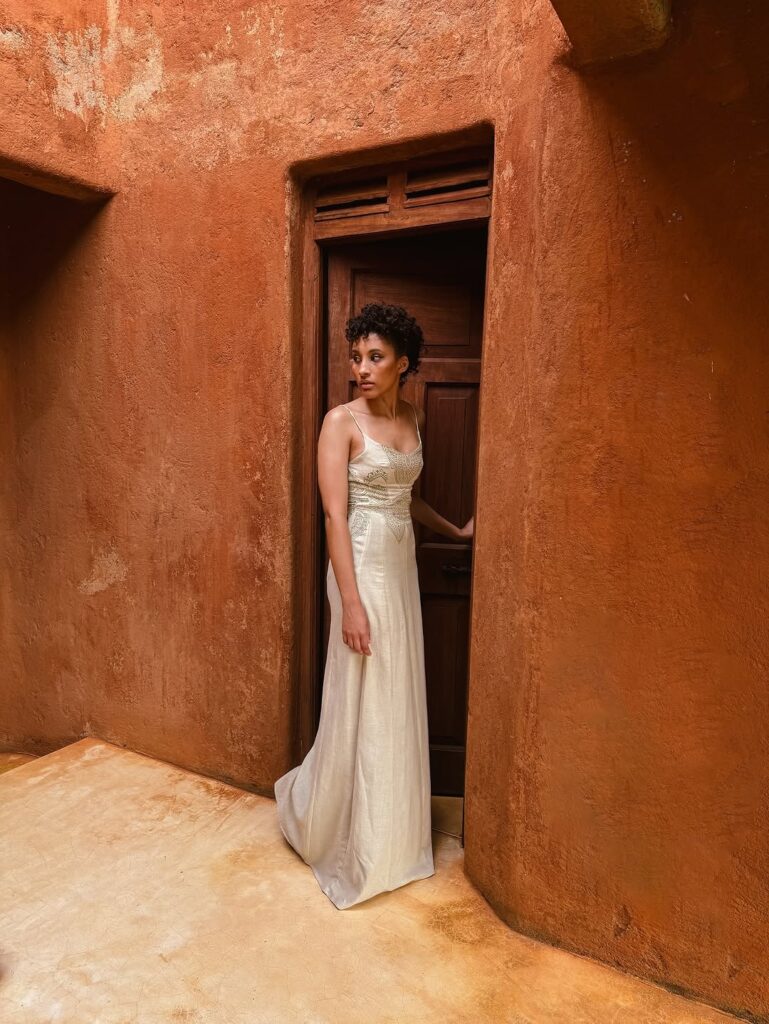
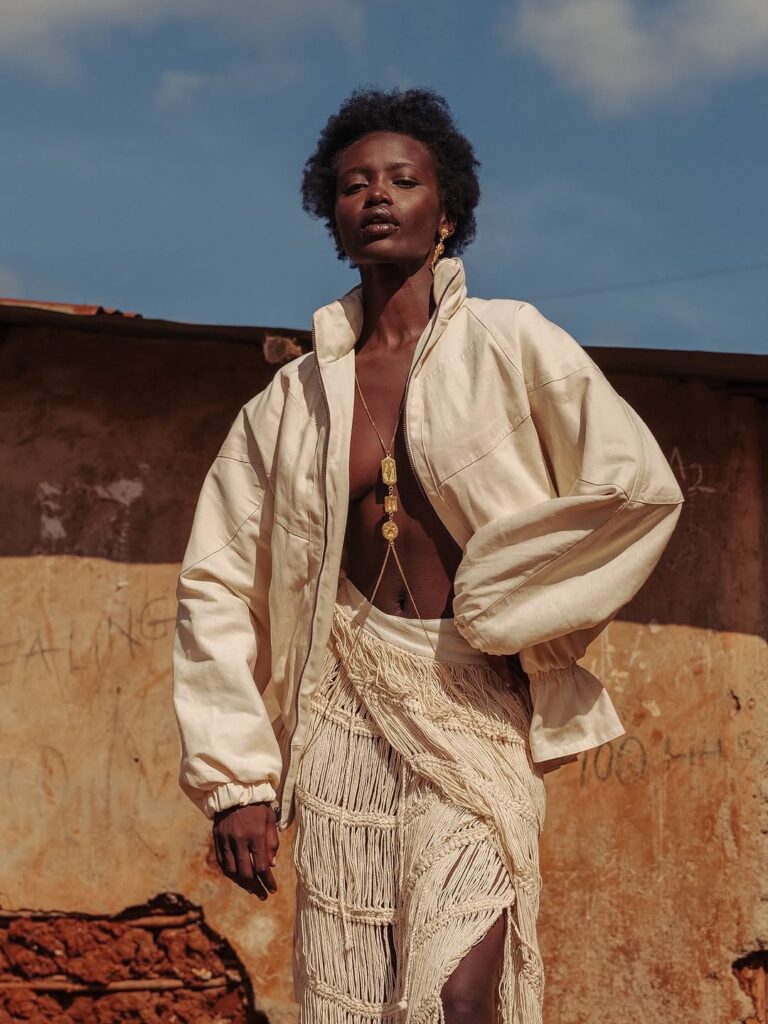
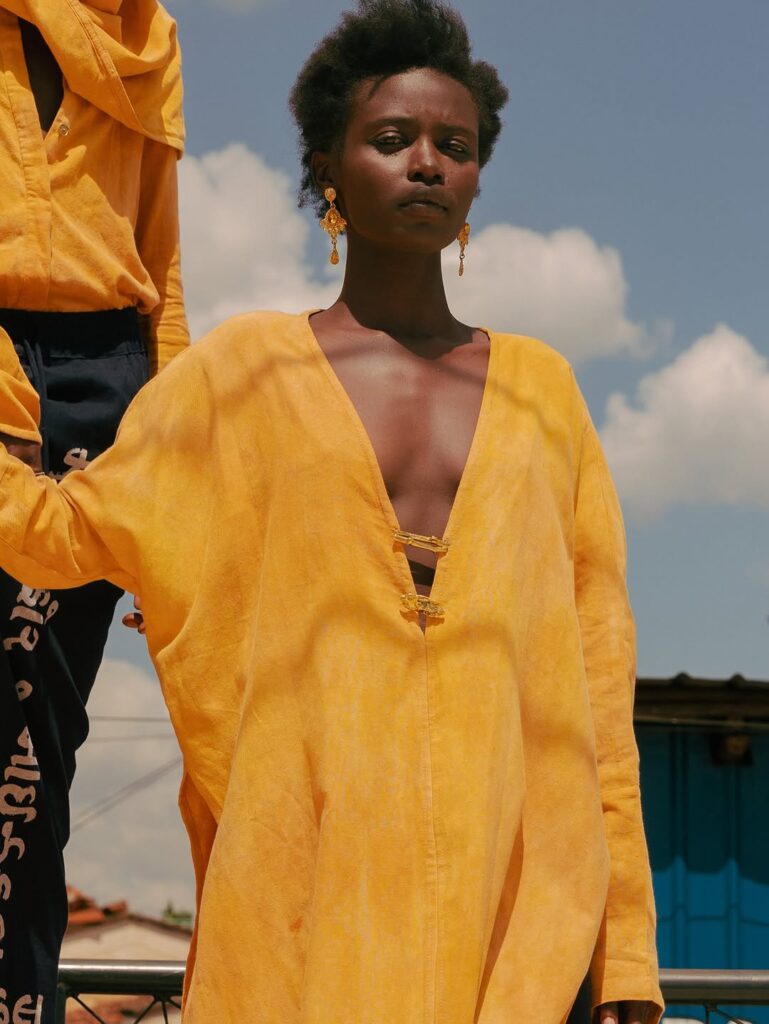



Their garments are hand spun, woven, loomed, dyed, and sewn by skilled artisans in Kenya. Their techniques reimagine tradition and engineer innovation in handcraft. Their conceptual and innovative transformation of materials include methods such as agricultural waste. Their latest innovations include clothing made from pineapple and banana leaves, old sinks and padlocks, used coffee grounds and much more.
The brand’s mission is to reinterpret and transform traditional crafting techniques, materials, and designs into something new by blending them with modern aesthetics, technology, and contemporary ideas.

“In the heart of the LilaBare universe lies a sacred land. A realm untouched by haste. Here, only ancient craft and green technology endure. This is a testament to what was, and what could be. This is a sanctuary where boundaries between the timeless and the radical dissolve. Every thread, every fiber, every form exists to connect us to the source of all things and is born from this holy place we call Mother Earth. Imbued with purpose, guided by the hands of artisans, and destined to endure. LilaBare is a tribute to the ritual of dressing, celebrating the beauty of what is made to last, and the spirit of what is made to move, says Ria.”
LilaBare uses cotton grown by smallholder farmers in Eastern Africa, woven by hand on wooden looms in Kenya and India, and sewn by skilled tailors in Nairobi. They work closely with every artisan and workshop, ensuring each thread, cut, and stitch is infused with intention, transparency, and deep respect.
“Our colours come from the earth, not a lab. From turmeric and avocado seeds to Nairobi’s red soil and tea residue, every pigment is extracted from botanicals, minerals, and food waste. Each dye process is done by hand in small batches, making every garment subtly unique and alive. These natural dyes are free of chemicals and age gracefully with time, just like the stories they carry,” she says.