Miami Fashion Week (MIAFW) officially wrapped its highly anticipated 2025 edition, held from 20 – 25 October, with an unforgettable week of Global Celebration of Style, Sustainability, and Innovation. MIAFW 2025 celebrated creativity, culture, and innovation, reinforcing Miami’s role as a fashion hub and highlighting the impact of technology on the industry.
The event served as a global platform, spotlighting a mix of international icons and Latin American visionary designers. This year Miami Fashion Week emphasized the future of fashion through its summit at the Miami Dade College (MDC) Miami Fashion Institute, featuring industry leaders discussing ethical design, AI, and digital creativity. The Fashion Show included a significant virtual fashion show presented by the Miami Fashion Institute, showcasing digital collections and merging technology with art.
MIAFW provided a platform for Latin American designers like Sitka Semsch, Brenda Noy, and others, celebrating their cultural heritage. Participating designers had access to the Mana Fashion Showroom to connect with buyers and retailers. A gala at Queen Miami Beach included a runway show by Naeem Khan, benefiting the MDC Miami Fashion Institute. Naeem Khan and Nicole Miller were recognized with proclamations from Miami-Dade County.
Featured designers included Naeem Khan Nicole Miller Beatriz de la Cámara Sitka Semsch Brenda Noy Jenny Polanco Yenny Bastida Jhoan Sebastian Grey Angel Sanchez
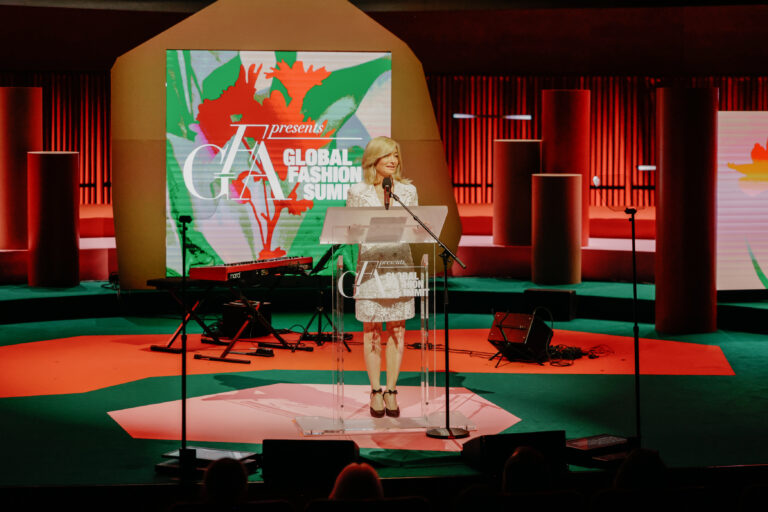
Leading international forum for sustainability in fashion; Global Fashion Summit presented by Global Fashion Agenda, makes its return for the next edition from 5–7 May 2026. Pre-Summit activities on 5 May will be hosted at various venues across Copenhagen, leading into the core Summit days on 6 and 7 May at the Copenhagen Concert Hall.
The three-day event is an experience of agenda-setting dialogue, action-fuelled networking, and inspiring solutions shaping the future of fashion. Bringing together fashion leaders from across the value chain to advance the industry’s most pressing environmental and social challenges.
Convening major decision makers from across the world, the forum was first launched in 2009 as a COP15 side event and has become the nexus for agenda-setting discussions and presentations on the most critical environmental, social and ethical issues facing our industry and planet, all intended to spark urgent action and accelerate impact in the industry.
Building on the impact of the landmark Summit in Copenhagen, the platform was developed to be hosted in additional key regions around the world including Asia – Singapore, and Boston in North America.
Global Fashion Summit presents an unrivalled experience for attendees who wish to hear from and connect with a breadth of fashion stakeholders. Tailored to a decision-making profile, the programme supports a range of brand functions with a focus on top management
The content is carefully curated to equip not only sustainability specialists but creatives, marketers, sourcing experts, manufacturers, policy makers and more, to ultimately remove silos and foster collaborative action.
The diversity of Summit content means multiple actors from across a business or organisation can walk away with relevant knowledge to support their role in influencing the sustainability journey.
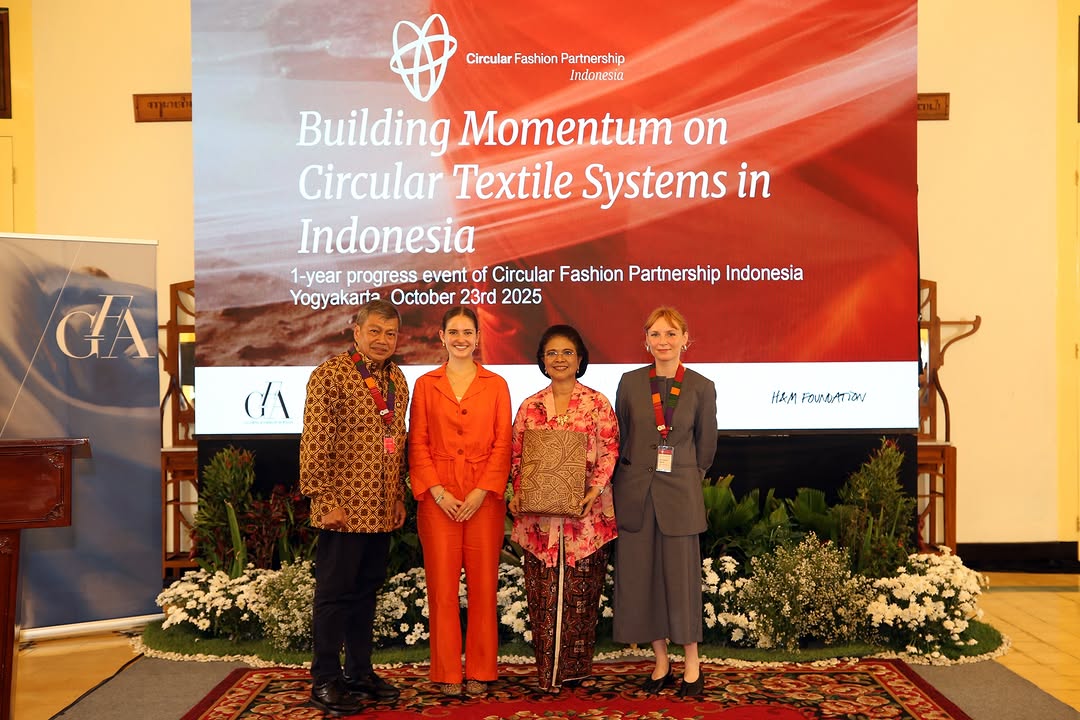
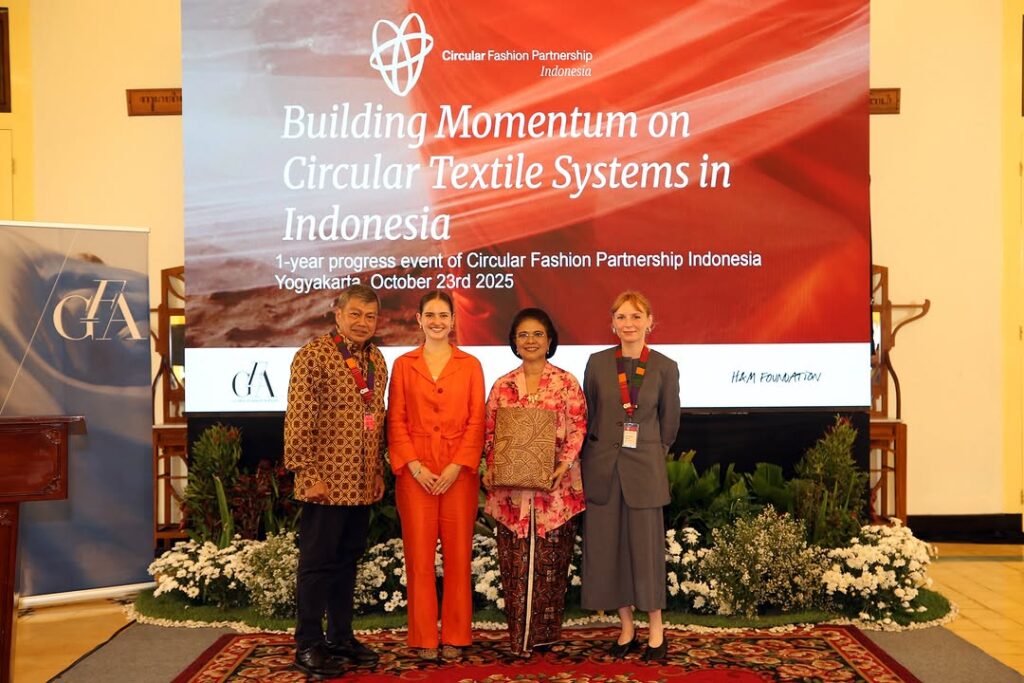
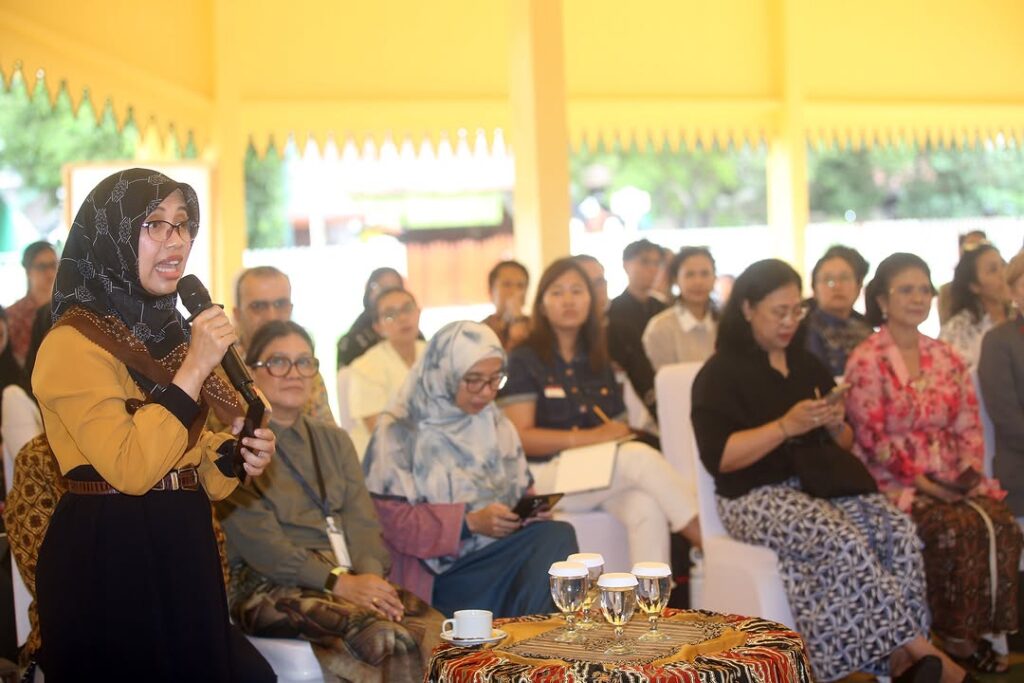
The Circular Fashion Partnership (CFP) Indonesia celebrated a 1 year Progress Event under the theme “Building Momentum for Circular Textile Systems” in Yogyakarta. Led by the Global Fashion Agenda and Rantai Tekstil Lestari (RTL), the event brought together local and international stakeholders from the textile, garment and footwear sectors reflecting on achievements and outlining next steps.
Speakers shared insights on policy enablers for circular textiles, domestic waste ecosystem mapping. Panel discussions explored local industry perspectives on circular commercial collaborations and practical approaches for advancing a circular textile ecosystem in Indonesia.
The CFP is a collaborative industry initiative aimed at achieving a sustainable, fair, and scalable transition to a circular fashion system in Indonesia. It brings together over 120 stakeholders, including brands, manufacturers, recyclers, and government bodies, to develop systems for textile recycling and waste reduction.
The objective is to establish effective circular fashion systems in Indonesia by focusing on textile recycling, waste reduction, and increasing the use of recycled materials.The project is funded by the H&M Foundation and private sector contributions.
Key activities of the initiative includes working groups, training sessions to build capacity, and events to share knowledge and drive progress. By developing better systems for capturing and recycling textile waste, the partnership aims to reduce the amount of waste sent to landfills.
The program seeks to reduce the demand for virgin resources by increasing the supply of recycled materials. It aims to build local capacity for textile recycling and circular economy principles through training and knowledge sharing.
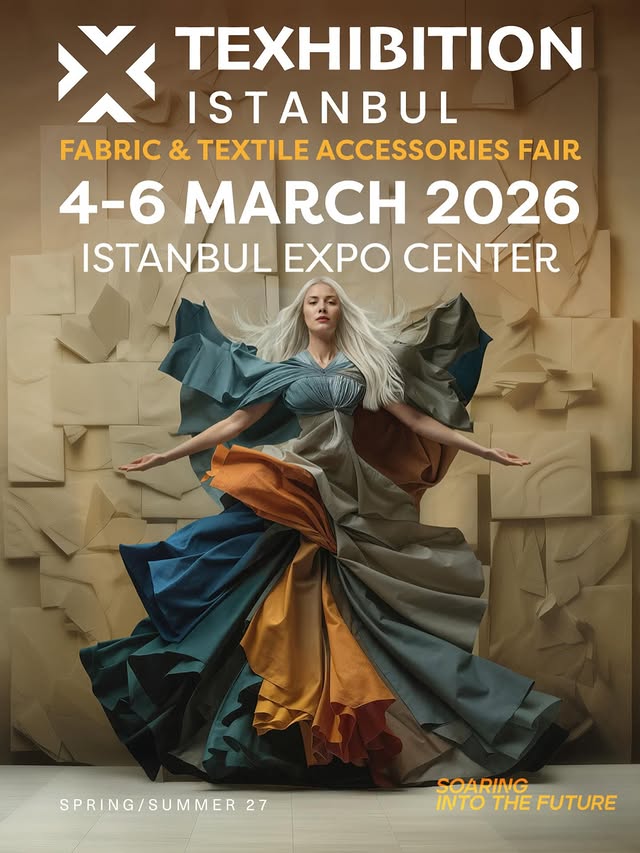
Texhibition Istanbul 2026 will take place from 4-6 March 2026, at the Istanbul Expo Center. The event is a key textile sourcing fair for global buyers, designers, and brands to showcase collections, discover trends, and make new connections.
The fair showcases fabric, yarn, and textile accessories, with applications for exhibitors now open.The event serves as a global sourcing event, bringing together buyers and exhibitors for business, innovation, and trend exploration.
The Council of Fashion Designers of America, Nest and Made51 have collaborated to create the Refugee Artisan Accelerator to impact the lives of refugee artisans through design.
This initiative connects refugee artisans with the global fashion community to expand market access, turning their traditional skills into income-earning opportunities and bringing refugee-made products to a wider audience.
Through craft, these artisans can reclaim economic independence, rebuild their families’ livelihoods, and preserve their rich cultural traditions.
The partnership aims to extend support to the United Nations High Commissioner for Refugees (UNHCR) through a business accelerator specifically designed for artisan enterprises that work with refugees.
The partnership has led to the creation of capsule collections that highlight the artisans’ unique heritage skills while maintaining cultural authenticity and traditional techniques.
The curated collection includes handcrafted accessories; the work of refugee artisans from around the world, including Artisan Links, Bebemoss, Indego Africa, ROOTS of South Sudan, WEAVE, and Xoomba. Every purchase helps support sustainable livelihoods and meaningful impact.
Xoomba Indigo Stripe Fold-Over Fringe Clutch
Handwoven in Burkina Faso from 100% locally grown, organic, and fair trade–certified cotton, this lunch bag style clutch is a quiet statement of conscious craftsmanship. Gently folding over with a self-fringe edge and a discreet hidden clasp beneath the flap, it marries utilitarian design with deeply rooted West African textile artistry.
The fabric, known as Faso Danfani, is created on small traditional hand looms by the Bwaba people who have been displaced from rural villages in the region around the city of Nouna. The practice has been part of Burkinabè life for centuries, and is a communal act that preserves ancestral knowledge, supports local economies, and reinforces cultural identity.
Made in partnership with Xoomba, a social enterprise that works with internally displaced people in Burkina Faso. This clutch is fresh and steeped in heritage, a piece that honors the land, the people, and the timeless art of weaving that connects them.
Weave V-Handle Handwoven Tote
Crafted by refugees from Myanmar living in Thailand, this statement tote reimagines a classic form with a sharp, fashion forward V-shaped handle opening blending heritage and innovation. Each stitch, stripe, and fiber is a tribute to generations of craftsmanship and a testament to the beauty of tradition held in modern hands. This textile features traditional stripe layouts passed down through generations that carry the visual language of identity and regional storytelling, creating a tactile richness that machines cannot replicate.
In Myanmar culture, weaving is more than a craft it is a cornerstone of community, a means of economic independence, and a way of safeguarding ancestral knowledge. Made in partnership with WEAVE, a social enterprise that works with refugees from Myanmar in refugee camps in Thailand.
Indego Africa Handwoven Raffia Bucket Hat
Crafted entirely by refugees living in Rwanda, our floral bucket hat will be your favorite summer accessory. Made from sustainably harvested raffia palm fibers, each hat is a testament to the artistry, patience, and ancestral knowledge of Burundian and Congolese women artisans.
Using traditional weaving techniques passed down through generations, artisans honor centuries-old craftsmanship and techniques once used in basketry and ceremonial adornments.
Indego Africa, a social enterprise that works with refugee women in Kigeme and Mahama camps in Rwanda. This hat supports a lineage of artisans who uphold their culture through their craft, weaving together the past and present, one fiber at a time.
Bebemoss Syrian Crochet Rose Clutch
Handcrafted and made in Turkey, our Rose clutch bag is an exquisite example of Syrian crochet, a distinct and time-honored technique that blends intricate artistry with cultural storytelling.
Designed as the perfect evening accessory, the clutch features a sculptural surface of 3D crochet roses, symbolizing divine beauty, eternal love, and spiritual purity.
Gathering crochet is a way of preserving culture, sharing stories, and building bonds. Often passed down through generations of women, this form of crochet creates lace-like patterns with deep cultural symbolism. Made in partnership with Bebemoss, a social enterprise that works with Syrian refugees across four regions in Turkey.
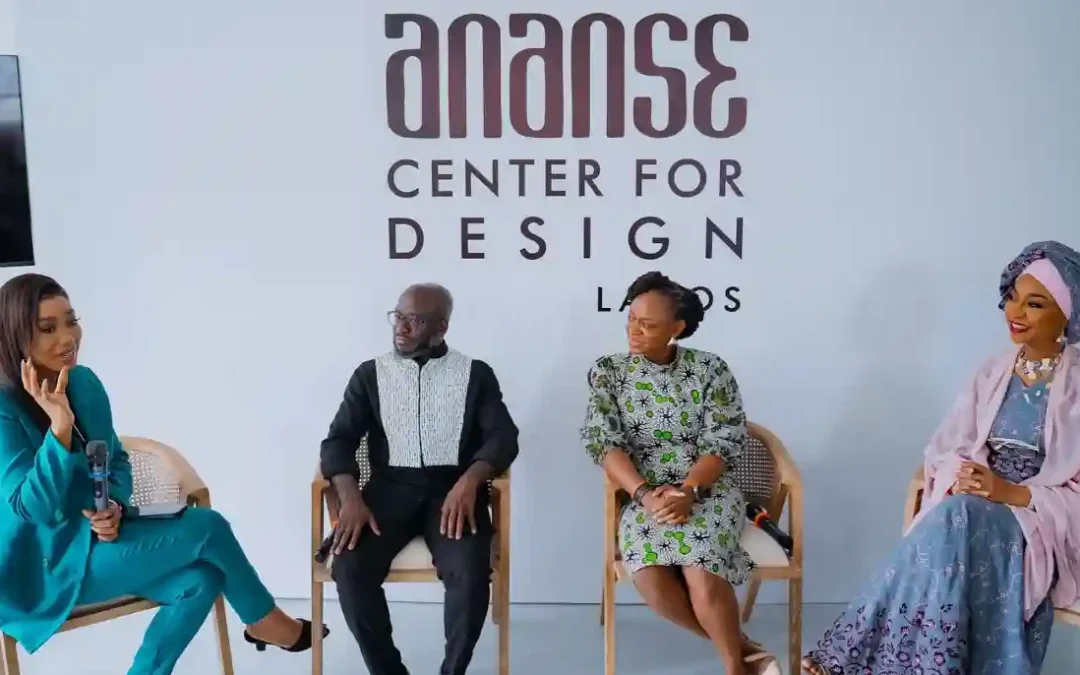
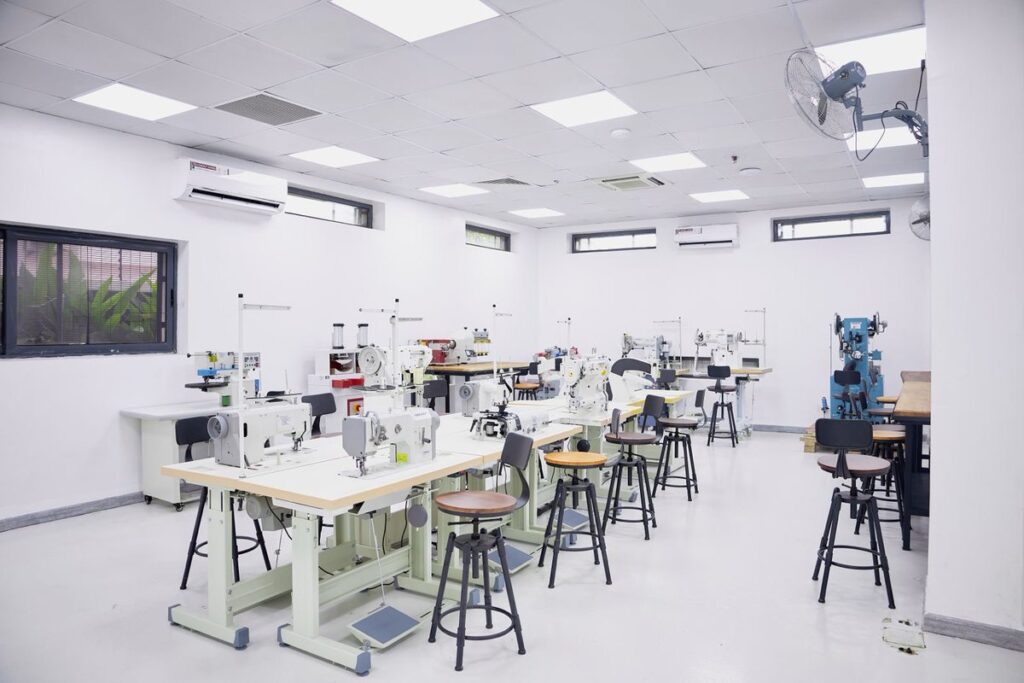
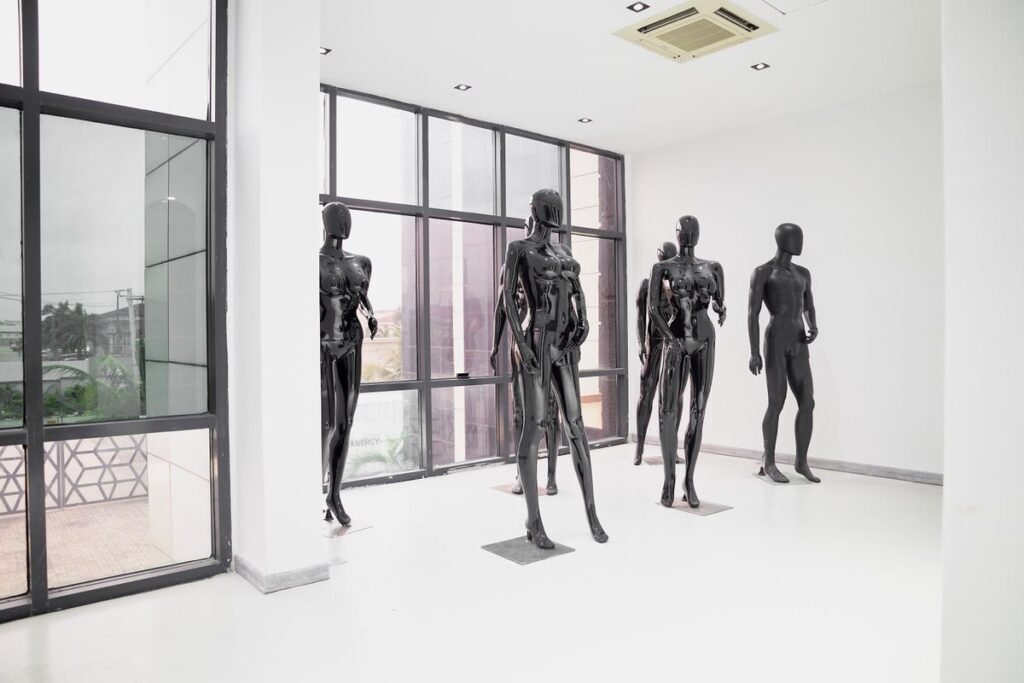
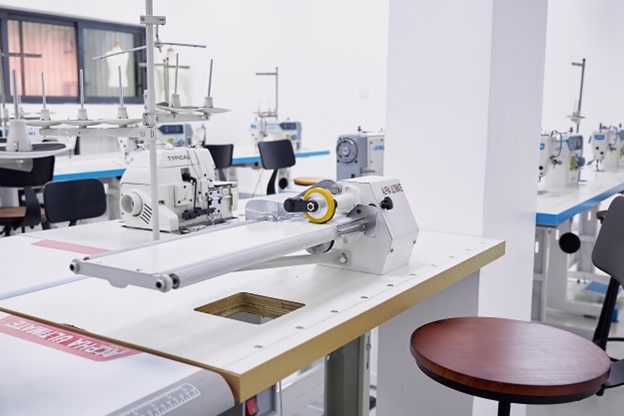
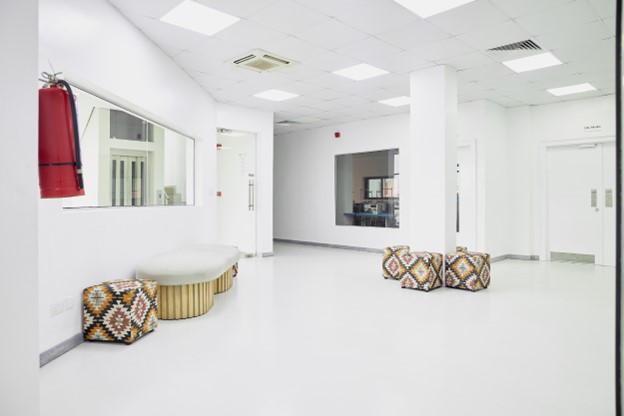
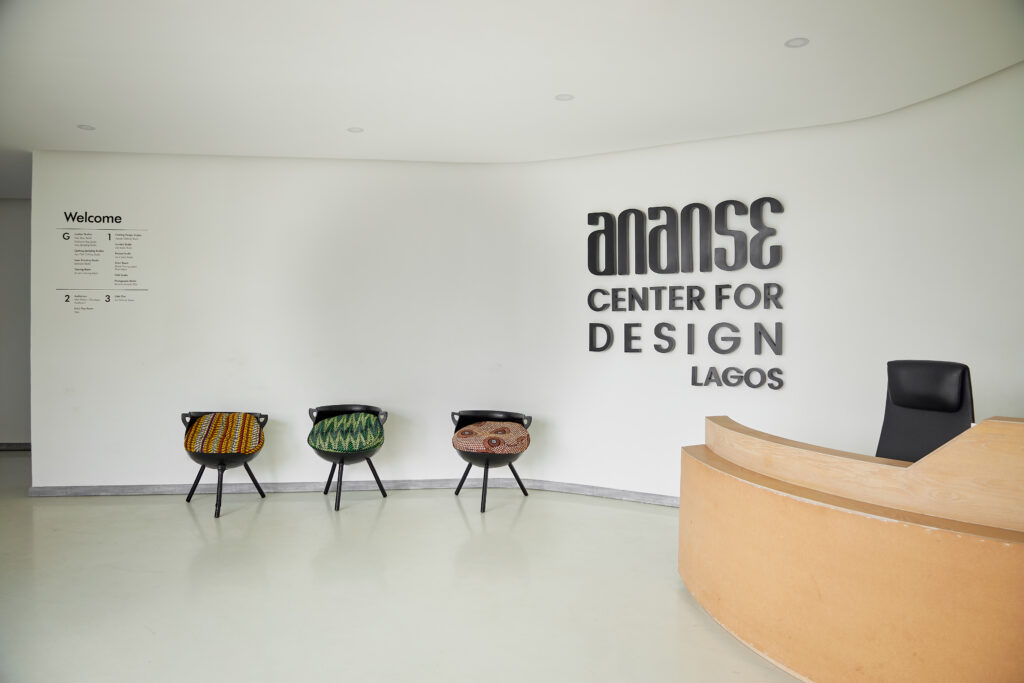
10 October 2025 marked the launch of Ananse Center for Design in Lagos, Nigeria. The center is a new hub for fashion and design innovators, providing studios for CAD, production, photography, and more, to help creatives develop and scale their businesses.
The purpose of the hub is to serve as Africa’s first fully integrated fashion and design hub, supporting creatives with facilities and training facilities like CAD labs, sampling and production rooms, photography and content studios, and training spaces. The hub is supported and backed by the Mastercard Foundation and supported by the Federal Ministry of Arts, Culture, Tourism & the Creative Economy.
The hub aims to help amplify its wider goal to enable more than 5 000 emerging fashion and design-focused creatives and create access to 50 000 jobs; seventy percent of the participants will be women. This initiative will address critical gaps in the fashion industry and serve as a hub for creativity, skills development, and entrepreneurship, further driving innovation and inclusion within Nigeria’s fashion industry.
Speaking at the event, founder and Chief Executive Officer of Ananse, Samuel Mensah said, “The Ananse Centre for Design Lagos is more than a space; it is a catalyst for change. By combining training, infrastructure and global market access, we are giving thousands of young creatives, especially women, the chance to turn their talent into sustainable livelihoods. This launch marks an important step in building a future where African designers can thrive locally and globally.”