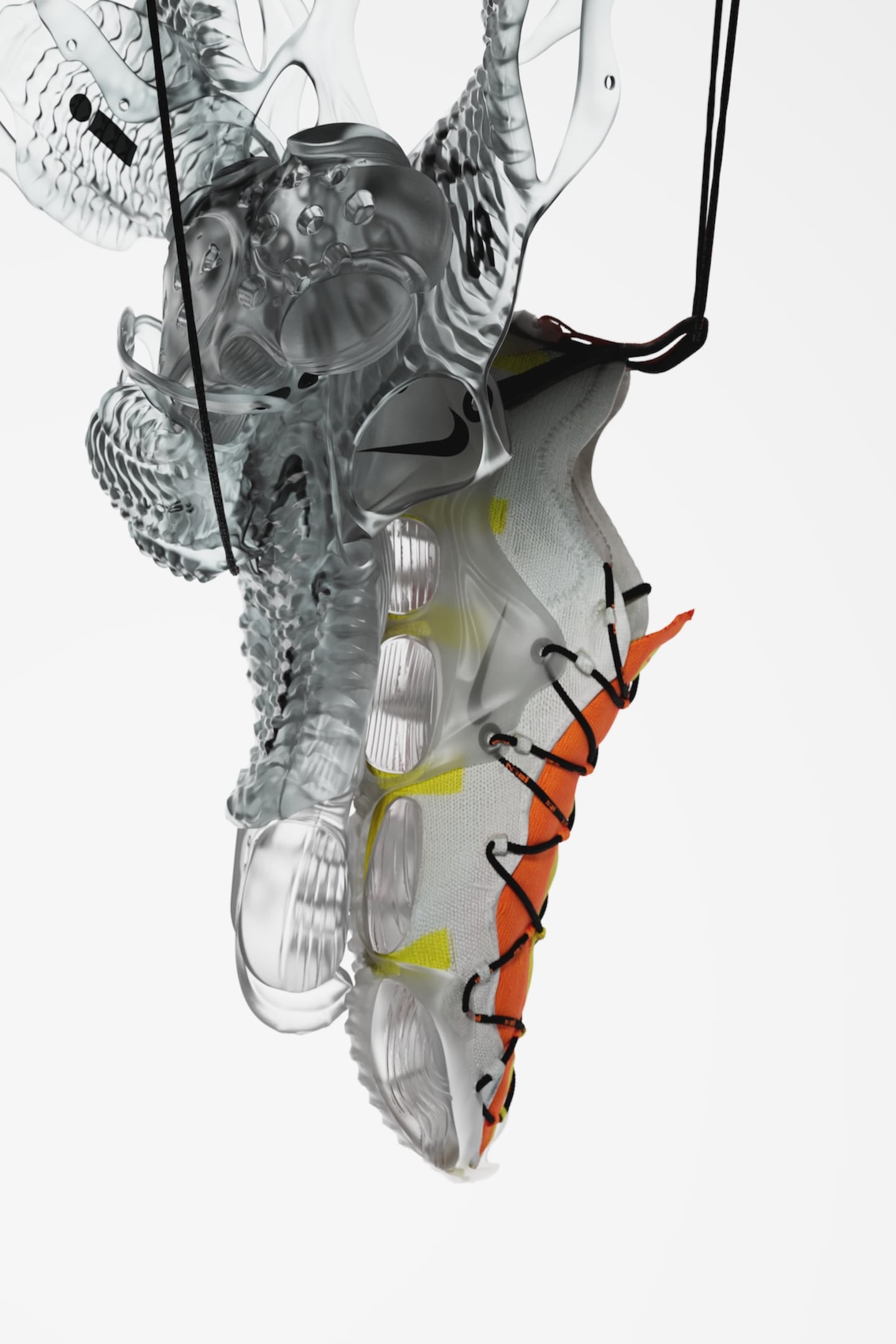
Nike is aggressively accelerating its use of recycled materials, aiming for 50% of its raw materials to come from recycled sources by 2025 as part of its “Move to Zero” initiative.
Through strategic partnerships with startups like Syre and Loop Industries, Nike is investing in textile-to-textile recycling to secure a supply of recycled polyester.
The brand has signed multi-year off-take agreements to secure a stable supply of recycled materials, specifically focusing on scaling up textile-to-textile recycled polyester.
Recycled polyester is a foundational material, with products like the Tempo Short made from 75–100% recycled plastic bottles.
By 2025, Nike aims to reduce greenhouse gas emissions by 0.5M tons by increasing the use of environmentally preferred materials to 50%.
Beyond polyester, Nike uses recycled materials in products like Nike Air soles (composed of at least 50% recycled manufacturing waste) and Flyleather (recycled leather scrap).
The company aims for 100% waste diversion from landfills in its extended supply chain, with at least 80% recycled back into Nike products. This shift moves Nike from sustainable messaging to incorporating circular design into its production economics.
eBay is expanding its Circular Fashion Fund in 2026, opening applications to businesses and startups across the EU, Switzerland, and Canada for the first time. Eight selected businesses will each receive $50,000 in funding, alongside mentoring to develop innovative solutions that extend the life of clothing and reduce textile waste. The total global funding through the program is set to reach $1.9 million by the end of 2026.
The Circular Fashion Fund supports entrepreneurs tackling the fashion and textile industry’s environmental footprint, from production to end-of-life. One standout business will be named the Global Winner and receive an additional $300,000 investment from eBay Ventures. Applications are open until March 8, 2026.
The EU is pushing forward with its sustainability agenda, with 2026 set to shape the future of its climate and energy architecture.
Key developments include the implementation of the Ecodesign for Sustainable Products Regulation (ESPR), Packaging and Packaging Waste Regulation (PPWR), and Empowering Consumers for the Green Transition Directive (ECGT), aiming to reduce waste, promote eco-friendly practices, and combat greenwashing.
Some notable changes include the ban on destroying unsold apparel/footwear. From July 19, 2026, large enterprises will be prohibited from destroying unsold clothing and footwear. A central registry will be established by July 2026 to track product sustainability data. Changes also include, Extended Producer Responsibility which means EU Member States must establish schemes for textiles and footwear by mid-2028.
The EU is also working on its 2040 climate target, aiming for a 90% reduction in net greenhouse gas emissions compared to 1990 levels .
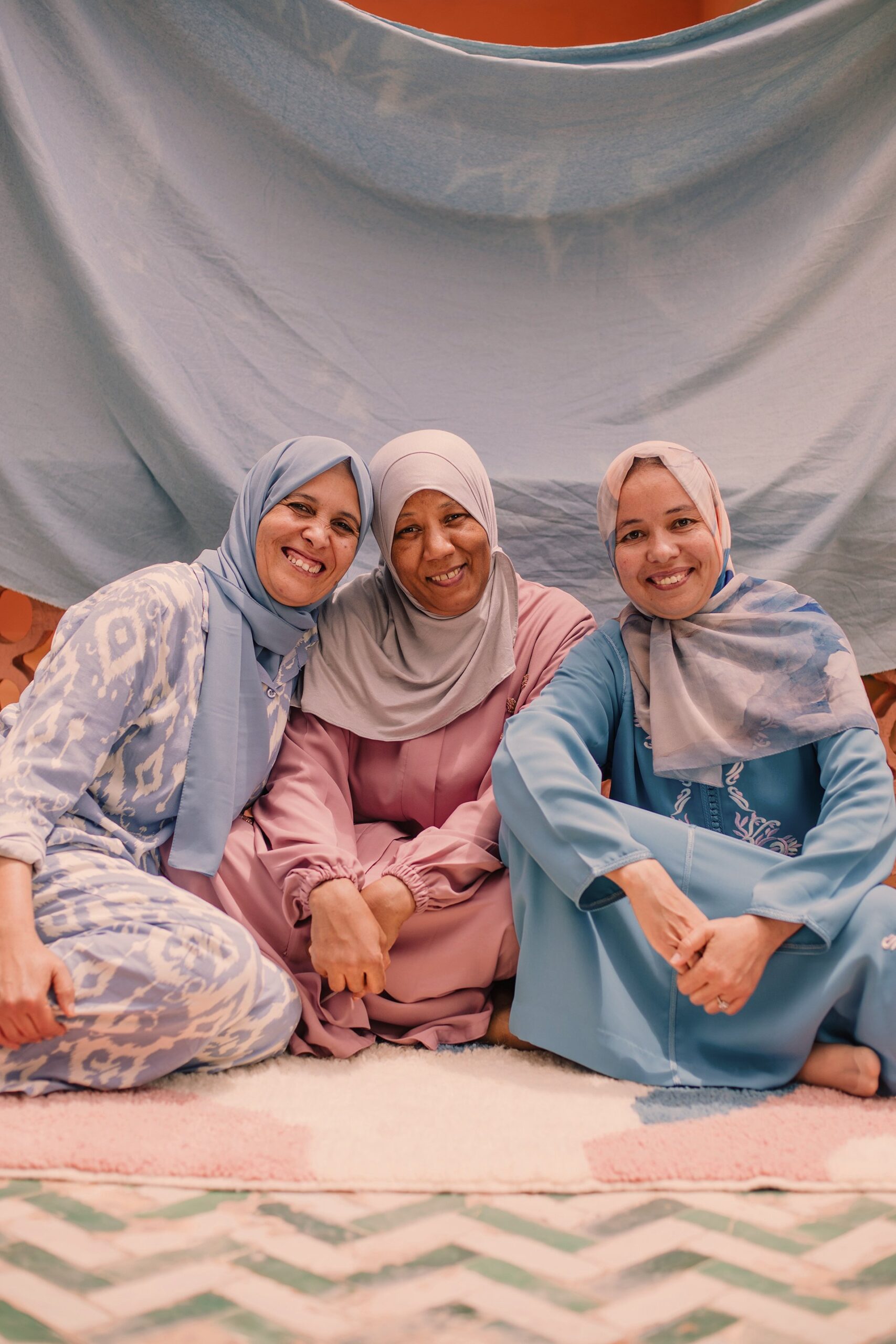
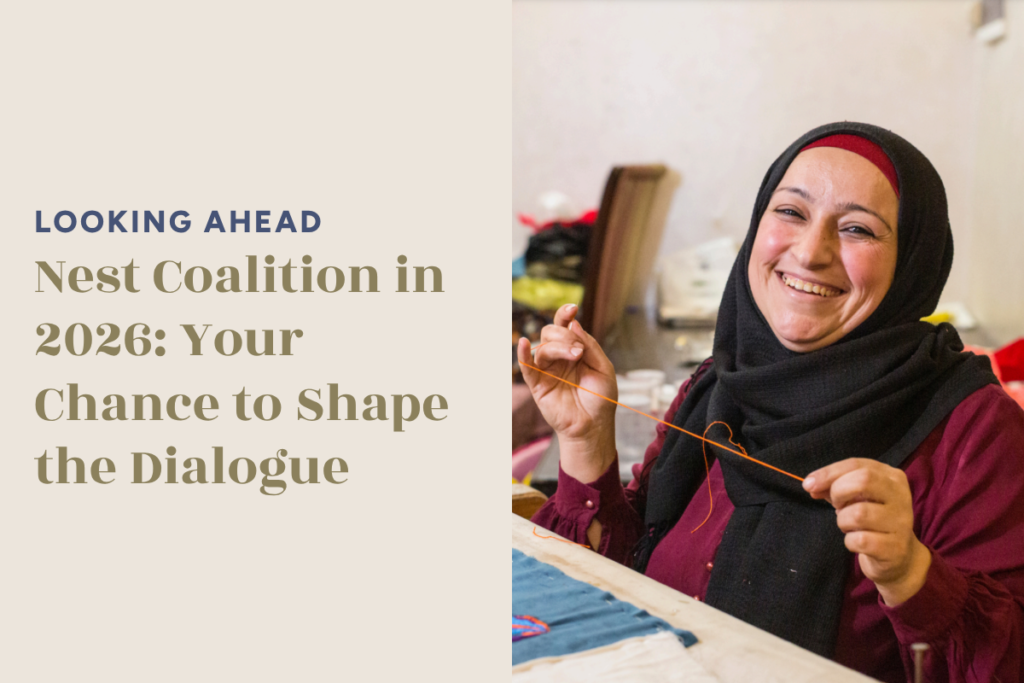
The Nest Coalition will be introducing Coalition Conversations in 2026. These conversations would consist of ongoing series featuring makers and artisans from across the United States and around the world.
The conversations would also be highlighting industry best practices and success stories from committed partners allowing shared learnings across their sector in a safe and collaborative setting. These sessions are designed to inspire design teams with beautiful heritage craft, expand brands’ understanding of artisan realities, challenges, and opportunities. They are designed to build trust and transparency within the supply chain, to demystify what true collaboration looks like, culturally, creatively, and commercially.
More than anything, these conversations would offer a rare opportunity for team members across companies to engage directly in the heart of the Nest’s shared impact, allowing for rich employee engagement in new and creative ways.
The Nest is invites interested companies to join the Coalition Conversation, to co-host and get involved in shaping a session around a corporate priority, impact success story, or theme that aligns with their brand’s values and aspirations. This is an opportunity for organisations to showcase their leadership in labour standards, culturally intelligent design, or other corporate priorities.
It is also an opportunity for organisations to champion artisans whose work inspires them or to spotlight a region or craft within their sourcing footprint. This would help guide the industry forward through meaningful, transparent conversation including bringing organisation’s broader corporate team into a rich engagement opportunity.
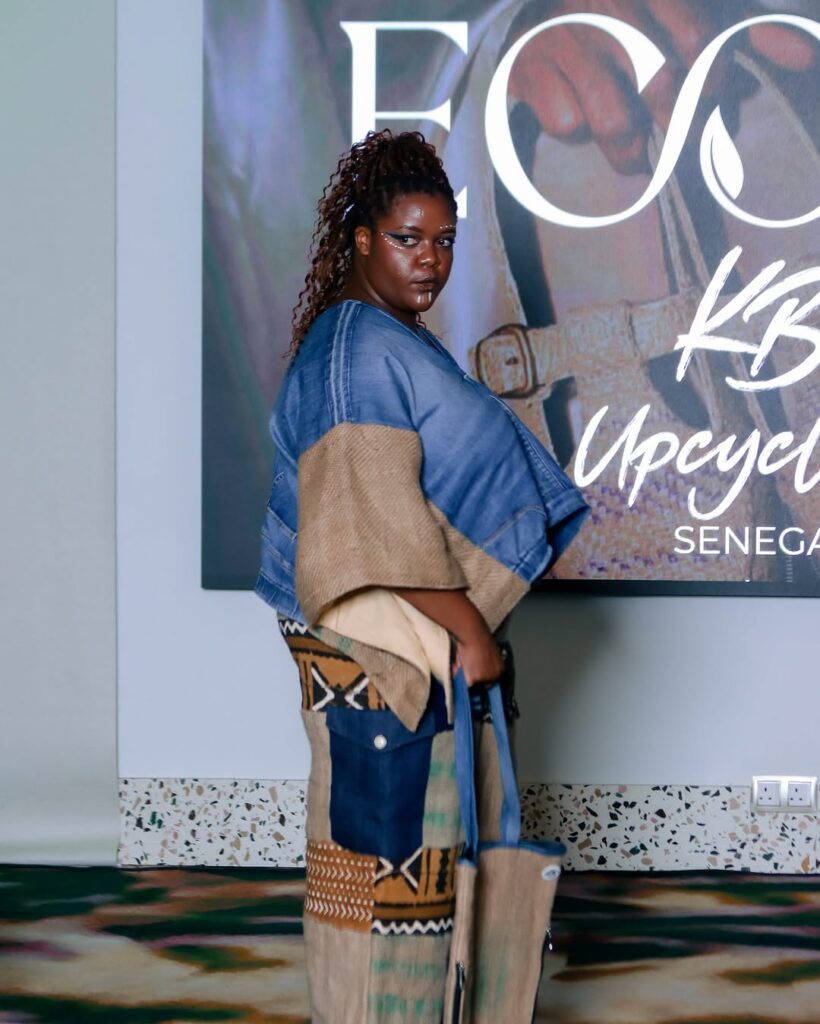
Africa’s pioneering zero-waste fashion movement, Eco Fashion Week Africa (EFWA), took place on 01 November 2025, showcasing brands who embrace the “No New Clothes Challenge”.
On its 3rd season, EFWA is a platform that celebrates creativity, culture, and sustainability. The fashion week was a redefinition of creativity and responsibility in fashion.
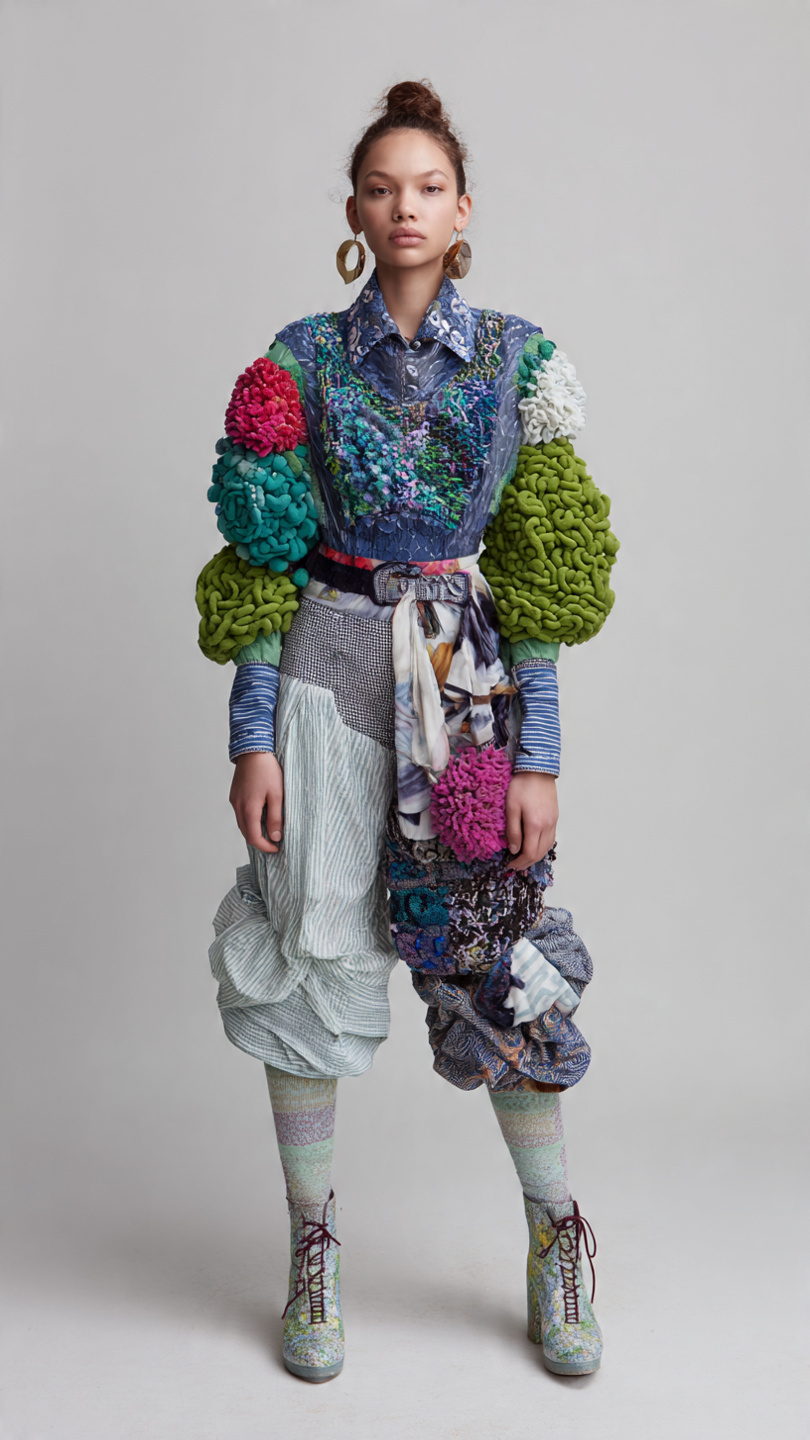
The week included events focusing on circular fashion, encouraging the use of recycled and upcycled materials, and often featured designers who showcased garments which incorporated environmentally friendly elements. The goal was to move away from “waste couture” and accelerate the industry’s shift towards environmental responsibility.
This season’s runway was not about selling or promoting consumption; but a statement against it. Designers proved that innovation and ethics can coexist beautifully, reminding us that the most sustainable garment is the one that already exists.They embraced the challenge to style diverse models of all ages, sizes, disabilities, and backgrounds, to celebrate inclusivity as a vital part of sustainability.
EFWA not only leverages the power of fashion to clean up the environment and raise awareness about textile waste but, also plays a vital role in promoting and educating people on the Sustainable Development Goals (SDGs).
This week-long event features a variety of engaging activities, including environmental clean-ups, eco-educational workshops, forums, ‘No New Clothes’ fashion shows, and swaps. These activities are created in an effort to promote SDG 17 which brings together organizations, brands, policymakers, producers, and individuals of all ages who are passionate about the eco-culture.
Participating brands included Hero Clothe Line, Stand Out Africa, Ngamani, Jokenia, Green Amba, Eva Wambutu, Makasi, Q Atelier and KB Upcycling. Each label brought a unique interpretation of the challenge, making Season 3 a bold showcase of how fashion can lead with consciousness, community, and culture.
Lagos Fashion Week 2025, themed “IN FULL BLOOM,” celebrated its 15th anniversary with a focus on sustainability and the future of African fashion on 29 October – 02 November 2025.
The event featured spectacular runway shows and exhibitions that we’re breathtaking, creative, sustainable and innovative. The event held panel discussions that highlighted designers committed to circular design, sustainable practices, and craftsmanship.
Initiatives such as Green Access, played a key role in challenging designers to address textile waste. The event not only showcased creativity but also strengthened the continent’s fashion ecosystem through education, community building, and economic opportunity.
This year’s theme was a reflection on the past 15 years and forecasting on the future growth of African fashion. Central to the theme was the promotion of circular fashion, responsible sourcing, and ethical production throughout the supply chain. Designers demonstrated their commitment to sustainable practices and exhibited ethically designed garments that wowed the audience.
One phenomenal designer that captured our attention was Hertunba, founded and designed by Florentina Agu, presented a regal collection designed for women with strength and grace. Each piece carried a refined elegance that spoke through its structure and silhouette. The fabrics featured rich textures and intricate detailing, showcasing depth and careful attention to design.
Florentina Agu
ABOUT FLORENTINA AGU
She tells stories through fabric, weaving tales of empowerment, resilience, and style with every stitch of her creations. From the age of 13, smitten by the allure of designer clothing, she began honing her craft through dressmaking classes in school. In 2020, Hertunba, her sustainable luxury couture brand was born.
ABOUT HERTUNBA
Hertunba, derived from the word “Her” and the Yoruba title “Otunba,” Hertunba is more than a fashion brand, but a narrative of beauty and strength woven in fabric. Every thread and stitch holds an essence of confidence, sensuality, and charisma that defines the Hertunba woman. She embraces sophistication, elegance, and an undeniably feminine style in every strut. Hertunba is not just tailored for the body but for the spirit, and a celebration of the uniqueness of every woman.
“In the heart of Hertunba lies a commitment to protect our Earth. Every year, a staggering 13 million tons of textiles go to waste, and we believe change begins with us. Hertunba makes a difference by pledging to be environmentally friendly. We reduce landfill waste, ensuring 90% of our excesses find new life as handcrafted interior decor, such as rugs and throw pillows, or are pieced together into stunning wearable art. Hertunba keeps its promise to the Earth, one elegant and sustainable design at a time,” says Florentina.
“At the core of our business lies a commitment to empowering artisans, weavers, threaders, and tailors who meticulously handcraft each Hertunba creation. Through tailored training, local women learn to sew, weave, and thread, opening doors to low-barrier career opportunities. Our artisans are compensated per piece. Our dedication extends further, as 10% of our net profits fuels our adult education program for women in lower income brackets. With Hertunba, each purchase spurs women on a path of self-sufficiency,” she says.