There are just two weeks left to enter Drapers Conscious Fashion Awards – the submissions deadline is 17 October 2025.The awards ceremony takes place annually after the Drapers Conscious Fashion Summit, with the 2026 ceremony scheduled for 11 March 2026. The event will be hosted at the Hilton London Bankside.
The Drapers Conscious Fashion Awards are an annual event that recognizes and celebrates companies in the fashion industry for their sustainable, ethical, and circular practices. They are designed to highlight best practices, promote collaboration, and inspire change, with awards presented for initiatives that benefit both people and the planet.
The purpose of the awards is to recognize and reward positive progress in sustainability, ethical treatment of workers, and circular economy models within the fashion retail industry.
According to the brand, this year, they are breaking away from the traditional sit-down dinner format. Instead, attendees should expect an upbeat evening focused on celebration, networking, and connection – all in a more relaxed, social setting. They say it’s a chance to raise a glass to progress, share ideas, and celebrate innovation without the formality.
The awards were launched in 2020 as the and have since expanded in scope to cover all aspects of conscious fashion. A variety of awards are presented, such as the Supply Chain Sustainability Award, Circular Fashion Award, Best Community or Charity Initiative, and Empowering People Award. These categories celebrate the positive work fashion businesses are doing for both people and the planet.
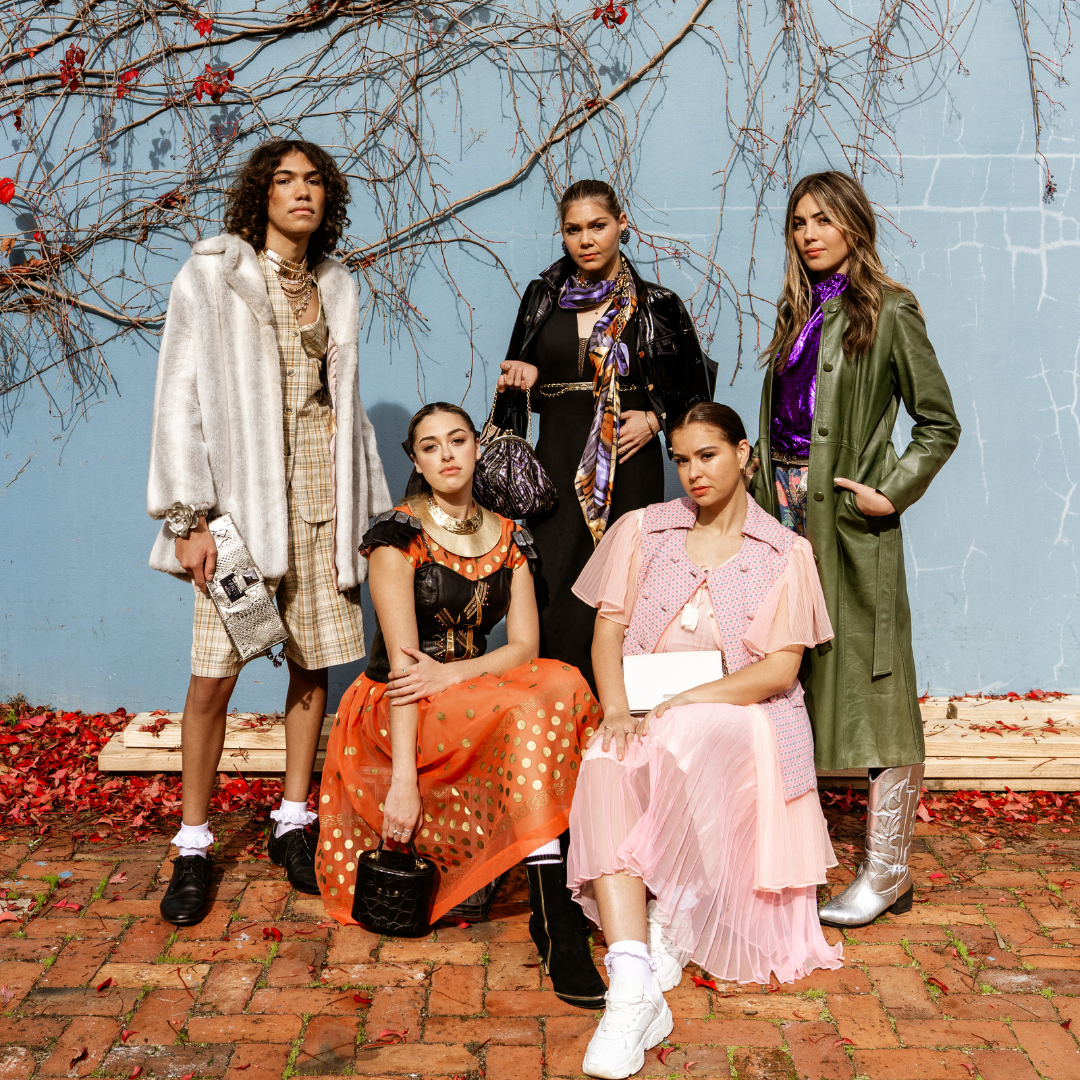
The Circular Fashion Festival kick-started its inaugural event with immersive runway shows on 10 and 11 October 2025, at the Yagan Square in Perth, Western Australia.
The festival is a celebration of sustainable and circular fashion, featuring events like runway shows, markets with vintage and upcycled items, expert panels, and hands-on workshops.
The Circular Fashion Festival is a free event run by the Circular Fashion Council and led by a board and committee members Hazel Law, Heidy Sands, Elsa Durward and Charlie Smith, who have a passion for circularity, sustainability and fashion.
The event connects fashion lovers and conscious consumers with designers and brands focused on circular economy principles, aiming to promote creativity, sustainability, and a shift away from fast fashion.
The brand describes the event as a grassroots grown, community led, love letter to fashion that doesn’t cost the earth.
Hazel Law says, “We celebrate the power of preloved and believe fashion that puts people and the planet first can be desirable, stylish and fun. Circular fashion is trending for a reason, it is the clear way forward. We showcase trailblazing circular designers and slow fashion innovators. We strive to shift consumer behaviour through joy, not guilt and spark curiosity, creativity and connection.”
eBay Endless Runway returned for its second year to the London Fashion Week. Expanding its global circular fashion initiative and proving that pre-loved belongs both on the runway and in your closet. From archival runway pieces to pre-loved staples, proving the relevance of circularity on fashion’s biggest stage.
Curated by eBay’s Pre-Loved Style Director, Amy Bannerman, the shoppable show featured BFC Community designers including Ahluwalia, Conner Ives and ERDEM, with proceeds from the London show going to benefit the BFC Foundation.
Veronica Santamaria, from the brand Polimoda, has been announced as the winner of the 2025 Dorothy Waxman International Textile Prize.
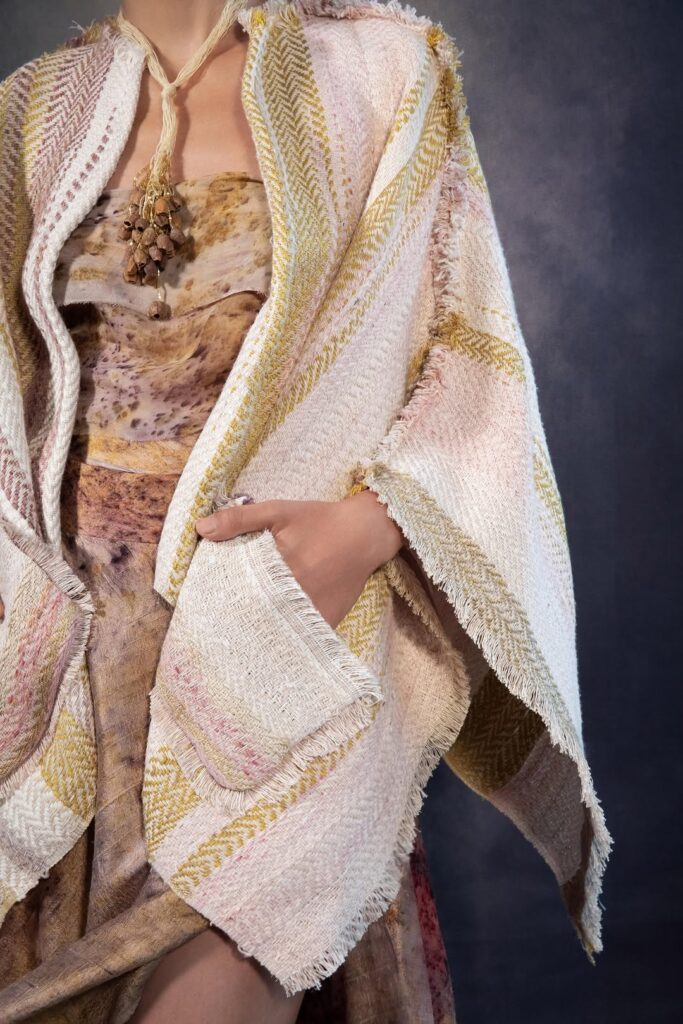
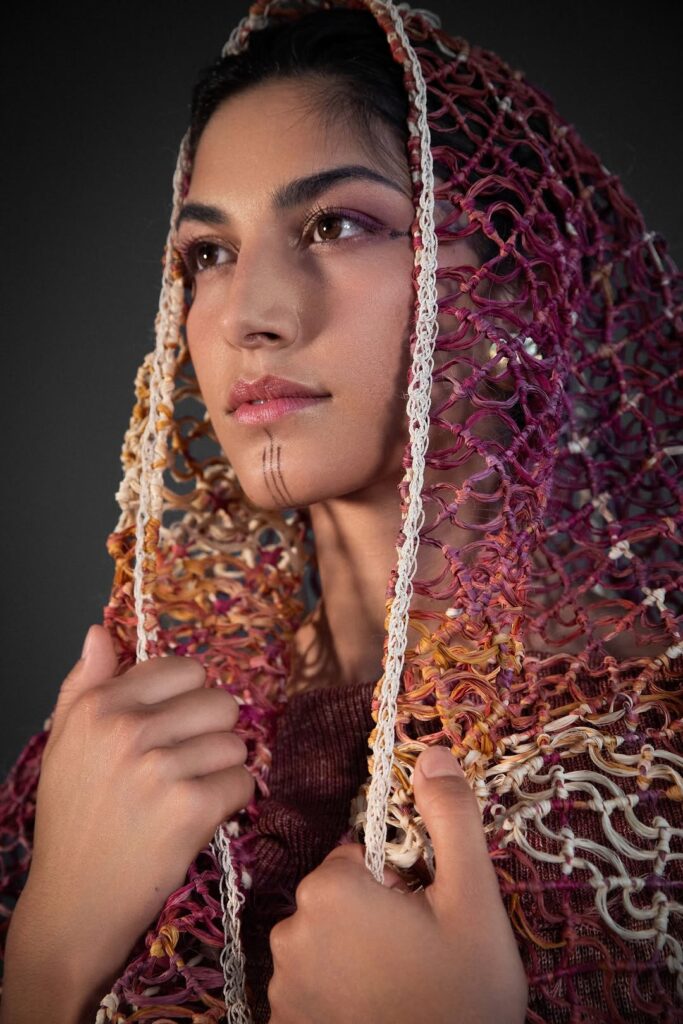
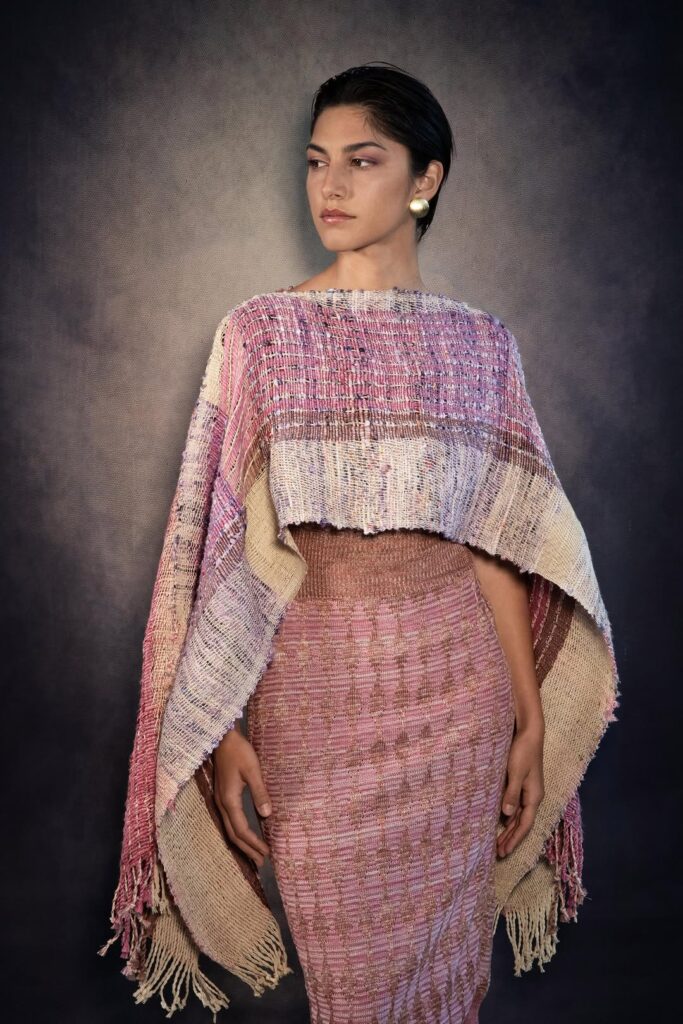
Her six-look collection called “The Daughter of the Snake” is fully handmade from natural fibers using only manual techniques, moving from raw material gathered in the Amazon rainforest to final stitching in Italy. Every step reflects ecological intimacy, precision, and cultural awareness, honouring the ritual and symbolic power of colour and fiber. Naturally dyed threads, hand-spun silks, bark cloth, and handwoven fabrics came together through macrame, embroidery, knitwear, and weaving, with waste reduced to under 5% and no synthetics used.
The result is a sculptural body of work that treats fashion as a radical act of reverence for craft, nature, and ancestral knowledge. The collection extends this spirit, weaving a narrative where material and myth converge. Inspired by the chambira fiber, locally called “the daughter of the snake”, the collection is an invocation of gratitude to Colombian territory and its indigenous traditions.
The prize is an international award recognizing students who demonstrate innovative, creative, and sustainable thinking in textiles. Organized by trend forecasters Li Edelkoort and Philip Fimmano. It is part of their broader “Talking Textiles” initiative, which promotes textile education. The prize is named in honour of Dorothy Waxman, a key figure behind Edelkoort’s trend reporting in the U.S. for many years, who was celebrated for her passion for textiles and her keen eye for the avant-garde.
The Next Stride” is a Fashion for Good project focused on developing and validating high-performance bio-based alternatives to the fossil fuel-derived polymers used in footwear soles, a component responsible for significant environmental impact and microplastic pollution. In collaboration with brands like adidas, Target, and Zalando, and material innovators, the 12-month project will test and assess the technical properties and environmental benefits of these next-generation materials to accelerate their industry-wide adoption and foster a more circular footwear industry
. Goals of The Next Stride are to replace traditional, non-recyclable polymers like EVA, PU, TPU, and rubber with sustainable, bio-based polymers. The goals are to also rigorously test and validate that bio-based alternatives meet the same performance standards as conventional sole materials. The initiative seeks to assess environmental impact by conducting thorough life cycle assessments to understand the true environmental benefits of these new materials compared to current options. Brand Partners, Adidas, Target, and Zalando are working to incorporate these sustainable materials into their products. While material innovators such as Algenesis Labs, Balena, Evoco, KUORI, and Yulex are developing the advanced bio-based polymers. Testing Partner, SATRA, an independent research and testing organization, will help validate the performance and durability of the new materials.
Katrin Ley – Managing Director at Fashion for Good
“The Next Stride is a critical, collaborative intervention to de-risk the widespread adoption of high-performance bio-based alternatives for footwear soles. By transforming the very foundation of the shoe, we address the most impactful component in its lifecycle and open the door to systemic change in the footwear industry,” says Katrin Ley, Managing Director at Fashion for Good. For adidas, sustainability and performance go hand in hand. Through The Next Stride, we will work with innovators to explore if bio-based materials can potentially lower the environmental impact of footwear soles while at the same time meeting or even enhancing the high-performance standards our athletes and consumers expect from adidas products,” says Gudrun Messias, Director, Sustainability Direction at Adidas. “We have recently confirmed in our sustainability attitude-behaviour gap report, It Takes Many, consumers aspire for more sustainable choices. We believe innovation in materials is key to meeting that demand. The Next Stride brings together the right partners to reimagine the sole, the foundation of every shoe, and set new benchmarks for the industry” says Pascal Brun, VP Sustainability and D&I at Zalando.
Recent news in sustainable fashion highlights a major investment opportunity in green innovation, estimated at $20-30 billion annually, with a broader focus on circularity through initiatives like MUJI’s Mottainai Flea Market.
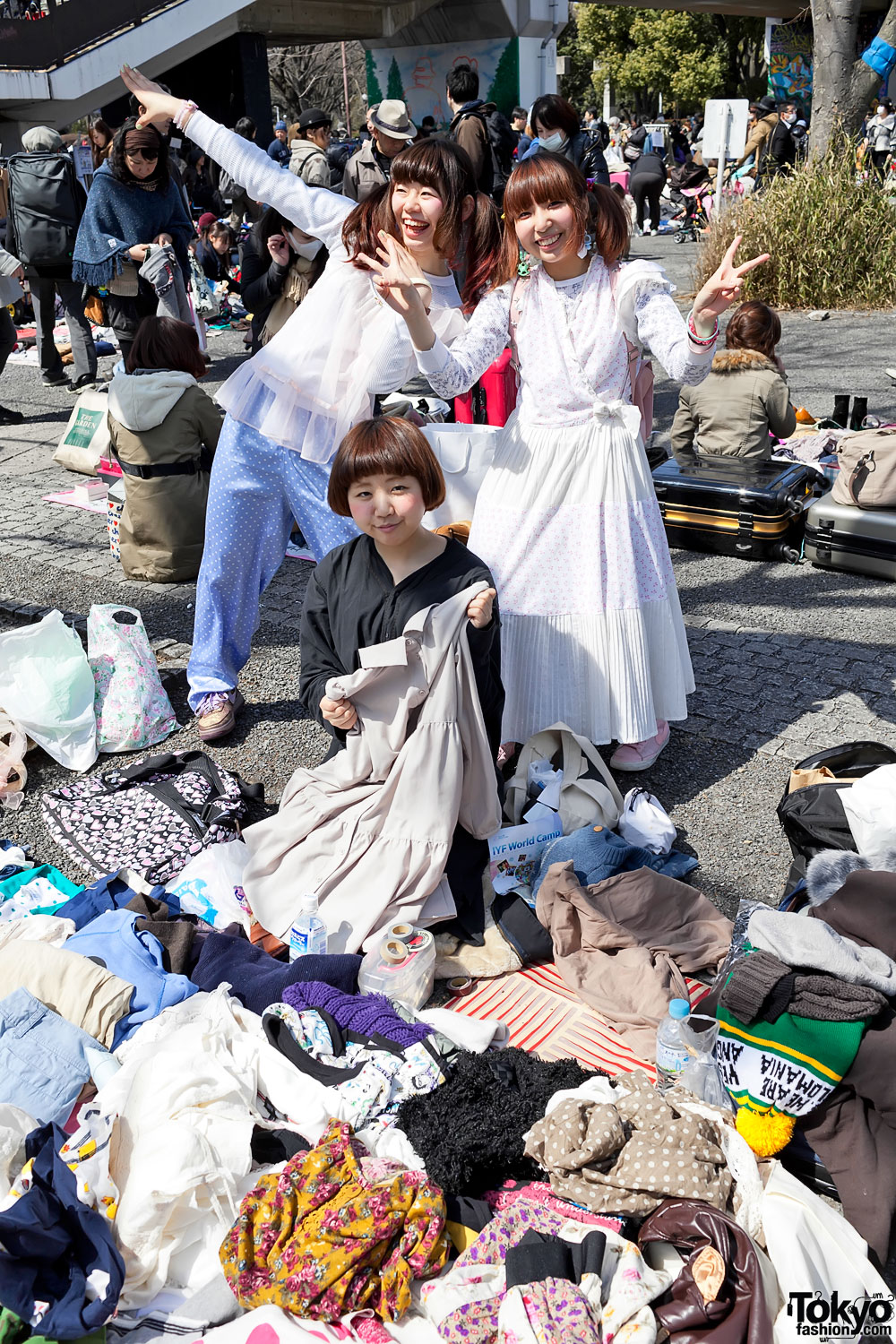
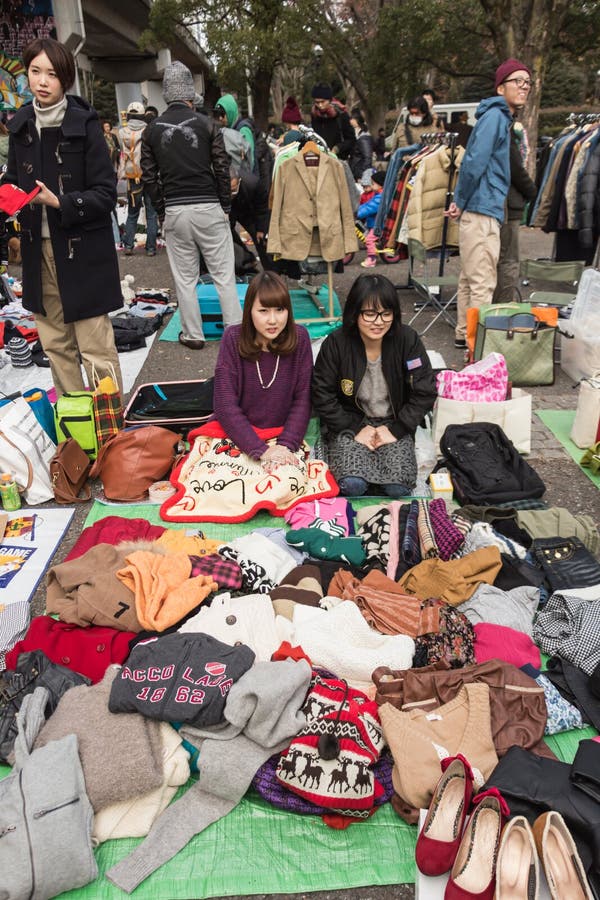
Mottainai Flea Market is a sustainable event, often held in Tokyo – Japan, organized by the Mottainai organization, focused on recycling and reducing waste. Vendors sell a wide range of secondhand items like, clothes and more. Thearket was at Nakano Central Park on the on 13-14 September and will showcasing on 11- 12 October and 25-26 October 25 and again on 03 November
The core principle is “Mottainai”
(roughly meaning “What a Waste!”), promoting the idea of making the most of resources and reducing waste.
As the name suggests, this little market is all about reducing waste and wastefulness — the perfect antidote to Tokyo’s shop-till-you-drop culture. It’s a good place to pick up snazzy secondhand clothes for cheap-cheap.
Mostly private sellers lay out their wares on a tarp for inspection, and bargaining is definitely part of the game. Depending whether they have sold enough or have just had enough of selling, things usually wrap up earlier than the announced closing time. Most of the venues have restaurants and bars around for a well-deserved break after shopping.
A dedicated corner allows visitors to donate their unused clothes and other items, which are then resold at subsequent events. A portion of the booth fees goes towards environmental conservation, such as reforestation efforts and the Green Belt Movement, which supports tree-planting initiatives.