
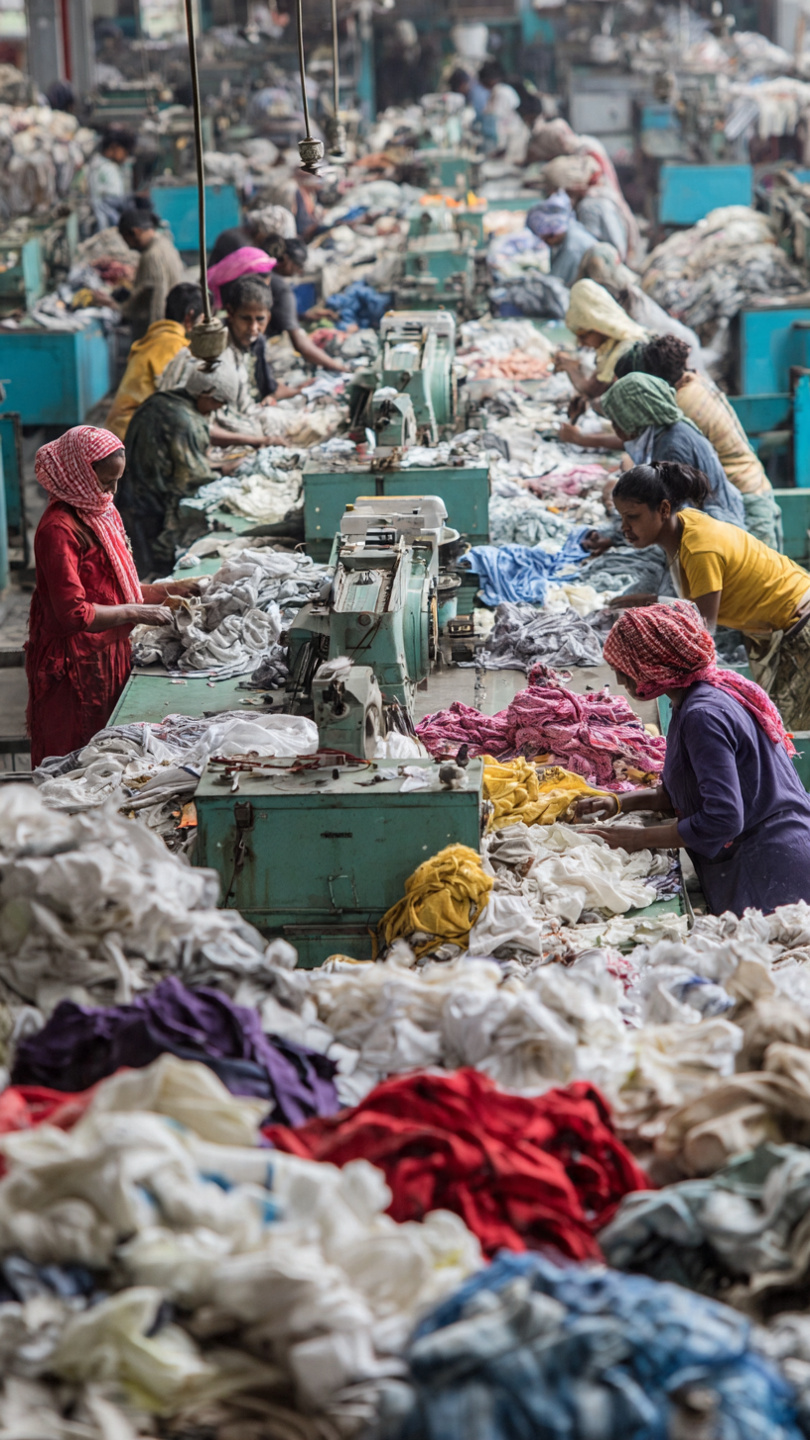
The fashion industry is one of the world’s largest polluters, with textile waste piling up in landfills and oceans. The statistics are staggering: the average person generates 12.8 kg of textile waste per year, with only 1% of materials being recycled into new clothing. But what if we could turn the tide? The key to a more sustainable future lies in textile recycling, and it’s being held back by a major hurdle: disassembly.
The complexity of textile materials, particularly blended fabrics, makes it challenging to separate and recycle them efficiently. Mixed fiber blends, lack of standardization, high costs, and limited infrastructure are just a few of the barriers to textile recycling.
The Challenges of Textile Recycling
– Mixed Fiber Blends: Difficulty in separating different fiber types, such as cotton and polyester, complicates recycling processes.
– Lack of Standardization: No global systems for tracking textile waste, making it hard to determine origin, fiber makeup, and chemical treatments.
– High Costs: Recycling processes are often more expensive than producing new materials, making it economically unviable.
– Limited Infrastructure: Insufficient recycling facilities and technologies to handle complex textile waste.
Innovative Solutions
But there’s hope. Researchers and innovators are working tirelessly to develop new solutions. Some of the most promising include:
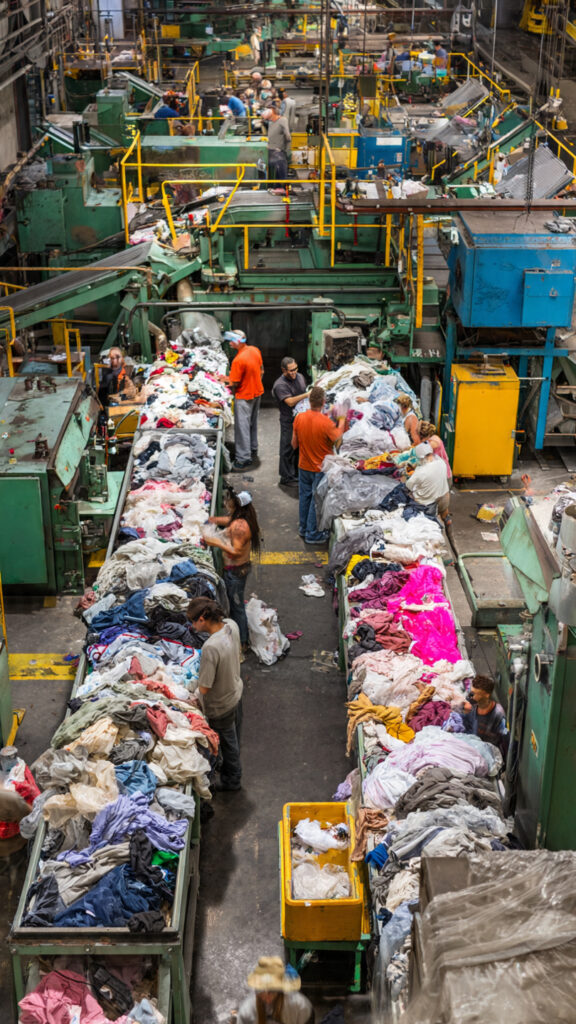
– Automated Disassembly: Using advanced technologies to remove problematic elements and improve recycling efficiency.
– Advanced Sorting Technologies: Implementing near-infrared and hyperspectral imaging for precise fiber separation.
– Chemical Recycling: Breaking down synthetic polymers like polyester using methods like solvolysis and pyrolysis.
– Biological Recycling: Using enzymes to break down natural fibers, showing promise for sustainable recycling.
The Future of Textile Recycling
So, what does the future hold? Here are a few trends to watch:
– Increased Use of Recycled Materials: Brands are incorporating recycled materials into their collections, reducing waste and promoting sustainability.
– Circular Design: Designers are creating garments with recycling in mind, making it easier to disassemble and reuse materials.
– Chemical Recycling: New technologies are emerging that can break down synthetic polymers like polyester, making recycling more efficient.
Industry Leaders Making a Difference
Companies like Patagonia, H&M, and Levi’s are already making strides in textile recycling. They’re investing in innovative technologies, implementing circular design principles, and promoting sustainability throughout their supply chains.
What You Can Do
– Shop Second-Hand: Reduce textile waste by shopping second-hand or renting clothes.
– Support Sustainable Brands: Choose brands that prioritize sustainability and circular design.
– Recycle Your Clothes: Participate in textile recycling programs and donate old clothes to charity.
The disassembly dilemma is a complex problem, but with innovation and collaboration, we can unlock the secrets of textile recycling and create a more sustainable future for fashion.