
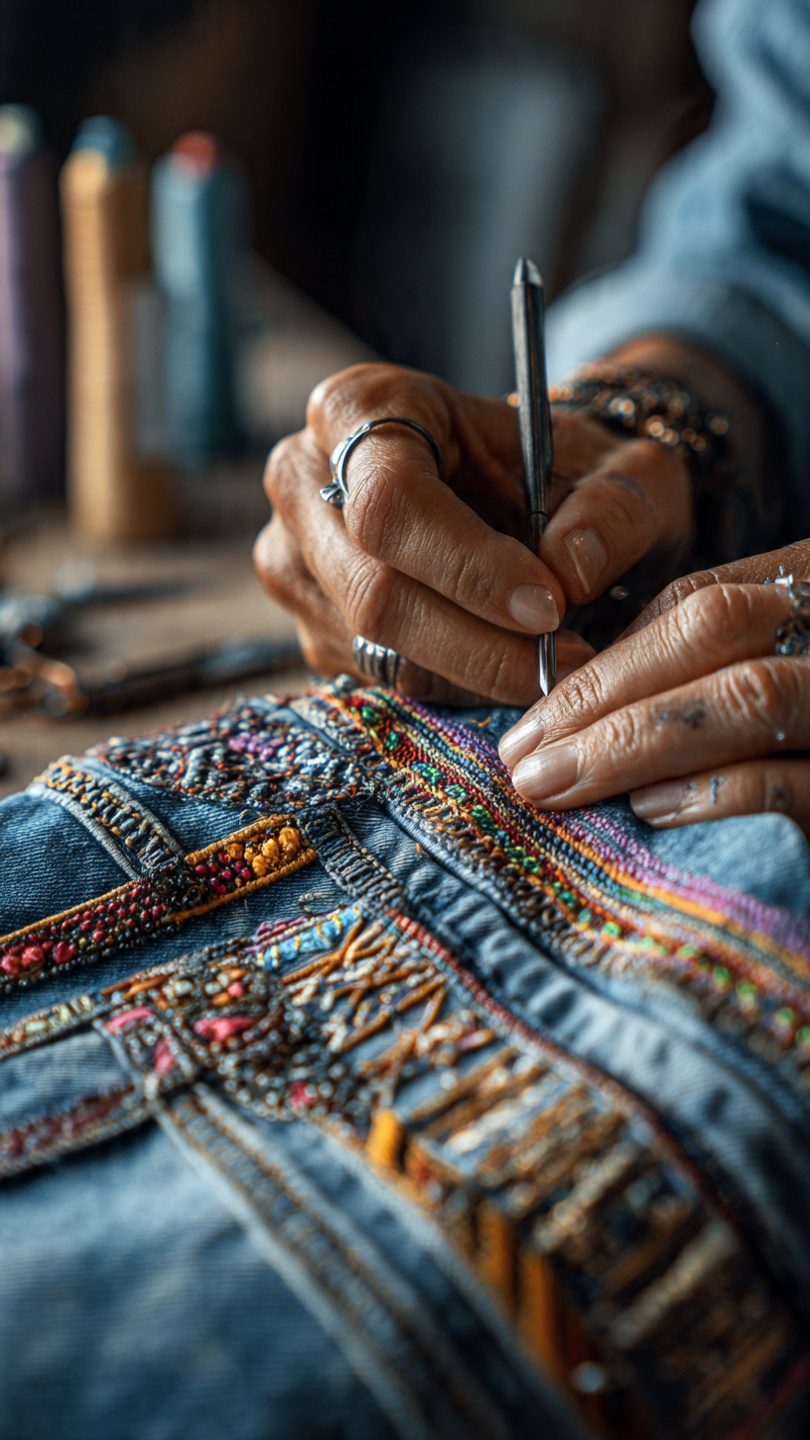
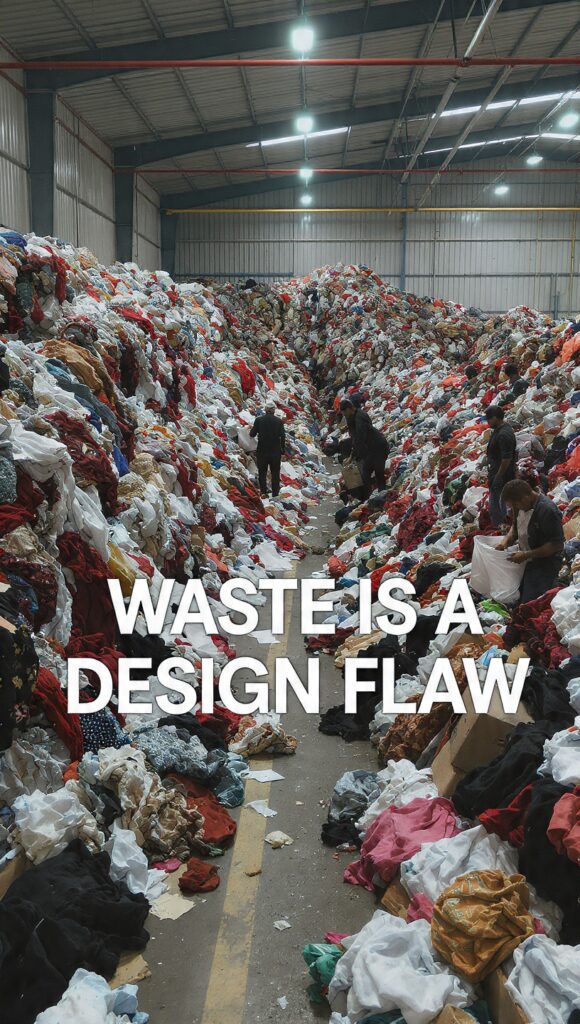
On 1 July 2026, the EU’s Ecodesign for Sustainable Products Regulation came into effect, banning the destruction of unsold textiles and footwear across all 27 member states.
Under the law, companies must prioritise reuse, then repair, donation, and recycling. Destruction is permitted only as a last resort and must be documented. The regulation is paired with the rollout of the Digital Product Passport a QR code on garment tags that lists material composition, manufacturing location, care instructions, and end-of-life pathways.
The policy is already changing design and operations. With incineration off the table, brands are shifting toward longer-lasting fibers, repairable construction, and neutral colour palettes. Warehouses previously used for disposal are being converted into sorting and resale centers.
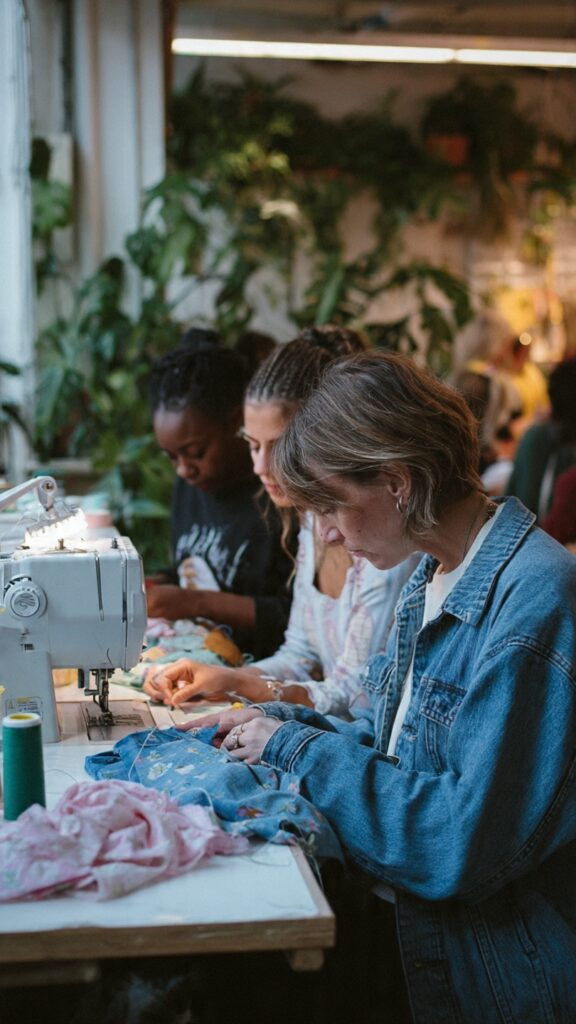
Repair Becomes Infrastructure
The most immediate impact is on the ground, in cities building systems to handle what brands can no longer throw away.
Lisbon
The Lisbon Repair Project, founded by Céline Alexis Buehrer, has moved from community map to contracted service provider. The initiative now works with three mid-size labels to mend returns and overstock.
What began as an interactive directory of artisans has expanded into workshops, documentary portraits, and skill-sharing events. The goal: make repair visible, accessible, and collective. For brands, it offers a compliant route for unsold stock. For the city, it creates jobs and keeps value local.
“The map was the beginning,” Buehrer said. “The next phase is a full ecosystem that shifts us from consumption to regeneration.”
In the Netherlands, mechanical sorting facilities are processing unsold cotton into new yarn. Technicians shred discarded garments, clean the fibers, and spin them for resale to mills across Europe.
Rotterdam’s port and processing ecosystem positions it as a hub for fiber-to-fiber recycling. Brands sourcing 100% recycled cotton can now plug into existing infrastructure instead of building it from scratch.
Brussels
Neighborhood donation hubs have been integrated into formal supply chains. Through Givekots at regional Recyparks and organisations like Les Petits Riens, goods are sorted, cleaned, repaired, and redistributed via local markets and social programs.
Donation is no longer an afterthought. It is logistics.
The Consumer Shift
For shoppers, the changes are practical. More second-hand sections in mainstream retail. More product data at point of sale. More garments designed to be worn for years.
Scan a Digital Product Passport and you see the mill, the water use, whether a seam can be let out. Information replaces opacity.
The Still Life
The regulation did not mandate a new aesthetic. Consumers did. A single linen dress now moves from office to dinner to market. It accumulates meaning instead of being replaced.
In 2026, luxury is no longer defined by scarcity created through destruction. It is defined by scarcity created through care: a coat that can be relined, a shirt whose origin is traceable, a dress that gets softer with time.
The EU set the rule. Women set the standard.