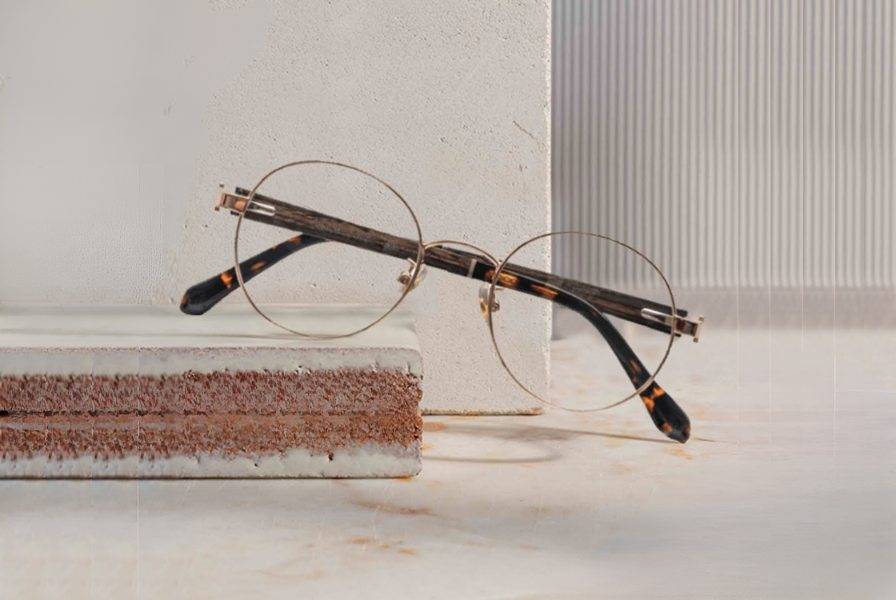
Eco friendly glasses are changing the way we think about eyewear. More than just frames, they represent a conscious choice to support sustainability, reduce environmental impact, and embrace ethical production—all while maintaining the style, comfort, and durability you expect.
As consumers become more aware of the environmental and social consequences of their purchases, choosing eco-friendly eyeglasses has become a meaningful way to align your lifestyle with your values.
What Are Eco Friendly Glasses?
Eco friendly glasses are frames designed to reduce environmental impact at every step, from production to disposal. Made from recycled, renewable, or biodegradable materials and crafted with ethical practices, they deliver style, comfort, and durability without compromise.
Why Eco-Friendly Glasses Matter
Eco friendly glasses play an important role in reducing waste, supporting healthier lifestyles, and encouraging more responsible consumer choices. The benefits include:
– Environmental Benefits: Reduced waste, lower demand for virgin plastics, and preserved natural ecosystems.
– Health Benefits: Naturally hypoallergenic materials like wood and bio-acetate offer a safer alternative for sensitive skin.
– Fashion & Lifestyle Benefits: Stylish options that align with an eco-conscious lifestyle.
Materials Used in Eco-Friendly Glasses
– Sustainable Wood Frames: Responsibly sourced hardwoods like walnut, ebony, or bamboo.
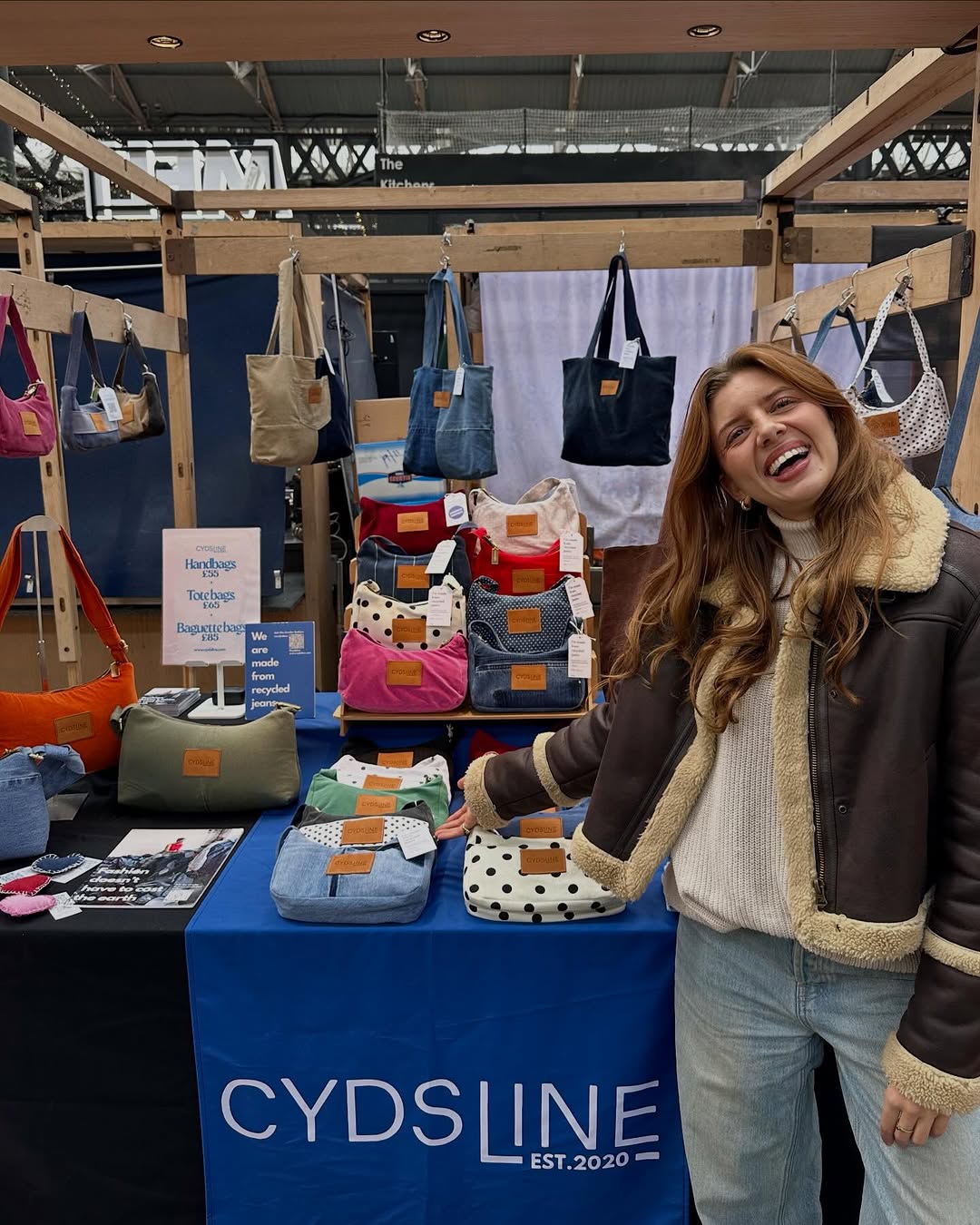
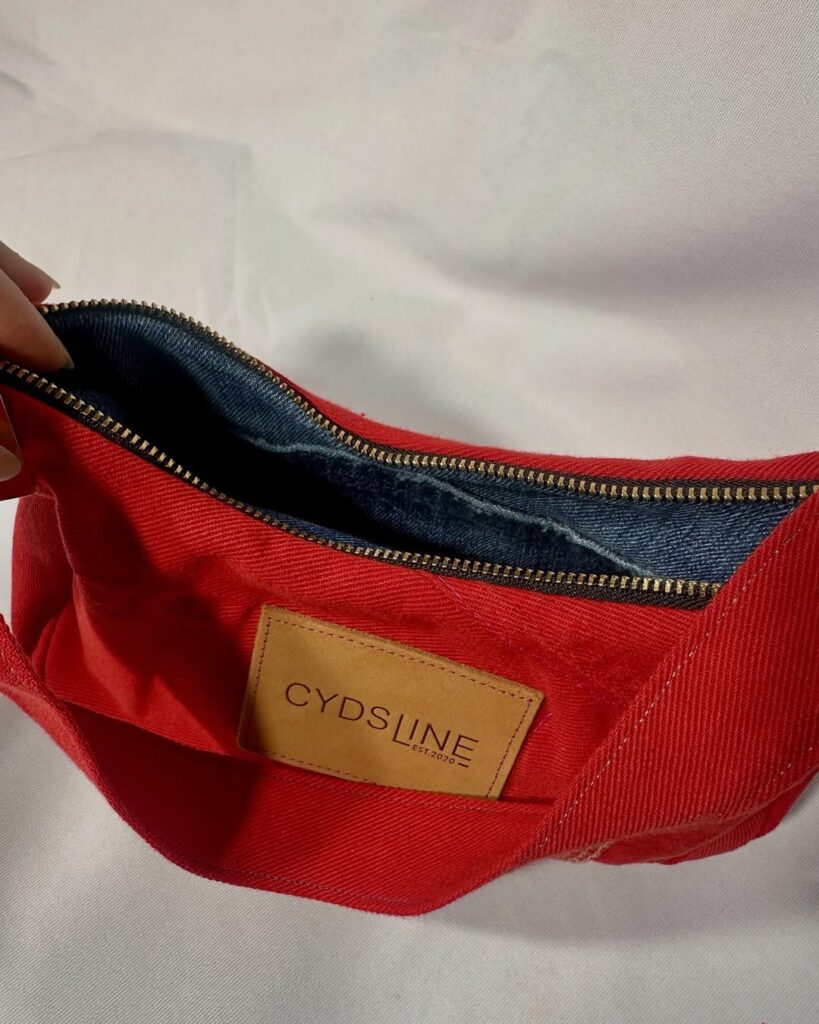
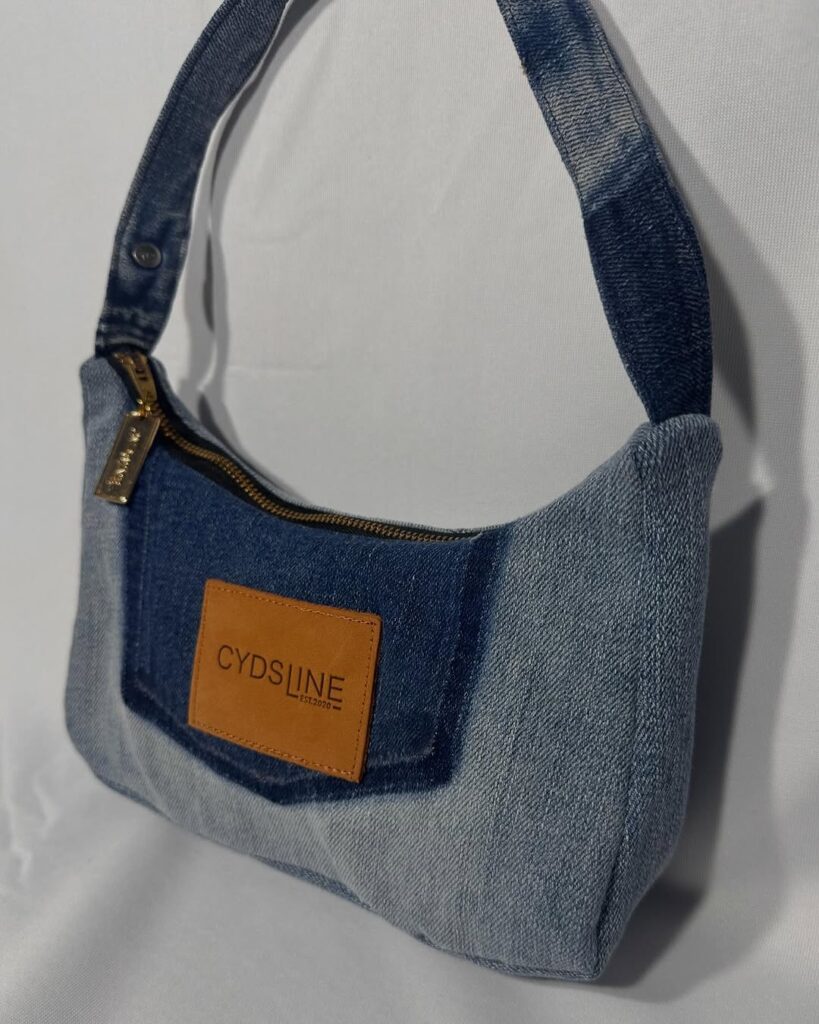
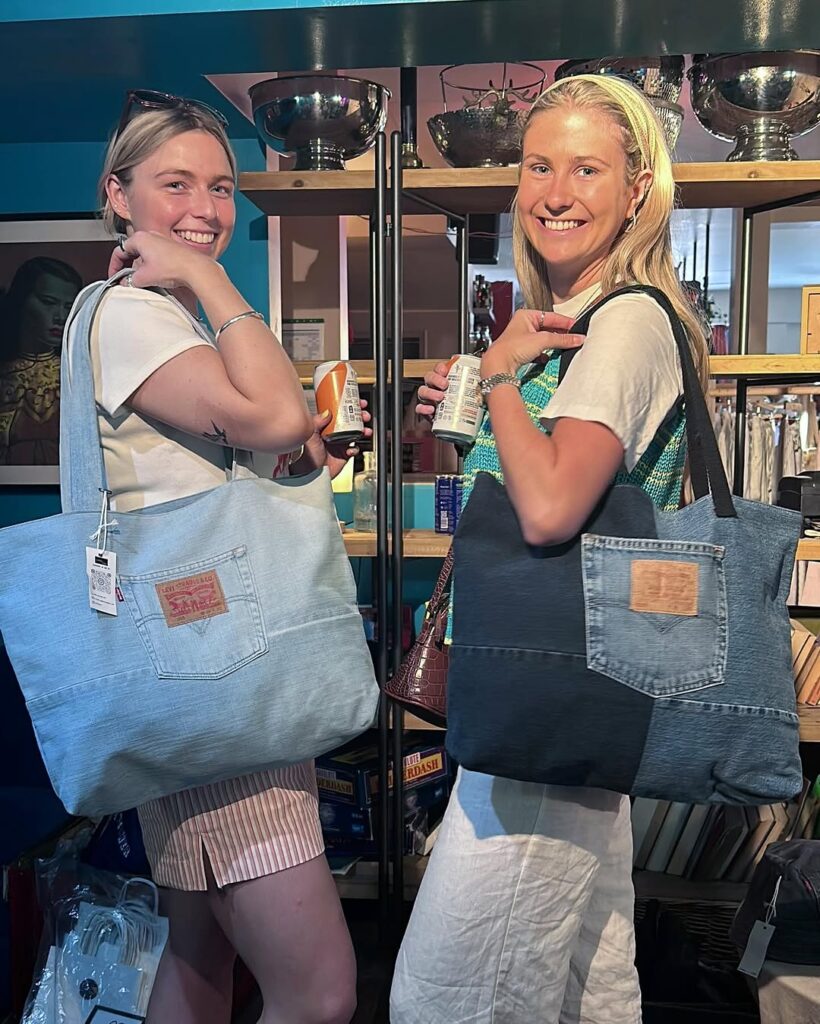
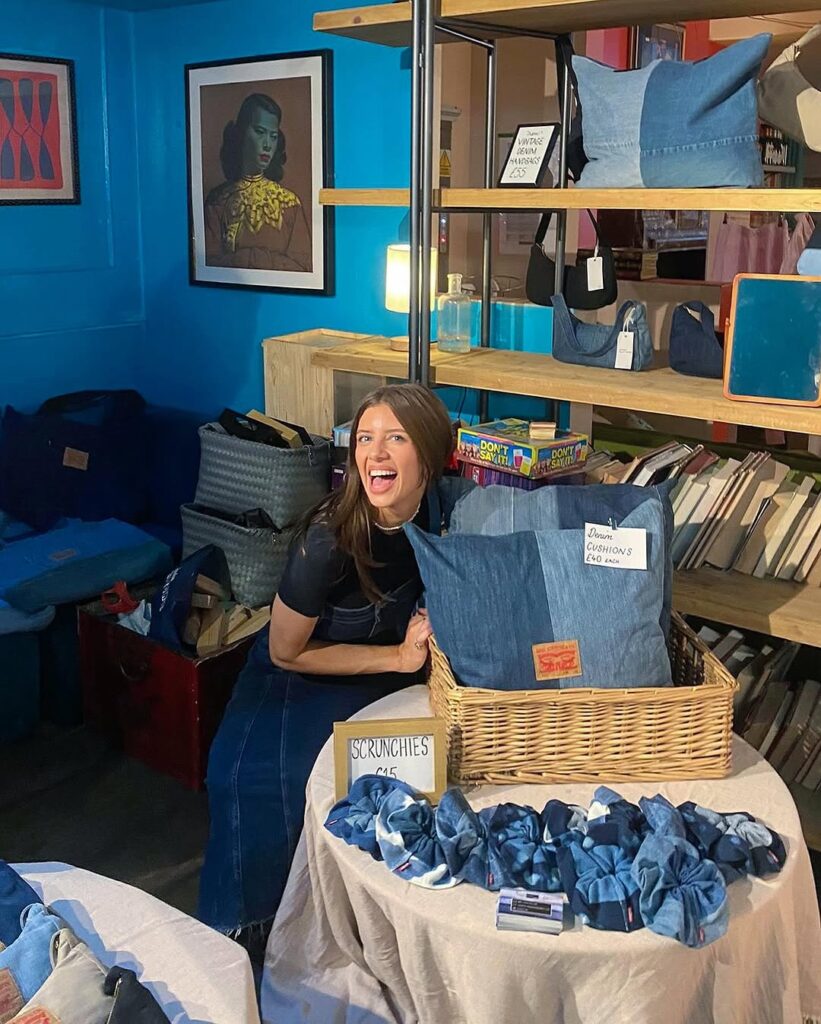
The fashion industry’s impact on the planet is undeniable. But amidst the chaos, Cydsline is carving a bold revolution in sustainable fashion. This UK-based brand is transforming vintage jeans into unique, handmade accessories that are as eco-friendly as they are chic. With a mission to create fashion that’s both stylish and responsible, Cydsline is leading the charge against waste and promoting a more conscious approach to style.
As the founder, Cyd’s passion for sustainability ignited a movement, shaping the brand’s mission to make a difference. “I wanted to build a brand that’s part of the solution, not the problem,” she says. With a background in corporate life, Cyd took a leap of faith and quit her job to pursue her dream of creating a sustainable fashion brand.
Designing with Purpose
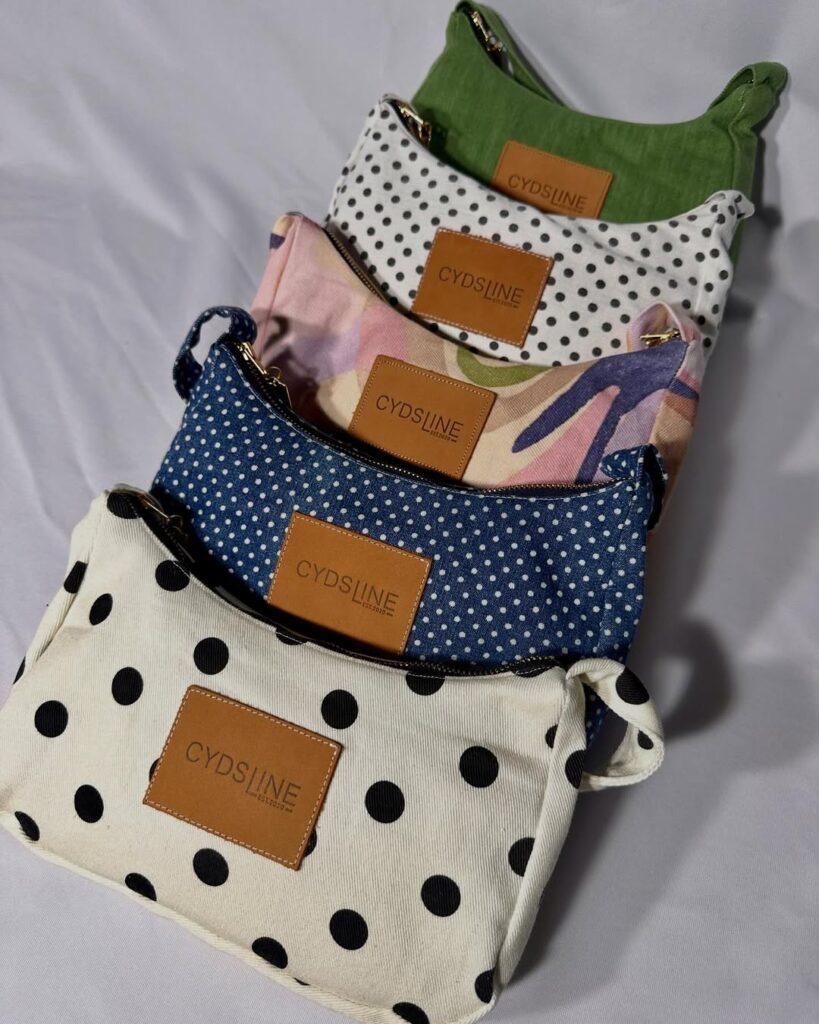
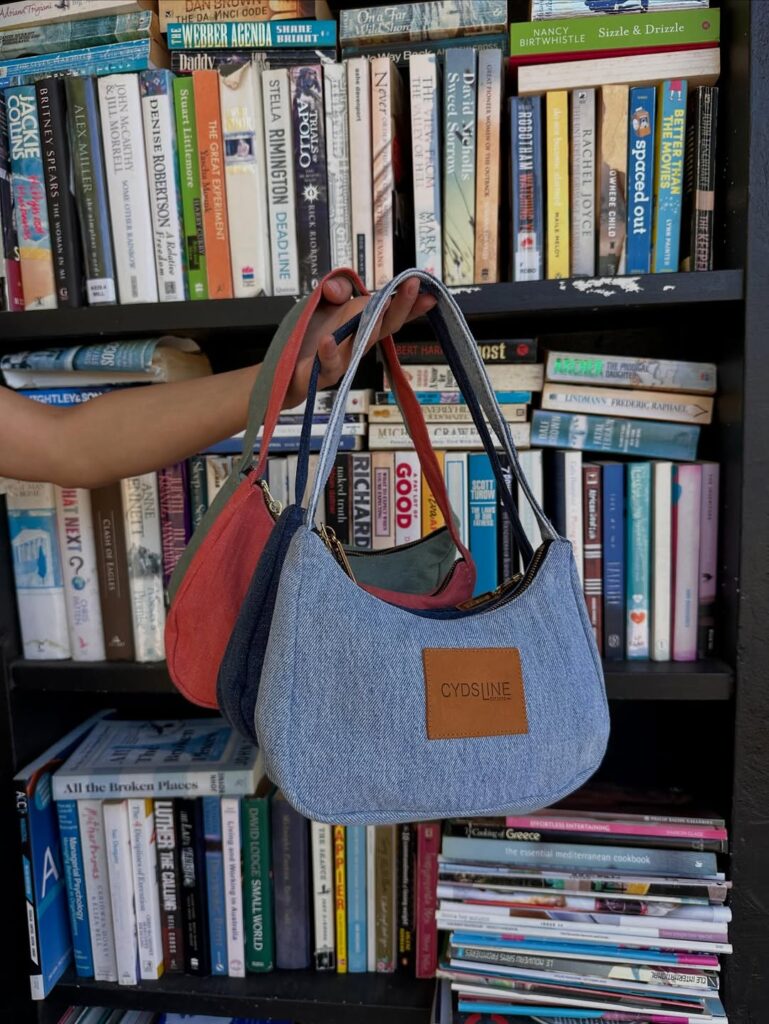
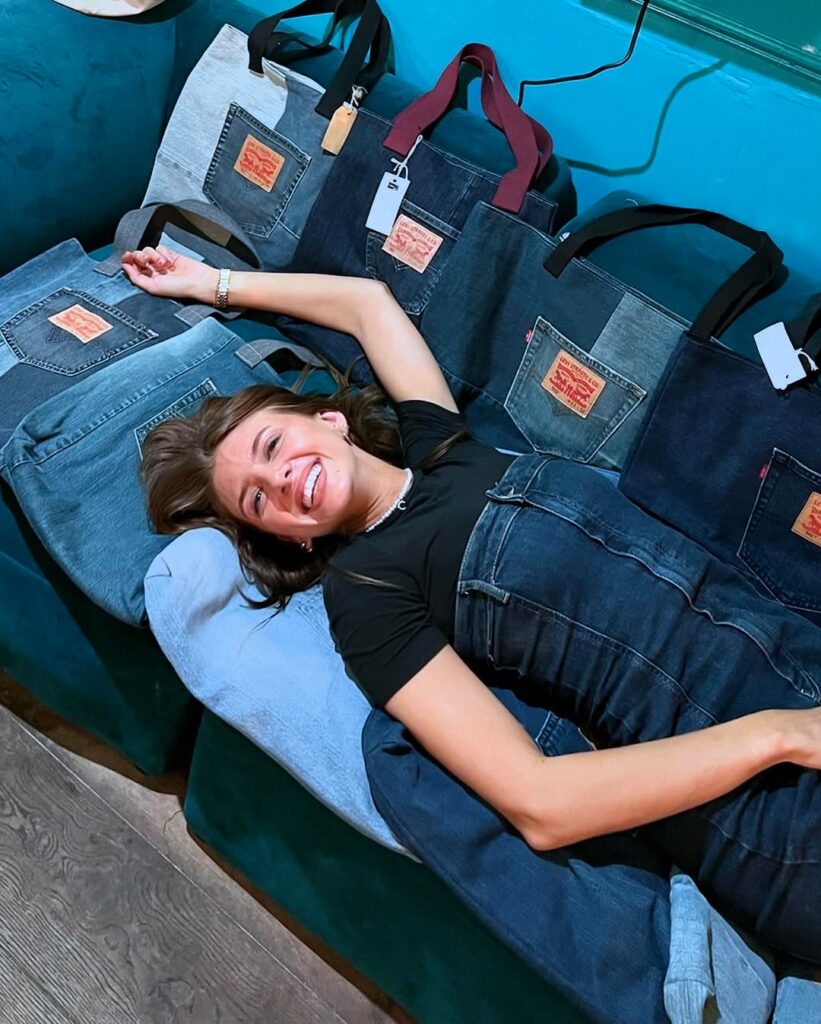
Cydsline’s design process is centered around sustainability and creativity. “We source vintage jeans, often with interesting washes or distressing, and imagine how they can be transformed into something new and remarkable.” The design team works closely with UK-based seamstresses to bring each piece to life. “We focus on creating timeless designs that won’t go out of style,” Cyd says. “Each bag is handmade with love and attention to detail, making it a true one-of-a-kind piece.”
Cydsline’s collections feature three stunning designs:
– The Mini: A compact, stylish bag perfect for day trips and nights out.
– The Baguette: Effortless luxury with adjustable straps and bold gold metal buckle details.
– The Everything Bag: A spacious, versatile bag for busy lives and adventurous spirits.
Sustainable Materials and Processes
At the heart of Cydsline’s eco-friendly approach is a commitment to using sustainable materials and processes. The brand prioritises recycled denim, giving old jeans a new life and reducing textile waste. Their packaging is minimal, biodegradable, and recyclable, minimizing waste and environmental impact.
Cydsline’s zero-waste design approach ensures that every piece of denim is utilised, and their partnership with UK-based seamstresses reduces carbon emissions from transportation. “We’re committed to reducing our environmental impact, one bag at a time,” Cyd explains.
By upcycling denim, Cydsline reduces the need for new raw materials, saving water and energy that would have been used to produce new fabric. “It’s astonishing how much waste we can prevent,” Cyd notes. Since 2020, they’ve saved over 4,000 pairs of jeans from landfills.
The Upcycling Process
Cydsline’s upcycling process is a testament to the brand’s commitment to sustainability. “We’re giving old jeans a new life, reducing waste, and promoting sustainable fashion practices,” Cyd says. “It’s a labour of love, and we’re proud of what we’ve achieved.” Looking ahead, Cydsline aims to expand its sustainable practices, exploring new eco-friendly materials and increasing production transparency. “We want to inspire others to join the sustainable fashion movement,” Cyd says. “Every small step counts, and together, we can make a big difference.”
Cydsline is redefining fashion, one jean at a time – proof that style and sustainability can go hand-in-hand, paving the way for a more conscious industry, and shining a beacon for a more responsible future in fashion. With each purchase, you’re joining a movement that’s bigger than just a trend – you’re part of a revolution that’s rethinking the very fabric of fashion. As Cydsline continues to grow, its impact will be felt, and its message will resonate: sustainable fashion is not just a niche, it’s the future. Because, truly, fashion doesn’t have to cost the earth.
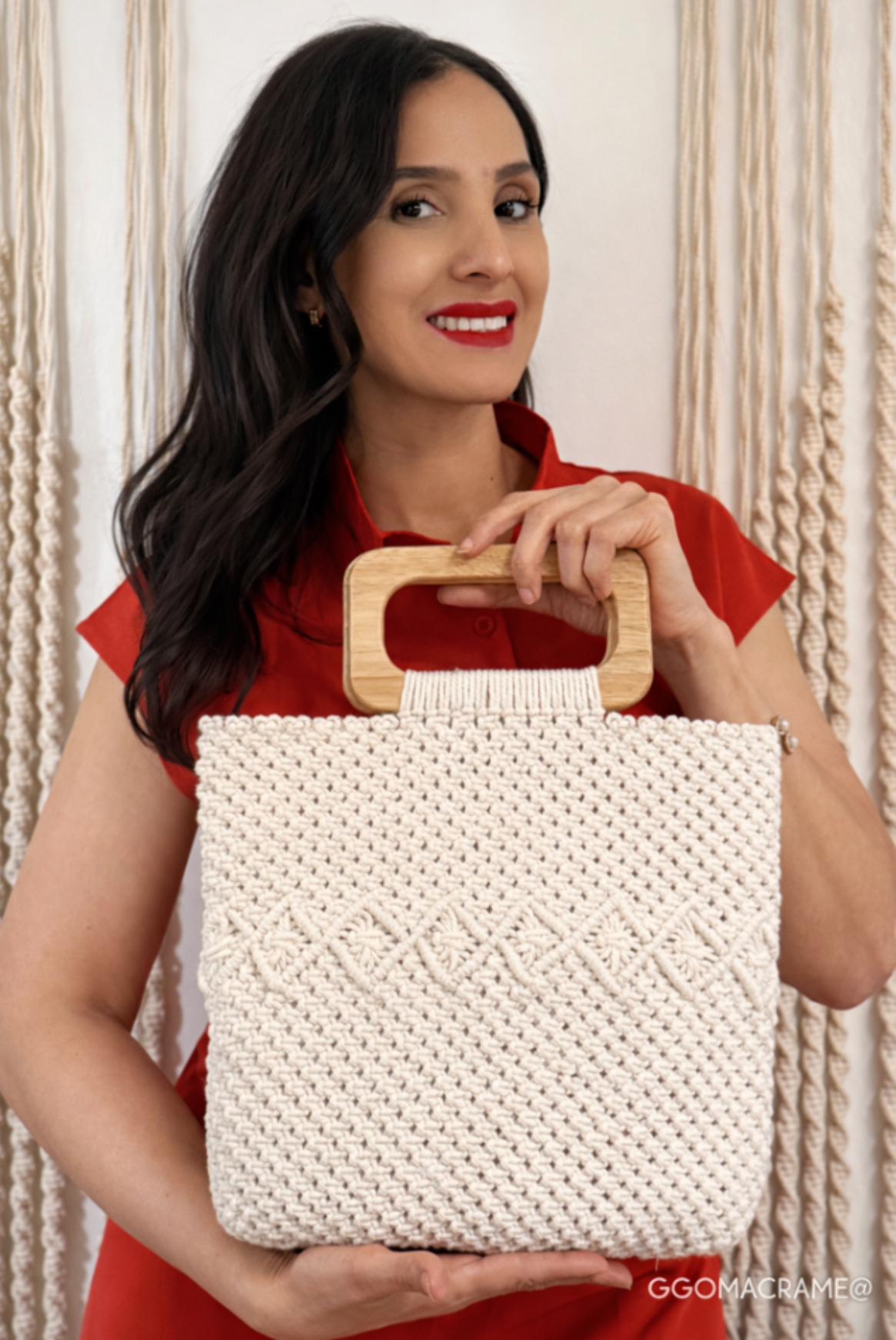
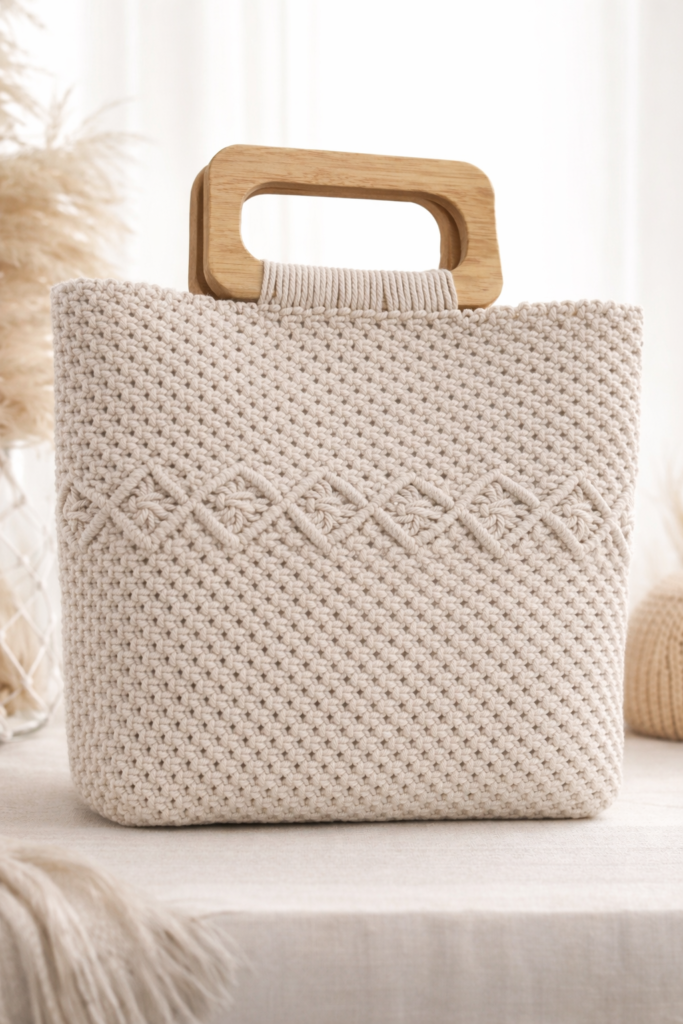
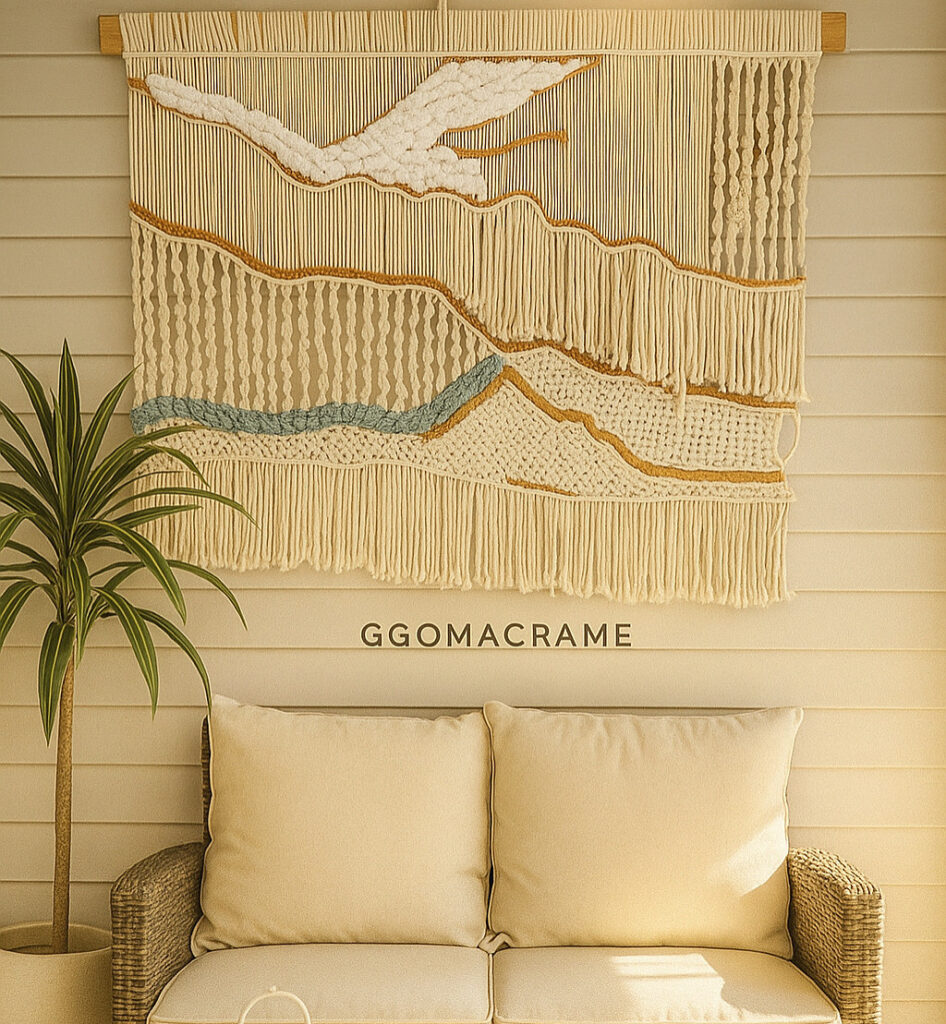
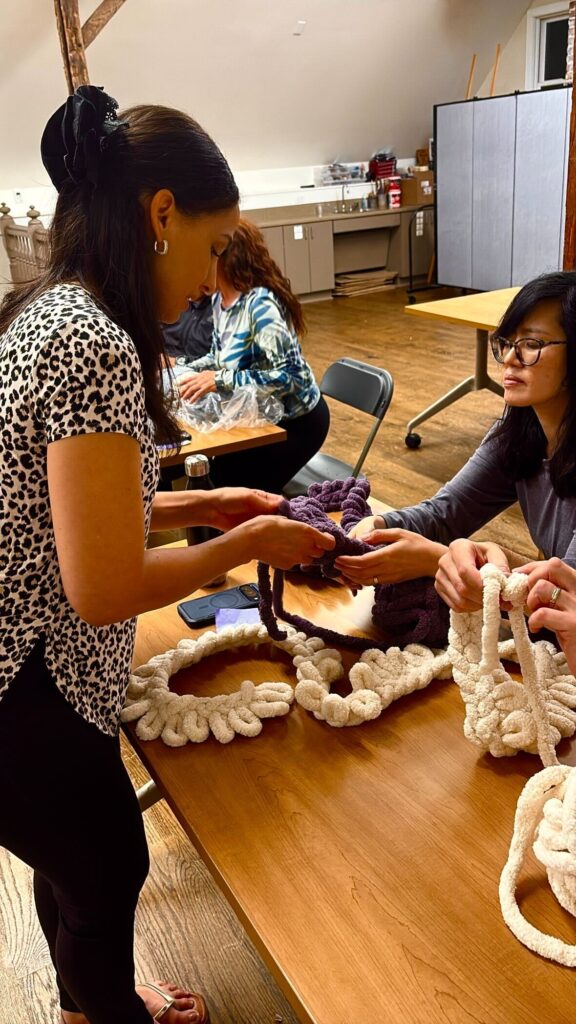
In the world of fast fashion, where speed and mass production often overshadow artistry, Yamilka Castellanos, founder of GGOMACRAME is a beacon of mindful creation. Based in New Jersey, USA, Castellanos’ journey into macramé began in 2022, a year of personal reflection and spiritual seeking.
“I felt drawn back to yarn and knotting, a craft I had once struggled to master,” she recalls. What started as a quiet prompting soon evolved into a disciplined practice of craftsmanship and intentional design.
Macramé, an ancient textile art form that originated from Arabic and Latin American traditions, involves creating intricate patterns and designs by tying knots in cords or yarns. It’s a craft that values patience, attention to detail, and creativity – qualities that Castellanos embodies in her work.
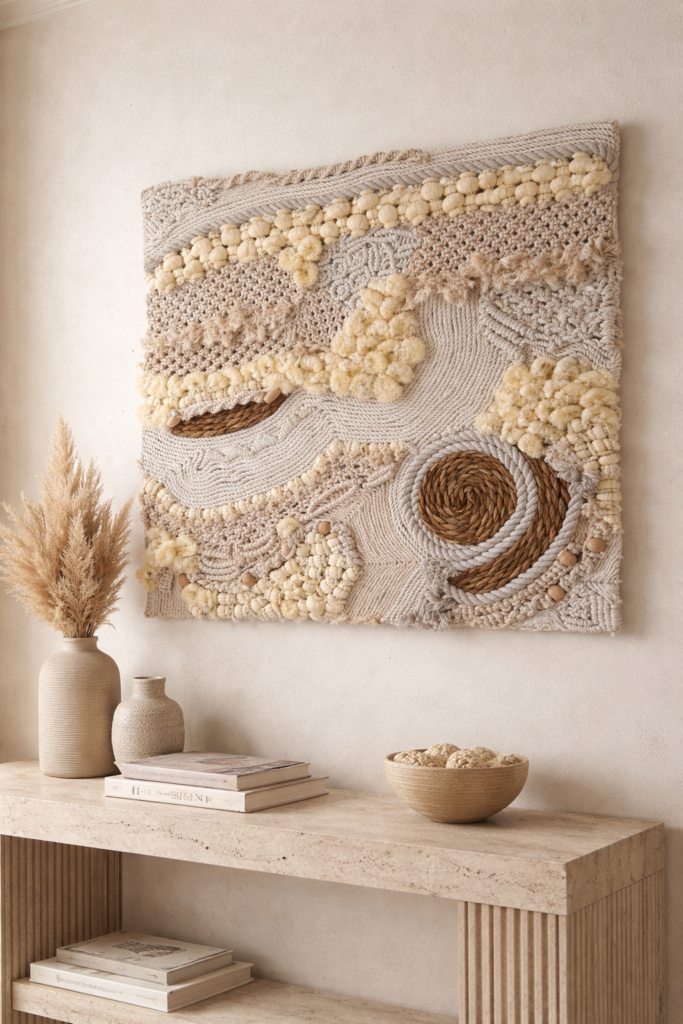
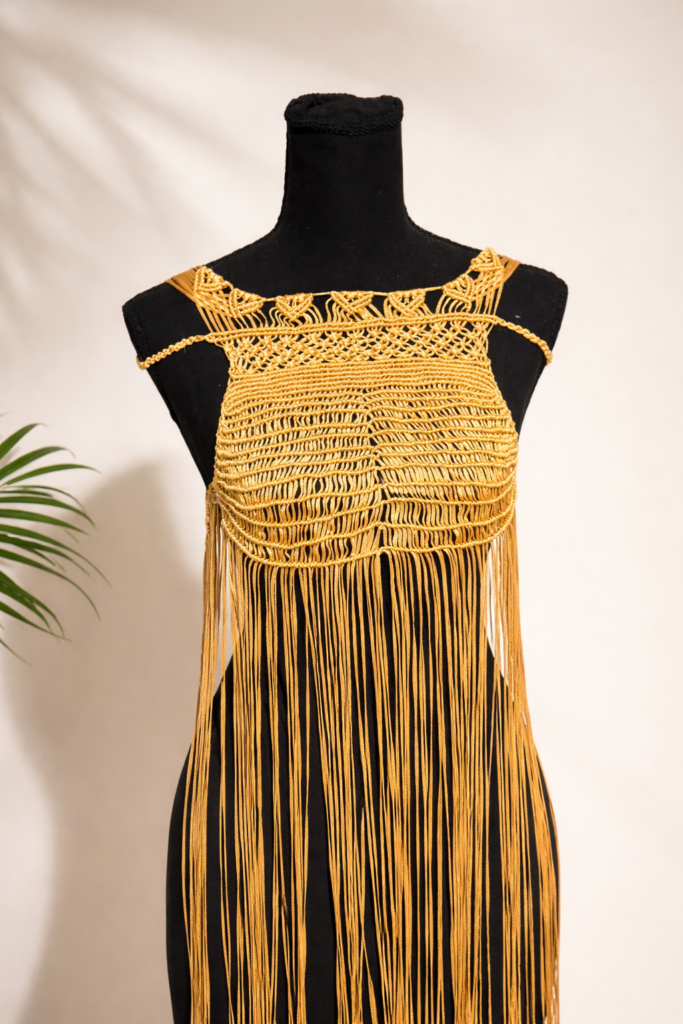
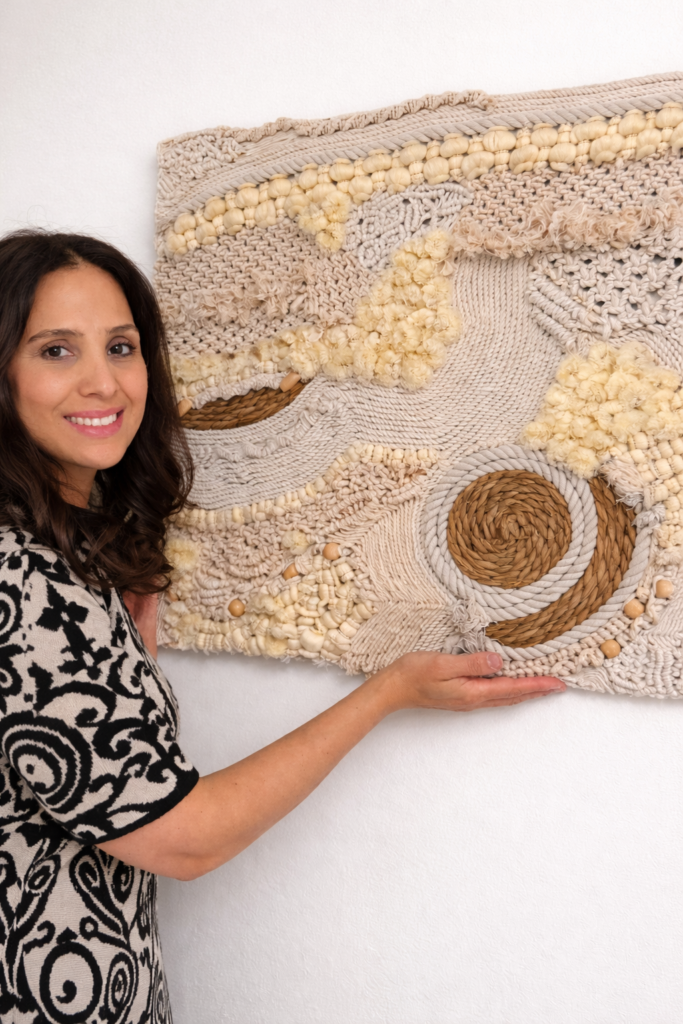
Today, Castellanos’ handmade fiber art is a testament to the power of slow fashion. Her collections feature exquisite macramé handbags, wearable pieces, wall installations, curtains, bassinets, and home textiles – each one a labour of love, crafted through deliberate hand-knotting techniques that honour time and tradition.
Yamilka Castellanos
“Every knot holds a moment of stillness – a quiet reminder that beauty does not need to rush,” Castellanos reflects. It’s this philosophy that guides her work and inspires her students.
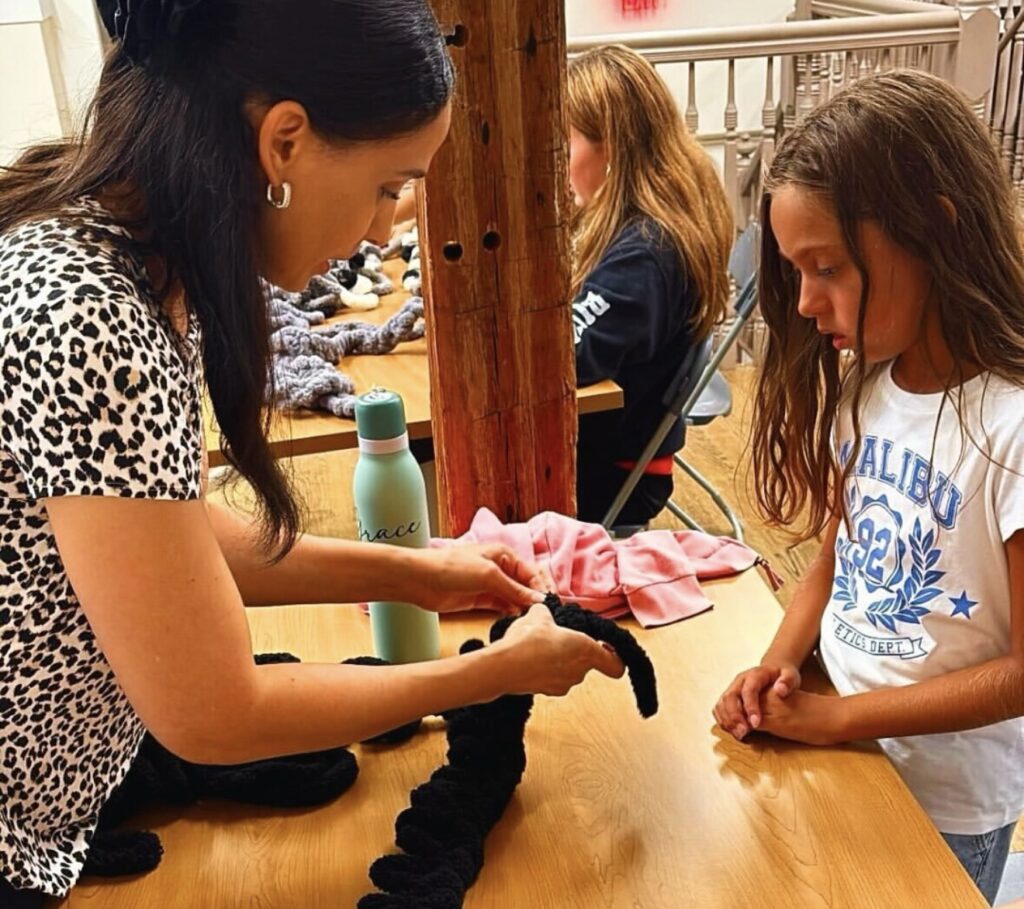
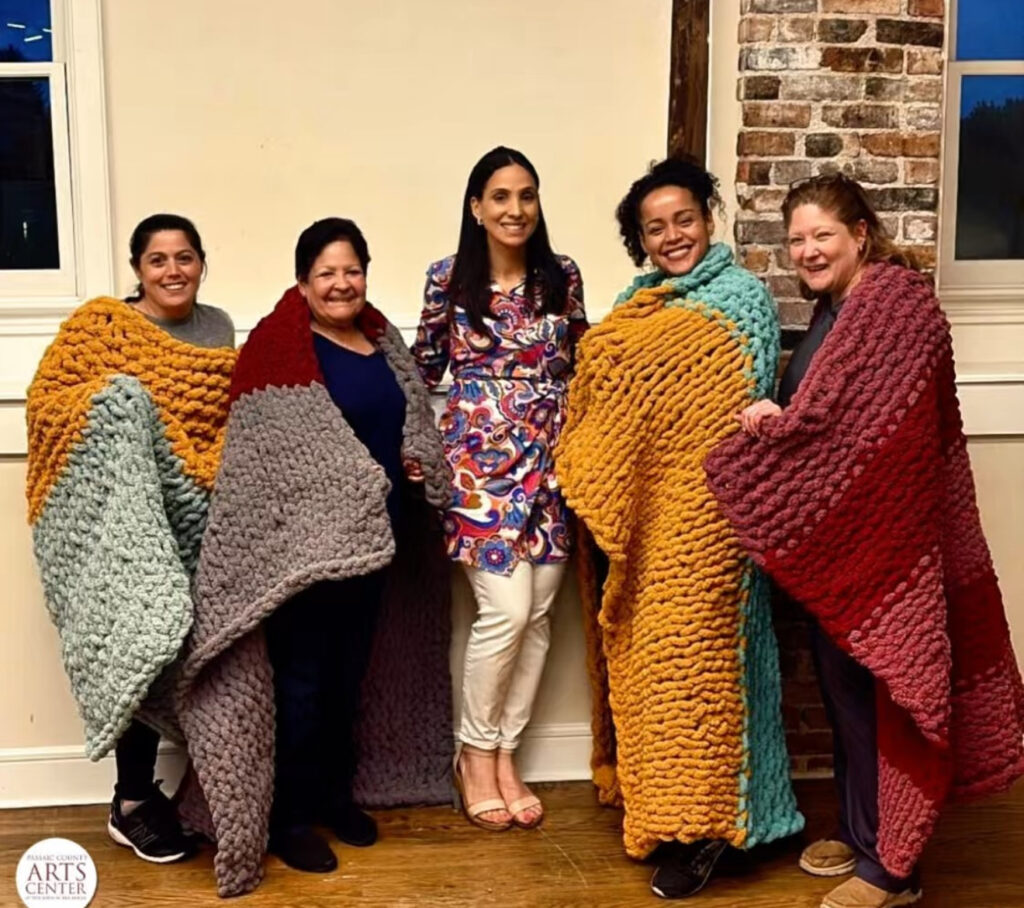
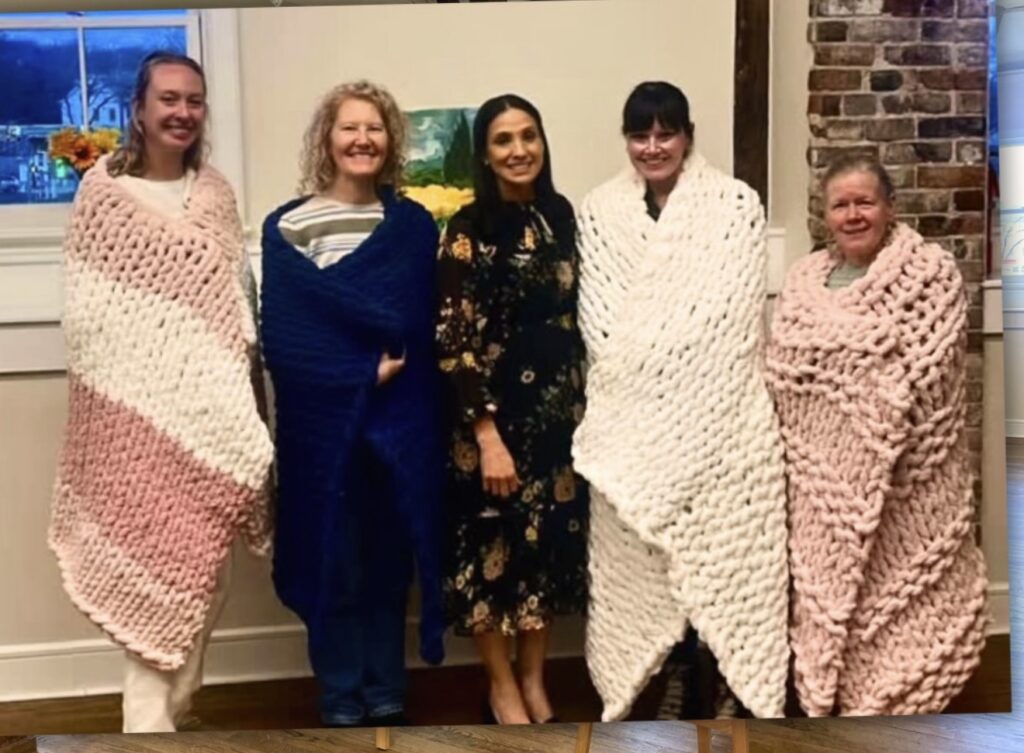
As an instructor at the Passaic Arts and Culture Center in Hawthorne, New Jersey, she shares her passion for slow craftsmanship with students of all ages, teaching them the value of patience and attention to detail.
This year, Castellanos achieved a significant milestone, being selected as a vendor for a New Jersey location of Michaels. “It’s an important step in the expansion of my woman-led brand,” she says with pride.
For Castellanos, macramé is more than a craft – it is devotion translated into design. Every knot carries intention and meaning, a reflection of her journey and purpose. In a world that often values speed over substance, she reminds us that true beauty lies in the slow, deliberate creation of something meaningful.
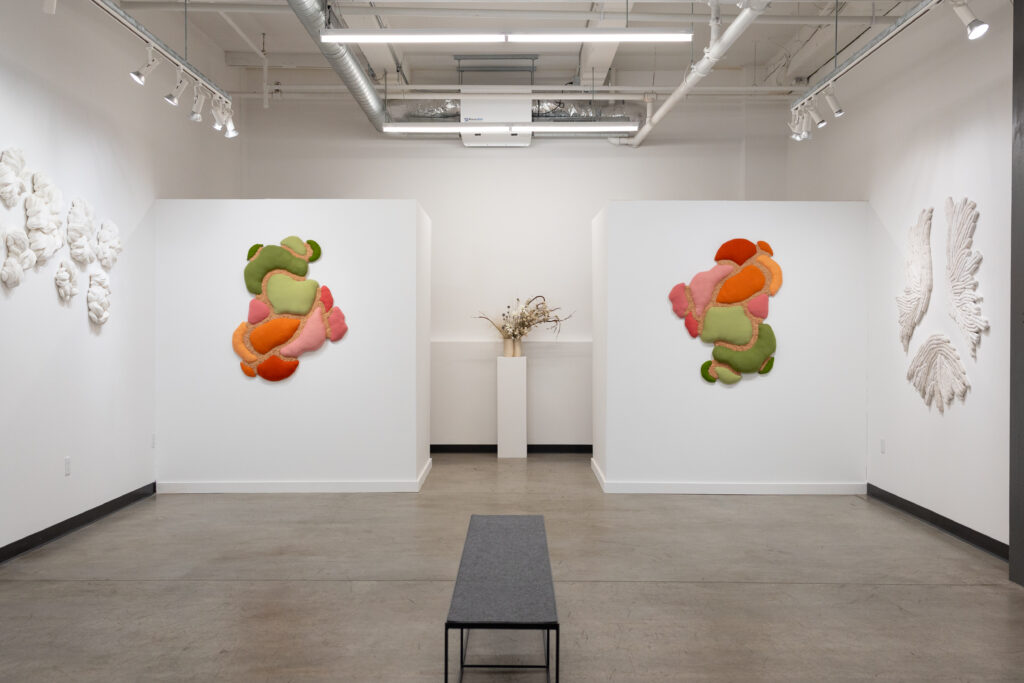
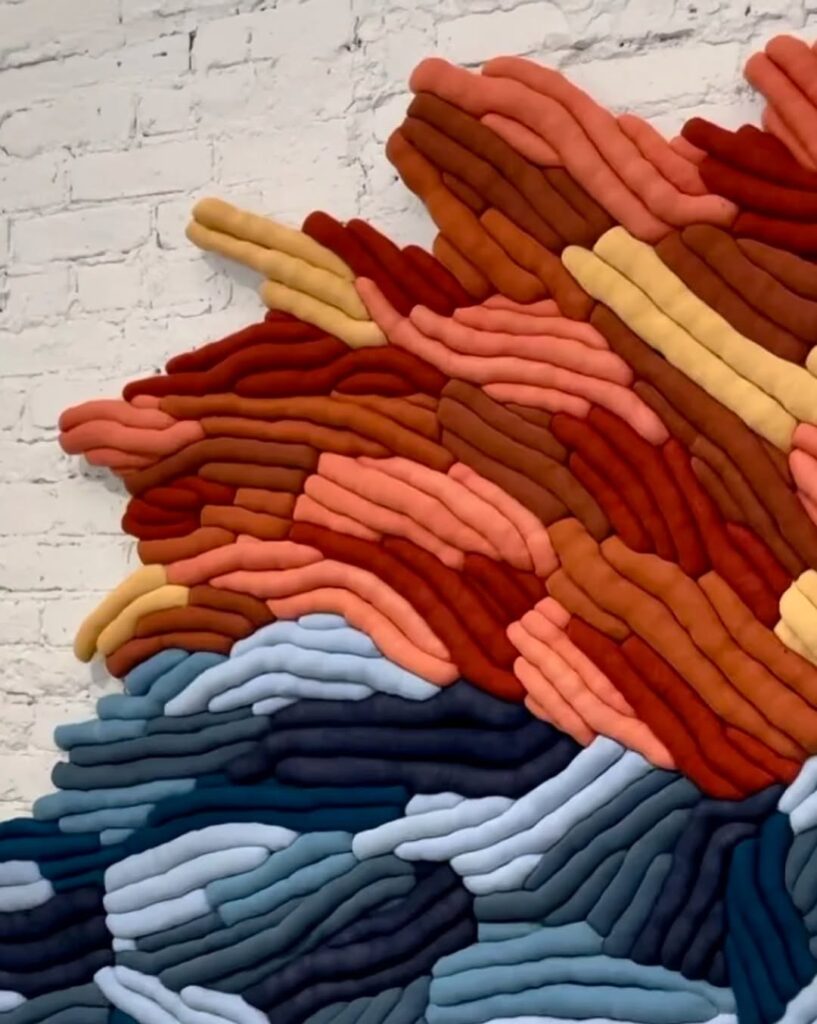
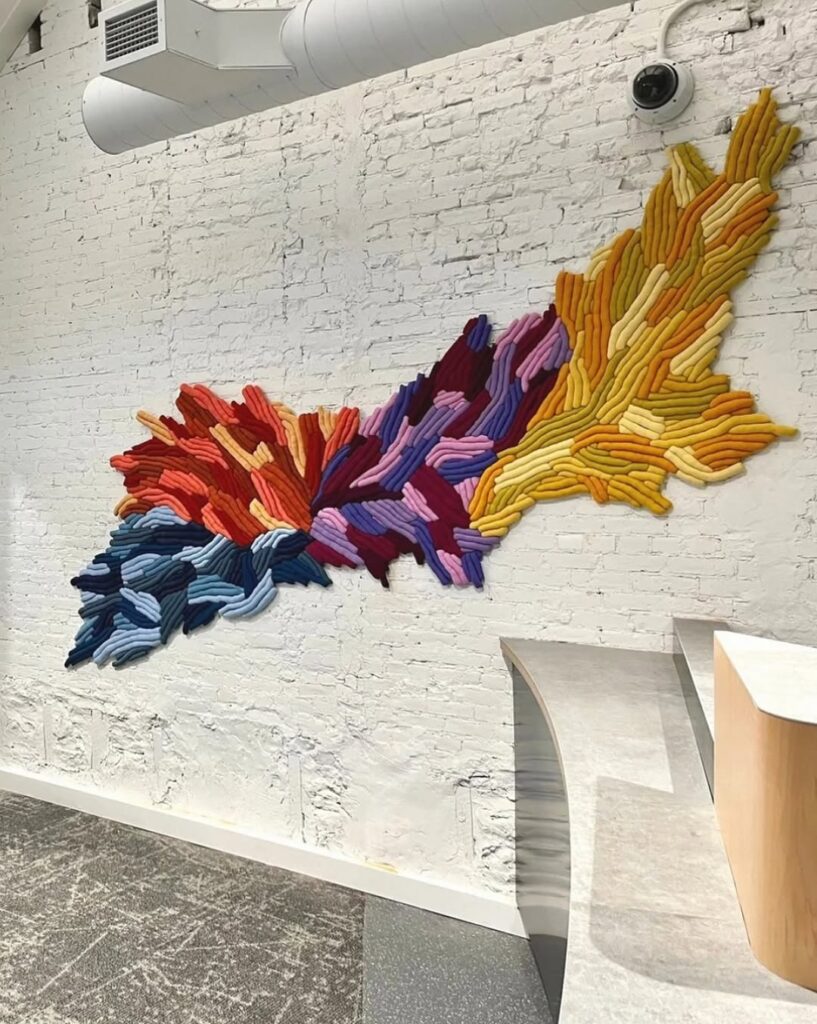
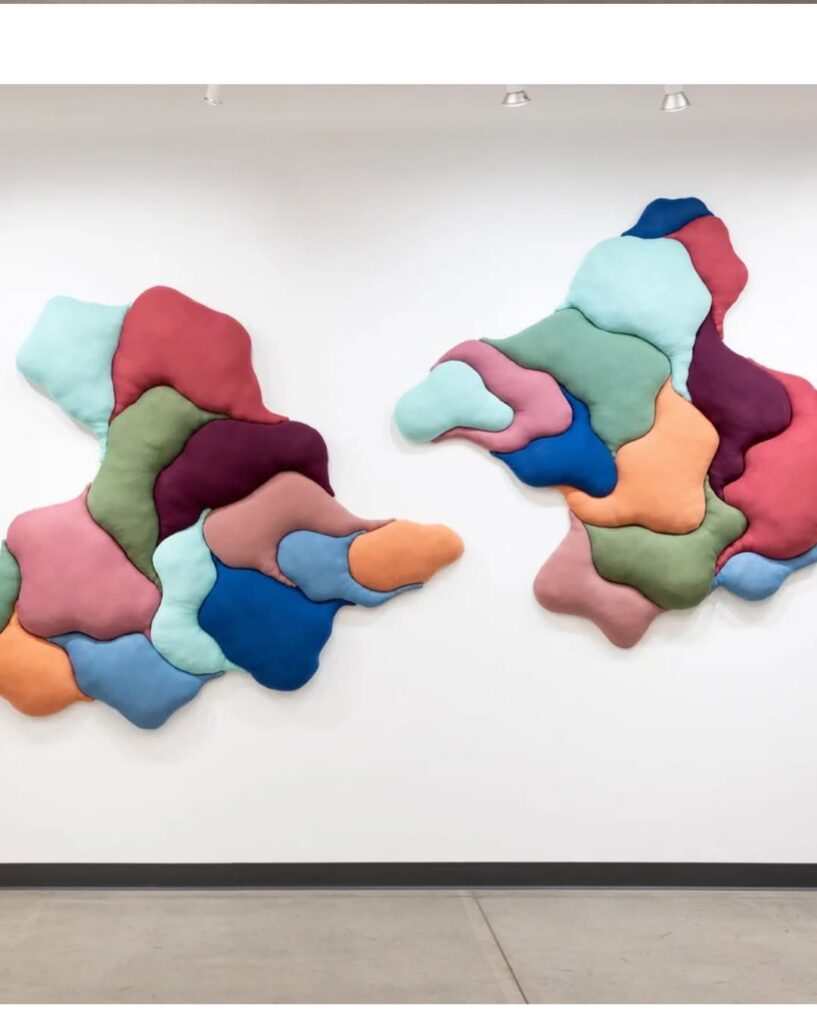
Sienna Martz, a fiber artist based in Vermont, USA, is redefining the boundaries of art, fashion, and sustainability with her innovative work. As an internationally recognised sculptor and fiber artist, Martz weaves together sustainability, creativity, and social commentary, creating a unique narrative that challenges our relationship with the environment.
With every thread and fiber, Martz crafts a story of environmental consciousness, critiquing modern consumerism while promoting eco-friendly practices. Her use of plant-based, recycled, and upcycled materials breathes new life into discarded textiles, transforming them into breathtaking sculptures that challenge the norms of consumerism and excess.
Photo Credit: Soapbox Arts
“I’m drawn to the idea that art can be a catalyst for change,” Martz says in a recent interview. “By exploring the intersection of sustainability and creativity, I hope to inspire others to think critically about their impact on the planet.”
Martz’s process is a labour of love, where traditional textile techniques meet contemporary vision. She coaxes beauty from second-hand clothing and organic fibers like kapok, bamboo, and cotton, creating intricate sculptures that showcase the potential of sustainable art.
Her work has garnered international acclaim, featuring in prominent publications and exhibitions worldwide. As a vegan artist, Martz embodies the principles of sustainability, prioritising eco-friendly materials and processes that minimise harm to the planet.
“Sustainability is not just a trend or a buzzword,” Martz emphasises. “It’s a way of life that requires intention, dedication, and a willingness to challenge the status quo.”
Martz’s artistic journey offers valuable insights into the power of sustainable creativity. Her work showcases the incredible potential of plant-based, recycled, and upcycled materials, challenging us to reimagine the possibilities of creative expression. By embracing these materials, Martz not only reduces waste but also creates unique and thought-provoking sculptures that inspire a deeper connection with nature.
Photo Credit: Soapbox Arts
Her slow and labour-intensive process is a testament to the power of responsible creativity. By prioritising eco-friendly materials and processes, Martz minimises harm to the planet and sets a new standard for artistic expression. Her commitment to sustainability extends beyond her art, as she leads a vegan lifestyle and inspires others to do the same.
Ultimately, Martz’s art inspires us to reevaluate our connection with nature and the impact of our choices. Her work reminds us that even small actions can make a significant difference and that sustainability is a journey we can all embark on, one thread at a time.
“My work is a reflection of my commitment to sustainability and creativity. I believe that art has the power to inspire change, and I hope to inspire others to think critically about their impact on the planet.”
A Closer Look at Martz’s Creative Process
Martz’s studio is a treasure trove of textures, colours, and stories. She shares her workspace with an array of materials, from discarded fabrics to natural fibers, each one waiting to be transformed into something new. Her process is meditative, allowing her to connect with the materials and the environment.
“I love the tactile nature of working with fibers,” Martz says. “It’s a way of connecting with the earth and the people who created the materials.”
Exhibition Highlights
Martz’s work has been featured in numerous exhibitions and publications, including:
“Sustainable Fashion” at the Museum of Arts and Design, New York
“Eco-Art” at the Victoria and Albert Museum, London
“Fiber Art” at the American Craft Council, Minneapolis
The Impact of Martz’s Work
Martz’s art has resonated with audiences worldwide, inspiring a new generation of artists, designers, and environmentalists. Her commitment to sustainability has also led to collaborations with eco-conscious brands and organisations, further amplifying her message.
“Seeing people connect with my work and start thinking about their own impact on the planet is the greatest reward,” Martz says. “It’s a reminder that art can be a powerful catalyst for change.”
Martz’s eco-artistry is a beacon of hope for a more sustainable future, weaving together creativity, social commentary, and environmental consciousness. Her transformative work challenges us to rethink our relationship with the planet, inspiring a deeper connection with nature and a more mindful approach to consumption. As Martz’s artistry shows us, sustainability is not just a trend, but a way of life that requires intention, dedication, and a willingness to challenge the status quo. Through her innovative use of plant-based, recycled, and upcycled materials, Martz proves that art can be a powerful catalyst for change, one thread at a time.
Soapbox ArtsSoapbox ArtsPhoto Credit: Soapbox Arts
Upcoming Exhibitions:
“Material Transformation” at Mixed Media Space in North Adams, Massachusetts
“Organic Matter” at the Strand Center for the Arts in Plattsburgh, New York
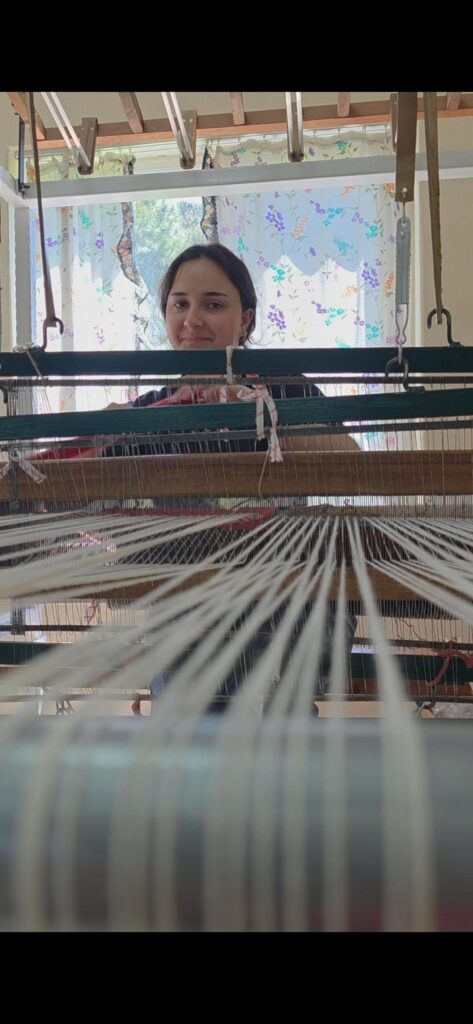
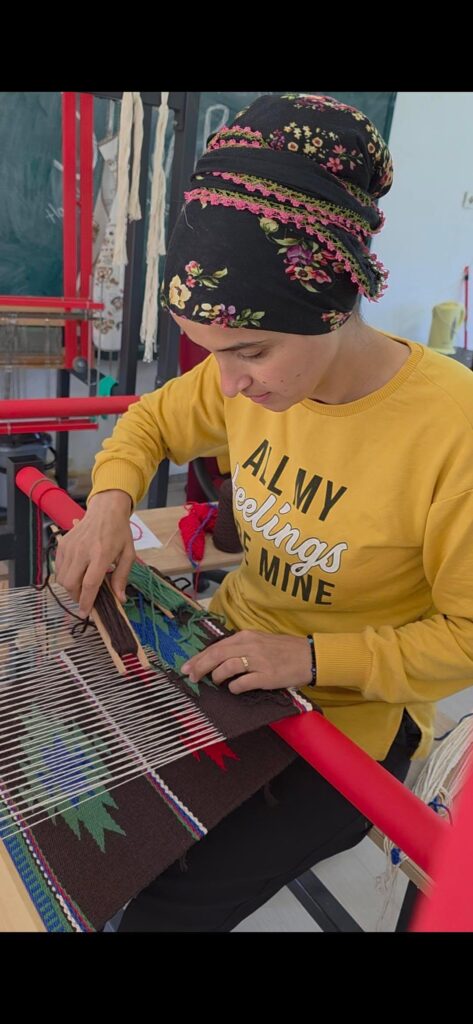
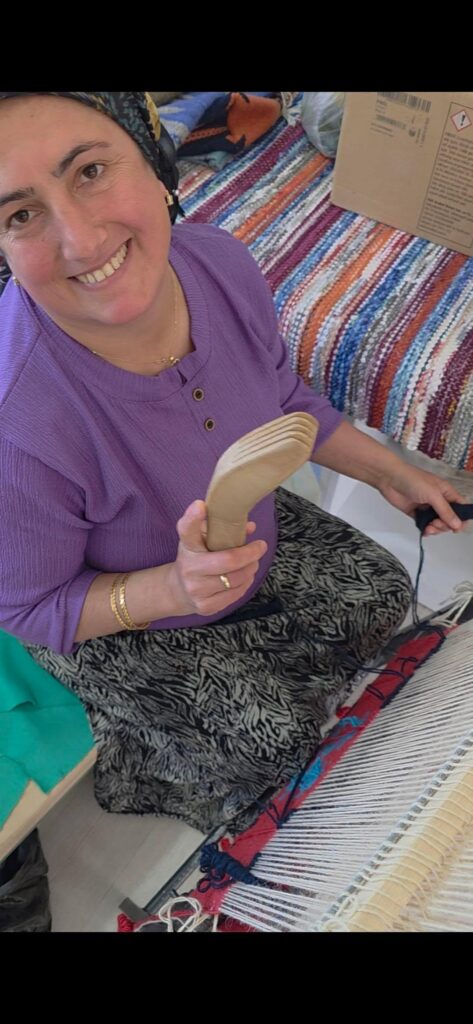
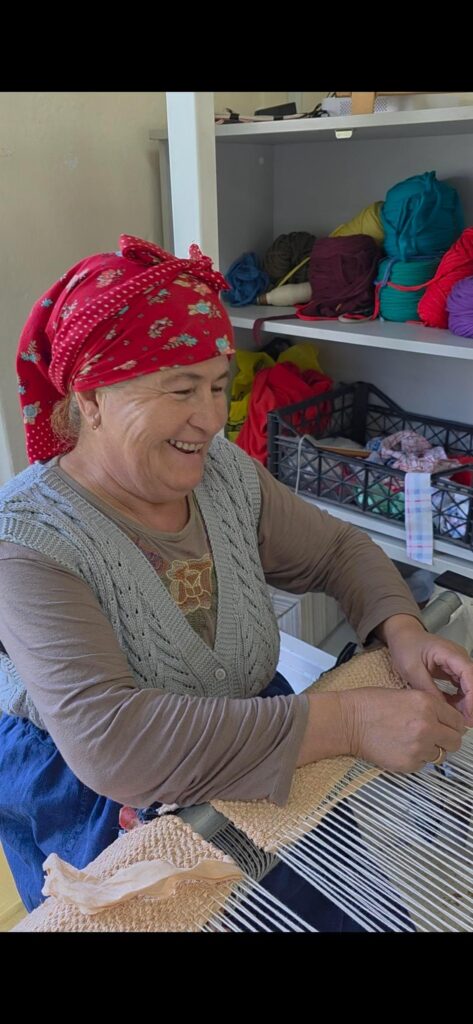
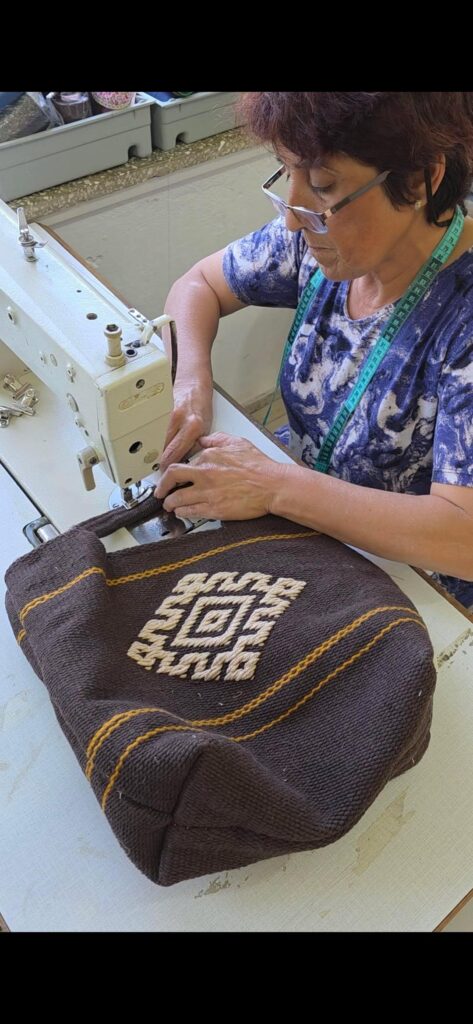
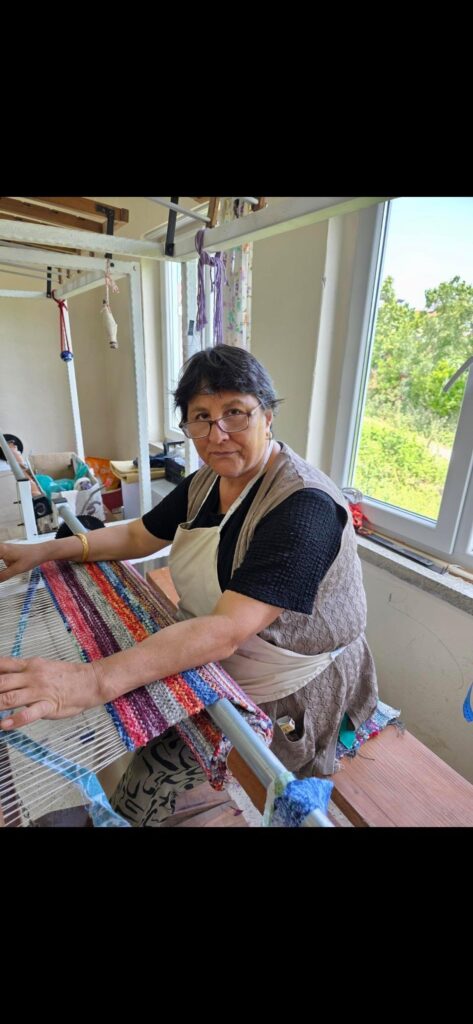
In the heart of Kılıçlı village, Sinop, Turkey, a group of determined women are weaving a new future for themselves and their community. The Sinabeli Women’s Entrepreneurship Cooperative, established in the spring of 2023, is a testament to the power of women’s empowerment and sustainable development.
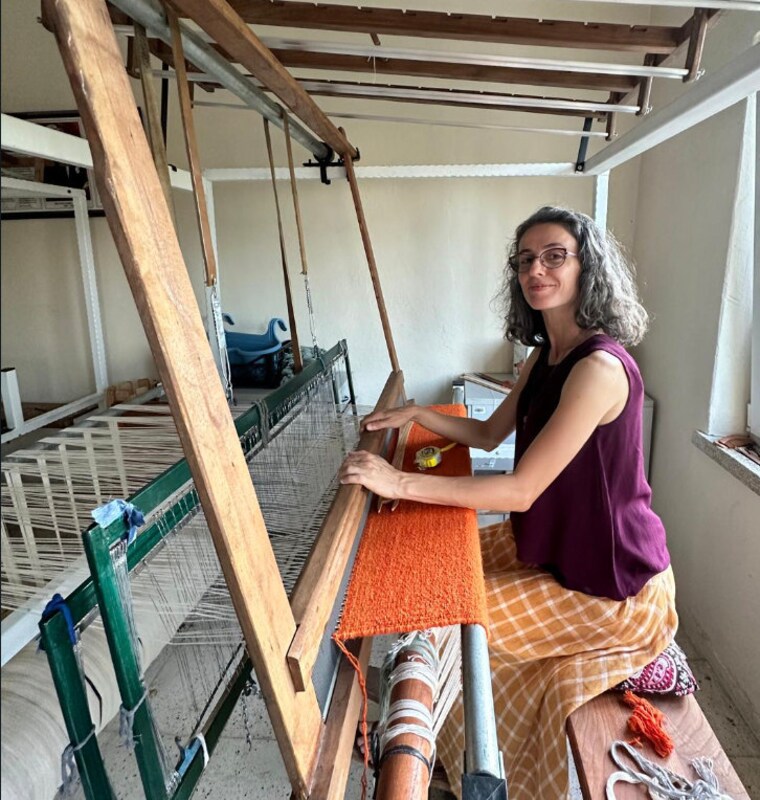
Led by Aylin Demirhan, the founding partner and chairwoman of the cooperative, the women of Kılıçlı village have transformed an abandoned school building into a vibrant workshop, where they create beautiful, hand-woven products using natural materials and traditional techniques.
Their commitment to sustainability is evident in every aspect of their work. They use naturally dyed wool yarns, recycled cotton yarns, and surplus textile fabrics cut into strips for their rag weaving. Every product is hand-woven on traditional looms, ensuring that each piece is unique and tells a story of tradition and innovation.
The cooperative’s designs draw inspiration from traditional symbols and the rich cultural heritage of Sinop, as well as collaborations with artists and academics. By reviving the rug weaving technique, an old tradition in their village, they extend the lifespan of unused fabrics from factories and from the community.
“We aim to slow down migration from the village by providing the women working within our organization with additional or alternative employment opportunities,” says Demirhan. “We take care to use natural materials in our weaving, and we give new life to fabrics that would otherwise become waste.”
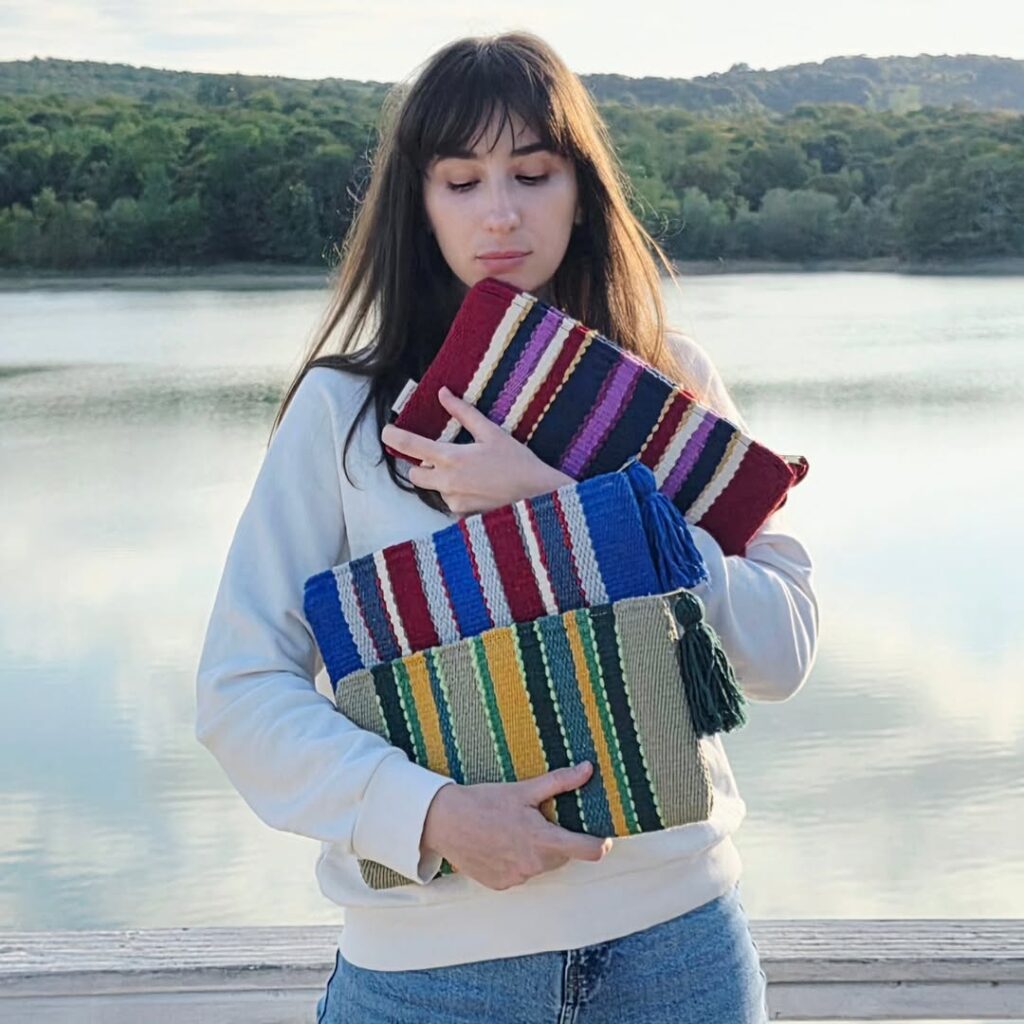
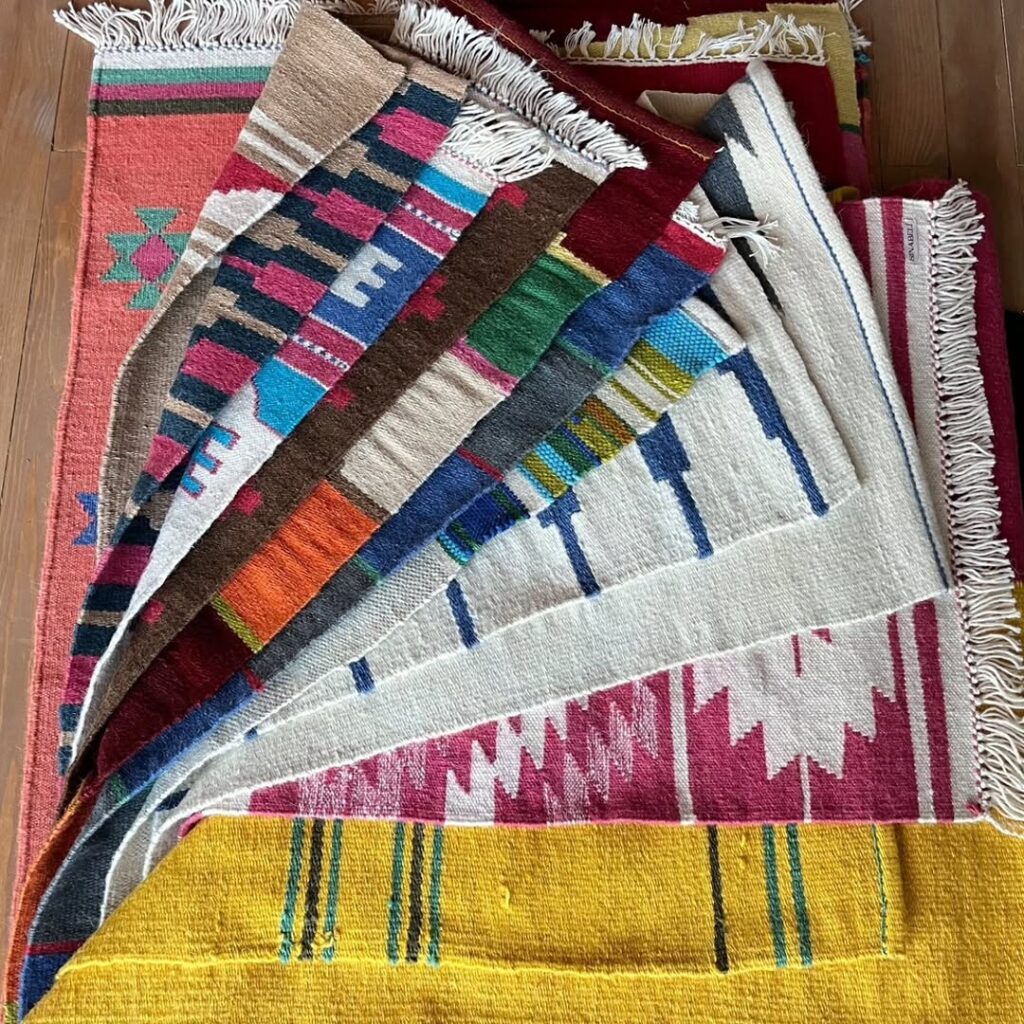
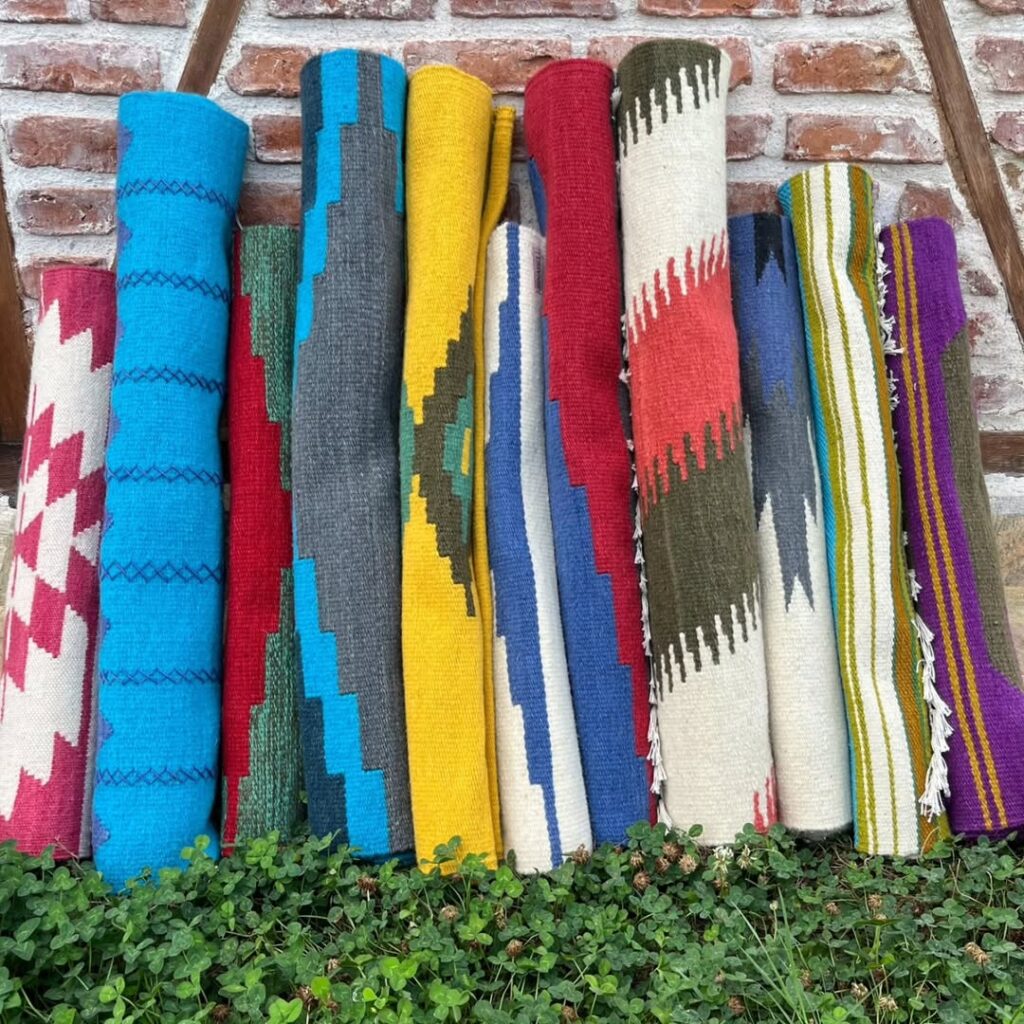
The Sinabeli Cooperative’s products are a testament to the women’s creativity and skill, featuring beautiful floor rugs, bags, throw pillow covers, placemats, poufs, belts, and wall hangings.
“For us, sustainability is not just a buzzword, it’s a way of life,” says Demirhan. “We believe that by reducing our environmental impact, we can create a better future for our children and our community.”
The cooperative’s sustainable practices are inspired by the traditional Turkish weaving techniques that have been passed down through generations. They are part of a larger movement towards sustainable fashion and women’s empowerment, and their work is a testament to the power of community and creativity.
Overall, the Sinabeli Women’s Entrepreneurship Cooperative is a powerful example of how women’s empowerment and sustainable development can go hand-in-hand, benefiting both the women involved and the broader community.
Using leaves to create garments is a highly sustainable and innovative practice in the fashion industry, primarily because it utilizes agricultural waste products, reduces reliance on synthetic materials, and often employs environmentally friendly processing methods.
Designers are increasingly using leaves and leaf fibers to create garments because of urgent, industry-wide shift toward sustainability, waste reduction, and innovation. Leaf-based fabrics and techniques provide eco-friendly, biodegradable alternatives to synthetic materials, aligning with the growing consumer demand for ethical, environmentally responsible fashion.
Amanda Meyer
Amanda Meyer is one of the creators known for designing garments made from natural materials, including preserved leaves. She collects fallen leaves, preserves and converts them into durable and biodegradable textile.
She created a “leaf dress” that involved using 100 meters of thread and 40 hours of hand-sewing to assemble, utilizing preserved leaves to create eco-friendly, sustainable fashion. This is a sustainable way of creating garments and a significant step toward a circular, eco-friendly fashion economy.
Based in Madrid – Spain, her work falls under nature art, fiber art, and sustainable design, often focusing on wearable, natural forms. She is deeply committed to the environment and using only recycled and natural resources.
Artists like Amanda contribute to circular fashion by reimagining the lifecycle of materials, fostering a mindset of appreciation for the existing, and creating work that challenges the linear “take-make-waste” model.
preserving leaves
Through her art, which frequently involves mixed media, including epoxy and paint on various surfaces, Amanda exemplifies the creative, non-traditional approaches that support the “four R’s” (Reduce, Reuse, Recycle, Repurpose) of sustainable fashion.